If you are searching for a root killer for drains, you probably want a simple answer: which product will get tree roots out of your sewer line, how quickly will it work, and can you handle the problem yourself?
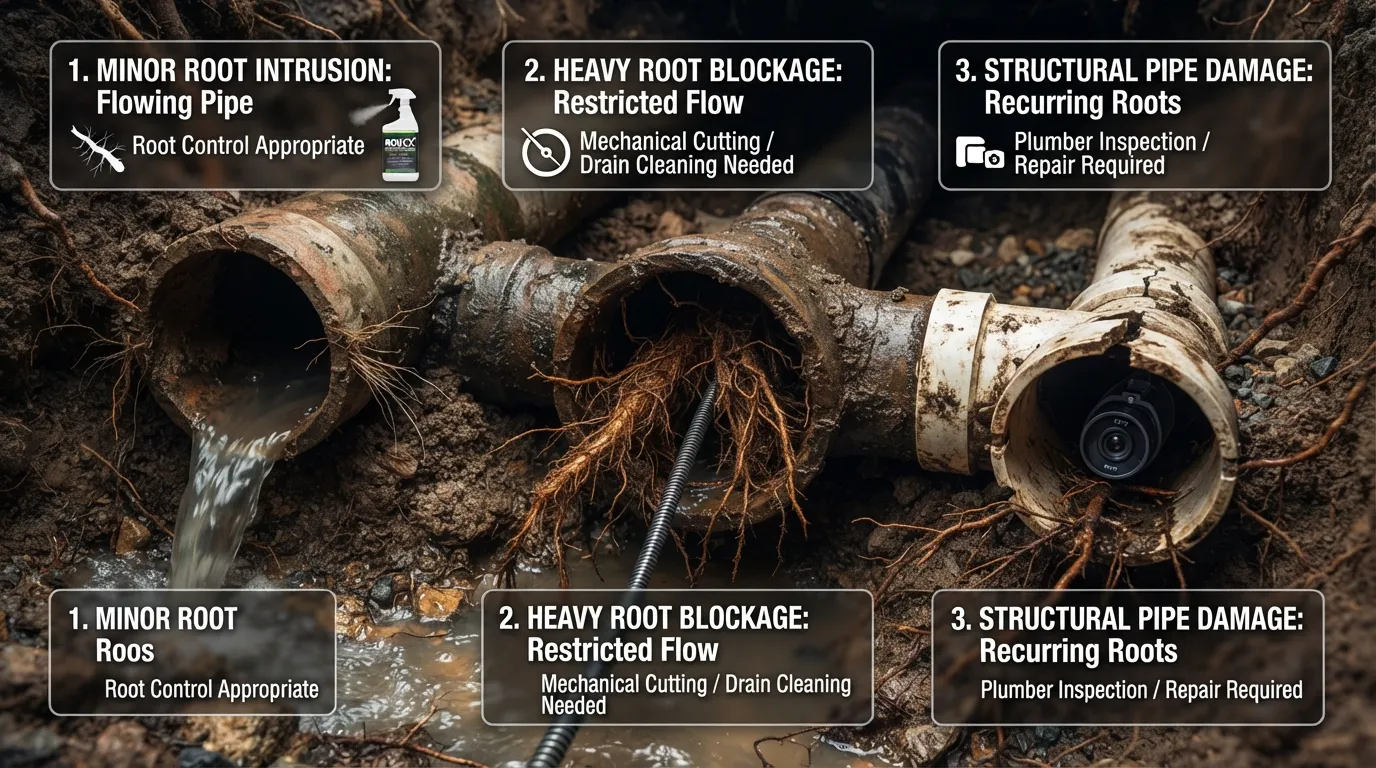
Here is the important distinction I want you to understand before you buy anything: killing roots, removing a root blockage, and fixing the pipe that allowed roots inside are three different jobs. A root-control product may help in the right situation, but it cannot repair a cracked, separated, or failing sewer pipe. And if roots have already created a serious blockage, waiting for a chemical treatment may not be the right first move.
Root killers can help control certain tree-root intrusions in sewer and drain lines, especially when the line is still flowing and the product is labeled for your system. Copper-sulfate and foaming root-control products are common options. However, a line that is heavily obstructed, repeatedly backing up, or structurally damaged may need mechanical root removal, sewer-camera inspection, and possibly pipe repair. Always follow the exact product label because application instructions and septic-system restrictions vary.
Before You Buy Root Killer, Make Sure Roots Are Actually the Problem
Not every slow drain means tree roots have entered your plumbing. Roots usually become a concern farther downstream in buried sewer piping, especially where they can reach a damaged joint, crack, offset, or another opening.
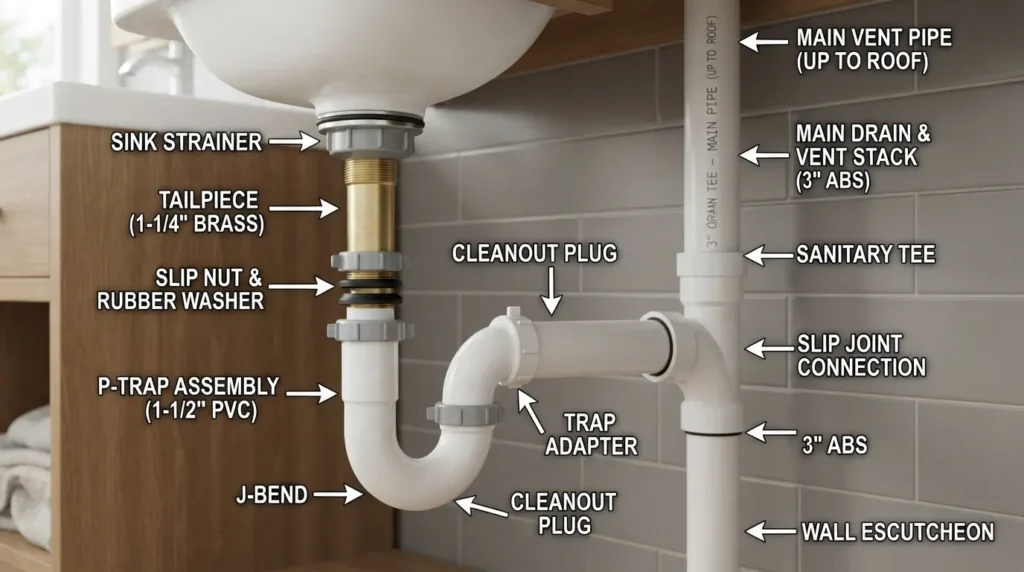
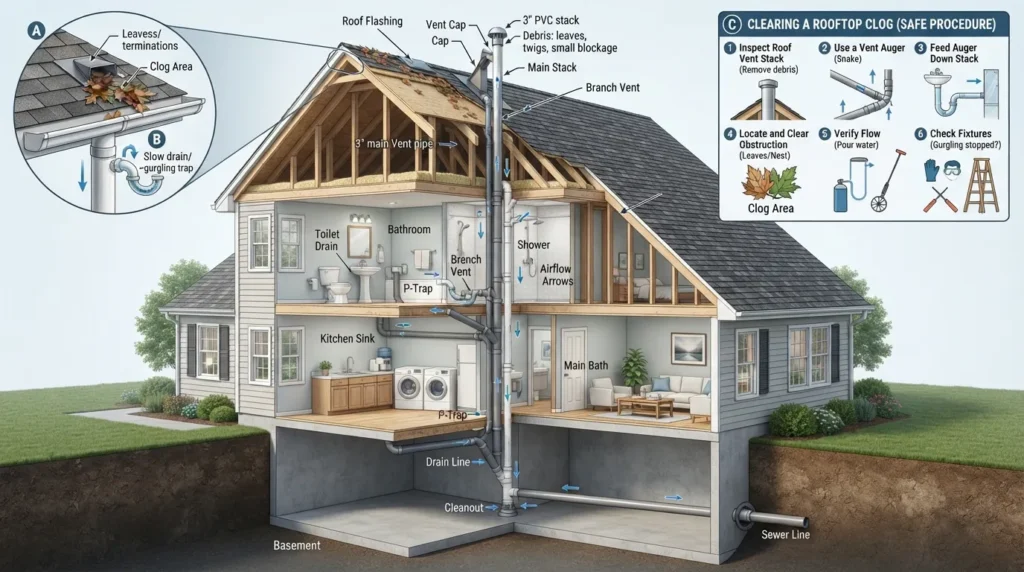
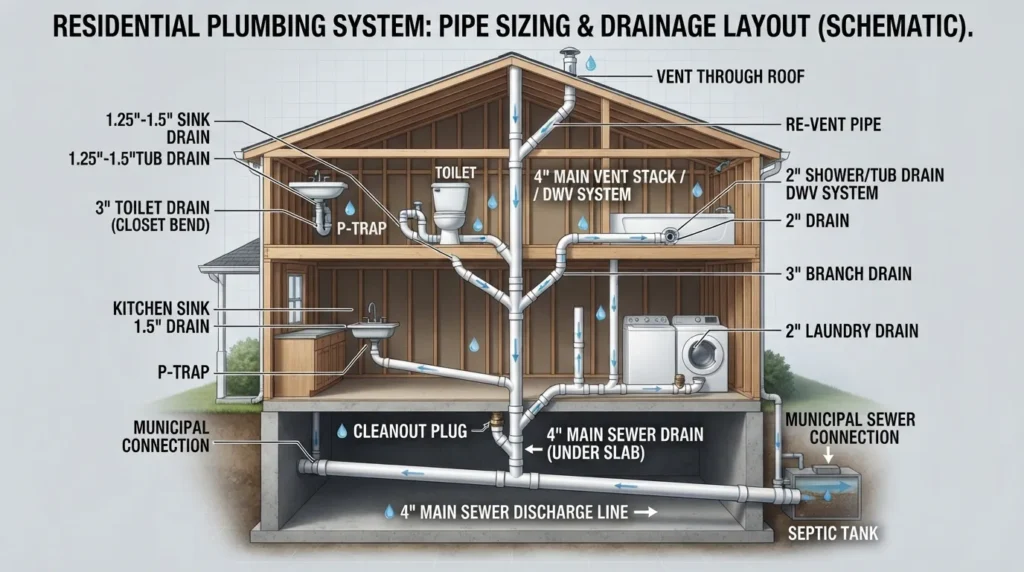
The pattern of symptoms matters. If you want to understand how fixture drains, branch lines, the building drain, and the sewer lateral connect together, our guide to how a home drainage system works explains the full wastewater path.
Signs that can point toward a main sewer-line problem
- Several fixtures begin draining slowly at the same time.
- A toilet gurgles when a sink, shower, or washing machine drains.
- Water rises in a tub, shower, or floor drain when another fixture is used.
- You clear the sewer line, but the same problem keeps returning.
- A previous sewer-camera inspection has already identified root intrusion.
- Your buried sewer piping has known cracks, damaged joints, offsets, or aging sections near mature landscaping.
Important: One slow bathroom sink or one clogged shower is not enough evidence to conclude that tree roots are in your sewer line. A localized clog can be caused by hair, soap, grease, debris, or another restriction much closer to the fixture.
What Does a Root Killer for Drains Actually Do?
Root killers are designed to control intrusive roots that have entered sewer or drain piping. Depending on the product, the active ingredient may be delivered as crystals, granules, or foam.
The goal is to affect the root tissue inside the pipe while following the manufacturer’s labeled application method. Some products are also marketed for periodic root-control maintenance after a line has been cleared.
But there is an important limitation that product comparisons often overlook:
A root killer does not automatically perform all three jobs. That is why repeatedly treating a structurally damaged sewer line can leave the underlying problem unresolved.
Does Root Killer for Drains Work?
Yes, root-control products can have a useful role when they are used for the problem and plumbing system described on their label. Their usefulness depends heavily on the condition of the line.
If the sewer line still has reasonable flow and the intrusion is manageable, a labeled root-control treatment may be worth considering. If the pipe is packed with roots and wastewater is already backing up, the immediate priority is usually restoring flow rather than expecting a chemical treatment to act like a drain snake or root-cutting machine.
Roebic, for example, states in its own guidance that a significant root problem may need to be mechanically rooted first, after which its foaming root killer can be considered for maintenance.
Which Type of Root Killer Is Best for Sewer and Drain Lines?
There is no single “strongest” or “best” root killer for every drain. A better way to choose is to look at the active ingredient or delivery method, your sewer condition, whether you use a municipal sewer or septic system, and the exact product label.
Copper sulfate root killers
Copper sulfate is used in some granular root-control products. Zep Root Kill, for example, is sold as a copper-sulfate formula for root control in drain and sewer applications.
A copper-sulfate product should not be treated as a generic chemical that can be poured anywhere in any quantity. Follow the exact directions and restrictions printed on the product you purchase.
Foaming root killers
Foaming products are designed to spread the treatment through more of the pipe cross-section instead of simply relying on granules moving along the bottom of a flowing line.
Roebic’s Foaming Root Killer, for example, uses dichlobenil as the root-control ingredient. RootX also identifies dichlobenil as its active root-control ingredient and says its formulation includes surfactants and degreasing agents.
Green Gobbler offers a foaming root-killer product as well. Its current manufacturer directions specify a defined amount through a first-floor toilet followed by a period when water should not be discharged into the sewer line. That is a useful reminder that application requirements are product-specific.
Use This Decision Guide Before Choosing a Treatment
- Is only one fixture clogged? Start by investigating a localized clog rather than assuming tree roots.
- Are several drains slow or backing up? A shared drain or main sewer-line restriction becomes more likely.
- Do you already know roots are present and the line still flows? A properly labeled root-control treatment may be an option.
- Is sewage backing up or barely moving? Do not rely on root killer as an emergency unclogging method. The obstruction may need mechanical clearing.
- Do roots keep returning? A sewer camera can help identify the root entry point and reveal cracks, offsets, damaged joints, or other structural defects.
- Is the pipe damaged? Long-term control may require repair or replacement of the affected section.
Can You Put Root Killer Down a Toilet?
Some root killers are specifically designed to be introduced through a toilet because the toilet provides a path toward the main sewer line. But that does not mean every root-control product should be poured into every toilet the same way.
For example, Green Gobbler’s current foaming root-killer directions specify application through a first-floor toilet. Other products may have different quantities, steps, access-point requirements, or restrictions.
Always use the application point specified on the label.
Do not confuse “root killer for a toilet” with roots growing inside the toilet itself. When a product is flushed through a toilet, the intended target is generally farther downstream in the sewer or drain system.
How to Use Sewer Root Killer More Safely
I would not recommend one universal dose or wait time because manufacturers do not all give the same directions. Instead, use this process:
- Confirm what plumbing system you have. Know whether the line serves a municipal sewer, septic tank, drain field, or another wastewater system.
- Read the full product label before opening the container. Check where the product may be used, required quantity, application point, personal-protection instructions, and restrictions.
- Do not mix root killer with another drain chemical. Follow each manufacturer’s safety directions rather than creating your own chemical combination.
- Use only the labeled application method. If the label says first-floor toilet, cleanout, or another access point, do not improvise.
- Respect the required no-water period. Some products need time in the sewer line before additional water is discharged.
- Keep people and pets away from the product during application and storage.
- Do not keep adding more because the line has not opened immediately. A heavy obstruction may need to be mechanically removed.
As one example of why you should read the actual container, Green Gobbler currently instructs users of its foaming root killer to avoid using the toilet or draining water into the sewer line for 10–12 hours after application. That is a manufacturer-specific contact instruction, not a universal rule for every root killer.
How Long Does Root Killer Take to Work in Pipes?
There is no reliable single answer for every product and every root intrusion.
The time a manufacturer tells you to keep water out of the line is not necessarily the time required for every affected root to die, break down, or leave the pipe. Root size, severity of intrusion, wastewater flow, the condition of the sewer line, the formulation used, and the manufacturer’s treatment schedule can all matter.
If you have an active sewage backup, “how long will the chemical take?” is usually the wrong question. The more useful question is: does this line need to be physically opened now?
What Happens to the Roots After Root Killer Is Applied?
This is one of the biggest gaps in many root-killer discussions.
Killing intrusive root tissue does not mean a large root mass instantly disappears from the sewer pipe. Dead or weakened material may still occupy space, trap toilet paper and debris, or remain associated with the structural opening where the roots entered.
If there is already a substantial root curtain or dense obstruction, mechanical cutting or another professional clearing method may be necessary to restore adequate pipe capacity.
This is why you should separate these two goals:
- Root control: targeting intrusive growth.
- Flow restoration: physically reopening enough of the sewer line for wastewater to move correctly.
What Dissolves Tree Roots in Sewer Lines Naturally?
You will find many DIY suggestions online involving salt, vinegar, baking soda, boiling water, bleach, and other household products. I would not treat these as equivalent to a labeled sewer-root treatment or professional root removal.
An established woody root mass inside a sewer line is not the same problem as soft grease or soap buildup in a sink drain. Household remedies also do nothing to repair the crack or joint that allowed the roots into the pipe.
Instead of asking, “What can I pour down the drain to dissolve roots naturally?” ask, “How severe is the root intrusion, is the sewer still open, and is the pipe structurally damaged?”
If those questions are unanswered, a sewer inspection is more useful than experimenting with unverified mixtures.
How Do Plumbers Get Tree Roots Out of Sewer Lines?
Professional treatment is based on the actual obstruction and pipe condition rather than using the same method for every sewer line.
1. Identify the location and severity
A plumber may first evaluate which fixtures are affected and where the sewer can be accessed. When the problem is recurring or unclear, a sewer camera can help identify roots, cracks, offsets, bellies, damaged joints, or other obstructions.
2. Mechanically clear the root mass when necessary
A professional drain machine with the appropriate cable or cutting head can physically break through or cut intrusive roots. The correct equipment depends on the pipe, access point, diameter, blockage, and condition.
3. Consider hydro jetting when appropriate
Hydro jetting uses high-pressure water to clean material from the internal pipe surface. It can be useful in some sewer-cleaning situations, but the condition of the pipe needs to be considered before high-pressure cleaning is selected.
4. Inspect the reason roots entered
Removing roots without considering the entry point can leave you with a recurring problem. If the camera shows a significant crack, separation, offset, or failing section, the next conversation should be about repair rather than repeatedly treating symptoms.
If you are in South Florida and your main sewer line is repeatedly clogging, our professional drain cleaning in Miami page explains how snaking, cutters, hydro jetting, and sewer-camera inspection are selected according to the problem.
What Kills Sewer Roots Permanently?
No root-killer chemical should be confused with permanently fixing a defective sewer pipe.
If roots are entering through a structural opening, killing the roots inside the line does not close that opening. New growth may eventually return as long as the underlying access point remains available.
For a recurring root-intrusion problem, the long-term solution may involve:
- Locating the intrusion with a sewer camera.
- Removing the obstructing root mass.
- Evaluating the damaged joint or pipe section.
- Repairing, rehabilitating, or replacing defective sewer piping when necessary.
- Using an appropriate root-control maintenance strategy only when it makes sense for the remaining system.
That is the difference between treating the symptom and correcting the cause.
Florida Homeowners: Check Your Sewer vs. Septic System Before Using Root Killer
This deserves special attention if you live in Florida.
Do not assume that a root-killer product labeled for one wastewater system can automatically be used in another. Manufacturer restrictions can be location-specific.
Roebic currently states that its root killers cannot be used in septic systems in Florida, while its guidance distinguishes municipal sewer-line use. Its Foaming Root Killer product page also specifically states that the product is banned for use in Florida septic systems.
This is exactly why I would not choose a sewer root killer based only on a “best root killer” list. First identify whether your property is connected to a municipal sewer or uses an onsite septic system, then verify the current label and local restrictions for the exact product.
If you are not sure which part of your plumbing is causing the problem, a local Miami plumbing team can help you determine whether you are dealing with a fixture clog, building drain issue, main sewer restriction, or another drainage problem.
What Is the Best Time of Year to Apply Root Killer?
There is no universal seasonal schedule that applies to every brand.
Roebic, for example, recommends applying its Foaming Root Killer twice per calendar year, in spring and late fall. Other manufacturers specify different maintenance intervals, so the schedule on one product should not be copied to another.
The safest rule is simple: follow the current label for your exact root-control product.
Root Killer vs. Mechanical Root Removal: Which One Do You Need?
- Roots are confirmed or strongly documented.
- The line is still flowing.
- You are using a product labeled for your plumbing system.
- The goal includes root control or maintenance.
- You can follow the complete manufacturer instructions.
- Multiple fixtures are backing up.
- Sewage is rising through a tub, shower, toilet, or floor drain.
- The sewer line is nearly or completely obstructed.
- The clog repeatedly returns after treatment.
- You do not know whether roots are actually the cause.
- A cracked, offset, or damaged pipe is suspected.
Why Root Killer Is Not Always the Permanent Fix
The video below shows a homeowner’s approach to using a copper-sulfate root-control product while also explaining the larger point that treatment does not repair a failing sewer line. Use it as general educational context, not as a replacement for the directions on the product you purchase.
When Should You Stop DIY Treatment and Call a Plumber?
You do not necessarily need professional sewer service simply because you found roots. But you should stop treating the problem as a basic DIY maintenance issue when the symptoms suggest an active main-line blockage or structural damage.
Get the line evaluated if:
- Several drains are backing up together.
- Wastewater or sewage is coming back through a fixture.
- You cannot use toilets or showers normally.
- The same sewer clog keeps returning.
- Root killer has not solved the flow problem.
- You need confirmation that tree roots are actually present.
- You suspect cracked, collapsed, offset, or deteriorated piping.
If multiple fixtures are affected or roots keep returning, the next useful step may be a proper diagnosis instead of another bottle of drain treatment. A sewer camera and the right clearing equipment can show whether you need root removal, cleaning, or pipe repair.
Frequently Asked Questions About Root Killer for Drains
If you remember only one thing from this guide, make it this:
Root killer controls roots. Mechanical clearing restores flow. Pipe repair addresses the entry point.
A root killer for drains can be useful when tree-root intrusion has been correctly identified, wastewater can still move through the line, and the product is approved for your particular sewer or septic system. It becomes a poor substitute for diagnosis when multiple fixtures are backing up, the pipe is heavily obstructed, or roots repeatedly return through structural damage.
Choose by the condition of the sewer line—not by which bottle has the strongest marketing claim.
Product & Further Reading Resources
Because this search often has a buying component, the resources below let you compare product information, current manufacturer directions, labels, and real-user discussions. Product formulations, availability, application instructions, and restrictions can change, so verify the current package before use.
Safety note: Root-control products are regulated chemical products with brand-specific instructions and restrictions. Always read and follow the current label and safety data supplied by the manufacturer. If sewage is actively backing up or you suspect structural sewer damage, stop unnecessary water use and have the line properly evaluated.