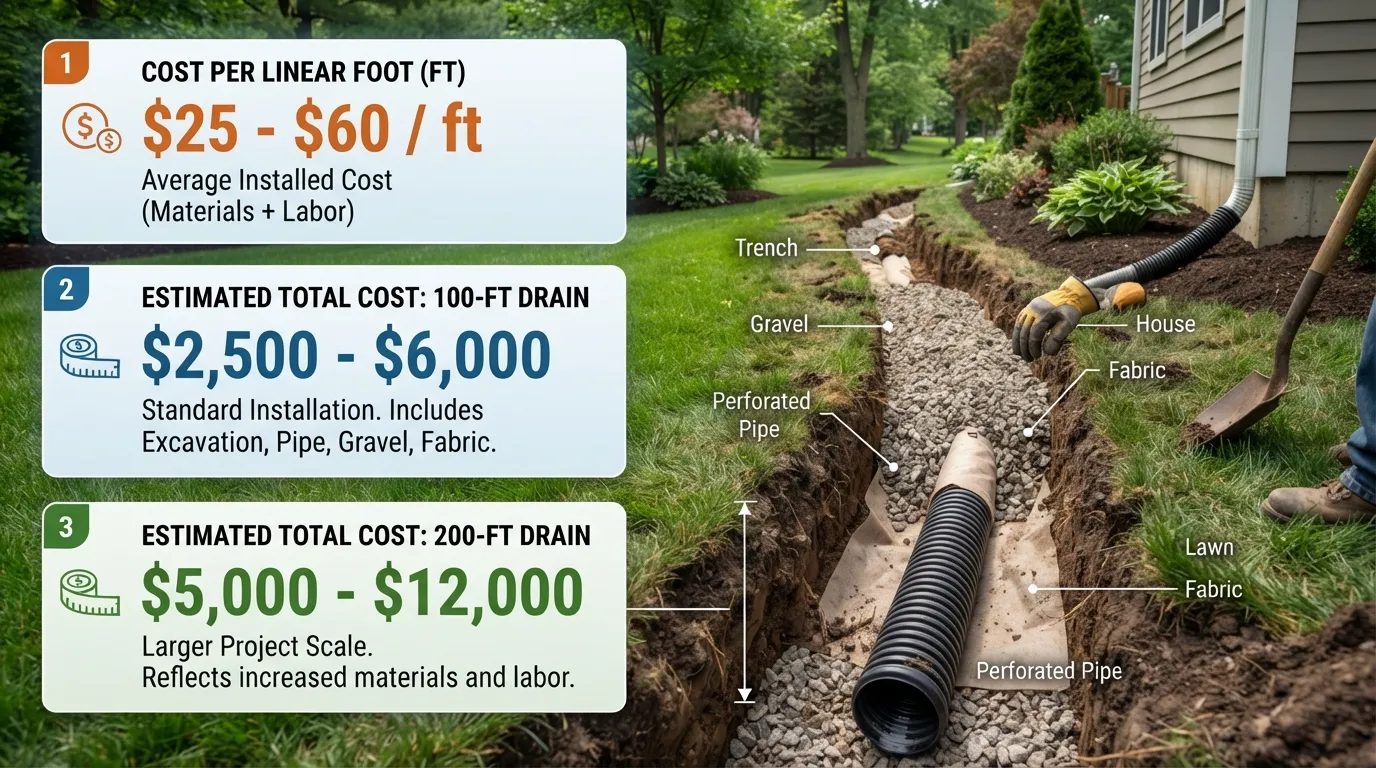
If water keeps collecting in your yard, around your foundation, or in another low area, a French drain can be an effective way to intercept and redirect it. But before you budget for one, you need to answer two separate questions: How much will the French drain cost, and is a French drain actually the right solution for your water problem?
How Much Does a French Drain Cost?
Published 2026 cost guides show a wide range because a shallow yard drain is a very different project from a deep foundation or interior perimeter system. HomeGuide reports roughly $10–$35 per linear foot for a shallow exterior yard French drain, $30–$90 per linear foot for a deep exterior perimeter drain, and $40–$85 per linear foot for an interior basement perimeter system. LawnStarter publishes a broader exterior range of about $10–$65 per linear foot and a national typical project range of roughly $1,650–$12,250.
My advice: use these numbers as planning ranges, not as a quote. Your actual French drain price depends on the type of drain, trench depth, length, access, soil, excavation, discharge point, restoration, and other site conditions.
French Drain Cost by Type
The easiest mistake is comparing every French drainage system by one national average. Instead, first identify what kind of system your property needs.
Shallow Yard / Curtain Drain
$10–$35 / ft
Often used to intercept water in a lawn, garden, or other exterior area where unwanted water can be redirected to an appropriate outlet.
Deep Exterior / Foundation Drain
$30–$90 / ft
A deeper perimeter system can require considerably more excavation and access around the foundation.
Interior Basement Perimeter
$40–$85 / ft
Interior systems can involve breaking and replacing concrete and commonly route collected water toward a sump system.
These are current published national planning ranges, not fixed contractor rates. HomeGuide’s February 2026 guide separates shallow yard drains, deep exterior perimeter systems, and interior drains because their labor and construction requirements differ significantly.
How Much Does a 50, 100, or 200 Ft French Drain Cost?
If you already know the approximate length, you can create a rough baseline before requesting estimates.
*Deep exterior examples are simple calculations using the published $30–$90 per-linear-foot planning range. Actual projects may not price as a simple footage calculation. HomeGuide’s published shallow and interior examples show similar 50-, 100-, and 200-foot ranges.
Don’t compare French drain quotes by length alone.
A 100-foot shallow trench across an open lawn is not the same project as 100 feet of deep excavation beside a foundation with roots, hardscape, limited equipment access, soil removal, and a complicated discharge point.
Estimate Your French Drain Cost in About 60 Seconds
A simple French drain cost calculator that only asks for length can give you false confidence. I would estimate the project in six steps instead.
- Measure the approximate linear footage. Measure the proposed path from the collection area toward the intended discharge location.
- Identify the drain type. Is this a shallow yard drain, deeper curtain drain, foundation-level system, or interior perimeter drain?
- Evaluate excavation difficulty. Open lawn, roots, rocks, fences, patios, narrow side yards, existing utilities, and limited machine access can change labor requirements.
- Identify where the water will go. A French drain needs an appropriate discharge strategy. Simply collecting water without a workable destination does not solve the drainage problem.
- Account for restoration. Sod, garden beds, pavers, concrete, irrigation, or other disturbed surfaces may need repair after excavation.
- Verify permits and local requirements. Requirements depend on the work and jurisdiction, especially when a project involves regulated drainage connections, outfalls, dewatering, or other controlled work.
Simple Planning Formula
Drain length × relevant per-foot range = baseline estimate
Then evaluate excavation, access, discharge, restoration, permits, and site-specific work instead of treating the baseline as the final price.
Before You Spend the Money: Do You Actually Need a French Drain?
This is the question I would answer before worrying about price. A French drain is designed to intercept unwanted water and move it through a gravel-filled trench and perforated drainage pipe toward an appropriate destination. But not every puddle, flooded driveway, or wet foundation calls for the same drainage solution.
If you’re still sorting out the difference between sanitary plumbing, stormwater drainage, surface drainage, and subsurface drainage, our home drainage system guide explains how those systems differ.
A French drain may make sense when:
- You have recurring soggy soil or groundwater moving through a specific part of the yard.
- Water needs to be intercepted before it reaches a vulnerable area.
- Subsurface water is contributing to moisture near a foundation.
- Water pressure needs to be relieved behind a properly designed retaining wall.
- There is a suitable route and lawful destination for the collected water.
Another drainage solution may deserve consideration when:
Water falls from a downspout
A better downspout routing or roof-runoff solution may address the source more directly.
Water sits in one surface low spot
A catch basin or other surface-inlet solution may be worth evaluating.
The entire yard slopes toward the house
Regrading or a swale may address the underlying surface-flow problem.
Water crosses a driveway or patio
A trench or channel drain may collect surface water more directly in some layouts.
The important sequence is water source → correct drainage method → system design → cost. Reversing that sequence can leave you paying for a French drain that never addressed the real cause.
What Makes French Drain Installation More Expensive?
Length matters, but it is only one part of the price. Current cost guides identify excavation, soil, materials, accessibility, drainage destination, and related work as major cost variables.
1. Trench Depth
A shallow French drain in an accessible yard generally requires less excavation than a deep foundation-level system. Once excavation becomes deeper or more difficult, labor, equipment, spoil removal, and site protection can become more involved.
2. Soil and Ground Conditions
Soil that is difficult to excavate can slow the work. Roots, rocks, buried obstructions, and existing underground infrastructure can also make a seemingly simple trench more complicated.
3. Equipment Access
A machine-accessible side yard is different from a narrow area where excavation has to be performed largely by hand. LawnStarter specifically notes that restricted excavation access can increase labor requirements.
4. Pipe, Aggregate, and Filter Fabric
A typical French drainage system involves perforated drainage pipe, drainage aggregate, and filter material arranged to collect and move water while limiting soil migration into the system. Material choices and required quantities change with trench dimensions and design.
5. The Discharge Solution
This is one of the most overlooked parts of a French drain price. Water has to go somewhere. Depending on the property, the design may involve a suitable daylight outlet, another approved drainage feature, a dry well, a sump arrangement, or a different site-specific solution. HomeGuide and LawnStarter both identify discharge-related work as a cost consideration.
6. Hardscape and Landscaping Restoration
Excavating through an established property may disturb sod, gardens, irrigation, decorative stone, walkways, patios, or concrete. The quote should make clear who is responsible for restoring those areas.
7. Local Rules and Permitting
Never assume every drainage modification can be installed or discharged wherever you want. Miami-Dade County, for example, lists specific permitting and review categories for certain drainage outfalls, dewatering work, drainage wells, and surface-water-management activities. The requirements that apply depend on the actual project.
How to Tell Whether a French Drain Quote Is Fair
Instead of asking only, “What is the price per foot?” ask what the contractor is actually providing for that price.
French Drain Quote Checklist
- What drainage problem is the system designed to solve?
- What type of French drain is being installed?
- How many linear feet are included?
- What trench depth and width are planned?
- What pipe type and size are included?
- What aggregate and filter fabric are being used?
- How will proper grade and water movement be established?
- Where exactly will the collected water discharge?
- Is utility locating included?
- Will excavation be performed by machine, by hand, or both?
- Is removal of excavated material included?
- Who repairs sod, irrigation, pavers, concrete, or landscaping?
- Who is responsible for any required permit or approval?
- Are cleanouts or future service access included where appropriate?
- What workmanship or system warranty, if any, is included in writing?
Two contractors can quote the same 100-foot French drain and legitimately arrive at very different totals if one quote includes excavation, hauling, restoration, and a complete discharge solution while the other does not.
Why Do French Drain Cost Estimates Online Disagree So Much?
You may have already noticed this. One website says an exterior drain costs $10–$35 per foot, another gives $10–$65, and deeper foundation systems can reach substantially higher ranges.
That does not necessarily mean one number is wrong. The label French drain is being used for projects with different depths, locations, installation conditions, and construction requirements. HomeGuide separates shallow yard systems from deep exterior drains, while LawnStarter uses a broader exterior range.
The Better Question
Don’t ask only, “What does a French drain cost per foot?”
Ask, “What does the correct French drain for my water problem cost per foot, and what is included?”
French Drain Installation Cost Per Square Foot vs. Linear Foot
If you searched for French drain installation cost per square foot, you are not alone. However, French drain installation is normally discussed and estimated by linear foot because the system follows a trench or perimeter route. Current major cost guides also publish French drain pricing primarily per linear foot.
Square-foot pricing may still appear elsewhere in the project—for example, when calculating the restoration of a lawn or another disturbed surface—but it is generally not the clearest unit for comparing the drain itself.
How Deep Should a French Drain Be in a Yard?
For a typical yard application, HomeGuide lists roughly 12 to 24 inches deep as a common French drain depth, while deeper systems may be needed depending on the water problem and property. It also notes that foundation-protection applications can require greater depth than a shallow surface-water installation.
That is why “dig it two feet deep” should not be treated as a universal design rule. The right depth depends on what water you are trying to intercept, the elevation of the outlet, required grade, surrounding structures, soil conditions, and site design.
Can You Install a French Drain Yourself?
A simple, shallow exterior French drain can be a realistic DIY project for an experienced homeowner who understands excavation, grade, drainage routing, pipe placement, aggregate, filter fabric, and where the water can legally and safely discharge.
But the financial decision should not be based on material prices alone. A failed installation may still leave the water problem unresolved and can mean excavating the same area again.
DIY may be more reasonable when:
- The trench is shallow and easily accessible.
- The drainage problem is clearly understood.
- You have a workable gravity outlet.
- No foundation or structural waterproofing work is involved.
- You can safely locate utilities and excavate the area.
Professional evaluation becomes more important when:
- The drain runs near a foundation.
- The excavation is deep.
- You cannot identify a suitable discharge point.
- The site has significant utilities, roots, hardscape, or access restrictions.
- Water intrusion is affecting the building.
- You are unsure whether a French drain is the correct solution.
Digging safety matters.
The national 811 service recommends contacting 811 or your state 811 center before digging so participating utilities can mark the approximate location of underground lines.
Video: See Why French Drain Costs Can Vary
If you’re trying to understand why a trench that looks simple from above can become labor-intensive, this video provides another visual perspective on French drain installation costs.
The video is titled French Drain, How Much Does It Really Cost? and focuses on the cost and installation considerations behind yard and foundation drainage.
French Drain Alternatives: When Another Solution May Be Better
A good drainage recommendation should not automatically end with “install a French drain.” The best option depends on how water is reaching the problem area.
The right solution can also combine several drainage features rather than relying on one component.
French Drain Repair, Cleaning, or Replacement?
If you already have a French drain that no longer performs well, don’t automatically assume the entire system needs replacement.
Cleaning or service may be worth investigating when:
- The system previously worked but drainage has gradually slowed.
- An outlet or accessible section appears obstructed.
- Sediment, roots, or debris may be restricting flow.
Repair may make sense when:
- The problem is limited to a damaged section.
- An outlet component has failed.
- A localized section has settled or been disturbed.
Replacement or redesign may be necessary when:
- The system was installed without an effective outlet.
- The layout does not intercept the water source.
- Large sections of pipe or trench have failed.
- The drain was designed for the wrong drainage problem.
- Repeated repairs have not corrected the underlying issue.
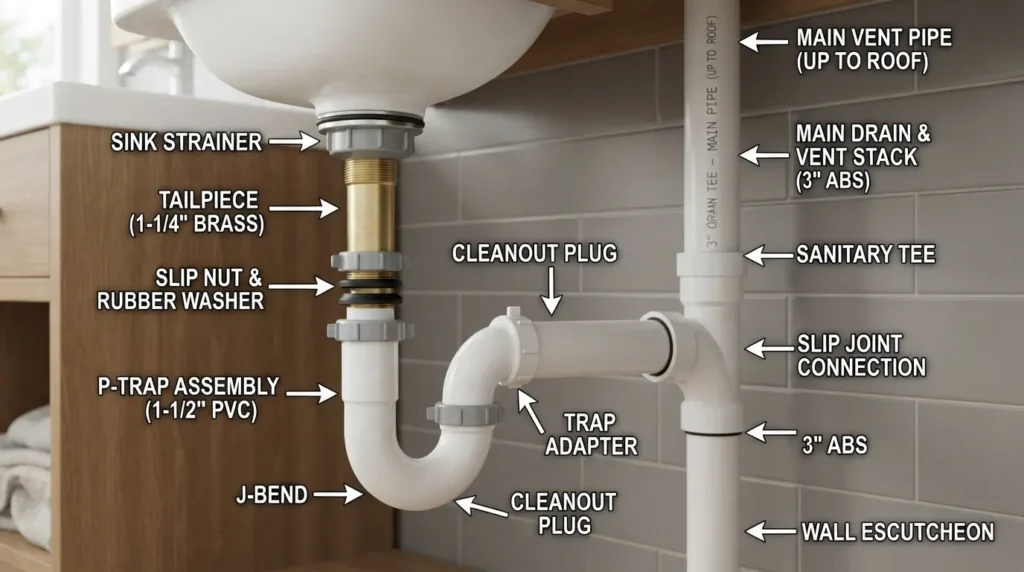
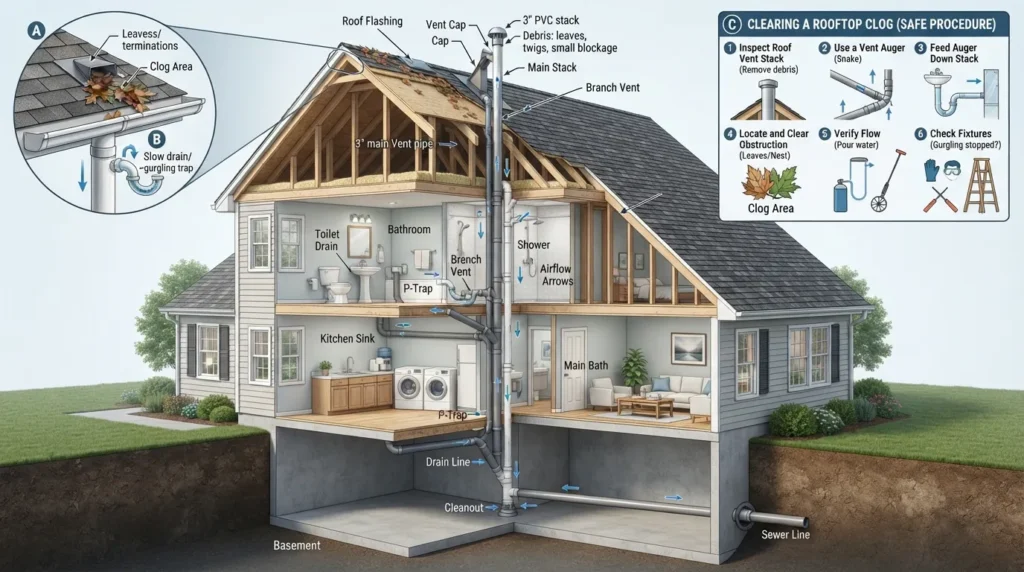
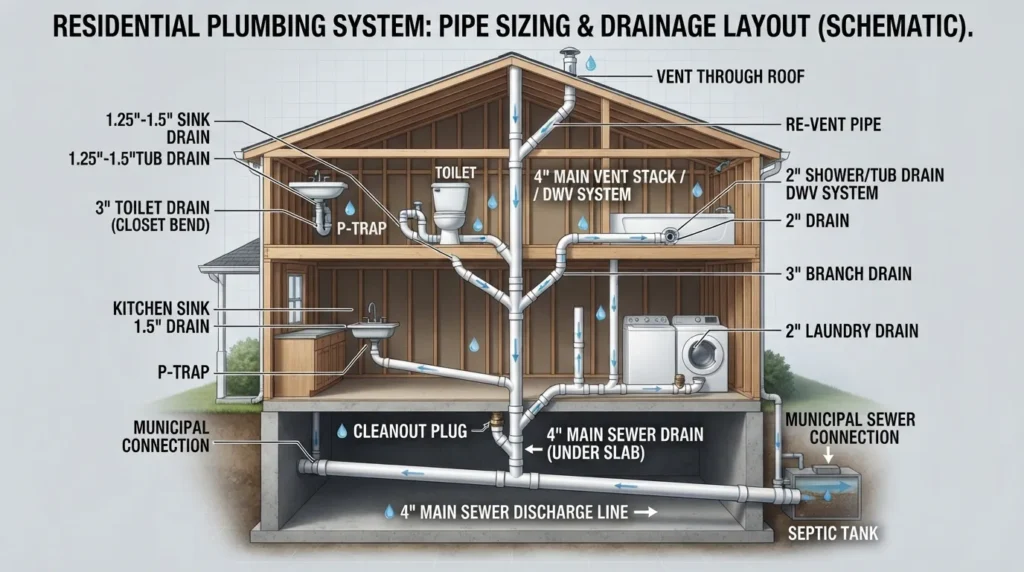
Also remember that an exterior French drain is different from the sanitary drains carrying wastewater inside your home. If your actual symptom is a slow sink, toilet backup, multiple clogged fixtures, or a blocked sewer line, that calls for a different diagnosis. Our professional drain cleaning in Miami page covers those plumbing-related blockages.
What Changes French Drain Cost in Miami and South Florida?
National averages are useful for comparison, but South Florida drainage deserves a site-specific look. The U.S. Geological Survey describes the Biscayne aquifer beneath the region as having highly permeable sand and limestone sediments and a shallow water table. USGS research on urban Miami-Dade also notes that low topographic relief together with a high water table creates substantial surface-water-management needs.
For you as a Miami-area homeowner, that makes the water source, groundwater conditions, elevations, discharge route, and local drainage requirements especially important. A generic online French drain calculator cannot see those conditions.
Miami-Dade County also maintains water-control and flood criteria and has specific environmental review pathways for certain types of drainage work. That is another reason to verify the actual project requirements instead of assuming a drainage route is acceptable simply because it is physically possible.
If you need broader local plumbing help while diagnosing a drainage issue, you can learn more about our local Miami plumbing team.
Are French Drains Worth the Money?
A French drain can be worth the cost when it solves a recurring water problem that would otherwise continue damaging landscaping, creating persistently wet areas, or contributing to moisture around vulnerable parts of the property.
But value depends on correct diagnosis. A $4,000 drainage system is not a bargain if a simpler surface-water correction would have solved the problem. Likewise, choosing the cheapest trench without solving the discharge problem can leave you paying twice.
More Likely Worth It
- Recurring water problem
- Correctly identified water source
- Proper outlet available
- System designed for the actual site
- Cost can be compared with recurring damage or repair
Pause Before Installing
- No clear diagnosis
- No defined discharge point
- Problem is mainly roof runoff or grading
- Quote does not explain system design
- Contractor recommends a drain without inspecting water flow
What Are the Downsides of a French Drain?
French drains are useful, but they are not maintenance-free magic trenches. Possible drawbacks include:
- Excavation: installation can disturb lawns, landscaping, irrigation, or hardscape.
- Cost: deeper and more complicated systems can become expensive.
- Outlet dependency: collected water still needs an appropriate destination.
- Clogging or reduced performance: sediment, roots, or other problems can restrict drainage over time.
- Incorrect diagnosis: a perfectly built French drain can still disappoint if it was the wrong solution for the original problem.
- Site restrictions: utilities, property boundaries, elevations, access, and local requirements can limit design options.
Frequently Asked Questions
How much does a 200 ft French drain cost?
Using HomeGuide’s 2026 shallow-yard range, a 200-foot exterior yard French drain is roughly $2,000–$7,000. A deep exterior foundation system can be much more expensive, while an interior basement perimeter system is listed around $8,000–$17,000 for 200 feet.
How much does a 100 ft French drain cost?
A 100-foot shallow exterior yard drain is roughly $1,000–$3,500 using HomeGuide’s current published range. Its guide lists a 100-foot interior basement system at about $4,000–$8,500.
Is it expensive to put in a French drain?
It can be inexpensive relative to major waterproofing work if the project is a simple, accessible shallow yard drain. Deep excavation, foundation work, interior concrete removal, difficult access, complex discharge, or extensive restoration can increase the project substantially.
What are alternatives to a French drain?
Depending on the source of the water, alternatives can include regrading, a swale, catch basin, surface drain, trench/channel drain, improved downspout routing, dry well, or another engineered drainage solution. The correct choice depends on whether you’re managing surface runoff, subsurface water, or another source.
How deep should a French drain be in a yard?
Roughly 12–24 inches is a commonly published range for many yard installations, but there is no universal depth. Deeper drainage problems and foundation systems can require greater excavation.
Can I install a French drain myself?
Potentially, if it is a straightforward shallow yard installation and you understand drainage grade, excavation, utilities, materials, and the discharge route. Deep, foundation-related, interior, or difficult drainage projects are better candidates for professional design and installation. Contact 811 before digging so underground utilities can be marked.
Are French drains worth the money?
They can be when the system is correctly matched to a recurring water problem. The better question is not simply whether French drains work, but whether a French drain is the most appropriate solution for your water source and property.
A realistic French drain installation cost starts with identifying the system type. A shallow exterior yard drain may fall around $10–$35 per linear foot in current published estimates, while deep exterior and interior systems can cost substantially more. Other published sources use broader ranges, which is exactly why you should not evaluate a quote from footage alone.
Before approving a project, make sure you can answer four questions:
- What water problem are we solving?
- Why is a French drain the right solution?
- Where will the collected water go?
- Exactly what is included in the quoted price?
Those answers are more useful than chasing the lowest advertised French drain price.
Not Sure Whether You’re Dealing With Yard Drainage or a Plumbing Drain Problem?
Get the problem identified before spending money on the wrong solution. If you’re in the Miami area, you can discuss your symptoms and the next practical step with a local professional.
Sources & Further Reading
- HomeGuide — French Drain Cost (2026) — current cost ranges by drain type and project length.
- LawnStarter — French Drain Cost (2026) — national project estimates and exterior/interior cost factors.
- 811 Before You Dig — utility-marking information before excavation.
- Miami-Dade County Construction & Permitting Guidelines — local environmental and drainage-related review categories.
- U.S. Geological Survey — Biscayne Aquifer — regional groundwater and geologic context.