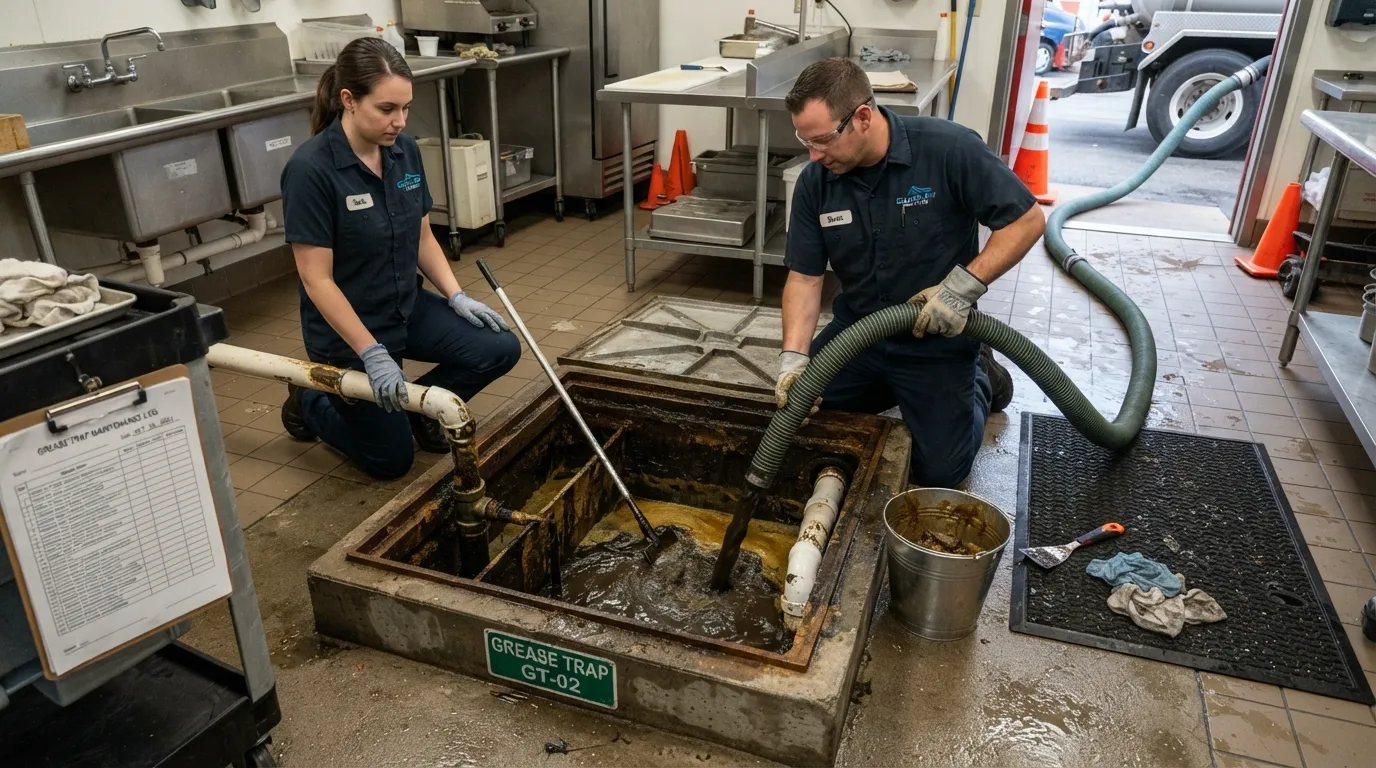
Fat trap cleaning is more than scooping grease from the top of a container. A proper cleaning removes accumulated fats, oils and grease (FOG), settled food solids and wastewater, cleans the internal surfaces and components, checks the trap for damage, and makes sure the system can separate grease before wastewater moves into the drain line.
If you have a small grease trap that you are permitted and equipped to clean yourself, the basic process is to stop water flow, safely open the trap, remove the floating FOG and settled solids, remove the remaining contents as required, scrape the walls and baffles, inspect the inlet, outlet and seal, reassemble the unit, and test drainage. For commercial kitchens in Miami-Dade County, however, the type of interceptor and your FOG operating requirements can determine who may clean it and how often it must be serviced.
So before you grab a scoop or shop for a grease trap cleaning product, I want you to answer one question first: what type of grease-control device are you dealing with? That decision affects the safest cleaning method, maintenance schedule, waste handling, and whether professional service may be required.
What Is Fat Trap Cleaning?
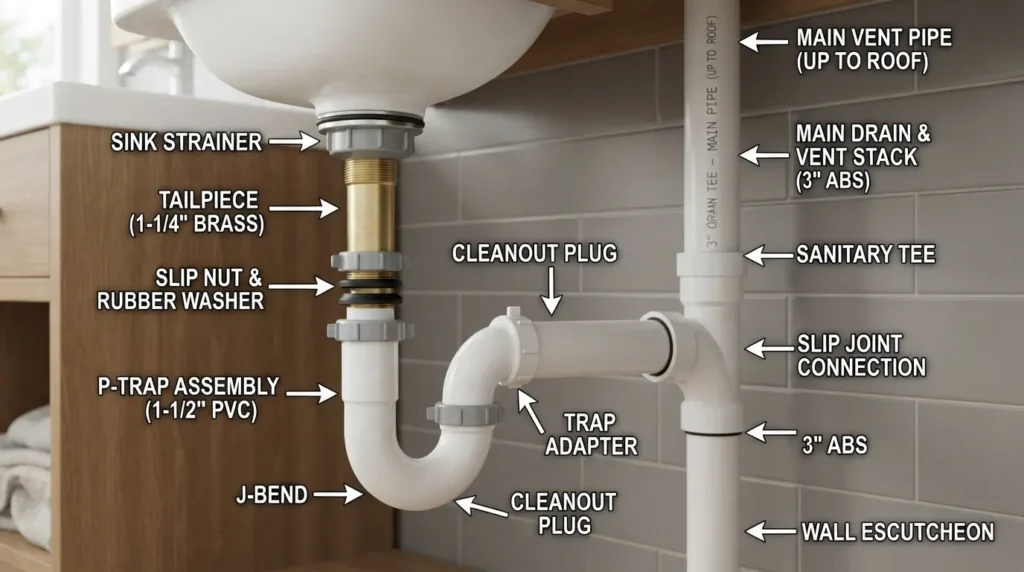
A fat trap is commonly called a grease trap or, depending on its design and size, a grease interceptor. Its job is to slow wastewater long enough for fats, oils and grease to separate instead of traveling freely into the building’s drainage and sewer system.
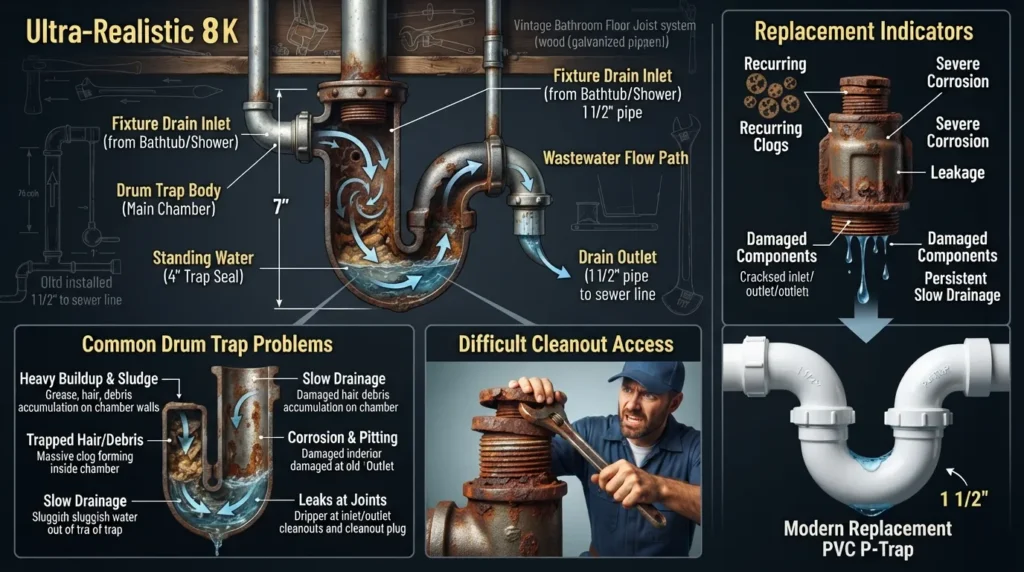
Over time, floating FOG collects at the top while heavier food solids can settle at the bottom. If that material is allowed to accumulate, the effective working volume of the trap decreases. Odors, poor drainage, backups and grease escaping farther into the plumbing can follow.
That is why a complete grease trap cleanout focuses on the entire device, not simply the visible grease layer.
First, Identify the Type of Grease Trap You Have
Small Manual Grease Trap
Often installed indoors near a sink or food-preparation area. Some qualifying units may be maintained by facility staff, but commercial operators should verify their permit and local requirements before assuming self-cleaning is allowed.
Automatic Grease Interceptor
Uses automatic components to separate or collect grease. Daily attention may still be needed for screens or storage receptacles, while scheduled full cleaning depends on the applicable requirements.
Gravity Grease Interceptor
Usually a larger system serving higher-volume commercial operations. Pump-out, transport, inspection and disposal are generally professional jobs rather than a simple in-house scoop-and-scrape task.
If you do not know which type you have, check the equipment information, your facility plans or FOG permit documentation before cleaning it. Guessing can lead to an incomplete cleaning or a maintenance schedule that does not match the system.
How to Clean a Small Grease Trap Properly
The following process is a practical overview for a small, accessible unit that you are allowed and equipped to service. It is not a substitute for the operating requirements of a commercial interceptor or for confined-space procedures.
Safety First
Wear appropriate gloves and eye protection, ventilate the work area, and never climb into an interceptor, tank, pit or other confined space. Sewage and decomposing organic material can be associated with hazardous gases such as hydrogen sulfide. OSHA warns that hydrogen sulfide can collect in low-lying or enclosed spaces and that smell should not be relied upon as a safety warning.
- Stop water use connected to the trap. You do not want fresh wastewater flowing into the unit while it is open.
- Protect the surrounding area. Have the proper containers, absorbent material, scraper and cleaning tools ready before opening the lid.
- Remove the lid carefully. Avoid damaging the lid, fasteners or gasket. A poor seal can become one source of recurring odor later.
- Observe the contents before disturbing them. Look at the depth of floating grease, settled solids and wastewater. Also note anything unusual, such as a damaged baffle, unusually low water level, corrosion or leakage.
- Remove accumulated FOG and solids. Physically remove the grease and food material instead of trying to liquefy it and wash it downstream.
- Remove the remaining contents as required for the type of cleaning being performed. Miami-Dade’s commercial FOG rules define required cleaning as complete removal of settled solids, wastewater and floating material for applicable FOG control devices.
- Scrape the internal surfaces. Clean grease deposits from walls, baffles and accessible internal components without bending, breaking or altering them.
- Check the inlet and outlet. Grease or solids around these areas can interfere with flow. If the trap is relatively clean but wastewater still drains slowly, the problem may extend into the plumbing rather than being confined to the trap itself.
- Inspect the lid and gasket. A worn, displaced or damaged seal can allow persistent odors to escape.
- Reassemble the unit correctly. Return removable components to their proper positions and secure the lid.
- Test the drain. Run water through the connected fixture and watch for proper flow, leakage, unusual sounds or backup.
A Visual Grease Trap Cleaning Demonstration
If you prefer seeing the general scoop-and-clean process before reading further, this video provides a visual reference. Always adapt any demonstration to your actual equipment and local requirements.
What Does a Complete Commercial Grease Trap Cleaning Include?
This is one of the biggest differences between a quick surface clean and a proper grease interceptor service.
For applicable Miami-Dade FOG control devices, the County’s rules describe cleaning as removing the full contents—including settled solids, wastewater and floating material—and cleaning attached deposits from side walls, baffle walls, cross-pipes, inlet pipes and outlet pipes. The rules also prohibit decanting, skimming or backflushing as substitutes for the required cleaning process.
What I Would Expect From a Thorough Service
- Removal of accumulated FOG
- Removal of settled food solids
- Removal of the remaining contents when full pump-out is required
- Cleaning of internal walls and baffles
- Attention to inlet and outlet components
- Inspection for leaks, damage or deteriorated components
- Proper waste handling and disposal
- Accurate maintenance or pump-out records where required
Do Not Try to “Clean” a Grease Trap by Pushing the Grease Downstream
The goal of a grease trap is to capture FOG. A shortcut that simply liquefies, emulsifies or moves the grease past the interceptor defeats that purpose.
Important for Miami-Dade Commercial Operators
Miami-Dade’s FOG requirements prohibit emulsifiers, grease cutters and other chemicals or detergents that can cause FOG to pass through the system into building drains or sewers.
That is why I would not treat bleach, drain opener, boiling water or a “grease-dissolving” chemical as a replacement for physical grease removal and proper servicing. Even when a product makes the trap look cleaner temporarily, the important question is where that grease goes next.
How Often Should a Fat Trap Be Cleaned?
There is no single cleaning interval that is correct for every grease trap. The right schedule depends on the type and capacity of the interceptor, food volume, grease production, equipment condition, permit requirements and whether the unit is approaching its effective FOG capacity.
For Miami-Dade commercial FOG generators, the County provides much more specific requirements than a generic “every few months” rule.
Miami-Dade’s code also describes qualifying alternative schedules and, for gravity interceptors with a functional Interceptor Monitoring Device, an interval that may extend up to 180 days subject to the stated conditions.
Can a Miami-Dade Restaurant Ever Self-Clean a Small Interceptor?
There is a narrow exception worth understanding because many generic grease trap guides miss it.
Miami-Dade’s current electronic reporting guidance says qualifying FOG generators may self-clean when all listed conditions are satisfied. Those conditions include a grease interceptor rated at 20 gallons per minute or less, no fryers, no requirement for a Type I kitchen exhaust hood, no prohibited FOG discharge or sanitary nuisance, daily interceptor cleaning, and on-site maintenance records retained for at least three years.
Do not assume that exception applies to your operation simply because the trap looks small. Check the facility’s permit conditions and current County requirements.
Why Does My Grease Trap Smell Like Sewage?
A dirty trap is one possible cause, but it is not the only one. If you clean the visible grease and the odor quickly returns, look beyond the surface.
What Kills Grease Trap Smell?
The better question is, “What is causing the smell?” An odor eliminator can mask a problem without correcting retained waste, a dirty internal component, a damaged seal, a plumbing blockage or a failing interceptor.
A proper cleanout and a secure lid may resolve odor caused by accumulated waste. If the smell continues after a complete cleaning, investigate the trap condition and connected drainage rather than repeatedly adding fragrance or chemicals.
Are Grease Trap Fumes Toxic?
You should treat strong sewer-type odors with caution, especially around large underground interceptors, pits and enclosed spaces. Hydrogen sulfide is associated with sewage and decaying organic matter, can accumulate in low or enclosed areas, and can be dangerous at sufficient concentrations. You cannot determine a safe atmosphere simply by how strong the odor seems because the ability to smell hydrogen sulfide can diminish during exposure.
Never enter a grease interceptor or confined space without the required training, monitoring and safety procedures.
What Can You Put in a Grease Trap to Keep It Clean?
The best maintenance strategy starts before wastewater reaches the trap.
- Scrape food scraps and heavy grease from cookware before washing.
- Use appropriate sink screens or solids-control devices.
- Keep food solids out of the grease waste stream as much as possible.
- Empty and maintain required screens or receptacles on schedule.
- Inspect the trap instead of waiting for a backup or odor complaint.
- Keep cleaning and service records for commercial equipment where required.
- Never use a product simply to force captured FOG into the downstream drain.
Miami-Dade also advises food facilities to maintain routine grease trap cleaning and staff practices that reduce FOG entering the drainage system.
Grease Trap Cleaning vs. Drain Cleaning: Know the Difference
A grease trap and the drain line connected to it are related, but they are not the same thing.
Grease trap cleaning removes FOG, wastewater and solids from the interceptor and cleans its internal components.
Drain cleaning addresses buildup or a blockage in the pipe carrying wastewater away from the fixture or interceptor.
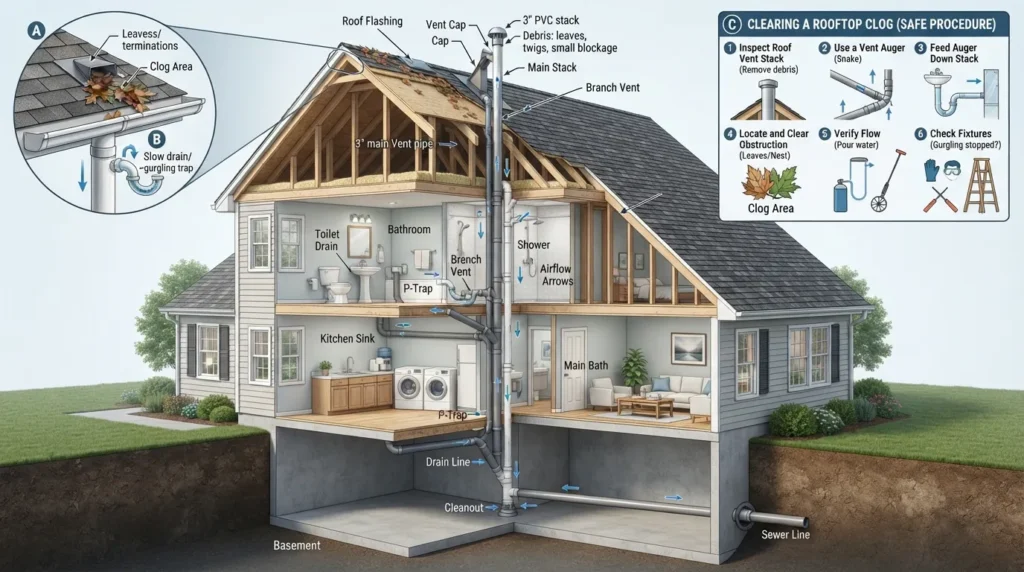
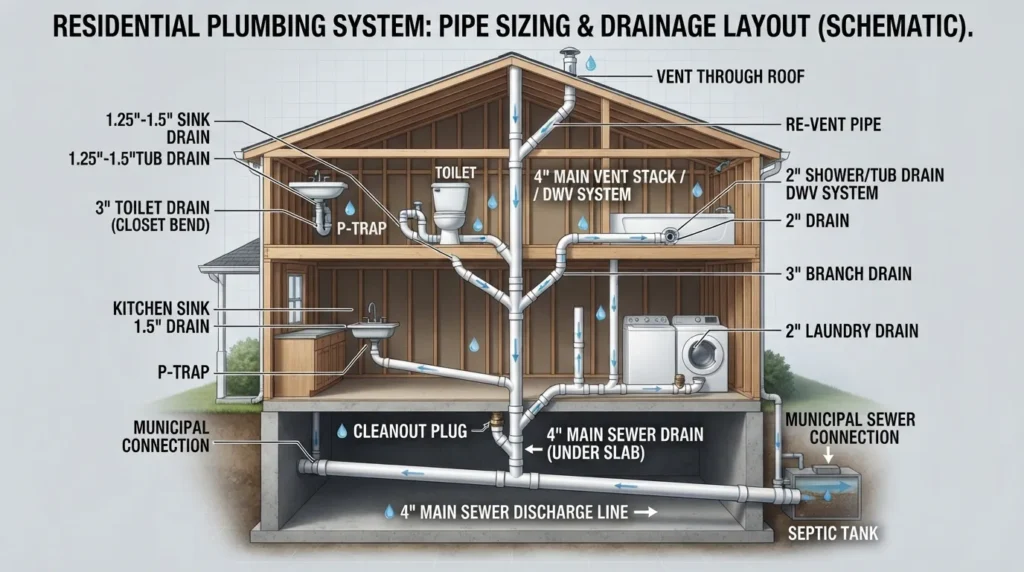
This distinction matters because you can have a clean grease trap and still have a slow or blocked drain. If water backs up after the trap has been properly serviced, grease or debris may already have accumulated farther downstream.
If you want a clearer picture of how wastewater moves through the rest of a property, see our guide to how a home drainage system works.
When symptoms point beyond the interceptor itself, professional drain cleaning may be the more appropriate solution than repeatedly cleaning the trap.
When Should You Stop DIY Cleaning and Call a Professional?
Routine Self-Maintenance May Be Reasonable When:
- The unit is small and safely accessible
- Your facility is allowed to self-clean it
- You know the manufacturer’s configuration
- You have a compliant waste-disposal method
- There is no overflow, leak or drain backup
- You can safely remove and reinstall the lid and internal components
Professional Help Makes More Sense When:
- The interceptor is large, underground or difficult to access
- Your permit requires a permitted liquid waste transporter
- The trap repeatedly overflows or backs up
- Odors continue after proper cleaning
- You find damaged baffles, leaks or deteriorated components
- The connected drain remains slow after the interceptor is clean
- You are unsure how the waste must be handled or documented
Miami-Dade Commercial Grease Trap Rules You Should Know
If you run a restaurant, cafeteria, supermarket, school kitchen, banquet facility, food court or another non-residential operation that handles or prepares food and can discharge FOG to the public sanitary sewer system, Miami-Dade County says a FOG Discharge Control operating permit is required. The permit is renewed annually and is non-transferable.
Miami-Dade Compliance Checklist
- Know which FOG control device serves your facility.
- Know the cleaning frequency attached to that equipment and permit.
- Use a permitted liquid waste transporter when required.
- Do not substitute skimming, decanting or backflushing for required full cleaning.
- Do not use grease cutters or emulsifying chemicals that push FOG into the drainage system.
- Keep required maintenance, repair, service and staff-training records on site.
- Submit required cleaning/pump-out reporting through the County process.
Miami-Dade’s code requires FOG generators and control-device operators to maintain specified maintenance and repair records on site for at least three years. The County’s current reporting guide also explains electronic reporting of interceptor pump-outs.
Because permits and operating conditions can differ, always verify the requirements that apply to your specific facility instead of relying only on a general internet cleaning schedule.
How Much Does It Cost to Have a Grease Trap Cleaned?
There is no honest single price that applies to every grease trap, so I would be cautious of a guide that gives you one number without knowing the system.
The cost can depend on:
- Grease trap or interceptor size
- Indoor versus underground installation
- Accessibility
- Amount of FOG and settled solids
- Whether a complete pump-out is needed
- Condition of the inlet, outlet, baffles and lid
- Waste transport and disposal requirements
- Whether the call involves routine service or an active backup
- Whether connected drain cleaning or repairs are also needed
For a commercial kitchen, ask what the quoted service actually includes. A low price is not useful if the service only removes the easiest material and leaves the trap, piping or documentation incomplete.
How Long Does a Grease Trap Cleanout Take?
The time varies with the trap’s size, location, amount of buildup and cleaning method. A small accessible unit can be very different from a large gravity interceptor that requires pumping, cleaning, inspection, transport and documentation.
If you are hiring a service, focus less on whether it can be done in an unusually short time and more on whether the complete required cleaning and inspection are actually being performed.
How to Reduce Grease Trap Problems Between Cleanings
Cleaning matters, but what your kitchen sends into the system every day matters too.
- Dry-wipe or scrape cookware first. Keep as much food and grease as possible out of the sink.
- Use sink strainers. Food solids consume valuable trap capacity and contribute to odors.
- Do not pour fryer oil into the sink. Keep used cooking oil in the appropriate storage and recycling or disposal stream.
- Train kitchen staff. A maintenance plan fails quickly when only one employee understands it.
- Watch the trap, not just the calendar. Unexpected buildup, smells or drainage changes deserve attention.
- Keep lids and seals in good condition. A properly cleaned unit can still smell if it is not sealed correctly.
- Record service and repairs. Logs make it easier to spot patterns and are required for many commercial operations.
Frequently Asked Questions About Fat Trap Cleaning
Can a grease trap be cleaned?
Yes. Grease traps are designed to be serviced regularly. Proper cleaning removes accumulated FOG and solids, cleans internal components, and gives you a chance to inspect the device for damage or flow problems.
What is the best thing to clean a grease trap?
The most dependable approach is physical removal of accumulated FOG and solids followed by cleaning of the trap’s internal surfaces and components. Do not rely on a chemical that simply pushes grease farther into the drainage system.
Why does my grease trap still stink after cleaning?
The unit may not have been completely cleaned, or the odor may be coming from a dirty inlet/outlet, damaged gasket, poor lid seal, drain blockage, leak or other equipment problem. Persistent odor deserves diagnosis rather than repeated deodorizing.
What neutralizes grease smell?
Removing the source is more effective than masking it. Clean out retained FOG and food solids, clean affected components, and make sure the lid seals properly. If the odor remains, investigate the connected drain and interceptor condition.
Can I pour boiling water down a grease trap?
Do not use very hot water as a strategy for flushing grease away. The objective is to capture and remove FOG, not temporarily liquefy it so that it can move farther into the plumbing.
Are grease trap fumes dangerous?
Potentially hazardous gases can occur in sewage and decomposing organic-waste environments. Large interceptors and confined spaces require particular caution. Never enter an interceptor or rely on odor alone to judge whether the atmosphere is safe.
How do I know if my grease trap needs cleaning?
Common warning signs include visible heavy buildup, recurring odors, slow drainage, gurgling, backups, overflow or a trap approaching its scheduled service interval. Commercial facilities should also follow the cleaning frequency required by their equipment and permit.
Does cleaning the grease trap fix every slow drain?
No. If the interceptor is clean and water still drains slowly, buildup may exist in the connected drain line, or another plumbing issue may be restricting flow.
Good fat trap cleaning is not about making the top of the trap look clean. It is about restoring the device’s ability to capture FOG, removing accumulated waste, keeping grease out of downstream plumbing, spotting damaged components early, and following the maintenance rules that apply to the system.
If I were deciding what to do next, I would use this simple sequence:
- Identify the type of grease trap or interceptor.
- Confirm whether self-cleaning is permitted.
- Remove FOG and solids instead of pushing them downstream.
- Clean and inspect the complete device, not just the surface.
- Check the inlet, outlet, baffles, lid and seal.
- Investigate the drain line if slow drainage remains.
- Follow the applicable Miami-Dade service, disposal, reporting and recordkeeping requirements for commercial equipment.
Still Dealing With Slow Drains, Backups, or Grease-Related Plumbing Problems?
A grease trap can be only one part of the drainage problem. If the interceptor has been cleaned but wastewater is still moving slowly, backing up or producing persistent odors, the next step is to determine whether the problem extends into the connected plumbing.
You can learn more about Miami Florida Plumbing or talk with a plumbing professional.
Official Resources for Miami-Dade Businesses
- Miami-Dade County Fats, Oils and Grease Discharge Control Operating Permit — current permit information for qualifying non-residential FOG generators.
- Miami-Dade Grease Discharge Operating Report System — electronic reporting access for applicable facilities.
- OSHA Hydrogen Sulfide Safety Information — useful safety guidance for sewer-gas and confined-space hazards.
Local requirements, permit conditions and equipment specifications can change or vary by facility. Commercial operators should confirm the requirements that apply to their own FOG control device before changing a cleaning, disposal or reporting procedure.