A leaking plastic pipe does not always mean you need to remove the entire section and install a new pipe. In many situations, the right plastic pipe repair kit can help you stop leaks, repair cracks, or reconnect damaged sections quickly. However, the correct solution depends on the type of damage, pipe material, and whether you need a temporary fix or a long-term repair.
In this guide, I will show you how to choose the right repair method, explain different types of PVC pipe repair kits, and walk you through how to use them properly. You will also learn when a repair kit is enough and when replacing the damaged pipe is the safer option.
What Is the Best Way to Repair a Plastic Pipe?
The best plastic pipe repair method depends on the damage. Small cracks and pinhole leaks can often be repaired with epoxy putty, fiberglass repair wraps, or pipe repair tape. If the pipe is completely broken or a section has failed, a coupling or repair sleeve replacement is usually the better solution.
Before choosing a repair kit, identify:
- The pipe material (PVC, CPVC, ABS, or another plastic)
- The size and location of the damage
- Whether the pipe carries pressurized water or drainage
- Whether you need a temporary emergency repair or a permanent solution
What Is a Plastic Pipe Repair Kit?
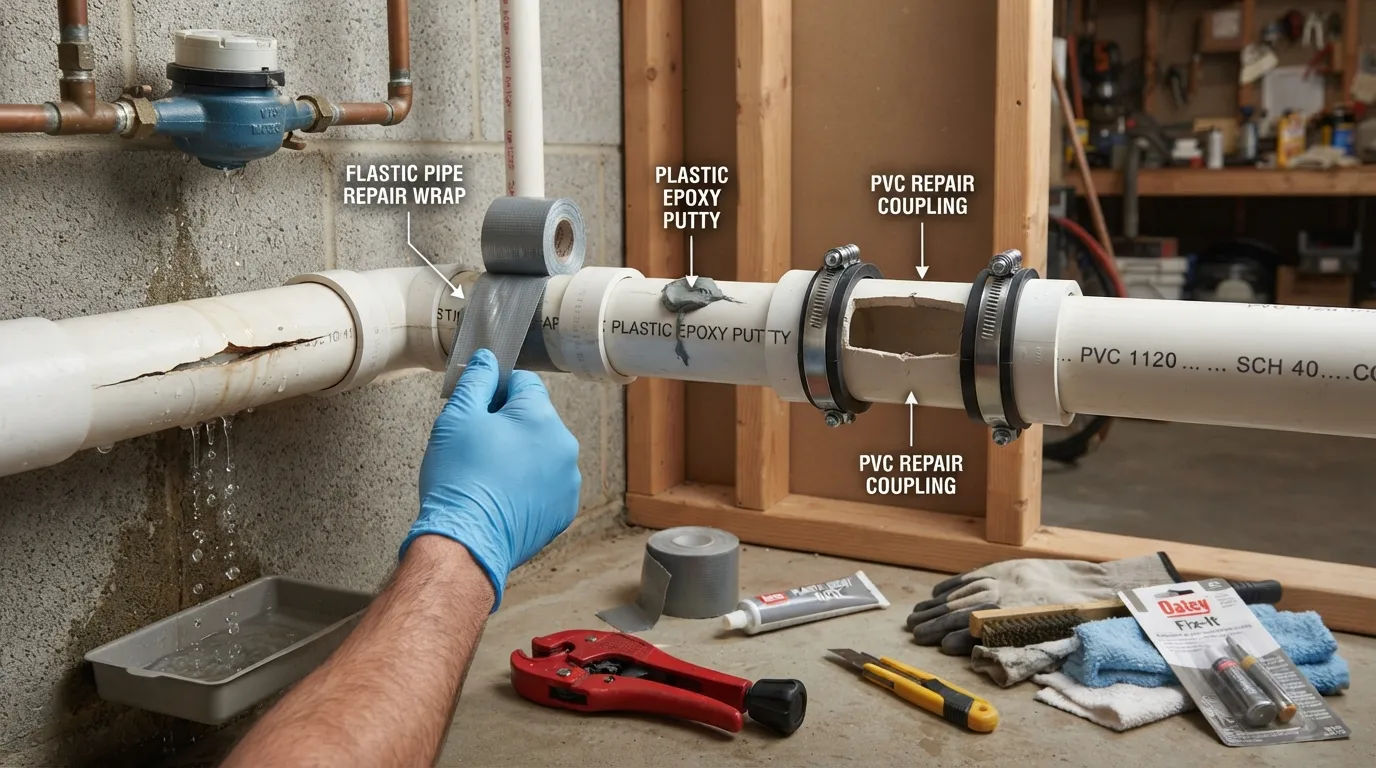
A plastic pipe repair kit is a product designed to seal, reinforce, or reconnect damaged plastic pipes without immediately replacing the complete pipe system. These kits are available in different forms, including repair wraps, epoxy compounds, clamps, sleeves, and coupling systems.
The correct repair kit depends on whether you are dealing with a small leak, surface crack, damaged joint, or completely broken pipe section.
Common repair solutions available today include:
- Fiberglass pipe repair wraps: These wrap around damaged areas and harden to reinforce the pipe surface.
- Epoxy putty: Used to fill small holes, cracks, and damaged areas.
- Pipe repair tape: Designed for quick emergency sealing.
- Repair sleeves: Used to cover damaged pipe sections.
- Coupling repair kits: Used when a pipe section needs to be cut out and replaced.
How Do You Know Which Plastic Pipe Repair Kit You Need?
The biggest mistake people make is choosing a repair product before understanding the actual problem. A kit that works for a small crack may fail on a broken pipe under pressure.
Use this simple decision guide before buying a repair kit:
| Pipe Problem | Recommended Repair Option | Best Use Case |
|---|---|---|
| Small pinhole leak | Epoxy putty or fiberglass repair wrap | Minor leaks and small damaged areas |
| Small crack in PVC pipe | Repair wrap, epoxy, or sleeve | Surface cracks that have not separated |
| Broken pipe section | Coupling repair kit or replacement section | Pipe has physically separated or snapped |
| Damaged fitting or joint | Replace fitting or use compatible repair system | Leaks around connections |
Can You Repair a Plastic Pipe Without Replacing It?
Yes, many plastic pipes can be repaired without full replacement, but the success depends on the damage type.
For example:
- A small crack may be repaired using epoxy or a fiberglass wrap.
- A minor leak around a rigid pipe may be sealed using a repair system.
- A completely broken PVC pipe usually requires cutting out the damaged section and installing a coupling or replacement piece.
Important:
A repair kit is not always the correct answer. If a pipe is badly damaged, repeatedly leaking, exposed to high pressure, or located in a difficult-to-access area, replacing the damaged section may provide a safer long-term solution.
Common Plastic Pipe Repair Kit Types
1. Fiberglass Pipe Repair Wraps
Fiberglass repair wraps use a resin-coated material that hardens around the pipe to create a reinforced outer layer. Products such as RectorSeal Pipe Repair Kit and Fernco repair wraps are examples of this repair approach. :contentReference[oaicite:0]{index=0}
These are commonly used for:
- Small cracks
- Leaks around rigid pipes
- Emergency repairs
- Reinforcing damaged sections
2. Epoxy Pipe Repair Kits
Epoxy-based repair products fill gaps and seal damaged areas by bonding to the pipe surface. They are commonly used for small holes, cracks, and surface damage.
3. Coupling and Sleeve Repair Kits
When a pipe section is broken, a coupling repair kit can replace the damaged section instead of trying to cover the break. Products such as Fernco QwikFix are designed for repairing broken pipe sections using a cut-and-connect approach. :contentReference[oaicite:1]{index=1}
Continue to Part 2…
How to Repair a Leaking Plastic Pipe Using a Repair Kit (Step-by-Step)
The repair process depends on the type of kit you use, but most plastic pipe repairs follow the same basic preparation steps. Proper preparation is more important than the repair material itself because dirt, moisture, and incorrect application can prevent the repair from bonding correctly.
Step 1: Turn Off the Water Supply
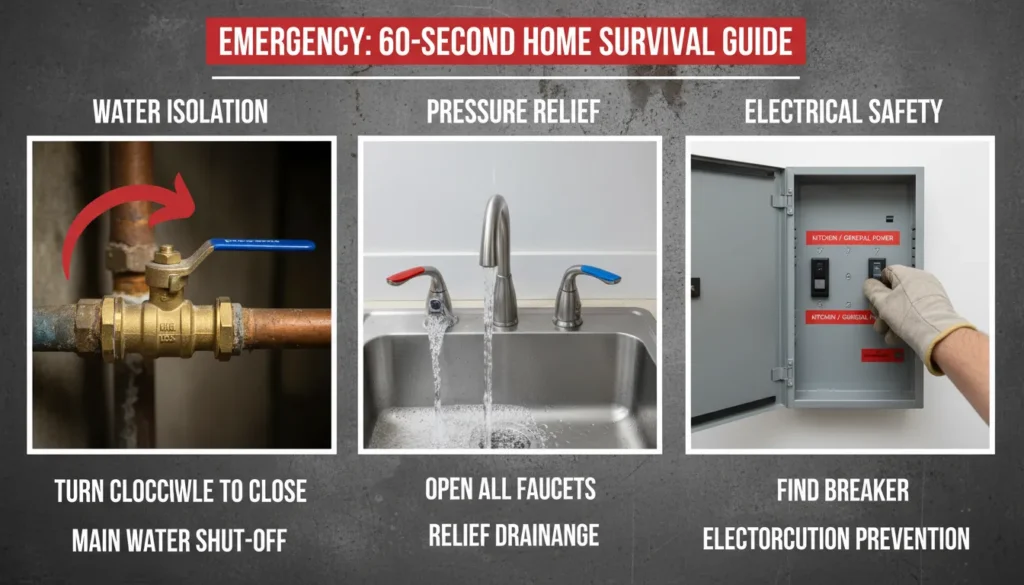
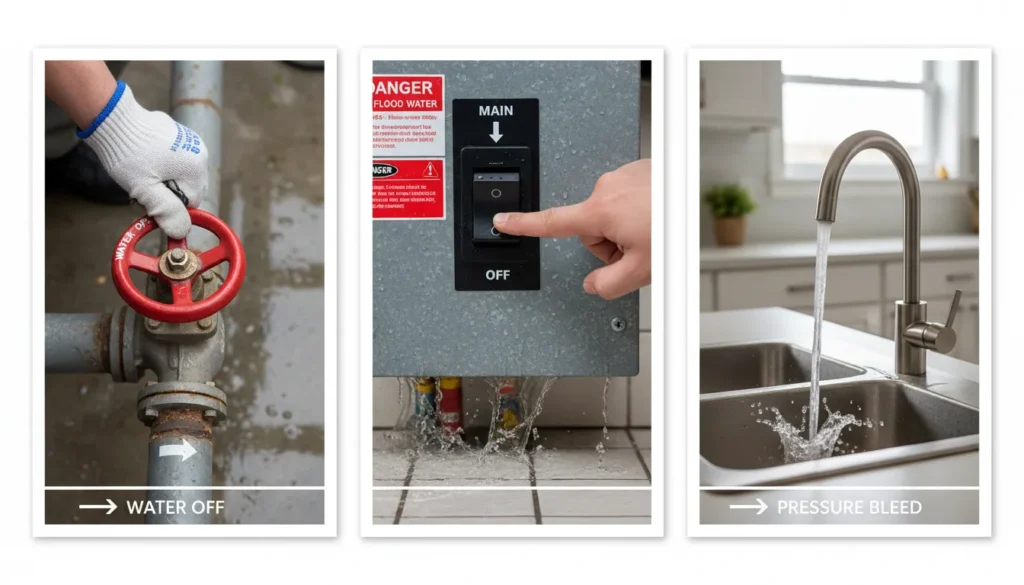
Before starting any repair, shut off the water supply and release pressure from the pipe. Open a nearby faucet or valve to drain remaining water inside the line.
Trying to repair a pressurized pipe can cause the repair material to fail because water pressure can push against the seal before it fully bonds.
Step 2: Identify the Pipe Material and Damage Type
Not every plastic pipe repair method works on every material. Before applying any product, identify whether your pipe is:
- PVC: Common in residential water lines, drainage, and irrigation systems.
- CPVC: Often used for hot and cold water supply.
- ABS: Commonly used for drain and waste plumbing.
- PEX: Flexible plumbing pipe usually repaired with fittings rather than wraps or epoxy.
Also check whether the problem is a crack, hole, pinhole leak, damaged joint, or completely broken pipe.
Step 3: Clean and Prepare the Pipe Surface
A clean surface is necessary for most plastic pipe repair kits. Remove dirt, grease, moisture, and loose material around the damaged area.
For fiberglass wraps and epoxy repairs:
- Dry the pipe completely if the product requires a dry surface.
- Lightly roughen the surface if recommended by the manufacturer.
- Make sure the repair area extends beyond the damaged section.
Step 4: Apply the Repair Material
Application depends on the repair kit type.
| Repair Kit Type | Application Method |
|---|---|
| Fiberglass Wrap | Wrap tightly around the damaged area while activating the resin according to instructions. |
| Epoxy Putty | Mix the compound, press it over the crack or hole, and allow it to cure. |
| Repair Sleeve | Install the sleeve over the damaged section according to the product design. |
| Coupling Repair Kit | Remove damaged pipe section and reconnect using compatible fittings. |
Step 5: Allow Proper Curing Time
Do not immediately turn the water back on after applying a repair kit. Each product has a specific curing time that allows the material to reach its designed strength.
After curing, slowly restore water pressure and check the repaired area for any signs of leakage.
Can You Patch a Hole in a PVC Pipe?
Yes, a small hole in a PVC pipe can often be patched using a suitable repair method. However, the size and location of the hole determine whether patching is reliable.
Small holes caused by corrosion, accidental damage, or drilling mistakes may be repaired with:
- Epoxy repair compounds
- Fiberglass pipe repair wraps
- PVC-compatible repair sleeves
If the hole is large, the pipe wall is weakened, or the damage is near a fitting, replacing that section is usually the more dependable option.
What Can You Put on PVC Pipe to Stop Leaking?
The right material depends on why the PVC pipe is leaking.
- Small crack: PVC-compatible epoxy or fiberglass wrap may work.
- Temporary emergency leak: Pipe repair tape may reduce leakage until a permanent repair is completed.
- Broken pipe: A coupling or replacement section is usually required.
- Leaking joint: The fitting connection may need to be rebuilt rather than covered.
Common Mistake:
Many homeowners apply sealants over a dirty or wet pipe surface. This may provide a temporary result but often fails because the repair material cannot properly bond with the plastic.
Will JB Water Weld Work on PVC Pipe?
JB WaterWeld and similar epoxy products can work on certain PVC repairs when the surface is properly prepared and the damage is small. However, it should be used according to the manufacturer’s instructions and only for suitable applications.
It is not a universal replacement for cutting out and replacing severely damaged pressurized plumbing pipes.
Will Flex Seal Work on PVC Pipe?
Flex Seal and similar liquid rubber products may temporarily cover some surface leaks, but they are generally not considered a professional plumbing repair method for pressurized PVC water pipes.
For plumbing repairs, products specifically designed for pipe repair usually provide a more predictable result.
Continue to Part 3…
Plastic Pipe Repair Kit vs Pipe Replacement: Which Option Should You Choose?
A plastic pipe repair kit can solve many small leaks and cracks, but it is not always the best solution. The correct choice depends on the severity of the damage, pipe location, water pressure, and how long you need the repair to last.
Before choosing a repair method, ask yourself:
- Is the pipe only cracked, or is a section completely broken?
- Is the damaged area easy to access?
- Is the pipe carrying pressurized water?
- Do you need a temporary emergency fix or a permanent repair?
| Situation | Best Option | Reason |
|---|---|---|
| Small crack or pinhole leak | Repair kit | A suitable wrap or epoxy repair may seal minor damage. |
| Large crack or split pipe | Pipe replacement | The pipe structure may already be weakened. |
| Broken pipe section | Cut and replace section | A new connection provides a stronger long-term repair. |
| Emergency leak control | Temporary repair kit | Helps reduce damage until permanent repairs are completed. |
Different Types of Plastic Pipe Repair Kits Explained
Not all plastic pipe repair kits work in the same way. Understanding the differences helps you choose the right solution for your specific leak.
1. Fiberglass Pipe Repair Wraps
Fiberglass repair wraps use a resin-coated material that hardens around the pipe. They are commonly used for strengthening damaged areas and creating a protective outer layer.
They are useful for:
- Small cracks
- Pinhole leaks
- Minor pipe damage
- Emergency plumbing repairs
Examples include fiberglass-style repair systems such as Fernco Pow-R Wrap and similar pipe repair products.
2. Epoxy Putty Pipe Repair Kits
Epoxy putty is a moldable repair compound that is pressed over cracks or holes. After curing, it creates a hard protective layer over the damaged area.
Epoxy repairs are commonly considered for:
- Small holes
- Surface cracks
- Minor leaks
- Temporary plumbing repairs
3. Pipe Repair Sleeves and Clamps
Repair sleeves and clamps cover the damaged section from the outside. They are designed to compress against the pipe and reduce leakage.
They can be useful when:
- The damaged area is on a straight section of pipe.
- You need a quick repair without cutting the pipe immediately.
- The pipe material is compatible with the repair clamp.
4. Push-Fit Pipe Repair Couplings
Some repair systems use push-fit technology to replace damaged sections without traditional solvent welding. These products are often used for faster repairs when compatible with the pipe type.
Best Plastic Pipe Repair Kit for Different Situations
The “best” repair kit depends on what problem you are solving. A product designed for a small crack may not work for a completely broken pipe.
| Problem | Recommended Repair Type |
|---|---|
| Small PVC crack | PVC-compatible epoxy or fiberglass wrap |
| Burst plastic pipe | Pipe replacement or repair coupling |
| Temporary emergency leak | Pipe repair tape or wrap |
| Damaged straight pipe section | Repair sleeve or clamp |
Important:
A repair kit should match both the pipe material and the type of damage. Using a product only because it says “pipe repair” does not guarantee a successful repair.
What Do Plumbers Use to Seal PVC Pipe?
Professional plumbers usually do not rely on external sealants alone when repairing PVC plumbing. For permanent PVC connections, they typically use methods designed specifically for PVC pipe systems.
- PVC primer and solvent cement for joining new PVC fittings
- Replacement pipe sections for severely damaged areas
- Compatible repair couplings
- Manufacturer-approved sealing methods
External repair kits are mainly useful when replacing the pipe immediately is difficult or when repairing minor damage.
Continue to Part 4…
How to Choose the Right Plastic Pipe Repair Kit
Choosing the correct plastic pipe repair kit is not only about finding a product that stops water. The repair method must match the pipe material, damage type, pipe location, and whether the line carries pressure.
Before buying a repair kit, check these important factors:
1. Match the Repair Kit With Your Pipe Material
Plastic pipes are made from different materials, and each material reacts differently with repair products. A repair compound that works on one type of plastic may not properly bond with another.
| Pipe Material | Common Uses | Suitable Repair Options |
|---|---|---|
| PVC | Water lines, drainage, irrigation | PVC-compatible epoxy, fiberglass wrap, repair couplings |
| CPVC | Hot and cold water plumbing | CPVC-compatible repair products and fittings |
| ABS | Drain and waste systems | ABS repair methods or replacement sections |
| PEX | Flexible water supply pipes | PEX fittings, clamps, or approved connectors |
2. Consider the Location of the Damage
Where the leak happens can determine whether a repair kit is practical.
- Straight pipe section: Usually easier to repair with wraps, sleeves, or clamps.
- Near a fitting: May require replacing the fitting because movement can continue causing leaks.
- Underground pipe: Access problems may make replacement more difficult.
- Hidden wall pipe: A temporary repair may not be the best long-term solution.
3. Check Pressure Rating Requirements
A repair method suitable for a low-pressure drain pipe may not be appropriate for a pressurized water supply line.
Always check whether the repair product is designed for your application before installation.
Common Mistakes When Repairing Plastic Pipes
Many failed pipe repairs happen because the product is applied incorrectly. Avoiding these mistakes can significantly improve the chance of a successful repair.
Mistake 1: Applying Repair Material on a Wet or Dirty Pipe
Most repair products need a clean surface to create a strong bond. Dirt, oil, moisture, and loose plastic particles can prevent proper adhesion.
Mistake 2: Using the Wrong Product for the Pipe
A general-purpose sealant may not be suitable for a PVC water line. Always select a repair method designed for the specific pipe material.
Mistake 3: Ignoring the Root Cause of the Damage
A repair kit may stop a leak, but it does not always solve the reason the pipe failed.
Possible causes include:
- Excessive water pressure
- Frozen pipes
- Aging plastic material
- Physical impact
- Incorrect installation
Mistake 4: Turning Water Pressure Back On Too Quickly
Even if the repair looks complete, many products need time to cure. Restoring pressure too soon can weaken the repair.
Quick Tip:
If a pipe continues leaking after repair, do not keep adding more layers of sealant. The problem may require replacing the damaged section.
Temporary Plastic Pipe Repair vs Permanent Repair
One of the most common questions homeowners ask is whether a pipe repair kit creates a permanent solution or only a temporary fix.
| Temporary Repair | Permanent Repair |
|---|---|
| Used to control leaks quickly | Fixes the damaged plumbing section properly |
| Often uses wraps, tapes, or epoxy | Usually involves replacement or proper pipe joining |
| Useful during emergencies | Better for long-term reliability |
When Should You Call a Professional Plumber?
A plastic pipe repair kit can be useful for small, accessible problems, but some situations require professional repair.
- The pipe has burst completely.
- The leak is inside a wall or underground.
- Multiple sections of pipe are damaged.
- The plumbing system has repeated failures.
- The repair involves a main water supply line.
A professional plumber can identify whether repairing the pipe is practical or whether replacement will prevent future problems.
Continue to Part 5…
Plastic Pipe Repair Kit Installation Tips for Better Results
Using the correct plastic pipe repair kit is only one part of a successful repair. Proper installation technique plays a major role in how well the repair performs and how long it lasts.
Whether you are repairing a PVC pipe, CPVC line, or another plastic plumbing system, following these practical tips can help you avoid common problems.
Prepare the Pipe Before Applying Any Repair Product
Preparation is one of the most important steps in plastic pipe repair. A repair material cannot properly bond if the surface is contaminated.
- Turn off the water supply completely.
- Remove pressure from inside the pipe.
- Clean dirt, grease, and loose material from the damaged area.
- Dry the surface according to the repair product requirements.
- Make sure you have enough working space around the pipe.
Measure the Damaged Area Before Choosing a Repair Method
A common mistake is choosing a repair kit before understanding the size of the damage. Small surface cracks and large pipe failures require completely different solutions.
| Damage Type | Possible Solution |
|---|---|
| Tiny pinhole leak | Epoxy or fiberglass repair wrap |
| Small crack | Compatible pipe repair compound or sleeve |
| Split or broken pipe | Cutting and replacing the damaged section |
| Leaking connection | Repairing or replacing the fitting connection |
Tools You May Need for Plastic Pipe Repair
The tools required depend on the repair method, but having the right equipment makes the process easier and safer.
- Adjustable wrench or pliers
- Utility knife
- Clean cloth or paper towels
- Sandpaper or abrasive pad
- Pipe cutter (for replacement repairs)
- Measuring tape
- Marker for identifying the damaged area
- Safety gloves
How Long Does a Plastic Pipe Repair Kit Last?
The lifespan of a plastic pipe repair depends on several factors, including the repair product, installation quality, pipe condition, water pressure, and environmental conditions.
A properly applied repair may provide a useful solution for minor damage, but a repair kit does not restore a severely damaged pipe to its original condition.
Factors that affect repair performance include:
- The type of plastic pipe being repaired.
- The size and location of the damage.
- Whether the pipe surface was properly prepared.
- The amount of pressure inside the plumbing system.
- Following the product manufacturer’s instructions.
Remember:
A pipe repair kit can stop a leak, but it cannot always repair a pipe that has lost its structural strength. Always evaluate whether repair or replacement is the safer option.
Plastic Pipe Repair Kit FAQs
Can I repair a broken plastic pipe without replacing it?
In some cases, yes. Small cracks, pinhole leaks, and minor damage can often be repaired using suitable pipe repair products. However, a completely broken or weakened pipe section usually requires replacement.
What is the best kit for repairing cracks in PVC pipes?
The best option depends on the crack size, pipe location, and whether the pipe carries pressure. Fiberglass wraps, epoxy compounds, and repair sleeves are commonly used options for suitable PVC repairs.
How can I seal a leak in a plastic pipe?
To seal a leak, first shut off the water and identify the damage. Depending on the problem, you may use a compatible repair wrap, epoxy, sleeve, or replace the damaged section.
Can I use pipe repair tape on PVC pipe?
Pipe repair tape can help with temporary leak control, but it is not always a permanent solution for pressurized PVC plumbing systems.
Are plastic pipe repair kits suitable for underground pipes?
Underground repairs can be more difficult because access is limited and hidden damage may exist. A professional assessment may be needed for underground plumbing problems.
Final Thoughts: Is a Plastic Pipe Repair Kit Worth Using?
A plastic pipe repair kit can be a practical solution when you have a small crack, pinhole leak, or emergency plumbing issue. It can save time and prevent water damage when used correctly.
However, the right repair depends on understanding the pipe material, damage type, and limitations of the product. For serious breaks, repeated leaks, or important plumbing lines, replacing the damaged section is usually the more reliable approach.
Need Help With a Plastic Pipe Repair Problem?
If you are unsure whether your pipe needs a repair kit or replacement, inspect the damage carefully and choose the solution that provides the safest long-term result.
Related Resources
- How to identify different types of plastic plumbing pipes
- Complete guide to PVC pipe installation methods
- Common plumbing leaks and how to fix them
- When to repair versus replace damaged pipes