Plastic pipe installation may look simple, but getting a reliable, leak-free result requires choosing the right pipe material, preparing connections correctly, and supporting the piping system properly after installation. Whether you are installing PVC pipes, CPVC, PEX, HDPE, or ABS pipes, every material has different joining methods and installation requirements.
In this guide, I will explain how plastic pipe installation works, how different plastic pipes are connected, what tools you need, common mistakes to avoid, and when professional plumbing help may be the better option.
How Does Plastic Pipe Installation Work?
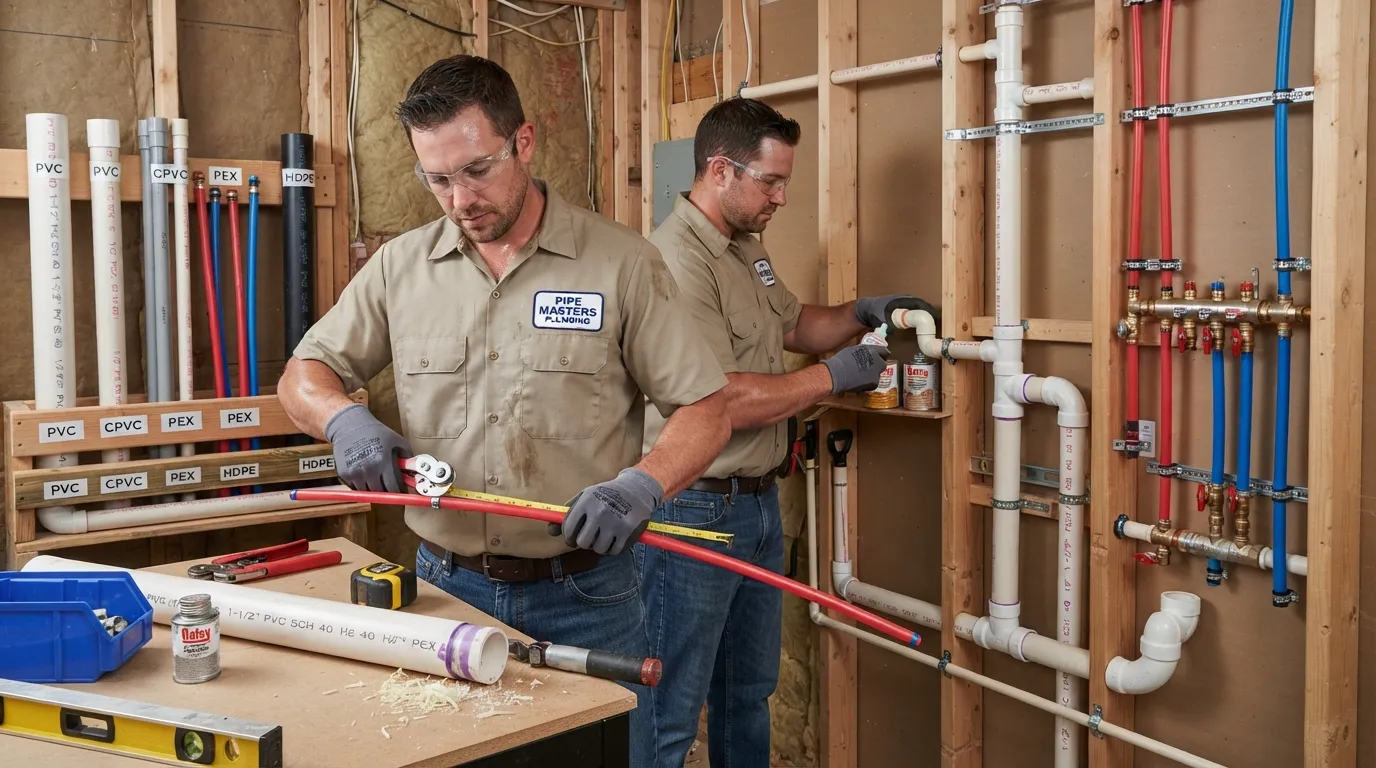
Plastic pipe installation usually involves measuring and planning the pipe layout, cutting pipes accurately, removing rough edges, fitting components together, and joining sections using the correct connection method. Rigid pipes like PVC and CPVC are commonly joined with primer and solvent cement, while flexible pipes like PEX use fittings such as crimp, clamp, or push-fit connections.
The correct installation method depends on the pipe material, application, pressure requirements, and whether the system is used for water supply, drainage, irrigation, or another plumbing purpose.
What Is Plastic Pipe Installation?
Plastic pipe installation is the process of planning, cutting, connecting, supporting, and testing plastic piping systems used in plumbing and other applications. Plastic pipes are popular because they are lightweight, corrosion-resistant, and available in different materials designed for specific purposes.
However, “plastic pipe” is a broad category. PVC is only one type of plastic pipe. A successful installation starts with selecting the right material for your project.
Types of Plastic Pipes Used in Plumbing Installation
Different plastic pipes have different properties, joining methods, and applications. Understanding these differences helps you avoid choosing the wrong material for your plumbing project.
| Pipe Type | Common Joining Method | Common Applications |
|---|---|---|
| PVC Pipe | Primer and solvent cement | Drainage, irrigation, cold water applications |
| CPVC Pipe | CPVC cement and fittings | Hot and cold water plumbing systems |
| PEX Pipe | Crimp, clamp, or push-fit fittings | Residential water supply lines |
| HDPE Pipe | Heat fusion or compression fittings | Underground piping and outdoor systems |
| ABS Pipe | ABS cement | Drain, waste, and vent systems |
PVC Pipe Installation
PVC pipe installation is one of the most common plastic pipe installation methods. PVC pipes are normally connected using fittings, primer, and solvent cement that creates a strong chemical bond between the pipe and fitting surfaces.
A proper PVC installation requires accurate measurements, clean cuts, correct fitting alignment, and enough curing time before the system is tested.
Tools and Materials Required for Plastic Pipe Installation
Before starting installation, prepare the correct tools and materials. Having everything ready helps prevent mistakes during assembly.
- Pipe cutter or suitable cutting tool
- Measuring tape
- Marker for alignment marks
- Deburring tool or sandpaper
- Pipe fittings such as elbows, couplings, and adapters
- Primer for PVC or CPVC systems where required
- Solvent cement suitable for the pipe material
- Pipe clamps, straps, or supports
- Safety gloves and eye protection
Important Installation Tip
Do not start permanent connections before confirming your complete pipe layout. Dry fitting pipes and fittings first helps you identify alignment problems before joints become permanent.
How to Prepare Plastic Pipes Before Installation
Proper preparation is one of the most important steps in plastic pipe installation. Many leaks happen because the pipe was not cleaned, cut, or aligned correctly before joining.
- Measure carefully: Confirm the required pipe length before cutting.
- Cut the pipe straight: A straight cut creates better contact between the pipe and fitting.
- Remove burrs: Smooth inside and outside edges to prevent poor connections.
- Clean the surfaces: Remove dust, dirt, and plastic particles.
- Dry fit the connection: Check that all fittings align correctly before permanent joining.
- Mark alignment points: Use a marker to maintain correct positioning during assembly.
How to Install Plastic Pipes Step by Step
The exact installation method depends on the type of plastic pipe you are using, but the overall process follows a similar sequence: plan the layout, prepare the pipe, connect the sections, secure the system, and test for leaks.
Basic Plastic Pipe Installation Process
- Plan the pipe route and identify required fittings.
- Select the correct pipe size and material.
- Measure and cut pipes accurately.
- Remove burrs and clean connection surfaces.
- Dry fit pipes and fittings before permanent joining.
- Connect pipes using the correct joining method.
- Support and secure the installed piping system.
- Test the system for leaks and proper operation.
How to Join PVC Pipes Together
One of the most common questions about plastic pipe installation is how to join two PVC pipes together. PVC pipes are usually connected using fittings and solvent cement rather than ordinary glue.
PVC Pipe Joining Process
- Prepare the pipe and fitting: Make sure both surfaces are clean, dry, and free from dust or debris.
- Apply primer: For systems that require primer, apply it to the outside of the pipe and inside of the fitting socket. Primer helps prepare the surfaces for bonding.
- Apply solvent cement: Use the correct cement designed for the specific pipe material.
- Insert the pipe: Push the pipe fully into the fitting socket while applying a slight twisting motion to help distribute the cement.
- Hold the joint: Keep the connection firmly together for the recommended time to prevent the pipe from pushing back out.
- Allow curing time: Do not pressurize the system before the joint has properly cured according to the cement manufacturer’s instructions.
Avoid This Common Mistake
PVC pipe connections are not made reliable by using more adhesive. Excess cement can create poor joints. Proper preparation, correct cement selection, and following manufacturer instructions are more important than using extra material.
Can PVC Pipes Be Joined Without Glue?
Many people search for ways to connect PVC pipes without glue. Some temporary or mechanical connections may be possible depending on the application, such as rubber couplings or certain push-fit fittings.
However, for permanent PVC plumbing systems, the correct connection method depends on the pipe purpose, pressure requirements, and local installation requirements. A mechanical connection that works for one situation may not be suitable for another.
HDPE Pipe Installation Guidelines
HDPE (High-Density Polyethylene) pipe installation is different from PVC because HDPE is flexible and commonly used for underground and outdoor piping systems.
Important HDPE Installation Steps
- Prepare the installation area: For underground applications, the trench should be properly prepared and free from sharp objects that may damage the pipe.
- Check pipe alignment: Ensure the pipe is positioned correctly before joining sections.
- Select the correct joining method: HDPE may be joined using heat fusion, electrofusion, or approved mechanical fittings depending on the system.
- Protect the pipe: Avoid unnecessary stress, sharp bends, or damage during installation.
- Test before operation: Perform appropriate testing before putting the system into service.
How to Secure Plastic Pipes After Installation
Installing the pipe is only part of the process. Proper support prevents movement, stress on joints, vibration, and possible leaks over time.
How to Hold PVC Pipe in Place
PVC pipes are commonly secured using supports such as clamps, straps, hangers, or brackets. The correct support method depends on pipe size, installation location, and system requirements.
- Pipe clamps for wall-mounted installations
- Hangers for overhead piping
- Straps for supporting exposed pipe sections
- Anchors and brackets for stable mounting points
How to Attach Plastic Pipe to a Wall
To attach plastic pipe to a wall, use appropriate pipe clamps or brackets that hold the pipe securely without damaging the material. Avoid over-tightening supports because plastic pipes may need some room for movement caused by temperature changes.
How to Anchor PVC Pipe to the Ground
Ground anchoring depends on the application. Outdoor and underground installations may require proper bedding, support materials, and approved anchoring methods to prevent movement.
Key Installation Reminder
A strong pipe connection is only one part of a successful installation. Correct pipe selection, proper support, and complete testing are equally important for long-term performance.
Common Plastic Pipe Installation Mistakes to Avoid
Even when the installation process looks simple, small mistakes can create leaks, weak joints, and future plumbing problems. Avoiding these common issues helps create a more reliable piping system.
| Common Mistake | Why It Causes Problems | Better Approach |
|---|---|---|
| Incorrect measurements | Wrong pipe lengths can create alignment problems and unnecessary stress on joints. | Measure carefully and confirm the layout before cutting. |
| Skipping pipe preparation | Dirt, burrs, or rough edges can prevent proper connections. | Clean, smooth, and prepare every connection surface. |
| Using the wrong joining method | Different plastic pipes require different connection techniques. | Use the correct fittings, cement, or connection system for the pipe material. |
| Not supporting pipes properly | Movement can put stress on joints and fittings. | Install proper clamps, brackets, or supports. |
| Testing too early | Uncured joints may fail under pressure. | Allow proper curing time before testing. |
Plastic Pipe Installation Troubleshooting
If a plastic pipe system develops problems after installation, identifying the cause early can help prevent larger repairs.
Why Is My PVC Pipe Joint Leaking?
PVC joint leaks can happen because of several reasons, including poor surface preparation, incorrect fitting alignment, insufficient bonding, damaged fittings, or testing before the connection has properly cured.
Why Are Plastic Pipes Moving or Sagging?
Movement usually indicates that the pipe does not have enough support. Adding suitable clamps, hangers, or brackets can help stabilize exposed piping.
What Should I Do If a Connection Fails?
The correct repair depends on the pipe type, location, and purpose of the system. A temporary repair may not be suitable for permanent plumbing applications, especially for pressurized water lines.
DIY Plastic Pipe Installation vs Professional Plumbing Help
Some plastic pipe projects are suitable for homeowners, while others require professional knowledge and equipment. The right choice depends on the complexity of the system.
| DIY May Be Suitable For | Professional Help Recommended For |
|---|---|
| Small exposed repairs | Main water lines |
| Simple irrigation projects | Complex plumbing systems |
| Basic replacement of accessible sections | Hidden plumbing installations |
| Projects where correct materials are already known | Installations requiring code compliance or specialized tools |
Plastic Pipe Installation Cost Factors
The cost of plastic pipe installation depends on the project details rather than one fixed amount. Several factors influence the overall investment:
- Type of pipe material selected
- Pipe size and length
- Number of fittings and connections required
- Accessibility of the installation area
- Whether old pipes need removal
- Testing requirements and project complexity
Maintenance Tips After Plastic Pipe Installation
Proper maintenance helps identify problems before they become major plumbing issues.
- Regularly inspect visible pipe sections for leaks or damage.
- Check fittings and joints if you notice moisture or pressure changes.
- Avoid placing unnecessary weight on exposed plastic pipes.
- Protect outdoor pipes from conditions that may damage the material.
- Address small leaks early before they affect surrounding areas.
Frequently Asked Questions About Plastic Pipe Installation
What are the instructions for installing PVC pipes?
PVC pipe installation involves measuring, cutting, preparing pipe surfaces, dry fitting components, applying the correct joining material, connecting fittings, securing the pipe, and testing the completed system.
What are two common types of plastic pipe for plumbing installation?
PVC and PEX are two common plastic pipes used in plumbing, but other important types include CPVC, HDPE, and ABS. The best choice depends on the application.
What is the best adhesive for joining PVC pipes?
PVC pipes are normally joined using PVC solvent cement designed for the specific pipe system. Ordinary household glue is not a replacement for proper plumbing connection materials.
How do I secure PVC pipe to a wall?
PVC pipes can be secured to walls using suitable pipe clamps, straps, or brackets that support the pipe without damaging it.