If you’re standing in a basement with water on the floor right now, you don’t need a history lesson on why basements flood — you need to know what to do in the next 30 minutes, whether it’s safe to be down there, and who to call. This guide walks you through exactly that, in the order you need it.
First, cut power to the flooded area if you can do so safely from a dry, elevated switch — never step into standing water to reach a breaker. Then remove standing water as quickly as possible, pull out anything porous that’s been soaking, and start air circulation. If the water is more than a couple of inches deep, came from a sewer backup, or you’re unsure about electrical safety, call a professional restoration or plumbing team immediately rather than handling it alone.
The First 30 Minutes: What To Do Before Anyone Arrives
What you do in the first half hour after discovering a flooded basement has more impact on the final outcome than almost anything else — it determines whether you’re dealing with a cleanup job or a mold remediation job a week from now. Work through these steps in order:
- Check for electrical hazards first. If outlets, appliances, or the breaker panel are near or in the water, do not enter the space. Shut off power at the main panel only if it’s dry and accessible without crossing standing water.
- Identify the water source. Rainwater and groundwater intrusion are treated differently than a sewage backup. If there’s any smell of sewage or the water looks contaminated, treat it as a health hazard — wear gloves and boots, and keep children and pets out entirely.
- Move belongings out of the water. Furniture, boxes, rugs, and electronics sitting in water will keep absorbing moisture the longer they stay. Get them onto dry ground or outside.
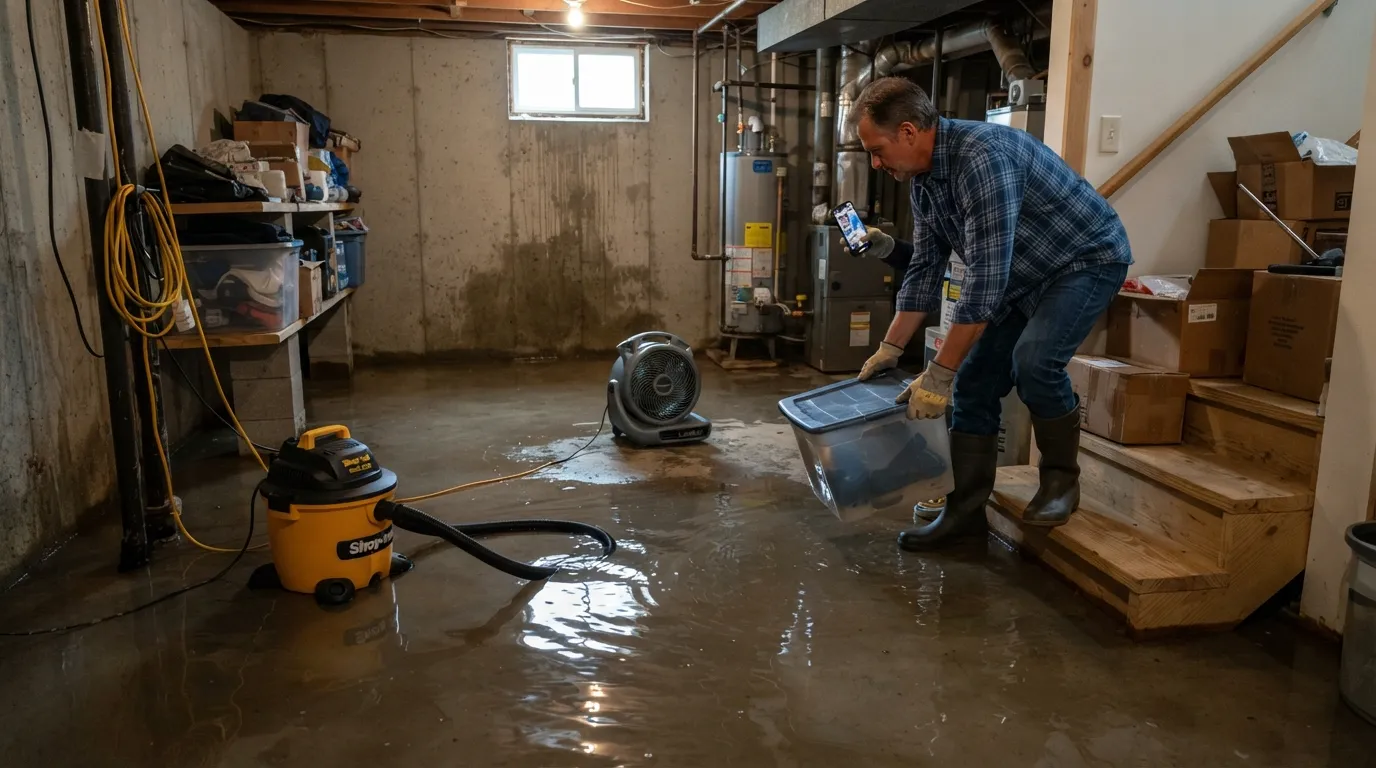
- Start removing standing water. A wet/dry shop vacuum works for smaller amounts. For anything beyond an inch or two covering a large area, a sump pump or professional extraction is faster and safer.
- Get air moving. Open windows if the weather allows, and point fans across wet surfaces. Airflow is what keeps a flood from turning into a mold problem.
- Photograph everything. Before you clean or remove anything, take clear photos and videos of the water level, damaged items, and affected walls or flooring — you’ll want this documentation if you file an insurance claim.
⚠ Safety Warning
Never enter standing water in a basement if there’s any chance it’s in contact with electrical outlets, wiring, or a water heater. Even a few inches of water can be electrically live. If you’re unsure, wait for a professional with the right safety equipment rather than risking it.
How Long Does It Take For A Flooded Basement To Dry Out?
With proper water extraction, fans, and dehumidifiers running continuously, most basements will dry to the touch within a few days. But “dry to the touch” and “actually dry” aren’t the same thing — moisture can sit inside drywall, insulation, and subflooring long after the surface feels fine. That hidden moisture is exactly what creates conditions for mold within 24 to 48 hours of a flood, which is why speed matters more than almost any other factor in a basement flood.
If a room still smells musty, feels humid, or a moisture meter reading stays elevated a week after the flood, that’s a sign the drying process isn’t finished — even if it looks fine on the surface.
What Soaks Up Water In A Basement?
For small amounts of standing water, a few tools can help before professional equipment arrives:
- Wet/dry shop vacuum — the fastest option for a few inches of water over a small area.
- Old towels and absorbent rags — useful for edges, corners, and small pools a vacuum can’t reach.
- A sump pump — the right tool if water is deeper or covering a large floor area; most homes with a history of basement moisture already have one installed.
- A squeegee and mop bucket — helpful for pushing larger volumes of water toward a drain or sump pit.
None of these substitute for proper extraction equipment once the water covers more than a small area — at that point, a wet/dry vac will take hours to do what a submersible pump or professional extraction unit does in minutes.
DIY vs. Calling A Professional: How To Decide
Not every wet basement needs a restoration crew — but knowing which situation you’re actually in matters. Here’s a simple way to think about it:
| Situation | DIY Might Work | Call A Professional |
|---|---|---|
| Water depth | Less than an inch, small area | More than an inch, or covering most of the floor |
| Water source | Clean rainwater, quickly addressed | Sewage backup or contaminated groundwater |
| Time exposed | Caught within a few hours | Sat overnight or longer, or source is unclear |
| Electrical/utilities | No contact with outlets or wiring | Water reached outlets, panel, or water heater |
| Recurring issue | First-time, isolated event | Basement floods repeatedly — points to a drainage problem worth diagnosing |
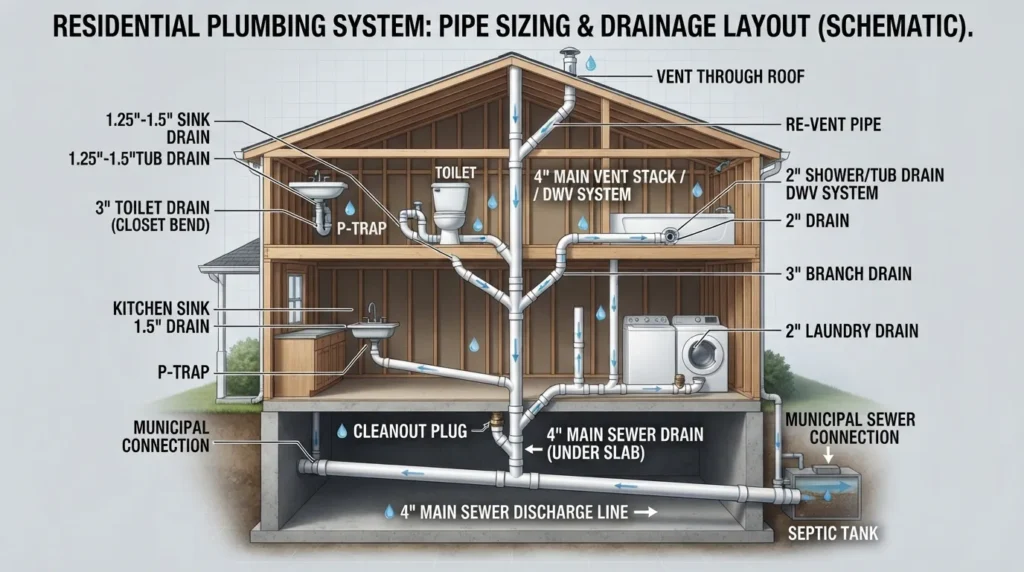
If your situation lands on the right side of that table more than once, it’s worth having a plumber look at what’s actually causing the water to get in, rather than repeating the cleanup every time it rains. A properly functioning home drainage system is often the difference between an occasional damp floor and a recurring flood.
What Does Basement Flood Repair Actually Cost?
There’s no single number here, and any site that gives you one flat figure is oversimplifying it. Basement flood repair cost depends on a combination of factors, and being honest about that upfront actually helps you get a more accurate quote:
- How much water and how deep it got — a damp floor and a two-foot flood are entirely different jobs.
- Whether the water was clean or contaminated — sewage backups require specialized cleanup and disposal, which raises cost.
- How long the water sat before it was addressed — longer exposure means more materials (drywall, flooring, insulation) may need replacing rather than just drying.
- What’s stored or finished down there — an unfinished basement with a concrete floor costs far less to restore than a finished basement with carpet, drywall, and furniture.
- Whether the underlying cause also needs fixing — cleanup alone doesn’t stop the next flood if there’s a drainage or plumbing issue behind it.
The most reliable way to get an accurate number for your situation is a direct, no-guesswork assessment. If you want a clear picture of what your specific repair will involve, reach out to our team and we’ll walk you through it before any work starts.
Will Insurance Cover Basement Flooding?
This is one of the most important questions to get right, because the answer genuinely depends on the cause of the water:
- Standard homeowners insurance typically covers sudden, accidental water damage from things like a burst pipe or a failed appliance — but usually excludes flooding caused by external groundwater, storm surge, or heavy rainfall entering from outside the home.
- Flooding from outside water — rising groundwater, storm runoff, or overflow from nearby waterways — generally falls under separate flood insurance, not a standard homeowners policy. In the U.S., this is typically provided through the National Flood Insurance Program (NFIP) or a private flood policy.
- Sewer or drain backups often require a specific backup endorsement added to your policy — it’s not automatically included in most standard plans.
Because coverage varies so much by policy and cause, the safest move is to call your insurance provider directly, explain exactly how the water entered, and ask what your specific policy covers before assuming either way. Photos and documentation from the first 30 minutes (mentioned earlier) will support that claim significantly.
A Note For Florida Homes: Why “Basement Flooding” Looks Different Here
Here’s something worth knowing if you’re searching for this in Florida specifically: full basements are uncommon in most of the state, including Miami. The high water table and sandy, porous ground make traditional below-grade basements impractical for most residential construction — which is part of why homes here are typically built on a concrete slab, with crawl spaces used in some older or inland properties instead.
If you do have a basement — often in an older or custom-built home — the same water table that makes basements rare here also makes them more prone to water intrusion, since groundwater sits much closer to the surface than in most other parts of the country. Heavy rain events and hurricane season add another layer of risk, since intense, fast rainfall can overwhelm drainage before it has anywhere to go.
If your home doesn’t have a basement but you’re dealing with similar flooding in a crawl space, garage, or ground-floor area during heavy rain, the same first-30-minutes steps above still apply — and the underlying fix usually comes down to how well water is being directed away from your foundation. That’s exactly what a well-designed drainage system is meant to prevent.
Preventing The Next Flood
Cleanup solves today’s problem. It doesn’t solve the reason it happened. Once things are dry, it’s worth having the actual source addressed so you’re not repeating this after the next heavy storm. Common underlying causes worth checking include:
- Clogged or undersized drains that can’t keep up during heavy rain
- Poor grading around the home that directs water toward the foundation instead of away from it
- A failed or missing sump pump
- Cracks in the foundation or slab allowing groundwater in
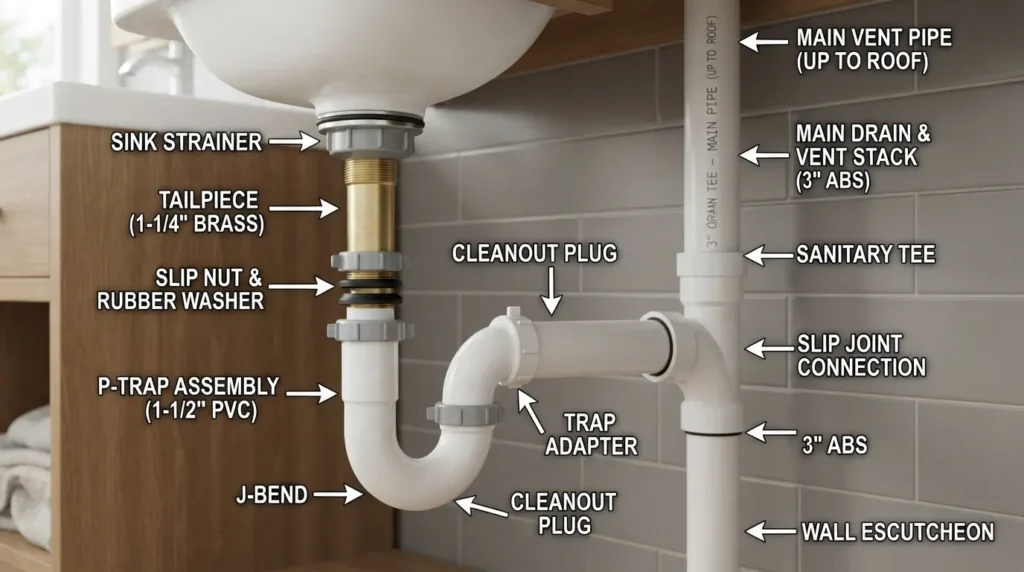
- Backed-up or aging plumbing lines contributing to interior flooding
If clogged or slow drainage is part of what’s contributing to standing water on your property, a professional drain cleaning service is often the first and most cost-effective step before anything more invasive is considered.
Key Takeaways
- Check for electrical hazards before entering standing water — this comes before everything else.
- Speed matters most: mold risk begins within 24–48 hours of a flood.
- Standard homeowners insurance usually doesn’t cover outside-water flooding — flood insurance or a sewer backup endorsement often does.
- A one-time flood is a cleanup job; a repeated flood is a drainage problem worth diagnosing.
- Cleanup fixes the symptom — draining water away from your home properly fixes the cause.
Frequently Asked Questions
How much does it cost to fix a basement after a flood?
It depends on the water depth, whether it was clean or contaminated, how long it sat, and whether the space is finished or unfinished. The most accurate way to know your cost is a direct assessment of your specific situation.
What soaks up water in a basement?
A wet/dry shop vacuum and absorbent towels work for small amounts. For larger volumes, a sump pump or professional extraction equipment is faster and more effective.
Will insurance cover basement flooding?
It depends on the cause. Sudden internal water damage (like a burst pipe) is often covered by standard homeowners insurance, while flooding from outside groundwater or storms typically requires separate flood insurance. Sewer backups usually need a specific policy endorsement.
Who should I call for a flooded basement?
For contaminated water, deep flooding, or anything involving electrical risk, call a professional restoration or plumbing team right away. If the underlying cause is drainage-related, a plumber can also diagnose and fix that so it doesn’t happen again.
What is the first thing to do when a basement floods?
Check for electrical hazards before doing anything else. Only after confirming it’s safe should you begin removing water and belongings.
How long does it take for a flooded basement to dry out?
Surfaces often feel dry within a few days with proper fans and dehumidification, but hidden moisture inside walls or flooring can take longer — and mold risk begins within 24 to 48 hours if drying isn’t thorough.
Why is my basement flooded after heavy rain?
Usually it comes down to drainage — poor grading, a failed sump pump, clogged drains, or foundation cracks that let groundwater in faster than it can be moved away from the house.
Dealing With A Flooded Basement Right Now?
Our team at Miami Florida Plumbing can help you get the water out, find the source, and stop it from happening again.