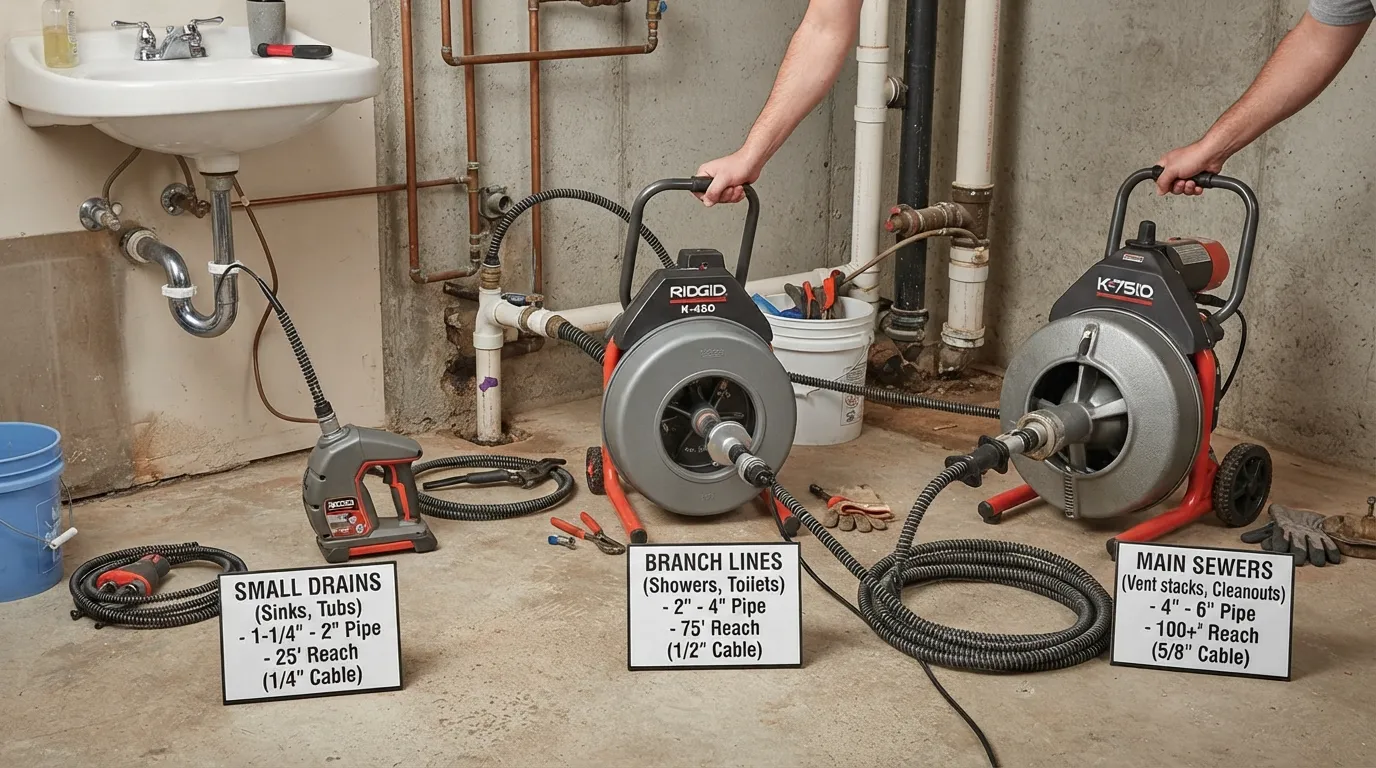
An electric plumbing snake is a motor-powered drain-cleaning machine that rotates a flexible cable through a drain line to break through, loosen, or retrieve certain types of blockages.
The best machine is not automatically the one with the longest cable. I would choose one based on the affected fixture, where the clog is likely located, the drain size, cable length and diameter, obstruction type, access point, and whether the job is actually appropriate for DIY snaking.
If you are searching for an electric plumbing snake, there is a good chance you are dealing with more than a simple question about what the tool is. You may be trying to decide whether you need a 25-, 50-, 75-, or 100-foot machine, whether renting makes more sense than buying, whether a power snake can damage your pipes, or whether your clog has reached the point where a plumber should handle it.
Those questions are connected. Instead of choosing a drain snake by cable length alone, I recommend starting with the plumbing problem itself. Once you understand which fixture is affected, how many drains are involved, how far the obstruction may be from the access point, and what kind of blockage you may be dealing with, choosing the right tool becomes much easier.
What Is an Electric Plumbing Snake?
An electric plumbing snake—also called an electric drain snake, powered drain auger, electric drain cleaner, power snake, or drain-cleaning machine—uses a motor to rotate a flexible cable through a plumbing line.
The cable travels through the drain until its head or cutter reaches an obstruction. Depending on the machine, cable, attachment, and clog, the rotating action may break material apart, bore an opening through it, scrape buildup from part of the line, or help retrieve debris.
Electric drain snakes range from smaller machines intended for fixture and branch drains to larger professional machines designed for longer and more demanding drain or sewer lines.
The important distinction:
A longer or more powerful machine is not automatically a better machine. A cable that is appropriate for one drain may be difficult, unsafe, or unsuitable for another.
How Does an Electric Drain Snake Work?
The basic process is straightforward:
- The cable enters the drain through an appropriate opening or cleanout.
- The machine rotates the cable while it is fed farther into the line.
- The cable reaches the restriction.
- A suitable head or cutter works against the blockage.
- The cable is worked through or around the obstruction without being forced.
- The cable is retrieved and the drain is tested to see whether normal flow has returned.
What makes professional drain cleaning more complicated is everything surrounding those steps: choosing the right access point, machine, cable diameter, cable length, attachment, operating technique, and determining whether the obstruction is even something that should be handled with a snake.
Use videos as general demonstrations only. Always follow the operating and safety instructions supplied with the specific drain-cleaning machine you are using.
Do You Actually Need an Electric Snake?
Before choosing a machine, I would first look at the symptoms. They can tell you a lot about where the problem may be located.
One slow sink or shower
This may point to a localized fixture or branch-drain blockage, such as hair, soap buildup, or debris.
Several fixtures draining slowly
The restriction may be farther downstream in a shared branch or larger drain line.
Water backing up into another fixture
That can indicate a shared downstream restriction rather than a simple clog near one drain opening.
Recurring whole-home or main-line symptoms
A larger or structural problem may need professional diagnosis instead of repeated DIY snaking.
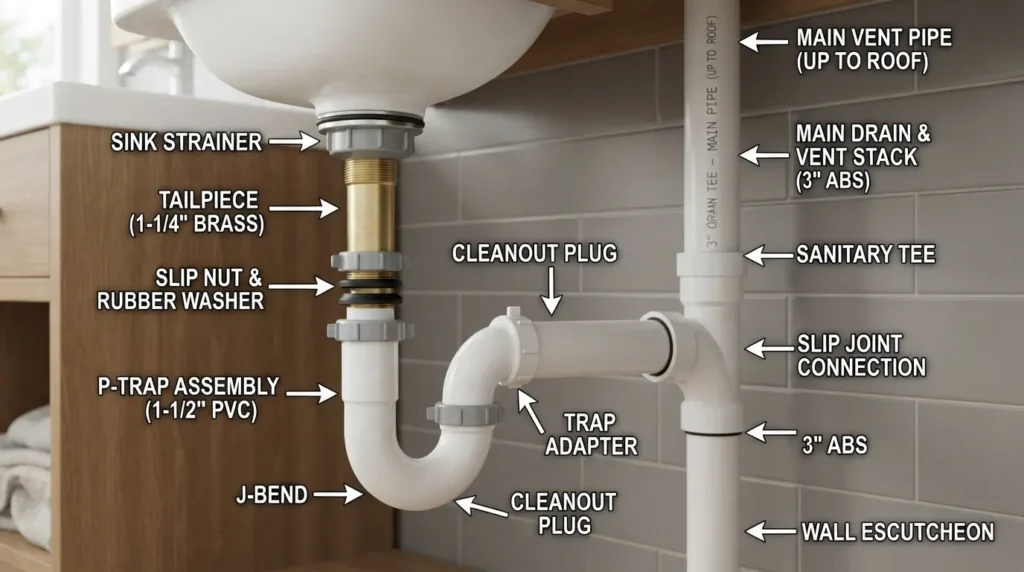
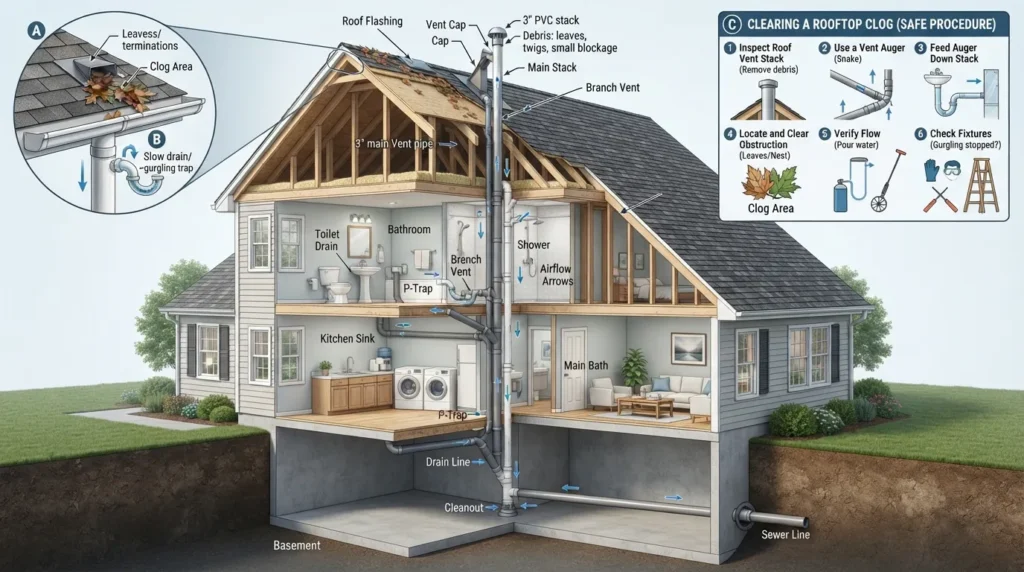
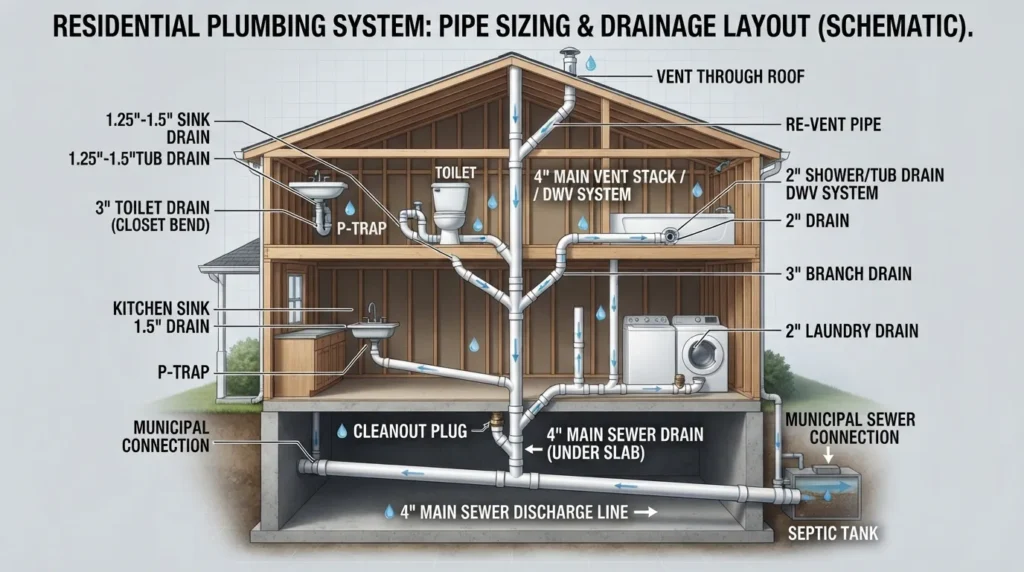
If you want to understand how individual fixtures connect to branches, stacks, cleanouts, and the larger drain network, this guide to a home drainage system can help you narrow down where a restriction may be occurring.
The Right-Snake Decision Framework
When someone asks me, “What size electric drain snake do I need?” I would not start with cable length. I would work through these five questions first:
- Which fixture or fixtures are affected?
- Is the clog likely close to the fixture or farther downstream?
- What size and type of drain line are you working with?
- What kind of obstruction do you suspect?
- Is the pipe condition and access point appropriate for mechanical snaking?
Only after answering those questions would I compare machine size, cable diameter, cable length, feed style, and cutter options.
25 vs. 50 vs. 75 vs. 100-Foot Electric Drain Snakes
Cable length mainly tells you how much reach is available. It does not tell you whether the cable is flexible enough, strong enough, appropriately sized for the drain, or suitable for the type of obstruction you have.
General role: Shorter-reach work near fixtures or smaller branch drains.
Think about: Cable flexibility, drain size, bends, and how close the clog is likely to be.
General role: Deeper branch-drain work where a shorter cable may not provide enough reach.
Think about: Whether the line and machine are compatible rather than assuming 50 feet is automatically better.
General role: Longer runs and restrictions farther from the access point.
Think about: Greater cable length also means greater responsibility for controlling the cable safely.
General role: Long drain runs and some main-line applications when the machine is designed for them.
Think about: Main-line symptoms often deserve diagnosis, not simply a longer DIY cable.
Remember:
25, 50, 75, and 100 feet describe reach—not suitability. The right machine still depends on cable diameter, drain size, access, obstruction, pipe condition, and operator skill.
Cable Diameter Matters as Much as Cable Length
This is one of the most important details homeowners can miss when comparing electric drain snakes online.
A thinner cable is generally more flexible and can be designed for smaller drain applications. A thicker cable can provide more strength for larger lines and tougher work, but it may be completely inappropriate for a small fixture drain.
That means two machines with the same 50-foot length can be intended for very different jobs.
Think of electric snake sizing as a system
- Cable length: How far the machine can reach.
- Cable diameter: How flexible or robust the cable is for its intended application.
- Drain diameter: The size of plumbing the manufacturer designed the cable and machine to work in.
- Head or cutter: The working attachment that contacts the obstruction.
- Feed system: How the operator advances and retrieves the cable.
- Pipe condition: Whether aggressive mechanical cleaning is appropriate in the first place.
Types of Electric Plumbing Snakes
Handheld and compact electric snakes
These are designed for lighter or smaller drain applications. Their compact size can make them easier to handle around sinks, tubs, and other fixtures, but every model has specific drain-size and cable limitations.
Drill-powered drain snakes
Some drain snakes can be operated manually or with a compatible drill. These can be convenient for certain smaller drain jobs, but using excessive drill speed or force can quickly turn a manageable clog into a damaged or tangled cable.
Cordless electric drain snakes
Battery-powered machines improve portability and can be useful where electrical access is inconvenient. The more important question, however, is still whether the machine and cable are designed for the drain you are cleaning.
Corded drum machines
These machines typically provide powered cable rotation from an enclosed or semi-enclosed drum. Depending on the model, they may offer automatic feed, forward and reverse controls, foot controls, and interchangeable cable heads.
Professional drain and sewer machines
Larger machines are built for more demanding drain and sewer applications. They can handle longer and heavier cables, but they also require more experience and more careful selection of the cable, cutter, access point, and operating technique.
What Type of Clog Are You Trying to Clear?
The obstruction itself matters because not every clog behaves the same way.
- Hair and soap buildup: Common around bathroom sinks, tubs, and showers.
- Grease and food residue: Often associated with kitchen drain problems and can coat pipe walls rather than forming one neat plug.
- Sludge and accumulated debris: May restrict flow gradually over time.
- Foreign objects: Can become lodged in traps or farther into a line and may not respond well to simple boring.
- Scale or hardened deposits: Can reduce the usable diameter of a drain line.
- Tree-root intrusion: Usually involves a larger sewer-line issue and may require appropriate cutting equipment, inspection, and possibly repair.
- Structural defects: A snake cannot repair a cracked, offset, collapsed, bellied, or otherwise damaged pipe.
Important:
If a drain keeps clogging again after it has been snaked, the problem may not be “a clog that needs a bigger snake.” Repeated blockages can be a reason to investigate the underlying cause.
What Is the Best Electric Plumbing Snake for Home Use?
There is no single electric drain snake that is best for every home.
The best choice is the one that is appropriately matched to:
- the fixture you are working on,
- the drain-line size,
- the likely distance to the obstruction,
- the cable diameter recommended for that application,
- the type of clog,
- the access point, and
- your ability to control the machine safely.
A better buying question:
Instead of asking, “What is the biggest electric snake I can buy?” ask, “What machine and cable are designed for my drain and the problem I am actually trying to solve?”
How to Use an Electric Drain Snake More Safely
Every machine is different, so the manufacturer’s manual should always take priority. As a general decision-making framework, these are the precautions I would keep in mind:
- Identify the correct drain access point. Do not assume the fixture opening is always the best or safest place to enter the line.
- Confirm machine and cable compatibility. Check the manufacturer’s specified drain-size and application limits.
- Wear appropriate eye and hand protection. Drain cables can carry dirty water and debris back toward the operator.
- Keep loose clothing and hair away from moving equipment.
- Maintain control of the cable. Do not allow excessive free cable between the machine and the drain opening.
- Advance gradually. Do not force the cable when it stops.
- Use the correct attachment where applicable. Different heads serve different purposes.
- Watch for binding, kinking, or unusual resistance. Stop rather than adding uncontrolled force.
- Retrieve the cable carefully. The cable may bring debris and contaminated water back with it.
- Test the drain after cleaning. Restored flow is important, but also watch for slow drainage, backup, leaks, or a quickly recurring problem.
Chemical drain cleaner warning
If chemical drain cleaner has already been poured into the line, using mechanical equipment can expose you to chemical splash and contaminated liquid. Do not casually combine chemical and mechanical clog-removal methods. Follow the product safety directions and get professional guidance when the situation is uncertain.
Common Mistakes When Using a Drain Snake
1. Choosing by cable length alone
A 100-foot cable does not make a machine appropriate for every drain. Cable diameter, machine type, drain size, and access all matter.
2. Forcing the cable
Heavy resistance is not a signal to keep pushing harder. The cable may be encountering a tight bend, an unsuitable access route, a solid obstruction, or a condition that requires a different approach.
3. Leaving too much cable exposed
Excess cable between the machine and drain opening can increase the risk of whipping, twisting, or kinking.
4. Using the wrong head or cutter
Different obstructions may require different attachments. A generic head is not automatically the best answer for every clog.
5. Assuming restored flow means the entire problem is solved
A cable can sometimes create a temporary path through buildup without removing the underlying cause of a recurring restriction.
6. Ignoring what multiple clogged fixtures are telling you
If several drains are affected at once, repeatedly attacking one fixture may waste time because the restriction could be farther downstream.
7. Continuing after the cable repeatedly binds
Repeated binding is a reason to stop and reassess the drain, access point, cable, and possible obstruction.
Can a Power Snake Damage Pipes?
Yes, an electric drain snake can damage plumbing when the equipment is inappropriate for the line, the pipe is already compromised, or the machine is operated incorrectly.
Risk can increase when:
- the cable is too large or aggressive for the drain,
- the wrong cutter is used,
- the operator repeatedly forces a bound cable,
- the cable kinks or loops,
- the access point creates a difficult angle,
- the pipe is corroded, fragile, cracked, or otherwise damaged, or
- the machine is used outside its intended application.
The goal is not simply to make a cable travel as far as possible. The goal is to clear the restriction without creating a second plumbing problem.
Electric Snake vs. Other Drain-Cleaning Methods
PlungerOften the simplest first option for a basic fixture clog where pressure can move the obstruction.
Manual drain snakeUseful for some localized clogs where a short manually operated cable provides enough reach.
Electric drain snakeProvides powered cable rotation and greater capability for appropriate deeper or more stubborn drain restrictions.
Hydro jettingUses high-pressure water and can be useful for certain types of heavy buildup when the plumbing system and condition are suitable.
Camera inspectionDoes not clear the clog by itself, but can help identify recurring obstructions, roots, defects, or other conditions inside accessible piping.
Pipe repairIf the underlying problem is structural, cleaning methods alone will not repair the damaged section.
Should You Rent, Buy, or Call a Plumber?
RentA rental may make sense for a one-time job when you already understand the drain, can select the correct equipment, and are comfortable operating it safely.
BuyBuying may make sense when you expect appropriate repeat use and know which machine and cable configuration fits those applications.
Call a plumberProfessional help becomes more valuable when the blockage location is uncertain, several fixtures are involved, the problem keeps returning, or the line may need inspection or a different cleaning method.
When an Electric Snake Opens the Drain, Are You Finished?
Not necessarily.
Restored flow is a good sign, but I would still ask:
- Does the fixture now drain normally or only slightly better?
- Do other fixtures still gurgle or back up?
- Did the same clog occur recently?
- Did the cable encounter the same obstruction repeatedly?
- Could the line contain grease, roots, scale, or another condition that remains after a small opening was created?
A drain that flows today but clogs again soon may need more than another pass with a cable.
When Should You Stop DIY Snaking?
I would stop and consider professional diagnosis when:
- multiple fixtures are backing up,
- wastewater appears in another fixture when one drain is used,
- the same blockage keeps returning,
- the cable repeatedly binds or will not advance safely,
- you suspect roots or structural pipe damage,
- the correct cable or access point is unclear,
- you have already used chemical drain cleaner,
- you are dealing with a likely main drain or sewer-line restriction, or
- you are not confident that the equipment is appropriate for the pipe.
For recurring or difficult drain problems, professional drain cleaning services can combine the right cable equipment with other diagnostic or cleaning methods when the situation calls for them.
If several drains are affected, the blockage keeps returning, or you are unsure which machine is safe for the line, getting the problem identified first can prevent wasted work and unnecessary damage.
Frequently Asked Questions About Electric Plumbing Snakes
What is the best electric plumbing snake for my home?
There is no universal best model. Choose according to the drain size, likely clog location, cable length and diameter, machine specifications, obstruction type, and your ability to operate it safely. A compact machine may be better for a small fixture line, while a main-line problem may require very different equipment.
Can a power snake damage pipes?
Yes. Damage can occur when the cable or cutter is unsuitable for the line, excessive force is used, the cable binds or kinks, or the pipe is already fragile or damaged. Use equipment only within its intended application.
How does an electric sewer snake work?
A motor rotates a flexible cable that is fed into the drain or sewer line. When the cable reaches an obstruction, the appropriate head or cutter works against the material so the blockage can be opened, broken up, or retrieved depending on the situation.
What are common mistakes when using drain snakes?
Common mistakes include using the wrong cable size, choosing equipment only by length, forcing the cable, leaving too much cable exposed, using the wrong cutter, ignoring repeated binding, and assuming that temporary flow means the underlying problem has been fully corrected.
What do plumbers recommend to unclog drains?
The right method depends on the cause and location of the blockage. A plunger or manual snake may be enough for a simple localized clog, while deeper restrictions can require powered cabling. Recurring or larger-line problems may call for camera inspection, hydro jetting, professional snaking, or repair rather than repeated DIY treatment.
Can I pour boiling water down a shower drain?
I would avoid relying on boiling water as a drain-cleaning method, especially when you do not know the pipe material or condition. Extremely hot water may be unsuitable for some plastic plumbing, and it will not reliably remove hair, foreign objects, roots, or other mechanical obstructions.
Why should you not pour boiling water down every drain?
Boiling water is not a universal clog solution. Pipe materials and joints vary, and very high temperatures may be inappropriate for some systems. It also does little for many solid or structural causes of poor drainage.
Does Dawn dish soap really unclog drains?
Dish soap may help loosen some greasy residue, but it is not a dependable solution for a significant drain blockage. It will not remove hair masses, foreign objects, roots, collapsed piping, or many deeper restrictions.
Why do people pour salt down a drain?
Salt appears in many household drain-cleaning tips, but it should not be treated as a reliable substitute for identifying and mechanically clearing a real blockage. If a drain is repeatedly slow or clogged, the cause matters more than adding another household ingredient.
Why shouldn’t I rely on baking soda and vinegar to unclog a drain?
The foaming reaction can look impressive, but it is not a dependable way to remove many common mechanical blockages such as dense hair, solid debris, roots, or structural restrictions. It may help with light residue, but persistent clogs should be diagnosed rather than repeatedly treated with household mixtures.
Related Electric Drain Snake Shopping and Reference Resources
If your goal is to compare machines before buying or renting, use retailer listings to compare cable length, cable diameter, intended drain size, feed system, included heads or cutters, power source, and manufacturer application limits rather than comparing price or cable length alone.
- Home Depot electric drain snakes
- Amazon electric drain snake listings
- Harbor Freight drain cleaners and augers
- Lowe’s machine augers
- Walmart electric plumbing snake listings
- eBay electric drain cleaners
An electric plumbing snake can be an effective drain-cleaning tool, but choosing the right one starts with diagnosing the problem—not choosing the longest cable.
Match the machine to the fixture, likely clog location, drain size, cable diameter, cable length, obstruction, and pipe condition. If the symptoms point to a shared drain, recurring blockage, sewer-line problem, or possible pipe defect, diagnosis may be more valuable than simply moving up to a larger machine.
For more information about local plumbing help and the company behind this guide, visit Miami Florida Plumbing.