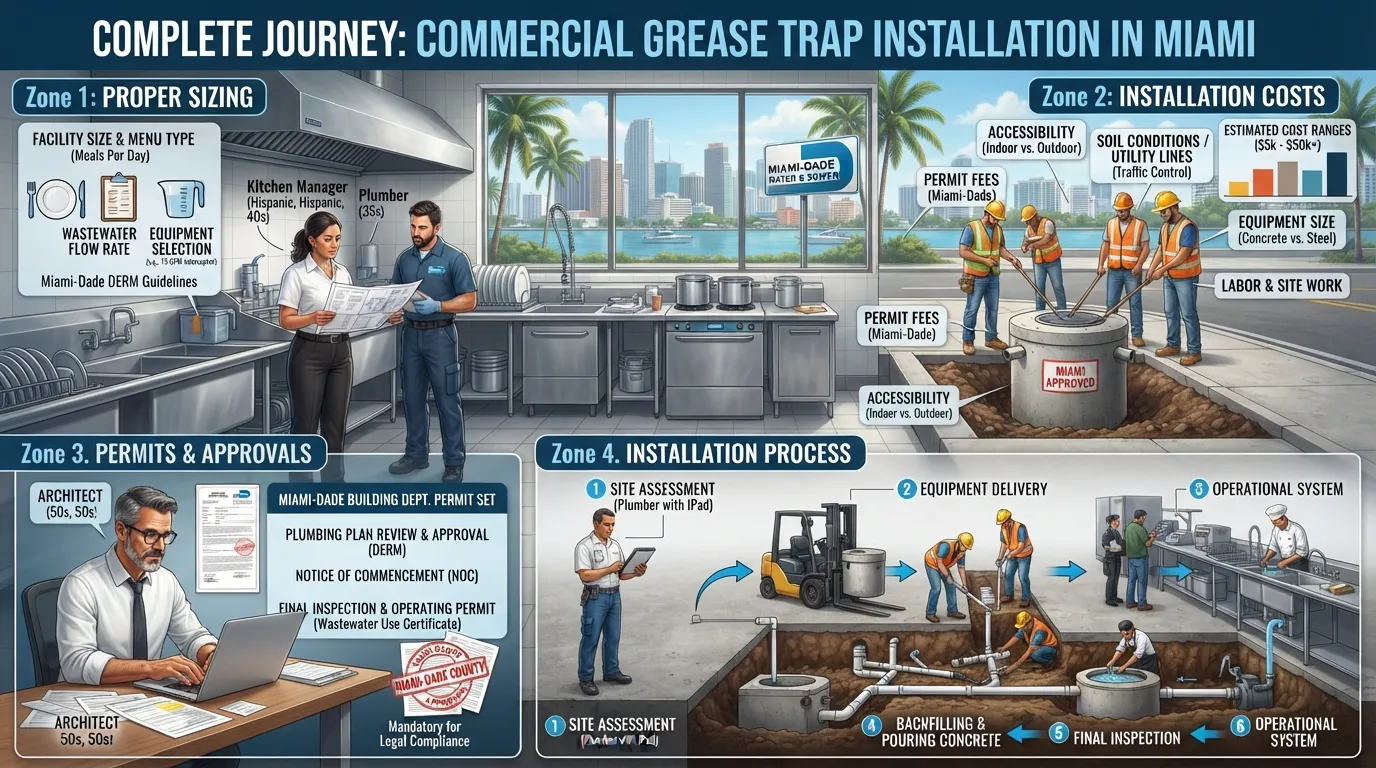
Commercial grease trap installation is more than connecting a tank to a drain line. The right installation starts with understanding your kitchen’s wastewater flow, grease load, fixtures, available space, local requirements, and maintenance needs. From there, the correct grease trap or grease interceptor must be sized, located, installed, tested, and kept accessible for future cleaning.
If you operate a restaurant, café, bakery, supermarket, cafeteria, food court, commercial kitchen, or another food-handling business in Miami, the most important decision is not simply which grease trap should I buy? It is which approved FOG-control setup is appropriate for this specific facility and how should it be installed so it works reliably and satisfies applicable requirements?
A commercial grease trap or interceptor should be selected from the actual demands of the business—not from restaurant size alone. The installer may need to evaluate fixtures, peak wastewater flow, FOG load, device type, location, piping, access for maintenance, plan-review requirements, and permits before installation begins. In Miami-Dade, qualifying non-residential food-handling facilities are subject to the County’s Fats, Oils and Grease (FOG) Control Program and must have the required operating permit and an approved operational FOG-control device.
What Is a Commercial Grease Trap Installation?
A grease trap or grease interceptor receives wastewater from designated kitchen fixtures before that wastewater continues into the building sewer. Inside the device, fats, oils, grease and solids are separated from the wastewater so less FOG enters downstream piping and the sewer system.
The words grease trap and grease interceptor are often used loosely, but the equipment can vary considerably. A small point-of-use unit beneath or near a sink is very different from a large exterior or underground interceptor serving a high-volume commercial kitchen.
A complete commercial installation can involve:
- Evaluating the food-service operation and plumbing layout.
- Determining which fixtures and waste streams are involved.
- Selecting the appropriate FOG-control device.
- Calculating or confirming required capacity and flow rating.
- Choosing an accessible installation location.
- Coordinating applicable plans, permits and inspections.
- Modifying waste piping where necessary.
- Installing the interceptor, inlet, outlet and associated plumbing.
- Testing the completed system.
- Planning for cleaning, pumping, inspection and maintenance access.
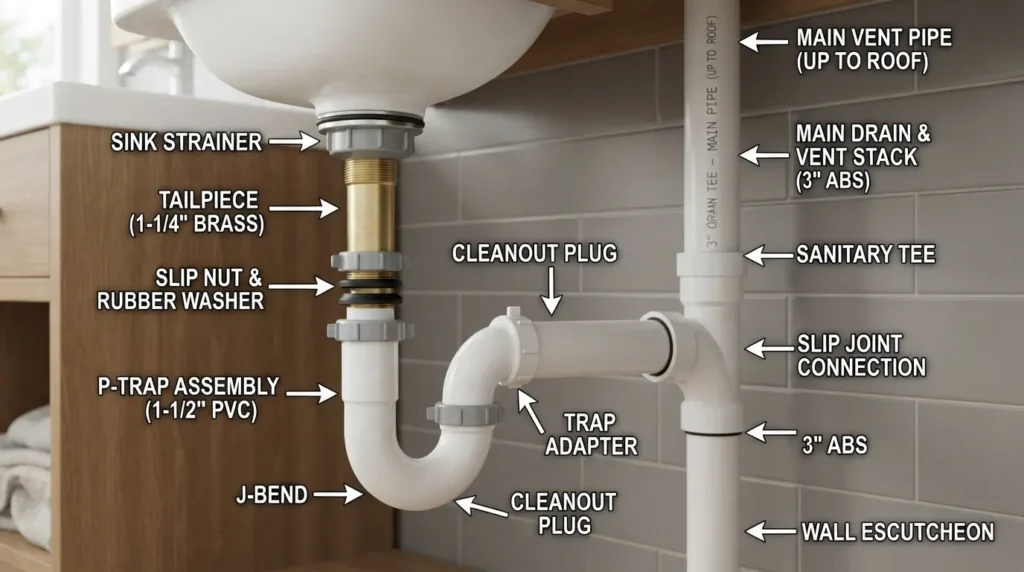
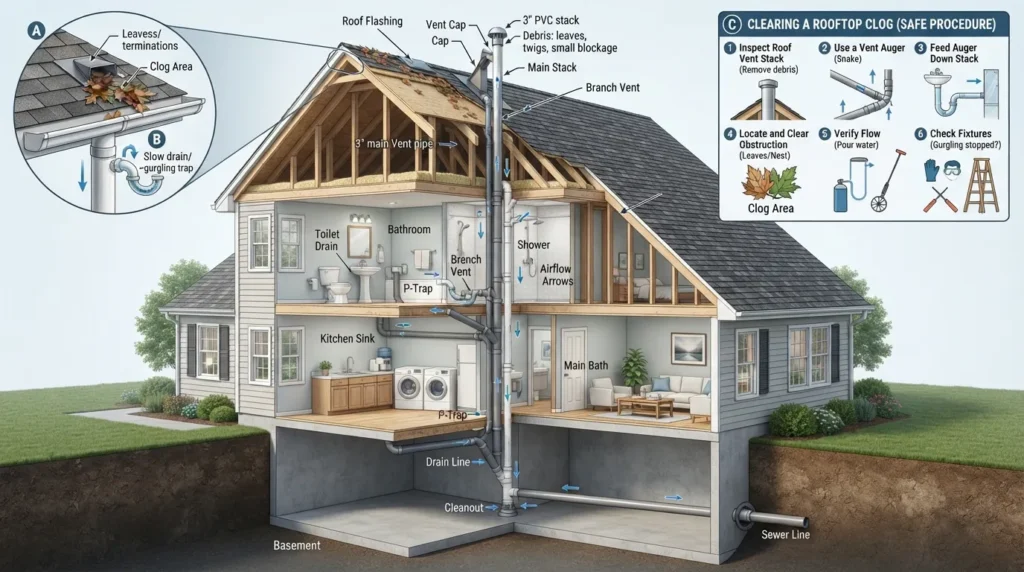
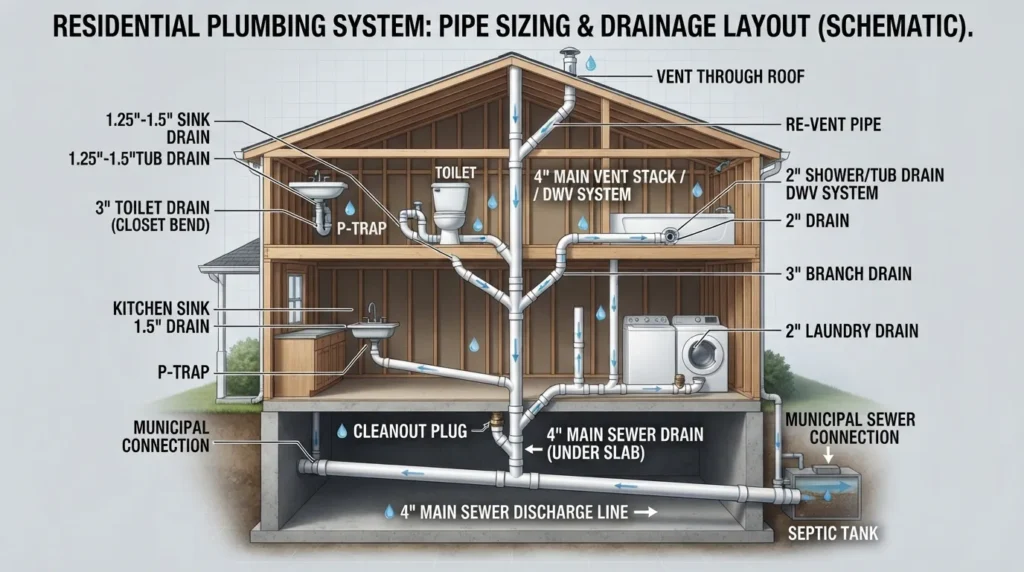
If you want to understand how wastewater moves through piping beyond an individual fixture, our guide to the property drainage system and its major components provides useful background.
Does a Commercial Kitchen in Miami Need a Grease Trap?
For many food-service businesses, this is a regulatory question rather than an optional plumbing upgrade.
Miami-Dade County states that a non-residential facility that handles, prepares, or processes food and discharges—or has the potential to discharge—fats, oils and grease into the sanitary sewer system is considered a FOG generator and requires the applicable FOG Discharge Control operating permit and an approved, operational FOG-control device. The County lists restaurants, cafeterias, supermarkets, schools, banquet halls and food courts among common examples.
The correct device can depend on the facility, fixtures, intended users, wastewater flow, grease and solids loading, maintenance requirements and applicable design criteria. A 1,000- or 1,500-gallon interceptor may be appropriate for one project and inappropriate for another. Confirm the design for your actual site before purchasing equipment or starting construction.
Grease Trap vs. Grease Interceptor: Which Type May Be Appropriate?
The right choice depends on the operation. A small coffee shop with limited food preparation can create a very different wastewater load from a full-service restaurant with multiple sinks, cooking stations and heavy grease production.
Often used where a more compact unit is appropriate. These devices are commonly identified by flow-rate ratings and must be selected and installed for the actual application and applicable approval requirements.
Typically a larger-capacity system that may be installed outside or underground. The project can require excavation, substantial piping work and dependable access for pumping and maintenance.
Some commercial applications use equipment designed to remove separated grease mechanically. Selection still depends on the facility’s requirements and whether the proposed equipment is acceptable for the project.
What About a Small Commercial Grease Trap?
A smaller commercial kitchen does not automatically require a large underground interceptor. A properly selected compact unit may be possible in some applications, but small business does not necessarily mean small grease load. Menu, cooking methods, fixtures, wastewater volume and operating hours all matter.
That is why buying a unit based only on its physical dimensions—or because it fits beneath a sink—can be a costly mistake.
How Is a Commercial Grease Trap Sized?
This is one of the most important parts of the project.
I would not recommend choosing an interceptor simply because another restaurant uses the same gallon capacity. Proper sizing needs to reflect the actual operation and the requirements that apply to the project.
Depending on the system and governing requirements, a design professional or installer may need to consider factors such as:
- Type and number of connected fixtures.
- Sink dimensions and wastewater discharge.
- Peak wastewater flow.
- Food preparation volume.
- FOG loading.
- Solids loading.
- Operating hours and peak periods.
- Proposed cleaning or pumping frequency.
- Whether multiple tenants or food-service operations are involved.
- Available installation space and maintenance access.
- Applicable manufacturer and local design requirements.
Instead of asking: “Do I need a 1,000- or 1,500-gallon grease trap?”
Ask: “What flow, FOG load, fixtures and local requirements must this interceptor be designed to handle?”
Commercial Grease Trap Installation Diagram
The exact piping configuration varies by project, but this simplified flow diagram shows the basic concept behind a commercial grease-interceptor system:
Commercial Kitchen Fixtures
Grease Waste Piping
Grease Trap / Interceptor
Downstream Access / Sampling
Building Sewer
Important: This is an educational overview, not a construction drawing. Fixture connections, venting, elevations, pipe sizes, device details, sample points and other design requirements must follow the approved project design and applicable requirements.
How Commercial Grease Trap Installation Works
1. Evaluate the Kitchen and Existing Plumbing
The first step is understanding what the system needs to handle. A new restaurant build-out, a grease-trap replacement and an existing restaurant compliance upgrade are three different projects.
The review may include fixture locations, existing drain routing, equipment, available interior and exterior space, access, building conditions and whether an existing FOG-control device can remain in service.
2. Identify the Correct Device and Capacity
Once the operating conditions are understood, the appropriate device type and size can be determined. The goal is not to install the largest unit possible. It is to install a properly selected system that can serve the intended facility while remaining practical to clean and maintain.
3. Confirm the Installation Location
Location affects much more than appearance. The unit needs adequate space for installation and future service. An outdoor underground interceptor may involve excavation and site restoration, while an indoor or above-ground unit can create different access and piping considerations.
A grease interceptor that technically “fits” but cannot be conveniently inspected or cleaned can create operational problems later.
4. Complete Required Plans and Approvals
Before construction starts, determine which approvals apply to the property and scope of work. This can include FOG-program requirements as well as municipal, plumbing, building or environmental review associated with the project.
For facilities located within a Miami-Dade municipality, the County’s current FOG permit guidance also addresses the municipal Occupational License and/or Certificate of Use process and Environmental Resources Management plan review.
5. Prepare the Site and Modify Piping
The amount of construction depends on the system. A straightforward point-of-use installation and a large underground interceptor can have dramatically different scopes.
Work may include opening floors or walls, rerouting drain piping, exterior excavation, preparing the interceptor location, or coordinating around existing utilities and structures.
6. Install and Connect the Grease Interceptor
The device is set in its approved location and connected to the designated waste piping according to the project design, manufacturer requirements and applicable plumbing requirements.
Correct inlet and outlet orientation, accessibility, piping configuration and associated components matter. This is one reason commercial grease-interceptor installation should not be treated like connecting a simple appliance.
7. Test, Inspect and Put the System Into Service
Before the system is considered complete, connections and operation should be checked and required inspections completed. The owner or operator should also understand how the device will be cleaned, serviced and documented after installation.
See an Above-Ground Grease Interceptor Installation
If you prefer seeing the basic installation concept visually, this third-party video demonstrates an above-ground grease interceptor installation. Use it as an educational example only; your Miami project may require a different device, layout, piping arrangement or approval process.
How Much Does Commercial Grease Trap Installation Cost?
There is no responsible single price that applies to every commercial grease-trap installation. An under-sink interceptor added to an accessible plumbing layout is not comparable to installing a large underground unit that requires excavation, concrete work, pipe rerouting, inspections and site restoration.
Instead of relying on an online national average, evaluate the factors that create the actual project scope.
Device Type & Capacity
Compact HGI, larger interceptor, underground tank and specialty equipment can have very different equipment and installation requirements.
Existing Plumbing
Accessible existing piping can simplify a project; major rerouting, floor work or replacing deteriorated plumbing can expand it.
Excavation & Access
Underground projects can require excavation, equipment access, utility coordination and restoration of the surrounding area.
Permits & Review
Required plans, reviews, permits and inspections can affect both the scope and the project schedule.
Site Restoration
Concrete, paving, flooring, landscaping or other surfaces disturbed during installation may require restoration.
New vs. Replacement
Removing an existing device, correcting old piping or upgrading a noncompliant layout can change the project significantly.
How Much Does It Cost to Install a 1,500-Gallon Grease Trap?
A 1,500-gallon grease interceptor should be quoted from the site conditions rather than a generic national number. At that size, the cost can be driven heavily by the tank itself, excavation, access, piping, base or structural preparation where required, utility conflicts, permits, inspection requirements and restoration.
The more useful question is whether a 1,500-gallon unit is actually the correct capacity for the facility. Confirm that before comparing installation bids.
How Much Does a 1,000-Gallon Grease Trap Cost?
The same principle applies to a 1,000-gallon unit. Equipment price is only one part of a complete installed project. Ask for a written scope that separates the interceptor, plumbing modifications, excavation or construction work, permits or inspection-related work, and restoration so you can compare proposals on the same basis.
If one estimate is dramatically lower than another, check what is excluded. Does it include necessary plumbing modifications? Excavation? Restoration? Permit-related work? Testing? Access provisions? Disposal or removal of an old interceptor? A complete scope is more useful than a headline price.
Do You Need a Permit to Install a Commercial Grease Trap in Miami?
You should verify the permit and plan-review requirements for the exact facility and scope before work begins.
Miami-Dade’s FOG program requires qualifying FOG generators to obtain a FOG Discharge Control operating permit and maintain an approved operational FOG-control device. The County also states that its FOG operating permits are renewed annually and are non-transferable, so a new business owner may need a new operating permit rather than relying on the previous operator’s permit.
The FOG operating permit should not be confused with every other approval that might apply to construction. Plumbing modifications, building work, site work or municipal requirements may involve additional review depending on the property and project.
If you are opening a restaurant or taking over an existing food-service space, it is smart to investigate these requirements before ordering equipment. Discovering after purchase that a proposed interceptor, capacity or location does not fit the approved plan can create unnecessary delays and expense.
Can I Install My Own Commercial Grease Trap?
A small grease trap can look deceptively simple, which is why this question comes up often.
For a commercial facility, DIY installation can create problems if the wrong device is selected, fixtures are routed incorrectly, required approvals are missed, maintenance access is poor, or the completed work cannot pass inspection.
If the project is part of a regulated food-service operation, treat it as a commercial plumbing and compliance project—not a home improvement project. Verify who is allowed to perform the work and what permits or inspections apply to your specific location.
Can a Plumber Install a Grease Trap?
A qualified plumbing professional can perform grease-trap and interceptor plumbing work when the work falls within the professional’s authorized scope and applicable project requirements. For a larger installation, the plumber may also need to coordinate with designers, permitting authorities, inspectors, excavation contractors or other professionals depending on the project.
The key is to choose someone who understands commercial grease-interceptor work, not simply general fixture replacement.
New Installation vs. Replacement vs. Compliance Upgrade
Before requesting an estimate, identify which project you actually have.
Separating these situations matters because a replacement may require removal and disposal work, while a compliance upgrade may involve more than changing the interceptor itself.
Common Commercial Grease Trap Installation Mistakes
Choosing a Unit Based Only on Gallon Capacity
Capacity is important, but it is not the only design consideration. Flow characteristics, connected fixtures, FOG production, solids and operating conditions all influence the decision.
Buying Equipment Before Confirming Approval Requirements
A low online price is not useful if the unit cannot be used for the proposed project. Confirm the requirements first, then purchase equipment.
Installing the Interceptor Where It Cannot Be Serviced
Future cleaning and inspection should influence placement from day one. Maintenance access is an operational requirement, not an afterthought.
Assuming Every Kitchen Fixture Is Connected the Same Way
Which fixtures should discharge through a grease-control system is a design and code question. Do not copy another restaurant’s piping configuration without confirming what applies to your facility.
Treating a Grease Problem as Only a Drain Clog
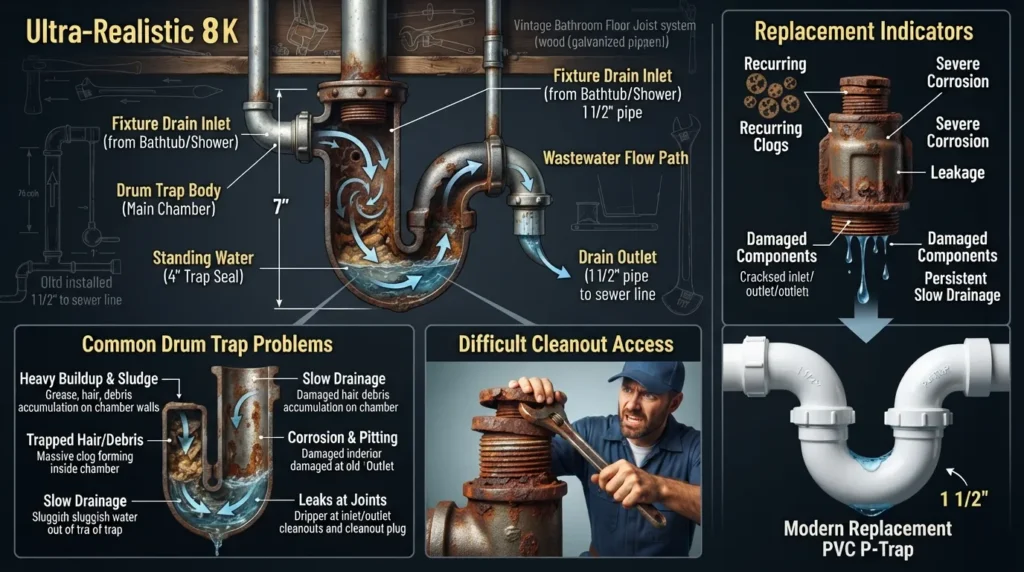
A blocked drain can be the immediate symptom, while an undersized, poorly maintained or malfunctioning grease-control system may be part of the broader problem.
If your immediate issue is a slow commercial drain, recurring backup or grease-related blockage rather than a new installation, our professional drain cleaning service may be the more relevant starting point.
What Happens After the Grease Trap Is Installed?
Installation is only the beginning of the system’s life.
FOG-control devices need ongoing cleaning, pumping or other maintenance appropriate to the equipment and operating permit requirements. Allowing grease and solids to accumulate excessively can reduce the device’s effective capacity and contribute to downstream problems.
For Miami-Dade businesses, keep the operating requirements for your specific permit and device available to the people responsible for facility maintenance.
Miami-Dade’s 2026 electronic-reporting guidance describes a limited pathway under which certain facilities with a grease interceptor rated at 20 GPM or less may perform self-cleaning when all listed conditions are satisfied; the guidance includes daily cleaning among those conditions. Do not assume a small interceptor automatically qualifies—review your permit and the County’s current requirements first.
What Information Should You Have Before Requesting an Installation Estimate?
You can get a more useful conversation with a commercial plumber if you have basic project information ready.
- Business type and type of food preparation.
- Whether this is a new build-out, replacement or upgrade.
- Existing grease trap/interceptor information, if any.
- Kitchen fixture list.
- Existing plumbing or floor-plan information, if available.
- Proposed equipment locations.
- Indoor and outdoor space available for the interceptor.
- Known permit, plan-review or inspection information.
- Any existing drainage, odor, backup or grease problems.
- Photos of the existing plumbing and installation area.
This does not replace an on-site assessment, but it helps the installer understand the project before equipment is selected.
How to Choose a Commercial Grease Trap Installation Company
For a commercial kitchen, I would compare installers on more than price.
Ask whether the company can clearly explain:
- Why the proposed interceptor type is appropriate.
- How the proposed size was determined.
- What plumbing modifications are included.
- Whether excavation or structural/site work is included.
- How the system will remain accessible for maintenance.
- What permit or inspection responsibilities are included in the proposal.
- What is specifically excluded from the quoted scope.
- What happens if existing conditions differ from what was visible before work begins.
A contractor who cannot explain why a particular system is being recommended is giving you less useful information than one who can connect the proposed design to your actual kitchen and site.
When Should You Call a Plumber?
It is best to involve a plumbing professional before you buy a commercial interceptor if you are:
- Opening a new restaurant or commercial kitchen.
- Taking over a food-service location with an existing grease trap.
- Replacing an old, leaking or damaged interceptor.
- Planning a kitchen remodel that changes fixtures or drainage.
- Receiving recurring grease-related drain backups.
- Unsure whether an existing system is adequately sized or accessible.
- Trying to understand how the plumbing scope fits into a permit or plan-review process.
For help evaluating the plumbing side of a commercial grease-trap project in Miami, you can learn more about the Miami Florida Plumbing team and available plumbing services.
Before ordering equipment or opening floors, start with the actual plumbing layout, kitchen requirements and project scope. That can help you avoid choosing a device or installation location that creates problems later.
Commercial Grease Trap Installation FAQs
How much does it cost to install a commercial grease trap?
The installed cost depends on the interceptor type and capacity, existing plumbing, excavation, access, piping changes, required approvals, inspections and restoration. A site-specific scope is more reliable than a generic national average.
How much does it cost to install a 1,500-gallon grease trap?
A 1,500-gallon interceptor generally involves more than the equipment purchase. Site access, excavation, piping, installation conditions, approvals and restoration can materially affect the total. Confirm first that 1,500 gallons is the correct design for your facility, then request a site-specific quote.
How should a grease trap be installed?
It should be installed according to the approved project design, applicable requirements and manufacturer instructions, with correct waste connections and enough access for inspection and future maintenance. Commercial installations should be planned around the real kitchen fixtures and operating conditions.
Can I install my own grease trap?
For a commercial food-service facility, DIY installation is risky because sizing, fixture routing, permits, inspections and local FOG requirements may apply. Confirm who may legally perform the work and what approvals are required before starting.
Can a plumber install a grease trap?
A qualified plumbing professional can handle commercial grease-trap plumbing work when it falls within the professional’s authorized scope and the project’s requirements. Larger systems may require coordination with additional professionals, inspectors or contractors.
How much does a 1,000-gallon grease trap cost?
There is no dependable universal installed price. The interceptor itself is only one component. Excavation, plumbing modifications, access, permits, inspections and site restoration can all affect the final project cost.
Is it expensive to install a grease trap?
It can range from a relatively contained plumbing project to a substantial construction project depending on the system. Underground installations involving excavation and major piping changes usually have more scope than accessible compact installations.
Do you need a permit to install a grease trap?
Qualifying Miami-Dade FOG generators need the applicable FOG operating permit and an approved operational FOG-control device. The construction itself may involve additional plumbing, building, environmental or municipal approvals depending on the project, so verify requirements before installation begins.
Do you legally have to have a grease trap?
In Miami-Dade, qualifying non-residential facilities that handle, prepare or process food and can discharge FOG are subject to the County’s FOG-control requirements, which include an approved operational FOG-control device and operating permit. The exact requirements should be confirmed for your facility.
What happens if commercial plumbing repairs are done without a required permit?
Do not assume a repair or replacement is exempt from permitting. If approval was required, unpermitted work can create inspection, approval and correction problems later. Confirm the requirements for the exact scope before construction rather than trying to resolve them after the work is concealed or completed.
Related Resources & Further Reading
For permit decisions and regulatory requirements, always give priority to the current information provided by the authority that governs your facility. These resources can help you continue your research:
Miami-Dade Fats, Oils & Grease ProgramOfficial County overview of FOG generators, operating requirements and grease-control devices.
Miami-Dade FOG Operating PermitCurrent County guidance covering the operating-permit process, renewal and related application information.
Miami-Dade FOG Fact SheetA County educational resource explaining FOG, grease-control devices and maintenance concepts.
Commercial Installation Cost ReferenceRoto-Rooter’s educational overview discusses common commercial grease-trap installation considerations and cost drivers.
Grease Trap Installation MethodsAn additional industry reference discussing installation approaches and system considerations.
Commercial Grease Trap Product ReferenceIf you are comparing available commercial grease-trap equipment, this supplier page can provide examples of products and configurations in the market. Verify suitability and approval before purchasing any unit.
Note: This article is general educational information. Commercial grease-interceptor requirements can vary by facility, municipality, device and project scope. Confirm current requirements with the appropriate authorities and qualified professionals before purchasing equipment or beginning construction.