If you’re dealing with a gas line connection and searching for the right gas nipple, you’re probably trying to figure out one of two things: which size and material you actually need, or whether this is something you should install yourself or hand off to a licensed plumber. This guide walks you through both, so you can make a safe, informed decision either way.
A gas nipple is a short, threaded pipe fitting (typically black steel or malleable iron) used to connect gas appliances, valves, and fittings to a gas supply line. Sizes commonly range from 1/4 inch to 12 inches, and the right choice depends on the appliance, gas type (natural gas vs. LP/propane), and local code requirements. Because it’s part of a gas system, incorrect installation carries real safety risk — which is why professional installation is strongly recommended.
What Is a Gas Nipple?
A gas nipple is a short section of threaded pipe, open on both ends, used to join two fittings together in a gas line — for example, connecting a shutoff valve to a regulator, or linking sections of pipe leading to a water heater, furnace, stove, or dryer. Unlike a coupling, a nipple has external (male) threads on both ends, allowing it to screw directly into two female-threaded fittings.
Gas nipples are typically made from black steel or malleable iron rather than galvanized steel, because galvanized coatings can react with gas over time and are not approved for gas line use in most plumbing codes.
Common Types of Gas Nipples
Not all nipples are built the same way. Here’s how the most common types differ and where each one is typically used:
| Type | Description | Typical Use |
|---|---|---|
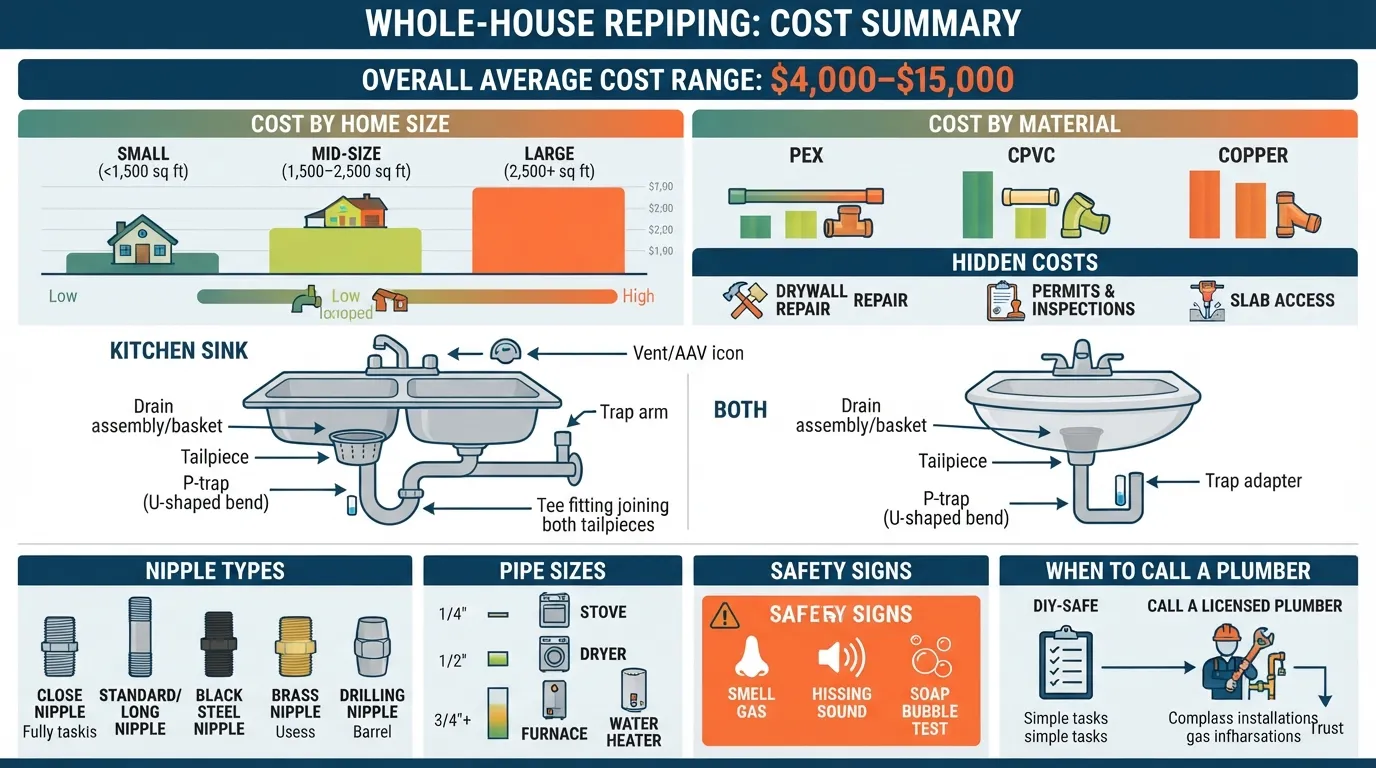
| Close Nipple | Very short, threaded almost end-to-end with little to no unthreaded shoulder | Tight spaces where fittings need to sit close together |
| Standard/Long Nipple | Has an unthreaded middle section; length varies by need | Bridging longer distances between two fittings |
| Black Steel Nipple | Standard material approved for natural gas and LP gas lines | Most residential and commercial gas connections |
| Brass Nipple | Corrosion-resistant, often used with certain valves and regulators | Regulator and valve connections per manufacturer spec |
| Drilling Nipple | Specialty nipple used with line-stopper fittings | Utility and line-tapping applications |
Gas Nipple Sizing: What Size Do You Actually Need?
Sizing depends on the diameter required for the connection and the length needed to bridge the gap between fittings. Diameter is usually the more critical factor, since it has to match the threading of the valve, regulator, or appliance connector you’re working with.
| Diameter | Common Application |
|---|---|
| 1/4 inch | Small appliance connections, pilot lines |
| 1/2 inch | Most common size for residential appliances (stoves, dryers, water heaters) |
| 3/4 inch and above | Larger appliances, furnaces, and main gas line runs |
If you’re unsure which diameter or thread type your appliance requires, it’s always worth double-checking the appliance’s connection spec or having a plumber confirm it before purchasing — the wrong fit can lead to leaks even if the nipple appears to thread in.
Signs of a Gas Nipple or Fitting Leak
⚠ Safety Warning
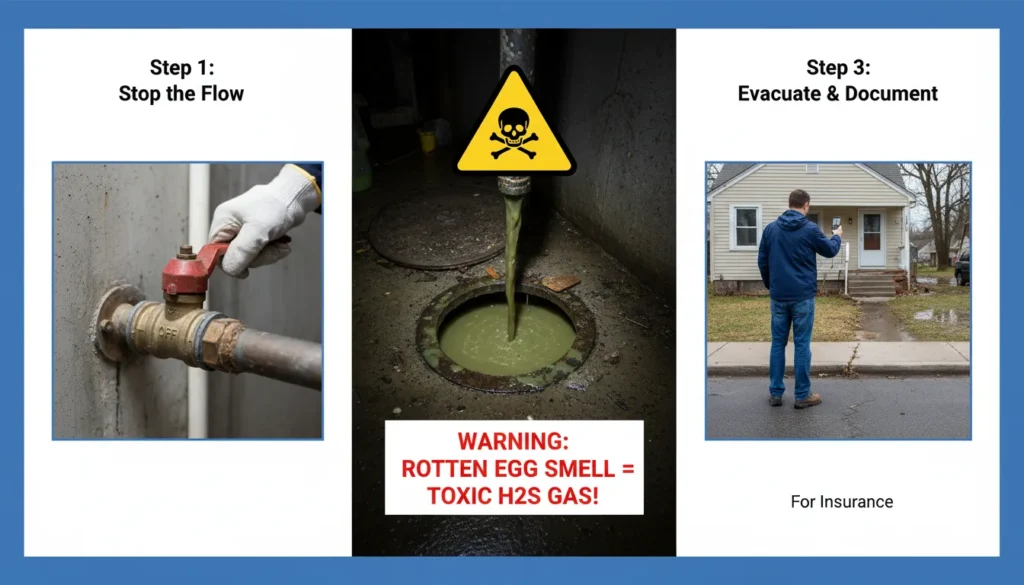
Gas leaks are a serious safety hazard. If you notice any of the following, do not attempt to fix the connection yourself — leave the area, avoid open flames or electrical switches, and contact a licensed plumber or your gas utility immediately.
- A sulfur or rotten-egg smell near a fitting or appliance connection
- A hissing sound coming from a pipe joint
- Bubbles forming when soapy water is applied to a fitting (a standard leak-check method)
- Dead or discolored vegetation near an underground gas line
- Unusually high gas bills with no clear explanation
DIY vs. Calling a Licensed Plumber
Swapping a gas nipple looks simple on the surface — it’s just a short threaded fitting, after all. But because it’s part of a pressurized gas system, small mistakes (under-tightening, over-tightening, wrong thread sealant, incorrect material) can lead to leaks that aren’t always obvious right away.
When DIY Might Be Reasonable
- You’re replacing a nipple on a non-pressurized, disconnected line for parts storage or a project mockup
- You have prior hands-on experience with gas fittings and proper leak-testing methods
- Local code in your area permits homeowner gas work for the specific task
When to Call a Plumber
- The nipple connects to a live, pressurized gas supply
- You’re not fully sure which size, material, or thread sealant is code-compliant for your area
- You’ve noticed any signs of an existing leak
- The connection feeds a major appliance like a water heater or furnace
- You want the work permitted and inspected, where required
If you’re in Miami and want a gas connection checked, replaced, or installed correctly the first time, our plumbing services team can handle the fitting, leak-testing, and code compliance so you’re not left guessing.
Gas Nipples and Water Heater Connections
One of the most common places a gas nipple shows up is in the gas supply line feeding a water heater. If you’re already dealing with a fitting issue near your unit, it may be worth having the whole connection inspected — especially if the water heater itself is aging. You can learn more about full replacement in our water heater replacement guide, which covers signs it’s time to replace rather than repair.
Watch: Black Steel Gas Pipe Fittings Explained
Frequently Asked Questions
What’s the difference between a nipple and a coupling?
A nipple has male threads on both ends and is used to connect two female-threaded fittings, while a coupling has female threads on both ends and joins two male-threaded pipes.
Can I use a galvanized nipple on a gas line?
Generally, no. Most plumbing codes require black steel or malleable iron for gas lines, since galvanized coatings aren’t approved for gas applications in most jurisdictions.
What sealant should be used on gas nipple threads?
A gas-rated thread sealant or pipe putty designed specifically for gas applications should be used — not standard plumber’s tape or general-purpose sealant, since not all products are rated for gas service.
Do I need a permit to replace a gas fitting?
In many areas, gas line work requires a permit and inspection, particularly for anything beyond minor appliance-level connections. Requirements vary by city and county, so it’s worth checking locally or asking a licensed plumber.
Key Takeaways
- A gas nipple is a short, dual-threaded pipe fitting used to connect gas lines, valves, and appliances
- Black steel or malleable iron are the standard approved materials — not galvanized
- Diameter (commonly 1/4″ to 3/4″+) must match the connecting fittings exactly
- Any smell of gas, hissing, or bubbling at a fitting means stop and call a professional immediately
- For anything connected to a live gas supply, professional installation and leak-testing is the safer route
Need a Gas Line Fitting Installed or Checked in Miami?
Our licensed plumbers handle gas nipple installation, replacement, and leak-testing safely and up to code. Get in touch with the Miami Florida Plumbing team today.
Additional Resources
If you’re looking to purchase gas nipple fittings, these retailers carry a range of sizes and materials: