Plumbers and Veterans Give Back to Veteran in Need: Real Stories and Help
Plumbers and Veterans Give Back: What It Means and Why It Matters
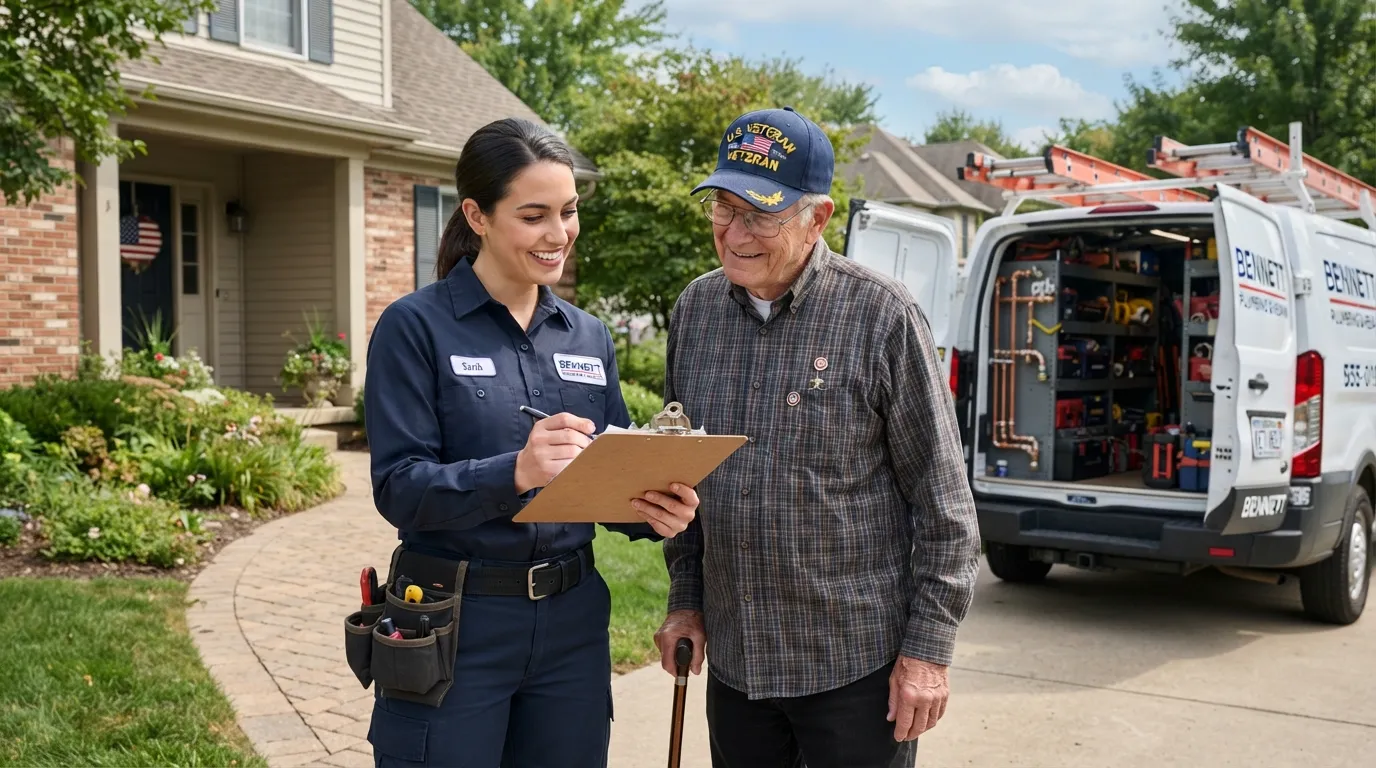
Plumbers and trade professionals nationwide are teaming up with veteran advocacy groups to deliver free emergency plumbing repairs, fixture installations, and critical home modifications for former service members. These grassroots partnerships directly address the growing crisis of substandard housing among aging and disabled veterans, ensuring that military families live in safe, functional, and sanitary homes.
How Plumbers and Veterans Are Helping Veterans in Need
Local plumbing contractors partner with non-profit networks and veteran service organizations to donate free labor and materials, tackling everything from leaking water heaters to full sewer line replacements for service members facing hardship.
Pro Bono Repairs: Licensed contractors step in to fix dangerous plumbing failures at zero cost to the homeowner.
Accessibility Upgrades: Tradespeople install ADA-compliant walk-in tubs, grab bars, and modified fixtures for disabled veterans.
Community Network Coordination: Veteran groups vet applicants and coordinate with local shops to match skilled trades with households in urgent need.
Why Plumbing Problems Hit Veterans Hard
Severe plumbing failures create immediate health and safety hazards, disproportionately impacting veterans who live on fixed incomes or manage service-connected disabilities.
Financial Strain: Maintenance emergencies on fixed disability or retirement incomes force impossible choices between basic needs and critical home repairs.
Aging Infrastructure: Many veterans reside in older homes with deteriorating galvanized pipes, outdated water heaters, and failing septic systems.
Health and Sanitation Risks: Lack of running water, broken heating systems, or hazardous sewage backups pose immediate threats to respiratory health and overall sanitation.
What You’ll Find in This Guide
Real stories of local trade partnerships transforming veteran households
Step-by-step instructions on how eligible veterans can apply for assistance
Nomination guidelines to help community members submit a deserving veteran’s name
Actionable steps for independent plumbers looking to launch or join a give-back initiative
Ways everyday citizens can support these trade-led charitable efforts through donations or advocacy
Real Stories of Plumbers Helping Veterans
Witnessing trade professionals step outside their daily service calls to support military families highlights the tangible impact of community goodwill. Real-world case studies demonstrate how local plumbing companies and labor unions leverage specialized skills to solve emergency home hazards for veterans in need.
Roto-Rooter Champaign Repairs a Sewer Line for an Illinois Army National Guard Family
When an Illinois Army National Guard family faced a catastrophic sewer line collapse and severe floor damage, plumber and veteran Randy Shannon stepped in to coordinate relief. Roto-Rooter Champaign donated all labor and equipment necessary to completely restore the home’s sanitary infrastructure at zero cost to the homeowner.
Emergency Intervention: Technicians diagnosed and repaired deep-line failures that threatened household health and safety.
Veteran Leadership: Led by a fellow veteran who understood the unique burdens of service, the team provided compassionate, stress-free service.
Community Synergy: Local supply partners contributed discounted materials to fast-track the reconstruction process.
Plumbers & Steamfitters Local 434 Offers Free Furnace Checks in La Crosse
In La Crosse, WI, Plumbers & Steamfitters Local 434 hosts community outreach programs offering free furnace inspections and preventative maintenance for lower-income veterans. Union members volunteer their weekends at training centers to ensure older heating units operate safely before freezing winter temperatures arrive.
Proactive Maintenance: Technicians clean burners, check gas lines, and test safety controls to prevent mid-winter heating failures.
Union-Led Support: Skilled union members donate their expertise to safeguard vulnerable households against costly emergency repairs.
Accessible Location: Outreach events hosted at local union halls make it easy for veterans to request and schedule assistance.
All-Pro Heating & Plumbing Donates a Furnace and Water Heater in Indianapolis
Indianapolis contractors frequently donate major HVAC and plumbing assets to elderly or disabled service members facing complete system failures. All-Pro Heating & Plumbing stepped up to replace a failing water heater and install a brand-new high-efficiency furnace for a local veteran household.
Complete System Upgrades: Full replacements of outdated, inefficient equipment lower monthly utility burdens for families on fixed incomes.
Health and Safety Restoration: Immediate installation of reliable hot water and heat restores basic living standards.
Plumbers Volunteer on a Tiny Home Community for Homeless Veterans
Tradespeople across the country are lending their tools to build and outfit transitional tiny home villages designed specifically for unhoused veterans. Volunteer plumbers install vital infrastructure, including custom bathroom shower bases, efficient water lines, and proper drainage systems.
Dignified Housing: Access to private, fully functioning plumbing fixtures provides unhoused veterans with essential comfort and stability.
Collaborative Building: Local contractors work alongside charitable organizations to ensure every micro-home meets strict residential building standards.
What These Stories Have in Common
Local Partnerships: Successful give-back projects rely on strong collaborations between private contractors, labor unions, and veteran service agencies.
Specific Skills Donated: Tradespeople contribute specialized plumbing, heating, and sewer expertise that ordinary volunteers cannot provide.
Veteran Leadership: Projects often feature veteran plumbers or organizers who bridge the gap between the trades and military families.
Clear Selection Process: Transparent vetting ensures that assistance reaches those facing the greatest financial and safety hardships.
Watch: Plumbers in Action
Local news coverage highlighting Plumbers & Steamfitters Local 434 providing free furnace checks for veterans in La Crosse, WI.
Plumbing Problems Veterans Most Often Need Help With
When charitable trade organizations step in to help military families, they frequently encounter specific, recurring home infrastructure emergencies. Understanding what these free repair programs actually cover helps veterans identify hidden hazards and secure timely intervention before minor issues escalate into major plumbing emergencies.
No Hot Water: Water Heater Repair and Replacement
A failing water heater strips a household of essential hot water for sanitation, cooking, and medical care. Charitable trade programs frequently step in to restore reliable hot water service through professional water heater repair and tank replacements.
What Our Plumbers See: In the field, technicians routinely discover rusted-out tanks, pilot assembly failures, and severe sediment buildup that completely disables heating elements in older homes.
Sewer Line Breaks and Backups
Sewer line failures rank among the most disruptive and unsanitary crises a homeowner can face. Non-profit volunteer programs provide heavy-duty excavation and sewer line repair to clear dangerous blockages and restore safe wastewater drainage.
What Our Plumbers See: Field crews frequently find collapsed clay or cast-iron pipes invaded by aggressive tree roots, causing raw sewage to back up into bathtubs and living spaces.
Clogged or Slow Drains
Stubborn clogs in kitchen sinks, bathroom showers, and laundry lines can grind daily household routines to a halt. Professional drain cleaning clears stubborn buildup and prevents messy overflows.
What Our Plumbers See: Plumbers often pull years of accumulated grease, hair, scale, and foreign objects out of galvanized lines that homeowners attempted to fix unsuccessfully with chemical store-bought liquids.
Hidden Leaks and Water Damage
Undetected pipe leaks slowly rot subflooring, promote toxic mold growth, and drive up monthly utility bills. Specialized acoustic and thermal leak detection and repair services locate pinhole leaks behind walls and beneath concrete slabs.
What Our Plumbers See: Technicians frequently track down silent slab leaks that have been soaking foundations for months, completely hidden until wall discoloration or warped flooring appears.
Broken Toilets and Bathroom Fixtures
A malfunctioning toilet or broken bathroom valve creates immediate sanitation issues and severe hygiene risks for vulnerable residents. Expert toilet repair and fixture services replace cracked bowls, faulty flappers, and leaking shut-off valves.
What Our Plumbers See: Field teams regularly encounter outdated, wobbly toilets with rotted wax rings and leaking flush mechanisms that render primary bathrooms completely unusable.
Why Small Problems Become Big Costs for Fixed-Income Homeowners
Deferred Maintenance: Living on fixed disability or retirement incomes forces many veterans to ignore minor drips until they explode into costly structural disasters.
Lack of Specialized Tools: Without professional hydro-jets, sewer cameras, or leak detectors, DIY fixes usually mask symptoms rather than curing root problems.
Compound Property Damage: Unaddressed plumbing failures quickly trigger secondary water damage, ruining drywall, electrical wiring, and foundational framing.
How Veterans Can Get Free or Low-Cost Plumbing and Home Repair Help
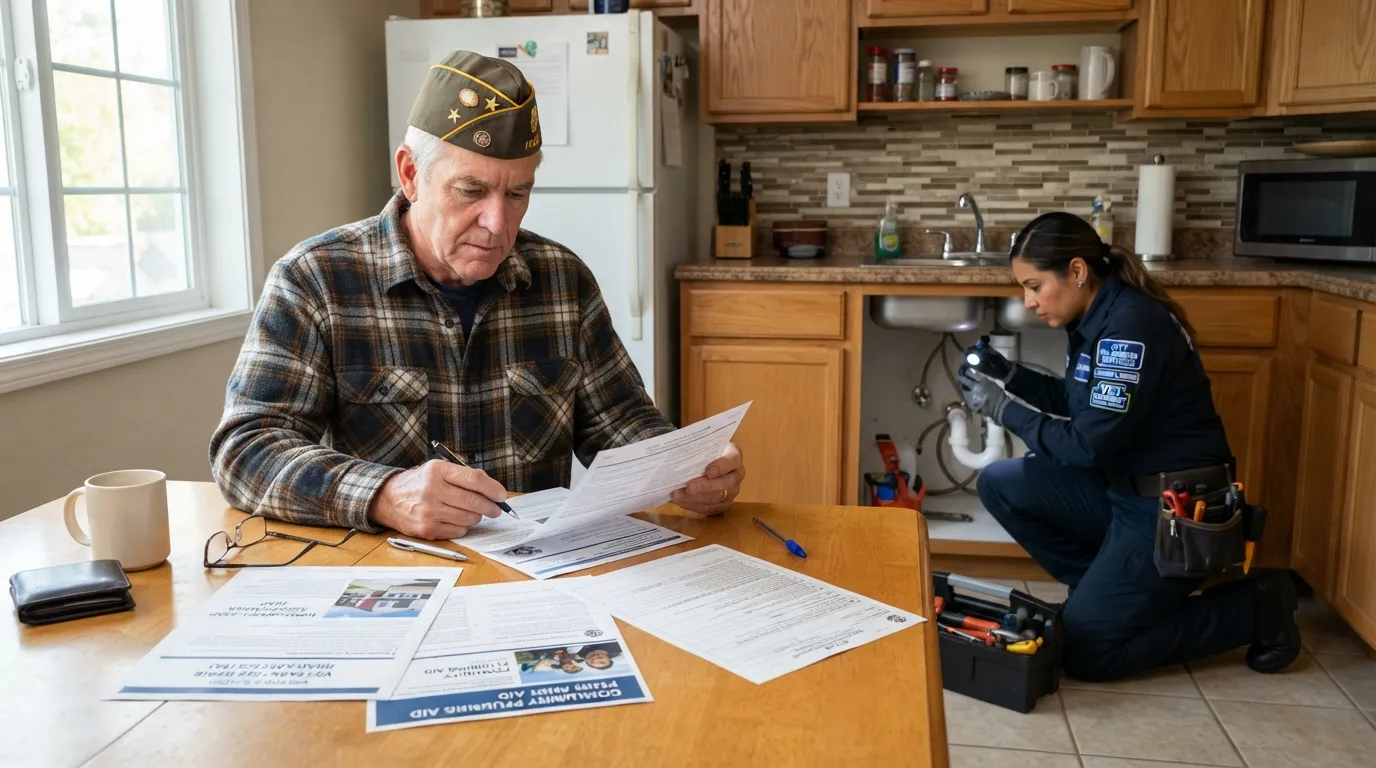
Navigating home maintenance assistance can feel overwhelming when facing unexpected plumbing emergencies. Multiple avenues exist for military families and veterans to secure financial aid, professional trade discounts, and pro bono repairs for critical household systems.
Is There a VA Program That Helps With Home Repairs?
The Department of Veterans Affairs offers official Disability Housing Grants such as Specially Adapted Housing (SAH), Special Home Adaptation (SHA), and Home Improvements and Structural Alterations (HISA). These specialized programs are strictly tailored for medically necessary accessibility adaptations—such as roll-in showers, grab bars, and widened doorways—rather than general plumbing maintenance or routine pipe replacements.
Targeted Assistance: VA grants cover modifications directly tied to a service-connected disability rather than standard wear-and-tear plumbing failures.
HISA Grant Caps: Eligible veterans can receive financial assistance for necessary bathroom and plumbing adjustments through clinical care pathways.
Scope Limitations: General home repairs like water heater replacements, sewer line clearing, or roof leaks typically require alternative community and nonprofit resources.
Step-by-Step: How to Find Help Near You
Check Your VA Benefits and Local Office: Review current disability ratings and contact your regional VA center to see if you qualify for clinical home modification funding.
Contact State or County Veterans Services: Local county veterans service officers maintain active databases of regional grants, emergency relief funds, and local contractor partnerships.
Explore Nonprofit Repair Programs: Reach out to organizations like Habitat for Humanity’s critical home repair division or local veteran charities that specialize in housing preservation.
Engage Trade Unions and Plumbers: Connect with local plumber associations, labor unions, and contractor networks that sponsor community giveback days or pro bono repair projects.
Submit a Community Nomination: Ask a trusted family member, neighbor, or local veterans service organization to formally nominate your household for charity-driven plumbing makeovers.
What to Prepare Before You Apply
Proof of Service: Gather official military documentation, including your DD-214 or current service verification records.
Proof of Ownership: Keep property deeds or current mortgage paperwork accessible to confirm homeownership.
Income Verification: Prepare tax returns, Social Security statements, or pension documents to demonstrate financial hardship.
Visual Evidence: Take clear, well-lit photos or short video clips of the plumbing problem or structural water damage.
Professional Estimates: Obtain a written diagnostic report or repair estimate from a licensed plumber if required by the granting organization.
Is It Realistic to Get a Free Bathroom Remodel?
Securing a completely free luxury bathroom remodel is rare and depends heavily on specific qualification criteria. Most full-scale bathroom overhauls are restricted to disability-specific adaptation grants or major nonprofit community builds rather than standard cosmetic upgrades.
Medical Necessity Priority: Free remodels prioritize functional safety enhancements, such as converting a hazardous high-wall tub into a safe walk-in shower.
High Demand and Waitlists: Charitable trade programs and veteran nonprofits manage limited resources, resulting in competitive selection processes and regional waitlists.
Grants and Programs for Veterans: Quick Comparison
Navigating the landscape of financial assistance can be confusing, especially when juggling different program requirements, income thresholds, and project scopes. A clear side-by-side comparison helps military households and advocates quickly identify the best funding source or volunteer network for their specific home repair needs.
What Are Two Grant Programs That Exist for Veterans?
Two major formal programs providing financial assistance for home modifications and repairs are the Department of Veterans Affairs (VA) home-modification grants (such as SAH and HISA) and the United States Department of Agriculture (USDA) Section 504 Rural Repair Program. While VA grants target service-connected disability accommodations, USDA programs focus on low-income rural homeowners needing general structural repairs.
Programs Compared
| Program | Who It’s For | What It Covers | Where to Apply |
| VA Home-Modification Grants (SAH, SHA, HISA) | Veterans with qualifying service-connected disabilities | Accessibility adaptations like roll-in showers, ramps, widened doors, and structural changes | Regional VA office or via VA health care provider |
| USDA Section 504 Home Repair | Very low-income rural homeowners (including senior and veteran households) | Loans and grants for essential repairs, safety hazards, plumbing fixes, and roof leaks | Local USDA Rural Development office |
| Habitat for Humanity Critical Home Repairs | Low-income homeowners facing structural or safety failures | Major repairs including roofs, plumbing, electrical, and weatherization | Local Habitat for Humanity affiliate chapter |
| Local Giveback Projects by Plumbers | Veterans and military families facing financial or medical hardship | Pro bono emergency plumbing repairs, water heaters, and sewer lines | Local veterans service organizations or partner trade unions |
What Is the Section 504 Home Repair Program?
The USDA Section 504 program provides financial assistance specifically designed to help very low-income rural homeowners repair, improve, or modernize their homes.
Financial Assistance: Offers low-interest loans up to $40,000 and direct grants up to $10,000 (primarily for elderly or disabled homeowners aged 62 or older).
Eligibility Requirements: Applicants must own and occupy a home in a qualified rural area, have a household income below 50% of the area median income, and be unable to secure commercial credit elsewhere.
Covered Repairs: Funds can eliminate health and safety hazards, including fixing faulty plumbing, replacing broken water heaters, and repairing leaking roofs or failing septic tanks.
What Is the Home Depot Program for Veterans?
The Home Depot Foundation and corporate giving programs support veterans through two distinct initiatives: retail benefits and large-scale community housing grants.
Everyday Military Discount: Eligible veterans, active-duty service members, and military spouses receive a 10% discount on select in-stock retail purchases (subject to an annual maximum cap) after verifying status online.
Support for Nonprofit Housing: The Home Depot Foundation invests heavily in developing and rehabilitating permanent supportive housing for veterans, though these funds are strictly distributed to qualified 501(c)(3) organizations rather than individual homeowners.
Are There Grants for Veterans With PTSD?
While the VA and specialized nonprofits do not offer direct cash grants exclusively for cosmetic home remodeling driven by Post-Traumatic Stress Disorder (PTSD), veterans managing PTSD can benefit from broader environmental adaptation programs.
Holistic Living Improvements: A stable, safe, and fully functional home environment plays a critical role in mental health and stress reduction.
Alternative Resources: Veterans seeking support for mental health and living adjustments can leverage assistance through local VSOs (Veterans of Foreign Wars, American Legion) or specialized veteran housing charities that incorporate wellness modifications into home repairs.
What Is the “5 Year Rule” for Veterans?
When discussing veterans benefits and home support, the term “5-year rule” most commonly refers to VA disability rating protections rather than a housing grant restriction.
Rating Protection Safeguard: Under VA guidelines, if a service-connected disability rating has been in place for five continuous years or more, it is considered stable.
Reduction Restrictions: The VA cannot reduce a stable disability rating unless re-evaluations provide clear and convincing medical evidence that the condition has significantly and permanently improved over time.
How to Nominate a Veteran for Free Plumbing Help
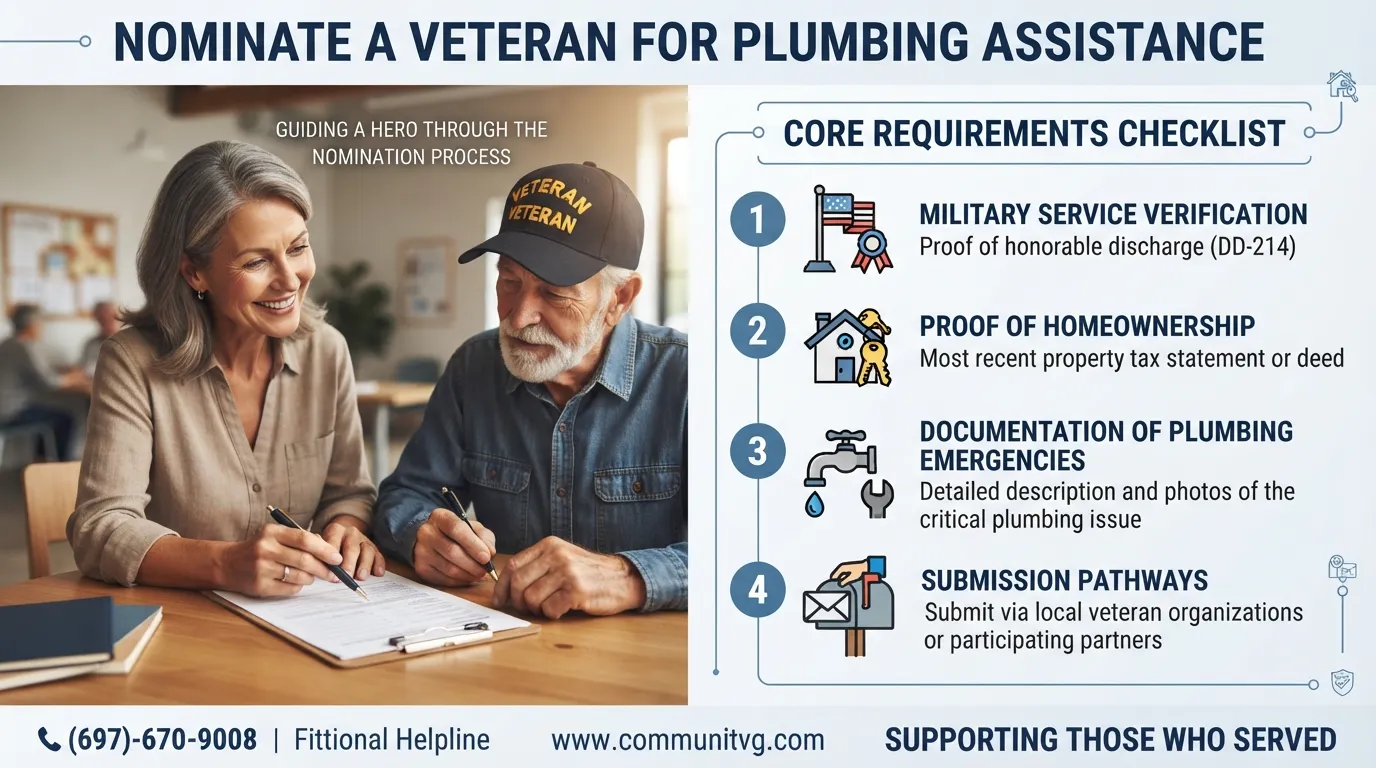
When a veteran family member, neighbor, or community member faces a severe plumbing or home maintenance emergency, stepping in to submit a nomination can change their living situation. Many charitable trade initiatives, local plumbing contractors, and non-profit programs rely entirely on community-submitted nominations to locate households in urgent need of pro bono repairs.
Who Can Be Nominated
Military Service Status: Nominees must be U.S. military veterans or active service members with an honorable or general discharge.
Primary Residence Requirement: The home needing repair must be owner-occupied and serve as the veteran’s permanent primary residence rather than a rental property.
Demonstrated Need: Households facing documented financial hardship, fixed-income constraints, age-related vulnerability, or severe service-connected health challenges receive top selection priority.
What Information to Include in a Nomination
Nominee Contact Details: Full name, current home address, phone number, and email address of the veteran.
Military Service Background: Branch of service, active years, and supporting verification details like an honorable discharge record.
Specific Plumbing Problem: A clear, detailed description of the current infrastructure failure, such as a broken water heater, collapsed sewer line, or active leak.
Level of Urgency: Explanation of how the plumbing emergency impacts the health, safety, and daily living conditions of the household.
Explicit Consent: Confirmation that the veteran or homeowner has agreed to be nominated and consents to schedule home visits or media coverage if selected.
Where to Send Your Nomination
Local Plumbing Companies: Reach out directly to independent plumbing contractors in your region that run annual community giveback or veterans’ day giveaway programs.
Trade Unions and Guilds: Contact local labor unions, plumbers’ and steamfitters’ chapters, or contractor associations sponsoring charitable outreach projects.
Veteran Service Organizations: Submit details through local American Legion, VFW posts, or regional veteran affairs community channels.
Local News Stations: Many regional television and media outlets partner with tradespeople to feature and fund emergency home makeovers for deserving local heroes.
Tips for Making a Nomination Stand Out
Provide Clear Visuals: Attach sharp, well-lit photos or a short video clip showing the exact scope of the plumbing damage or water hazard.
Tell the Personal Story: Share specific details about the veteran’s service history and how the current home emergency affects their daily quality of life.
Act Quickly: Submit applications or nomination forms well in advance of seasonal extremes, as winter heating and summer plumbing project slots fill up fast.
Want to ask a licensed plumber to look at the problem first? Book an expert inspection or professional consultation to evaluate the damage before submitting your nomination.
How Plumbers and Contractors Can Start a Veteran Giveback Project
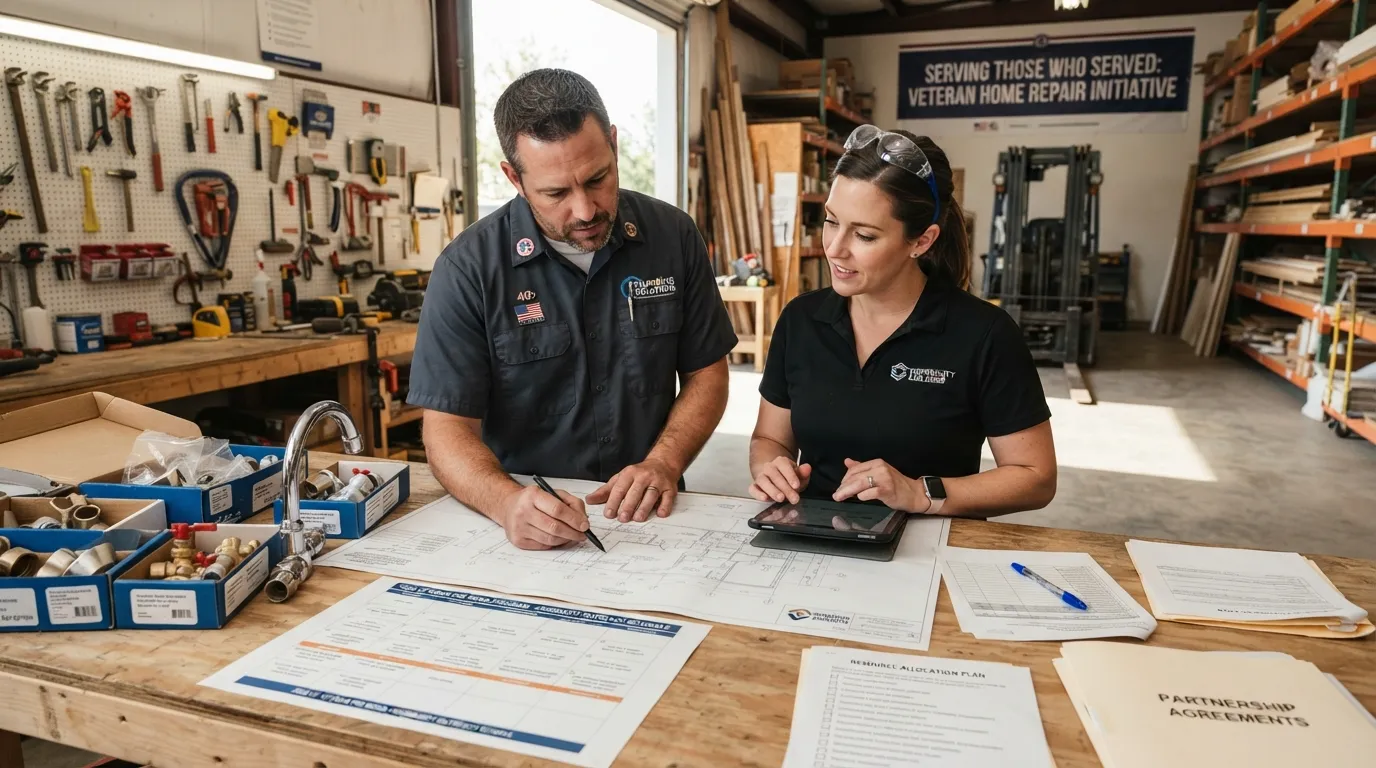
Launching a community giveback initiative allows plumbing contractors and trade businesses to leverage their professional expertise to support local military families in need. Building a structured, transparent outreach program strengthens community ties while providing vital, life-changing infrastructure repairs to veterans facing financial hardship.
Step 1: Choose Your Partners
Collaborating with established local organizations ensures your giveback project reaches the right households and operates smoothly from day one.
Veteran Service Organizations: Connect with regional American Legion posts, Veterans of Foreign Wars (VFW) chapters, or county veteran service officers who can vet and recommend candidates.
Nonprofit Networks: Partner with established housing charities like Habitat for Humanity or local community development groups.
Labor Unions and Supply Houses: Collaborate with local union chapters and wholesale plumbing distributors to secure donated materials, discounted fixtures, and volunteer labor.
Step 2: Define the Scope and Budget
Establish clear boundaries for what your company can sustainably donate to avoid overextending your team’s resources.
Service Specialization: Decide whether your project will focus on a specific trade—such as emergency water heater replacements, sewer line clearings, or accessibility upgrades.
Resource Allocation: Determine upfront how many hours of free labor, which specific days, and what financial cap your business will allocate to donated materials.
Supplier Sponsorships: Approach manufacturing and distribution partners early to donate major fixtures, pipe fittings, and equipment.
Step 3: Handle Licensing, Insurance and Liability
Protect your business, your workers, and the homeowners by keeping all legal and administrative requirements airtight.
Permitting and Compliance: Ensure all pro bono plumbing work complies with local municipal building codes and pulls necessary permits.
Liability Insurance: Verify that your commercial general liability insurance policy covers volunteer job sites and pro bono residential service calls.
Waivers and Agreements: Have homeowners sign clear liability waivers and project scope agreements before work begins.
Step 4: Select the Veteran Fairly
Create a transparent, objective application process to ensure assistance goes to those with the greatest verified need.
Application Criteria: Outline clear eligibility requirements based on military service history, financial hardship, and urgency of the plumbing failure.
Impartial Review: Form a small review committee—including a representative from a partner VSO—to evaluate nominations fairly.
Advance Communication: Notify selected families well in advance so they can prepare their homes for scheduled repair days.
Step 5: Do the Work and Document It
Execute the plumbing repairs with the same professional standard you bring to commercial or high-end residential clients.
Safety First: Conduct a thorough pre-work inspection to identify asbestos, lead paint, or hidden structural hazards in older homes.
Quality Installation: Install reliable, high-efficiency plumbing fixtures that reduce future maintenance burdens for the homeowner.
Visual Documentation: Capture before-and-after photos and video clips of the repair process, always securing explicit written permission from the veteran beforehand.
Step 6: Share the Story Responsibly
Highlighting your giveback project inspires other local businesses to contribute while honoring the service of the recipient family.
Local Press Outreach: Send press releases and project highlights to local television stations, newspapers, and trade publications.
Digital Storytelling: Share impact stories on your company website and social media channels to showcase your team’s community commitment.
Privacy Respect: Always prioritize the comfort, dignity, and privacy of the veteran family over promotional goals.
Lessons From Our Team
Start Small: Begin with a single annual project—such as a Veterans Day water heater giveaway—before scaling into a year-round outreach program.
Overcommunicate: Keep lines of communication open between your dispatchers, field technicians, and partner organizations to prevent scheduling confusion.
Involve the Whole Crew: Giving field technicians a voice in selecting and helping deserving veterans builds immense team pride and company morale.
How Anyone Can Help Veterans in Need
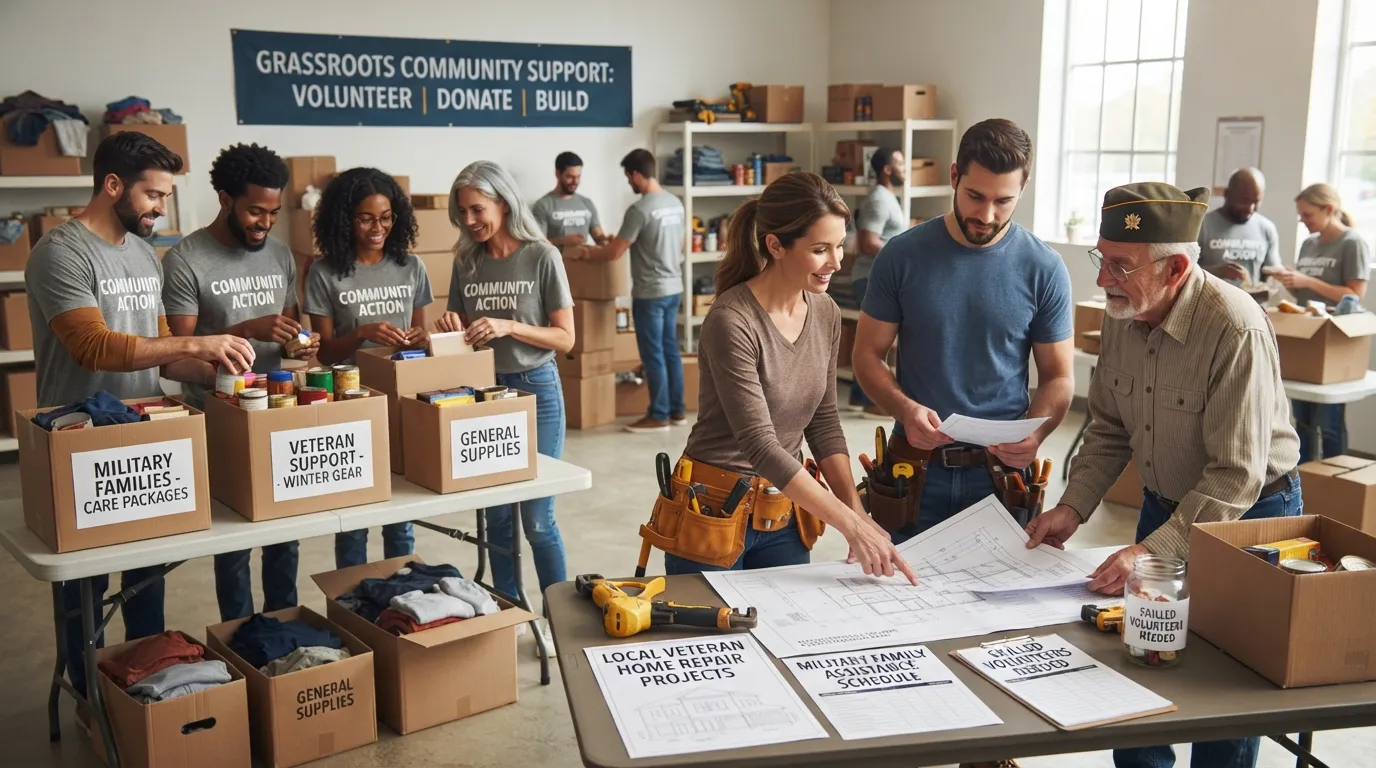
Everyday citizens, community members, and volunteers play a vital role in supporting military families beyond the reach of formal government programs. Contributing time, resources, or simple acts of neighborly kindness directly improves the daily living conditions and safety of veterans facing hardship.
How Can I Help My Local Military Veterans?
Supporting local military veterans involves connecting with established community networks, offering specialized professional skills, or directly assisting aging and disabled service members with daily home maintenance challenges.
Direct Community Engagement: Reach out to local veterans service organizations or neighborhood veteran households to identify immediate, practical areas of need.
Skill-Based Support: Leverage professional trades, administrative talents, or heavy-lifting assistance to tackle urgent household projects.
Sustained Involvement: Commit to ongoing volunteer efforts or regular wellness checks rather than one-time holiday gestures.
Volunteer Your Time or Skills
Habitat for Humanity Critical Home Repairs: Sign up to volunteer with local chapters that execute major structural, roof, and plumbing rehabilitations for low-income veteran homeowners.
Local Veteran Organizations: Offer assistance at regional American Legion posts, VFW chapters, or VA medical center volunteer programs.
Monthly Volunteering: Dedicate a consistent number of hours each month to help maintain, clean, or repair homes for disabled or elderly veterans.
Donate Money, Materials or Services
Financial Contributions: Direct monetary donations to trusted national or grassroots veterans’ charities that explicitly fund housing preservation and emergency home repairs.
Material and Fixture Donations: Plumbing contractors, hardware suppliers, and retail businesses can donate surplus water heaters, pipes, fittings, and safety fixtures.
Pro Bono Professional Services: Licensed electricians, plumbers, and contractors can pledge a set number of free service calls per year for local military families.
How to Choose a Charity You Can Trust
Verify Registration Status: Confirm that the organization is a registered 501(c)(3) nonprofit entity in good standing.
Check Transparency Ratings: Review independent charity evaluator reports (such as Charity Navigator or GuideStar) to ensure high program spending and low administrative overhead.
Beware of Unverified Claims: Research organizations thoroughly to avoid high-pressure donation solicitors or groups with unclear mission statements.
Small Actions That Matter
Check on Your Neighbors: Regularly stop by to check on elderly or disabled veteran neighbors, especially during extreme summer heat waves or severe winter freezes.
Offer Transportation: Provide reliable rides to medical appointments, VA clinic visits, or grocery stores for veterans who can no longer drive.
Assist with Paperwork: Help veterans navigate complex applications for local grants, pension updates, or home repair assistance programs.
How to Spot Scams and Choose a Trustworthy Plumber
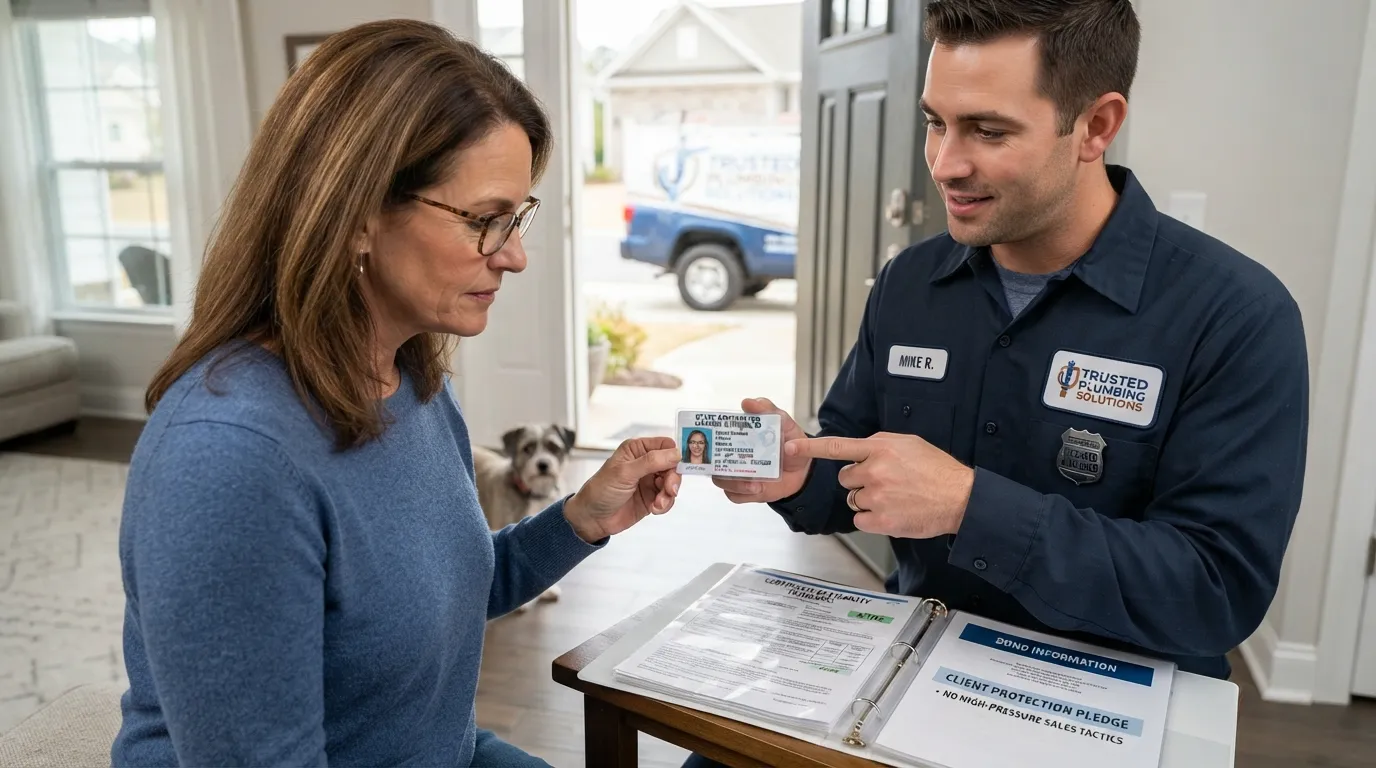
Protecting vulnerable households from predatory contractors is critical when seeking home repair assistance. Unfortunately, bad actors sometimes exploit charitable intentions or target elderly and disabled veterans with fraudulent “free repair” scams, inflated bills, or substandard workmanship. Knowing how to spot red flags and verify credentials ensures your home stays safe.
Red Flags in “Free Repair” Offers
Legitimate giveback programs and community charities never demand upfront cash or use aggressive sales tactics to force immediate decisions.
Upfront Fee Demands: Scammers often ask for cash deposits, application fees, or material costs upfront before performing any diagnostic work or repairs.
High-Pressure Tactics: Unscrupulous operators create false urgency, claiming your home faces imminent structural collapse to pressure you into signing immediate contracts.
Unsolicited Door-to-Door Solicitation: Beware of transient contractors knocking on doors claiming they “just finished a job nearby” and noticed severe plumbing damage on your roof or foundation.
Missing Identification: Reputable contractors always arrive in marked company vehicles, wear uniforms, and readily display official company credentials and state license numbers.
How to Verify a Plumber’s License and Insurance in Florida
Verifying a contractor’s credentials is the most effective way to guarantee accountability and legal compliance before letting anyone work on your home infrastructure.
Check the State Portal: Visit the official Florida Department of Business and Professional Regulation (DBPR) online portal to verify active licensing status using the contractor’s name, business name, or license number (Certified Plumbing Contractor licenses typically carry a CFC prefix).
Distinguish Statewide vs. Local Licenses: Certified plumbing contractors (CFC) can operate anywhere in Florida, while registered local contractors are restricted to specific municipalities or counties.
Confirm Active Insurance: Ask the contractor to have their insurance agency email a Certificate of Insurance directly to you, confirming active general liability coverage and workers’ compensation policies.
Questions to Ask Before Accepting Help
Are you a state-licensed plumbing contractor, and what is your official license number?
Does this charitable repair or service call carry any hidden costs, administrative fees, or mandatory follow-up purchases?
Can you provide written documentation detailing the exact scope of the donated labor and materials?
Who will be supervising the job site, and what warranty do you offer on the completed plumbing work?
Where to Report Suspected Fraud
If you or a veteran you know encounters a predatory contractor, fraudulent charity, or unlicensed scam, report the activity immediately to protect the wider community.
Florida DBPR Unlicensed Activity: File a complaint online or contact the Florida Department of Business and Professional Regulation to report unlicensed contracting fraud.
State Attorney General: Report deceptive trade practices, price gouging, or consumer fraud directly to the Florida Office of the Attorney General.
Local Law Enforcement: Contact local police or county sheriff departments immediately if you suspect elder exploitation, financial theft, or criminal impersonation by fake charity workers.
Veteran Resources in Miami and Florida
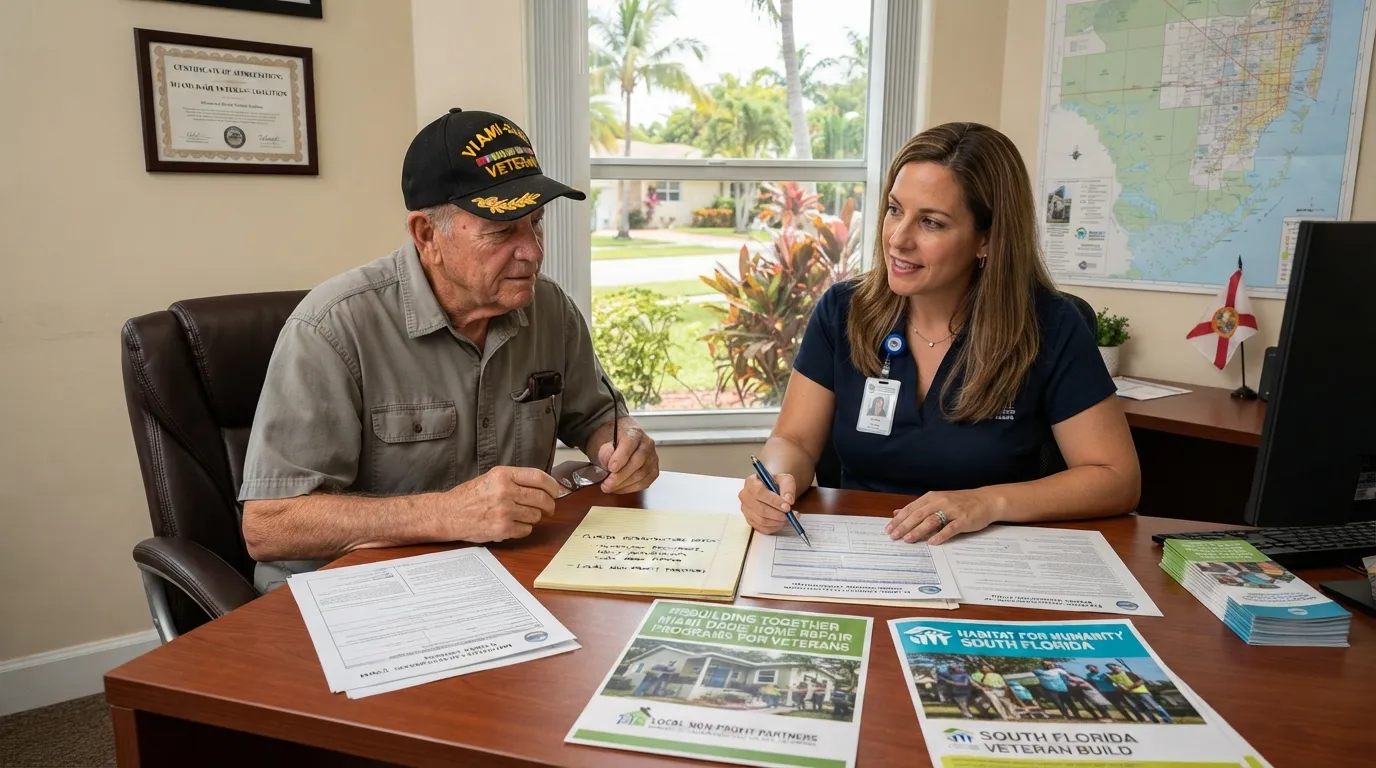
For military families and veterans navigating plumbing emergencies or home repairs in South Florida, connecting with regional agencies and local non-profit initiatives ensures access to verified support. Navigating local infrastructure challenges also requires an understanding of how Florida’s unique climate and coastal environment impact household plumbing systems.
Miami-Dade and Florida Veteran Support Offices
Miami-Dade County Veterans Service Office: Part of the Community Action and Human Services Department, providing accredited representation and claims assistance to local veterans and their families.
Florida Department of Veterans’ Affairs (FDVA): The statewide agency connecting veterans to state-administered benefits, educational resources, and emergency guidance.
Miami VA Healthcare System (Bruce W. Carter VA Medical Center): Located in Miami, offering comprehensive veteran medical services and guidance on clinical care pathways that tie into home modification assistance.
Local Nonprofits and Repair Programs
Habitat for Humanity of Greater Miami: Operates local housing preservation and critical home repair initiatives for low-income homeowners in the community.
Local Veterans Service Organizations: Regional American Legion posts and VFW chapters that maintain active relief networks and coordinate emergency aid for service members in distress.
Community Trade Partnerships: Informal networks where licensed South Florida plumbers and trade union chapters donate time and materials to support local military households.
Why Florida Homes Have Unique Plumbing Needs
High Humidity and Moisture: Persistent tropical humidity accelerates pipe corrosion, promotes mold growth around leaking fixtures, and strains indoor ventilation.
Hurricane Season Pressures: Severe tropical storms, heavy rainfall, and potential flooding put intense pressure on sewer lines, storm drainage, and backflow preventers.
Aging Infrastructure: Older residential developments across South Florida feature aging cast-iron or galvanized supply lines that are highly susceptible to root intrusion and structural failure.
Slab Leak Vulnerabilities: Shifting sandy soils and corrosive ground conditions frequently cause sub-slab water leaks beneath concrete foundations, requiring specialized acoustic and thermal detection services.
What to Do While You Wait for Help With a Plumbing Emergency
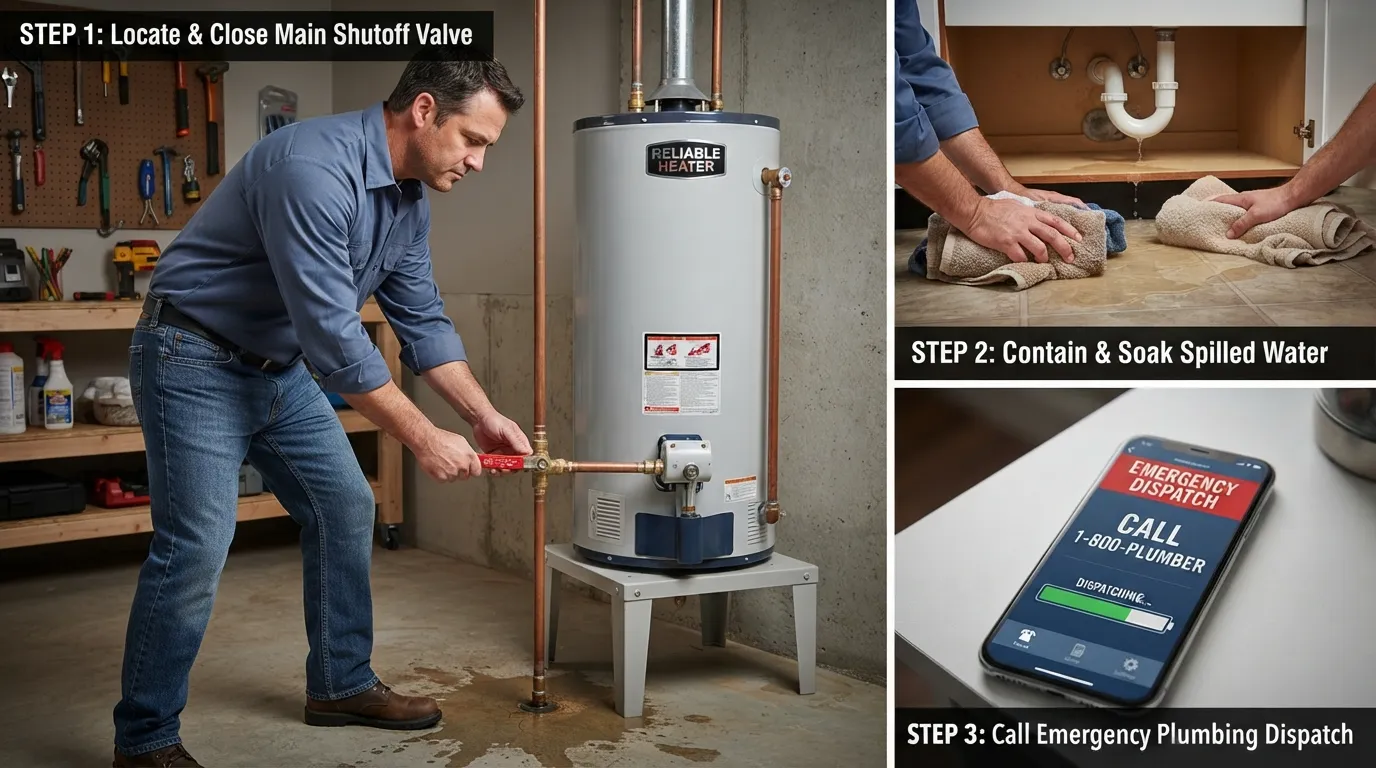
When a severe plumbing failure strikes—such as a burst pipe, major leak, or sewage overflow—taking immediate action before professional help arrives can prevent catastrophic property damage. Knowing basic emergency mitigation steps keeps your home safe and minimizes repair costs while you wait for trade professionals or charitable volunteers to arrive.
Shut Off the Water Main
Stopping the flow of water at the source is the single most important step you can take to halt active flooding and mitigate further destruction.
Locate the Main Valve: Find your home’s main water shutoff valve, typically located near the front perimeter wall, in the garage, or near the water heater.
Turn Off the Supply: Turn the valve clockwise (for gate valves) or turn the lever a quarter-turn perpendicular to the pipe (for ball valves) to shut off all incoming water.
Drain the Lines: Open the lowest sink faucets in the house to drain out remaining water and relieve pressure in the plumbing system.
Stop Using Fixtures During a Sewage Backup
When raw sewage backs up into bathtubs, floor drains, or toilets, continuing to run water from sinks, showers, or washing machines will worsen the hazard.
Cease All Water Usage: Immediately stop flushing toilets, running dishwashers, or discharging washing machine water until the main line is cleared.
Avoid Contact: Keep family members, pets, and living areas away from standing sewage water to prevent exposure to harmful bacteria and biological contaminants.
Protect Your Home From Water Damage
Move Valuables and Electronics: Quickly elevate rugs, electronics, and sentimental items out of standing water to prevent permanent destruction.
Soak Up Excess Water: Use towels, mops, or a wet/dry shop vacuum to remove pooling water before it seeps into subflooring or baseboards.
Ventilate the Area: Open windows and set up fans if weather permits to accelerate air circulation and reduce indoor humidity.
When to Call an Emergency Plumber
Some plumbing crises cannot wait for scheduled charitable giveback days or non-profit application approvals and require immediate professional intervention.
Uncontrollable Flooding: Call an expert emergency plumber immediately if you cannot shut off the main water supply or if a pipe bursts inside a wall.
Total Loss of Sanitation: A complete sewer line blockage that leaves all home toilets unusable constitutes an immediate health emergency.
Electrical Hazards: If water leaks near electrical panels, outlets, or major appliance wiring, shut off your home’s breaker panel and call a professional right away.
From Our Licensed Plumbers: In an emergency, every minute counts. If a frozen or burst pipe starts flooding your home, wrapping the leaking section temporarily with rubber tape or a heavy-duty clamp can slow the flow while you wait for a technician to arrive.
Frequently Asked Questions
Can veterans really get a free bathroom remodel?
Complete bathroom remodels are rarely entirely free and typically depend on specific qualifying criteria, regional nonprofit availability, or medical necessity. Most full-scale bathroom overhauls are restricted to disability-specific adaptation grants like the VA HISA program or major charity builds rather than standard cosmetic upgrades.
Medical Necessity Priority: Free or grant-funded renovations focus strictly on functional safety enhancements, such as converting a high-wall bathtub into an accessible walk-in shower.
Limited Availability: Because non-profit trade programs rely on donated labor and materials, applicants often face competitive selection processes and regional waitlists.
Is there a VA program that helps with home repairs?
The Department of Veterans Affairs offers official Disability Housing Grants—such as Specially Adapted Housing (SAH) and Home Improvements and Structural Alterations (HISA)—which provide financial assistance specifically for medically necessary accessibility modifications rather than general home maintenance.
Targeted Adaptations: VA grants cover structural changes like ramps, widened doorways, and roll-in showers tied to service-connected disabilities.
Exclusions: Routine plumbing maintenance, failing water heater replacements, and general roof or pipe leaks are not covered under standard VA housing grants.
What is the 504 home repair program?
The USDA Section 504 Rural Repair Program provides financial assistance specifically designed to help very low-income rural homeowners repair, improve, or modernize their homes, including fixing critical plumbing hazards and failing sanitation systems.
Loan and Grant Limits: The program offers low-interest loans up to $40,000 and direct grants up to $10,000, which are primarily reserved for elderly or disabled homeowners aged 62 or older.
Eligibility Rules: Applicants must own and occupy a home in a qualified rural area and maintain a household income below 50 percent of the area median income.
What free stuff can veterans get?
Veterans can access a wide array of free resources, ranging from federal healthcare and educational benefits to community-driven trade services and retail discounts.
Retail and Everyday Perks: Eligible veterans receive everyday military discounts at major home improvement retailers like The Home Depot, alongside free meals on Veterans Day.
Pro Bono Community Support: Local trade unions, plumbing contractors, and veteran service organizations frequently donate emergency repair labor, water heaters, and heating tune-ups.
How can I nominate a veteran for free plumbing help?
Family members, neighbors, or friends can nominate a deserving military veteran for charitable plumbing repairs by submitting an application through local trade giveback programs, labor unions, or veteran service organizations.
Required Details: Nominations typically require the veteran’s contact information, military service background, proof of homeownership, and a clear description of the plumbing emergency.
Selection Criteria: Top priority is given to homeowners facing severe health and safety hazards, fixed-income financial distress, or age-related vulnerabilities.
How can I volunteer to help veterans?
Everyday citizens can support military families by volunteering time, professional skills, or resources through established housing and veteran advocacy organizations.
Organization Channels: Sign up with local Habitat for Humanity chapters to help build and repair critical home infrastructure, or volunteer at regional VFW and American Legion posts.
Skill-Based Giving: Licensed plumbers, electricians, and contractors can pledge pro bono service hours to tackle emergency home repairs for elderly or disabled veterans.
Do plumbers really offer free repairs for veterans?
Independent plumbing contractors and labor union chapters nationwide regularly partner with non-profits to donate free labor, emergency repairs, and fixture installations for military families in need.
Community Impact: These grassroots give-back initiatives ensure that veterans facing financial hardship do not have to live with dangerous plumbing failures, broken water heaters, or raw sewage backups.
Vetted Programs: Trusted trade giveback projects coordinate closely with veteran service agencies to vet applicants and deliver professional, high-quality assistance.
Conclusion and Call to Action
Supporting our nation’s military heroes is a shared community responsibility that extends far beyond national holidays. Whether through volunteer trade partnerships, emergency home repairs, or neighborly advocacy, ensuring that veterans live in safe, sanitary, and functional homes makes a profound, lasting impact.
Giving Back Starts Locally
Grassroots partnerships between licensed plumbers, labor unions, and veteran service organizations prove that local action solves real-world housing crises. By dedicating specialized trade skills and resources, communities can lift the heavy burden of plumbing emergencies off the shoulders of aging and disabled service members.
Need Plumbing Help Right Now?
If you are facing an urgent plumbing failure or want to explore our complete range of professional residential solutions, our expert team is ready to assist you. Book a service appointment now to schedule an expert inspection with a licensed technician, or browse our complete plumbing services to learn how we keep Miami homes running smoothly.
Main Services
Related Posts
Need a Plumber in Miami?
Schedule service online or speak directly with the EZ Plumbing team.
Owner-Led Local Service
Know who is behind the business before you request service. The owners, contact line and Miami service pages are published clearly.
- Named business owners
- Direct phone and social channels
- Local Miami service information
Clear Help Before You Book
Review the relevant service page, contact the team directly and use the booking page when you are ready—without relying on vague claims.
- Service-specific information
- Direct questions before scheduling
- Clear online booking route