Four Amazing Health Benefits of a Steam Shower and How to Use It Safely
What Are the Health Benefits of a Steam Shower?
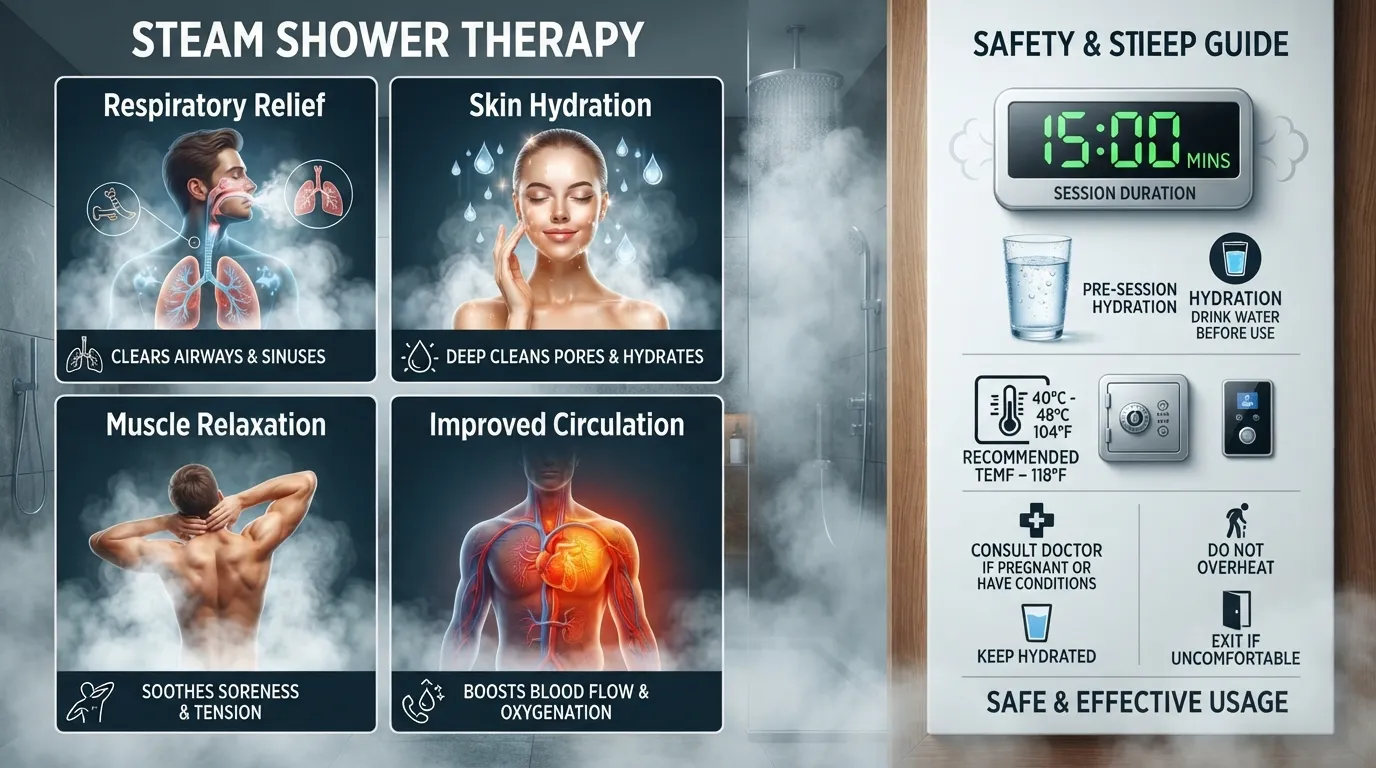
A steam shower provides profound physiological benefits by immersing the body in high-humidity warmth, typically between 110°F and 120°F. This moist heat promotes vasodilation, clears congestion, loosens stiff joints, and purges the skin, offering a comprehensive therapeutic experience that extends far beyond standard bathing.
The 4 Core Benefits at a Glance
Respiratory relief: Moist heat soothes irritated mucous membranes, opens nasal passages, and helps clear trapped mucus for easier breathing.
Circulation: The elevated ambient temperature dilates blood vessels, enhancing blood flow and cardiovascular efficiency throughout the body.
Muscle recovery and joint relief: Warm steam relaxes tense muscle fibers, increases tissue elasticity, and eases stiffness in sore joints.
Skin cleansing: Deep perspiration opens pores, effectively flushing out dirt, oil, and impurities to rejuvenate skin texture.
Bonus Benefit Most Articles Skip: Stress Relief and Better Sleep
Beyond physical recovery, steam therapy acts as a powerful nervous system stabilizer. The deep, meditative warmth triggers the release of endorphins while lowering cortisol levels, signaling the body to transition out of a state of chronic high alert.
Unwinding in a steam environment promotes a natural drop in core body temperature afterward, mimicking the physiological cue your body needs to enter deep, restorative sleep cycles.
The One-Line Safety Note
Steam therapy is not suitable for everyone, particularly individuals with certain cardiovascular conditions, pregnant women, or those prone to overheating—always review the full safety risks before use.
What Is a Steam Shower and How Does It Work?

A steam shower is a fully enclosed, vapor-tight bathing unit equipped with a dedicated steam generator that boils water and infuses dense, therapeutic vapor into the space. It creates a microclimate of warm, 100% relative humidity, transforming a standard bathroom experience into a spa-like hydrotherapy session.
Steam Shower Definition
A true steam shower is a customized system that pumps thick, heated vapor into a specialized enclosure via a compact generator. Working independently from standard shower fixtures, it maintains a steady, climate-controlled environment designed to promote relaxation, skin purification, and respiratory wellness.
Main Components of a Steam System
Steam generator: The motorized unit, typically housed in a nearby closet, vanity, or attic, that heats water into pressurized steam based on your selected temperature.
Steam head: The specialized nozzle mounted inside the enclosure that safely diffuses the vapor evenly into the room.
Sealed enclosure: A custom-built, fully tiled, or acrylic stall featuring floor-to-ceiling glass and a tightly fitted door to lock moisture inside.
Controls: Digital thermostats and touchpads that allow you to precisely regulate temperature, duration, and steam output.
Water line: The dedicated water supply line that feeds incoming water directly into the steam generator.
Drain line: A specialized drainage system engineered to handle the high volume of condensation produced during and after a session.
Power supply: A heavy-duty, dedicated electrical circuit sized to match the electrical draw and kW capacity of the generator.
Steam Shower vs Regular Shower
Humidity levels: Regular showers produce ambient steam through hot water evaporation, whereas steam generators create dense, pressurized vapor filling the room entirely.
Enclosure build: Standard showers allow steam to escape freely through open tops or gaps, while steam enclosures require a completely airtight, vapor-sealed design with a sloped ceiling to prevent dripping.
Water consumption: Surprisingly, steam generators use significantly less water than standard showers—typically consuming only about 1 to 2 gallons of water over a 20-minute session.
Steam Shower vs “Shower Steamers” (Aromatherapy Tablets)
Shower steamers are effervescent tablets placed on the shower floor that dissolve under running water to release essential oils into the air. While they provide a burst of pleasant aromatherapy, they do not offer actual thermal steam therapy or the deep physiological benefits of a true closed-system steam shower.
Plumber’s Note: Why a Vapor-Sealed Enclosure and Correct Plumbing Matter
Improperly sealed enclosures or incorrect pipe sizing will lead to catastrophic moisture damage, hidden mold growth, and premature system failure behind your walls. Ensuring a properly pitched ceiling, vapor-proof barriers, and flawless professional plumbing services are non-negotiable for protecting your home structure.
Benefit #1 – Respiratory Relief and Easier Breathing
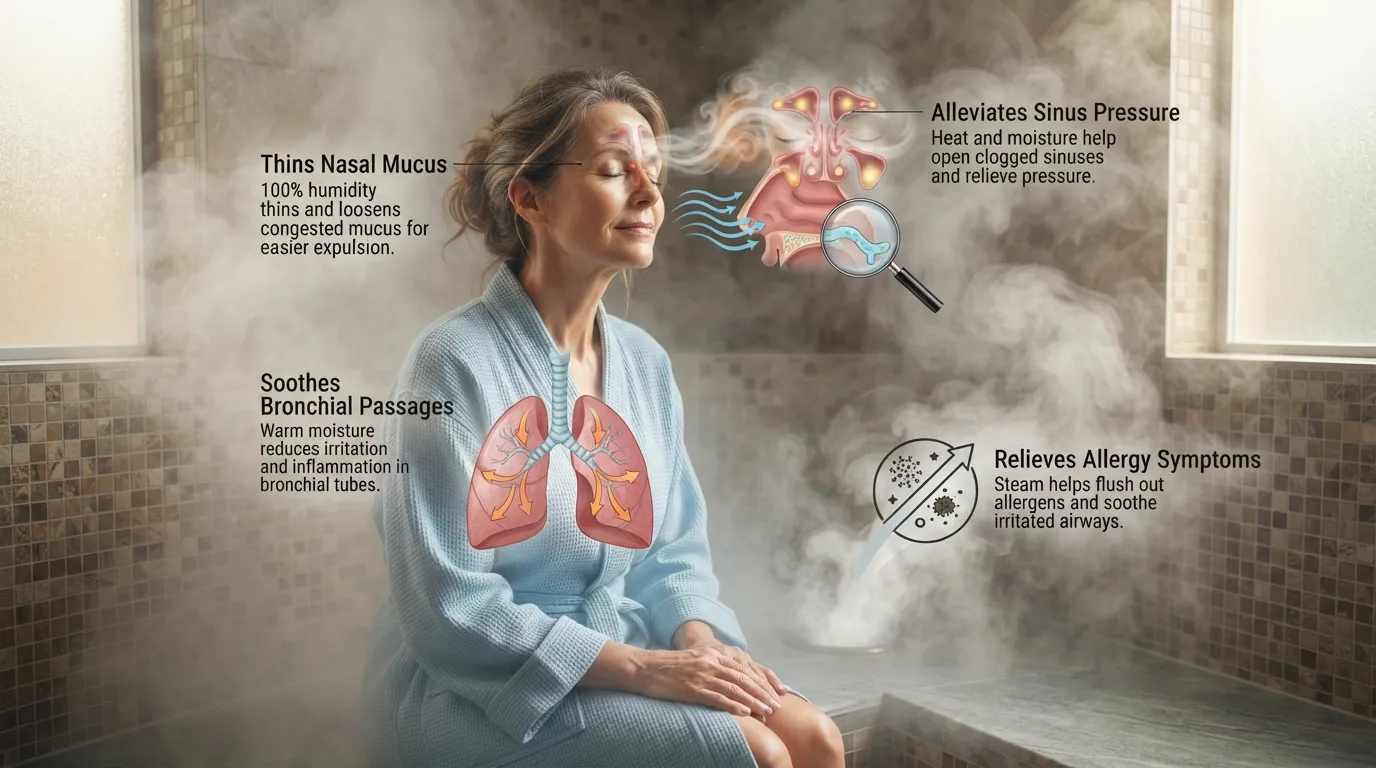
Inhaling warm, high-humidity air provides immediate relief for upper respiratory congestion by thinning thick mucus secretions and reducing inflammation in the nasal passages. This natural mechanism makes a steam shower one of the most effective non-medical interventions for clearing blocked airways and easing sinus pressure.
How Warm, Moist Air Loosens Mucus and Eases Nasal Congestion
Moisture absorption: Inhaled vapor adds direct moisture to dry, irritated airways, thinning trapped phlegm so it can drain naturally.
Vasodilation in nasal tissues: The heat gently expands blood vessels inside the nose and sinuses, relieving swelling and opening up restricted airflow.
Ciliary function boost: Warm moisture stimulates the tiny hair-like cilia in your respiratory tract, helping them sweep away trapped irritants and mucus more efficiently.
Who May Feel the Most Relief
Common colds: Individuals suffering from acute viral upper respiratory infections can experience noticeable clearing of nasal and sinus blockages.
Allergies: People struggling with seasonal allergic rhinitis find relief from localized post-nasal drip and nasal passage irritation.
Sinus pressure: Those with chronic or acute sinusitis benefit from reduced pressure in the frontal and maxillary sinuses.
Mild bronchitis symptoms: Warm air helps loosen tight chest congestion, making deep breathing feel less restricted.
Evidence Level: Moderate (Symptom Relief, Not a Cure)
Clinical consensus shows that steam therapy offers reliable, temporary symptom relief by soothing irritated membranes and loosening secretions. However, it is important to understand that steam is a supportive comfort measure rather than a medical cure for underlying infections or chronic illnesses.
Caution for Asthma and COPD
While beneficial for many, the high humidity and warm air can occasionally trigger bronchospasms or worsen breathing difficulties in individuals with asthma or chronic obstructive pulmonary disease (COPD). Always consult a healthcare professional before introducing steam therapy if you manage a chronic respiratory condition.
Benefit #2 – Improved Circulation (and What It Means for Blood Pressure)

Immersing yourself in the moist heat of a steam shower triggers profound cardiovascular responses, most notably the widening of blood vessels to enhance overall blood flow. This systemic warmth gently mimics the cardiovascular effects of light physical exercise, boosting tissue oxygenation throughout the body.
How Heat Causes Blood Vessels to Dilate and Increases Blood Flow
Vasodilation response: The elevated ambient temperature signals your peripheral blood vessels to relax and expand, reducing resistance to blood flow.
Enhanced tissue oxygenation: As blood vessels widen, circulation accelerates, delivering oxygen and vital nutrients more efficiently to muscles and organs.
Metabolic stimulation: Improved blood delivery helps transport metabolic waste products away from tissues for faster elimination by the body.
Heart Rate and Short-Term Blood Pressure Changes
Temporary blood pressure drop: The expansion of blood vessels frequently causes a transient decrease in systemic blood pressure during or immediately after a session.
Clarifying the hypertension myth: While this temporary drop feels relaxing, it is a acute physiological reaction and not a long-term treatment for chronic hypertension.
Compensatory heart rate increase: To maintain adequate blood supply while vessels are dilated, your heart rate may tick upward slightly during a steam session.
Evidence Level: Moderate to Limited for Steam Specifically
Scientific research directly measuring the isolated vascular impacts of steam showers is somewhat limited. Most robust data regarding thermal vasodilation and heart health derives from broader sauna research (such as dry Finnish saunas), though the physiological principles of heat stress apply similarly to high-humidity steam environments.
Why People with Low Blood Pressure or Heart Conditions Need Medical Advice First
Because steam-induced vasodilation can lower blood pressure rapidly, individuals with existing hypotension, heart disease, or those taking blood pressure medications risk experiencing sudden dizziness, lightheadedness, or fainting. Always consult a physician before using a steam shower if you have a cardiovascular history.
Benefit #3 – Muscle Recovery and Joint Relief
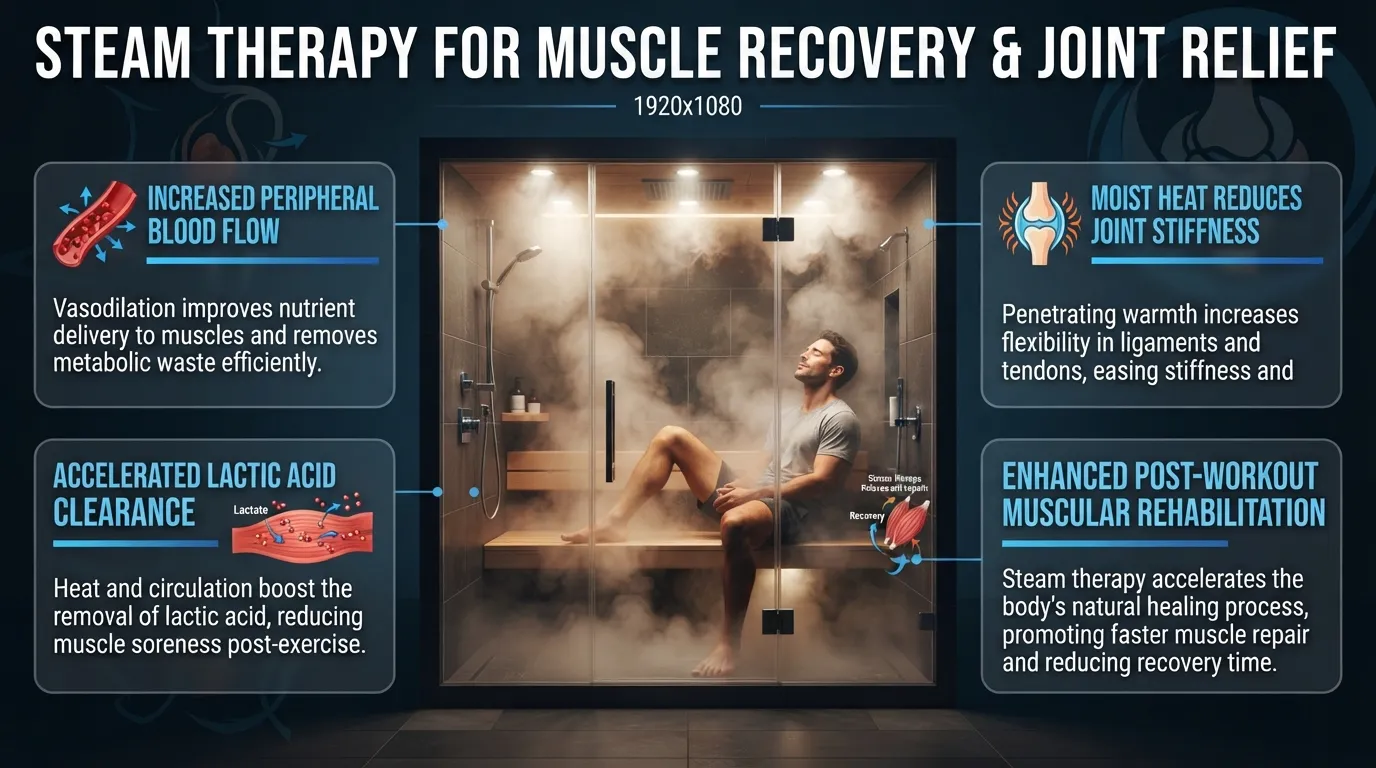
A steam shower provides exceptional relief for overworked muscles and achy joints by combining deep thermal warmth with high humidity. This environment makes it a popular post-workout ritual for athletes and fitness enthusiasts looking to soothe stiffness and accelerate physical relaxation.
How Moist Heat Relaxes Tight Muscles and Eases Stiff Joints
Increased tissue extensibility: The high-humidity heat penetrates deep into soft tissues, increasing the elasticity of collagen fibers in tendons and muscles.
Pain signal reduction: Warmth acts as a natural analgesic, blocking pain signals traveling from sore joints and tight muscle fibers to the brain.
Spasm relief: Gentle thermal exposure helps break the cycle of acute muscle spasms by encouraging the fibers to completely relax.
Steam Shower After a Workout: Best Timing and What to Do First
Allow a cool-down period: Never jump straight from an intense workout into a hot steam room; allow your heart rate to normalize for 10 to 15 minutes first.
Prioritize hydration: Drink a full glass of water or an electrolyte beverage to replenish fluids lost through heavy exertion before stepping into the steam.
Keep sessions brief: Limit post-workout steam sessions to 10 to 15 minutes to prevent dehydration and excessive strain on your cardiovascular system.
Steam After a Massage: What to Consider
Using a steam shower after receiving a professional massage can help prolong the relaxation effects by keeping muscles loose and pliable. However, because both massage and steam promote profound vasodilation and fluid shifts, you must rehydrate carefully to avoid feeling dizzy or lightheaded.
Evidence Level: Moderate (Comfort and Relaxation vs. Faster Recovery)
User reports and physiological indicators confirm that steam showers offer undeniable comfort, relaxation, and relief from temporary stiffness. However, scientific evidence directly linking steam therapy to accelerated muscle repair or reduced delayed-onset muscle soreness (DOMS) remains limited compared to active recovery methods.
Realistic Expectations: A Comfort Tool, Not a Medical Cure
While steam is wonderful for soothing post-gym tension, it is a comfort tool rather than a cure-all. It should complement—not replace—proper stretching, adequate sleep, good nutrition, or targeted medical care for chronic joint injuries.
Benefit #4 – Deep Skin Cleansing and Hydration

Steam showers offer a rejuvenating experience for your skin by utilizing high humidity and gentle heat to soften the outer layer. This environment encourages profuse sweating, which assists in clearing out surface buildup and preparing the complexion for deeper cleansing routines.
How Warmth and Sweat Soften Skin and Loosen Surface Oil
Pore loosening: The warm, moist air gently softens hardened sebum and loosens trapped dead skin cells sitting inside the surface openings of your pores.
Perspiration purge: Active sweating helps flush out surface dirt, environmental pollutants, and daily grime from skin follicles.
Enhanced absorption: Steamed skin has a temporarily softened stratum corneum, which improves the absorption of hydrating serums and moisturizers applied afterward.
What Steam Does Not Do
Myth of permanent pore shrinking: Pores do not have muscles, meaning steam cannot permanently shrink or alter their genetic size—it only clears them out temporarily.
The “detox” misconception: While sweating feels cleansing, your liver and kidneys handle internal detoxification; steam cleanses the skin surface rather than flushing systemic toxins.
Skin-Type Tips for Steam Showers
Oily skin: Can typically tolerate standard 15-minute sessions, but should follow up with a gentle, non-comedogenic cleanser to wash away loosened debris.
Dry or sensitive skin: Limit sessions to 5 to 10 minutes to prevent stripping natural moisture, and always apply a rich moisturizer immediately after stepping out.
Eczema and rosacea-prone skin: High heat and heavy steam can trigger flare-ups and aggravate severe redness or inflammation; consult a dermatologist before regular use.
Evidence Level: Limited to Moderate
Clinical literature specifically dedicated to steam showers is sparse, though dermatological guidance supports the use of warm, humid environments for softening skin and improving short-term hydration. Most supporting evidence stems from professional facial steam practices and positive user-reported results.
Bonus Benefit – Stress Relief and Better Sleep
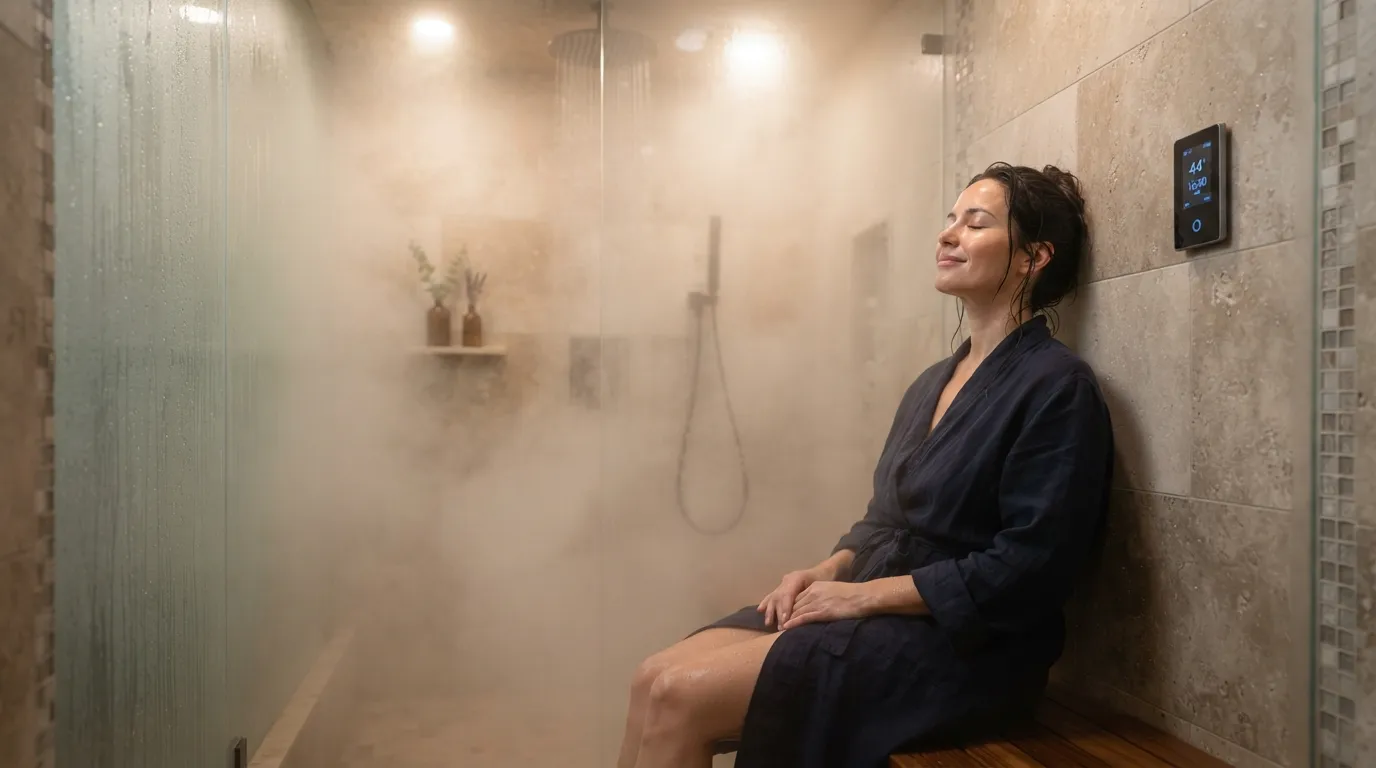
Stepping into a warm, enclosed steam room provides a powerful mental reset by shifting your body away from the daily stressors of “fight-or-flight” and into a state of deep restoration. This calming sensory environment makes steam therapy an exceptional addition to evening wind-down rituals.
How Warm Moist Heat Supports Relaxation and Calms the Nervous System
Parasympathetic activation: The enveloping warmth signals your autonomic nervous system to suppress the sympathetic stress response and activate the parasympathetic “rest-and-digest” mode.
Cortisol reduction: Immersing yourself in quiet heat helps lower circulating levels of cortisol, the primary stress hormone responsible for physical tension.
Mental distraction-free zone: The combination of quiet isolation, rhythmic breathing, and soothing moisture naturally quiets racing thoughts and promotes mindfulness.
Evening Routine: When to Steam and How It Helps You Wind Down
Optimal timing: Take a 10 to 15-minute steam session roughly 60 to 90 minutes before your intended bedtime to allow your core body temperature to rise and subsequently fall.
Temperature drop cue: The natural cooling-off period that occurs after you exit the steam shower mimics your body’s natural circadian rhythm cue for sleep onset.
Enhanced sleep depth: By easing physical muscle tension and mentally unwinding the nervous system, you pave the way for deeper, more restorative REM and slow-wave sleep cycles.
Evidence Level: Moderate for Relaxation; Limited for Clinical Sleep Outcomes
There is strong psychological and physiological consensus that warm-water and steam hydrotherapy effectively lower stress and promote acute relaxation. However, direct clinical trials measuring long-term improvements in chronic insomnia specifically from steam showers are limited.
Practical Tips for a Restful Session
Dim the lighting: Keep bathroom lighting soft or amber-toned to encourage melatonin production and prevent overstimulating your eyes before sleep.
Use safe aromatherapy: Add eucalyptus or lavender only if your specific steam generator manufacturer explicitly approves essential oils in the reservoir to avoid damaging internal components.
Unplug completely: Leave smartphones, tablets, and devices outside the bathroom to maintain a tranquil, distraction-free environment.
Skip alcohol: Avoid drinking alcohol before using a steam shower, as it impairs your body’s temperature regulation and increases the risk of dangerous dehydration or dizziness.
Steam Shower Myths: Does Steam Detox Your Body or Burn Belly Fat?
Internet health trends often exaggerate the capabilities of hydrotherapy, leading to widespread misconceptions about detoxification and weight loss. Understanding the biological realities of steam therapy separates genuine physiological wellness benefits from marketing myths.
Does a Steam Bath Detox Your Body?
Sweating profusely inside a steam room often leads people to believe they are actively sweating out toxins. In reality, the liver and kidneys serve as your body’s primary detoxification organs, filtering waste products from the blood and eliminating them through urine and stool. Sweat is designed for thermoregulation and consists almost entirely of water, salt, and trace minerals rather than stored body toxins.
Can a Steam Shower Help You Lose Weight or Belly Fat?
Stepping on a scale immediately after a steam shower may show a drop of one or two pounds, but this change reflects pure water loss through heavy perspiration rather than fat burning. Steam showers do not spot-reduce belly fat or burn significant calories. Any weight lost on the scale returns immediately as soon as you rehydrate and drink water.
Do Steam Showers Boost Immunity?
While regular hydrotherapy may help keep you feeling refreshed, claims that steam showers directly boost your immune system or prevent illnesses lack strong clinical backing. The warm moisture can temporarily thin mucus and make you feel more comfortable when you have a mild cold, but it does not actively destroy viruses or serve as an immune defense shield.
Myth vs. Fact Table
| Common Claim | Scientific Reality |
| “Steam cleanses toxins from your skin pores.” | Sweat flushes surface grime and oils, but internal body detoxification is handled exclusively by your liver and kidneys. |
| “Using a steam room burns belly fat.” | Steam sessions burn virtually zero calories and cause zero fat loss; scale drops are strictly temporary water weight. |
| “Steam showers prevent or cure the flu.” | Steam provides temporary relief for stuffy nasal passages, but it does not kill viruses or cure infections. |
| “Sitting in steam lowers blood pressure permanently.” | Heat triggers temporary vasodilation and a short-term drop in blood pressure, but it does not treat chronic hypertension. |
Downsides and Risks: Who Should Avoid Steam Showers?
While steam showers offer incredible relaxation and respiratory relief, they introduce intense thermal and cardiovascular stress that is not safe for everyone. High heat and humidity cause rapid vasodilation, dropping blood pressure and forcing the heart to pump significantly faster. Understanding the potential health hazards, vulnerable demographics, and critical safety rules ensures you use steam therapy without compromising your well-being.
Primary Physiological Risks and Warning Signs
The intense environment of a steam room or shower can quickly trigger adverse physiological reactions if sessions are prolonged or individual limits are ignored. Recognizing early warning signs prevents minor discomfort from escalating into a medical emergency.
Dehydration and Electrolyte Loss: Heavy sweating rapidly depletes bodily fluids and essential minerals, leading to intense thirst, fatigue, and muscle cramps.
Overheating and Heat Exhaustion: High ambient humidity impairs the body’s natural cooling mechanism (sweat evaporation), raising core body temperature to dangerous levels.
Lightheadedness and Hypotension: Peripheral blood vessel dilation causes blood to pool in the extremities, often triggering sudden drops in blood pressure and fainting.
Immediate Red-Flag Symptoms: Step out of the steam immediately if you experience dizziness, nausea, chest discomfort, or sudden shortness of breath.
For an in-depth breakdown of physiological impacts, consult the health benefits and risks of steam rooms
High-Risk Groups: Who Should Consult a Doctor First?
Certain medical conditions and life stages diminish the body’s ability to regulate internal temperature and manage cardiovascular strain. If you fall into any of the following categories, you must obtain medical clearance before installing or using a steam shower.
| Vulnerable Group | Primary Risk Factor |
| Heart Conditions | Increased heart rate and blood pressure fluctuations can strain compromised cardiovascular systems. |
| Low or High Blood Pressure | Extreme heat can exacerbate chronic hypotension or interact dangerously with hypertension. |
| Pregnancy | Elevated core body temperatures during the first trimester carry risks of fetal development complications. |
| Asthma or COPD | While warm mist helps some, high humidity and trapped heat can trigger severe bronchospasm in others. |
| Diabetes | Neuropathy can impair heat sensation, making it difficult to notice burns or overheating. |
| Certain Medications | Diuretics, beta-blockers, and sedatives interfere with blood pressure regulation and thermal tolerance. |
| Older Adults and Young Children | Reduced thermoregulation capacity makes them highly susceptible to rapid heat exhaustion and dehydration. |
Essential Safety Rules for Steam Usage
Adhering to strict behavioral guidelines prevents preventable accidents, severe injuries, and secondary infections in both residential and public steam environments.
Never Combine Steam with Alcohol: Alcohol acts as a vasodilator and diuretic, compounding the risk of severe dehydration, fainting, and dangerous drops in blood pressure.
Avoid Public Steam Rooms When Sick: Shared, warm, and humid environments act as breeding grounds for bacteria and fungi, posing risks to weakened immune systems.
Limit Session Durations: Keep residential steam sessions between 10 to 15 minutes to prevent excessive cardiovascular strain and core temperature spikes.
Medical Disclaimer: This content is for informational purposes only and does not substitute for professional medical advice, diagnosis, or treatment. Always consult a qualified healthcare provider regarding pre-existing conditions before beginning any new heat therapy routine.
How Long Should You Stay in a Steam Shower, and How Often?
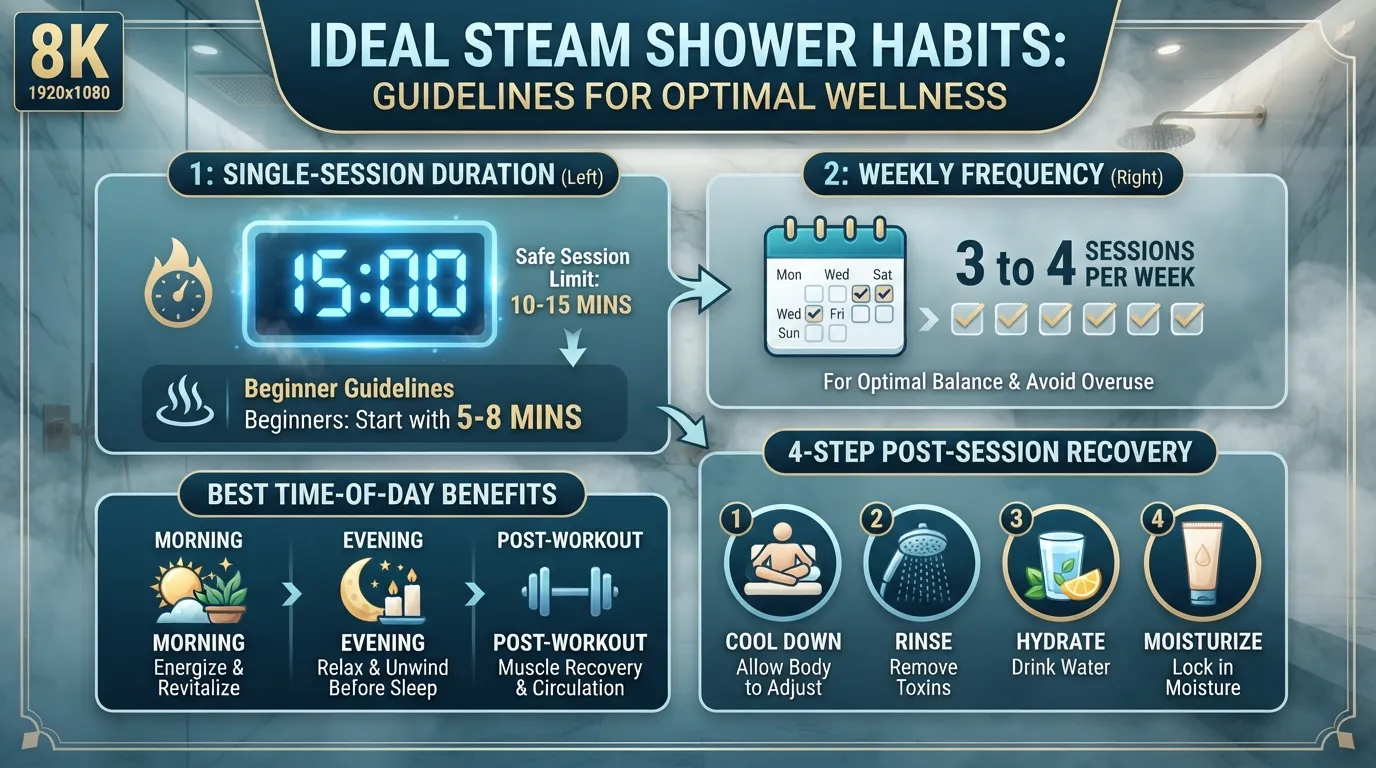
Establishing proper session lengths, frequency, and post-session recovery routines ensures you maximize the therapeutic benefits of steam therapy while avoiding cardiovascular strain or dehydration. Balancing heat exposure with adequate hydration and cool-down periods keeps your relaxation safe and effective.
Recommended Session Length and Temperature
Beginners should start with shorter, conservative exposures to test their heat tolerance, while experienced users can gradually increase their duration. Monitoring session lengths with a reliable steam timer or auto shut-off mechanism is essential to prevent accidental overheating.
Ideal Duration: Limit individual steam sessions to 10 to 15 minutes, as staying longer significantly increases the risk of dehydration and lightheadedness.
Optimal Environment: Standard steam shower temperatures typically range between 110°F and 120°F (43°C to 49°C) maintained at nearly 100% humidity.
Beginner Progression: First-time users should start with conservative 5-to-8-minute sessions and gradually build up as their body adapts to the thermal load.
Frequency and Best Time of Day
Determining how often to use a steam shower depends on your personal health goals, recovery needs, and overall heat tolerance. While daily use can be safe for healthy individuals who stay well-hydrated, 3 to 4 times a week is generally optimal for most people.
Is Daily Use Safe? Taking a daily steam shower is generally acceptable for healthy adults, provided sessions are kept short and fluid intake is high. Listen to your body and scale back if you experience persistent fatigue.
Morning Sessions: Ideal for boosting circulation, waking up the nervous system, and clearing morning sinus congestion.
Evening Sessions: Excellent for relaxing tense muscles, lowering cortisol levels, and preparing the body for deep sleep.
Post-Exercise Recovery: Best used after a workout once your heart rate has returned to near-normal, helping to loosen tight muscles and aid relaxation.
Safe-Use Checklist: Before, During, and After
Following a structured routine before, during, and after your steam session protects your skin, maintains electrolyte balance, and optimizes your post-heat recovery.
Before: Drink a full glass of water to pre-hydrate, remove all jewelry, and ensure your skin is clean of heavy makeup or lotions that can clog pores.
During: Relax comfortably, breathe deeply through your nose, and avoid sudden movements or standing up too quickly.
After (Cool-Down and Rinse): Step out slowly, allow your body temperature to normalize, and take a lukewarm or cool shower to close your pores and stop sweating.
After (Moisturize): Apply a hydrating lotion or body oil immediately after drying off to lock in moisture while your skin is still warm and receptive.
Steam Shower vs Sauna vs Steam Room: Which Is Healthier?
Choosing between a steam shower, a traditional Finnish sauna, and an infrared sauna depends on your specific wellness goals, breathing comfort preferences, and home installation constraints. While all three promote relaxation and heavy sweating, they utilize fundamentally different types of heat and humidity that produce distinct physiological effects.
Comprehensive Comparison: Steam vs. Sauna vs. Infrared
Evaluating the core specifications of each thermal experience highlights how temperature, moisture, and infrastructure vary across options. Understanding these differences helps determine which modality best aligns with your daily routine and home improvement plans.
| Feature | Steam Shower / Steam Room | Traditional Finnish Sauna | Infrared Sauna |
| Heat Type | Moist heat (steam generator) | Dry heat (heated rocks/stove) | Infrared radiant heat panels |
| Temperature | 110°F to 120°F (43°C to 49°C) | 150°F to 195°F (65°C to 91°C) | 120°F to 140°F (49°C to 60°C) |
| Humidity | Near 100% saturation | 10% to 20% (low moisture) | Low (ambient room humidity) |
| Best For | Respiratory relief, skin hydration, gentle heat | Deep thermal relaxation, endurance | Gentle deep-tissue warming, lower air temperatures |
| Research Strength | Moderate (focused on skin and airways) | Extensive (robust long-term cardiovascular studies) | Growing (focus on circulation and muscle recovery) |
| Home Cost | Moderate to high (requires waterproof enclosure) | Moderate to high (specialized timber build) | Moderate (modular kit, plug-in or wired) |
| Plumbing Needs | Dedicated water line and drainage required | None required | None required |
For a visual breakdown of how these modalities compare in practice, watch the detailed overview on Sauna vs Steam Room Health Benefits: Which One Is Better?.
Where Steam Wins: Respiratory Comfort and Skin
Steam therapy excels in environments where moisture actively benefits the body, making it uniquely superior for specific health concerns. The heavy concentration of water vapor interacts directly with mucous membranes and cutaneous layers.
Superior Respiratory Relief: 100% humidity soothes irritated airways, loosens bronchial mucus, and alleviates symptoms of allergies, asthma, and sinus congestion.
Enhanced Skin Hydration: Moist heat opens pores, flushes out impurities, and leaves skin feeling deeply hydrated compared to drying desert-like air.
Gentle Thermal Perception: Because the air is completely saturated, users feel intense heat at much lower ambient temperatures, reducing lung strain from breathing superheated air.
Where Saunas Win: Cardiovascular Research and Dry Heat
Traditional Finnish saunas operate at much higher temperatures with minimal moisture, providing distinct physiological advantages backed by decades of clinical research. The dry environment allows the body to tolerate extreme heat through efficient sweat evaporation.
Extensive Cardiovascular Studies: Long-term epidemiological research links regular traditional sauna use to reduced risks of cardiovascular events and lower overall mortality rates.
Higher Operating Temperatures: Ranging up to 195°F, traditional saunas induce a more aggressive sweat response and profound neuromuscular relaxation.
Easier Home Integration: Unlike steam showers, traditional and infrared saunas do not require waterproof tiling, specialized steam generators, or complex plumbing lines.
Infrared Saunas vs. Steam Showers
Infrared saunas use invisible light waves to heat your body directly rather than heating the surrounding air. This results in a more tolerable air temperature (120°F to 140°F) while still inducing deep-tissue sweating.
Direct Tissue Penetration: Infrared heat penetrates deeper into muscles and joints, making it a favorite for athletic recovery and arthritis relief.
Dry Comfort: Lacking both steam moisture and extreme Finnish heat, infrared saunas are ideal for individuals who feel claustrophobic or overwhelmed in traditional hot rooms.
Which One Should You Choose?
Selecting the right system depends entirely on your primary wellness objectives and spatial capabilities at home.
Choose a Steam Shower if: You want a dual-purpose bathroom fixture that combines a daily shower with respiratory benefits, skin cleansing, and muscle relaxation.
Choose a Traditional Sauna if: You seek authentic high-heat endurance training, deep relaxation, and extensive cardiovascular research backing.
Choose an Infrared Sauna if: You prefer gentle, deep-tissue warming without high air temperatures and want an easy, plug-and-play home installation.
Can You Use Both on the Same Day?
Combining a steam shower and a sauna on the same day is generally discouraged due to the extreme cumulative stress placed on your cardiovascular and thermoregulatory systems. Both modalities force blood vessels to dilate and cause heavy fluid loss through sweating. Stacking sessions can rapidly lead to severe dehydration, dizziness, and dangerous drops in blood pressure. Instead, alternate days or stick to one modality per workout routine to allow your body adequate recovery time.
Thinking About a Steam Shower at Home? What to Know Before You Install
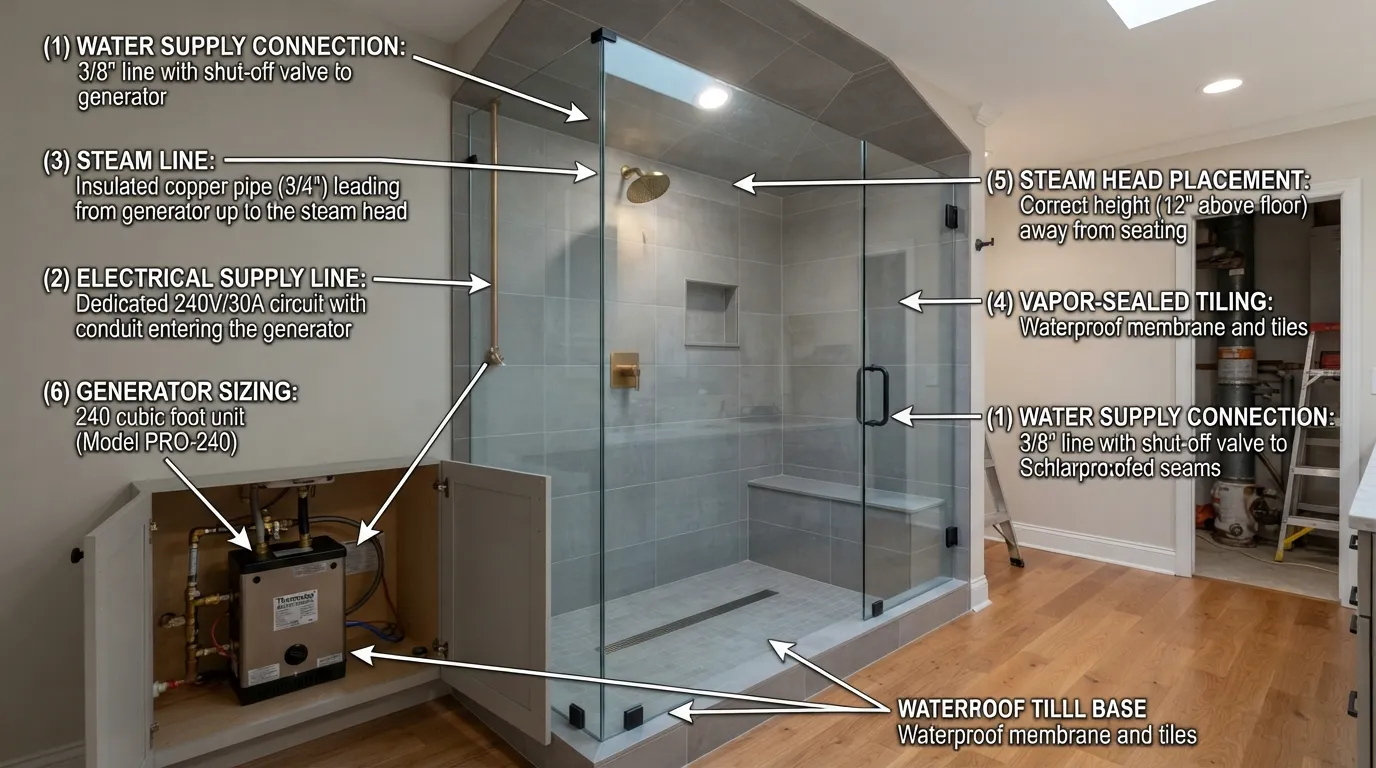
Installing a home steam shower transforms an ordinary bathroom into a private luxury spa, but it requires precise engineering, specialized waterproofing, and careful spatial planning. Whether you are retrofitting an existing shower stall or designing a brand-new custom master bath, understanding the technical requirements prevents costly structural mistakes and moisture damage.
Retrofit vs. New Construction: What is Possible?
Adding a steam generator to an existing bathroom is entirely feasible, but the scope of work depends heavily on your current shower layout and construction materials. A successful project balances convenience with strict vapor-containment needs.
Retrofitting an Existing Shower: You can convert a standard enclosed shower into a steam unit if it features waterproof tile or stone walls, a sealed glass door, and a vapor-proof ceiling. However, you will still need to open walls to run electrical lines, water supply pipes, and the steam line.
Building a New Steam Enclosure: New construction or major remodels offer the ideal opportunity to integrate proper slope, dedicated ventilation, and robust vapor barriers from the studs up.
Critical Engineering Requirements for Steam Enclosures
Unlike standard showers, steam enclosures operate under 100% humidity and trapped high heat, demanding specialized architectural features to protect your home’s structural integrity.
Vapor-Sealed Enclosure: Every surface, including walls, ceiling, and glass doors, must be completely vapor-proofed with specialized membranes to prevent moisture from penetrating framing and drywall.
Proper Ceiling Slope: The ceiling must feature an arch, dome, or a minimum 2-inch per foot slope so that condensed water droplets run down the walls instead of dripping directly onto your head.
Essential Utility Lines: Your installation requires a dedicated electrical supply for the generator, a dedicated water supply line, a separate steam line, and an appropriately sized floor drain.
Dedicated Ventilation: An independent exhaust fan must be installed immediately outside the steam enclosure to safely clear residual humidity after your session.
Generator Sizing and Material Calculations
Selecting the correct steam generator power (measured in kilowatts or kW) is critical to achieving a comfortable, warm environment quickly without overloading your electrical system.
Calculating Shower Volume: Multiply the length, width, and height of your enclosure in feet to find the total cubic footage.
Accounting for Wall Materials: Porous or heavy materials like natural stone, marble, and glass block absorb heat rapidly, requiring a higher kW generator than standard ceramic or porcelain tile.
Ceiling Height Adjustments: Enclosures with ceilings higher than eight feet typically require sizing up to the next generator tier to maintain consistent heat distribution.
Hot Water Capacity and Plumbing Considerations
Because steam generators draw directly from your home’s water supply, high-volume steam use places unique demands on your household plumbing and water heater capacity.
Water Line Integration: Generators require a dedicated water feed equipped with an inline water filter to prevent mineral scaling and prolong heating element life.
Hot Water Interplay: While steam generators heat cold water internally, your overall bathroom layout may share hot water lines with adjacent fixtures, requiring careful pipe-sizing calculations.
Professional Permitting: Because electrical loads and plumbing modifications are involved, local building codes mandate professional permits and licensed installation.
Cost Factors and Professional Installation
The total investment for a home steam shower varies based on custom labor, materials, and pre-existing infrastructure. Key cost drivers include the steam generator unit, custom glass framing, specialized waterproofing membranes, electrical upgrades, and expert labor.
Plumber’s Tip from Miami Homes: High ambient humidity in tropical climates makes external moisture management vital. Always ensure your contractor installs dedicated exhaust ventilation directly outside the shower stall to protect adjacent drywall and prevent mold growth.
To ensure your system is engineered correctly from the start and built to last, book a plumbing visit with our licensed specialists to evaluate your bathroom layout and design a custom steam solution.
Steam Shower Maintenance and Warning Signs of Leaks or Moisture Damage

Maintaining a high-end steam shower requires proactive care to protect both your health and your home’s structural integrity. Because steam generators handle high temperatures and constant moisture, neglecting routine upkeep can lead to mineral clogs, mold growth, or hidden water damage behind your tile.
Monthly and Seasonal Maintenance Checklist
Routine upkeep prevents premature wear on your generator and keeps your enclosure hygienic. Dedicating a few minutes each month to basic checks extends the lifespan of your equipment.
Descale the Generator: Flush the system monthly or quarterly (depending on your local water hardness) using a manufacturer-approved descaling solution to remove calcium and mineral buildup.
Inspect the Steam Head: Check the steam outlet for white crust or mineral blockages, and wipe it down with a soft cloth. Never block the steam head with towels or accessories while operating.
Check Seals and Grout: Examine silicone caulking and tile grout lines around the enclosure quarterly for cracking, shrinkage, or gaps that could allow steam to escape into wall cavities.
Recognizing Signs of Hidden Moisture Damage
Because steam systems operate under 100% relative humidity, tiny vulnerabilities in your vapor barrier can lead to trapped moisture. Catching early warning signs prevents costly framing rot and remediation.
Musty Odors: A persistent earthy or damp smell that lingers after the bathroom dries out often indicates trapped moisture inside the walls.
Peeling Paint or Warped Drywall: Bubbling paint, soft drywall, or warping on walls adjacent to the shower signal chronic moisture infiltration.
Unexplained Water Bills: A sudden spike in your utility bill can indicate a slow leak detection and repair issue within supply lines or hidden generator fittings.
Condensation Versus an Active Steam Leak
Differentiating between normal atmospheric humidity and actual plumbing failures saves you from unnecessary stress.
Normal Condensation: Water droplets on bathroom mirrors, glass doors, and tiled walls immediately following a session are entirely standard results of high steam saturation.
Active Leaks: Puddling outside the shower base when the unit is turned off, damp drywall hours after use, or water staining on ceilings below the bathroom point to a compromised pipe or fitting.
When to Call a Plumber (and When It Is an Emergency)
While basic cleaning can be handled by homeowners, electrical and plumbing repairs require licensed expertise. Knowing when to escalate protects your home from catastrophic damage.
Scheduled Service: Call a professional if your generator fails to heat, trips the circuit breaker, or displays persistent error codes.
Plumbing Emergencies: If you experience a burst supply line, severe flooding, or sudden major pipe separation behind the walls, immediately shut off the water supply valve and contact an emergency plumber to prevent structural collapse.
Are Steam Showers Worth It? An Honest Verdict
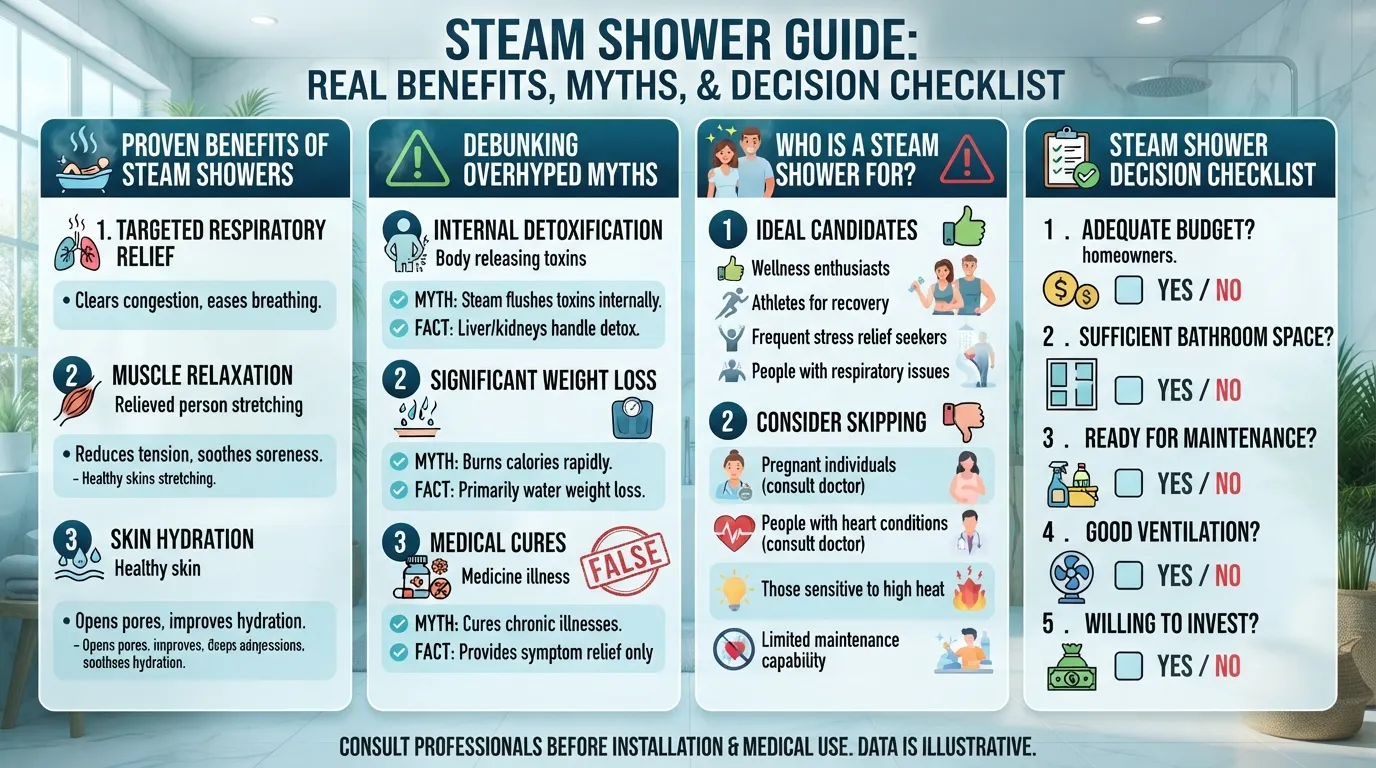
Installing a steam shower represents a significant home improvement investment, prompting many homeowners to weigh the luxury against the cost and upkeep. While internet forums and marketing brochures often present exaggerated claims, an honest assessment reveals that steam showers offer genuine, tangible lifestyle rewards for the right user.
What Steam Showers Do Well
When installed correctly and used with realistic expectations, steam showers deliver exceptional therapeutic and sensory benefits that standard showers cannot match.
Targeted Respiratory Relief: The dense, moist heat effectively opens airways, loosens sinus congestion, and relieves allergy or cold symptoms.
Profound Muscle Relaxation: High-humidity warmth increases peripheral blood flow, easing tension in tight muscles and soothing joint stiffness.
Skin Hydration and Cleansing: Warm mist opens pores and encourages gentle perspiration, leaving skin feeling refreshed and deeply hydrated.
Daily Mental Decompression: Transforming your morning or evening routine into a spa-like ritual provides a powerful mental health reset.
What Is Overhyped
Navigating the marketing claims surrounding steam therapy requires separating proven relaxation benefits from exaggerated wellness myths.
The “Detox” Myth: Sweating in a steam room assists with relaxation and skin cleansing, but your liver and kidneys handle the vast majority of true bodily detoxification.
Weight Loss Claims: Any immediate post-session drop on the scale reflects temporary water weight loss from heavy sweating rather than fat reduction.
Miracle Medical Cures: While steam therapy alleviates symptoms like congestion and soreness, it is a complementary wellness tool rather than a medical treatment for chronic illnesses.
Who Benefits Most, and Who Should Skip It
Determining whether a steam shower is right for you depends on your daily habits, health profile, and home improvement priorities.
Ideal Candidates: Fitness enthusiasts looking for muscle recovery, individuals prone to frequent sinus congestion, and homeowners prioritizing high-end daily wellness routines benefit the most.
Who Should Skip It: Individuals with unmanaged cardiovascular conditions, pregnant women, those prone to severe dizziness, or homeowners on a strict budget who rarely use luxury bathroom features should pass.
Quick Decision Checklist: Are You Ready for a Steam Shower?
Answer these five quick questions to determine if investing in a home steam shower aligns with your lifestyle and goals.
Do you regularly use steam rooms or spas and genuinely enjoy high-humidity heat? Yes / No
Are you prepared for the added maintenance requirements, including monthly descaling and vapor-barrier inspections? Yes / No
Does your bathroom layout or upcoming remodel allow for proper waterproofing, ceiling slops, and dedicated generator space? Yes / No
Do you have a household budget that accommodates professional plumbing, electrical upgrades, and custom glass installation? Yes / No
Do you understand that while steam provides incredible relaxation and sinus relief, it is a wellness amenity rather than a medical cure? Yes / No
If you answered “Yes” to most of these questions, a home steam shower is a high-value lifestyle investment that will enrich your daily routine for years to come.
Steam Shower FAQs
How long should you sit in a steam shower?
Limit individual steam shower sessions to 10 to 15 minutes to prevent dehydration, overheating, and lightheadedness. First-time users should start with a conservative 5 to 8 minutes to test their heat tolerance and gradually build up as their body adapts.
Is it okay to take a steam shower every day?
Taking a daily steam shower is generally safe for healthy adults, provided sessions remain short and fluid intake is high. However, using it 3 to 4 times a week is often optimal for routine relaxation without inducing excessive cardiovascular fatigue.
What are the downsides of a steam shower?
Primary downsides include rapid dehydration, electrolyte depletion, dizziness caused by lowered blood pressure, and potential overheating. Individuals with cardiovascular conditions, pregnant women, and young children should avoid high-heat steam environments entirely.
What does a steam shower do for your body?
A steam shower dilates blood vessels to improve circulation, opens pores to cleanse and hydrate skin, relaxes tense muscles, and loosens mucus in the respiratory tract to alleviate sinus congestion and allergy symptoms.
Does a steam bath detox your body?
No, steam baths do not detoxify your internal organs. While sweating promotes skin cleansing and relaxation, your liver and kidneys handle the vast majority of biological toxin filtration and elimination.
Which is healthier, steam or sauna?
Neither is universally healthier; they serve different wellness needs. Traditional saunas feature dry air and higher temperatures backed by extensive cardiovascular research, while steam rooms provide 100% humidity that is superior for respiratory relief and skin hydration.
Is a steam shower good after a workout?
Yes, a steam shower is excellent for post-workout recovery once your heart rate has normalized. The moist heat relaxes tight muscle fibers, increases circulation, and eases joint stiffness, though you must rehydrate thoroughly.
Is a steam shower safe for people with diabetes?
Individuals with diabetes should consult a doctor first. Peripheral neuropathy can impair thermal sensation, making it difficult to detect overheating or minor burns, and extreme heat can interact with circulation.
Is it okay to use a steam shower after a massage?
Using a steam shower after a massage can enhance muscle relaxation, but it also increases dehydration risk because both activities dilate blood vessels. Drink plenty of water before stepping into the steam room.
What should I do after a steam bath?
Step out slowly to let your body temperature stabilize, take a lukewarm or cool shower to close your pores, drink a large glass of water to replenish lost fluids, and apply a lightweight moisturizer while your skin is warm.
What is the difference between a sauna and a steam bath?
The primary difference is the type of heat. Saunas use dry air at temperatures between 150°F and 195°F with low humidity, whereas steam baths use moist air at 110°F to 120°F maintained at nearly 100% saturation.
Conclusion and Next Step
Integrating a steam shower into your home transforms an ordinary bathroom into a daily wellness sanctuary, offering powerful respiratory relief, deep muscle relaxation, and skin hydration. Balancing these incredible therapeutic advantages with proper safety protocols, conservative session lengths, and rigorous maintenance ensures you enjoy your investment safely. Whether you are planning a complete master bathroom remodel or evaluating retrofitting options, expert planning makes all the difference.
Key Takeaways
Targeted Wellness: Steam showers deliver moist, 100% saturated heat that uniquely excels at clearing sinus congestion, soothing joints, and relaxing tense muscles.
Prioritize Safety: Limit sessions to 10 to 15 minutes, stay properly hydrated, and consult a physician first if you have underlying cardiovascular or respiratory conditions.
Structural Precision: Successful installations require specialized vapor barriers, proper ceiling slopes to prevent dripping, and correctly sized generators to protect your home from moisture damage.
Proactive Maintenance: Routine monthly descaling and quarterly seal inspections prevent mineral buildup and hidden leaks behind your tiled walls.
Ready to Add Steam to Your Home?
Designing and installing a home steam shower requires expert plumbing, precise electrical integration, and flawless vapor waterproofing to protect your property’s structural integrity. Book your plumbing service today to consult with our licensed specialists, evaluate your bathroom’s layout, and engineer a custom steam solution tailored to your home.
Main Services
Related Posts
Need a Plumber in Miami?
Schedule service online or speak directly with the EZ Plumbing team.
Owner-Led Local Service
Know who is behind the business before you request service. The owners, contact line and Miami service pages are published clearly.
- Named business owners
- Direct phone and social channels
- Local Miami service information
Clear Help Before You Book
Review the relevant service page, contact the team directly and use the booking page when you are ready—without relying on vague claims.
- Service-specific information
- Direct questions before scheduling
- Clear online booking route