Need to close an open water pipe? The right water pipe end cap depends on your pipe material, size, connection type, and whether you need a temporary or permanent closure. This guide shows you how to choose the right cap, understand the main types of plumbing pipe caps, install one correctly, and avoid common leaks.
Which Water Pipe End Cap Do You Need?
Start by identifying four things: the pipe material, pipe size, connection type, and whether the line needs a temporary or permanent closure.
- Copper, PEX, or CPVC: a compatible push-fit or other approved mechanical fitting may be appropriate, depending on the application.
- PVC: a compatible solvent-weld/slip cap is commonly used for permanent closures on suitable pressure piping.
- Threaded metal pipe: a compatible threaded cap may be appropriate.
- Small supply tubing: a compression cap can be an option when the tubing and fitting are compatible.
Do not choose a cap based on the label alone. A nominal pipe size is not always the same as the outside diameter you measure, and fittings designed for one pipe material or connection type are not automatically interchangeable with another.
What Is a Water Pipe End Cap?
A water pipe end cap is a plumbing fitting used to close the end of a pipe or water line. Its basic purpose is simple: it creates a sealed termination so water cannot continue through an open pipe end.
You may need an end cap when a fixture has been removed, a branch line is no longer being used, a plumbing project temporarily requires a line to be closed, or a pipe needs to be permanently terminated. The correct cap depends on the pipe and the way the cap connects to it.
In plumbing, you may also hear terms such as pipe cap, plumbing pipe cap, water line cap, or pipe end cap. A pipe plug is related but is not necessarily the same fitting; a cap generally closes the end of a pipe from the outside, while a plug commonly closes an opening from the inside or through a threaded connection.
What Is a Plumbing Pipe Cap Used For?
Plumbing pipe caps are used whenever an open pipe end needs to be closed securely. The exact reason can vary from a simple temporary repair to a permanent plumbing modification.
- Closing an unused water line
- Terminating a branch pipe
- Closing a line after removing a fixture
- Temporarily isolating a line during remodeling
- Creating a permanent end on suitable PVC or other piping
- Preventing water from escaping through an open pipe end
- Preparing an existing line for a future plumbing change
Important: A Cap Is Not the Same as a Shutoff Valve
A cap closes a pipe end. A shutoff valve is designed to control water flow repeatedly. If you expect to turn the line on and off or service a fixture later, a removable or serviceable valve arrangement may make more sense than a permanent cap.
Types of Water Pipe End Caps
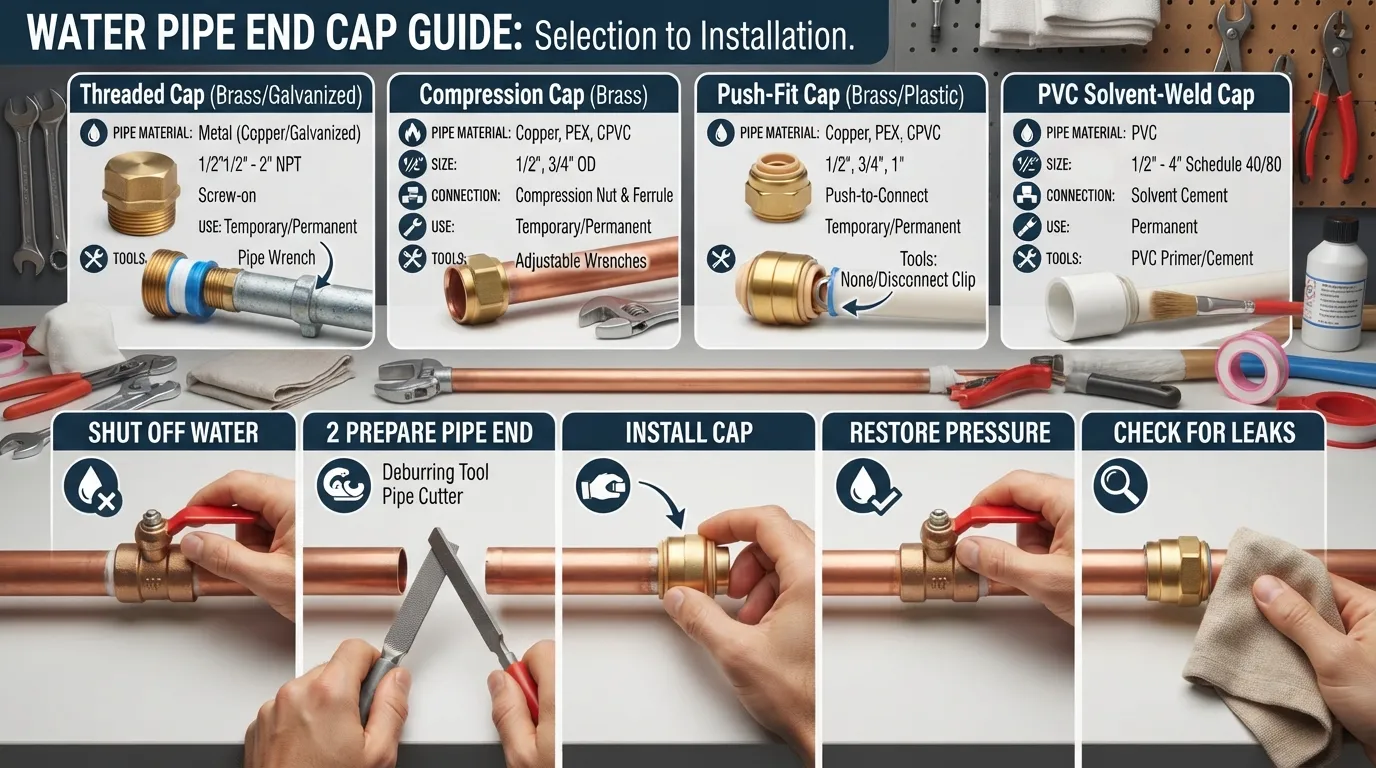
There is no single universal water pipe end cap. The main types differ by how they attach to the pipe and which materials they are designed to work with.
1. Compression Caps
A compression cap uses a mechanical connection, typically involving a compression nut and sealing component such as a ferrule. These fittings are commonly associated with smaller water-supply tubing and may be available for compatible copper, brass, polyethylene, or other tubing applications.
The important point is compatibility. A compression cap must match the tubing type, outside diameter, and fitting design. Do not assume that any fitting labeled for a particular nominal size will fit every pipe or tube with the same label.
2. Push-Fit or Push-On Caps
Push-fit caps are designed to connect by pushing onto compatible pipe or tubing. They can be useful when you need a relatively quick installation without solvent welding or traditional threading.
Depending on the fitting, push-fit products may be designed for materials such as copper, PEX, or CPVC. Always verify the manufacturer’s approved materials, size range, pressure rating, and installation requirements before using one.
3. Threaded Pipe Caps
Threaded caps screw onto compatible male-threaded pipe ends. Common terminology includes NPT and FIP, depending on the fitting configuration.
Threaded caps are commonly associated with metal plumbing such as compatible brass or galvanized pipe. A thread-sealing method appropriate for the fitting and application may be required. Avoid excessive tightening because forcing a threaded fitting can damage threads or the fitting itself.
4. PVC Solvent-Weld Caps
A PVC solvent-weld cap is designed to fit over a compatible PVC pipe end and create a permanent solvent-welded connection when installed with the appropriate primer and cement system.
This type of cap is commonly used on suitable PVC pressure piping. Pipe type, schedule, size, cement system, and application all matter, so follow the fitting and cement manufacturer’s instructions rather than treating every plastic pipe as interchangeable.
How to Choose the Right Water Pipe End Cap
If you’re standing in a hardware store looking at several plumbing pipe caps, don’t start with the cap itself. Start with the pipe.
Use This 4-Step Selection Method
- Identify the pipe material. Determine whether you’re working with copper, PEX, PVC, CPVC, galvanized steel, or another material.
- Determine the size. Check the pipe marking and, when necessary, measure the relevant dimension rather than guessing.
- Identify the connection type. Is the end smooth, threaded, or intended for a mechanical fitting?
- Decide whether the closure is temporary or permanent. A removable fitting and a solvent-welded permanent cap serve different purposes.
1. Match the Pipe Material
Material compatibility comes first. A cap that works on PVC is not automatically suitable for CPVC, PEX, copper, or galvanized steel.
Look for a fitting that specifically identifies the pipe material or combination of materials it is approved for. If you’re unsure what type of pipe you have, identify the markings on the pipe or compare the physical pipe and fitting configuration before buying a cap.
2. Get the Size Right
Size is one of the easiest places to make a mistake. Plumbing products can use nominal sizing, tubing dimensions, thread dimensions, or manufacturer-specific sizing systems.
For example, a fitting labeled with a nominal pipe size should not automatically be assumed to have an outside diameter equal to that number. When you’re dealing with tubing or push-fit fittings, the actual outside diameter can be especially important.
If the size is uncertain, check the pipe marking and the manufacturer’s sizing information before purchasing the cap.
3. Match the Connection
A smooth pipe end, a threaded pipe end, and a tube designed for a compression fitting require different connection approaches.
- Smooth plastic pipe: may require a compatible solvent-weld cap or an approved mechanical fitting.
- Male-threaded pipe: generally requires a compatible female-threaded cap.
- Small tubing: may use a compatible compression cap.
- Compatible copper, PEX, or CPVC: may accept certain push-fit caps when the fitting is approved for that material and size.
4. Decide: Temporary or Permanent?
If you expect to reconnect the pipe later, a removable connection may be more practical. If the pipe is being permanently terminated and the piping system allows it, a permanent cap may be appropriate.
Decision Box
Need it removable later? Consider a compatible mechanical or threaded solution.
Need a permanent termination? Use the appropriate permanent connection method for the pipe material and application.
How to Choose the Correct Water Pipe End Cap Size
If you’re searching specifically for a water pipe end cap size, don’t rely only on a ruler and a number printed on a product listing. First determine what kind of pipe or tubing you have.
Nominal Pipe Size vs. Actual Measurement
Nominal pipe size is a standardized designation and is not necessarily the same as the actual outside diameter of the pipe. Tubing may also be identified by its actual outside diameter.
This distinction matters because two products that appear to have similar size labels may not be interchangeable.
A Better Way to Verify Size
- Look for markings printed or stamped on the pipe.
- Identify whether it is pipe or tubing.
- Determine the material.
- Check whether the end is threaded or smooth.
- Measure the relevant dimension when the manufacturer’s sizing method calls for it.
- Compare your findings with the cap manufacturer’s sizing chart.
If you cannot confidently identify the size, don’t force a cap onto the pipe. The wrong fitting can leak even if it appears to fit initially.
Pipe Cap vs. Pipe Plug: What’s the Difference?
The terms are sometimes used interchangeably in casual conversation, but a cap and a plug can have different physical designs.
When shopping for pipe caps and plugs, look at the actual fitting design rather than assuming that a cap and plug are interchangeable.
How to Cap a Water Pipe Without Leaking
The exact installation process depends on the type of cap. A threaded cap, compression cap, push-fit cap, and solvent-weld cap should not all be installed the same way.
Before You Start
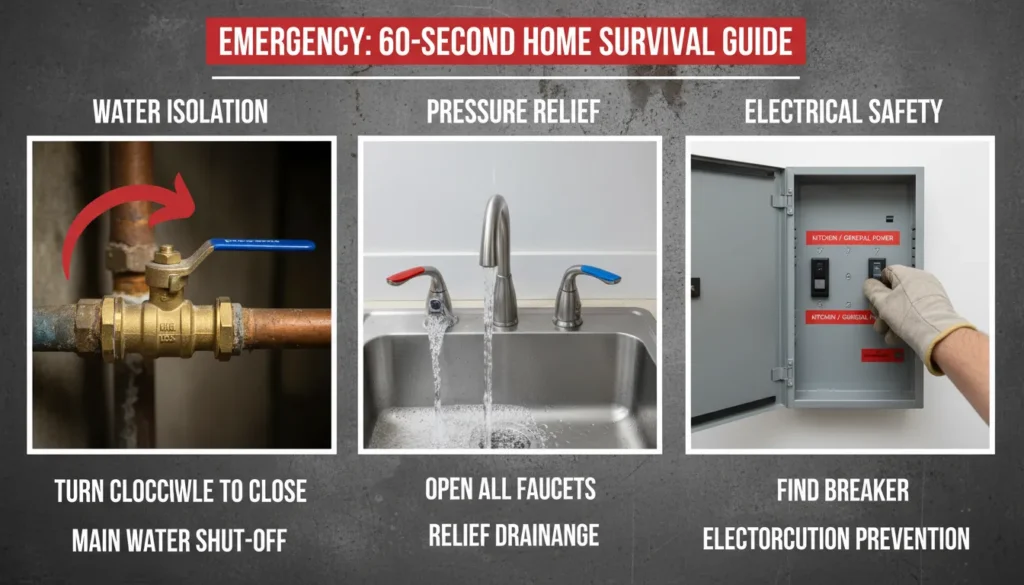
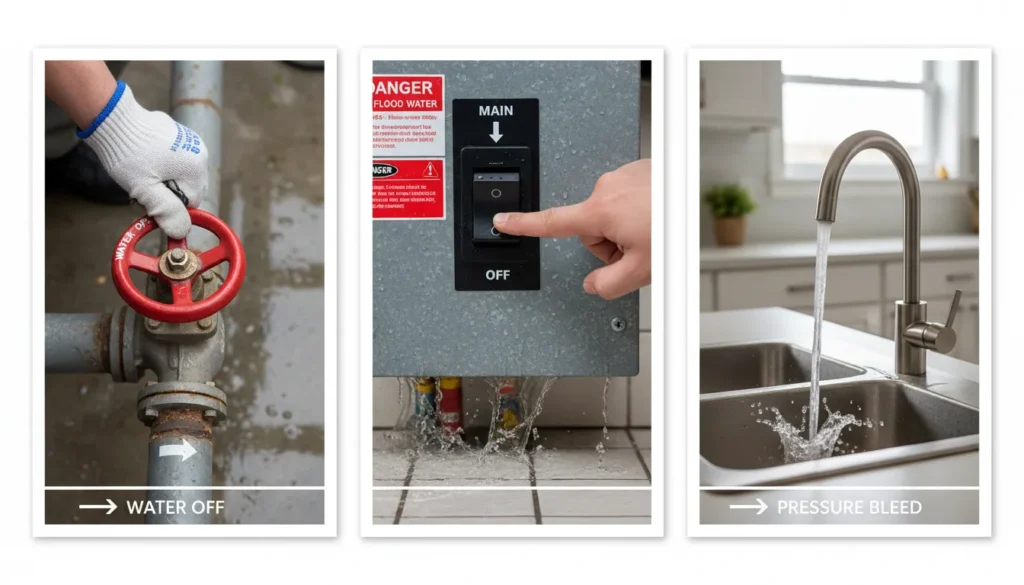
Shut off the appropriate water supply and relieve pressure before disconnecting or modifying a water line. If you cannot identify or isolate the correct line, stop rather than opening a pressurized pipe.
General Installation Sequence
- Identify the pipe material and connection type.
- Shut off the appropriate water supply.
- Open a suitable downstream fixture if necessary to relieve trapped pressure.
- Prepare the pipe end according to the fitting manufacturer’s instructions.
- Install the correct cap using the specified connection method.
- Restore water pressure gradually.
- Inspect the capped connection carefully for leaks.
Threaded Cap Installation
For a threaded cap, first confirm that the cap and pipe use compatible thread standards and sizes. Clean the threads as appropriate and use a thread-sealing method suitable for the connection and application. Tighten the fitting appropriately rather than forcing it.
After restoring water pressure, inspect the connection. A slow leak may not be obvious immediately, so check the area again after the system has been pressurized.
Compression Cap Installation
Compression fittings depend on the correct tubing dimension and proper seating of the sealing components. Make sure the tubing is prepared as required by the fitting manufacturer and that the compression components are assembled in the correct order.
Do not assume that tightening harder will fix a poor fit. If the tubing size or fitting compatibility is wrong, additional force is not a substitute for the correct parts.
Push-Fit Cap Installation
For a push-fit cap, use only a fitting approved for your specific pipe material and size. Prepare the pipe end according to the fitting instructions, insert it to the required depth, and verify that the connection is secure before restoring pressure.
Because different manufacturers can have different preparation and installation requirements, follow the instructions supplied with the fitting you are using.
PVC Solvent-Weld Cap Installation
A solvent-weld PVC cap requires compatible PVC pipe, the appropriate fitting, and the correct preparation and solvent-cement system. Follow the product instructions for cutting, cleaning, primer use where required, cement application, assembly, and cure time before pressurizing the system.
Do not pressurize a newly solvent-welded connection before the manufacturer’s specified conditions have been met.
How to Cap Different Types of Water Pipes
Copper Water Pipe
Copper can be capped using different fitting approaches depending on the pipe size, access, and application. Compression and compatible push-fit solutions can be useful in situations where their specifications match the tubing. The key is matching the fitting to the actual copper tube dimensions.
PEX Water Pipe
PEX requires fittings designed for PEX and for the particular connection method being used. A push-fit cap may be appropriate when it is specifically approved for the PEX size and application.
PVC Water Pipe
PVC pipe can use compatible PVC end caps designed for the applicable pipe type and size. For a permanent solvent-welded closure, use the manufacturer’s recommended preparation and cement system.
CPVC Water Pipe
CPVC should be capped with fittings approved for CPVC and the specific application. Do not automatically substitute a PVC fitting or cement system simply because both materials are plastic.
Galvanized or Threaded Metal Pipe
A compatible threaded cap is often the relevant fitting style for a threaded metal pipe end. Check the thread type, size, and condition of the existing threads before installation.
Common Water Pipe Capping Mistakes
Most problems happen before the cap is installed. The fitting may be perfectly good, but the wrong selection or preparation can still produce a leak.
- Choosing the wrong size: A similar-looking cap is not necessarily the correct cap.
- Confusing nominal size with actual dimensions: Pipe and tubing sizing conventions differ.
- Ignoring material compatibility: PVC, CPVC, PEX, copper, and metal systems require appropriate fittings.
- Using the wrong connection type: Threaded, compression, push-fit, and solvent-weld connections are not interchangeable.
- Failing to shut off the water: Never begin by opening a line you cannot safely isolate.
- Ignoring trapped pressure: A line can still contain pressure after a supply valve is closed.
- Overtightening: More force does not necessarily create a better seal.
- Using unsuitable thread-sealing products: Follow the fitting and application requirements.
- Pressurizing solvent-welded joints too soon: Allow the required installation conditions to be met.
- Assuming every cap is universal: Product compatibility always matters.
Why Is My Capped Water Pipe Still Leaking?
If a capped water pipe leaks, start with the basics rather than immediately tightening everything further.
- Confirm the cap is the correct size.
- Confirm that the cap is designed for the pipe material.
- Check whether the connection type matches the pipe end.
- Inspect the pipe for damage, corrosion, cracks, or an uneven end.
- Review the fitting manufacturer’s installation requirements.
- For threaded connections, verify the thread compatibility and sealing method.
- For compression connections, verify tubing dimensions and component placement.
- For push-fit connections, verify proper pipe preparation and insertion.
- For solvent-welded connections, verify preparation, cement use, and cure requirements.
If the connection continues leaking or you cannot determine why the line is still under pressure, professional diagnosis is safer than repeatedly tightening or replacing fittings without identifying the underlying problem.
Can You Cap a Water Pipe Yourself?
Sometimes, yes. A straightforward, accessible pipe with an obvious material, size, and fitting type may be manageable as a DIY task if you can safely shut off the water and follow the fitting manufacturer’s instructions.
However, the decision changes when you cannot identify the line, cannot isolate the water supply, find damaged or heavily corroded pipe, or discover that the connection continues leaking.
When It Makes Sense to Call a Plumber
- You cannot identify the pipe material or size.
- You cannot safely isolate the water line.
- The pipe is damaged, badly corroded, or difficult to access.
- The capped connection continues to leak.
- You are modifying a larger or more complicated plumbing system.
- You are unsure whether the line is still active.
If you need help with a larger plumbing issue, you can also review our plumbing services for professional assistance.
Water Pipe End Cap Buying Checklist
Before you buy a cap, run through this quick checklist:
- ☐ I know the pipe material.
- ☐ I know the correct pipe or tubing size.
- ☐ I know whether the end is threaded or smooth.
- ☐ The cap is specifically approved for my pipe material.
- ☐ I know whether I need a temporary or permanent closure.
- ☐ I understand the installation method.
- ☐ I can safely shut off and depressurize the water line.
Where Can You Find Plumbing Pipe Caps?
Depending on the type and size you need, plumbing pipe caps may be available through home-improvement retailers, plumbing suppliers, manufacturers, and online marketplaces.
When comparing products, don’t choose based only on price or appearance. Verify the material, size, connection type, pressure/application suitability, and installation requirements.
Useful Product-Research Resources
For product availability and specifications, you can compare relevant pipe-cap categories from major retailers and fitting suppliers. Always verify the individual product specifications before purchase.
Water Pipe End Cap FAQs
What is a pipe end cap called?
It may be called a pipe cap, pipe end cap, water line cap, plumbing pipe cap, or simply an end cap. The exact product name depends on the manufacturer and connection style.
How do you cap the end of a water line?
First shut off and depressurize the line. Then install a cap specifically designed for the pipe’s material, size, and connection type. Threaded, compression, push-fit, and solvent-weld caps use different installation methods.
What is the purpose of an end cap?
Its purpose is to close a pipe end so water cannot escape through the opening. It can be used for temporary isolation, fixture removal, remodeling, or permanent termination where appropriate.
What are the different types of pipe end caps?
Common types include compression caps, push-fit caps, threaded caps, and solvent-weld PVC caps. The correct type depends on the pipe material, size, connection, and application.
How do you put an end cap on a pipe?
The method depends on the cap. A threaded cap screws onto compatible threads, a compression cap uses a mechanical compression connection, a push-fit cap attaches to compatible prepared pipe, and a PVC solvent-weld cap uses the appropriate PVC preparation and cement system.
Can I use a PVC end cap on any plastic water pipe?
No. Plastic piping materials are not automatically interchangeable. Verify that the cap, pipe, cement or mechanical connection, and application are specifically compatible.
How do I know what size water pipe end cap I need?
Identify the pipe material and markings first, then determine whether the pipe uses nominal sizing or an actual tubing dimension. Compare the result with the cap manufacturer’s sizing information rather than guessing from appearance.
Is a pipe cap the same as a pipe plug?
Not necessarily. A cap generally closes the end of a pipe, while a plug commonly closes an opening from the inside or through a threaded fitting. Always check the fitting design and application.
Need Help With an Open or Leaking Water Line?
If you know the pipe needs to be capped but you’re unsure about the size, material, connection, or leak, getting the line properly identified can prevent a small plumbing job from turning into a larger repair.
Key Takeaway
The best water pipe end cap is not simply the one that looks like it fits. Match the cap to the pipe material, size, connection type, and intended use. Then install it according to the fitting manufacturer’s instructions, restore pressure carefully, and check the connection for leaks.
If you remember only one selection rule, use this:
MATERIAL → SIZE → CONNECTION → PURPOSE → INSTALLATION → LEAK CHECK
That simple sequence helps you avoid the most common mistake: buying a cap first and trying to make the pipe fit it afterward.