Seasonal Plumbing Tips for Spring: A Miami Homeowner's Checklist
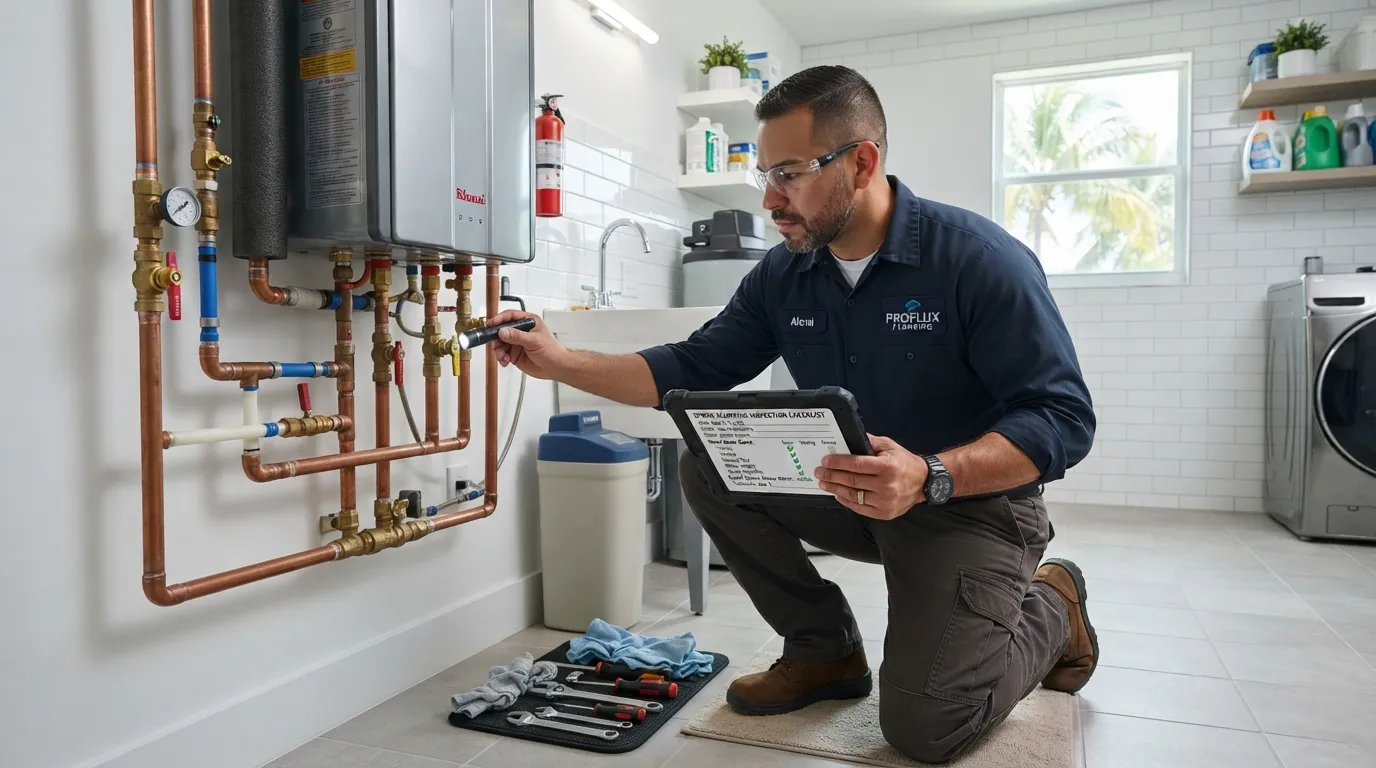
Spring Plumbing Checklist at a Glance
What to Check in Spring
Spring weather brings heavy rain, rising temperatures, and the reactivation of outdoor water systems, making seasonal maintenance critical to prevent costly water damage. Homeowners should systematically inspect and service key components across the property before peak usage begins.
Hose bibs: Check outdoor spigots for cracks or leaks caused by winter freezing.
Irrigation: Inspect sprinkler heads, backflow preventers, and lines for leaks or breaks.
Gutters/downspouts: Clear debris and ensure water drains away from the foundation.
Toilets: Test for silent tank leaks, running water, and proper flushing mechanics.
Water heater: Flush sediment buildup, test the pressure relief valve, and check anode rods.
Water meter leak test: Turn off all indoor and outdoor water sources to check for moving dials.
Drains: Clear slow drains in showers, tubs, and sinks using mechanical snakes or natural enzymes.
Sewer line: Inspect for root intrusion or pipe settling, especially after heavy winter storms.
Sump pump/flood readiness: Test pump operation by pouring water into the basin before heavy spring rains.
Shut-off valves: Turn main water and fixture shut-off valves to ensure they do not seize up.
Why This Checklist Is Different
Unlike generic maintenance guides, this checklist incorporates regional considerations—such as managing high humidity and intense seasonal storms—paired with practical insights drawn from years of hands-on plumbing troubleshooting. Following a targeted preventive routine keeps your entire home infrastructure running efficiently year-round.
Why Spring Plumbing Maintenance Matters in Miami
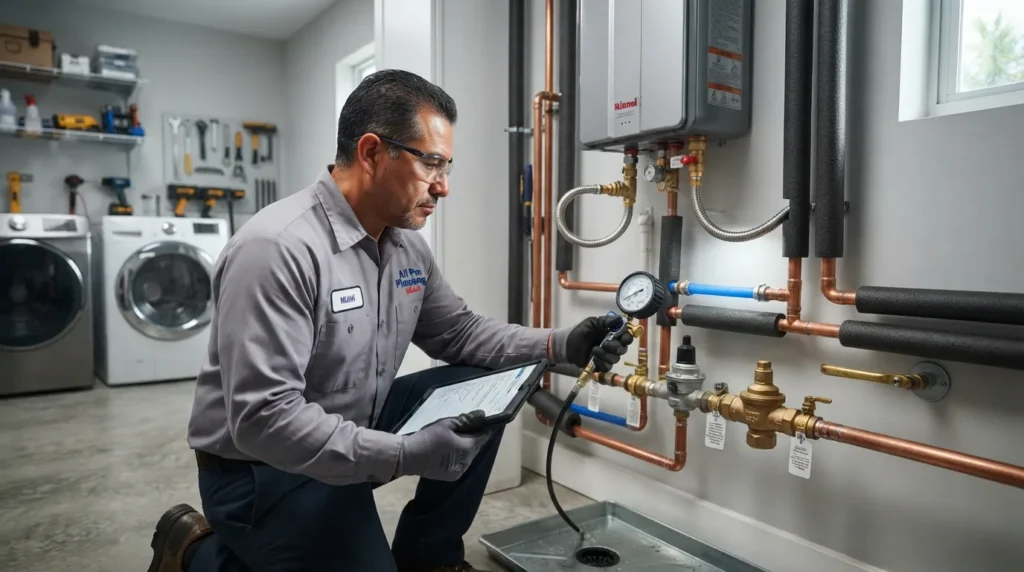
Rainy Season and Hurricane Season Are Coming
Spring serves as the critical transition window before South Florida enters its heavy rainfall and hurricane cycle. Preparing your home now means ensuring that exterior drainage systems can handle sudden, massive volume surges.
Gutters and downspouts: Clear out accumulated dry-season debris so water flows freely away from structural foundations.
Drainage pathways: Inspect yard grading and French drains to prevent pooling near exterior walls.
Low-lying areas: Check that sump pumps and backflow prevention valves are fully operational before tropical storms arrive.
What Heat, Humidity, and Hard Water Do to Your Pipes
South Florida’s unique climate places intense, constant stress on plumbing infrastructure through high mineral content and environmental moisture. While exact mineral hardness levels fluctuate by municipal district, the local water supply consistently promotes rapid calcification.
Scale buildup: Hard water deposits calcium and magnesium inside supply lines and water heaters, reducing water pressure and heating efficiency.
External corrosion: High humidity accelerates rust formation on exposed metallic pipes, fittings, and brackets.
Worn seals and hoses: Intense ambient heat degrades rubber washer gaskets and washing machine supply hoses much faster than in cooler climates.
Do Winter Cold Snaps Matter in South Florida?
While hard, prolonged freezes are rare in Miami, occasional winter and early-spring cold snaps still impact local properties. Uninsulated hose bibs and exposed exterior supply lines can experience sudden thermal shock. Addressing these vulnerable points in spring prevents slow cracks that often burst open once daily water pressure rises.
What We See Most Often After the Dry Season
First-hand field observations across Miami reveal recurring failure patterns as properties transition from dry winter months into the wet season. Catching these hidden issues early stops minor wear from turning into major property damage.
Leaking spigots: Outdoor hose bibs frequently leak from dried-out internal washers after months of non-use.
Worn irrigation heads: Automatic sprinkler systems often show broken or misaligned heads that waste water and saturate foundations.
Hidden slab leaks: Undetected underground pipe corrosion routinely surfaces during spring as unexpectedly high utility bills and damp flooring.
Before You Start: Safety, Tools, and DIY vs. Professional
What You Can Safely Check Yourself
Homeowners can perform a wide range of visual and functional spring plumbing assessments without special equipment. Knowing your boundaries prevents minor inspections from turning into accidental water leaks.
Visual hose bib and exterior check: Easy.
Water meter leak test: Easy.
Cleaning gutters and downspouts: Medium.
Flushing the water heater tank: Medium.
Main water shut-off valve operation: Medium.
Underground sewer line repairs or slab leak detection: Call a Pro.
Basic Tools and Supplies You’ll Need
Gathering the right supplies beforehand ensures a smooth inspection process and prevents unnecessary scrambling mid-project. Keep these standard household tools ready in your kit:
High-lumen flashlight or headlamp for dark crawlspaces and under-sink cabinets.
Food coloring tablets to test toilet tanks for hidden, silent leaks.
Bucket and old towels to catch residual water during line or valve checks.
Adjustable wrench for checking loose pipe unions and hose connections.
Garden hose to flush water heaters or clear outdoor drainage lines.
Digital thermometer (optional) to verify hot water tank output temperatures.
Where to Find Your Main Water Shut-Off Valve
Locating and testing your main water shut-off valve is the single most important step before performing any plumbing maintenance. In an emergency, turning off this valve instantly stops catastrophic flooding throughout your property.
Scan exterior perimeter walls: In South Florida, main shut-off valves are commonly found near the front or side exterior wall, often housed in a subterranean utility box with a plastic or metal lid.
Check indoor utility zones: If your property does not have an exterior box, inspect garage interior walls, utility closets, or near the water heater installation point.
Test the valve mechanism: Turn the valve clockwise to close it and counter-clockwise to open it, ensuring it moves smoothly without sticking.
Task Difficulty Table
| Task | Difficulty | DIY or Pro | Time Needed |
| Water Meter Leak Test | Easy | DIY | 10–15 minutes |
| Hose Bib & Spigot Inspection | Easy | DIY | 15–20 minutes |
| Toilet Flapper & Dye Test | Easy | DIY | 15 minutes per toilet |
| Water Heater Sediment Flush | Medium | DIY / Pro | 45–60 minutes |
| Sump Pump Discharge Check | Medium | DIY | 20–30 minutes |
| Main Shut-Off Valve Replacement | Hard | Professional | 1–2 hours |
Outdoor Plumbing Checklist
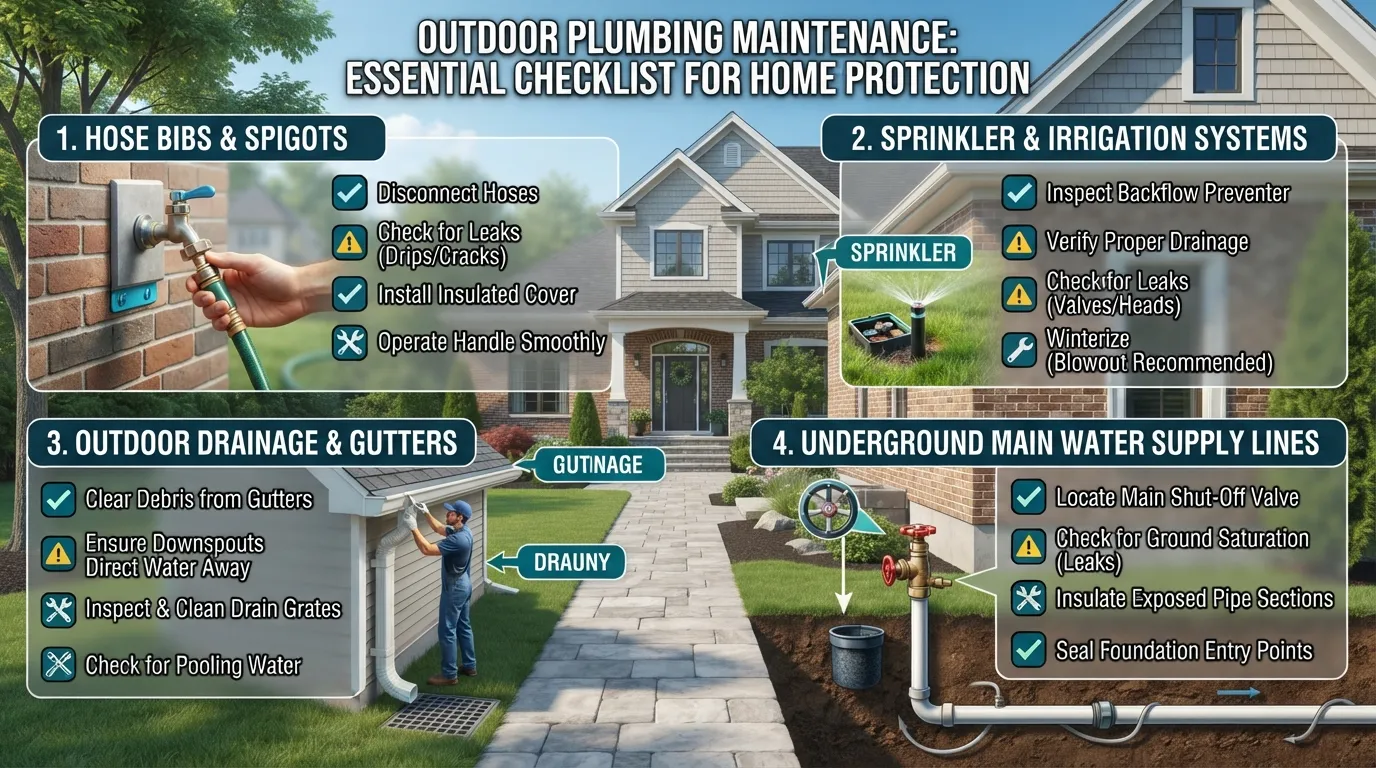
How to Inspect Hose Bibs and Outdoor Spigots
Outdoor spigots take the brunt of winter weathering and sudden temperature shifts. Inspecting them early prevents water waste and unexpected structural leaks.
Attach a standard garden hose to the spigot and turn the water on fully.
Check the handle packing nut for leaks while water is running.
Inspect the connection point at the exterior wall for drips or seepage.
Look for weak water pressure or a vibrating handle, which can indicate internal pipe restriction.
Replace worn rubber washers or cracked vacuum breakers immediately if you notice weeping.
Testing Your Irrigation System Step by Step
Spring is the prime time to run through your automatic sprinkler zones before the hot weather demands heavy watering. Catching misaligned or broken components now saves your lawn and your water bill.
Turn on the main irrigation supply valve slowly to avoid sudden water hammer shock.
Cycle through each zone manually, inspecting every sprinkler head for proper pop-up action and 360-degree rotation.
Look for water pooling or unusually soggy patches in the yard, which signal broken underground lateral lines.
Monitor system pressure drops; a sudden drop across all zones usually points to a mainline break or a faulty backflow preventer.
Gutters, Downspouts, and Drainage Away From Your Foundation
Proper exterior water management protects your home’s structural integrity from erosion during heavy seasonal downpours. Keeping water moving away from walls is essential in South Florida’s flat topography.
Clear out accumulated leaves, dirt, and roof grit from gutters to prevent overflow.
Ensure downspouts extend at least three to four feet away from your foundation walls.
Install splash blocks or flexible extensions where needed to direct runoff safely into yard drainage pathways.
Outdoor Showers, Pool Lines, and Other Exterior Fixtures
Properties featuring resort-style amenities require targeted checks after the dry season. Salt air and intense sun exposure accelerate wear on specialized outdoor plumbing.
Inspect outdoor shower mixing valves and handles for corrosion or sticking.
Check pool auto-fill lines and exterior anti-siphon valves for mineral scale and steady sealing.
Verify that drain grates around pool decks and patios remain free of debris to prevent localized flooding.
When Outdoor Leaks Mean a Bigger Problem
Not all outdoor leaks originate from visible fixtures like spigots or sprinkler heads. If your water meter is spinning when all indoor and outdoor fixtures are closed, or if you notice unexplained damp spots in your yard, you may be dealing with a subterranean mainline failure. For these hidden issues, professional leak detection and repair services are required to locate and fix pipe breaks beneath the soil without destroying your landscaping.
Indoor Plumbing Checklist: Toilets, Faucets, and Hoses
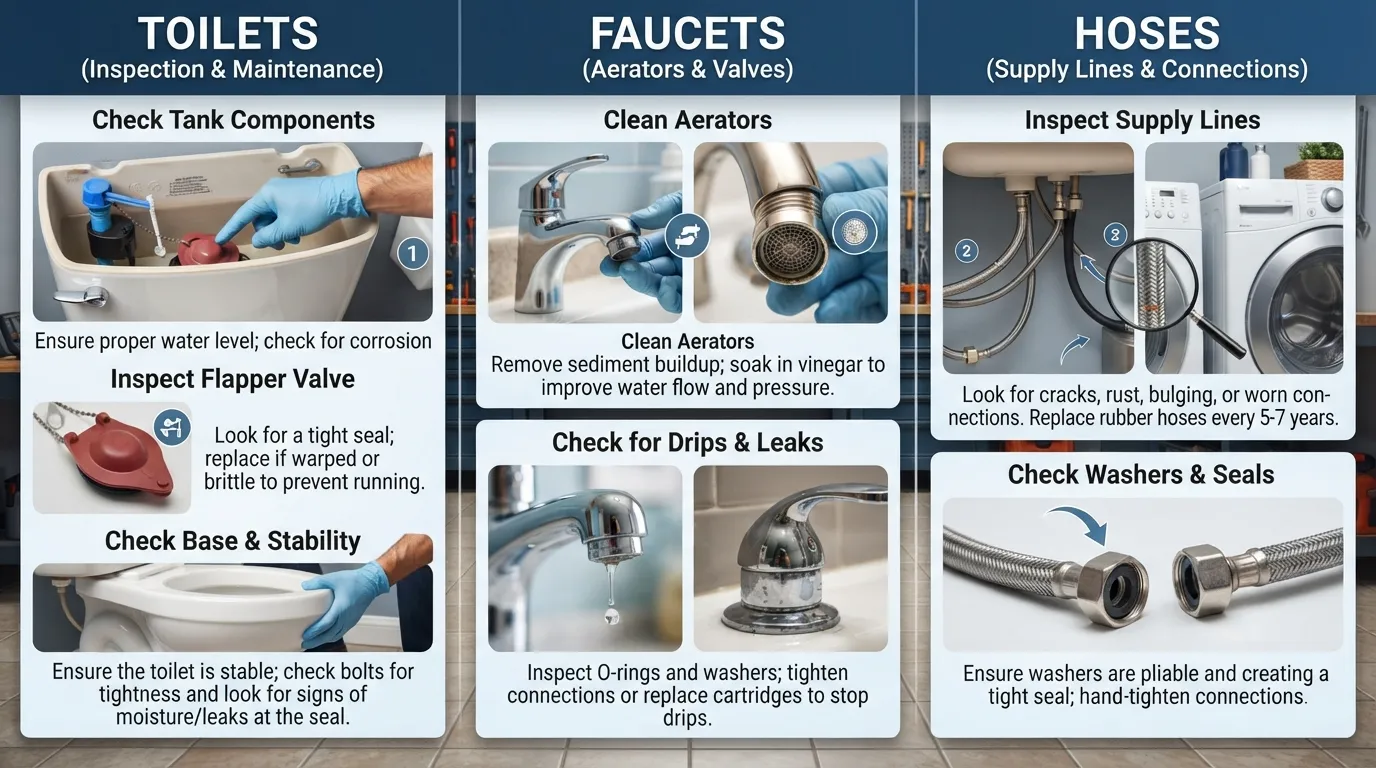
How to Find a Silent Toilet Leak (Food Coloring Test)
Hidden toilet leaks waste hundreds of gallons of water daily without showing obvious signs on the floor. Conducting a simple dye test identifies worn components instantly.
Remove the toilet tank lid and place a few drops of dark food coloring or a specialized dye tablet into the standing water until it turns brightly colored.
Avoid flushing or using the toilet for 15 to 20 minutes to let the tank water settle.
Check the toilet bowl water: if colored water seeps down into the bowl without you flushing, your flush valve flapper is failing.
Replace worn rubber flappers immediately to stop continuous water loss and lower your monthly utility bill.
Checking Faucets, Showerheads, and Under-Sink Supply Lines
Indoor fixtures undergo daily wear and tear that can develop into hidden cabinet leaks. Routine visual checks prevent cabinet rot and mold growth.
Inspect all faucet handles and showerheads for slow drips, mineral crust buildup, or loose mounting collars.
Open under-sink cabinet doors and use your flashlight to check for damp wood, musty odors, or discoloration on supply lines.
Feel along flexible braided supply lines for stiffness, bulging, or wet spots near threaded connection nuts.
Washing Machine and Dishwasher Hoses
Appliance supply hoses are under constant high pressure and rank among the most common causes of catastrophic residential water damage. Regular replacement prevents sudden ruptures.
Inspect washing machine hoses for blistering, cracking, or bulging along the rubber jacket, and ensure connections are secure.
Standard rubber hoses carry a recommended replacement guideline of every 3 to 5 years.
Upgrade older rubber lines to stainless steel braided hoses, which offer vastly superior burst resistance and long-term durability.
Testing Shut-Off Valves
Fixture shut-off valves are critical lifelines during an emergency leak, but they easily seize up if left untouched for years. Keeping them mobile ensures they work when you need them.
Turn each individual shut-off valve under sinks, behind toilets, and behind the washing machine a quarter-turn clockwise and counter-clockwise.
Move valves gently to prevent snapping older metal stems or cracking copper fittings.
Call a professional if a valve leaks around the packing nut when turned or refuses to budge entirely.
When to Call for Toilet Repair
While many toilet flapper replacements are simple DIY fixes, structural or mechanical issues require expert intervention. Ignoring persistent internal malfunctions leads to higher water bills and potential subfloor damage.
Persistent running: If replacing the flapper and adjusting the fill valve chain fails to stop the water flow, the flush valve seat may be warped.
Weak flush: Incomplete flushes often point to mineral-clogged rim jets or failing siphon tubes inside the porcelain.
Rocking base: A toilet that shifts or wobbles when sat upon has a broken wax seal, requiring immediate re-anchoring to prevent sewage leaks and subfloor rot.
For persistent issues beyond basic adjustments, professional toilet repair ensures proper diagnostic testing and long-lasting mechanical fixes.
How to Find Hidden Leaks Water Meter Test and Warning Signs
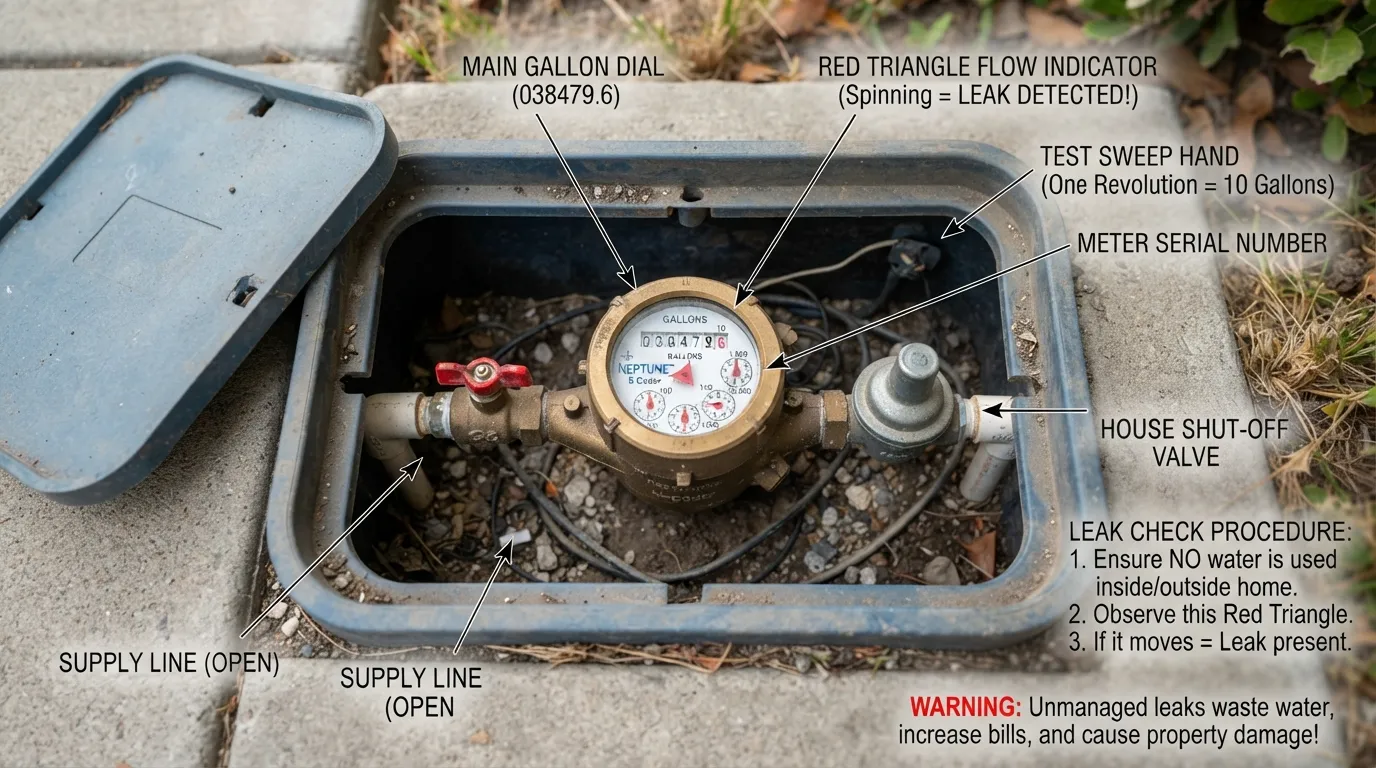
The Water Meter Leak Test (Step by Step)
Hidden plumbing leaks often drain hundreds of gallons of water unnoticed until an exorbitant utility bill arrives. Conducting a systematic water meter test is the most reliable way to confirm whether your home has a silent leak before severe structural damage occurs.
Turn off all indoor and outdoor water fixtures, including automatic icemakers, pool auto-fills, and irrigation systems.
Locate your property’s water meter (typically housed in an underground sidewalk box near the property line) and note the exact dial reading or check the small triangle leak indicator wheel.
For standard minor suspected leaks, use a two-hour wait test by leaving all water off and checking if the meter dial has moved.
For suspected slow mainline or slab leaks, use an overnight check by reading the meter before bed and rechecking it first thing in the morning before turning on any taps.
For more detailed methodology and conservation resources, consult the official EPA WaterSense leak guidance .
Warning Signs of a Hidden or Slab Leak
Because most supply lines run underneath concrete slabs or behind finished walls, property owners must rely on subtle environmental and physical indicators to spot trouble early. Catching these signs prevents costly structural foundation repairs.
Unexplained utility bill increases that happen despite normal or reduced water usage habits.
Unusually warm spots on tiled or concrete floors, signaling a hot water line leak beneath the slab.
Faint, persistent sounds of running water when all household faucets and appliances are completely turned off.
Musty, damp odors or buckling baseboards near interior walls pointing to hidden pipe seepage.
Low overall water pressure at fixtures, which often indicates a major break or restriction in the supply line.
What a Plumber Does That You Can’t (Leak Detection Tools)
When a water meter test confirms a leak but visual checks reveal nothing, specialized professional equipment becomes necessary. Modern diagnostic technology allows technicians to pinpoint underground failures with pinpoint accuracy.
Electronic acoustic listening devices amplify the sound of water escaping pressurized pipes under concrete and behind walls.
Thermal imaging infrared cameras detect temperature variances caused by hidden hot water leaks beneath flooring.
Pneumatic line isolation testing helps isolate specific pipe runs to determine exactly where a break occurs.
When DIY checks fail to locate the source of a rising water bill, utilizing professional leak detection and repair services ensures your property is inspected safely without destructive exploratory demolition.
Leak Cost: Why Small Leaks Add Up
Even a minor drip from a worn washer or a small hidden pipe crack wastes a surprising volume of water over time. According to the U.S. Environmental Protection Agency, household leaks can account for nearly 10,000 gallons of water wasted every home each year, translating directly into needlessly inflated utility bills and accelerated wear on your municipal infrastructure.
Water Heater Spring Maintenance
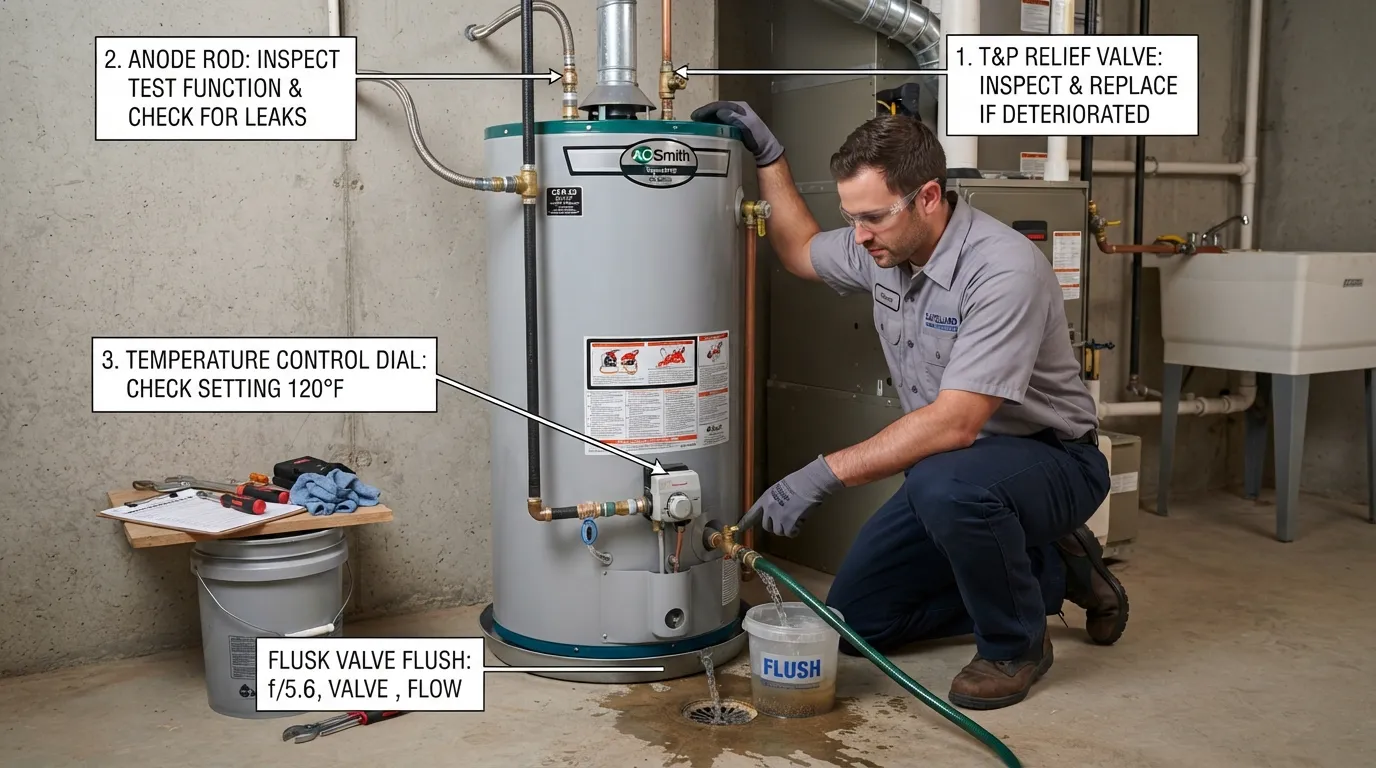
Do You Really Need to Flush Your Water Heater Every Year?
Annual water heater flushing is essential for removing mineral sediment that accumulates at the bottom of the tank. In South Florida’s hard water environment, skipping this yearly maintenance leads to rapid calcification, reduced heating efficiency, and premature tank failure.
Sediment buildup creates a physical barrier between the burner or heating element and the water.
Trapped heat causes overheating, rumbling noises, and localized metal fatigue along the tank floor.
Regular flushing extends the operational lifespan of your equipment and lowers your monthly energy bills.
How to Flush a Tank Water Heater Safely
Performing a standard tank flush requires careful adherence to safety protocols to prevent electrical damage or severe scalding. Follow these methodical steps to clear out mineral deposits:
Turn off power at the breaker panel (for electric models) or switch the gas valve to the “Pilot” position (for gas models).
Allow the water inside the tank to cool down for at least 30 to 60 minutes to avoid accidental burns.
Attach a standard garden hose to the bottom drain valve and run the open end to a safe floor drain or outdoor exit point.
Open the pressure relief valve and the nearest hot water faucet inside the house to allow air flow, then open the drain valve completely.
Let the water run until it flows clear of sediment, close the drain valve, refill the tank fully before restoring power, and bleed air lines at your faucets.
Testing the Pressure Relief Valve: Safety Warning
The temperature and pressure relief (TPR) valve is a critical safety device designed to prevent catastrophic tank explosions. Testing it requires caution due to the extreme heat and pressure involved.
Scald risk: The discharged water and steam reach scalding temperatures instantly. Always wear heavy-duty gloves and eye protection.
Correct discharge pipe: Ensure a rigid discharge pipe extends downward to within six inches of the floor or outside, safely directing water away from people.
When NOT to test: If an older TPR valve has never been tested or shows signs of mineral corrosion around the lever, do not force it open. Forcing a stuck valve can compromise its seal, requiring immediate professional replacement.
Signs Your Water Heater Is Near the End of Its Life
Recognizing the terminal signs of a failing water heater allows you to arrange a replacement on your own schedule rather than dealing with an emergency flood.
Age: Most traditional tank water heaters last between 8 to 12 years before internal corrosion compromises the shell.
Rust-colored water: Red or brown tinted water coming exclusively from hot taps indicates internal tank wall corrosion.
Rumbling or popping noises: Loud banging sounds signal heavy sediment baking at the bottom of the tank.
Inconsistent heating: Fluctuating water temperatures point to failing heating elements, broken dip tubes, or heavy mineral insulation.
For homeowners facing persistent malfunctions or complete equipment breakdown, professional water heater repair and replacement ensures safe unit sizing, proper code compliance, and reliable hot water delivery.
Tank vs. Tankless Maintenance Differences
While traditional tank systems require annual sediment flushing and periodic anode rod inspections, tankless water heaters operate on a different maintenance schedule. Tankless units demand annual descaling using a vinegar solution and a circulation pump to clear mineral scale from internal heat exchangers, preventing flow restrictions and error codes.
Drains and Sewer Line Care
What Plumbers Recommend to Keep Drains Clean
Preventing stubborn clogs requires daily habits that stop hair, grease, and food waste from accumulating inside your pipe network. Establishing proper waste management habits keeps wastewater flowing freely year-round.
Use fine mesh hair catchers in every shower and bathtub drain to trap debris before it enters the trap.
Never pour cooking oil, grease, or fat down kitchen sinks; wipe pans with paper towels before washing.
Flush kitchen drains weekly with boiling water to melt and wash away minor soap and grease residue.
Choose biological enzyme cleaners over harsh chemical drain openers, as natural enzymes safely digest organic matter without corroding metal pipes.
Does Baking Soda and Vinegar Really Work?
Baking soda and vinegar create a satisfying fizz, but their actual cleaning power has distinct limitations. Understanding what the mixture can and cannot do prevents unrealistic expectations during routine maintenance.
The fizzy chemical reaction can help dislodge loose surface debris and neutralize minor organic sink odors.
However, the solution lacks the structural force or chemical strength to dissolve heavy hair clogs, grease plugs, or hardened mineral scale.
Use it as a mild monthly deodorizer, but rely on mechanical snakes or professional tools for actual blockages.
Warning Signs of a Slow or Clogged Drain
Catching drainage issues early keeps minor sluggishness from turning into an unhygienic wastewater backup. Watch for these common red flags across your plumbing fixtures:
Gurgling sounds coming from the toilet or shower drain when the washing machine empties.
Multiple fixtures draining slowly at the same time, indicating a blockage further down the main branch line.
Unpleasant, persistent sulfur or sewage odors wafting up from floor drains or sink traps.
Sewer Line Warning Signs and Tree Roots
South Florida’s lush landscaping and mature trees present a constant challenge for underground sewer pipes. Tree roots aggressively seek out moisture, invading tiny cracks in older clay or cast-iron lines.
Frequent clogs or backups occurring in the lowest plumbing fixtures, such as basement or ground-floor showers.
Unusually lush, bright green patches of grass in your yard during dry periods, signaling an underground sewage leak fertilizing the soil.
Slow-draining toilets and gurgling sounds throughout the entire home network during heavy water usage.
When to Book Professional Drain Cleaning or a Sewer Inspection
When household plunging and DIY drain snakes fail to clear a blockage, professional intervention is necessary to protect your property’s plumbing infrastructure. Advanced diagnostic tools pinpoint the exact cause of deep obstructions.
Hydro jetting: High-pressure water streaming clears out stubborn grease, scale, and intrusive roots more thoroughly than standard snaking.
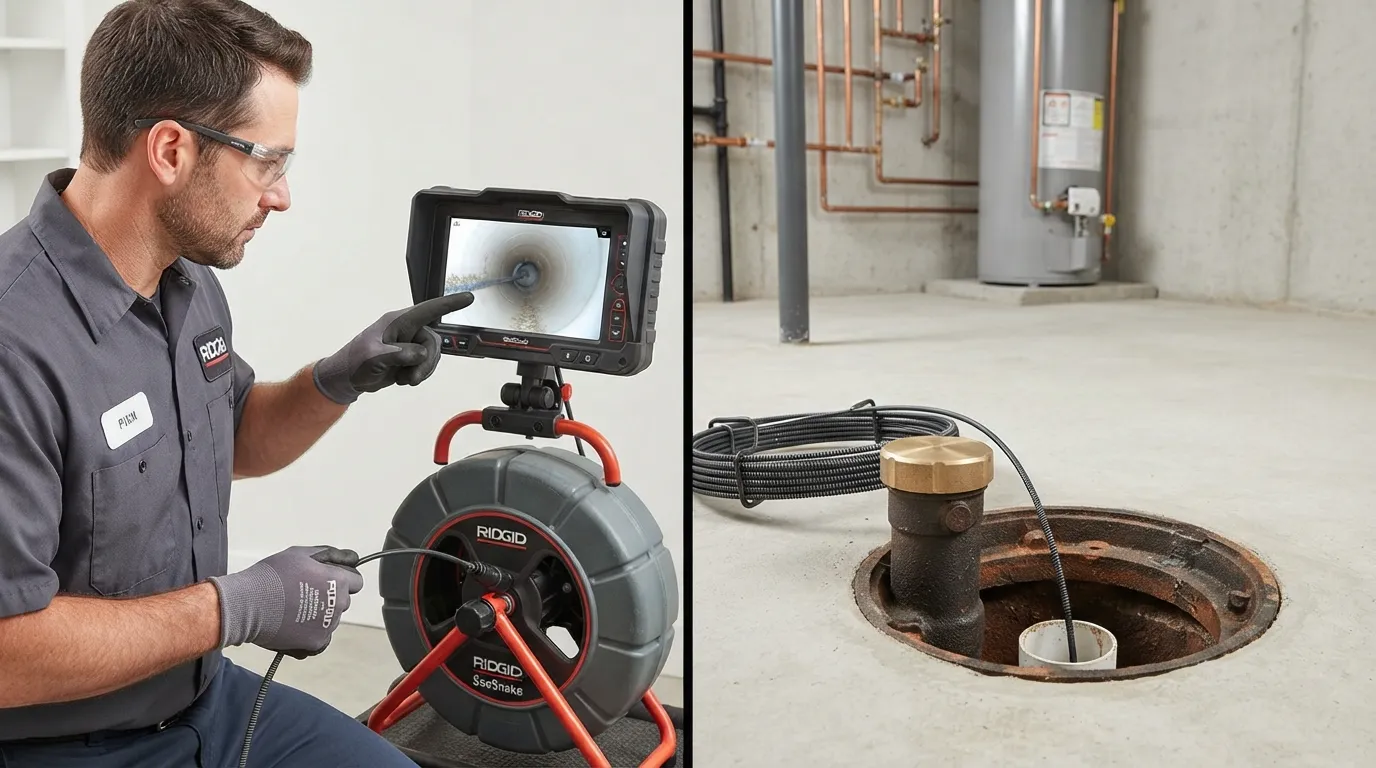
Camera inspection: A specialized fiber-optic camera threaded directly into your pipes allows a technician to visually inspect structural damage, cracks, or offset joints without digging up your yard.
For persistent blockages or suspected underground issues, scheduling professional drain cleaning and specialized sewer line services ensures your home drainage system is cleared safely and inspected for long-term reliability.
Sump Pumps, Flood Readiness, and Storm Prep
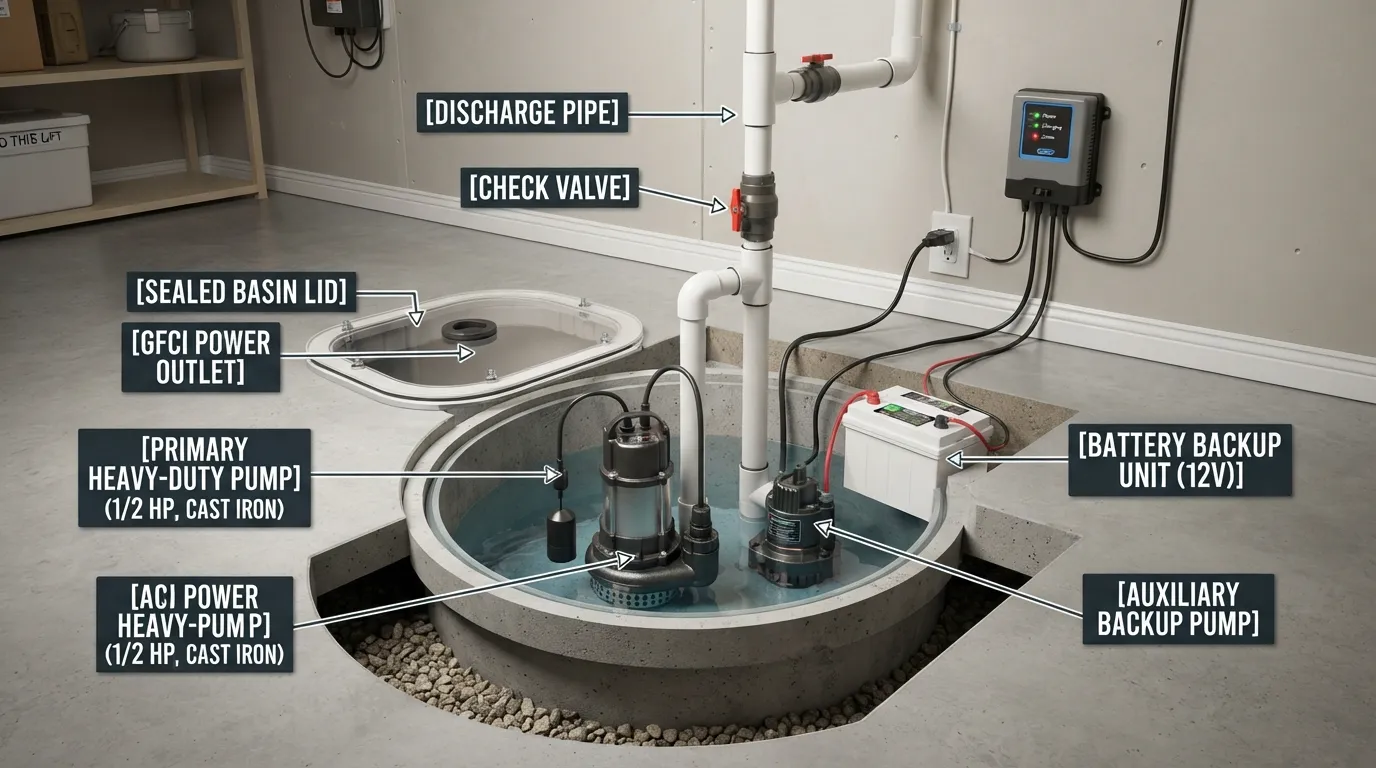
How to Test Your Sump Pump
Testing your sump pump before the rainy season begins ensures it will handle sudden water surges when a tropical storm strikes. A quick manual check verifies that the mechanical components are fully functional.
Pour a five-gallon bucket of water slowly into the sump basin to simulate rising floodwaters.
Watch the float switch rise; the pump should automatically trigger and activate the motor.
Verify that the water level drops rapidly as the pump forces liquid out through the discharge line.
Listen for the float switch to drop and the motor to shut off completely once the basin clears.
Inspect the exterior discharge pipe to ensure water exits at least several feet away from your foundation.
If the pump fails to activate or struggles to clear the basin, scheduling a professional sump pump service prevents unexpected basement or garage flooding during heavy storms.
Does Every Miami Home Need One?
While standard South Florida slab-on-grade homes rarely feature full basements, sump pumps are still essential for specific property layouts. Knowing whether your home requires one prevents unnecessary installations while protecting vulnerable areas.
Properties built below street grade or on sloping lots where surface water naturally pools toward the foundation benefit greatly.
Homes with subterranean lower levels, enclosed sub-grade garages, or sunken living rooms require active dewatering systems.
Standard flat-lot homes with proper yard grading and functional French drains generally do not need a sump pump.
Floor Drains, Backflow, and Storm-Ready Plumbing
South Florida’s torrential downpours can overwhelm municipal storm sewers, creating high pressure that pushes water backward through residential plumbing lines. Preparing your drainage network protects interior living spaces from sewage backups.
Clear all interior floor drains in laundry rooms and garages of stored items, dirt, and soap residue.
Install backwater prevention valves on main floor drain lines to block rising municipal water from surging back into your home.
Keep emergency drain plugs ready to seal off basement or low-level floor drains during severe flood alerts.
What to Do If Water Is Already Rising
When severe weather overwhelms exterior drainage and water begins entering your home, acting quickly and safely minimizes structural damage and electrical hazards. Prioritize personal safety before attempting any plumbing mitigation.
Turn off the main electrical breaker if rising water threatens ground-level wall outlets, baseboard heaters, or your circuit panel.
Shut off the main water supply valve if compromised pipes or major structural shifting occurs inside the walls.
Avoid walking through standing water near electrical appliances or flooded utility zones.
Evacuate safely if water levels continue to rise rapidly, and contact an experienced emergency plumber as soon as conditions stabilize to handle post-storm extraction and repairs.
Spring Plumbing Mistakes to Avoid and Myths Plumbers Wish You Knew
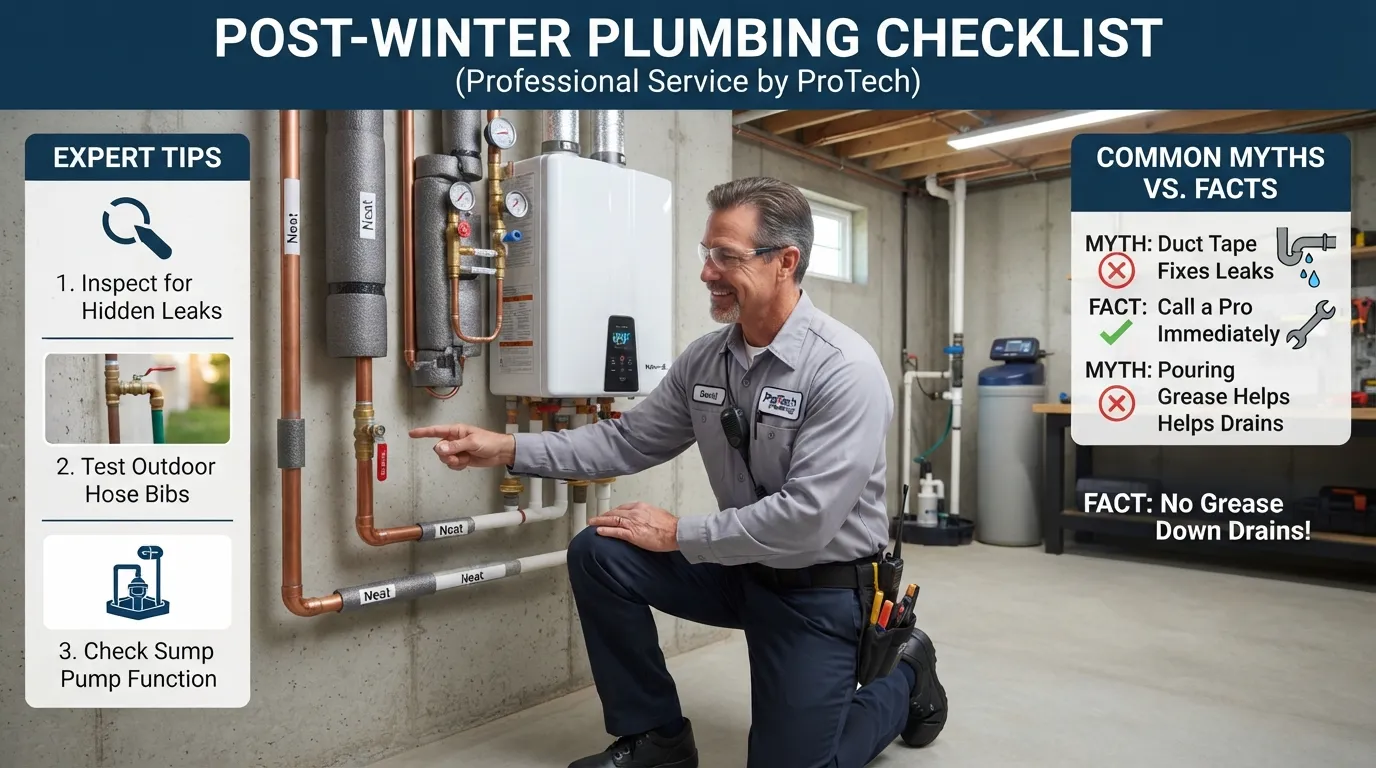
7 Common Spring Plumbing Mistakes
Homeowners often unknowingly accelerate wear or risk property damage during seasonal cleanups by taking shortcuts. Avoiding these frequent missteps protects your plumbing infrastructure and saves money.
Ignoring slow leaks: Brushing off a minor drip under a sink allows mold and structural wood rot to take root.
Overusing chemical cleaners: Pouring harsh commercial openers into sluggish drains corrodes metal pipes and destroys seals.
Skipping the shut-off test: Failing to test main or fixture valves leaves you unable to stop water during a sudden emergency.
Flushing the heater without safety steps: Draining a water heater without turning off power or gas risks burning out heating elements.
Ignoring hose age: Leaving old, brittle rubber washing machine hoses connected invites catastrophic sudden ruptures.
Ignoring a high water bill: Assuming a billing spike is a municipal error instead of investigating a hidden underground leak.
DIY on gas lines: Attempting amateur repairs or modifications on gas-fed water heaters or lines, which poses severe safety and explosion risks.
What Plumbers Wish Homeowners Knew
Drawing from years of hands-on field experience across South Florida properties, our plumbing team highlights a few truths that can prevent costly emergency calls.
“Shut-off valves need regular exercise; if you never touch them, scale locks them solid right when you need them in an emergency.”
“Labels on wipes or feminine products that say ‘flushable’ simply mean they fit down the toilet, not that they dissolve safely in municipal or septic lines.”
“A high water bill never fixes itself—if your meter is moving while your house is sealed, water is escaping somewhere.”
“Calling a professional early for a minor running toilet or damp spot costs a fraction of repairing a collapsed subfloor later.”
Plumbing Myths, Debunked
Persistent plumbing old-wives’-tales frequently circulate online, leading homeowners to damage their own fixtures. Here is the truth behind common misconceptions:
“Flushable” wipes: Unlike toilet paper, non-woven synthetic wipes do not break down in water, creating massive, tangled clogs in main sewer lines.
Ice cubes in garbage disposals: Dropping ice down the disposal is thought to sharpen blades, but disposals actually use blunt impellers that are unaffected by ice (though it can occasionally help dislodge sticky residue).
Chemical drain cleaners being harmless: Believing chemical openers are a safe universal fix ignores the corrosive damage they inflict on older PVC joints and metal piping.
When to Call a Plumber and What It May Cost
Red Flags That Mean “Stop DIY and Call a Pro”
Certain plumbing issues carry immediate safety hazards or risks of severe structural damage that require instant professional intervention. Attempting to fix these red flags without proper training can result in personal injury or major property flooding.
Gas smell near your water heater: A sulfur-like odor indicates a dangerous gas leak requiring immediate shut-off and expert help.
Raw sewage backup: Wastewater bubbling up through floor drains or fixtures exposes your household to biohazards.
Recurring hidden leaks: Unexplained moisture or damp walls pointing to compromised supply lines beneath floors or inside walls.
Total loss of water pressure: A sudden, system-wide drop in pressure that cannot be resolved by checking individual fixture valves.
For these urgent situations, reaching out for 24/7 emergency plumbing ensures rapid containment and safe professional repair.
What Spring Plumbing Services Typically Cost
Plumbing service rates vary based on several key factors rather than a flat fee. Understanding what drives pricing helps you budget effectively for maintenance and repairs.
| Service | What Affects Price | Notes |
|---|---|---|
| Drain Cleaning | Severity and location of the clog, accessibility, equipment needed (snaking vs. hydro jetting). | Standard branch line clearing differs from main sewer line rooter work. |
| Water Heater Flush | Tank accessibility, sediment volume, age of valves and fittings. | Annual maintenance is generally a fixed hourly or flat-rate service. |
| Leak Detection | Location behind walls or beneath concrete slab foundations, diagnostic technology required. | Non-invasive acoustic and thermal imaging equipment prevents destructive exploratory tearing. |
| Fixture Repair / Replacement | Complexity of the hookup, condition of existing supply lines, code compliance updates. | Upgrading older shut-off valves or corroded lines may require additional labor. |
How Often Should Plumbing Be Replaced?
Plumbing materials and fixtures have distinct operational lifespans. Knowing when components age out helps you plan preventive upgrades before sudden failures occur.
Flexible supply lines (washing machines and faucets): Replace every 3 to 5 years.
Traditional tank water heaters: Expect a functional lifespan of 8 to 12 years.
Copper supply pipes: Generally last 50+ years, though harsh mineral water can accelerate pinhole leaks.
Cast iron or PVC drain lines: Typically last 40 to 60+ years, depending on soil conditions and tree root intrusion.
How to Choose a Good Plumber
Selecting the right professional service provider protects your home and ensures quality workmanship. Always verify key credentials before signing any service agreement.
Licensing and insurance: Confirm the provider holds an active state license and carries both general liability and workers’ compensation insurance.
Upfront pricing: Look for transparent, flat-rate pricing models with clear estimates provided before any physical work begins.
Solid warranties: Reputable companies stand behind their labor and parts with guaranteed warranties.
Verified local reviews: Check independent customer feedback to gauge reliability and punctuality.
To explore dependable options tailored to your maintenance needs, browse our plumbing services for complete residential solutions.
Business Owners: Spring Plumbing Checks for Commercial Properties
Commercial facilities face heavy daily usage and strict health code regulations that make spring plumbing inspections vital. Facilities like restaurants, offices, and retail centers should prioritize scheduling commercial commercial plumbing services to test backflow prevention assemblies, clean commercial grease traps, inspect high-capacity water heaters, and verify restroom fixture compliance before the busy season peaks.
Your Spring Plumbing Timeline Quick Reference Table
Week-by-Week Spring Plumbing Checklist
Stay organized throughout the season by breaking your property maintenance down into manageable, structured steps. Use the quick reference table below to track your progress and protect your plumbing infrastructure before peak usage arrives.
| Task | Where | Frequency | DIY or Pro | Done ☐ |
| Hose Bib & Spigot Inspection | Exterior walls | Annual (Spring) | DIY | ☐ |
| Irrigation System Pressure Check | Yard / Lawn zones | Annual (Spring) | DIY | ☐ |
| Gutters and Downspouts Clearance | Roof perimeter | Biannual | DIY | ☐ |
| Water Meter Leak Test | Property meter box | Annual (Spring) | DIY | ☐ |
| Toilet Dye & Flapper Test | Bathrooms | Annual (Spring) | DIY | ☐ |
| Water Heater Sediment Flush | Utility room / Garage | Annual | DIY / Pro | ☐ |
| Sump Pump Basin & Float Test | Sub-grade / Garage | Annual (Spring) | DIY | ☐ |
| Main Shut-Off Valve Exercise | Property perimeter | Biannual | DIY | ☐ |
| Sewer Line & Camera Inspection | Main sewer lateral | Every 2–3 Years | Professional | ☐ |
Downloadable/Printable Version
For your convenience, you can easily copy, print, or save this checklist layout to keep on your refrigerator or inside your home maintenance binder. Checking off each task systematically ensures no critical step is missed during your seasonal property review.
Frequently Asked Questions
What should I check on my plumbing in spring?
In spring, homeowners should inspect outdoor hose bibs for winter cracks, test automatic irrigation systems for broken heads, and check gutters and downspouts for drainage issues. Indoors, test toilets for silent leaks, flush the water heater to remove mineral sediment, and examine appliance supply lines for signs of wear.
Do I really need to flush my water heater every year?
Yes, annual water heater flushing is essential for removing sediment buildup that accumulates over time, especially in hard water environments. Skipping this yearly maintenance causes scale to trap heat against the tank floor, leading to premature metal fatigue, reduced heating efficiency, and a shortened equipment lifespan.
How can I check for a hidden water leak?
Conduct a water meter test by turning off all indoor and outdoor fixtures, noting the exact register reading, and waiting a few hours or overnight without using water. If the low-flow indicator triangle spins or the meter numbers advance while everything is closed, you have an active hidden leak.
What are the most common plumbing mistakes to avoid?
Frequent plumbing mistakes include ignoring slow drips under sinks, overusing harsh chemical drain openers that corrode pipes, and failing to exercise main shut-off valves. Homeowners should also avoid attempting DIY repairs on gas supply lines and skipping annual water heater sediment maintenance.
What do plumbers recommend to keep drains clean?
Plumbers recommend installing fine mesh hair catchers in all showers, wiping grease from pans instead of washing it down the kitchen sink, and using biological enzyme cleaners. Routine weekly flushes with hot water help keep soap scum and minor residue from accumulating inside branch drain lines.
Does baking soda and vinegar clean drains?
Baking soda and vinegar create a physical fizz that can help dislodge loose surface debris and neutralize minor sink odors, but they lack the power to clear heavy clogs. The solution cannot dissolve accumulated hair, grease plugs, or hardened mineral scale, meaning mechanical tools or professional cleaning are required for real blockages.
How often should plumbing be replaced in a house?
Plumbing component replacement schedules vary by material and fixture type. Flexible washing machine hoses should be replaced every 3 to 5 years, traditional tank water heaters last 8 to 12 years, copper supply pipes can last 50 or more years, and main drain lines typically serve homes for 40 to 60 years.
What are the signs of a good plumber?
A reliable plumber holds an active state license, carries proper liability and workers’ compensation insurance, and provides clear, upfront flat-rate pricing before starting work. Reputable professionals also back their labor and parts with solid warranties and maintain strong, verifiable local customer reviews.
What are the most important plumbing tips for homeowners?
The most critical plumbing habit is knowing the exact location of your main water shut-off valve and testing it semi-annually so it moves freely in an emergency. Other vital tips include never ignoring unexpected spikes in your monthly water bill, addressing minor running toilets immediately, and avoiding chemical drain cleaners.
Conclusion and Call to Action
Ready for a Spring Plumbing Check-Up?
Proactive spring plumbing maintenance safeguards your South Florida home against sudden tropical storms, hard water calcification, and costly water damage. Partnering with experienced professionals ensures every component of your residential infrastructure operates reliably all year round. Book Your Spring Plumbing Check-Up with our licensed plumbers today to protect your property and secure complete peace of mind.
Main Services
Related Posts
Need a Plumber in Miami?
Schedule service online or speak directly with the EZ Plumbing team.
Owner-Led Local Service
Know who is behind the business before you request service. The owners, contact line and Miami service pages are published clearly.
- Named business owners
- Direct phone and social channels
- Local Miami service information
Clear Help Before You Book
Review the relevant service page, contact the team directly and use the booking page when you are ready—without relying on vague claims.
- Service-specific information
- Direct questions before scheduling
- Clear online booking route