If you’re staring at a wall of options trying to figure out which 3 inch pipe fitting actually fits your project, you’re not alone. Between PVC, steel, threaded, and slip connections, it’s easy to grab the wrong part and end up back at the store — or worse, with a leak. In this guide, we’ll walk you through exactly what 3 inch pipe fittings are used for, how to tell the different types apart, how sizing and thread standards work, and when it’s worth calling a licensed plumber instead of tackling it yourself.
3 inch pipe fittings are connectors used to join, redirect, or adapt 3-inch diameter piping in plumbing drain-waste-vent (DWV) systems, irrigation lines, and structural or pressurized piping. The most common types are couplings, elbows, tees, wyes, and adapters, available primarily in PVC, ABS, and steel depending on whether the application is gravity-fed drainage or pressurized flow.
What Are 3 Inch Pipe Fittings Used For?
A 3-inch fitting isn’t a one-size-fits-all part — where you use it depends heavily on the system it’s connecting to. The three most common applications are:
- Drain, waste, and vent (DWV) systems — 3-inch is a standard size for branch drain lines and vent stacks in residential plumbing.
- Irrigation systems — larger sprinkler or landscape irrigation mainlines often step up to 3-inch pipe for higher flow volume.
- Structural and pressurized lines — steel or schedule 80 fittings are used where the pipe carries pressurized fluid, air, or needs to support structural load.
Getting the application right matters just as much as getting the size right, because a fitting rated for gravity-fed drainage isn’t built to handle pressurized flow — and vice versa.
Common Types of 3 Inch Pipe Fittings
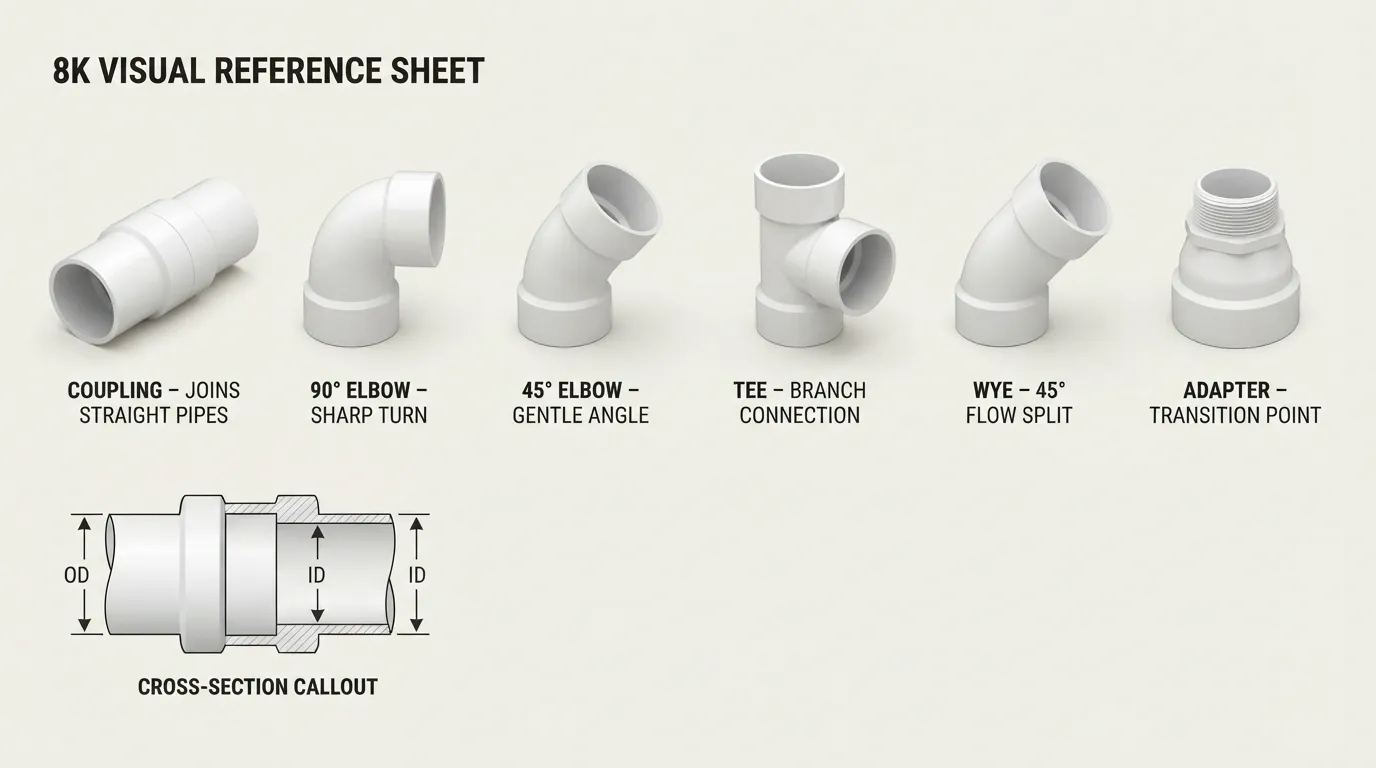
Here’s a breakdown of the fittings you’ll come across most often, and what each one actually does.
Coupling
Joins two straight sections of 3-inch pipe in a continuous line. Available in slip (solvent weld), push-to-connect, and rubber-shielded repair versions.
Elbow (90° / 45°)
Changes the direction of the pipeline. A 90° elbow makes a sharp turn; a 45° elbow gives a gentler bend, which is often preferred for drain lines to keep flow moving smoothly.
Tee & Wye
Splits one pipe into two directions or merges two lines into one. A wye fitting is generally preferred over a tee on drain lines because its angled branch reduces the chance of clogs.
Adapter
Converts a slip (smooth) connection into a threaded one, or connects 3-inch pipe to a different pipe size or material — for example, PVC-to-threaded steel transitions.
Which Material Do You Actually Need?
This is where most confusion happens, because the “right” material depends entirely on what’s flowing through the pipe.
PVC (Schedule 40)
Most common choice for residential drainage and venting. Lightweight, corrosion-resistant, and handles non-pressurized, gravity-fed flow efficiently.
ABS
Similar use case to PVC for DWV systems. Some local codes favor one over the other, so it’s worth confirming what’s approved in your area before mixing materials.
Steel / Threaded
Used for pressurized fluid or air lines and structural applications where strength matters more than ease of installation.
Sizing Explained: ID, OD, and Thread Types
This is probably the most confusing part of buying pipe fittings, so let’s break it down plainly.
NPT vs. “Pipe Thread” — Are They the Same?
NPT (National Pipe Thread) is the most common threaded pipe standard used in the U.S. and is what people are almost always referring to when they say “pipe thread.” However, not all pipe threads are NPT — some specialty or imported fittings use different thread standards, which is why threaded fittings from different manufacturers don’t always seal properly together. When in doubt, match fittings from the same standard or confirm compatibility before installing.
How Do You Identify Thread Size?
Thread size is typically identified by measuring the outer diameter of the threaded section and counting the threads per inch (TPI), then comparing those measurements against a standard pipe thread chart. If you’re not confident measuring threads accurately, bringing the old fitting to a supplier — or having a plumber confirm it — avoids a mismatched, leaking connection.
Important: All-thread rod used for pipe hangers and supports is sized based on the load and hanger specification — not directly by the pipe’s nominal diameter. Always check the hanger manufacturer’s rating rather than assuming a fixed rod size for 3-inch pipe.
How to Choose the Right Fitting for Your Project
Use this quick decision guide based on what your pipe is actually doing:
- Drain or vent line: PVC or ABS slip fittings, Schedule 40 — wyes preferred over tees for drainage to reduce clog risk.
- Irrigation main line: Push-to-connect or solvent-weld PVC fittings, depending on your system design.
- Pressurized water, air, or gas line: Threaded steel or Schedule 80 fittings rated for pressure — never use standard drainage-grade PVC here.
- Connecting two different pipe sizes or materials: A dedicated adapter fitting rather than forcing an incompatible connection.
DIY Installation vs. Calling a Licensed Plumber
Not every 3-inch fitting job needs a professional — but some absolutely do.
Usually DIY-Friendly
- Irrigation line repairs
- Replacing an exposed, accessible coupling
- Non-pressurized above-ground repairs
Call a Licensed Plumber
- DWV connections tied into your main sewer or vent stack
- Any pressurized water or gas line fitting
- Work requiring permits or code compliance
- Fittings connected near a water heater or other major fixture
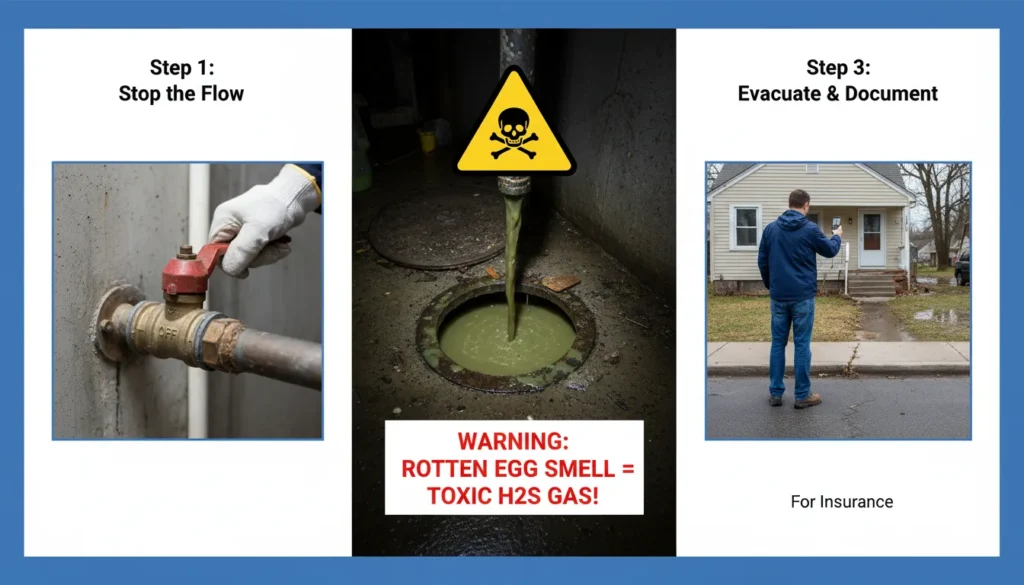
Pipe fittings that tie into your main drain, vent stack, or pressurized supply lines are exactly where a small mistake becomes an expensive one — a poorly sealed 3-inch DWV connection can mean sewer gas leaks or slow drainage failures down the line. The same care applies when fittings connect near larger fixtures; if you’re also planning a water heater replacement, getting the surrounding pipe connections right is just as important as the unit itself.
Key Takeaways
- Fitting type (coupling, elbow, tee/wye, adapter) depends on the direction and purpose of your pipe run.
- Material choice depends on whether the line is gravity-fed drainage (PVC/ABS) or pressurized (steel/Schedule 80).
- 3-inch Schedule 40 pipe has a standardized 3.5-inch outer diameter, but always confirm ID and thread type before buying.
- DIY is fine for simple, accessible, non-pressurized repairs — anything tied into your main DWV or pressurized lines should go to a licensed plumber.
Frequently Asked Questions
Is there a 3 inch pipe?
Yes. 3-inch is a standard nominal pipe size used across PVC, ABS, and steel for drainage, venting, irrigation, and pressurized applications.
What is the price of a 3 inch pipe, 20 feet?
Pricing varies significantly depending on material (PVC vs. steel), schedule rating, and retailer. It’s best to check current pricing directly with a local supplier or the retailer links in the resources section below.
What are three common pipe fittings?
Couplings, elbows, and tees are among the most commonly used fittings, alongside wyes and adapters for more specific applications.
What size all-thread rod is used for 3 inch pipe?
All-thread rod size for pipe supports is determined by the hanger design and load rating, not by the pipe’s nominal size alone. Check your specific hanger manufacturer’s specifications.
What size is a 3 inch pipe, really?
“3 inch” is a nominal label. For Schedule 40, the actual outer diameter is 3.5 inches, while the inner diameter is smaller and varies by wall thickness.
What is the ID of a 3 inch steel pipe?
The inner diameter depends on the schedule (wall thickness) of the pipe. Always confirm ID against the specific manufacturer’s spec sheet for the schedule you’re using.
What’s the OD of 3 inch Schedule 40 pipe?
3.5 inches — this outer diameter is standardized across Schedule 40 pipe regardless of whether it’s PVC or steel.
How do you identify pipe thread size?
Measure the outer diameter of the threaded section and count the threads per inch, then compare those figures to a standard pipe thread reference chart.
Are NPT and pipe thread the same?
NPT is the most common pipe thread standard in the U.S. and is usually what “pipe thread” refers to, but not every threaded fitting follows the NPT standard — always confirm compatibility before connecting mismatched fittings.
When to Bring in the Professionals
Picking the right fitting is only half the job — a solid, code-compliant installation is what actually prevents leaks, sewer gas issues, and repeat repairs down the line. If your project touches your home’s main drain, vent stack, or a pressurized supply line, it’s worth having it done right the first time.
Not Sure Which Fitting Your Project Needs?
The team at Miami Florida Plumbing can help you get it right the first time — from sizing and material selection to full installation. Explore our full range of plumbing services or reach out directly.
Where to Buy 3 Inch Pipe Fittings
If you’re sourcing parts yourself, here are some suppliers that carry a wide range of 3-inch fittings: