Installing a gas hot water heater is more than simply removing an old tank and connecting a new one. A safe installation has to account for the heater itself, the gas supply, water connections, venting, combustion air, pressure relief protection, location, manufacturer requirements, and applicable local codes.
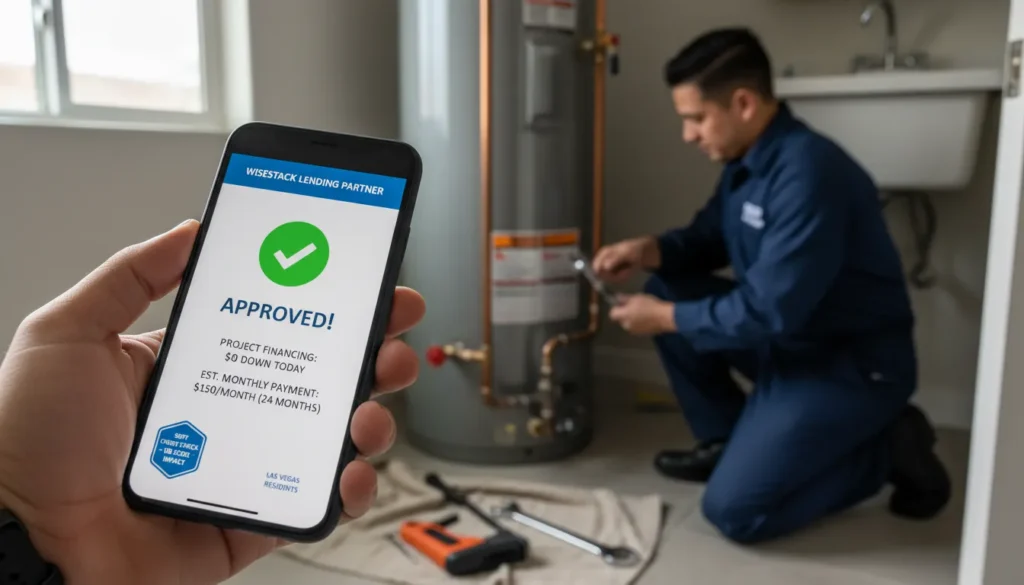
If you are replacing an existing gas water heater, the project normally involves assessing the existing installation, selecting a compatible replacement, safely shutting down and removing the old unit, positioning the new heater correctly, connecting the water and fuel systems, verifying venting and combustion-air requirements, and completing the required safety checks. Because gas, combustion and venting are involved, the actual installation should be performed or verified by a qualified professional when you are not specifically trained and authorized to do this work.
This guide will help you understand how gas hot water heater installation works, what should be checked before replacement, why venting and combustion air matter, whether replacing a gas water heater yourself is a good idea, and what to look for after the installation is complete.
Before You Install a Gas Water Heater, Know What You Are Replacing
One of the biggest mistakes homeowners make is assuming that a new gas water heater can simply be connected exactly like the old one.
A replacement is not automatically a like-for-like installation. The existing setup may have outdated components, unsuitable venting, inadequate access, missing safety provisions, or other conditions that need to be addressed before the new heater is installed.
Before choosing a replacement, you should evaluate:
- The fuel type and existing gas supply
- The type and size of the existing water heater
- The available installation space
- Access for servicing and future replacement
- The water supply and hot-water connections
- The existing venting arrangement
- Combustion-air requirements
- The temperature-and-pressure relief system
- Drainage and water-damage protection
- The manufacturer’s installation requirements
- Applicable Florida and local requirements
- Whether a permit or inspection is required for the project
This initial assessment can reveal problems that would otherwise remain hidden until installation day.
How a Gas Hot Water Heater Installation Works
At a high level, a gas tank water heater installation follows a logical sequence. The exact work varies according to the heater model, existing system, location, fuel supply, venting configuration and applicable requirements.
- Evaluate the existing installation. Confirm the replacement unit, location, connections and installation requirements are appropriate.
- Plan the replacement. Review the manufacturer’s instructions, required clearances, venting, combustion air, water connections and safety components.
- Safely shut down the existing system. The gas and water supplies must be handled safely before the old heater is removed.
- Remove the old heater. The tank must be emptied and disconnected using appropriate procedures before it can be moved.
- Prepare the installation area. The floor, drainage, access, clearances and surrounding conditions should be checked.
- Position the new heater. The unit needs to be located and supported according to its manufacturer’s instructions and applicable requirements.
- Complete the water-side connections. The cold-water supply, hot-water outlet and associated safety components must be compatible with the new unit.
- Address the gas and venting systems. Gas connections, combustion air and venting require particular attention because incorrect work can create fire, explosion or carbon-monoxide hazards.
- Fill and inspect the system. Water connections and the surrounding area should be checked for leaks and other problems.
- Commission and verify the heater. The completed installation should be checked for proper operation and compliance with the manufacturer’s requirements and applicable code.
Important Safety Warning
A gas water heater combines fuel, combustion and hot water. Incorrect gas connections, venting or combustion-air arrangements can create serious hazards. Do not experiment with gas piping, venting or combustion systems. If you are not qualified to perform this work, use a qualified plumbing professional and follow the heater manufacturer’s instructions and applicable local requirements.
What You Should Check Before Installing a Gas Water Heater
A good installation starts before the old heater is disconnected. These checks help determine whether the replacement is actually compatible with the home.
1. Fuel Type
Confirm whether the home uses natural gas or another approved fuel configuration and make sure the replacement heater is designed for that fuel. A heater designed for one fuel type should not simply be treated as interchangeable with another.
2. Heater Type and Capacity
Consider the household’s hot-water demand rather than choosing a replacement solely because it looks similar to the existing tank.
Think about:
- How many people regularly use hot water
- How many showers may occur close together
- Whether the home has a large tub or other high-demand fixtures
- How frequently hot water is used for appliances
- The existing heater’s capacity and recovery characteristics
The goal is to choose a heater that can meet the household’s actual demand without assuming that a larger tank is automatically the best choice.
3. Physical Location
The installation location needs to provide appropriate access and meet the requirements for the specific appliance. The surrounding area may also need appropriate protection, drainage, clearances and combustion-air provisions.
Do not assume that the old heater’s position automatically makes the location acceptable for a new model.
4. Venting
Gas combustion produces exhaust gases that must be handled by an appropriate venting system. The new heater and existing vent configuration must be compatible with one another.
Venting is especially important because a water heater that burns gas is not simply producing heat; it is also producing combustion byproducts that must be safely managed.
5. Combustion Air
A gas appliance needs adequate air for combustion. A replacement can therefore require a closer look at the room, closet or mechanical space in which it is installed.
Blocking or restricting required combustion air can create unsafe operating conditions. This is one reason why a new heater should not be treated as a simple tank swap.
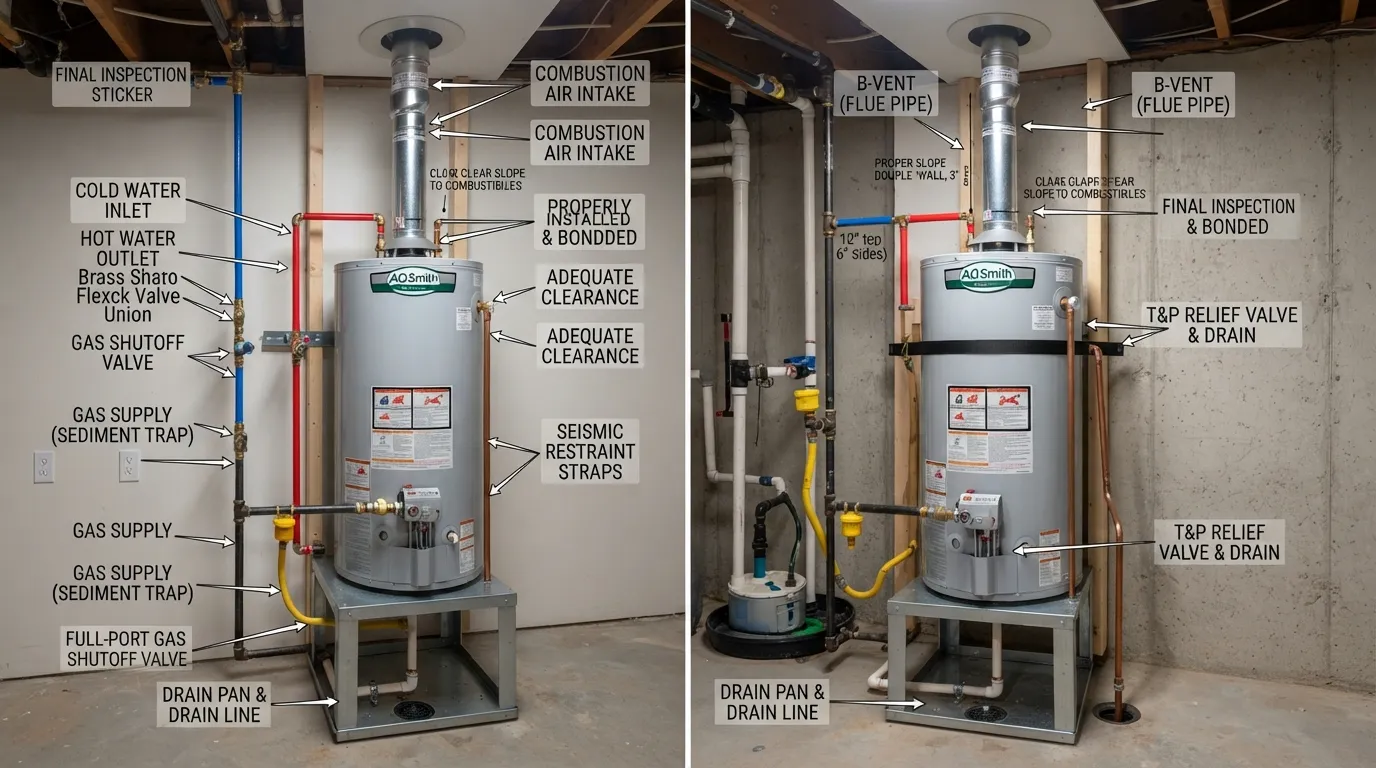
What Are the Main Parts of a Gas Water Heater?
Understanding the main components makes the installation easier to understand.
How to Replace an Existing Gas Water Heater
If your search for how to change a gas water heater or how to replace a gas water heater comes from a failing tank, the most important point is that replacement should begin with an assessment rather than immediate removal.
Step 1: Assess the Existing Installation
Look at the existing heater as a complete system rather than just a tank.
The installer should evaluate the fuel supply, water connections, venting, location, access, drainage, relief-valve arrangement and other relevant components before deciding how the replacement should be handled.
Step 2: Select a Compatible Replacement
The replacement should be selected according to the manufacturer’s specifications and the home’s requirements. Capacity, fuel type, dimensions, venting, connections and installation location all matter.
This is also the point where you should determine whether you are replacing a conventional storage tank with another storage tank or changing to a different type of water-heating system.
Step 3: Prepare for Safe Removal
The existing heater needs to be taken out of service safely before it is disconnected. Gas and water systems should be handled by someone qualified to perform the work.
The tank may contain very hot water, so draining and removal should be approached with appropriate precautions.
Step 4: Inspect the Installation Area
Once the old heater is removed, this is an opportunity to identify problems that were previously hidden.
Check the surrounding area for:
- Water damage
- Corrosion
- Drainage problems
- Floor or support concerns
- Access limitations
- Vent or flue concerns
- Signs of previous leaks
- Conditions that may affect the new installation
Step 5: Position the New Heater
The new unit should be positioned according to its manufacturer’s instructions and applicable requirements. It should be accessible for service and located in an environment appropriate for the appliance.
Clearances are not simply a cosmetic consideration. The required space around a gas water heater can affect safety, servicing and combustion or venting requirements.
Step 6: Connect the Water System
The cold-water inlet and hot-water outlet must be correctly identified and connected to the home’s plumbing system. The installation should also include the safety and drainage components required for the particular heater and location.
Do not assume that every connector or fitting from the old heater should automatically be reused. Components should be evaluated for compatibility and condition.
Step 7: Address Gas Supply and Venting
This is one of the most safety-critical parts of a gas water heater installation.
The gas connection, shutoff arrangement, appliance connection, venting system and combustion-air provisions must be compatible with the specific appliance and installed according to applicable requirements.
Because incorrect gas or venting work can create serious hazards, this portion should be handled by a qualified professional when you do not have the required training and authorization.
Step 8: Fill and Inspect the System
Before the heater is operated, the water side should be properly filled and inspected for leaks. The relief-valve system and discharge arrangement should also be verified as part of the completed installation.
Step 9: Commission the Appliance
The final stage is not simply turning the heater on. The completed installation should be checked against the manufacturer’s requirements and applicable code, with particular attention to safe combustion, venting, gas supply, water connections and proper operation.
Gas Water Heater Venting: Why It Matters So Much
Venting is one of the biggest differences between a gas water heater and an electric water heater.
An electric heater does not burn fuel inside the appliance. A gas water heater does, so the installation has to safely manage the products of combustion.
That means the venting arrangement needs to be appropriate for the specific appliance. The correct configuration can vary depending on the heater design, vent type, installation location and manufacturer’s instructions.
Do Not Copy the Old Venting Blindly
A replacement heater may have different venting requirements from the previous appliance. Always compare the new unit’s installation instructions with the existing system rather than assuming the old vent arrangement is automatically acceptable.
What Is Combustion Air and Why Does a Gas Water Heater Need It?
Combustion air is the air needed by a fuel-burning appliance to operate properly.
This becomes especially important when a water heater is installed inside a small room, closet or enclosed mechanical area. The available air supply and the configuration of the space can affect how the appliance operates.
A homeowner should therefore avoid closing off, blocking or modifying openings associated with appliance combustion without first confirming the requirements for the specific installation.
What About the Temperature-and-Pressure Relief Valve?
The temperature-and-pressure relief, or T&P, valve is an important safety component on a storage water heater.
Its purpose is to provide pressure and temperature protection under conditions specified by the appliance and applicable requirements. The associated discharge arrangement is also part of the safety system.
Because relief-valve installation requirements can be specific, the discharge arrangement should be checked against the applicable code and the manufacturer’s instructions rather than improvised.
Drain Pans, Expansion and Other Often-Overlooked Details
A successful water heater replacement is not just about getting hot water flowing again.
Depending on the installation, other considerations can include:
- A suitable drain pan or drainage arrangement
- Protection from water damage
- Thermal expansion considerations
- Water pressure
- Relief-valve discharge
- Access for future servicing
- Protection of nearby combustible materials
- Proper support and leveling
- Manufacturer-specific accessories or requirements
These details are exactly why a professional assessment can be valuable during a replacement.
Can You Replace a Gas Water Heater Yourself?
The Short Answer
A gas water heater replacement is not an ordinary DIY plumbing project. It involves fuel, combustion, venting, hot water and code requirements. If you are not trained and qualified to work on gas appliances, the safer choice is to have the installation performed by a qualified professional.
Even if the physical tank replacement looks straightforward, the difficult part is verifying that the entire installation is safe and appropriate.
Before attempting any work, consider whether you can confidently and legally evaluate:
- The appliance’s fuel requirements
- The gas supply and appliance connection
- Combustion-air requirements
- Venting compatibility
- Clearances and installation location
- Water connections
- Pressure and temperature relief protection
- Manufacturer requirements
- Local permit and inspection requirements
If any of those areas are uncertain, this is a good point to stop and bring in a qualified plumber.
Florida and Miami Gas Water Heater Installation Requirements
If your property is in Florida, the installation needs to follow the applicable Florida Building Code requirements as well as the manufacturer’s instructions and any applicable local requirements.
For Miami-Dade County, permitting can also be an important part of the project. The county’s current permitting guidance states that replacement of a hot water heater or gas appliance can require a permit, while municipal requirements can vary depending on where the property is located.
Because permitting rules and local jurisdiction requirements can change, verify the requirements for your exact property before work begins rather than relying on a generic online checklist.
For Miami Homeowners
If your property is in Miami-Dade, check the permitting requirements that apply to your specific municipality and project before replacing a gas water heater. The safest approach is to have the plumbing professional confirm the applicable requirements as part of the installation.
Common Gas Water Heater Installation Mistakes to Avoid
1. Assuming the New Heater Is Identical to the Old One
Two heaters can look similar while having different installation requirements. Always use the new appliance’s documentation.
2. Reusing Old Connections Without Inspection
Existing connectors and other components should be evaluated for condition and compatibility rather than reused automatically.
3. Ignoring Venting
A heater can appear physically installed while still having an unsuitable venting arrangement. Venting needs to be evaluated as part of the complete appliance installation.
4. Blocking Combustion Air
Enclosing or restricting a gas appliance without understanding its combustion-air requirements can create unsafe conditions.
5. Forgetting the Relief-Valve System
The temperature-and-pressure relief system is a safety component, not an optional accessory.
6. Treating a Replacement as Only a Plumbing Job
A gas water heater involves plumbing, fuel, combustion and venting. The installation needs to be evaluated as one complete system.
7. Skipping the Final Verification
Getting hot water from the faucets does not by itself prove that the installation is safe or complete.
What Should Be Checked After a Gas Water Heater Is Installed?
A professional final check should consider the complete installation rather than only whether the heater produces hot water.
How Long Does It Take to Install a Gas Water Heater?
There is no single installation time that applies to every property.
A straightforward replacement can be relatively quick, while a project involving difficult access, venting changes, gas-system work, code corrections, drainage changes or other modifications can take considerably longer.
The important question is not simply, “How fast can the tank be replaced?” It is:
“How much work is required to make the entire installation safe, compatible and compliant?”
Gas Tank vs. Tankless Water Heater Installation
A conventional gas storage water heater and a gas tankless water heater should not be treated as the same installation.
If you are considering changing from a tank water heater to a tankless model, treat it as a separate system-design decision rather than assuming the existing connections can simply be reused.
Gas Water Heater Installation: A Better Way to Think About the Job
The simplest way to understand a gas water heater replacement is to divide the job into four questions:
1. Is the heater right?
Fuel type, capacity, dimensions and application.
2. Is the location right?
Access, clearances, drainage and combustion conditions.
3. Is the system right?
Water, gas, venting and safety components.
4. Is the finished installation right?
Operation, safety verification, code and inspection requirements.
This approach is much safer and more useful than following a generic sequence without understanding what each stage is supposed to accomplish.
Frequently Asked Questions About Gas Water Heater Installation
How do I install a gas water heater?
A gas water heater installation involves evaluating the existing system, selecting a compatible appliance, safely removing the old unit, positioning the replacement, connecting the water system, addressing the gas and venting systems, and completing final safety and compliance checks. Because gas and combustion are involved, the installation should be performed or verified by a qualified professional when you are not trained for this work.
How do I replace a gas water heater?
Start by assessing the existing heater and installation rather than immediately disconnecting the tank. The replacement needs to be compatible with the fuel supply, water system, location and venting arrangement. After removal, the installation area and existing components should be inspected before the new heater is installed and commissioned.
Can you replace a gas water heater yourself?
Whether a homeowner can legally perform particular work depends on the jurisdiction and circumstances, but a gas water heater is not a simple DIY plumbing project. Gas connections, combustion, venting and safety requirements make professional installation the safer choice for homeowners who are not specifically qualified for this work.
Can I use the same vent for a new gas water heater?
Not automatically. The existing vent must be compatible with the new appliance and meet the manufacturer’s requirements and applicable code. A new heater can have different venting requirements from the old model.
Does a gas water heater need combustion air?
Yes, gas-burning appliances require appropriate air for combustion. The exact requirements depend on the appliance and installation environment, which is why enclosed spaces and closets need particular attention.
What is the most important safety component on a gas water heater?
There is not just one component responsible for safety. The gas controls, venting, combustion-air provisions, temperature-and-pressure relief system and other installation components all play important roles. A safe installation depends on the system working correctly as a whole.
How do I know if my old gas water heater should simply be replaced?
If the heater is failing, leaking, producing abnormal operation, or no longer meeting your household’s needs, replacement may be appropriate. However, the condition of the surrounding installation should also be assessed because replacing the tank does not automatically correct problems with venting, gas supply, drainage or other components.
Are permits required to replace a gas water heater in Miami?
Permit requirements depend on the property’s jurisdiction and the work being performed. Miami-Dade County’s permitting guidance identifies hot-water-heater and gas-appliance replacement among work that can require permitting, while municipalities within the county can have their own building officials and requirements. Verify the rules for your specific property before starting the project.
Is installing a gas water heater different from installing an electric water heater?
Yes. A gas water heater involves fuel combustion and venting, while an electric water heater does not burn gas. That makes gas-water-heater installation subject to additional considerations involving gas supply, combustion air and exhaust.
Is a gas tankless water heater installed the same way as a gas tank water heater?
No. Tankless gas water heaters have different installation requirements, including different considerations for venting, gas supply, mounting and system capacity. A tank-to-tankless conversion should therefore be evaluated as a separate project.
When Should You Call a Professional Plumber?
If the project involves a gas water heater, professional help is especially appropriate when you are dealing with gas connections, venting, combustion-air requirements, an enclosed installation location, a change in heater type, code concerns, leaks, or an installation that does not match the manufacturer’s instructions.
A professional can also identify problems that are easy to overlook when a homeowner focuses only on replacing the tank.
Need Help With a Gas Water Heater Replacement?
If your old gas water heater needs replacement, getting the complete installation evaluated can help you avoid treating a larger safety or code issue as a simple tank swap.
If you need broader plumbing assistance, you can also explore our plumbing services to find the service that best fits your situation.
For questions about your water heater or to discuss professional service, you can speak with a plumbing professional and explain what is happening with your current system.
Key Takeaways
- A gas water heater replacement is more than a simple tank swap.
- The replacement heater must be compatible with the home’s fuel, water, location and venting requirements.
- Venting and combustion air deserve particular attention because the appliance burns gas.
- The temperature-and-pressure relief system is an essential safety component.
- The existing installation should be evaluated rather than copied automatically.
- Final verification is just as important as the physical installation.
- Florida and local requirements should be confirmed before work begins.
- If you are not qualified to work on gas appliances, professional installation is the safer choice.
Helpful Gas Water Heater Installation Resources
For additional reference, these resources can help you review manufacturer guidance, installation considerations and local permitting information:
- Home Depot: How to Install a Gas Water Heater
- A. O. Smith: Water Heater Installation Guide
- Miami-Dade County: Plumbing Permits
- Miami-Dade County: How to Apply for a Permit
- Florida Building Commission: Florida Building Code Resources
Final note: Manufacturer instructions and the requirements applicable to your property should always take priority over a generic online installation guide. Gas appliance work should be approached as a complete safety and compliance project, not simply as a plumbing connection.