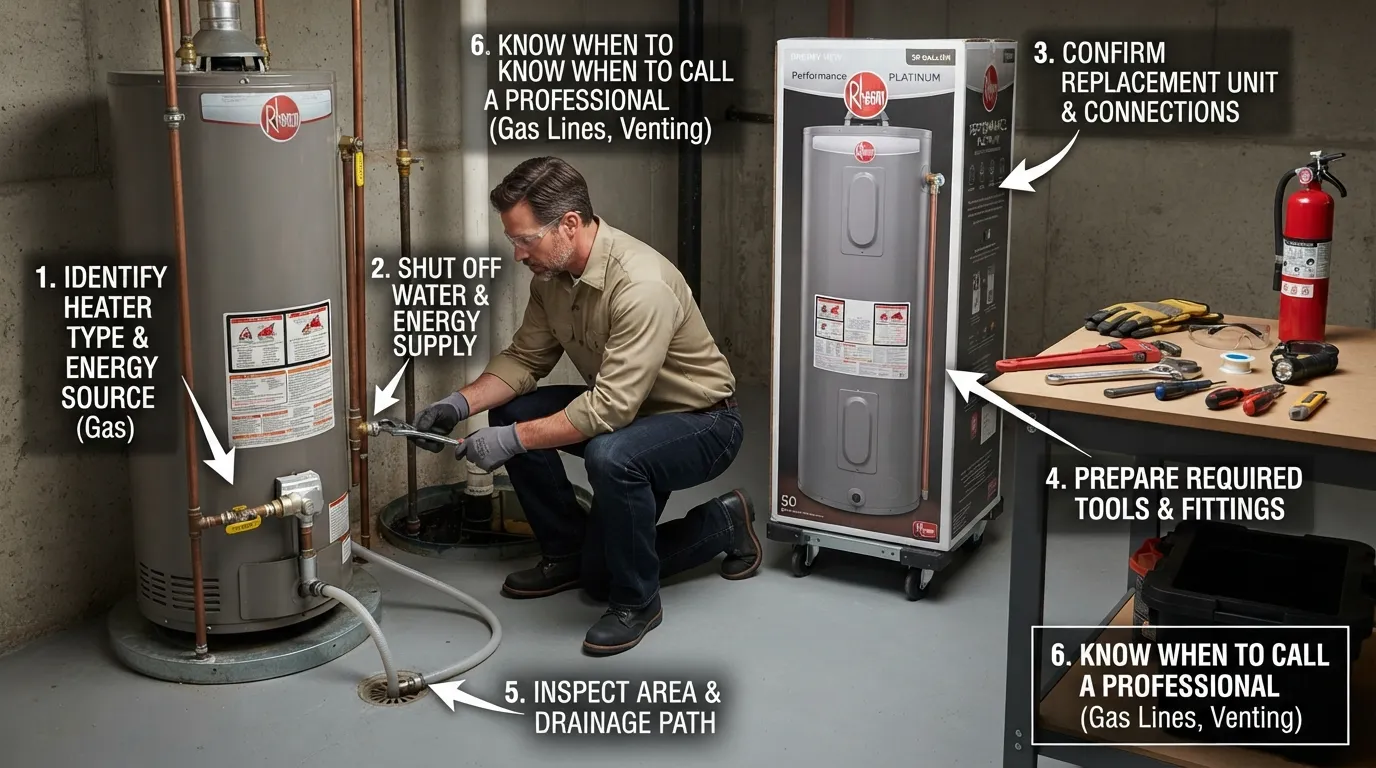
Thinking about a DIY water heater replacement? You may be able to handle a straightforward replacement yourself, but the right answer depends on what you are replacing, what is changing, and whether the work involves gas, electrical modifications, new venting, or other code-related changes.
If you are replacing an existing electric tank with a comparable unit in the same location, the project can be relatively straightforward for an experienced DIYer. A gas replacement, fuel-type conversion, tankless installation, relocation, or electrical upgrade is a very different situation and may require professional help and permits.
Can You Replace a Water Heater Yourself?
A same-location, like-for-like electric tank replacement is generally the most approachable DIY scenario. Gas-line work, venting changes, fuel conversions, tankless upgrades, relocation, or major electrical changes are more complex and should be handled according to applicable code requirements and, where appropriate, by a qualified professional.
The most important thing is not simply knowing how to remove an old tank. You need to know which replacement scenario you have, what equipment and parts are compatible, what local requirements apply, and where DIY should stop.
Before You Replace Your Water Heater, Identify Your Replacement Scenario
Not every water heater replacement is the same. Before buying a new unit or disconnecting the old one, look at the existing installation and determine which situation describes you.
That distinction is one of the most important parts of planning a DIY water heater installation. If you are changing the fuel type or making significant modifications, do not assume that instructions for a simple replacement apply to your project.
What Should You Check Before Buying a New Water Heater?
Your old water heater can provide useful information about the replacement you need. Before shopping, record the information on the existing unit’s data plate and measure the installation area.
- Fuel type: electric, natural gas, propane, or another configuration
- Tank capacity: record the existing gallon capacity
- Electrical specifications: if it is an electric model, verify the existing electrical requirements
- Physical dimensions: measure height, diameter and available clearance
- Connection locations: note where the hot and cold water connections are located
- Installation location: determine whether the replacement will stay in the same position
- Existing safety equipment: identify the components already installed around the tank
- Manufacturer specifications: compare the old and new unit requirements before purchasing
Do not choose a replacement based only on gallon capacity. A heater that fits your household’s hot-water demand still needs to physically fit the space and be compatible with the home’s existing infrastructure.
Before You Buy: Your Replacement Checklist
- Confirm the fuel type.
- Record the existing tank capacity.
- Check the electrical requirements on an electric unit.
- Measure the existing heater and installation space.
- Review the manufacturer’s installation requirements for the replacement.
- Determine whether you are performing an exact replacement or changing the system.
- Check your local permit and code requirements before starting.
What Tools and Parts May Be Needed?
The exact tools and materials depend on the type of water heater and the existing installation. A typical replacement may require basic plumbing tools, equipment for safely handling the old tank, and replacement components specified for the new unit.
Common Tools
- Adjustable or pipe wrenches appropriate for the connections
- Screwdrivers
- Pliers
- Tube or pipe cutting tools when applicable
- Level
- Garden hose for draining the tank
- Buckets and towels for residual water
- Appliance dolly or suitable moving equipment
- Appropriate electrical testing equipment for electric installations
Common Replacement Materials
- New water supply connectors where required
- Appropriate thread sealant for compatible threaded connections
- Required safety components specified by the manufacturer or applicable code
- Drain pan where required or appropriate
- Approved discharge piping for the temperature-and-pressure relief system
- Electrical fittings or other components required by the specific installation
Do not assume that every old component should simply be reused. Compare the existing installation with the new heater’s manufacturer instructions and applicable requirements before deciding which parts can remain.
How to Replace an Electric Water Heater: The Safe Replacement Sequence
The following overview is intended for a straightforward replacement scenario. Your specific heater’s manufacturer instructions and applicable local requirements take priority.
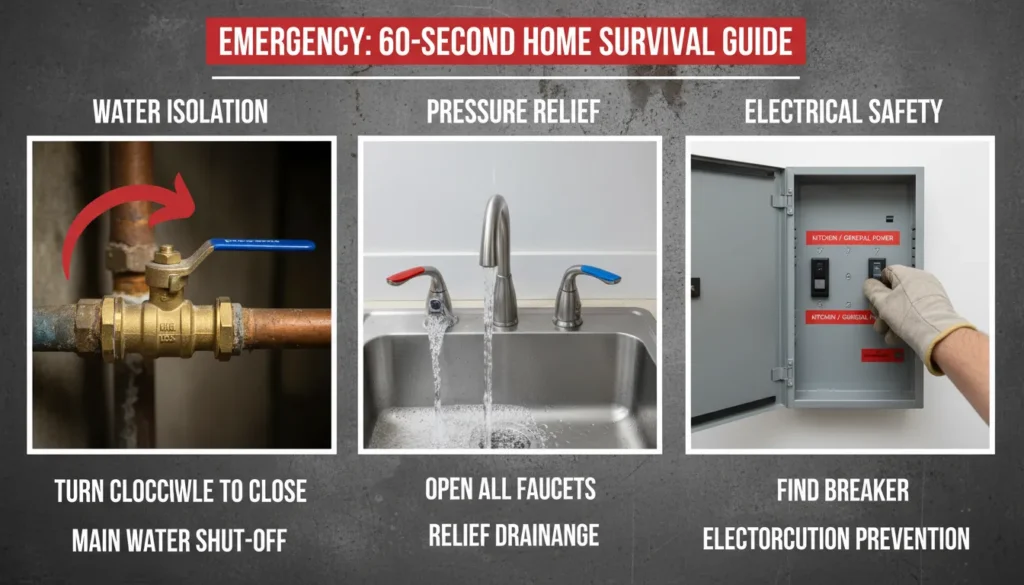
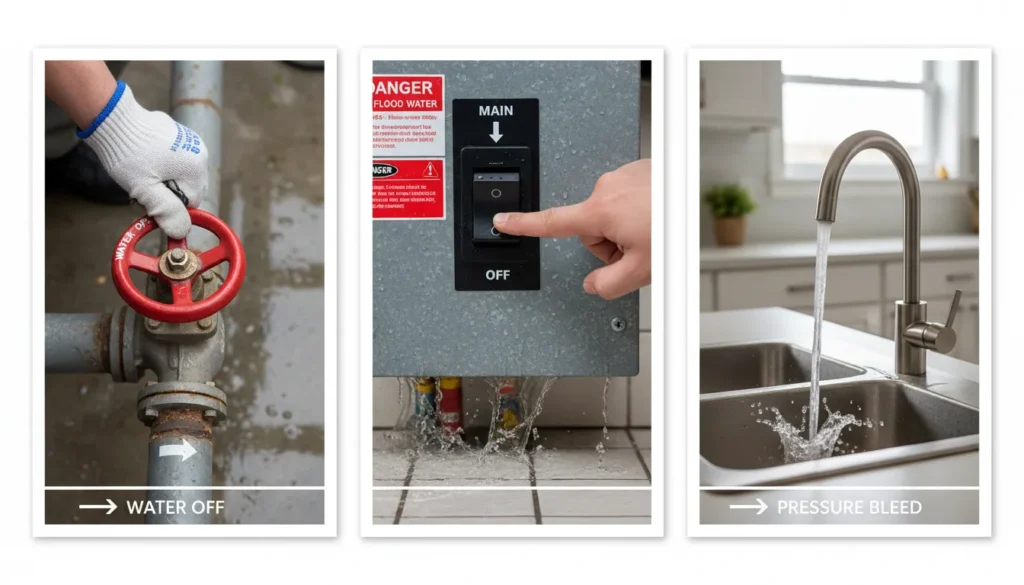
1. Shut Off the Energy and Water Supply
For an electric water heater, turn off the appropriate circuit breaker and verify that the equipment is actually de-energized before touching electrical components. Then shut off the water supply to the heater.
For a gas water heater, the gas supply and combustion/venting system introduce additional hazards. Do not treat gas work as interchangeable with an electric installation.
2. Relieve Pressure and Drain the Old Tank
Connect a suitable hose to the tank’s drain connection and direct the discharge to an appropriate location. Opening a hot-water faucet can allow air into the system and help the tank drain.
Remember that a drained water heater can still be heavy. Plan how you will move the old unit before you start.
3. Disconnect the Existing Connections
Once the old tank has been isolated, de-energized and drained, disconnect the existing water and, where applicable, electrical or gas connections according to the manufacturer’s instructions and applicable safety requirements.
Taking clear photographs before disconnecting an existing installation can help you document the original arrangement. Do not rely on a photograph, however, to determine whether an electrical or gas connection is safe to reproduce.
4. Position the Replacement Heater
Place the new heater in its intended location and verify that it is stable, level and properly positioned before making connections.
If the new unit is larger, smaller, moved, or installed in a different configuration, stop and reassess the installation requirements instead of improvising connections.
5. Install the Required Safety Components
Water heaters use safety components designed to manage temperature and pressure. The temperature-and-pressure relief system is particularly important.
Install and configure required components exactly as specified by the manufacturer and applicable code. Never modify, block or improperly terminate a safety discharge path simply because the existing installation appears to have been configured differently.
6. Reconnect the Water Supply
Connect the cold-water supply to the designated cold inlet and the hot-water outlet to the home’s hot-water line. Use compatible new connectors or other approved connection methods where appropriate.
Before turning the system back into service, inspect every connection for signs of leakage.
7. Fill the Tank Completely Before Energizing an Electric Heater
Critical Electric-Heater Warning
Do not energize an electric tank while it is empty. Make sure the tank has filled with water and the system has been properly purged of trapped air before restoring electrical power. Energizing an empty tank can damage its heating elements.
8. Check the Installation Before Startup
Open the appropriate water supply and carefully inspect the installation for leaks. Confirm that the tank is full before restoring power to an electric unit.
If you find a gas leak, electrical problem, major plumbing issue, damaged piping, or anything you cannot confidently identify, stop rather than experimenting with the system.
What Is Different About Gas Water Heater Replacement?
Gas water heaters require additional considerations that do not apply to a simple electric tank replacement.
- Gas supply connections
- Combustion and ventilation requirements
- Flue or venting configuration
- Carbon-monoxide safety
- Correct gas appliance requirements
- Leak testing and safe startup
- Applicable plumbing, gas and building requirements
This is why a gas water heater replacement should not be approached as simply “the same steps with a gas connection added.” If gas piping or venting needs to be modified, professional assistance is the safer choice.
Do You Need a Permit for Water Heater Replacement in Miami-Dade?
This is one area where you should check the actual local requirements before starting. Miami-Dade County’s permit guidance states that replacement of a hot water heater or gas appliance can require a permit, while its published permit-exemption information also identifies specific limited exemptions for certain work. The applicable requirement can depend on the exact project, property location, equipment and who performs the work. :contentReference[oaicite:0]{index=0}
Miami-Dade’s homeowner plumbing FAQ also distinguishes between exact replacements and changes such as converting from gas to electric or electric to gas. It notes that plans are not required for an exact replacement in the listed circumstances, while fuel-type conversions can require plans because of plumbing and electrical modifications. :contentReference[oaicite:1]{index=1}
Miami Homeowner Checkpoint
Do not rely on a generic DIY article to determine whether your particular Miami-area replacement needs a permit. Check the requirements for your property and municipality before beginning the work. Miami-Dade County explains that municipalities have their own Building Officials, and permit requirements can vary with the project. :contentReference[oaicite:2]{index=2}
DIY Water Heater Replacement Cost: What Should You Actually Budget For?
The cost of a DIY replacement is more than the price printed on the water heater box.
Your total project cost can include:
- The new water heater
- Water connectors and other replacement parts
- Required safety components
- Drain pan or other installation materials where applicable
- Tools you do not already own
- Permit or inspection costs where applicable
- Removal and disposal of the old unit
- Unexpected repairs discovered after the old heater is removed
That is why “DIY saves the installation cost” can be misleading. You are primarily taking on the labor and responsibility yourself; you are not eliminating the cost of the equipment, required materials, compliance or unexpected problems.
Common DIY Water Heater Replacement Mistakes
A good replacement guide should not only tell you what to do. It should tell you what can go wrong.
When Should You Stop the DIY Project and Call a Plumber?
Knowing when not to continue is part of doing a DIY project responsibly.
Consider professional help if:
- You need to modify a gas line.
- You need to modify or install gas venting.
- You are converting from gas to electric or electric to gas.
- The electrical service or circuit needs significant modification.
- You are moving the water heater to another location.
- You are replacing a tank with a tankless system.
- You discover severely corroded, damaged or incompatible piping.
- You are unsure whether the system is fully de-energized or safely isolated.
- You cannot determine which local permit or inspection requirements apply.
- You find a problem that is outside the original replacement scope.
The Best DIY Rule
If the project changes from a straightforward replacement into a modification of gas, electrical, venting, location or major plumbing infrastructure, stop and reassess.
Saving labor costs is not worth creating a gas, electrical, pressure, leak or code problem that can become much more expensive later.
What to Check After Installing a New Water Heater
Do not consider the job finished the moment the new tank is connected. Give the installation a deliberate final check.
- Confirm the water supply is operating normally.
- Inspect all accessible water connections for leaks.
- Verify that the tank is properly filled before energizing an electric heater.
- Confirm the system is operating according to the manufacturer’s instructions.
- Check for unusual noises, leaks or other signs of a problem.
- Make sure required safety components have been installed correctly.
- Keep documentation for the new water heater, including its model and installation information.
Why Water Heater Maintenance Still Matters After Replacement
A new water heater is not maintenance-free. Regular inspection and appropriate maintenance can help you identify leaks, sediment-related problems and other issues before they become larger repairs.
Watch for Early Warning Signs
- Water collecting around the heater
- Unusual rumbling or popping noises
- Rust or corrosion
- Insufficient hot water
- Unexpected changes in performance
- Leaks around connections or components
Always follow the manufacturer’s maintenance recommendations for your specific model rather than assuming that every tank uses the same maintenance schedule or procedure.
Electric Water Heater Installation Diagram: What Are You Looking At?
If you search for an electric water heater installation diagram, you will usually see the major components and connection relationships rather than a universal diagram that applies to every model.
The important concepts are:
- Cold-water inlet
- Hot-water outlet
- Temperature-and-pressure relief system
- Drain connection
- Electrical supply and disconnecting means
- Heating elements and thermostatic controls
Do not use a random internet diagram as a substitute for the installation instructions supplied with your specific water heater. Electrical requirements can vary by model and installation.
Gas Water Heater Installation Diagram: What Changes?
A gas water heater has the same basic goal—heat and store domestic hot water—but the installation includes additional gas and combustion-related components.
A typical gas installation may involve:
- Cold-water inlet
- Hot-water outlet
- Gas supply
- Gas shutoff
- Combustion system
- Venting or flue system
- Temperature-and-pressure relief system
- Drain connection
Because incorrect gas or venting work can create serious hazards, a diagram should be used to understand the system rather than as permission to improvise a gas installation.
Frequently Asked Questions About DIY Water Heater Replacement
Is DIY water heater replacement a good idea?
It can be reasonable for a capable DIYer when the project is a straightforward, like-for-like replacement and the person understands the applicable requirements. Gas work, fuel conversions, relocation, tankless upgrades and major electrical modifications are substantially more complicated.
Can I replace an electric water heater myself?
A like-for-like electric tank replacement is generally the most approachable DIY scenario. However, you still need to correctly isolate the electrical supply, make compatible connections, follow the manufacturer’s instructions and comply with applicable local requirements.
Can I replace a gas water heater myself?
Gas water heater replacement introduces gas-supply, combustion and venting considerations. If the project involves gas-line or venting work, professional assistance is the safer approach.
What is the most important mistake to avoid with an electric water heater?
Never energize an electric tank while it is empty. The tank should be completely filled before electrical power is restored.
How much does DIY water heater replacement cost?
There is no single DIY price because the total depends on the water heater, required parts, tools, permit or inspection requirements, disposal and any unexpected repairs. The important comparison is the total DIY project cost versus the total professional installation cost—not simply the heater’s purchase price.
Do I need a permit to replace a water heater in Miami?
Permit requirements depend on the exact project and location. Miami-Dade County publishes both general permit guidance and specific exemptions, so check the current requirements applicable to your property before starting. :contentReference[oaicite:3]{index=3}
Should I replace a water heater with the same size?
Not automatically. Use the existing heater as a starting point, but consider household demand, physical dimensions, fuel type, electrical requirements and the manufacturer’s specifications before selecting the replacement.
What if I want to change from gas to electric?
Treat it as a system modification rather than a simple replacement. Miami-Dade’s homeowner plumbing FAQ specifically distinguishes fuel-type conversions from exact replacements and notes that plans can be required for gas-to-electric or electric-to-gas changes. :contentReference[oaicite:4]{index=4}
When should I call a professional plumber?
Call a professional when the project involves gas-line or venting modifications, significant electrical changes, fuel conversion, relocation, a tankless upgrade, major piping problems, or anything you cannot safely verify yourself.
DIY Water Heater Replacement: The Bottom Line
A successful water heater replacement is not about following the longest list of installation steps. It is about correctly identifying the project before you begin.
If you have a straightforward same-location electric tank replacement and understand the applicable requirements, DIY may be an option. If the project involves gas, venting, fuel conversion, relocation, tankless equipment, significant electrical work or unclear code requirements, the project deserves a more cautious approach.
Your Simple Decision Test
- Same fuel type? If not, expect a more complicated project.
- Same location? If not, additional planning may be necessary.
- Same basic system requirements? Verify before purchasing.
- Do you understand the safety requirements? If not, stop and get qualified help.
- Have you checked local requirements? Do that before starting the work.
If you decide that DIY is not the right choice—or you discover a problem after removing the old unit—you can get help from Miami Florida Plumbing. For water-heater-specific information and professional replacement options, you can also explore our water heater replacement service.
Not Sure Whether Your Water Heater Replacement Is DIY-Friendly?
If your project involves gas, electrical changes, relocation, an unexpected plumbing problem, or you simply want a professional to handle the replacement, get help before a small issue becomes a costly one.
Related Plumbing Resources
If you are comparing your options beyond a single water-heater replacement, our plumbing services page can help you explore related plumbing solutions.
Helpful Reference Resources
For Miami-area permit questions, consult the current Miami-Dade County guidance before beginning work. Permit requirements can depend on the property, municipality and exact scope of the project. :contentReference[oaicite:5]{index=5}
Reference topics worth checking before you start:
- Current local plumbing and permit requirements
- The manufacturer’s installation manual for your exact water heater
- Applicable electrical, gas and plumbing requirements
- Current inspection requirements for your property
This guide is for general educational purposes. Water-heater installation requirements vary by equipment, property and jurisdiction. Always follow the manufacturer’s instructions and applicable local requirements. If a project involves gas, electrical modifications, venting or other safety-critical work beyond your expertise, use a qualified professional.