What Does Changing Out a Water Heater Involve?
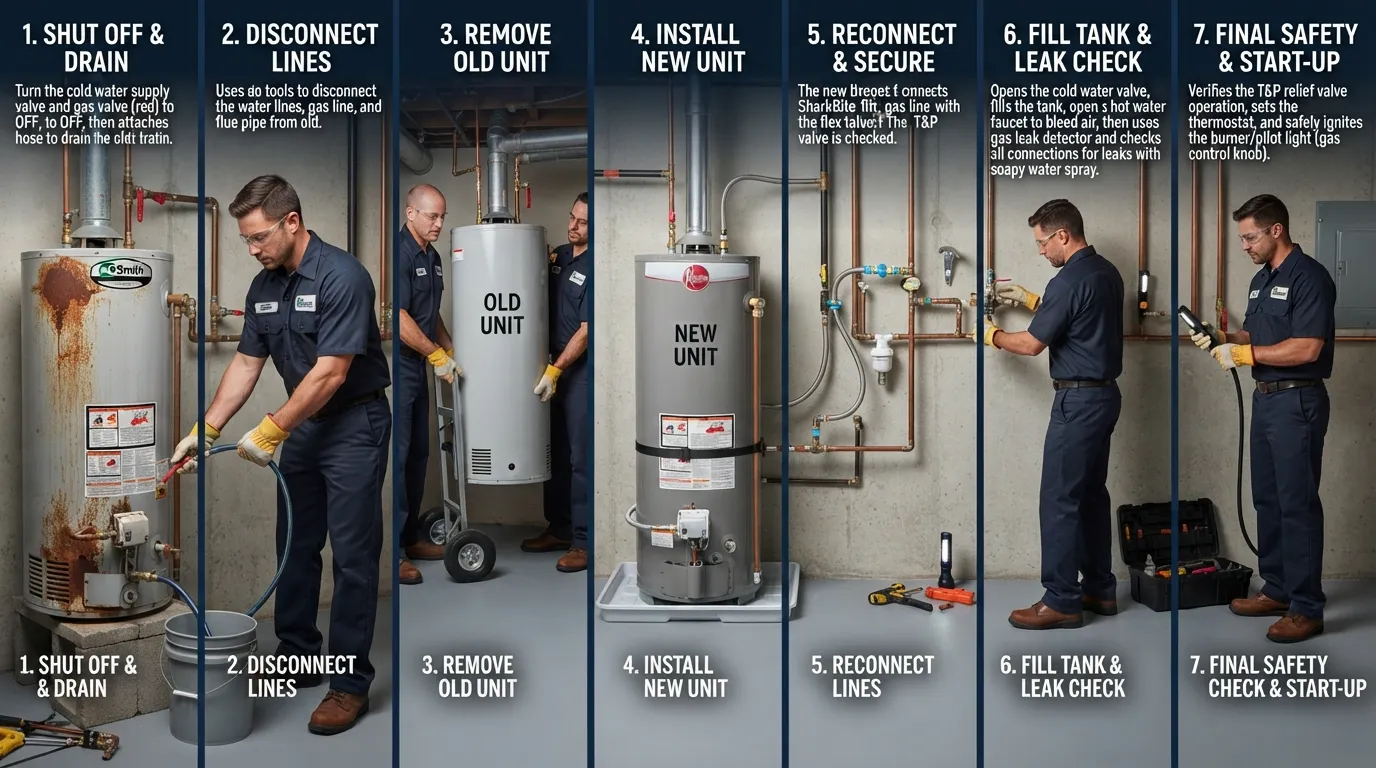
Changing out a water heater generally involves shutting off the energy source and water supply, draining the old tank, disconnecting the water and fuel or electrical connections, removing the old unit, positioning the replacement, reconnecting the required components, filling the tank, checking for leaks, and safely putting the system back into service.
The important part: the exact process depends on whether you have an electric or gas water heater, the existing connections, the replacement unit, and applicable local requirements. Electrical, gas, venting, and code-related work should not be treated as one-size-fits-all DIY instructions.
If you are searching for changing out a water heater, you probably want more than a list of steps. You want to know whether your old water heater actually needs replacement, what to check before removing it, what type and size of replacement will work, how electric and gas units differ, what can go wrong, and when it makes more sense to have a professional handle the job.
This guide walks you through those decisions in a practical order so you can understand the entire replacement process before you start.
Safety first: A water heater can involve electricity, gas, hot water, pressure, and combustion venting. Do not work on gas connections, combustion venting, or electrical wiring unless you are qualified and the work is permitted where required. If you are unsure about any part of the installation, stop and contact a qualified professional.
Before Changing Out Your Water Heater: Do You Really Need a Replacement?
Not every water-heater problem means the entire unit needs to be replaced. Some problems can come from individual components or connections while the tank itself remains serviceable.
Replacement becomes a more serious consideration when the tank itself is leaking, corrosion has compromised the unit, failures keep returning, or the water heater is no longer a sensible fit for your household’s needs.
A simple replacement decision
- Is the tank itself damaged or leaking? If the storage tank has failed, replacement is generally the appropriate direction.
- Is the problem a replaceable component? A serviceable component may sometimes be repaired instead of replacing the entire heater.
- Is the current heater the right size and type? A replacement is an opportunity to correct an undersized or poorly matched system.
- Are you changing fuel type or equipment type? Moving between electric, gas, tankless, or other systems can involve additional requirements.
- Does the replacement meet your home’s installation requirements? Check dimensions, connections, energy source, drainage, safety components, and applicable local requirements before ordering.
What to Check Before You Remove the Old Water Heater
One of the easiest ways to create a difficult replacement is to remove the old water heater before confirming what the new one needs. Spend a few minutes documenting the existing installation first.
- Identify whether the existing unit is electric or gas.
- Record the manufacturer’s model and capacity information.
- Note where the hot-water outlet and cold-water inlet are located.
- Look at the existing drain connection and drain pan.
- Check the available installation space, including height and clearance.
- Identify how the water lines connect to the existing heater.
- For electric units, identify the existing electrical requirements.
- For gas units, note the gas connection and venting arrangement without modifying them unless qualified to do so.
- Check whether an expansion tank or other components are part of the existing installation.
- Confirm local permit and code requirements before beginning work.
If you are in Miami-Dade County, permit requirements can depend on the exact work, property, equipment, and jurisdiction. Miami-Dade’s official guidance includes specific exemptions for certain electric water-heater replacements, while other situations may require permitting. Because local rules can change and municipalities can have their own building officials, verify the requirements that apply to your property before work begins.
Electric vs. Gas Water Heater Replacement
The phrase “change out a water heater” sounds simple, but an electric replacement and a gas replacement are not interchangeable jobs.
If you are specifically looking for how to install an electric hot water heater, do not assume that the electrical connection can simply be copied without checking the replacement unit’s requirements. Likewise, a gas water heater should not be treated like an electric tank with a gas line added to it.
How to Change Out a Water Heater
Once you have confirmed that replacement is appropriate and the new unit is compatible, the job can be understood as a sequence of stages. The exact connection method varies by equipment and installation, so use the manufacturer’s instructions and applicable codes for the specific unit.
1. Shut Off the Energy Source and Water Supply
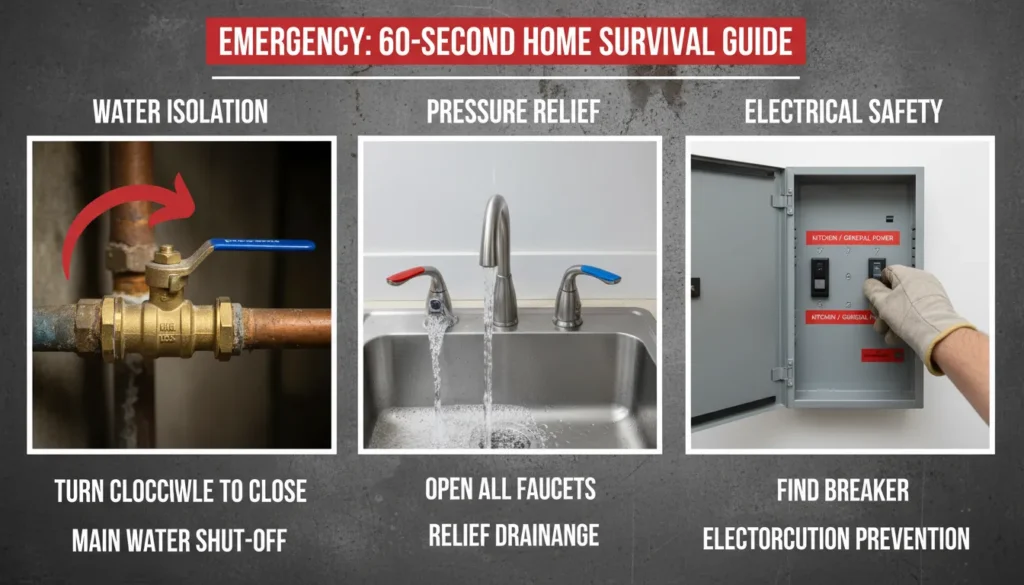
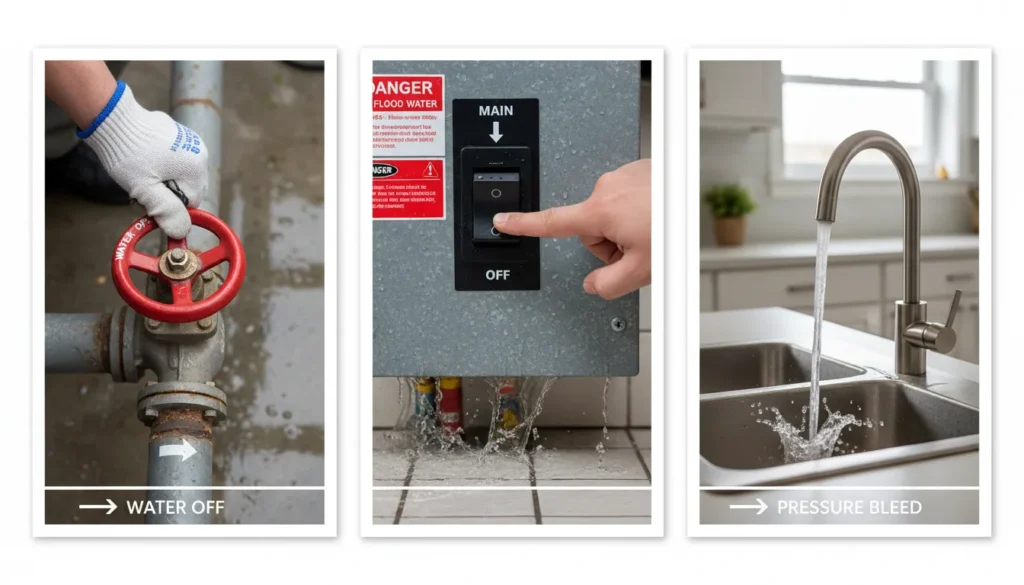
Before disconnecting anything, shut off the water supply to the heater and safely isolate its energy source.
- For an electric water heater, the appropriate electrical circuit must be switched off and verified before electrical work.
- For a gas water heater, the gas supply must be safely shut off before disconnecting gas-related components.
- Close the cold-water supply to the heater.
- Allow hot water to cool before draining the tank.
2. Drain the Old Water Heater
Connect an appropriate drain hose to the tank’s drain valve and route the discharge to a suitable location. Opening a hot-water faucet can help air enter the plumbing while the tank drains.
Do not rush this step. A storage water heater can contain a substantial amount of water, and the water may still be hot.
3. Disconnect the Water Connections
Once the tank has drained sufficiently, disconnect the hot and cold water connections using the appropriate method for the existing installation.
Take a moment to photograph the existing connections before removing them. A clear reference photo can help you understand the original arrangement when positioning the replacement.
4. Disconnect the Electrical or Gas Components
This stage is where the replacement process becomes specific to the type of water heater.
Electric: electrical conductors and connections must be safely isolated and disconnected by a qualified person when required.
Gas: gas connections and venting require careful handling. Do not improvise gas piping or combustion venting arrangements.
5. Remove the Old Tank
A water heater is heavy even after it has been drained. Make sure the route is clear and use appropriate moving equipment and enough help to prevent injury or property damage.
Before placing the replacement, inspect the installation area for signs of leakage, corrosion, damaged flooring, or other problems that should be addressed.
6. Position the New Water Heater
Place the replacement unit in the correct location and make sure it is properly supported and positioned according to the manufacturer’s installation requirements.
Where required, use an appropriate drain pan and drainage arrangement. Confirm that the water connections, energy connections, relief-valve arrangement, and service clearances can all be completed correctly before finalizing the position.
7. Reconnect the Water Lines and Safety Components
Reconnect the cold-water inlet and hot-water outlet using fittings and connection methods compatible with the replacement unit and existing plumbing.
The temperature and pressure relief valve, commonly called the T&P relief valve, is an important safety component. It and its discharge arrangement must be installed according to the manufacturer’s instructions and applicable code. Never cap, block, or improperly modify a relief-valve discharge path.
8. Reconnect the Energy Source
For an electric unit, the electrical connection must match the replacement heater’s requirements and be completed safely.
For a gas unit, the gas connection and venting system must be appropriate for the replacement appliance. If the installation requires modifying gas piping or venting, this is a point where professional installation is strongly recommended unless you are properly qualified and authorized to perform the work.
9. Fill the Tank Before Starting the Heating System
Open the cold-water supply and allow the tank to fill. Opening a hot-water fixture can help release trapped air while the tank fills.
For a conventional electric storage water heater, do not energize the heating elements before the tank is properly filled. An empty or partially filled tank can damage heating elements.
10. Check for Leaks and Test the System
Before considering the replacement complete, inspect every accessible water connection for leaks. Check the drain valve and other connection points, then verify that the heater operates normally according to the manufacturer’s instructions.
Final commissioning checklist
- Water supply is fully open.
- Tank is properly filled.
- Water connections have been checked for leaks.
- Drain valve is closed and dry.
- T&P relief-valve arrangement is correct.
- Electrical or gas connections have been safely completed.
- Gas venting is correctly configured where applicable.
- Heating system is started only after the appropriate checks are complete.
- Hot-water delivery is verified at a fixture.
- The installation area is checked again after the system has operated.
How to Choose the Right Replacement Water Heater
Replacing an old heater with whatever tank is easiest to find is not always the best approach. The replacement should fit your household’s hot-water demand, available space, energy source, plumbing configuration, and installation requirements.
Consider Tank Capacity and Hot-Water Demand
Tank capacity is only part of the sizing decision. Your household’s peak hot-water demand and the heater’s first-hour capability are also important when comparing storage water heaters.
Think about how many people live in the home, how many showers may happen close together, whether multiple appliances use hot water, and whether your current heater regularly runs out of hot water.
Check Physical Dimensions and Connections
A replacement can have the correct capacity and still be a poor fit if it does not physically fit the space or its connections do not align with the existing installation.
Measure the available space and verify the required connection locations before purchasing the unit.
Consider Whether You Are Changing Equipment Type
Replacing a conventional electric tank with another compatible electric tank may be relatively straightforward compared with changing fuel type, moving the heater, or converting to a different water-heating technology.
A change in equipment type can affect electrical capacity, gas supply, venting, plumbing, drainage, space requirements, and permitting.
Common Water Heater Replacement Mistakes to Avoid
The most useful replacement advice is not just what to do. It is knowing what can go wrong.
- Choosing a replacement based only on tank size. Household demand and the equipment’s performance matter too.
- Removing the old unit before checking the new unit’s dimensions and connections.
- Skipping the leak check. A small connection leak can become a larger problem after the system is operating.
- Energizing an electric heater before the tank is filled. This can damage heating elements.
- Improvising gas or venting connections. Gas and combustion systems require proper installation.
- Ignoring the T&P relief valve. It is a critical safety component and must be installed correctly.
- Forgetting local requirements. Permit and code requirements can vary by jurisdiction and project.
- Assuming every replacement is an exact change-out. Changes in capacity, energy source, location, or equipment type can introduce additional work.
- Working alone with a heavy tank. Proper handling equipment and assistance can prevent injury and property damage.
How Long Does It Take to Replace a Water Heater?
There is no single replacement time that applies to every home. A straightforward replacement can be very different from a job that involves moving the unit, changing fuel type, modifying plumbing, upgrading electrical service, changing venting, or correcting an existing installation.
The condition of the existing connections and accessibility of the water heater also matter. If the old unit is in a tight space or the installation requires additional work to meet current requirements, the project can take longer than a basic same-location replacement.
What Affects Water Heater Replacement Cost?
If you are searching for hot water tank replacement cost, avoid judging a project from the price of the tank alone. The total cost can depend on several parts of the job.
- The type and capacity of the replacement heater
- Equipment efficiency and features
- Labor and installation complexity
- Accessibility of the existing water heater
- Required plumbing modifications
- Electrical requirements
- Gas piping or venting requirements
- Drain pan and drainage requirements
- Permits or inspections where applicable
- Removal and disposal of the old unit
- Whether the replacement is an exact change-out or an equipment upgrade
If you want an accurate quote, the installer should evaluate the existing heater, access, connections, replacement equipment, and any additional work rather than relying only on the tank’s advertised price.
When Should You Hire a Professional?
A homeowner can learn the replacement process, but understanding the process and performing every part of the installation are not the same thing.
Stop and call a professional if:
- You are not qualified to perform the required electrical work.
- The job involves gas piping or combustion venting that needs to be changed.
- You are unsure whether the existing installation is safe or code-compliant.
- The replacement requires significant plumbing modifications.
- You cannot safely move or position the water heater.
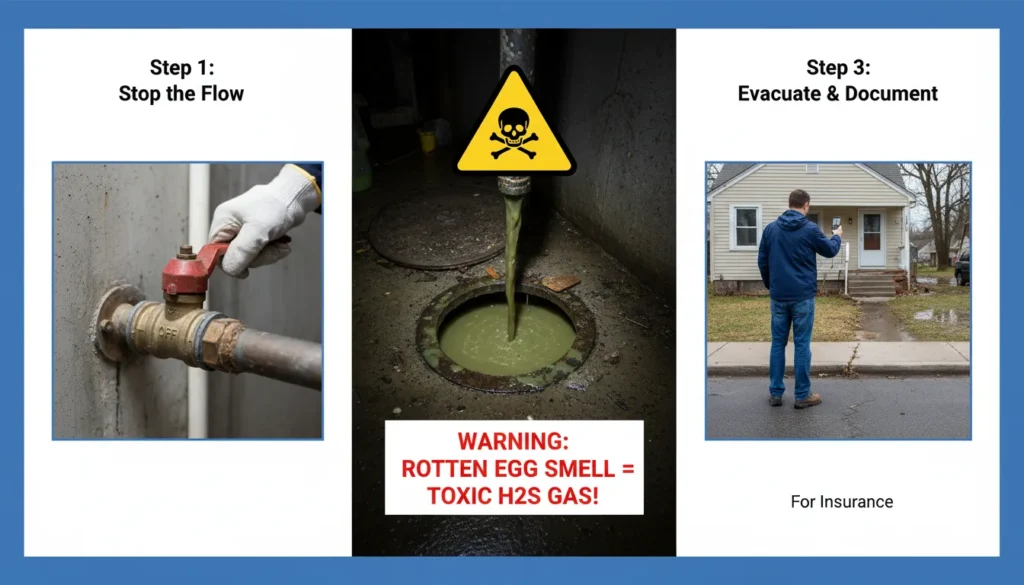
- You discover damaged piping, significant corrosion, or unexpected leaks.
- You are unsure which replacement equipment is compatible.
- You do not know whether a permit or inspection is required.
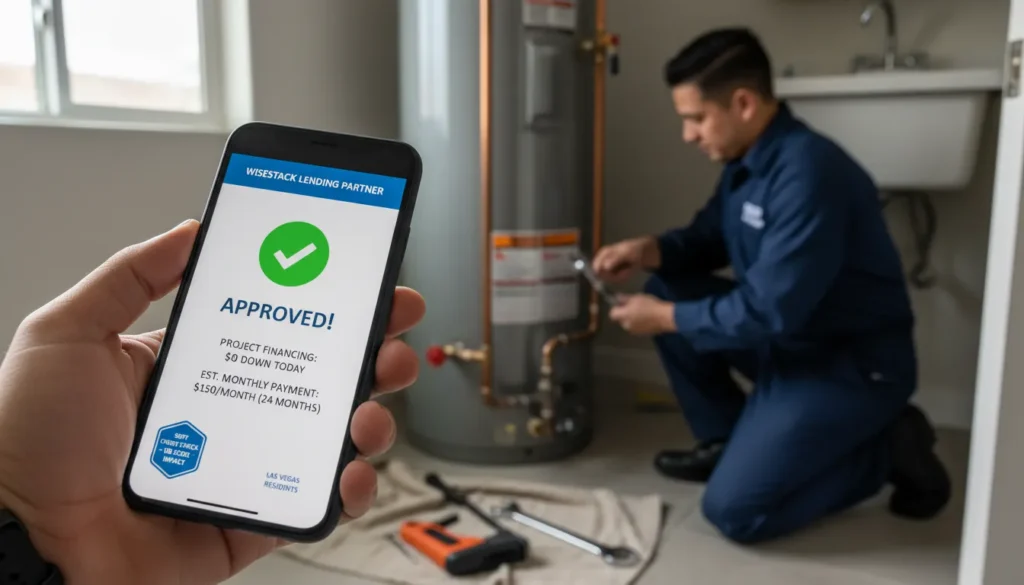
If you are dealing with an urgent replacement or simply want the installation handled correctly, professional water heater replacement can take the uncertainty out of the process.
Miami-Dade Considerations for Water Heater Replacement
Local requirements matter when changing out a water heater. In Miami-Dade County, permitting information includes specific rules and exemptions for certain water-heater work, and requirements can vary depending on the property, equipment, scope of work, and jurisdiction.
For that reason, do not assume that a replacement is automatically permit-free—or automatically requires the same permit—as another installation. Verify the current requirements for your specific property before starting work.
For broader plumbing needs beyond the water heater itself, you can also explore our plumbing services.
Water Heater Replacement: A Practical Decision Guide
Use this order before you start
- Confirm the problem. Determine whether you need repair or full replacement.
- Identify the existing system. Electric or gas, tank size, model, connections, and installation location.
- Choose the replacement carefully. Match household demand, dimensions, energy source, and installation requirements.
- Check local requirements. Confirm permits, inspections, and applicable code requirements.
- Plan the removal. Shut off energy and water, cool the water, drain the tank, and prepare a safe removal route.
- Install the replacement correctly. Address water connections, safety components, energy connections, and drainage.
- Fill before startup where required. Especially important for conventional electric storage heaters.
- Test everything. Check for leaks, verify operation, and inspect the installation after startup.
Frequently Asked Questions About Changing Out a Water Heater
Can I change out a water heater myself?
It depends on the equipment, installation, your qualifications, and local requirements. A water-heater replacement can involve heavy equipment, hot water, electricity, gas, pressure, and venting. If the job requires electrical, gas, or venting work you are not qualified to perform, hire a qualified professional.
Is changing out an electric water heater easier than replacing a gas water heater?
The systems have different requirements. An electric water heater involves electrical connections and heating elements, while a gas water heater involves fuel and combustion venting. Neither should be treated as a generic installation where the same steps apply to every model.
How do I replace an electric water heater?
The general process is to safely isolate the electrical supply and water supply, drain and remove the old tank, position the compatible replacement, reconnect the water and electrical components correctly, fill the tank, check for leaks, and only then place the heater into service according to the manufacturer’s instructions. Electrical work should be performed by someone qualified to do it safely.
How do I know what size water heater to buy?
Consider household size, peak hot-water demand, the heater’s capacity and first-hour performance, available space, and the existing energy source. Do not select a replacement based solely on the capacity printed on the old tank.
Should I replace my water heater with the same type?
Not necessarily. You may have reasons to consider a different technology or energy source, but changing equipment type can introduce additional plumbing, electrical, gas, venting, space, and permitting considerations. Evaluate the complete installation rather than choosing based only on the equipment itself.
What should I check after replacing a water heater?
Check the water connections and drain valve for leaks, confirm the tank is properly filled, verify the safety components, confirm the energy system is operating correctly, and make sure hot water is reaching the fixtures normally. Recheck the installation after the system has operated.
Do I need a permit to replace a water heater in Miami?
It depends on the specific property, equipment, scope of work, and jurisdiction. Miami-Dade County publishes permit requirements and exemptions, including provisions for certain electric water-heater replacements. Always verify the current requirements that apply to your particular installation before beginning work.
What is the most important mistake to avoid when replacing an electric water heater?
One critical mistake is energizing a conventional electric storage heater before the tank is properly filled. Heating elements can be damaged if they operate without being immersed as intended. Always follow the manufacturer’s startup procedure.
A Better Way to Approach Water Heater Replacement
The safest way to think about changing out a water heater is not as a simple “remove the old tank and connect the new one” project. It is a complete system replacement.
First determine whether replacement is actually needed. Then identify the existing system, choose compatible equipment, check local requirements, plan the removal, install the replacement with the correct safety components, and verify the finished system before considering the job complete.
That approach helps you avoid the most common problems: buying the wrong unit, discovering incompatible connections after removal, overlooking safety requirements, or starting the new heater before the installation is ready.
Need Help Replacing Your Water Heater?
If your water heater is leaking, failing, or ready for replacement, a professional evaluation can help you choose the right replacement and identify installation requirements before the old unit is removed.
Explore Water Heater Replacement
Talk With a Plumbing Professional
Helpful Water Heater Resources
For installation-specific requirements, always give priority to the manufacturer’s documentation and the applicable local building, plumbing, electrical, and fuel-gas requirements. Those requirements can vary by equipment and location.
- Google Search Central: Creating Helpful, Reliable, People-First Content
- Miami-Dade County: Permit Exemptions
- Miami-Dade County: How to Apply for Permits
Watch a Water Heater Replacement Demonstration
A visual demonstration can help you understand the overall sequence, but the exact installation requirements for your water heater should always come from the unit’s manufacturer and applicable local requirements.