Can a Handyman Do Plumbing?
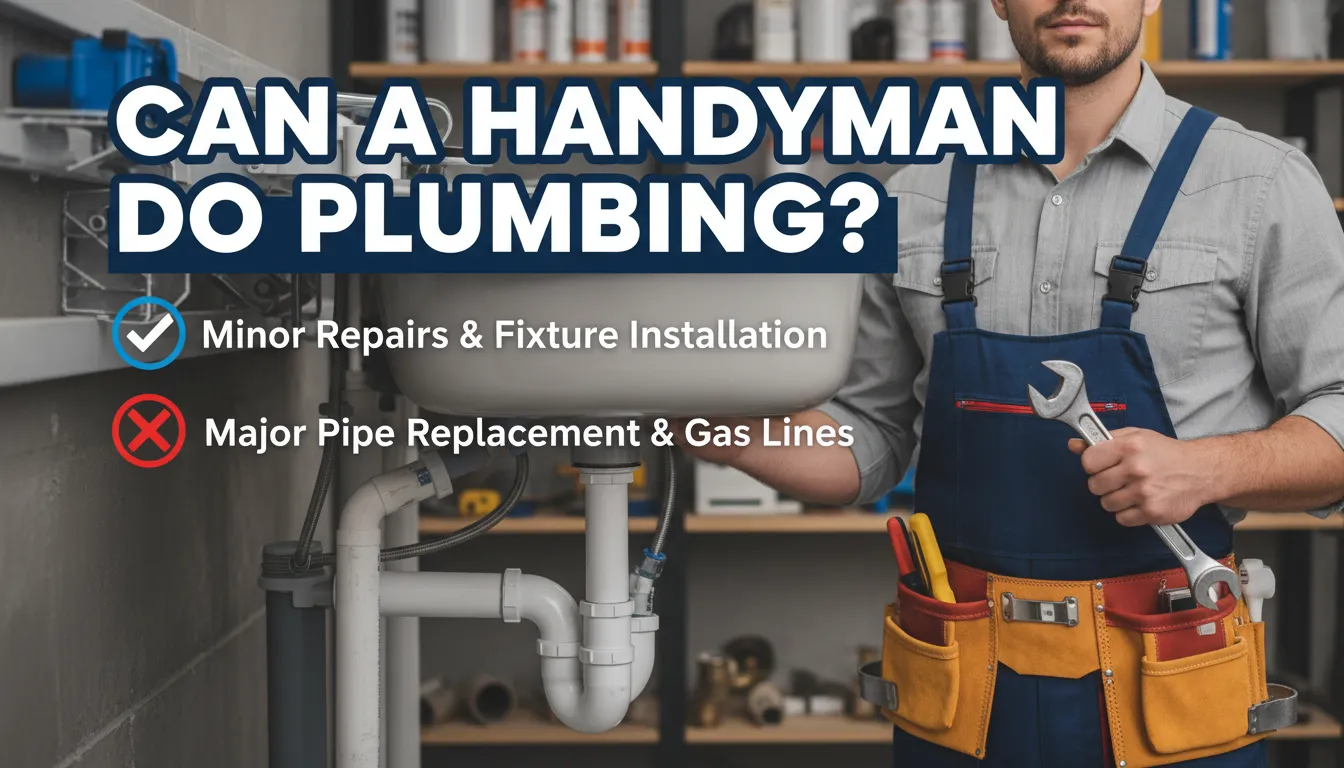
When a plumbing issue comes up, many homeowners ask a simple but important question: can a handyman do plumbing, or is it safer to call a licensed plumber? The answer isn’t always straightforward. Some plumbing tasks are minor and legal to handle without a license, while others can quickly become unsafe, illegal, or costly if done by the wrong person.
Plumbing is a regulated trade for a reason. Water supply, drainage, and gas systems directly affect health, safety, and property value. Hiring the wrong professional—or attempting the wrong type of DIY plumbing—can lead to failed inspections, insurance problems, fines, or serious damage to your home.
In this guide, we’ll clearly explain what plumbing work a handyman can legally do, what work requires a license, whether homeowners can pull plumbing permits, and when hiring a licensed plumber is the safest choice. By the end, you’ll be able to make a confident, legally sound decision without unnecessary risk.
Can a Handyman Do Plumbing?
Short answer: yes, a handyman can do some plumbing—but only limited, minor work. A handyman is generally allowed to handle small plumbing tasks that do not involve altering the fixed plumbing system, require permits, or pose safety risks. Anything beyond that typically requires a licensed plumber.
In most areas, handymen are permitted to perform basic plumbing repairs such as fixing a dripping faucet, replacing a showerhead, repairing a toilet flapper, or clearing a simple drain clog. These tasks are considered maintenance rather than regulated plumbing work because they do not change water lines, drainage systems, or gas connections.
However, when plumbing work involves installing new pipes, rerouting water lines, working on sewer or gas systems, or performing jobs that require inspections and permits, a handyman should not be doing the work. In many states and cities, having unlicensed plumbing work done can be illegal and may lead to failed inspections, fines, or insurance issues.
The key rule to remember is simple: if the job affects the plumbing system behind walls, under floors, or requires a permit, you should hire a licensed plumber.
What Plumbing Work Can Be Done Without a License?
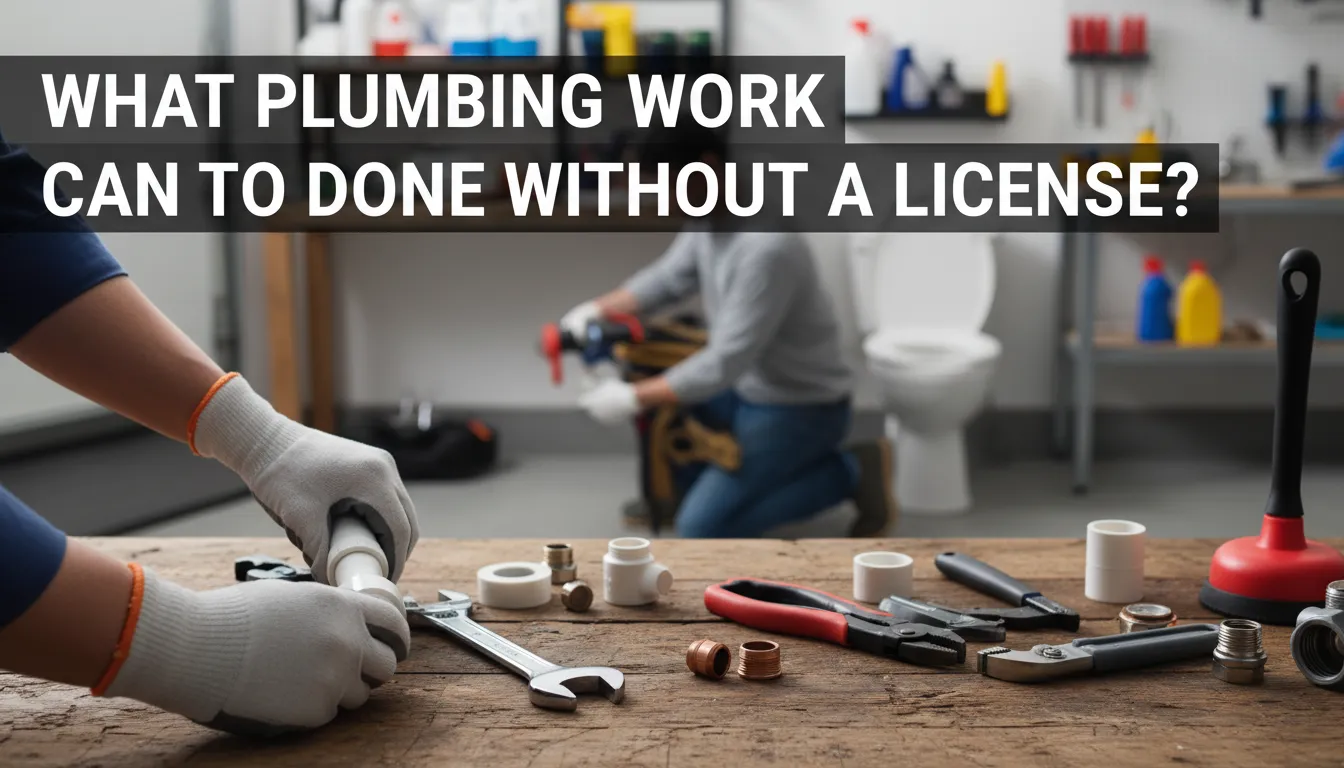
Many homeowners assume that all plumbing work requires a license, but that isn’t always true. In most states and local jurisdictions, limited plumbing tasks can legally be done without a plumbing license—as long as the work is minor, non-invasive, and does not alter the fixed plumbing system.
🔹 Minor Plumbing Repairs (Generally Allowed)
Handymen or homeowners can usually handle small maintenance tasks such as:
Replacing a faucet, showerhead, or sink sprayer
Fixing a leaking faucet or worn-out washer
Repairing a running toilet (flapper, fill valve, handle)
Clearing minor drain clogs using basic tools
Replacing exposed supply lines under a sink
These tasks are considered routine maintenance because they do not change pipe layouts, drainage design, or water pressure systems.
🔹 Fixture Replacements (With Limits)
In many areas, replacing fixtures like toilets, sinks, or faucets is allowed only if no plumbing lines are modified. This means:
No cutting into walls or floors
No moving drain or water supply lines
No changes to venting or drainage systems
If fixture replacement requires structural changes or pipe relocation, a licensed plumber is typically required.
🔹 What Is NOT Allowed Without a License
Plumbing work that usually requires a licensed plumber includes:
Installing or rerouting water supply lines
Sewer or main line repairs
Water heater installation or replacement
Gas line work
Any plumbing work requiring permits or inspections
If a job involves permits, inspections, or changes to permanent plumbing infrastructure, doing it without a license can be illegal.
⚠️ Important Legal Note
Plumbing rules vary by state and city. What is allowed in one area may be restricted in another. Always check local building codes before starting any plumbing work to avoid fines, failed inspections, or insurance issues.
Is It Illegal to Do Plumbing Without a License?
Short answer: it can be illegal—depending on the type of plumbing work and where you live. Plumbing laws are set at the state and local level, and while minor repairs are often allowed, many plumbing tasks legally require a licensed professional.
In most jurisdictions, plumbing becomes illegal without a license when the work:
Alters the permanent plumbing system
Involves water supply, sewer, or gas lines
Requires a permit or inspection
Affects health, safety, or building code compliance
This is because plumbing mistakes can contaminate drinking water, allow sewer gases into a home, cause hidden leaks, or create gas hazards.
🔹 Why Plumbing Is a Regulated Trade
Plumbing is regulated to protect public health and safety. Licensed plumbers are trained to follow building codes, install systems correctly, and prevent risks such as backflow, water contamination, mold growth, and structural damage. Unlicensed plumbing work bypasses these safeguards.
🔹 What Can Happen If Unlicensed Plumbing Is Done
If plumbing work is done illegally or without proper licensing, homeowners may face:
Failed building or resale inspections
Fines or penalties from local authorities
Insurance claims being denied for water damage
Costly repairs to correct non-compliant work
Liability issues if damage affects neighboring properties
In many cases, homeowners—not the handyman—are held responsible for unlicensed or non-permitted plumbing work.
⚠️ Key Takeaway
If a plumbing job requires a permit, inspection, or modification of pipes behind walls or under floors, doing it without a license is often illegal. When in doubt, hiring a licensed plumber is the safest and most legally secure choice.
Can a Homeowner Pull a Plumbing Permit?
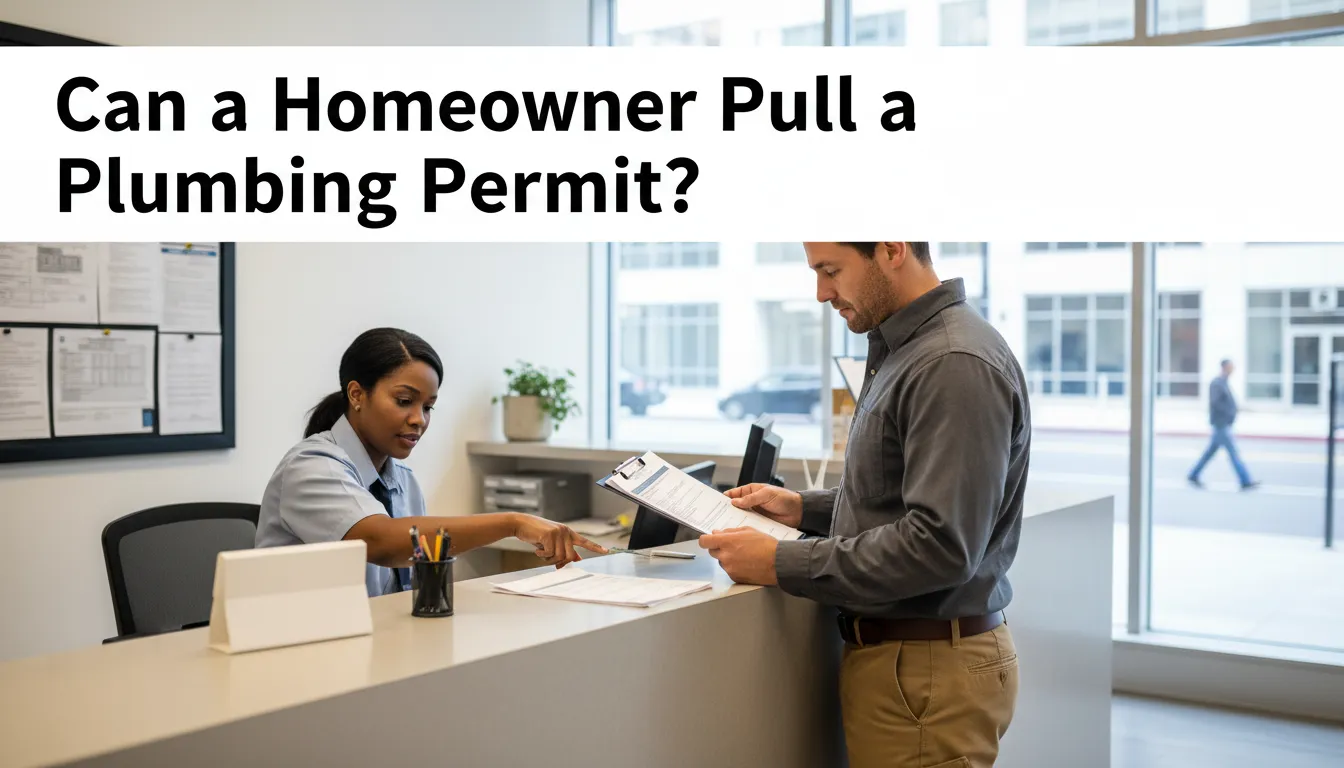
Yes, in some areas a homeowner can pull a plumbing permit—but with important restrictions. Whether a homeowner is allowed to pull a permit depends on state and local building regulations, and even when allowed, the homeowner is usually held to the same standards as a licensed plumber.
🔹 When Homeowners Are Allowed to Pull a Permit
In many states and cities, homeowners may be allowed to pull a plumbing permit only for work on their own primary residence. This typically applies to limited DIY plumbing projects and comes with strict conditions:
The homeowner must perform the work themselves
The work must pass required inspections
All plumbing must meet local building codes
The homeowner accepts full legal responsibility
Homeowner permits are usually not allowed for rental properties, commercial buildings, or work involving gas lines and major system changes.
🔹 What a Homeowner Permit Does Not Allow
Even if a homeowner can pull a permit, it does not mean all plumbing work is allowed. In many jurisdictions, homeowners still cannot legally perform:
Gas line installations or repairs
Major sewer or main water line work
Large-scale plumbing remodels
Work requiring specialized licensing or certifications
These jobs often require a licensed plumber regardless of permit status.
🔹 The Risk of Pulling a Permit as a Homeowner
When a homeowner pulls a plumbing permit, they assume full responsibility for:
Code compliance
Inspection approval
Future plumbing failures
Insurance coverage issues
If the work fails inspection or causes damage later, the homeowner—not a handyman or contractor—can be held liable.
⚠️ Important Reminder
Permit rules vary widely by location. Before starting any plumbing work, always check with your local building department to confirm what is legally allowed in your area.
DIY vs Handyman vs Licensed Plumber (Decision Guide)
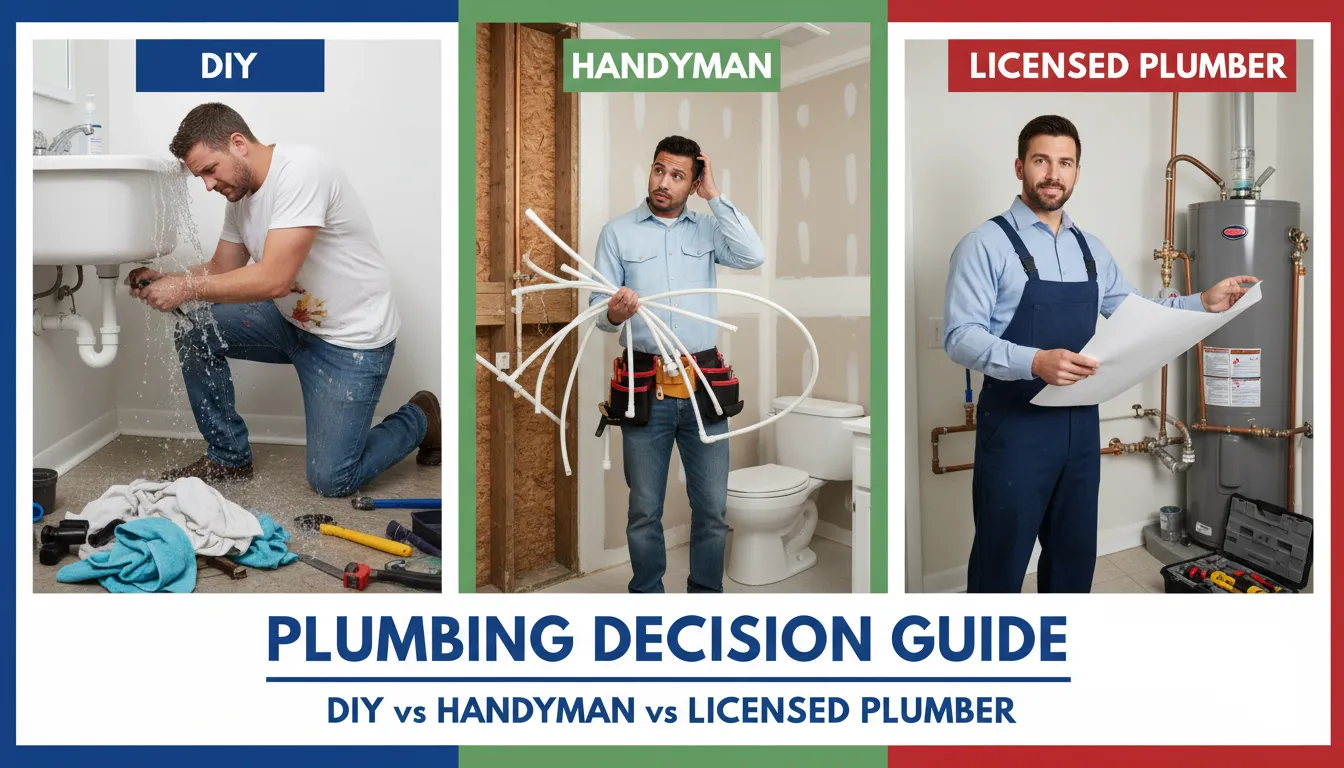
When it comes to plumbing, choosing the wrong option can cost far more than the job itself. The safest way to decide is to compare DIY plumbing, handyman services, and licensed plumbers based on legality, safety, and long-term risk.
🔹 DIY Plumbing (Homeowner)
DIY plumbing is best for very minor tasks only.
Best for:
Replacing a showerhead or faucet
Fixing a running toilet
Clearing a small drain clog
Limitations & risks:
No license protection
Inspection failure risk
Insurance may deny claims
Homeowner is fully liable
👉 DIY is only safe when no permits, inspections, or system changes are involved.
🔹 Handyman Plumbing
A handyman can be a good option for basic plumbing maintenance.
Best for:
Minor leak repairs
Fixture replacements (no pipe changes)
Simple toilet or faucet repairs
Limitations & risks:
Cannot legally perform permit-required work
No authority to modify plumbing systems
Liability often falls on homeowner
👉 Handymen are not a replacement for licensed plumbers.
🔹 Licensed Plumber (Safest Option)
Licensed plumbers are trained, insured, and legally authorized to handle all plumbing work.
Best for:
Water heater installation
Sewer and main line repairs
Gas line work
Hidden leaks and pipe replacements
Permit-required and inspected work
Benefits:
Code compliance
Insurance protection
Long-term reliability
Warrantied work
👉 If safety, legality, or inspections are involved, a licensed plumber is always the right choice.
🔑 Quick Rule of Thumb
Visible, simple fix? → DIY or handyman
Behind walls, under floors, or permit required? → Licensed plumber
Unsure? → Always choose a licensed plumber
When You Should Always Hire a Licensed Plumber
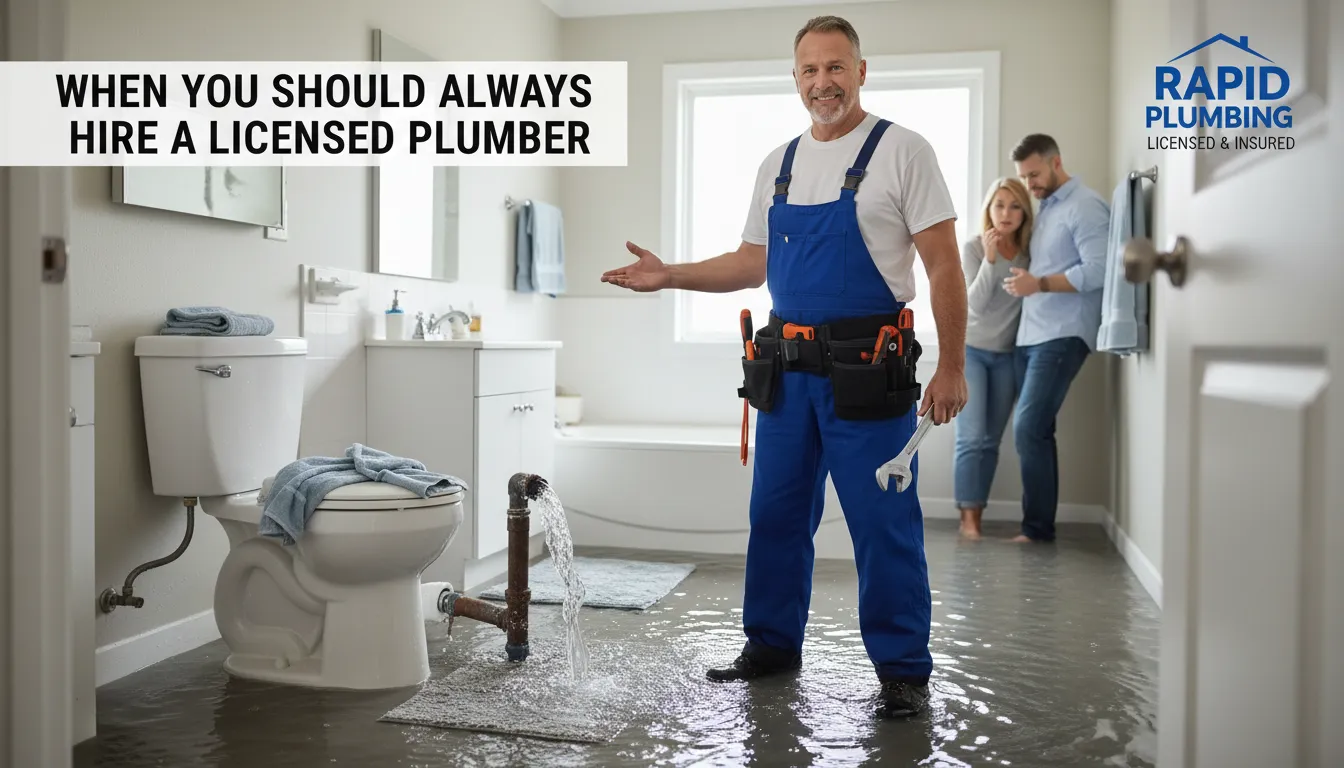
There are certain plumbing situations where hiring a licensed plumber is not just the best option—it’s the only safe and legal choice. Attempting DIY repairs or hiring a handyman for these jobs can lead to serious damage, legal issues, and health risks.
🔹 Plumbing Jobs That Always Require a Licensed Plumber
You should always call a licensed plumber if the job involves:
Water heater installation, repair, or replacement
Gas lines or gas-powered appliances
Sewer line or main water line repairs
Plumbing work behind walls, under floors, or underground
Burst pipes or major leaks
Bathroom or kitchen remodels involving pipe changes
Any plumbing work requiring permits or inspections
These jobs involve pressurized systems, health risks, and strict building codes that only licensed professionals are trained to handle.
🔹 Why Hiring a Licensed Plumber Matters
Licensed plumbers:
Follow local plumbing codes
Carry insurance and liability coverage
Handle permits and inspections
Reduce the risk of future failures
Protect your home’s resale value
Hiring the wrong person for serious plumbing work can result in failed inspections, denied insurance claims, or costly repairs later.
⚠️ Safety First Rule
If a plumbing issue could cause water damage, gas exposure, or sanitation problems, do not take shortcuts. A licensed plumber provides the expertise and legal protection needed to keep your home safe.
Cost vs Risk – Is Cheaper Really Better?

One of the biggest reasons homeowners consider DIY plumbing or hiring a handyman is cost. At first glance, a handyman’s lower hourly rate may seem like a smart way to save money. However, plumbing decisions should be judged on long-term risk, not just upfront price.
Their pricing reflects not just labor, but expertise, accountability, and long-term reliability. When it comes to complex tasks, hiring a licensed plumber is often the most cost-effective choice in the long run.
🔹 Short-Term Savings vs Long-Term Costs
A handyman or DIY fix may cost less initially, but if the work is done incorrectly or without proper permits, the hidden costs can add up quickly. Poor plumbing work can lead to water damage, mold growth, code violations, or system failures that require expensive repairs later.
🔹 Insurance and Inspection Risks
Unlicensed or non-permitted plumbing work can:
Cause insurance claims to be denied
Fail home inspections during resale
Require costly rework to meet code compliance
In many cases, homeowners end up paying twice—once for the cheap fix, and again to have a licensed plumber correct the problem.
🔹 Why Licensed Plumbers Cost More
Licensed plumbers invest in training, certifications, insurance, and compliance with building codes. Their pricing reflects not just labor, but expertise, accountability, and long-term reliability. Most licensed plumbers also stand behind their work with warranties, offering peace of mind that cheaper options cannot.
🔑 Smart Buyer Takeaway
Saving money upfront only makes sense if the job is legal, safe, and unlikely to fail. When plumbing work involves risk, permits, or hidden systems, hiring a licensed plumber is often the most cost-effective choice in the long run.
Final Verdict – What’s the Safest Choice?
So, can a handyman do plumbing? The safest and most accurate answer is: yes, but only for limited, minor tasks. Handymen and DIY solutions can work for simple maintenance jobs that don’t involve permits, inspections, or changes to the fixed plumbing system.
However, once plumbing work affects water supply lines, drainage systems, gas connections, or anything hidden behind walls or floors, the risks increase significantly. At that point, legality, safety, and long-term reliability matter far more than short-term savings.
For homeowners, the safest choice is to understand the limits clearly:
Minor, visible repairs → DIY or handyman
Permit-required or system-level work → Licensed plumber
When there is uncertainty, choosing a licensed plumber protects you from legal issues, insurance problems, and costly mistakes. Plumbing is not an area where cutting corners pays off.
FAQs About Handyman vs Licensed Plumber
❓ Can a handyman legally do plumbing?
Yes, a handyman can legally do minor plumbing work such as small repairs or fixture replacements, as long as the job does not require permits, inspections, or changes to the fixed plumbing system. Laws vary by location, so local codes should always be checked.
❓ What plumbing work can be done without a license?
Typically, tasks like replacing faucets, fixing a running toilet, installing a showerhead, or clearing minor drain clogs can be done without a license. Any work involving pipe relocation, water heaters, gas lines, or sewer connections usually requires a licensed plumber.
❓ Is it illegal to do plumbing without a license?
It can be illegal if the plumbing work requires a permit, inspection, or affects regulated systems like water supply, drainage, or gas lines. Unlicensed plumbing work may result in fines, failed inspections, or insurance claim denials.
❓ Can a homeowner pull a plumbing permit?
In some areas, homeowners can pull a plumbing permit for work on their own primary residence. However, the homeowner must perform the work themselves, pass inspections, and meet all building codes. Many major plumbing jobs still require a licensed plumber.
❓ Should I hire a plumber instead of a handyman?
If the job involves safety risks, hidden pipes, permits, inspections, or long-term reliability concerns, hiring a licensed plumber is the safest choice. When in doubt, a licensed plumber helps avoid legal and financial problems.
Unsure whether your plumbing issue requires a professional?
When safety, legality, and long-term reliability matter, the smartest move is to work with a licensed plumber.
👉 Call a licensed plumber today to ensure your plumbing work is done safely, legally, and up to code—before a small issue turns into an expensive problem.