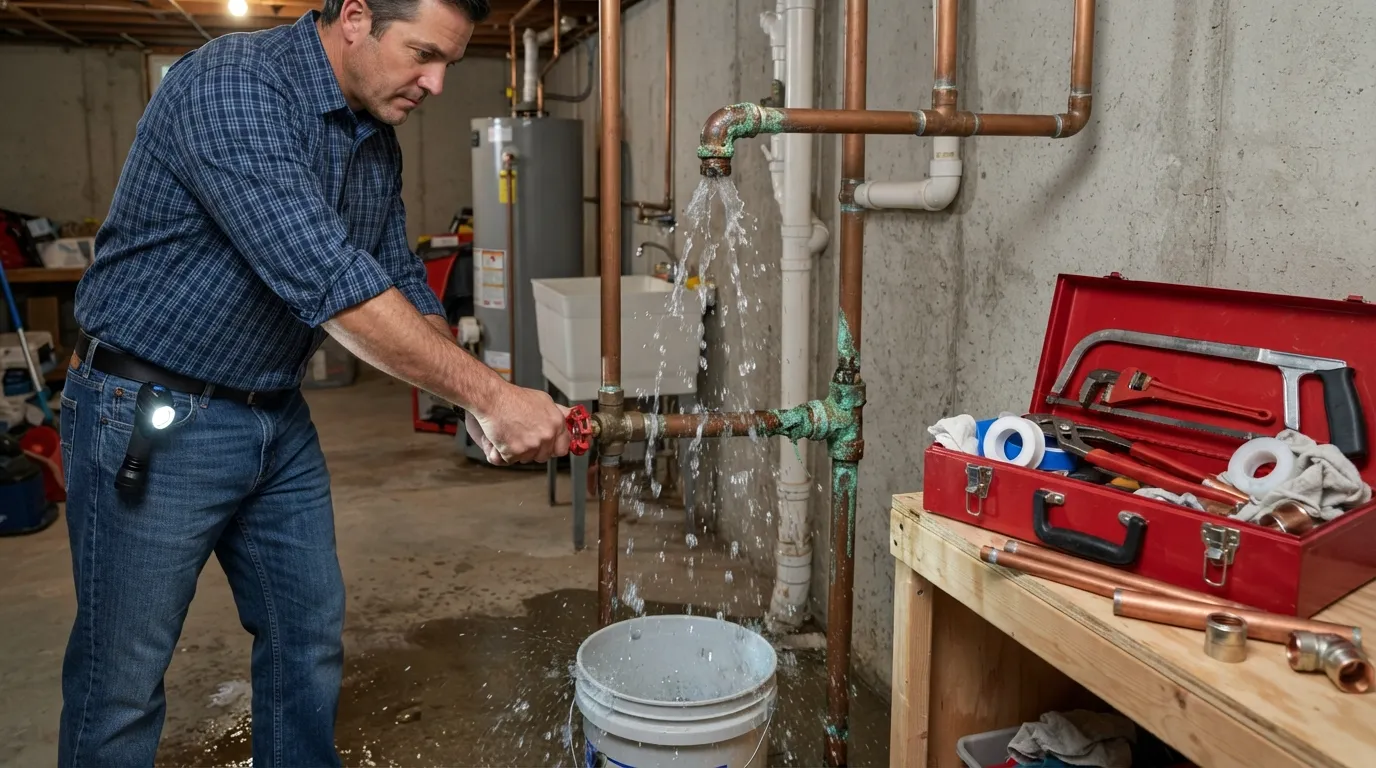
A leaking pipe can quickly turn from a small plumbing issue into serious water damage if it is ignored. If your pipes are leaking right now, the first priority is to control the water, reduce damage, and understand whether you need a temporary fix or professional repair.
In this guide, I’ll explain what to do when you have a leaking water pipe, why pipes leak, how to identify hidden leaks, what temporary solutions can help, and when it is time to contact a professional plumber.
What Should You Do If Your Pipes Are Leaking?
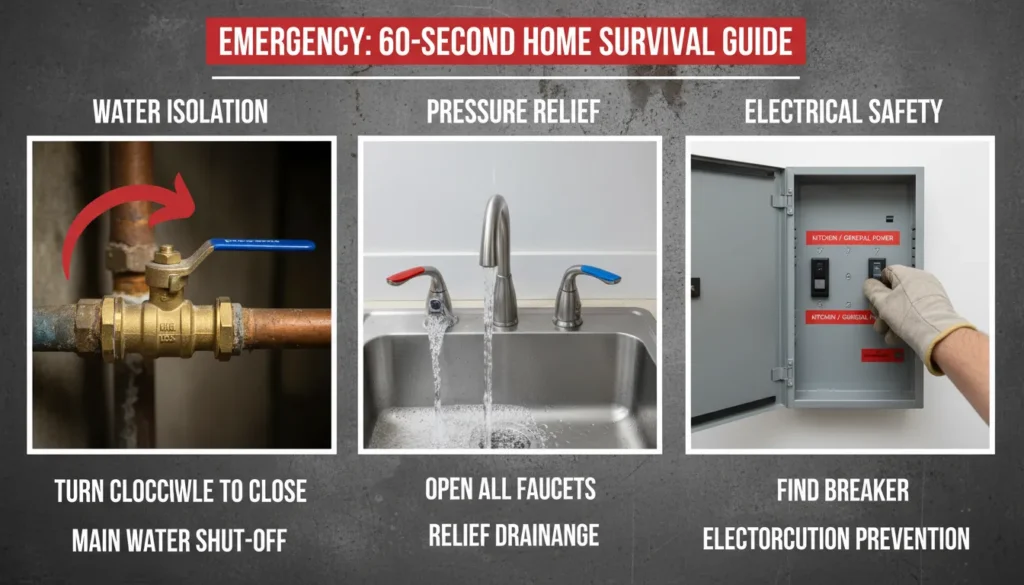
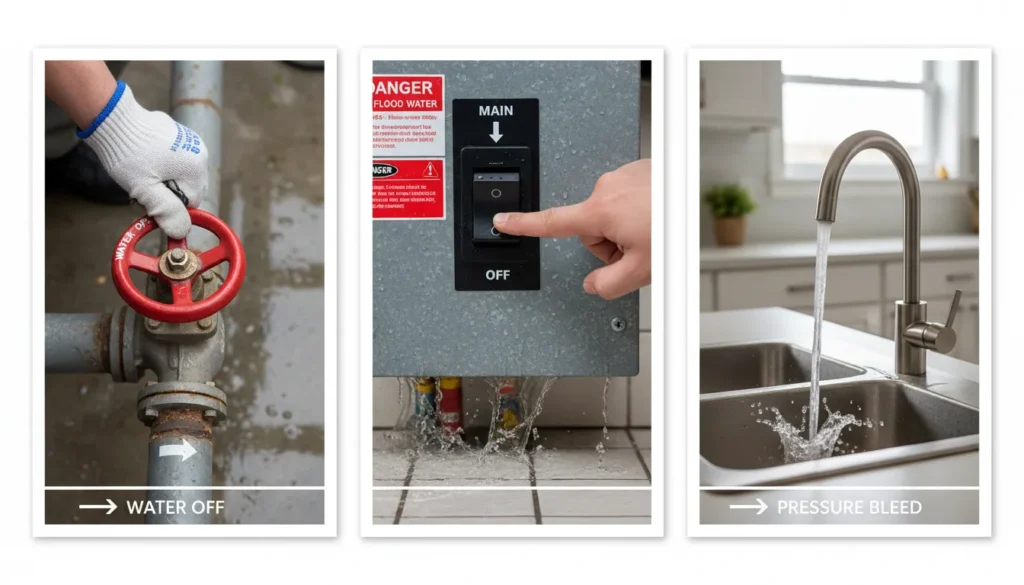
- Turn off the nearest shut-off valve or your home’s main water supply.
- Open nearby faucets to release pressure from the plumbing system.
- Move furniture, electronics, and valuables away from the leaking area.
- Dry standing water to reduce the risk of mold and structural damage.
- Inspect the source of the leak and decide whether a temporary repair or professional plumbing service is needed.
What To Do Immediately When Your Pipes Are Leaking
A leaking pipe requires quick action because even a small leak can damage walls, floors, cabinets, and personal belongings over time.
1. Shut Off The Water Supply
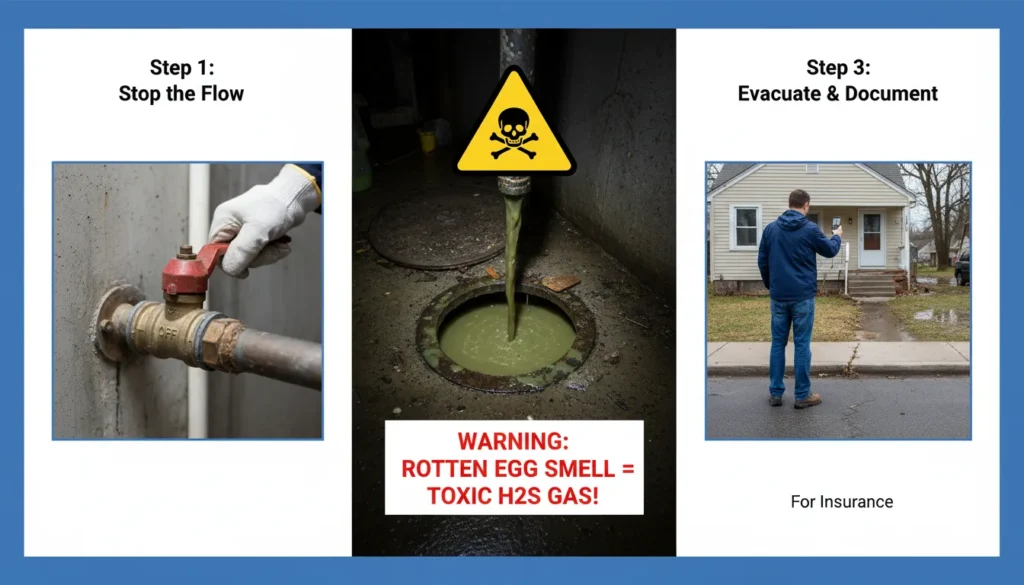
The fastest way to reduce damage is stopping the water flow. If the leak is coming from a fixture, use the local shut-off valve. For major leaks, shut off the main water supply for your home.
2. Release Pressure From The Pipes
After shutting off the water, open a nearby faucet. This helps drain remaining water and reduces pressure inside the plumbing system.
3. Protect Your Home From Water Damage
- Place a bucket or container under visible leaks.
- Remove items that can be damaged by moisture.
- Dry wet areas as quickly as possible.
- Check nearby walls, ceilings, and cabinets for water exposure.
Why Are My Pipes Leaking?
Pipes can leak for many reasons. The cause often depends on the pipe material, age of the plumbing system, water pressure, and installation quality.
| Common Cause | How It Causes Leaks |
|---|---|
| Corrosion | Older metal pipes can weaken and develop cracks or pinhole leaks. |
| High Water Pressure | Excess pressure can stress pipe joints and connections. |
| Damaged Pipe Joints | Loose fittings or worn seals can allow water to escape. |
| Frozen Pipes | Frozen water expands and can crack pipes. |
| Aging Plumbing | Old systems may develop repeated leaks and failures. |
Common Signs That Your Water Pipes Are Leaking
Not every pipe leak is immediately visible. Some leaks happen behind walls, under floors, or underground.
- Unexpected increase in your water bill
- Damp spots on walls or ceilings
- Musty smells or mold growth
- Low water pressure
- Sound of running water when fixtures are off
- Wet areas around cabinets or floors
- Visible dripping or moisture around pipes
How Do You Know If Pipes Are Leaking Under A House?
Hidden leaks under a home can be difficult to identify because the pipe itself may not be visible. Some warning signs include:
- Water meter movement when no water is being used
- Warm or damp spots on floors
- Cracks or moisture near foundations
- Persistent humidity or mold odors
- Unexplained water usage increases
If you suspect a hidden leak, professional leak detection can help locate the source before more damage occurs.
Can You Fix A Leaking Pipe Without Replacing It?
In some situations, temporary repairs can slow or stop a leak. However, these solutions are usually not permanent.
| Temporary Repair | Permanent Repair |
|---|---|
| Pipe repair tape | Damaged section replacement |
| Epoxy putty | Professional pipe repair |
| Pipe clamp | Joint or fitting replacement |
Temporary fixes can be useful during an emergency, but they should not replace proper diagnosis when the pipe is damaged.
Different Pipe Materials And Common Leak Problems
Copper Pipes
Copper pipes can develop corrosion-related leaks, especially in older plumbing systems.
PVC Pipes
PVC leaks often occur because of cracks, damaged fittings, or connection problems.
PEX Pipes
PEX systems are flexible, but connection points and fittings can still develop leaks.
When Should You Call A Professional Plumber?
If water is actively spraying, the leak is hidden, or you cannot stop the water flow, professional help is usually the safest option.
A professional plumber can identify the source of the leak, inspect the plumbing system, and recommend whether repair or replacement is the right solution.
For complete residential plumbing solutions, you can explore our professional plumbing services.
How To Prevent Future Pipe Leaks
- Check visible pipes regularly for corrosion or moisture.
- Monitor unusual changes in water pressure.
- Fix small leaks before they become larger problems.
- Protect pipes from extreme temperatures.
- Schedule plumbing inspections when problems continue.
Frequently Asked Questions About Leaking Pipes
What is the most common water leak in a house?
Common household leaks often occur around pipe joints, fixtures, supply lines, and aging plumbing connections.
Do plumbers fix leaky pipes?
Yes. Plumbers repair leaking pipes by identifying the source, replacing damaged sections, repairing connections, or recommending replacement when needed.
Does homeowners insurance cover water leaks?
Coverage depends on your insurance policy and the cause of the leak. Sudden accidental damage may be treated differently from gradual maintenance issues.
Who is responsible for a water leak before the meter?
Responsibility depends on local regulations and the location of the plumbing line. Homeowners should check with their water provider and property guidelines.
Need Help With A Leaking Pipe?
If you have a leaking pipe problem and need professional assistance, our team can help you identify the issue and find the right repair solution.
Contact our plumbing team for professional help with your plumbing needs.