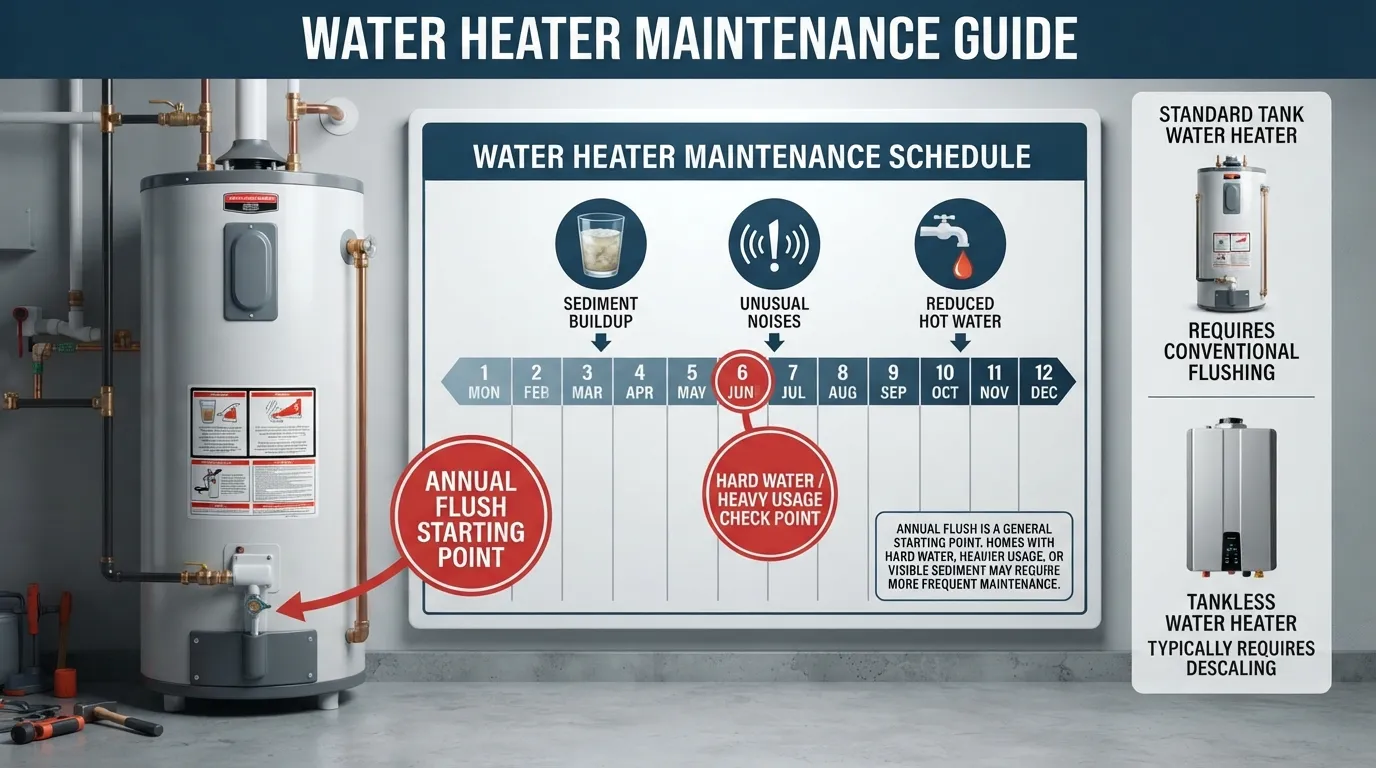
For most tank-style water heaters, flushing about once a year is a sensible general maintenance starting point. But that does not mean every home should follow the exact same schedule. Your water quality, household usage, heater type, sediment buildup, and the manufacturer’s maintenance instructions can all change what makes sense for your system.
How Often Should You Flush a Water Heater?
Most conventional storage-tank water heaters benefit from regular sediment removal. A yearly flush is a common maintenance recommendation, but the calendar should not be the only thing you consider.
Water contains minerals and other particles that can settle inside a tank. Over time, that material can collect at the bottom of the heater. Harder water can increase mineral-related buildup, while higher hot-water usage can also affect how quickly deposits accumulate.
That is why I would use the annual recommendation as a starting point, then adjust your maintenance approach based on your actual heater and water conditions.
| Your situation | Practical approach | Why it matters |
|---|---|---|
| Typical tank water heater with no obvious sediment problems | Start with annual maintenance | Helps address normal sediment accumulation |
| Hard-water conditions | Consider more frequent maintenance, such as every 6 months, if supported by your heater’s instructions and water conditions | Mineral deposits can build up faster |
| Heavy household hot-water use | Monitor sediment and performance more closely | Higher usage can contribute to faster mineral and sediment accumulation |
| Rumbling, popping, reduced recovery, or other sediment-related symptoms | Do not wait for the next annual date; have the system assessed | Symptoms can indicate buildup or another water-heater problem |
| Tankless water heater | Follow the manufacturer’s descaling schedule | Tankless units use a different maintenance process |
Why Does a Water Heater Need to Be Flushed?
A storage water heater can act as a settling point for particles suspended in the water. Sediment can accumulate at the bottom of the tank, while mineral scale can form in areas affected by hard water.
As buildup increases, it can interfere with normal heating and recovery. A thick layer of sediment can also create conditions that contribute to noise and reduced performance.
Regular maintenance is therefore less about following an arbitrary plumbing rule and more about keeping buildup from becoming a larger problem.
What Can Sediment Cause?
- Rumbling, popping, or banging sounds from the tank
- Longer heating or recovery times
- Less available hot water than you normally expect
- Mineral or sediment buildup around the bottom of the tank
- Reduced heating performance when deposits become significant
- More stress on components as the system operates with buildup
These symptoms are not proof that sediment is the only problem. A failing heating element, thermostat, burner, dip tube, valve, or another component can create similar complaints. If the problem persists after appropriate maintenance, the heater should be diagnosed rather than repeatedly flushed.
Should You Flush Your Water Heater Every 6 Months or Once a Year?
This is where many homeowners get conflicting advice.
The better question is not simply, “Is six months better than twelve?” It is, “What maintenance interval fits my water heater and water conditions?”
Annual maintenance is a common baseline for conventional tank systems. More frequent service may make sense where water conditions are harsh or sediment accumulates quickly. Some manufacturer documentation specifically notes that harsh water quality can require more frequent sediment service.
If your heater’s manufacturer gives you a specific interval, follow that instruction rather than replacing it with a generic internet schedule.
How Water Hardness Changes Your Water Heater Flush Schedule
Hard water contains higher concentrations of dissolved minerals that can contribute to mineral deposits and scale. That does not automatically mean every home with hard water needs the exact same six-month schedule, but it is a good reason to pay closer attention to buildup and follow the maintenance guidance for your heater.
What If You Have a Water Softener?
A water softener can reduce water hardness, but it does not mean your water heater no longer needs maintenance.
Water treatment can reduce certain mineral-related problems, yet the actual maintenance requirement still depends on the heater, water quality, usage, and manufacturer instructions. A softened-water home should not assume that flushing or other maintenance can be skipped indefinitely.
If you recently installed a water softener after years of hard-water exposure, it is also worth considering the condition and maintenance history of the heater rather than assuming the new water treatment has removed existing buildup.
How Often Should You Flush a Tankless Water Heater?
A tankless water heater is different from a conventional storage tank.
Instead of storing a large volume of heated water, a tankless unit heats water as it passes through the system. Its maintenance concern is therefore generally mineral scale and descaling, rather than draining a storage tank full of sediment.
How often a tankless system should be descaled depends on the manufacturer’s instructions and factors such as water hardness and usage. Some systems may require more frequent descaling in hard-water conditions.
What Are the Signs That Your Water Heater Needs to Be Flushed?
You do not always have to wait for the calendar to tell you that maintenance is needed. Pay attention to changes in how your heater sounds and performs.
Routine
Your heater is operating normally, there are no obvious sediment symptoms, and you are following the manufacturer’s maintenance schedule.
Action: Keep up with routine maintenance.
“`
Inspect Soon
You notice rumbling or popping, longer recovery, reduced hot-water availability, cloudy water, or other changes.
Action: Investigate the cause rather than waiting indefinitely.
Get Help
The tank is leaking, heavily corroded, has a serious gas or electrical issue, or has been neglected for a long time and its condition is uncertain.
Action: Have the heater professionally assessed before attempting a complicated DIY procedure.
“`
Should You Flush a Water Heater That Has Not Been Flushed for 5 Years?
If your water heater has gone five years without maintenance, do not assume the answer is simply, “Flush it immediately and everything will be fine.”
First consider the heater’s age, condition, maintenance history, water quality, and whether there are active leaks or significant corrosion.
If the tank is otherwise in reasonable condition, proper maintenance may still be appropriate. If the unit is very old, heavily corroded, leaking, or has an uncertain history, a professional assessment can be a safer starting point than blindly opening a drain valve and assuming the result will be predictable.
The same principle applies to a heater that has gone 10 or even 20 years without flushing: age and condition matter. A calendar-based recommendation should never replace an assessment of a visibly compromised water heater.
Should You Flush a 20-Year-Old Water Heater?
A 20-year-old water heater deserves more than a simple yes-or-no answer.
Before attempting a deep flush, look at the bigger picture:
- Is the tank itself leaking?
- Is there visible corrosion?
- Has the heater been maintained regularly?
- Are you experiencing repeated performance problems?
- Does the drain valve operate normally?
- Is the heater already near or beyond the service life expected for its model?
If the tank is leaking or seriously deteriorated, flushing is not a repair for a failed tank. At that point, the more useful question may be whether the unit should be repaired or replaced.
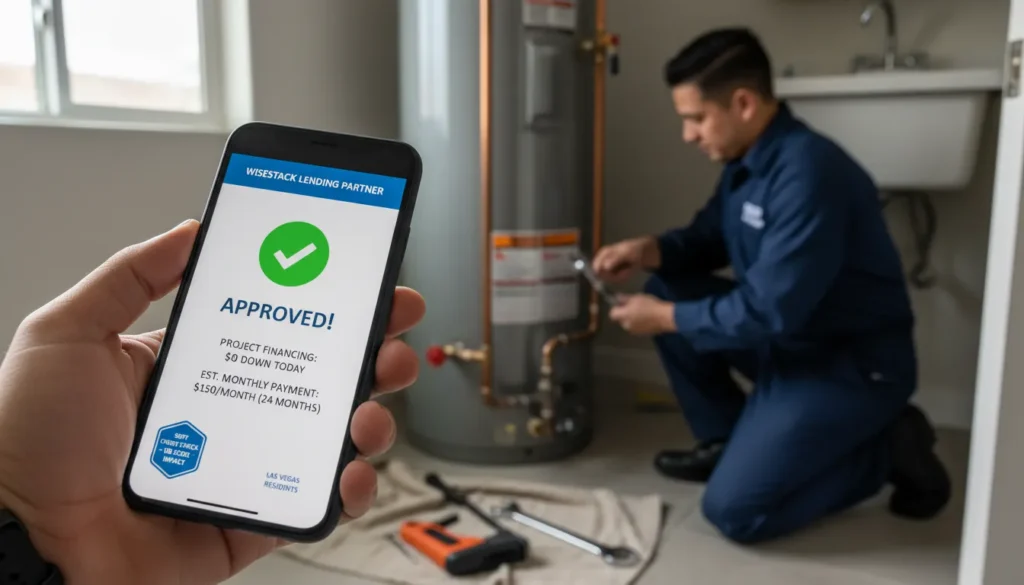
If you are dealing with an aging heater that is leaking, repeatedly failing, or no longer meeting your household’s needs, you can review the water heater replacement service options before deciding what to do next.
What Is the Difference Between Draining and Flushing a Water Heater?
People often use “drain” and “flush” as if they mean exactly the same thing, but there is a useful distinction.
Draining means removing water from the tank.
Flushing generally involves using water flow to help move sediment and deposits out of the tank. A complete procedure may involve draining the tank, allowing sediment to leave through the drain, introducing fresh water, and repeating the process until the discharge is reasonably clear, depending on the manufacturer’s instructions.
The exact procedure matters, which is why your heater’s manual should be the final authority for the equipment you own.
How Long Does It Take to Flush a 40-Gallon Water Heater?
There is no single time that applies to every 40-gallon heater.
The actual time can depend on the drain valve, hose and drainage setup, water pressure, sediment accumulation, tank condition, and whether you are simply draining the tank or performing a more complete flush.
A heavily sedimented heater can take longer because the buildup may restrict normal water flow. If the drain valve is clogged or does not operate correctly, forcing the process can create additional problems.
In other words, tank size alone does not determine flushing time.
Can You Flush a Water Heater Yourself?
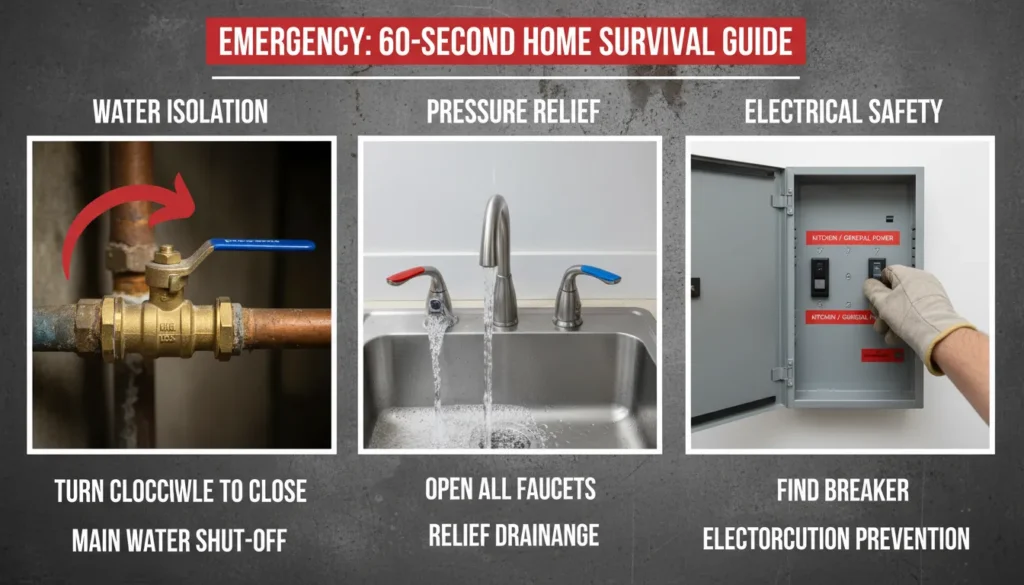
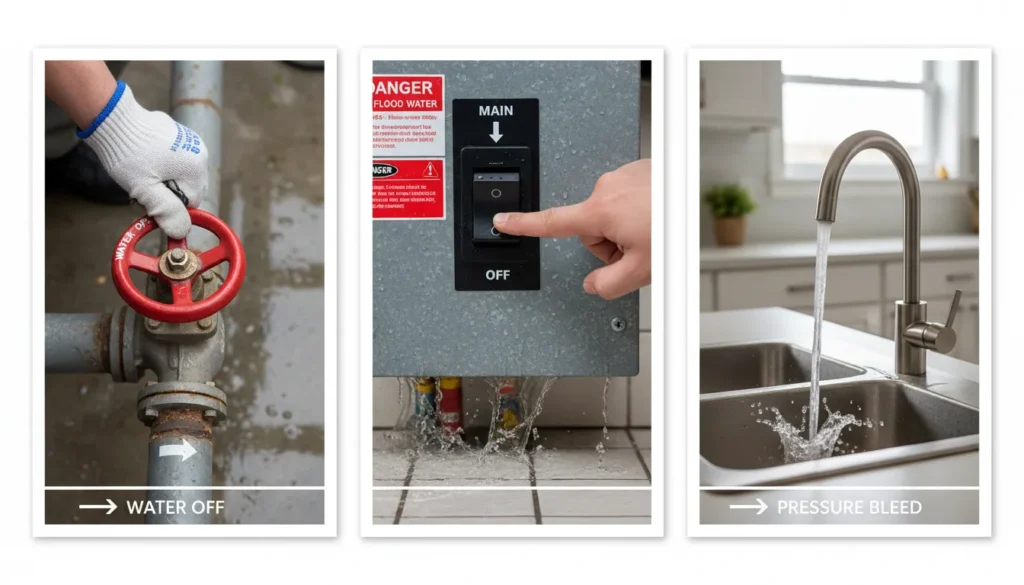
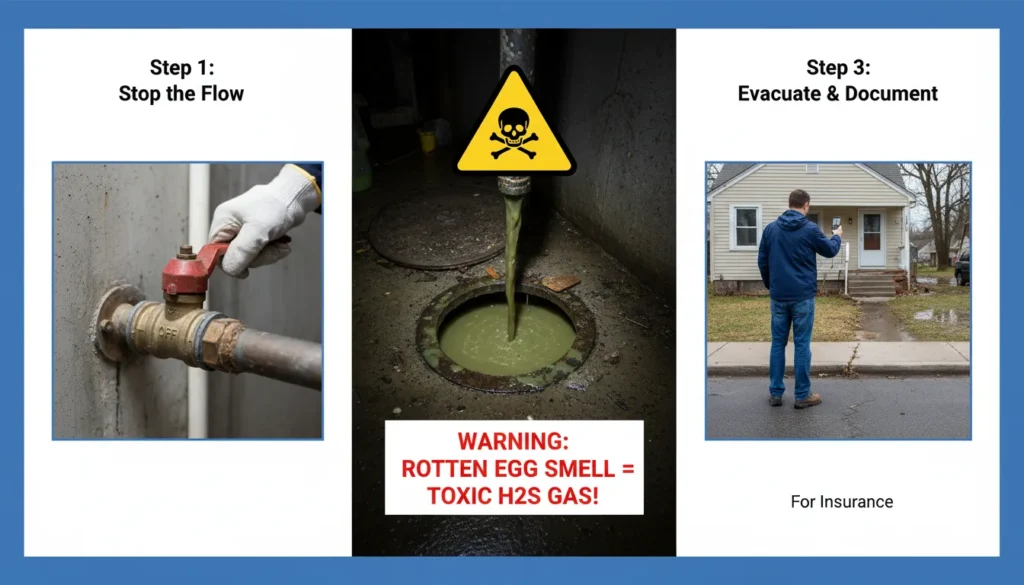
Some homeowners can perform basic tank maintenance, but flushing is not a risk-free task. You are dealing with hot water, and depending on the heater, electricity or gas may also be involved.
If you are comfortable following the manufacturer’s exact procedure and your system is in good condition, you can use the manual as your starting point. If you are unsure about the equipment, have an old or damaged heater, or encounter a problem during the process, stop rather than improvising.
General Safety Principles
- Read the manufacturer’s instructions for your exact model first.
- Prevent contact with hot discharge water to avoid burns.
- Use a suitable hose and direct discharged water somewhere it cannot cause injury or property damage.
- Follow the correct shutdown procedure for your fuel type.
- Do not work on gas components unless you are qualified to do so.
- For electric water heaters, do not restore power until the tank has been completely refilled according to the manufacturer’s instructions.
- Never treat a leaking or severely corroded tank as a routine flushing job.
What If the Water Heater Makes Popping or Rumbling Noises?
Popping, rumbling, or banging sounds can be a sign that sediment has accumulated in a tank-style water heater. When water is heated around a layer of deposits, the system can produce unusual noises.
However, noise alone does not prove that sediment is the only issue. If flushing does not resolve the problem, or if the heater also has leaks, poor recovery, inconsistent temperature, or other symptoms, the system should be diagnosed.
Does Flushing a Water Heater Improve Efficiency?
Reducing sediment buildup can help a water heater maintain normal heating performance. Deposits at the bottom of a tank can interfere with heat transfer and contribute to reduced performance.
That does not mean you should expect a guaranteed percentage reduction in your utility bill after every flush. Energy use depends on the heater, fuel type, household demand, temperature setting, insulation, water conditions, and many other factors.
The practical goal of flushing is simpler: remove accumulated sediment and keep the system maintained according to the manufacturer’s requirements.
How Often Should You Flush a Water Heater With Vinegar?
This question needs a little clarification because vinegar is more commonly associated with certain descaling procedures, particularly for tankless equipment, rather than being a universal recommendation for every storage-tank water heater.
Do not assume that adding vinegar to a conventional tank is the correct way to maintain it. If your tankless manufacturer specifies a particular descaling solution or procedure, follow that procedure exactly.
For a conventional storage tank, use the manufacturer’s recommended drain-and-flush procedure instead of improvising a chemical treatment.
Water Heater Flush vs. Water Heater Replacement
Flushing is maintenance. It is not a solution for every water-heater problem.
A flush may help address sediment-related performance problems, but it cannot repair a tank that has failed, a serious leak, severe corrosion, or a defective component that needs replacement.
If your heater is repeatedly failing, leaking from the tank itself, heavily corroded, or no longer meeting your household’s hot-water needs, replacement may be more practical than continuing to perform maintenance on a failing system.
Need Help With an Aging or Problematic Water Heater?
If you are not sure whether your water heater needs a routine flush, repair, or replacement, it makes sense to diagnose the condition before spending money on the wrong solution.
For broader plumbing help, you can also explore our plumbing services.
If the heater is leaking, repeatedly failing, or approaching the point where replacement makes more sense, our water heater replacement service page can help you understand the next step.
Speak with a local plumbing professional if you need help determining what your water heater actually needs.
Watch: When to Flush Your Water Heater
A visual explanation can make the basic maintenance concept easier to understand. This video is useful as general education, but your own water heater’s manufacturer instructions should always take priority.
Frequently Asked Questions
How often should a water heater flush?
For most conventional tank water heaters, once a year is a useful general maintenance baseline. Hard-water conditions, heavy usage, sediment buildup, symptoms, and manufacturer instructions can justify a different schedule.
How often should you drain your hot water heater?
Draining is often part of maintenance or service, but the appropriate interval depends on the heater and manufacturer’s instructions. A routine maintenance schedule should focus on the condition of the system rather than treating draining as an identical task for every model.
How often should you flush your hot water heater?
A conventional tank heater is commonly flushed about once a year. If your water contains more minerals or the heater develops sediment-related symptoms, more frequent maintenance may be appropriate.
How often do I need to flush my tankless water heater if I have a water softener?
A water softener can reduce hardness, but it does not eliminate tankless maintenance. Follow your specific manufacturer’s descaling instructions and adjust maintenance based on water quality and system conditions.
Should I flush a 20-year-old water heater?
Do not make the decision based on age alone. Check for leaks, corrosion, maintenance history, and overall condition. If the heater is severely deteriorated or leaking, professional assessment may be more appropriate than attempting a routine flush.
How long does it take to flush a 40-gallon hot water heater?
There is no fixed time. Drain flow, sediment buildup, valve condition, water pressure, and the exact maintenance procedure can all affect how long the job takes.
What happens if I never flush my water heater?
Sediment can accumulate over time, potentially contributing to noise, reduced heating performance, slower recovery, and increased wear. The actual effect depends on water conditions, heater design, usage, and how much sediment accumulates.
Is flushing the same as descaling?
No. Conventional tank flushing primarily addresses sediment in the storage tank. Descaling is commonly used for tankless systems to address mineral scale in the heat exchanger and related water passages.
Does a water softener mean I never need to flush my water heater?
No. A softener can reduce water hardness, but it does not eliminate the need to follow the heater’s maintenance requirements. Existing sediment, other water conditions, and the heater’s design still matter.
How Often Should You Flush Your Water Heater?
If you have a conventional tank water heater, once a year is a good general starting point. But the best maintenance schedule is not necessarily the same for every home.
Use these factors to decide what deserves attention:
- Start with your manufacturer’s maintenance instructions.
- Use annual maintenance as a general baseline for many tank systems.
- Pay closer attention to hard-water and high-sediment conditions.
- Do not ignore rumbling, popping, reduced recovery, or other changes in performance.
- Remember that tankless systems need descaling procedures rather than conventional tank flushing.
- Be more cautious with very old, leaking, or heavily corroded heaters.
- Never sacrifice safety just to complete a DIY maintenance task.
The goal is not to flush your water heater as often as possible. The goal is to keep the system properly maintained, recognize buildup or failure early, and use the right maintenance procedure for the heater you actually own.
Helpful Water Heater Resources
For additional manufacturer-level maintenance information, these resources can help you compare recommendations for different water-heater systems: