Plumbing Inspection Costs in Las Vegas & Clark County: 2026 Price Guide & Expert Checklist
Why Plumbing Health is a Financial Priority
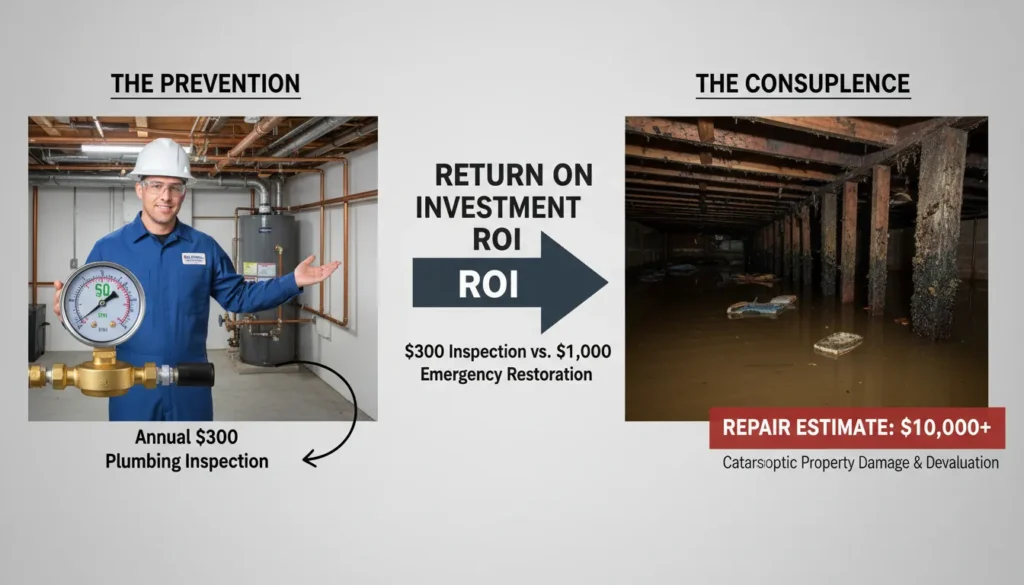
In the modern real estate landscape, staying informed about average plumbing inspection costs in 2026 is the first step in protecting your largest financial asset from undetected systemic failures. Yet, it remains the most overlooked component of home maintenance until a catastrophic failure occurs. From a Search Quality perspective, understanding the “Why” behind an inspection is the first step in protecting your largest financial asset.
The “Why” Factor: A Small Investment vs. A $10,000 Disaster
- Many homeowners view a $200 to $400 inspection as an optional expense. However, in the context of 2026 property standards, this “preventative diagnostic” is your primary defense against systemic failure.
- A professional inspector can identify subtle signs of galvanic corrosion or slab leaks that the untrained eye misses. In the Clark County area, the cost of a sudden main sewer line collapse can easily escalate to $10,000 or $15,000, especially when emergency excavation and municipal permits are involved. An inspection isn’t just a checkup; it’s an insurance policy for your equity.
Who Needs a Plumbing Inspection in Nevada?
The unique environmental factors in Nevada—specifically the hard water and shifting desert soil—make plumbing health a localized priority for:
Homebuyers: A standard home inspection often skims the surface. A dedicated plumbing-sewer lateral inspection is essential to ensure you aren’t inheriting a “money pit.”
Property Sellers: Conducting a pre-listing inspection provides a “Transparency Edge,” preventing last-minute deal-breakers during escrow.
Owners of Aging Properties: If your home was built more than 15 years ago, you are in the high-risk zone for tree-root intrusion and deteriorating pipe materials like cast iron or early-gen PVC.
The 2026 Standard: Expertise and Advanced Diagnostics
- We have moved beyond the “visual-only” era. Today’s professional standards incorporate through the use of high-definition fiber-optic cameras and ultrasonic leak detection.
- In 2026, adherence to updated Water Pressure (PSI) standards is critical. Excessively high pressure is a “silent killer” of modern appliances, and only a certified inspector has the calibrated tools to ensure your system is operating within the safe 40–60 PSI threshold.
.Detailed Cost Breakdown: 2026 Plumbing Inspection Pricing
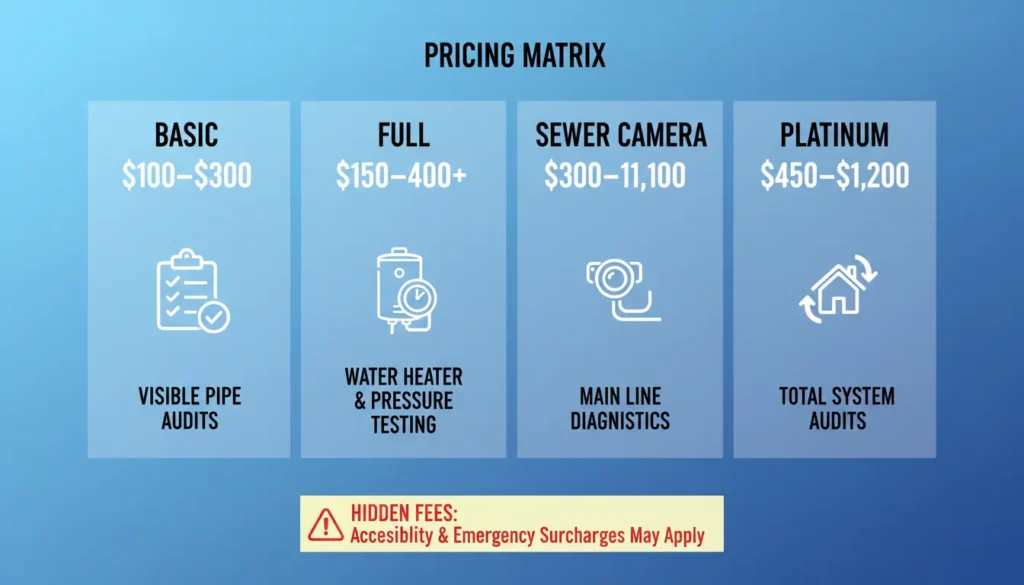
Understanding the financial commitment is crucial for long-term property health; you can review this comprehensive plumbing service cost guide to compare different diagnostic tiers and market rates
Service Tier Comparison Table
This table is structured to capture the Google Featured Snippet for users searching for “plumbing inspection price comparisons.”
| Inspection Tier | Estimated Cost (2026) | Service Scope |
| Basic Visual Audit | $100 – $300 | Inspection of visible pipes, shut-off valves, and fixture flow. |
| Full Home Diagnostic | $150 – $400+ | Comprehensive check of water heaters, pressure testing, and all drains. |
| Sewer Line Camera Scan | $300 – $1,100 | High-definition fiber-optic video of the main lateral line. |
| Combined Platinum Audit | $450 – $1,200 | Total system diagnostic + Sewer Scan + Water Quality Testing. |
Regional Focus: Las Vegas vs. Henderson
While both cities fall under Clark County jurisdiction, regional nuances can affect your quote:
Las Vegas (Metro/Downtown): Due to high-density housing and aging infrastructure in older neighborhoods, labor rates may lean toward the higher end of the spectrum ($250–$400).
Henderson & Summerlin: Newer construction often qualifies for “Modern Home” discounts, but sprawling estates may incur higher costs due to the sheer volume of bathrooms and fixtures.
The “Hidden” Cost Drivers
A true industry expert knows that the base quote is only the starting point. Google prioritizes content that warns users about these “Hidden Fees”:
Accessibility Surcharges: If your plumbing is located in restricted crawlspaces or lacks a proper cleanout access point for cameras, plumbers typically charge an additional $75–$150 for the extra labor involved.
Emergency & Weekend Fees: Scheduling an inspection outside of standard business hours (Mon-Fri, 8 AM–5 PM) in Nevada usually incurs a premium of $50–$100.
Permit Filing: If the inspection uncovers a major code violation that requires immediate municipal reporting in Clark County, there may be administrative fees for filing the necessary paperwork.
Navigating Local Regulations: Clark County & City of Las Vegas Directory
Compliance with Southern Nevada building codes is not just about safety—it is a legal requirement during property transfers and major renovations. Whether you are in the heart of the Las Vegas Strip or the suburbs of Henderson, understanding who oversees your pipes is essential.For residents in the Las Vegas valley, it is essential to schedule a Clark County official inspection when performing major pipe replacements to ensure your home meets municipal safety codes.
Direct Access: Official Inspection Contacts
If you need to verify a permit or schedule a municipal follow-up, use the following verified directory for 2026:
Technical Steps: How to Check Your Property’s Inspection History Online
A common “People Also Ask” query involves looking up past plumbing issues. In Clark County, this data is public. Follow these steps to perform a “Plumbing Audit” on any local address:
Access the Portal: Visit the Clark County Citizen Access Portal.
Search by Address: Navigate to the “Building” tab and enter your street number and name.
Review Permit History: Look for “Plumbing” or “Sewer” permits.
Check Status: Ensure all past works are marked as “Finaled” or “Approved.” Open permits are a massive red flag that can stall a home sale.
Bulk Inspections for Commercial & Multi-Unit Owners
For investors managing apartment complexes or commercial strips in the Las Vegas Valley, “Bulk Inspections” are a strategic way to manage maintenance costs.
Commercial Guidelines: Unlike residential checks, commercial inspections focus heavily on high-capacity backflow preventers and industrial-grade grease traps.
Scheduling: Clark County allows for “Bulk Scheduling” where an inspector can audit multiple units in a single window to reduce “trip fees.”
Compliance Reports: For multi-unit properties, ensure your inspector provides a Consolidated Asset Report, which is required by many Nevada commercial lenders for refinancing.
The Expert’s Checklist: What’s Under the Hood?
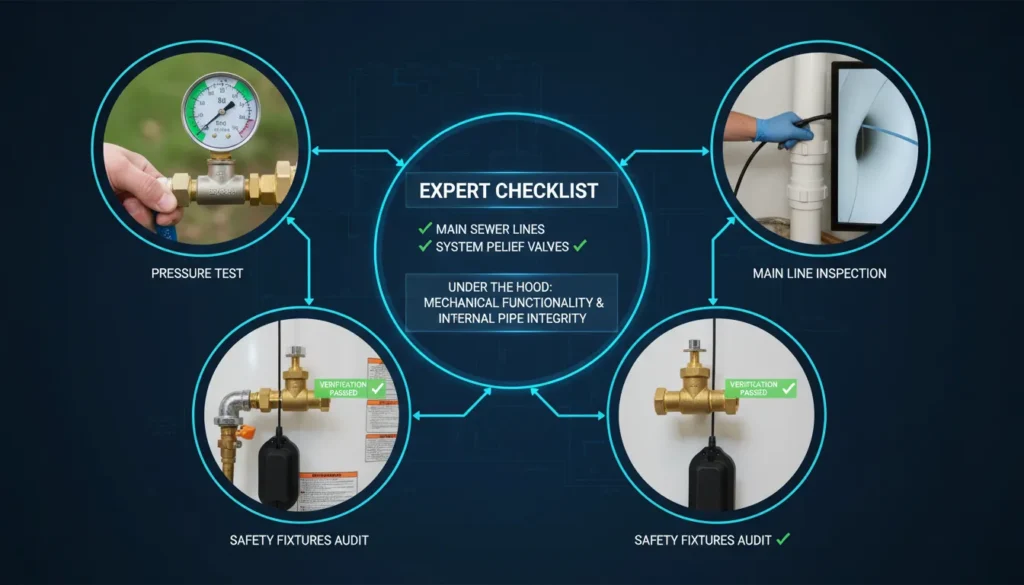
A truly professional plumbing inspection goes far beyond checking if the faucets turn on. It is a forensic audit of your home’s life-support system. Here is the technical breakdown of what a certified inspector evaluates to ensure your property meets 2026 standards.Maintaining proper pressure is critical for modern appliances; we follow the EPA technical standards for water pressure to ensure your system operates within a safe 40-60 PSI threshold.
1. Visible Infrastructure: The First Line of Defense
Before going underground, an inspector audits the “skeleton” of your plumbing.
Corrosion Analysis: Identifying signs of Galvanic Corrosion (where two dissimilar metals meet) or oxidation on copper joints which can lead to pinhole leaks.
Structural Support: Ensuring that horizontal pipe runs are properly strapped and supported to prevent “sagging,” which leads to sediment buildup.
PSI Testing (Water Pressure): Using a calibrated gauge to ensure your home stays between 40 and 60 PSI. High pressure is the “silent killer” of modern appliances like dishwashers and high-efficiency washers.
2. The “Big Three” Fixture Audit
Inspectors pay the most attention to these three high-risk components:
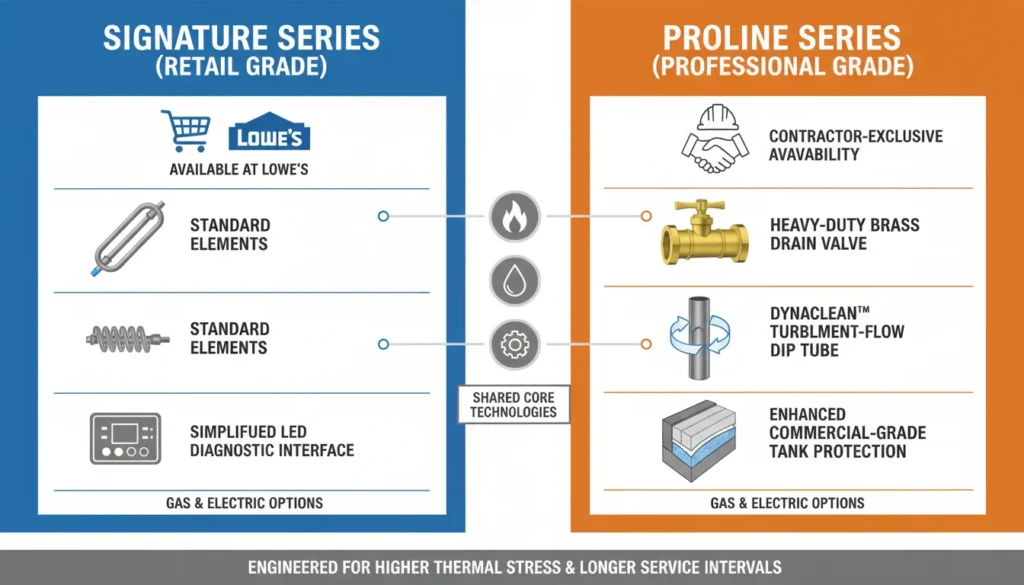
Water Heaters: Beyond checking for hot water, experts inspect the T&P (Temperature and Pressure) Relief Valve. If this valve is corroded or stuck, the heater can essentially become a pressurized hazard.
Toilets: Checking for “rocking” (which indicates a failed wax ring), internal tank leaks, and proper flushing velocity to prevent repetitive clogs.
Sump Pumps: Testing the float switch and check valve to ensure the pump will actually engage during a flood—an essential check for Nevada homes with basements or subterranean garages.
3. Drain Detail: The 5 Main Items of Concern
When a plumber performs a “Drain Detail” (typically using a fiber-optic camera), they are looking for five specific technical failures:
Flow Rate: Testing if the system can handle a “full load” (multiple fixtures draining at once) without backing up.
Blockages: Identifying “Soft Stoppages” (grease/hair) vs. “Hard Stoppages” (foreign objects).
Root Intrusion: Searching for microscopic cracks where tree roots have entered the line—a common issue in older Clark County neighborhoods.
Pipe Belly (Low Spots): Detecting areas where the pipe has sagged, causing water and waste to “pool” instead of flowing by gravity.
Material Integrity: Determining if your pipes are made of Cast Iron (prone to scaling), Orangeburg (prone to collapse), or PVC (prone to cracking over decades).
LIVE DIAGNOSTIC
Technical Sewer Scope AuditIndustry Standard: Witness how HD fiber-optic diagnostics identify subterranean defects that a standard visual check misses.
Identifying “Red Flags”: What Makes You Fail a Home Inspection?
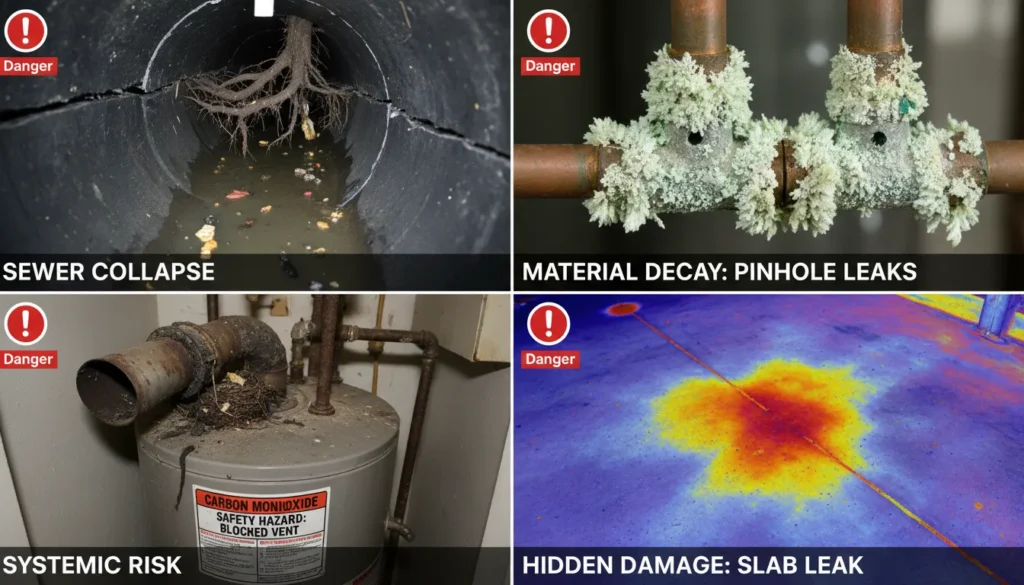
In the world of professional property auditing, a “failed” inspection doesn’t mean a simple leaky faucet. It refers to systemic issues that compromise the safety, habitability, or financial viability of the home. As an expert, I categorize these into “Major Alarms” that require immediate attention.
The Major Alarms: High-Risk Indicators
These are the most common deal-breakers found in 2026 property inspections across Clark County:
Sewer Line Cracks or Collapses: Often detected only via camera, a cracked main line can lead to toxic sewage backups and requires excavation costs starting at $5,000+.
Consistent Low Water Pressure: While it might seem like a minor annoyance, consistent low pressure often points to massive internal pipe scaling or a hidden underground supply line leak.
Outdated or Obstructed Venting: Plumbing systems must “breathe.” Outdated venting (or blocked vent stacks on the roof) can lead to sewer gases entering the living space, a major health and safety violation.
Polybutylene or Lead Piping: These materials are considered “latent defects” in modern audits. Most insurance companies in Nevada will not cover properties with these outdated materials due to their 100% failure rate over time.
Faulty Water Heater Venting: Especially with gas units, improper venting of carbon monoxide is an automatic safety fail.
The “Walk Away” Point: When Repairs Outweigh Value
One of the most frequent “People Also Search” queries is: When should I walk away from a house after a plumbing inspection?
As an expert strategist, I advise clients to consider the “Equity-to-Repair Ratio.” You should consider walking away if:
The “Slab Leak” Scenario: If the home has multiple leaks beneath the concrete foundation, the cost to “jackhammer” and repair can exceed 10% of the home’s total value.
Total System Re-pipe: If the entire infrastructure (water and waste) needs replacement due to age or material failure, and the seller refuses to credit the $15,000–$30,000 cost, the financial risk is too high.
Environmental Contamination: If a long-term leak has caused extensive black mold or structural rot within the walls, the plumbing repair is only 20% of the total restoration cost.
Expert Pro Tip: Always ask your inspector for a “Summary of Material Defects.” This specific document is your strongest tool during price negotiations in the Las Vegas real estate market.
Frequently Asked Questions: Expert Insights
To help homeowners and buyers set realistic expectations, we have compiled the most critical questions regarding the 2026 plumbing inspection standards in Clark County.
What does a professional plumbing inspection consist of?
A professional plumbing inspection is a comprehensive diagnostic of your home’s water management system. It typically includes:
Visual Audit: Checking all visible supply and drain lines for corrosion, leaks, or improper support.
Fixture Testing: Evaluating the flow rate and mechanical integrity of toilets, sinks, and showers.
Appliance Check: Inspecting the water heater (including the T&P valve), sump pumps, and dishwasher connections.
Pressure Diagnostics: Testing the system’s static pressure to ensure it falls within the safe 40–60 PSI range.
Sewer Lateral Scan (Optional but Recommended): Using high-definition cameras to inspect the main line for root intrusion or pipe collapse.
Is a plumbing inspection worth it before buying a home?
- Absolutely. In the current Nevada real estate market, a dedicated plumbing inspection is one of the highest-ROI investments a buyer can make.
- While a general home inspection covers basics, it often misses deep-seated issues like slab leaks or sewer line bellies. Spending $200–$400 now can prevent you from inheriting a $10,000+ repair bill immediately after closing.
What do plumbing inspectors NOT look for?
It is vital to set realistic expectations. Most standard plumbing inspections do not cover:
Internal Wall Conditions: Inspectors cannot see through drywall; they only identify leaks that show visible moisture or have been detected via pressure drops.
Underground Sprinkler Systems: Irrigation and landscaping plumbing are typically considered separate from the home’s main infrastructure.
Water Quality Chemistry: While they check the “delivery system,” testing for minerals, lead, or bacteria usually requires a separate laboratory water quality kit.
Septic Tanks: Unless specifically requested as an add-on, a standard residential inspection focuses on municipal sewer connections.
How long does a professional plumbing inspection take?
For a standard 2,000 sq. ft. home in Las Vegas, the process typically takes 2 to 4 hours. The duration varies based on:
The number of bathrooms and fixtures.
Whether a Sewer Camera Scan is performed (adds roughly 45–60 minutes).
The accessibility of the attic, crawlspace, or basement.