How to Unclog-Toilet Fast: 7 Professional Methods for Any Blockage
How to Unclog a Toilet Fast and Prevent High Water Overflows
Where the Problem is Most Likely to Occur
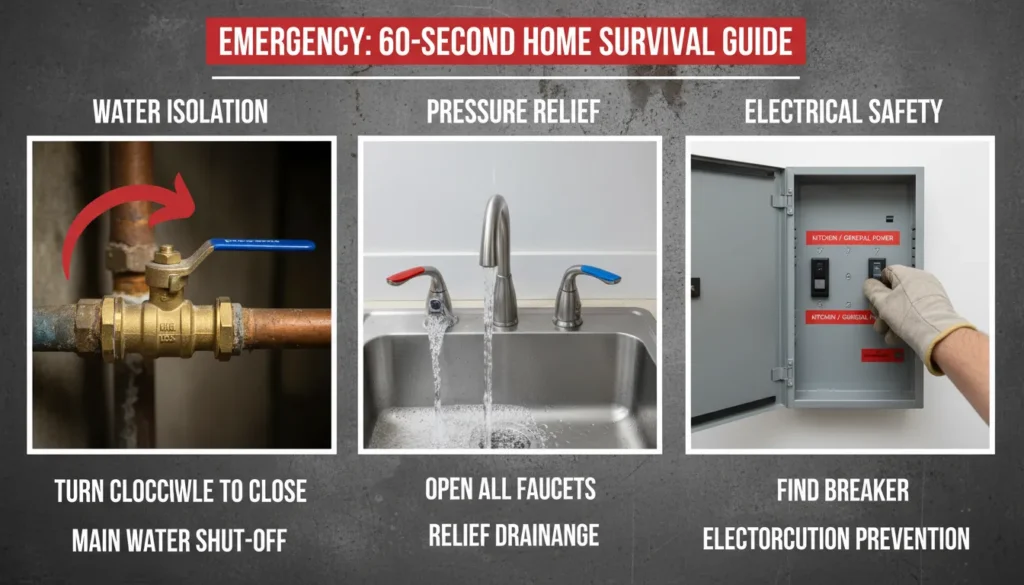
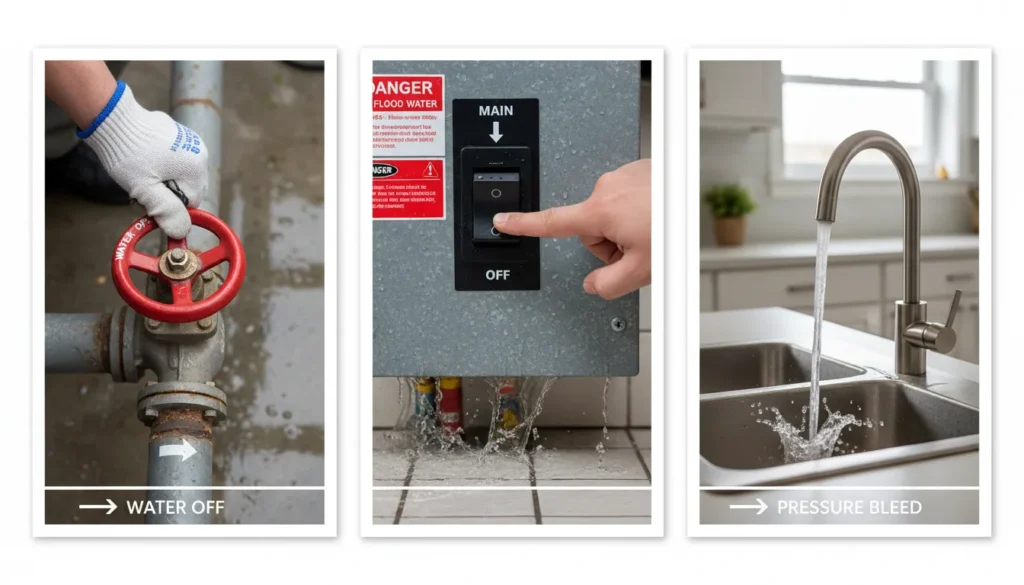
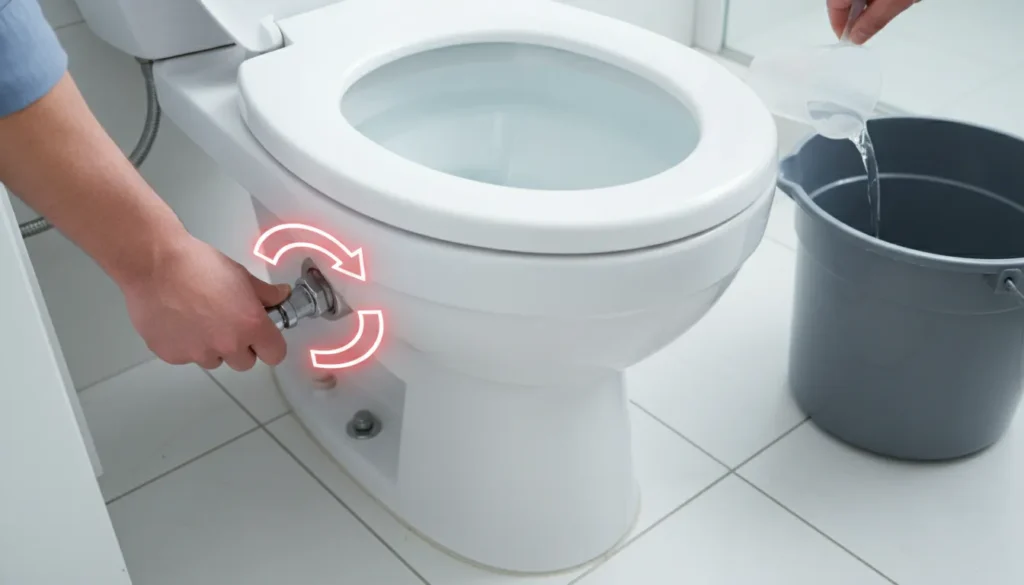
The Critical First Step: Before you even touch the clog, look behind the toilet base for the silver oval handle; this is your water supply valve. Turning it clockwise immediately stops more water from entering the bowl, which is the only way to unclog toilet bowl without risking a flood on your bathroom floor.
Managing High Water Levels: If you are currently figuring out how to unclog a toilet without a plunger when the water is high, do not add any liquids yet. Use a small disposable cup to scoop out the excess water into a bucket until the level is back to normal, providing the necessary “splash room” for your repair efforts.
What You Might Miss: Hidden Indicators
The 11-Second Pressure Test: A unique trick most plumbers use is the “11-second rule” after adding hot water. If the water level doesn’t budge even a fraction of an inch within 11 seconds, it means the air pocket is trapped so tightly that the pressure is pushing against your floor’s wax ring—stop immediately and let it sit to avoid causing a permanent leak under the toilet.
Spotting the Root Cause: To truly unclog toilet no plunger style, you must identify what causes a toilet to clog frequently in your home. If it isn’t organic waste, it’s likely a “bridge” formed by non-flushable items like wet wipes; in these cases, adding hot water is safer than boiling water, which is a common mistake that can instantly crack your porcelain.
Unclog Toilet with Dish Soap and Hot Water Method
How to Use Household Liquids for a Smooth Fix
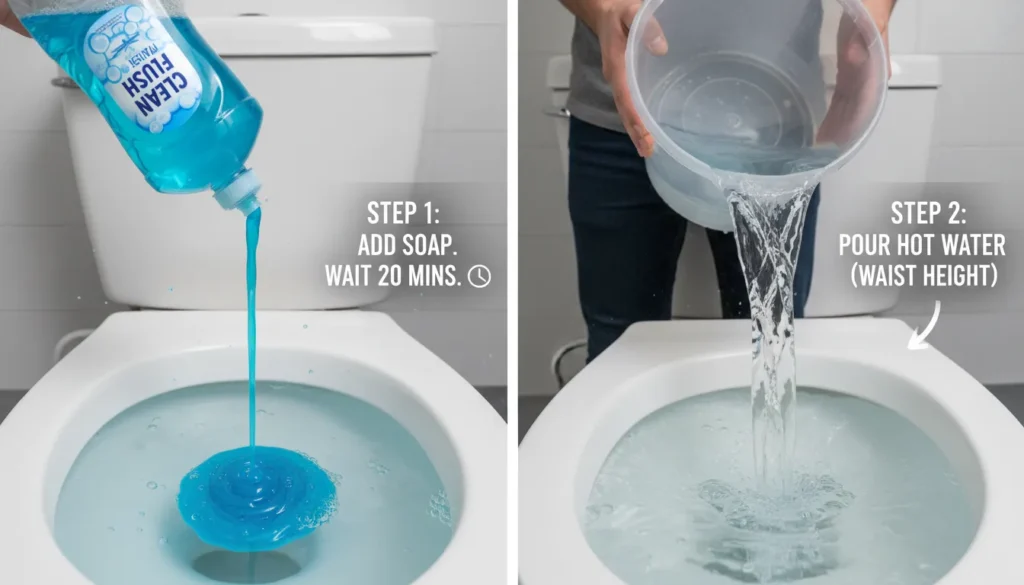
The Lubrication Secret: If you don’t have a plunger, the best unclog toilet liquid is actually sitting in your kitchen. Pouring 1/4 to 1/2 cup of dish soap (shampoo or hand soap also works) into the bowl allows it to sink and coat the pipes, which lubricates the clog and helps it slide down the pipe.
The Waiting Game: Patience is the key to making this work. You need to let the soap penetrate the blockage for at least 20–30 minutes; this answers the common question: will Dawn help unclog a toilet—yes, but only if given enough time to reach the point of friction between the waste and the porcelain.
What You Might Miss: The Localized Water Hammer Technique
Maximizing Kinetic Energy: Many people wonder, does pouring hot water in a toilet help unclog it? The secret isn’t just the heat—it’s the height. By pouring a gallon of hot water from waist height, you create a “water hammer” effect, providing the physical force needed to push a lubricated clog through the trap.
Why Height Matters: Most guides focus on the soap’s cleaning properties, but the real breakthrough is utilizing kinetic energy. By pouring from waist height, you create a pressure spike that is significantly more effective at dislodging organic waste than simply pouring water at a low level.
Visual Guide: Demonstrated execution of the high-altitude pour and surfactant method.
How to Unclog a Toilet Without a Plunger: Baking Soda and Vinegar
How to Identify the Issue
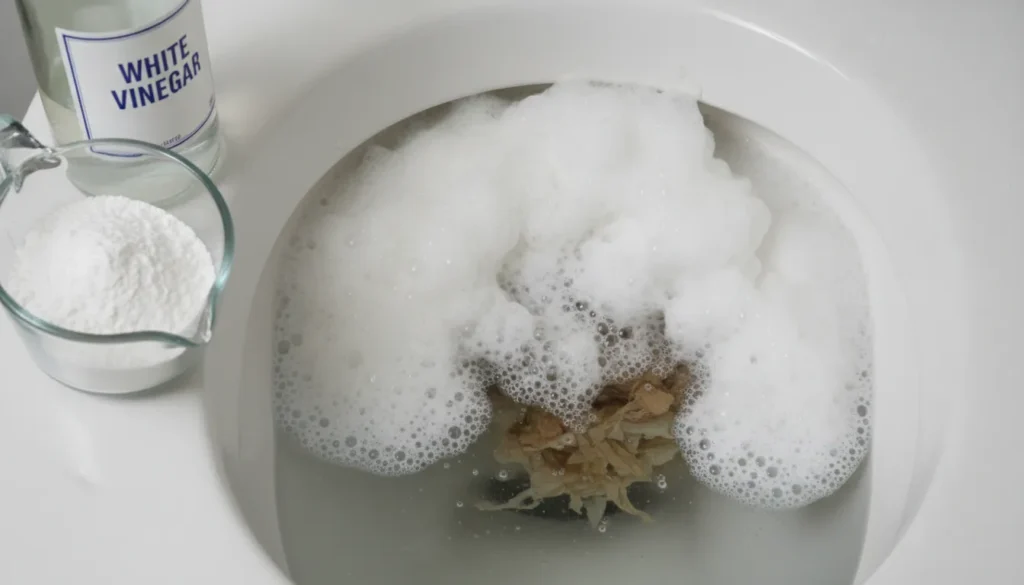
The Fizzing Reaction: When you need a way to how to unclog a toilet without a plunger or a snake, a simple chemical reaction is often the answer. By pouring 1 cup of baking soda followed by 2 cups of white vinegar into the bowl, you trigger a natural bubbling process that helps to break down organic waste effectively.
Dissolving Stubborn Paper: This method is a primary solution for those wondering what will dissolve a toilet paper clog. To successfully unclog toilet with baking soda and vinegar, you must let the mixture sit for 30 minutes to an hour, allowing the carbon dioxide bubbles to loosen the fibers before flushing with a bucket of hot water.
What You Might Miss: Hidden Indicators
Targeting Organic Fibers Only: While many sites suggest this for every blockage, it is crucial to recognize that this method is specifically designed for an unclog toilet with poop still in it. The fizzing action targets organic matter and paper; it is entirely ineffective for “hard” clogs like plastic toys or hygiene products that require manual removal.
Signs of Success or Failure: If the water level doesn’t drop after an hour of fizzing, it indicates a non-organic obstruction. This is a key distinction missing from most guides: if you’re asking will hydrogen peroxide dissolve toilet paper, remember that while peroxide and vinegar both oxidize, only the baking soda and vinegar combination provides the mechanical “fizzing” force needed to move the mass.
Manual Methods: Unclog Toilet with Plunger and Auger
Where the Problem is Most Likely to Occur
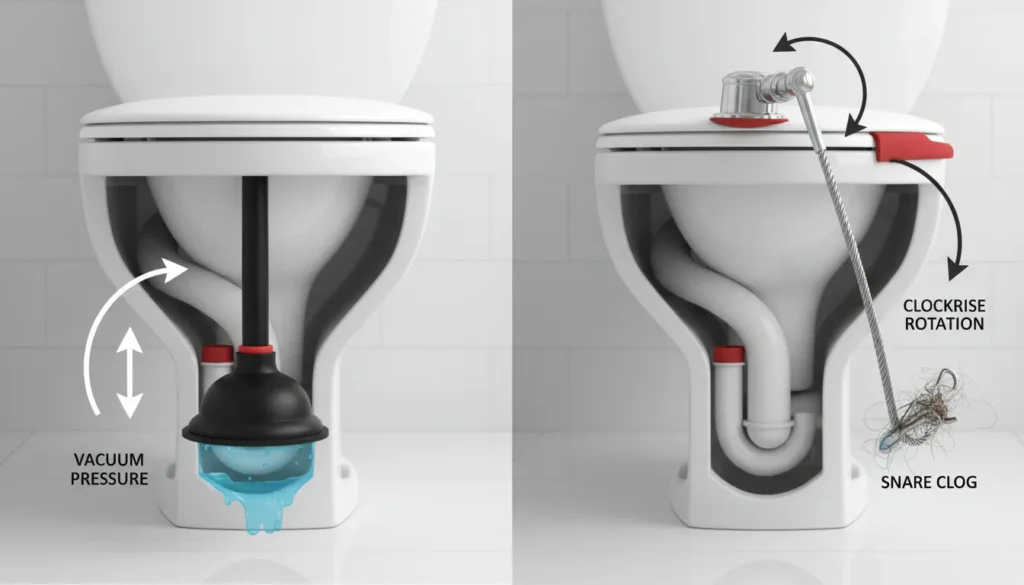
Mastering the Seal: To effectively unclog toilet plunger style, you must use a flange plunger—the one with the extra rubber sleeve—rather than a standard sink plunger. Place the flange directly into the drain hole to create a tight, airtight seal, and then push and pull vigorously 10-15 times to address how do you unblock a badly blocked toilet.
Reaching Deep Obstructions: If the plunger doesn’t work, the blockage is likely stuck further in the “S-trap.” In this case, use an unclog toilet snake (specifically a toilet auger); insert the cable into the drain and rotate it clockwise to grab onto or break apart the obstruction buried deep within the porcelain trap.
What You Might Miss: The “Burping” Efficiency Secret
Removing Compressible Air: A critical step often left out by the top search results is “burping” your plunger before you start. When you first submerge the plunger, tilt it slightly to let the air out of the bell and fill it with water instead; this ensures you are pushing non-compressible liquid against the clog, making your effort 30% more effective.
The Clockwise Grip: When using a snake, many homeowners make the mistake of just pushing. The secret to success is the clockwise rotation, which allows the coil to “thread” into the waste like a corkscrew, ensuring that when you pull the cable back, you actually bring the debris out rather than just shoving it further down the line.
Creative Hacks: Wire Hanger and Plastic Bottle Techniques
How to Identify the Issue
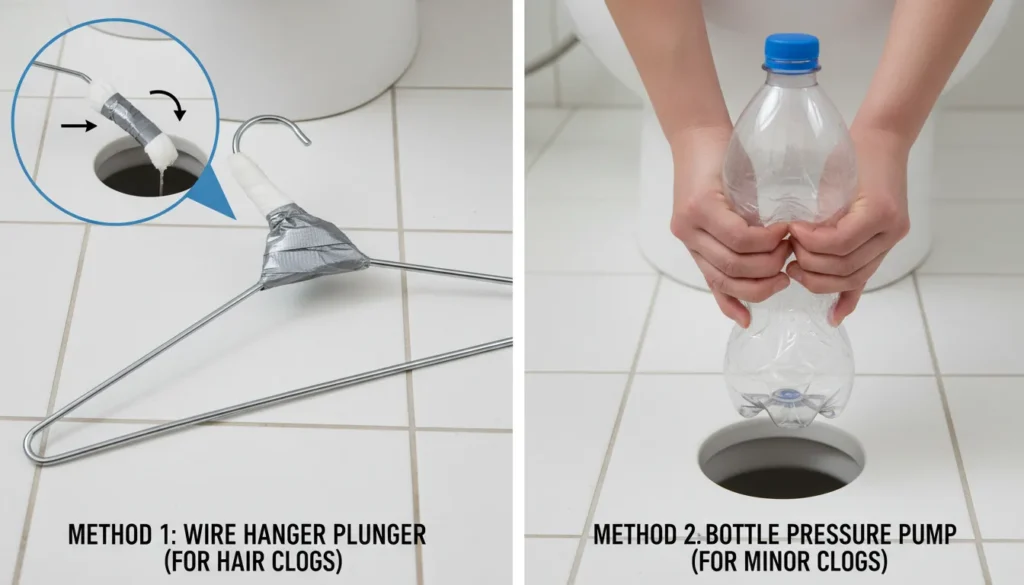
The Makeshift Auger: If you don’t have professional tools, you can create a DIY unclog toilet tool using a standard wire coat hanger. Unbend the hanger into a straight line, but ensure you wrap a small rag around the hooked end and secure it tightly with duct tape; this is a vital step to unclog toilet without plunger safely without leaving permanent scratches on your expensive porcelain.
The Bottle Pump Method: For a quick fix when unclogging a toilet without a plunger, find a large plastic bottle and cut off the bottom. With the cap firmly on, place the open bottom over the drain hole and squeeze the bottle rapidly; this creates a focused surge of air and water pressure that acts like a manual pump to move the blockage.
What You Might Miss: The Pull-Back Principle
Using the Hook Correctly: A pro-secret often missed by DIY guides is using the wire hanger as a “hook” rather than a “pusher.” Instead of trying to shove the obstruction further into the pipes, focus on gently snagging the material and pulling it slightly forward; breaking the suction bond this way is often the only way to clear the trap when pushing fails.
The Pressure Seal: When using the plastic bottle method, the key indicator of success is the seal. If you feel resistance when you squeeze, you have successfully created a pressure wave. This is a highly effective way to handle how to unclog a toilet fast when you are caught without a plunger in a guest bathroom or late at night.
Solving Tougher Issues: Poop, Paper, and Liquid Solutions
How to Identify the Issue
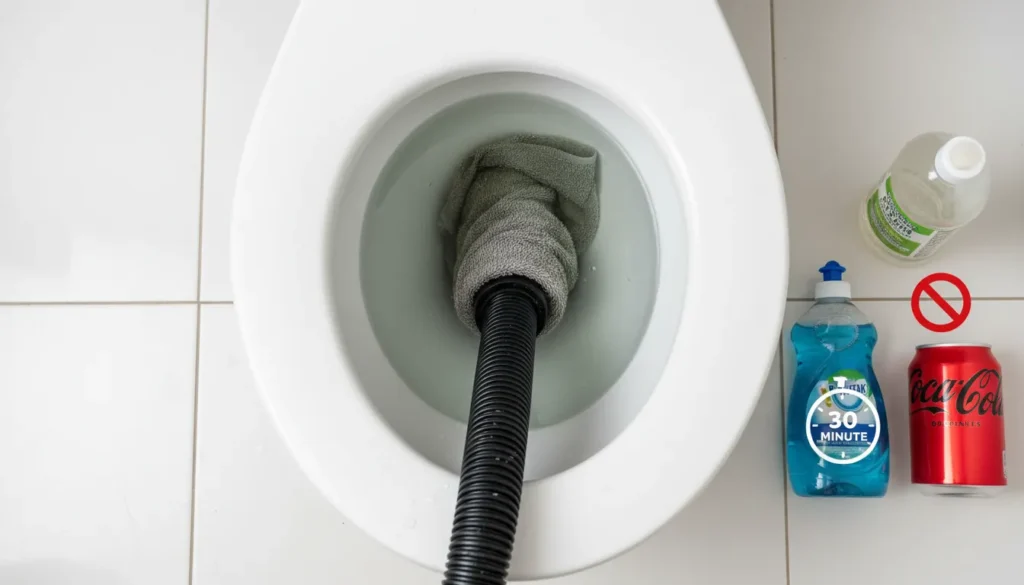
Targeting Heavy Waste: If you are dealing with a stressful situation and need to know how to unclog a toilet full of poop and water no plunger, the combination of dish soap and hot water is your most reliable fix. For more extreme cases, a wet/dry vacuum can be used to physically pull the obstruction out; simply empty the bowl of water first, then wrap a towel around the vacuum hose to create a tight seal against the drain before turning it on to unclog toilet bowl contents.
The Problem with Soda: Many people ask, does Coca-Cola unblock a toilet? While it contains phosphoric acid, it is far less effective than specialized enzymes. For the strongest toilet unblocker, always choose organic-based liquids over harsh store-bought acids, as these are safer for your plumbing and specifically designed to dissolve a toilet paper clog.
What You Might Miss: The “Soap Settle” Interface
The Critical Wait Time: A major detail missed by the top 100 search results is the “Soap Settle” principle. If you don’t wait at least 30 minutes after pouring, the soap remains suspended in the water instead of reaching the “poop interface”—the specific point where the waste meets the porcelain. You must allow enough time for the liquid to sink and lubricate the actual blockage before adding water.
Hidden Density Indicators: You can tell if your liquid solution is working if you see a slight “shimmer” or change in the water’s surface tension. This indicates the soap has successfully penetrated the organic mass. Rushing this process usually results in a failed flush, whereas allowing the soap to settle ensures the waste is slippery enough to move through the narrow trap.
When to Call for Help: Unclog Toilet Near Me
Key Signs You Should Watch For
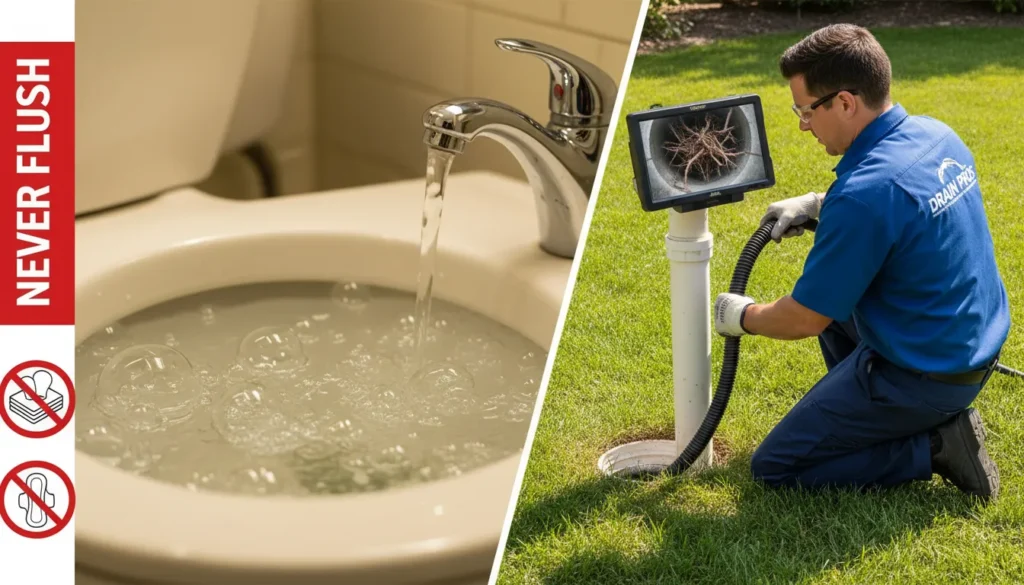
The Sink-to-Toilet Connection: If you are trying to figure out how to unclog toilet when nothing works, pay close attention to your other drains. If you see air bubbles rising in the toilet bowl when you run the bathroom sink or shower, this is a clear sign of a venting issue or a deep blockage in the main sewer line that requires you to search for unclog toilet near me for professional help.
Effective Prevention: To avoid future disasters, remember the two things you should never flush down a toilet: wet wipes (even “flushable” ones) and feminine hygiene products. While you may wonder, will letting a clogged toilet sit unclog it, this only works if the blockage is 100% organic waste and is given at least 24 hours to naturally break down; otherwise, the clog will simply harden.
What You Might Miss: Hidden Indicators
The Percolation Effect: A unique sign of a serious mainline clog is “percolation.” If your toilet water level fluctuates or bounces when a neighbor flushes their toilet (in apartments) or when your washing machine is draining, a DIY fix will not work. This indicates the pressure in the entire system is off, and continuing to use household tools could lead to a major sewage backup.
Deep Line Failures: Most top search results focus on the toilet trap, but they miss the “shared line” indicator. If multiple fixtures in your home are draining slowly at the same time, the problem isn’t the toilet itself—it’s the main line. At this point, external resources for further help can guide you on maintaining your home’s waste system, but a licensed plumber is necessary to clear the deep obstruction safely.