Lesser-Known Tips for Unclogging a Drain Without Calling a Plumber
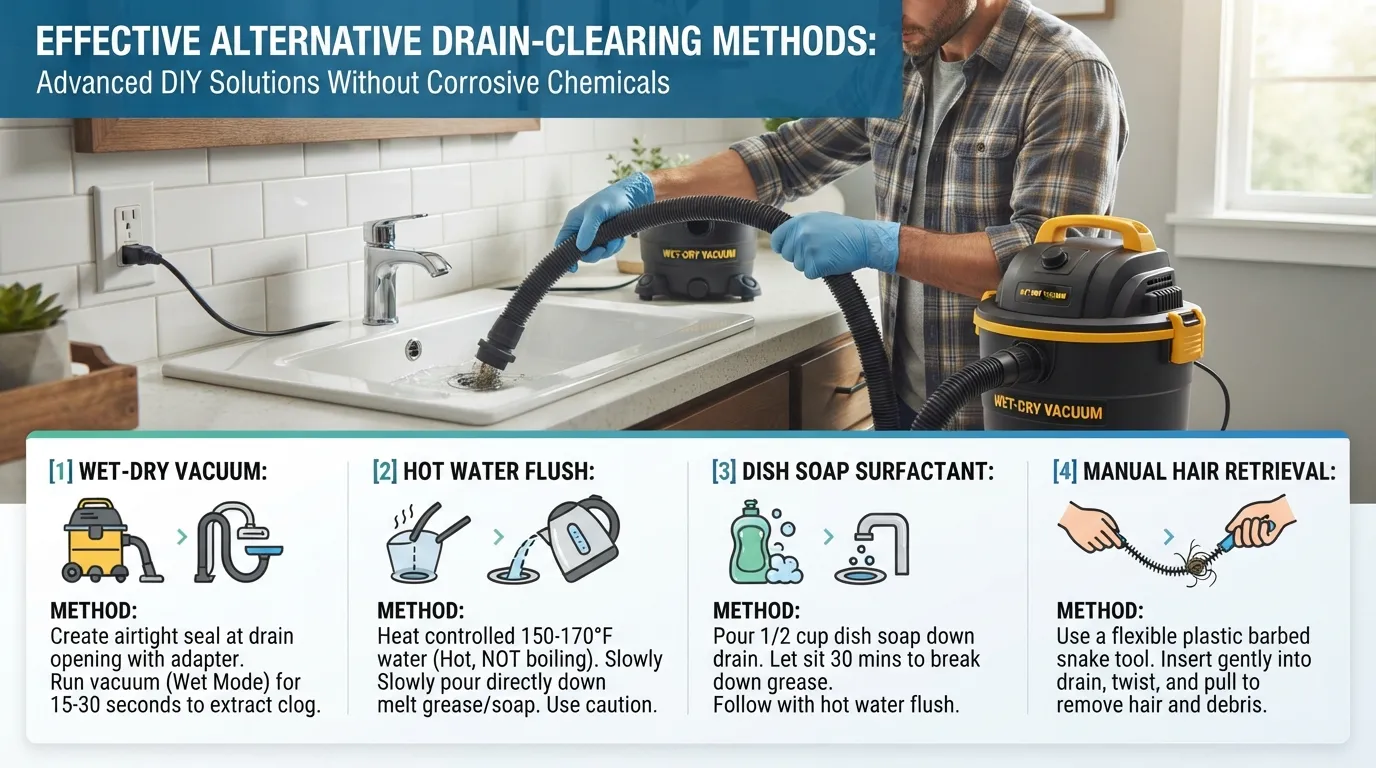
Skip the Basic Hacks — Real Lesser-Known Drain Tricks That Actually Work
Forget the standard baking soda and vinegar routine that only bubbles on the surface. When you are dealing with a stubbornly clogged drain, everyday household remedies usually fall short of breaking down heavy organic buildup.
True DIY drain cleaning requires targeted mechanical removal and pressure manipulation rather than mild chemical reactions. This guide delivers advanced, fixture-specific techniques that handle tough blockages without harsh chemicals or calling a plumber.
Bypass ineffective myths: Stop wasting time on weak concoctions that cannot cut through grease, hair, and soap scum.
Target the root cause: Use specialized physics-based methods to clear buildup directly at the trap or pipe wall.
Protect your plumbing: Learn lesser-known plumbing tricks that keep PVC and metal pipes safe from corrosive commercial acids.
What specific drain fixture is giving you the hardest time right now?
Why Basic Drain Tips Stop Working And What Google's Data Shows Users Actually Need
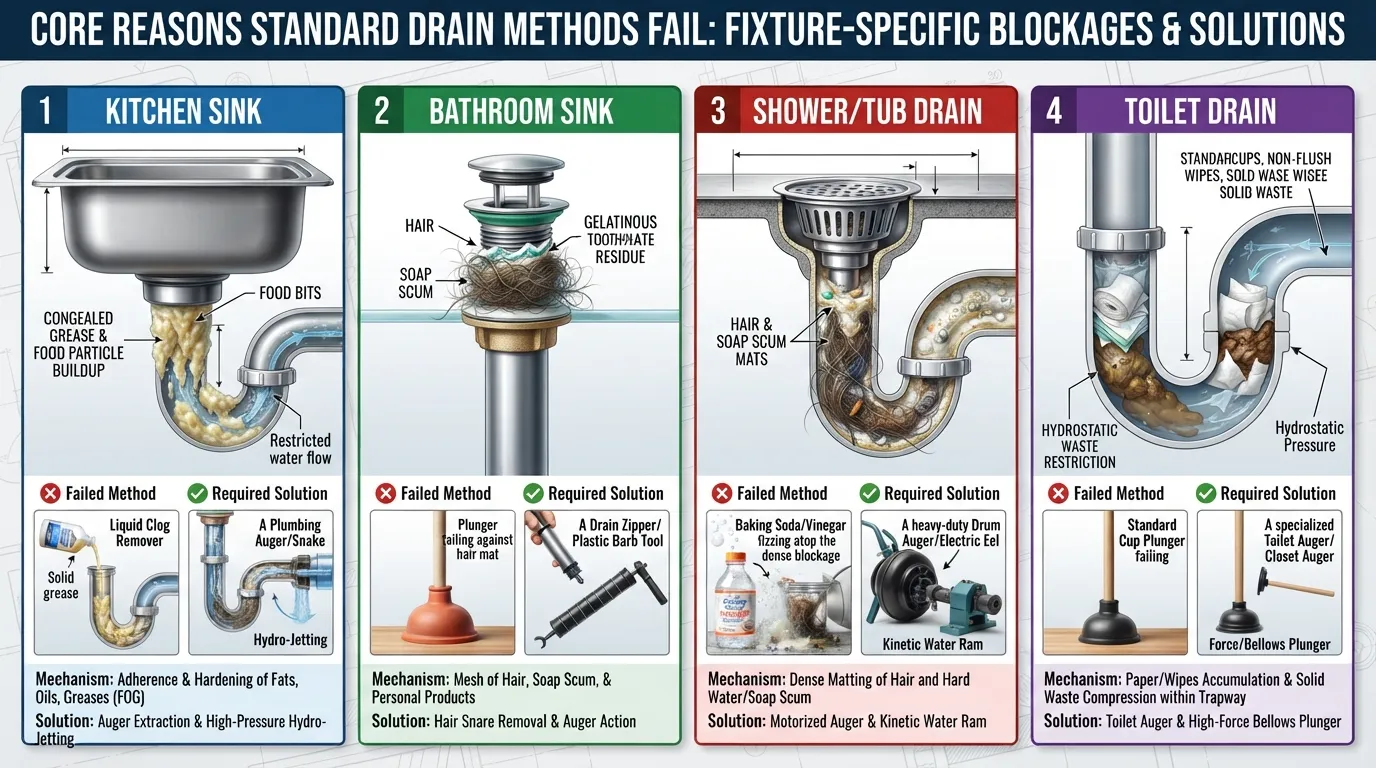
Generic advice fails because every household fixture collects entirely different debris. Treating a kitchen sink the same way you treat a shower stall guarantees a failed DIY attempt.
Understanding your specific fixture type is the critical first step toward a permanent fix. Different blockages demand entirely different pressure techniques and mechanical tools to clear successfully.
Kitchen Sink vs. Bathroom Drain vs. Shower vs. Toilet — Why One Fix Doesn’t Fit All
Each home drainage point features a unique set of materials traveling down the pipe. Using a one-size-fits-all approach leaves the underlying restriction intact.
Kitchen Sinks: These suffer primarily from congealed fats, oils, and food particles. A grease clog hardens along the pipe walls, requiring thermal or specialized scraping methods rather than simple suction.
Bathroom Sinks & Showers: These rely heavily on hair accumulation combined with sticky soap scum. A hair clog forms a dense, fibrous net that catches debris, demanding targeted retrieval tools.
Toilets: These handle high-volume organic waste and flushable items that create hydrostatic pressure locks. A toilet blockage requires displacement dynamics rather than chemical breakdown.
Match your cleaning strategy directly to the blockage type to clear lines safely and permanently.
Lesser-Known Kitchen Sink Unclogging Tricks
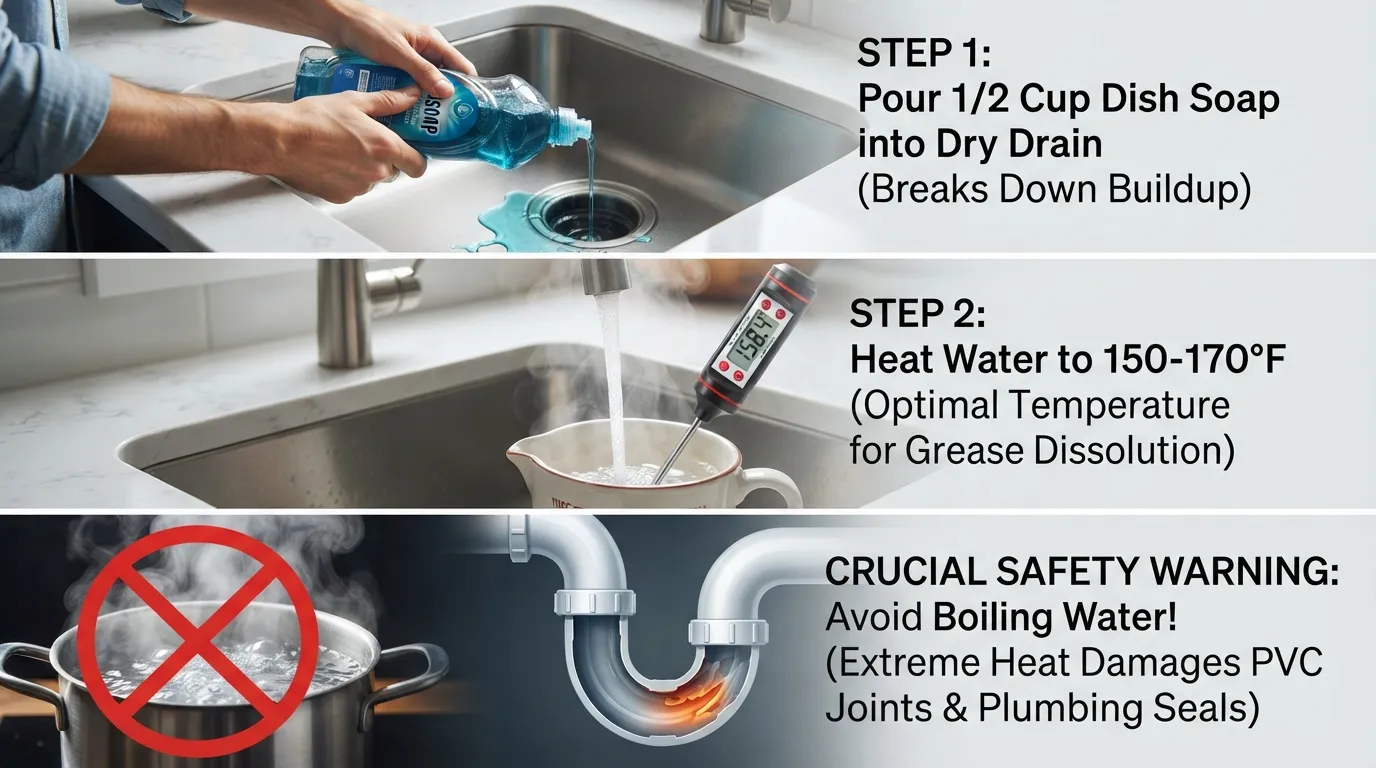
Kitchen sinks clog primarily due to heavy grease buildup and congealed cooking fats lining the pipe walls. Standard plungers often fail here because they simply push soft grease around without melting or emulsifying the mass.
Targeted thermal-chemical treatments break down the organic grease matrix at its core. Using a precise combination of liquid dish soap and controlled-temperature water safely dissolves restrictions without damaging your plumbing system.
The Dish Soap Flush Method (Step-by-Step)
Liquid dish soap acts as a powerful surfactant that coats and breaks down stubborn grease molecules. This method targets the root cause of kitchen sink blockages by emulsifying trapped oils so they flow freely down the municipal line.
Pour generous soap: Squirt half a cup of high-concentration liquid dish soap directly down the dry drain opening.
Allow penetration: Let the dish soap sit undisturbed for 15 to 20 minutes to penetrate the dense grease buildup.
Flush the line: Follow the resting period with a steady stream of heated water to wash away the liquefied fats.
Controlled Hot Water Technique — Why 150–170°F, Not Boiling
Water temperature plays a massive role in melting stubborn kitchen grease without triggering plumbing failures. Maintaining a precise window between 150°F and 170°F provides enough thermal energy to melt fat without overstressing residential lines.
Measure the temperature: Use a kitchen thermometer to ensure your water falls safely within the 150°F to 170°F sweet spot.
Melt the barrier: This specific heat level softens solidified cooking oils and butter instantly upon contact.
Clear the residue: The warm current carries the liquefied fats away before they can re-congeal further down the pipe system.
Real-World Insight: What Happens When You Use Boiling Water on PVC Pipes
Pouring rolling boiling water directly down a kitchen sink can cause severe unintended damage. Many homeowners are unaware that excessive heat compromises modern Drain Cleaning Services standards regarding material integrity.
Soften structural joints: Boiling water at 212°F can weaken PVC pipes and melt the solvent cement holding pipe joints together.
Trigger leaks: Warped PVC joints lead to hidden leaks under bathroom vanities or kitchen cabinets, resulting in costly structural water damage.
Prevent disasters: Stick to hot tap water to protect your plumbing infrastructure while clearing everyday grease clogs safely.
Lesser-Known Bathroom Sink & Shower Drain Tricks
Bathroom drains accumulate a dense web of hair and sticky soap scum that standard plungers often fail to dislodge. Traditional chemical drain cleaners struggle to dissolve compacted hairballs suspended deep within the trap or vertical waste pipe.
Mechanical suction methods provide a powerful alternative by drawing stubborn obstructions directly up and out of the line. Using a wet/dry vacuum safely harnesses air pressure to eliminate hair clogs without scratching vulnerable porcelain or fixture finishes.
The Wet/Dry Shop Vacuum Technique (Full Steps + Seal Tips)
The wet/dry vacuum technique uses sudden negative pressure to rip hair clogs free from pipe walls. This powerful suction method extracts dense clumps that manual plunging only pushes deeper into the system [00:00].
Prep the tank: Remove any paper filters or bags from your wet/dry shop vac to prevent moisture damage during extraction.
Position the hose: Place the vacuum hose snugly directly over the open bathroom sink or shower drain hole.
Execute sudden suction: Turn the vacuum on high for 5 to 10 seconds to shock the blockage loose and draw it upward.
How to Create an Airtight Vacuum Seal Over the Drain
An airtight seal is essential because any gap allows air to escape, drastically reducing the pulling power needed to move a hair clog. Proper sealing ensures 100% of the vacuum’s suction force targets the obstruction directly.
Use a plunger flange: Detach a rubber plunger head and slip it over the end of your vacuum hose as a custom adapter cone.
Press flat: Push the rubber seal firmly against the surrounding porcelain or acrylic basin surface around the drain.
Block overflow holes: Seal the bathroom sink overflow port tightly with a wet cloth to prevent air from bypassing the main blockage.
Common Mistake: Wrong Vacuum Setting or Wet Filter
Leaving a dry paper filter inside the shop vac while pulling wet debris can ruin your machine instantly. Matching the correct equipment settings ensures safe operation and maximum extraction performance.
Remove dry elements: Always strip out standard paper or cloth filters before attempting liquid or sludge extraction.
Manage liquid capacity: Monitor the shop vac collection canister closely to avoid overloading the motor with stagnant wastewater.
Check hose integrity: Inspect your vacuum hose for micro-cracks that silently bleed off the suction power required for deep pipe clearance.
Lesser-Known Bathtub Unclogging Trick: The Overflow-Plug Method
Plunging a bathtub is often frustrating because standard attempts push air out through the overflow plate rather than targeting the drain restriction. If the overflow opening remains unsealed, any downward stroke of the plunger loses compression.
Blocking this escape route forces air and water directly against the underlying clog to break it apart. This lesser-known plumbing trick transforms standard tools into high-pressure cleaning instruments without requiring harsh chemical acids.
Why Plunging Fails Without Blocking the Overflow Hole
The bathtub overflow opening connects directly to the primary drain pipe behind the wall. When you plunge blindly without sealing this secondary escape route, the air pressure simply vents upward.
Pressure loss: The plunger’s downward force escapes through the open grate, neutralizing the suction needed to move debris.
Wasted effort: Homeowners spend excessive energy pumping water back and forth without shifting the actual hair or soap blockage.
Broken seals: Uncontrolled pressure surges can strain old rubber gaskets behind the overflow plate, causing hidden leaks.
Step-by-Step: Sealing the Overflow for Maximum Suction Pressure
Sealing the overflow hole creates a closed hydraulic loop inside your bathtub drainage system. This simple adjustment directs 100% of your plunging force straight down at the clog.
Soak a heavy cloth: Completely submerge a thick washcloth or small hand towel in water and wring it out slightly so it remains damp.
Stuff the grate: Pack the wet washcloth tightly into or over the entire overflow plate opening to form a temporary airtight block.
Execute the plunge: Hold the wet cloth firmly in place with one hand while pumping your cup plunger vigorously over the main drain with the other hand.
How to Unclog a Drain Without Harsh Chemicals
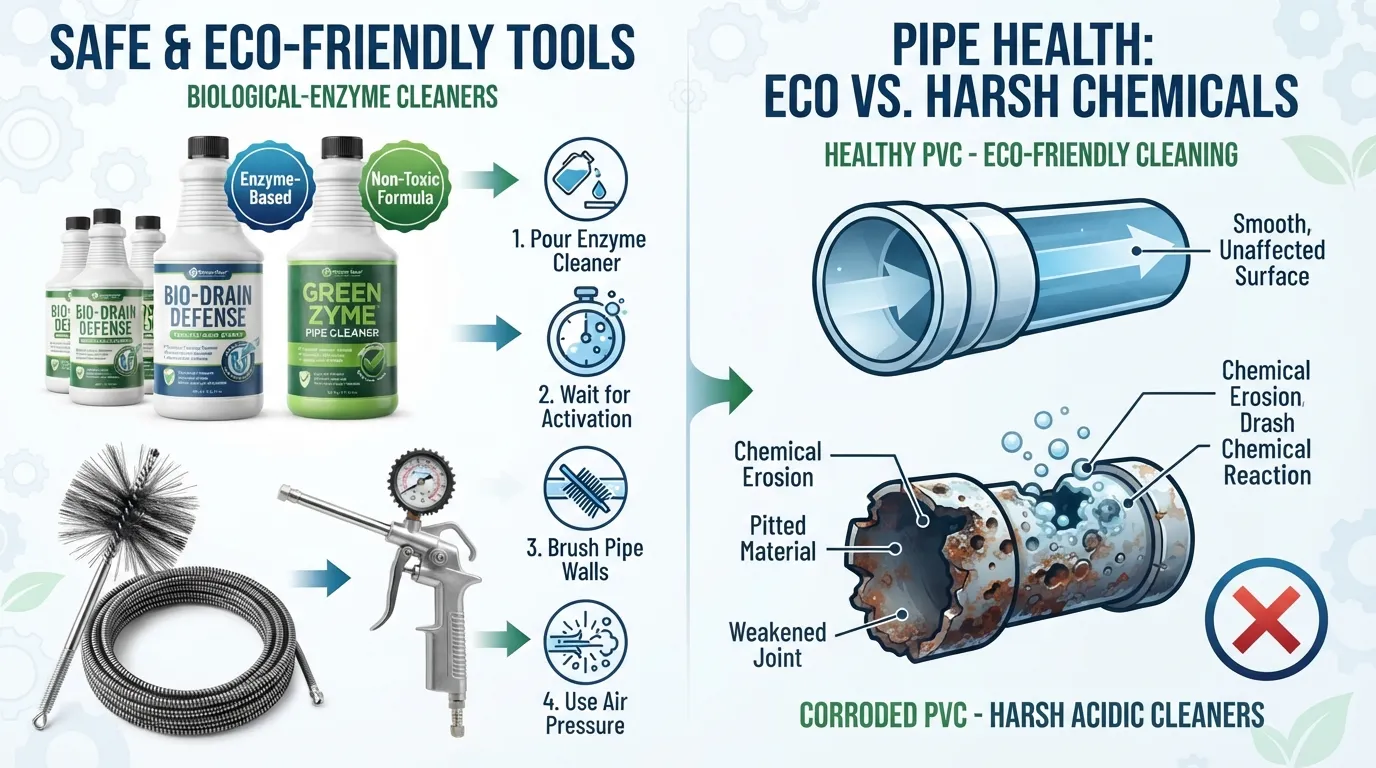
Reaching for commercial bottles of commercial liquid drain cleaner offers a quick fix, but it often introduces severe long-term hazards to your home. Most conventional products rely on caustic lye or heavy sulfuric acid that can degrade your plumbing infrastructure over time.
Choosing a chemical-free approach protects your pipes, safeguards your indoor air quality, and prevents accidental chemical burns. Safe, targeted physical and biological methods can eliminate tough blockages without Drano or toxic compounds.
Natural Alternatives That Actually Break Down Clogs
Eco-friendly clearing agents rely on targeted biological action or safe mechanical friction rather than aggressive chemical reactions. These natural options effectively break down organic matrices without threatening your household safety.
Enzyme cleaners: Introduce specialized bacterial cultures that feed directly on organic waste, hair, and grease, digesting the blockage naturally over a few hours.
Boar-bristle drain brushes: Use a flexible, long-handled micro-brush to scrub pipe walls clean of accumulated slime without scratching or gouging plastic surfaces.
Compressed air tools: Deploy manual air-burst guns that deliver a sharp, highly localized wave of kinetic pressure to dislodge stubborn clogs safely.
Why Chemical Drain Cleaners Can Damage Older Pipes
Pouring highly corrosive acids or concentrated alkaline solutions down residential lines can trigger severe structural failures. According to safety insights outlined in the Poison Control Center Chemical Guide, these aggressive formulations present immediate health and material risks.
Exothermic melting: Chemical reactions generate intense heat that can warp, soften, or crack PVC and ABS plastic pipe networks.
Accelerated corrosion: Corrosive liquids pool inside older cast iron or galvanized steel traps, eating through weakened metal and creating hidden leaks.
Seal degradation: Caustic compounds break down the rubber gaskets and solvent-welded joints holding your under-sink plumbing assembly together.
Signs You Need a Professional Plumber Not a DIY Fix
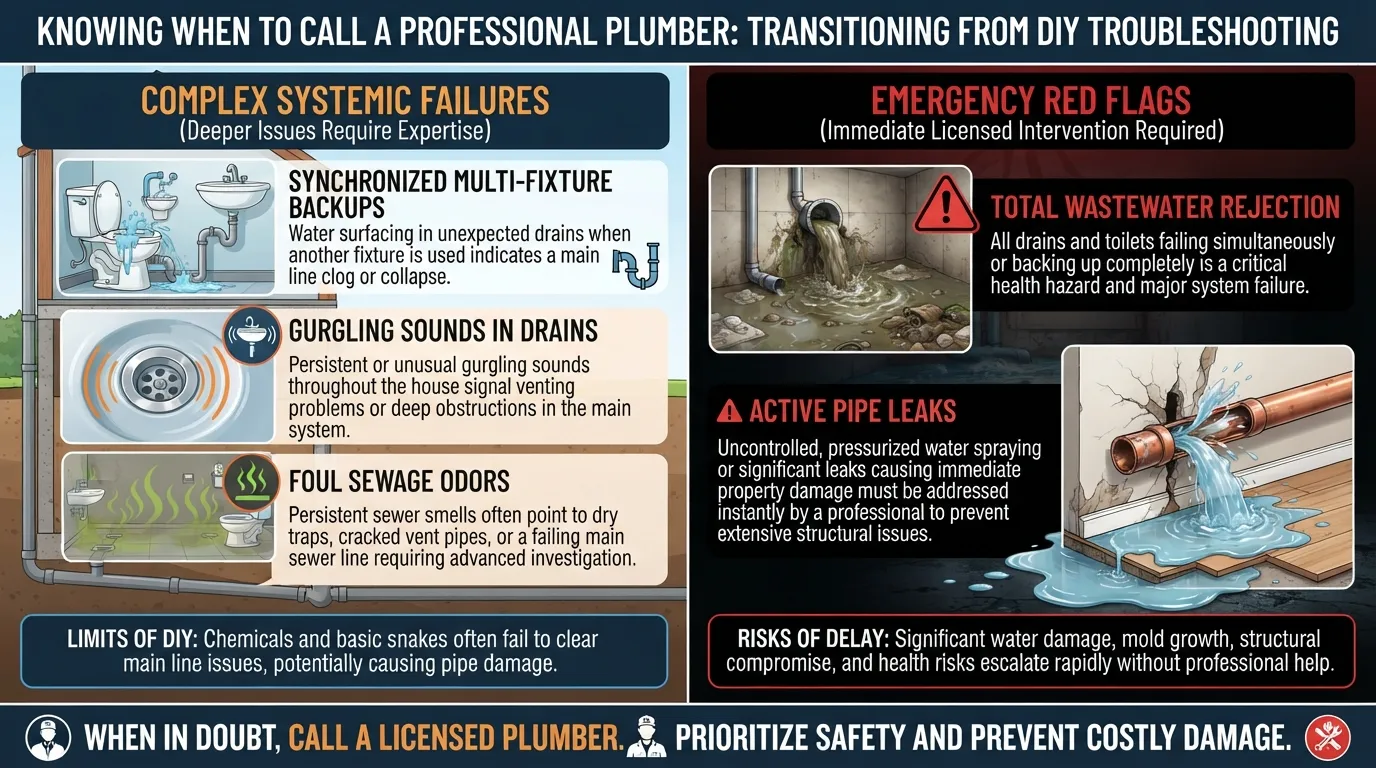
Knowing when to step back from a stubborn blockage prevents minor plumbing hiccups from turning into major property damage. While physical tools and thermal flushes handle localized fixture traps, deeper system failures require industrial equipment like motorized snakes and hydro-jets.
Recognizing your limits preserves your plumbing infrastructure and protects your home from severe wastewater backups. Understanding when to call a professional plumber ensures the underlying problem gets resolved correctly the first time.
Warning Signs of a Deeper Clog or Sewer Line Issue
When standard DIY techniques fail to clear a stubborn restriction, the blockage is likely hiding far beyond the reachable P-trap. Investigating these complex issues often requires calling for specialized Sewer Line Services to inspect the main stack.
Persistent gurgling noises: Air trapped behind deep obstructions bubbles up through plumbing fixtures whenever water runs elsewhere in the home.
Foul sewage odors: Unpleasant sulfur or gas smells emanating from your drains indicate a broken vent stack or a failing trap seal.
Slow-draining fixtures overall: Water sluggishly escaping across multiple unrelated rooms points directly to a primary waste line restriction.
When Multiple Drains Clog at Once — What It Really Means
A single slow drain is usually a local nuisance, but multiple clogged fixtures simultaneously signal a systemic home emergency. This widespread failure means the main sewer line is completely compromised or blocked by invasive tree roots.
Synchronized backups: Water rising in your downstairs shower when you flush the upstairs toilet confirms a main lateral line failure.
Washing machine overflows: Floor drains bubbling over whenever the laundry cycle pumps out water indicate heavy line congestion.
Professional diagnosis: Technicians must deploy fiber-optic cameras to locate the exact structural break or root intrusion causing the simultaneous fixture failure.
Emergency Situations That Can’t Wait
Certain plumbing scenarios demand immediate intervention to prevent raw sewage from flooding your living space. Handling these emergency situations quickly minimizes structural remediation costs and health hazards.
Total wastewater rejection: Raw sewage or greywater backing up directly into bathtubs and kitchen sinks requires an immediate professional shutdown.
Uncontrolled overflowing toilets: A toilet bowl that continuously rises and overflows despite shutting off the supply valve needs urgent mechanical extraction.
Structural pipe collapse: Hearing the sound of rushing water inside your drywall or beneath concrete slabs demands emergency intervention.
FAQs: Lesser-Known Drain Unclogging Questions
Can I unclog a drain myself, or should I call a professional?
You can easily handle localized fixture clogs, hairballs, and light grease buildup using mechanical tools like a wet/dry shop vacuum or a plastic drain snake. If multiple fixtures back up simultaneously or you suspect a main sewer line blockage, it is time to Book Now and call a professional.
What chemicals do plumbers use to unclog a drain?
Professional plumbers rarely use consumer-grade caustic liquids like Drano because they can damage pipes and generate extreme heat. Instead, commercial technicians rely on concentrated commercial enzyme treatments, powerful mechanical augers, or high-pressure hydro-jetting equipment to scour pipes safely.
How can you unclog a shower drain without chemicals?
Shower drains packed with hair and soap scum can be cleared cleanly using a wet/dry shop vacuum sealed tightly over the drain opening. Alternatively, flexible plastic barbed zips or manual drum augers physically hook and pull the hair mass out from the trap.
How can I unclog a drain without calling a plumber or using toxic chemicals?
Combine physical removal techniques with safe thermal management, such as pouring controlled 150°F to 170°F water mixed with liquid dish soap. This approach emulsifies grease and clears organic buildup without relying on harsh acids or paying for a service call.
How can you unclog a drain without using Drano?
Substitute harsh commercial formulas with compressed air drain guns, manual wire snakes, or biological enzyme cleaners that break down organic waste naturally. These safe methods protect your PVC joints and rubber gaskets from premature chemical corrosion.
Preventing Future Clogs — Simple Habits That Save You Money
Shifting from reactive unclogging to proactive drain maintenance eliminates unexpected plumbing emergencies and saves you hundreds of dollars in repair bills. Adopting a few simple daily and weekly routines stops hair, grease, and soap scum from bonding to your pipe walls.
Investing just a few minutes in preventive care keeps your home’s wastewater flowing smoothly year-round. Consistent upkeep protects your plumbing infrastructure and ensures you rarely need to Plumbing Services intervention.
Weekly Maintenance Habits for Kitchen and Bathroom Drains
Establishing a regular weekly cleaning routine prevents organic debris from compacting into hard-to-reach blockages. Simple preventative steps stop minor buildup long before it turns into a total stoppage.
Install fine mesh drain screens: Catch loose hair in showers and food particles in kitchen sinks before they ever enter the waste pipe.
Run a hot water flush: Pour a steady stream of hot tap water down your kitchen sink after washing greasy dishes to keep fats from congealing.
Apply monthly enzyme treatments: Pour a biological enzyme cleaner down bathroom and kitchen drains monthly to digest microscopic soap and grease layers.
Tools Worth Keeping Under Your Sink
Having the right diagnostic and clearing tools on hand empowers you to handle minor flow restrictions instantly. Storing these affordable essentials in your cabinet eliminates panic when a slow drain appears.
Plastic barbed hair snakes: Keep flexible zip tools ready to snag and pull hair out of bathroom shower and sink traps effortlessly.
Silicone flange adapter: Use a flexible universal suction cone to convert your standard household plunger for tight sink or tub overflow seals.
Rubber protective gloves: Keep heavy-duty gloves and an old towel underneath the vanity to maintain a clean workspace during quick maintenance checks.
Still Clogged? Get Fast, Professional Help
When stubborn blockages defy every DIY trick and mechanical tool, professional intervention is your safest and fastest solution. Continuing to force pressure down a compromised system risks catastrophic pipe failure or raw sewage backups.
Secure reliable peace of mind by scheduling expert assistance to restore your home’s drainage safely. Book Now to connect with our certified experts for reliable Drain Cleaning Services today.
Main Services
Related Posts
Need a Plumber in Miami?
Schedule service online or speak directly with the EZ Plumbing team.
Owner-Led Local Service
Know who is behind the business before you request service. The owners, contact line and Miami service pages are published clearly.
- Named business owners
- Direct phone and social channels
- Local Miami service information
Clear Help Before You Book
Review the relevant service page, contact the team directly and use the booking page when you are ready—without relying on vague claims.
- Service-specific information
- Direct questions before scheduling
- Clear online booking route