
Waste Cooking Oil Recycling Ideas and Uses (Full Guide)
What can I do with waste cooking oil?
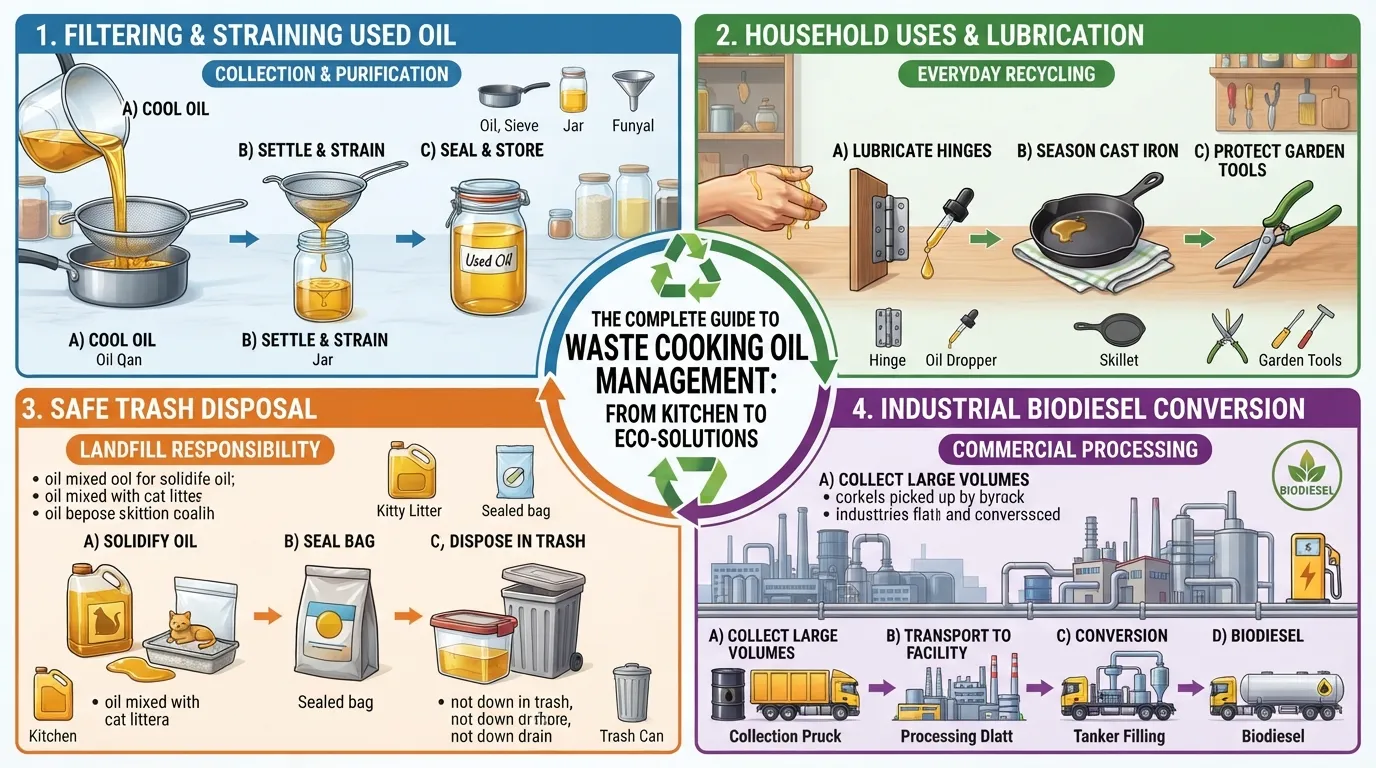
Disposing of waste cooking oil down the drain causes severe plumbing blockages and environmental damage, but you have several practical alternatives. Instead of throwing it away, you can transform, repurpose, or safely discard it using proper eco-friendly methods.
Make Biodiesel: Strain and collect your used oil to convert it into eco-friendly fuel for diesel engines through a chemical process called transesterification.
Create Household Lubricants: Filtered vegetable oil works effectively as a natural lubricant for squeaky door hinges, stuck zippers, and garden tools.
Drop Off at a Hazardous Waste Facility: Take large volumes of used cooking oil to a local municipal recycling center or household hazardous waste collection site.
Reuse for Cooking: Clean, non-rancid oil from frying vegetables can be safely strained and reused two to three times for similar cooking tasks.
Why You Should Never Pour Cooking Oil Down the Drain
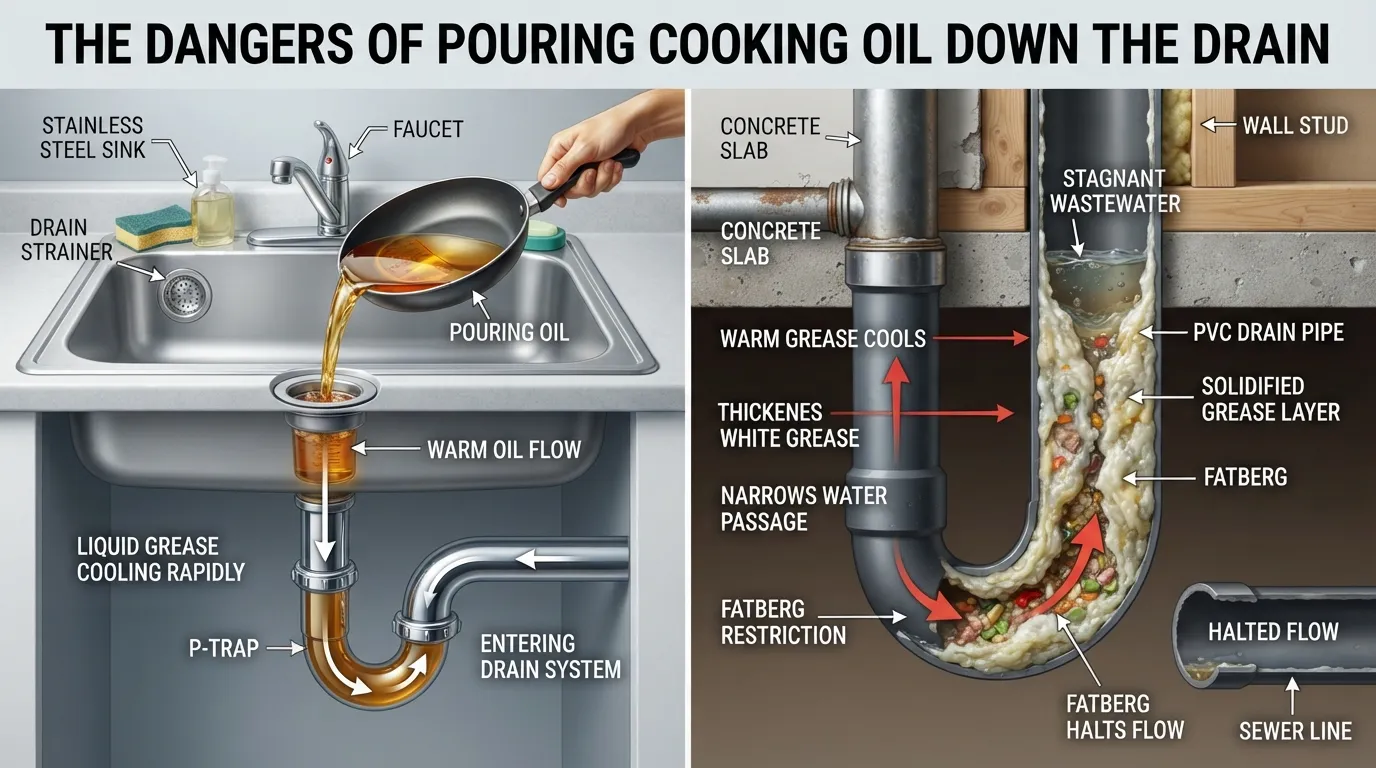
Pouring used cooking oil down the sink or throwing it onto bare soil creates severe infrastructure and environmental hazards. Liquid grease cools, solidifies inside plumbing systems, and disrupts local ecosystems, making proper disposal essential for protecting your property and the environment.
What Happens When Oil Goes Down the Drain
Hot cooking oil looks liquid when poured, but it rapidly cools and solidifies inside your pipes. Over time, it traps food scraps and debris, creating stubborn blockages that require professional drain cleaning services.
Grease Buildup: Fat coats the interior walls of residential plumbing, steadily narrowing the pipe diameter until water can no longer pass through.
Fatbergs: Commercial and municipal sewer lines face massive risks when fats combine with non-flushable wet wipes, forming indestructible blockages known as fatbergs.
Drain Damage: Chemical drain cleaners often fail to dissolve heavy grease accumulations, frequently damaging older PVC or metal pipes in the process.
What Happens When Oil Is Dumped in Soil or Yard
Pouring cooking oil directly into dirt or onto your garden beds is just as harmful as putting it down the drain. Oil coats soil particles, disrupting the natural balance required for healthy plant growth and local water safety.
Soil Contamination: Oil coats soil particles and creates a hydrophobic barrier, blocking plant roots from absorbing essential water and oxygen.
Groundwater Contamination: Heavy rainfall can wash unabsorbed oil downward into the water table, polluting local groundwater resources and harming aquatic life.
Attracting Pests: Decomposing food fats left in the yard emit strong odors that quickly attract rats, raccoons, and other nuisance wildlife to your property.
How to Prepare Used Cooking Oil for Reuse or Recycling
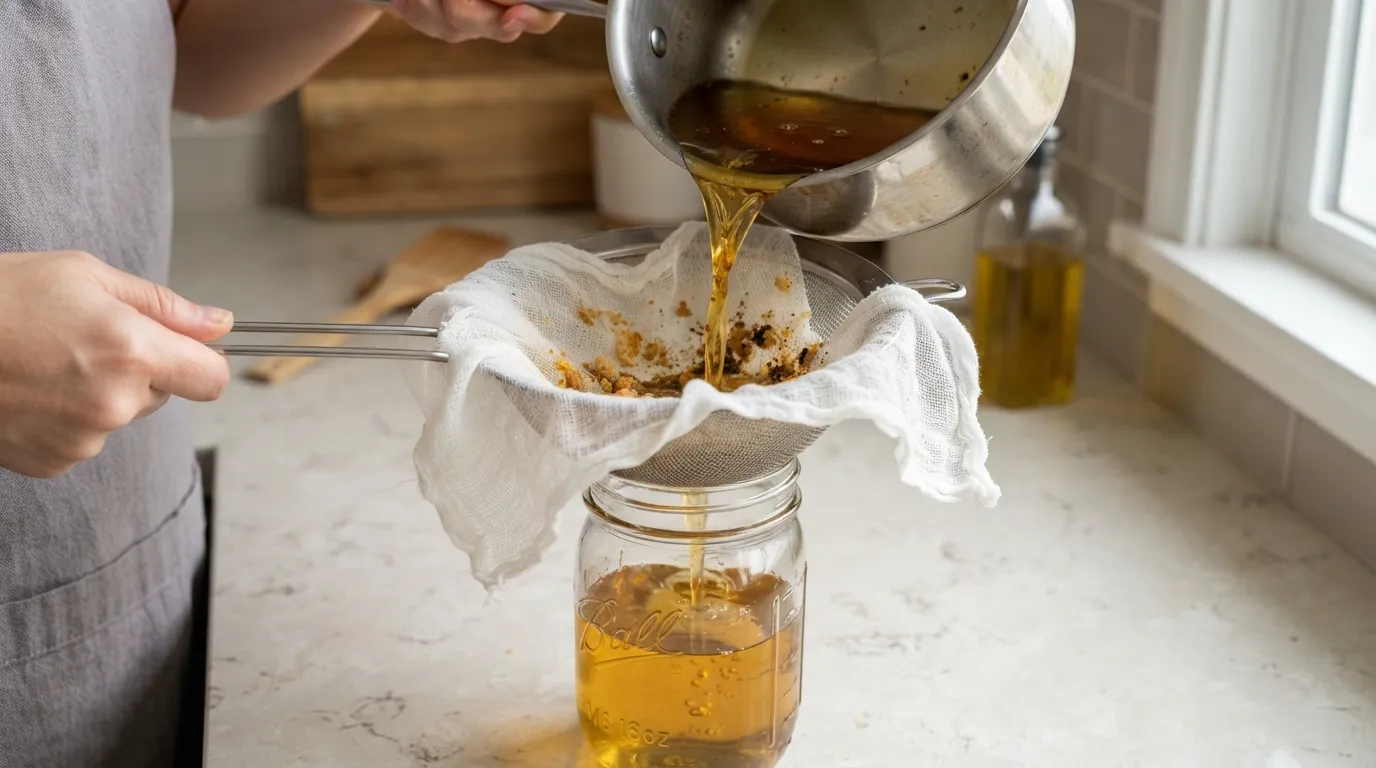
Proper preparation is the critical bridge between messy kitchen waste and successful reuse or recycling. Skipping this step leads to rancid flavors in your food or clogged collection filters at municipal recycling centers.
Cooling and Straining
Never attempt to strain or handle hot cooking oil immediately after cooking to avoid severe burns and container damage. Let the oil cool safely to a warm, handleable temperature before initiating the cleaning process.
Cooling Safety: Allow your frying oil to drop to room temperature for at least 30 to 60 minutes before handling.
Initial Mesh Strainer Pass: Pour the cooled oil through a fine-mesh metal strainer to catch large food particles, breading crumbs, and charred debris.
Cheesecloth Layering: Place a layer of clean cheesecloth inside your strainer to capture intermediate-sized floating particles that pass through standard mesh screens.
Removing Fine Sediment
Standard straining leaves behind microscopic food particles and suspended starches that accelerate spoilage and cause smoking during future cooking uses. Implementing professional-grade settling and secondary filtration eliminates these invisible impurities.
The Refrigeration Trick: Pour your strained oil into a container and place it in the refrigerator for a few hours to allow heavy fats and fine sediments to solidify at the bottom.
The Second Filter Pass: Decant the clear liquid oil away from the settled bottom sludge through a fresh coffee filter or a double-folded cheesecloth.
Clarity Check: A properly purified oil should look clear and translucent, free of any cloudy suspension or floating debris before it is approved for storage.
Proper Storage
Improperly stored cooking oil absorbs ambient moisture and oxygen, turning rancid quickly and rendering it useless for cooking or recycling programs. Correct containment protects your oil’s structural integrity until its next use.
Sealed Container Selection: Transfer your clean oil into a clean, dry glass jar or a heavy-duty plastic jug with a tight-fitting, leak-proof lid.
Labeling Protocol: Clearly write the date of use and the type of food fried (e.g., french fries vs. fish) on the container to track its freshness and flavor profile.
Shelf Life & Storage Conditions: Store your sealed container in a cool, dark, and dry pantry away from direct sunlight, aiming to use or recycle it within one to two months.
Is Your Old Cooking Oil Still Safe to Use?
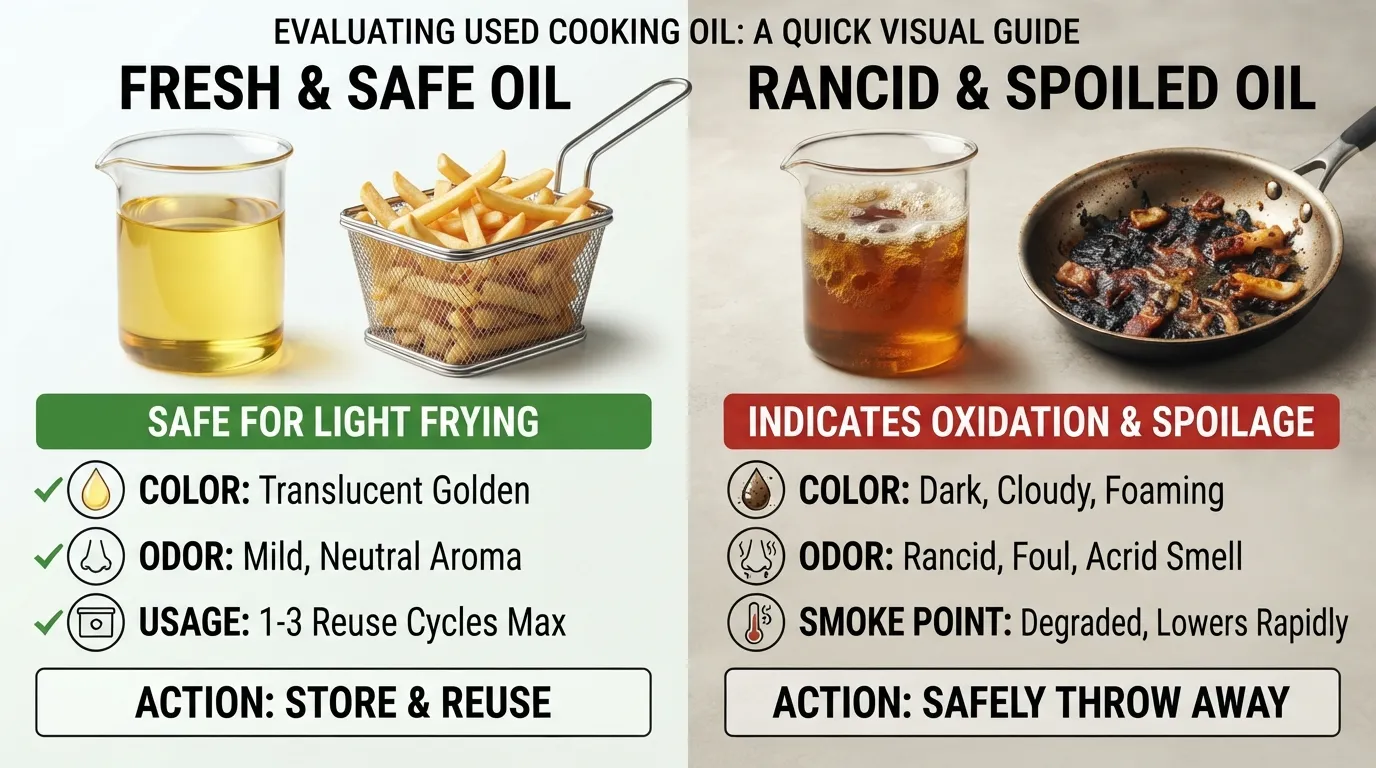
Cooking oil does not last forever, and using degraded oil ruins your recipes while producing harmful free radicals. Knowing how to evaluate your oil’s freshness prevents food poisoning and lets you know precisely when it is time to discard it.
Signs Cooking Oil Has Gone Bad
Oxidation and microbial growth change the chemical composition of old oil, producing distinct sensory warnings. Inspect your oil closely before every use to ensure it has not crossed the line into rancidity.
Foul or Sour Smell: Fresh oil has a neutral scent, whereas rancid oil emits a sharp, paint-like, chemical, or sour odor.
Darkened Color: A deep amber or muddy brown hue indicates that the oil has broken down from excessive heat and age.
Foaming and Cloudiness: If your oil foams excessively when heated or remains cloudy after settling, discard it immediately.
How Many Times Oil Can Be Reused Before Frying
Reusing oil saves money, but repeated heating breaks down its molecular structure and lowers its smoke point. To maintain food quality, track the frequency of your cooking cycles.
Light Frying (1 to 3 times): Oils used for frying clean items like french fries or tempura can be safely strained and reused up to three times.
Heavy Frying (0 to 1 time): Oils used for breaded items, fish, or heavily spiced foods absorb strong flavors and fine particles, limiting them to a single use.
Smoke Point Degradation: Once oil starts smoking at lower-than-normal temperatures during cooking, its useful lifespan is completely exhausted.
What to Do With Rancid or Expired Oil
When oil becomes rancid, expired, or too dirty for further cooking or biodiesel projects, you must discard it without harming your plumbing. Safe household trash disposal is the best approach for small quantities.
The Absorbent Method: Pour cooled, expired oil into an empty, sealable container filled with absorbent materials like kitty litter, used coffee grounds, or sawdust.
Solidification: Alternatively, let the oil cool completely until it solidifies naturally, or mix it with a commercial fat-hardening powder.
Secure Trash Placement: Seal the container tightly and place it directly into your regular household waste bin to prevent spills and keep pests away.
Creative Household & Garden Uses for Waste Cooking Oil
Before discarding or recycling your used cooking oil, you can repurpose clean vegetable oil for various practical tasks around your home and yard. These clever applications extend the lifespan of your materials while solving everyday household maintenance challenges.
Lubricant for Hinges, Locks, and Garden Tools
Stiff mechanical parts and rusty tools respond exceptionally well to a thin coat of refined vegetable oil. It provides a quick, temporary fix when specialized lubricants are out of reach.
Squeaky Hinges: Apply a few drops of filtered oil to door hinges or cabinet pivots to eliminate annoying squeaks instantly.
Stuck Mechanisms: Rub a small amount onto stubborn padlocks, stuck window latches, or sliding tracks to ease movement.
Rust Prevention: Wipe down metal shovels, pruners, and shears after gardening to protect blades from moisture and corrosion.
Seasoning Cast Iron Cookware
Cast iron skillets and dutch ovens require regular oil maintenance to preserve their non-stick polymerized coating. Waste cooking oil (provided it is neutral-flavored and clean) works wonderfully for routine upkeep.
Thin Layer Application: Rub a microscopic layer of oil over clean, warm cast iron cookware using a lint-free cloth.
Baking Polymerization: Heat the oiled skillet upside down in a hot oven to bond the oil molecules securely to the iron pores.
Moisture Defense: Prevent rust during storage by applying a tiny drop of oil to the surface after every wash.
Natural Pest Control Spray for Plants
Diluted vegetable oil serves as an organic horticultural spray to protect garden foliage from soft-bodied insects. It suffocates common pests without introducing harsh synthetic chemicals into your yard.
Aphid Control: Mix a few tablespoons of oil with water and a drop of dish soap to target aphids clustered on stems.
Scale and Mite Defense: Spray the mixture onto plant leaves to smother scale bugs, spider mites, and whiteflies effectively.
Safe Application Rule: Apply the spray only during the early morning or evening to prevent direct sunlight from scorching treated foliage.
Leather and Wood Polish
Dry wooden cutting boards and neglected leather goods regain their moisture and natural luster when treated with a natural fat conditioner.
Woodenware Conditioning: Rub clean cooking oil into wooden cutting boards, spoons, and bowls to prevent cracking and water absorption.
Leather Restoration: Buff dry leather boots, baseball mitts, or jackets lightly with oil to restore suppleness and shine.
Buffing Out Excess: Always wipe away any unabsorbed residue thoroughly after application to prevent sticky dust buildup.
Emergency Oil Lamps
In off-grid emergency situations, waste cooking oil functions as a slow-burning fuel source for improvised lighting.
Wick Preparation: Submerge a twisted cotton cloth or specialized wick into a small, heat-safe ceramic bowl filled with clean oil.
Controlled Burning: Ignite the exposed wick tip carefully to provide steady, low-intensity illumination during power outages.
Safety Precautions: Never leave an improvised oil lamp burning unattended or within reach of children and flammable materials.
Myth vs. Fact — Common Cooking Oil Misconceptions
Misinformation regarding cooking oil disposal and reuse often leads to costly home repairs or damaged machinery. Reviewing these common myths prevents accidental property damage and ensures safe handling practices.
| Myth | Fact |
|---|---|
| Myth: You can use waste cooking oil as a substitute for motor oil in a car engine. | Fact: Cooking oil lacks the necessary viscosity additives and heat-resistant detergents required by internal combustion engines, and it will quickly gum up and destroy engine components. |
| Myth: Dish soap completely dissolves grease so it is safe to pour down the drain. | Fact: While soap temporarily breaks up grease droplets, the fat cools and re-solidifies further down the main sewer line, creating stubborn blockages. |
| Myth: Boiling water washes away any cooking oil poured down the kitchen sink. | Fact: Boiling water only pushes the liquid grease deeper into your plumbing system where it cools, solidifies, and coats the pipe walls. |
| Myth: Old cooking oil can be kept indefinitely if stored in a dark pantry. | Fact: Cooking oil undergoes oxidation over time; even sealed oil turns rancid and breaks down chemically within a few months. |
How to Properly Recycle or Dispose of Waste Cooking Oil
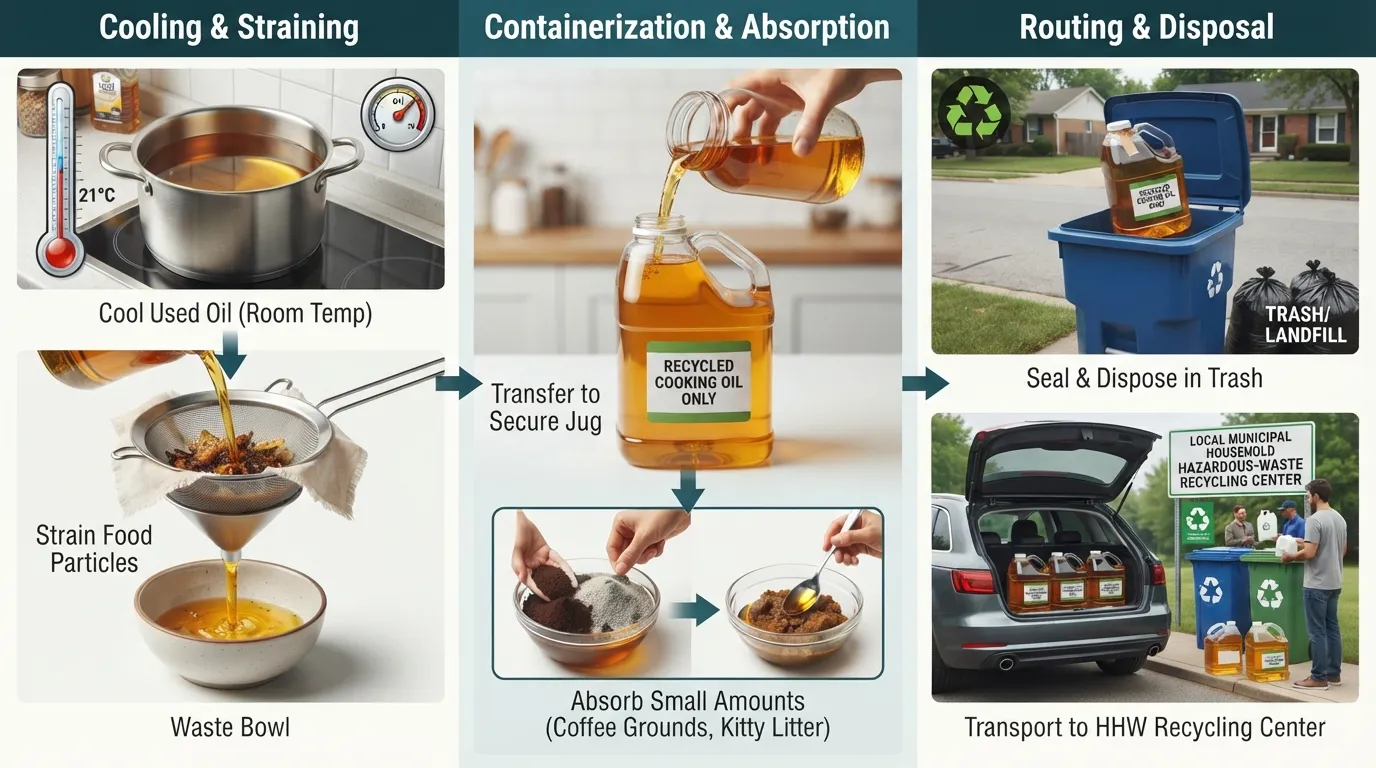
Responsible disposal protects municipal infrastructure and keeps local ecosystems safe from chemical contamination. Whether you are managing small household amounts or bulk commercial quantities, proper disposal requires specific containment and routing methods.
Finding a Local Cooking Oil Recycling or Hazardous Waste Program
Municipalities increasingly divert fats, oils, and grease from landfills to convert them into renewable biofuels. Finding the right local program ensures your waste is repurposed sustainably.
Hazardous-Waste Events: Most municipal solid-waste utilities accept cooled, sealed cooking oil containers directly at household hazardous-waste drop-off events and permanent recycling stations.
Verified Guidelines: Review verified municipal routing instructions, such as those provided by Recology, to confirm local drop-off rules and container restrictions.
Commercial Alternatives: Some independent local restaurants or commercial kitchens accept clean, strained waste oil to add to their large-scale rendering collection barrels.
Trash Disposal for Small Amounts
Disposing of everyday cooking quantities safely in your household garbage prevents plumbing backups while containing potential messes.
The Sealed Container Method: Pour cooled, unreuseable oil into a rigid, leak-proof plastic container like an empty laundry detergent jug or milk carton.
Absorbent Integration: Mix solid waste like used coffee grounds, sawdust, or kitty litter into the container to absorb liquid fats and prevent messy leaks.
Secure Capping: Fasten the lid tightly, wrap tape around the seal for extra safety, and place the container directly into your regular trash bin.
How to Dispose of a Large Quantity of Cooking Oil
Deep frying a turkey or hosting large events generates gallons of waste oil that regular household trash bins cannot safely handle. Bulk management requires specialized handling.
Cooling and Straining Bulk Volumes: Allow large stockpot volumes to cool completely to room temperature before attempting to funnel the liquid back into its original commercial jugs.
Bulk Drop-Off Facilities: Transport large volumes directly to county environmental services yards or specialized grease-recycling centers equipped for bulk processing.
Avoiding Spill Hazards: Secure jugs upright in your vehicle trunk using crates or bungee cords to prevent hazardous spills during transit.
Where Waste Cooking Oil Goes at Scale (Biodiesel & Beyond)
While household recycling focuses on small containers and municipal drop-offs, industrial processing handles millions of gallons of waste cooking oil annually. Commercial grease recovery systems convert kitchen waste into high-demand green energy commodities.
How Restaurants and Businesses Recycle Oil Into Biodiesel
Commercial kitchens partner with specialized rendering companies to collect used frying fats in heavy-duty containment vats. These industrial facilities process the raw waste into purified feedstocks for the energy sector.
Collection and Aggregation: Grease recycling trucks empty restaurant holding tanks regularly, transporting hundreds of gallons to centralized processing hubs.
Purification and Refining: Industrial facilities filter out moisture, food solids, and chemical impurities through high-heat distillation and centrifugation.
Transesterification: Refiners mix the purified oil with alcohol and catalysts to break down fatty acids, transforming heavy grease into clean-burning biodiesel.
Why This Matters for the Environment
Diverting waste cooking oil away from landfills and municipal sewers delivers massive ecological benefits on a global scale. Industrial biofuel utilization significantly cuts down carbon emissions compared to extracting virgin fossil fuels.
Carbon Footprint Reduction: Biodiesel produced from used cooking oil yields up to 85% fewer greenhouse gas emissions than standard petroleum diesel.
Landfill Diversion: Massive commercial recycling programs prevent millions of tons of oily waste from overwhelming municipal solid waste facilities.
Protecting Infrastructure: Centralizing grease collection prevents widespread fatberg formation in city sewer networks, saving local governments millions in maintenance costs.
When Oil Has Already Caused a Drain Problem
Pouring grease down the drain frequently leads to sudden plumbing failures that routine household plungers cannot fix. Recognizing early warning signs of pipe constriction prevents catastrophic sewer backups and costly structural water damage.
Signs Grease Has Built Up in Your Pipes
Grease accumulation happens gradually, narrowing pipe diameters until everyday wastewater can no longer drain smoothly. Watch for these distinct symptoms indicating a growing grease blockage in your plumbing system.
Slow Drainage: Sinks in the kitchen or bathroom drain significantly slower than usual, often leaving standing water behind during washing tasks.
Gurgling Sounds: Air bubbles trapped by solidifying grease cause strange bubbling or gurgling noises in the pipes when water flows past.
Unpleasant Odors: A foul, rancid smell emanating from your kitchen sink drain indicates rotting food particles trapped inside thick grease layers.
When to Call a Professional
Attempting to clear heavy fat blockages with chemical drain openers or wire hangers often pushes the obstruction deeper or cracks older pipes. When DIY methods fail, immediate expert intervention is required.
Complete Sewer Blockages: If wastewater completely backs up into multiple household fixtures, you need an emergency plumber to clear the main line safely.
Recurring Drain Failures: Sinks that clog repeatedly even after basic clearing indicate structural grease buildup requiring professional hydro-jetting.
Persistent Foul Sewage Smalls: Unresolved odors escaping from floor drains point to severe sewer line blockages that demand specialized diagnostic equipment.
Frequently Asked Questions
Find direct answers to the most common questions regarding the handling, reuse, and disposal of waste cooking oil.
What can I do with waste cooking oil?
You can strain and reuse clean oil two to three times for frying, convert it into biodiesel, use it as a household lubricant for tools and hinges, or seal it in a container for safe disposal in your regular trash.
What are some ways to use old cooking oil in the garden?
Diluted vegetable oil mixed with water and a drop of dish soap serves as an organic horticultural spray to suffocate soft-bodied garden pests like aphids and scale insects. You can also wipe down metal gardening tools with a thin coat of oil to prevent rust.
What is the best way to discard used cooking oil?
The safest disposal method for small amounts is to let the oil cool completely, pour it into a sealable plastic container with an absorbent material like kitty litter or coffee grounds, seal it tightly, and place it in your household trash bin.
How does Martha Stewart get rid of cooking oil?
Martha Stewart recommends pouring cooled used cooking oil into empty milk cartons or sealable plastic containers, freezing or solidifying the fat, and then tossing the sealed container directly into the household garbage.
How to dispose of a big amount of cooking oil?
For large volumes generated from deep frying or events, let the oil cool completely, funnel it back into its original jugs or heavy-duty containers, and transport it to a local county household hazardous-waste recycling facility or a specialized commercial rendering center.
Protect Your Plumbing and Environment Today
Managing waste cooking oil properly protects your home infrastructure from costly blockages while supporting eco-friendly recycling initiatives. Whether you need help clearing a stubborn grease clog or want to schedule professional maintenance, taking action early prevents major plumbing emergencies.
Ready to resolve your drainage issues for good? Contact our expert technicians today or schedule your service directly through our online Book Now portal. Let our experienced team handle your toughest grease-trap cleaning and professional drain cleaning needs across the Miami area.
Main Services
Related Posts
Need a Plumber in Miami?
Schedule service online or speak directly with the EZ Plumbing team.
Owner-Led Local Service
Know who is behind the business before you request service. The owners, contact line and Miami service pages are published clearly.
- Named business owners
- Direct phone and social channels
- Local Miami service information
Clear Help Before You Book
Review the relevant service page, contact the team directly and use the booking page when you are ready—without relying on vague claims.
- Service-specific information
- Direct questions before scheduling
- Clear online booking route