Cooking Oil Down the Drain: 5 Safe Ways to Dispose of It Instead
Why This Small Habit Causes Big Plumbing Problems
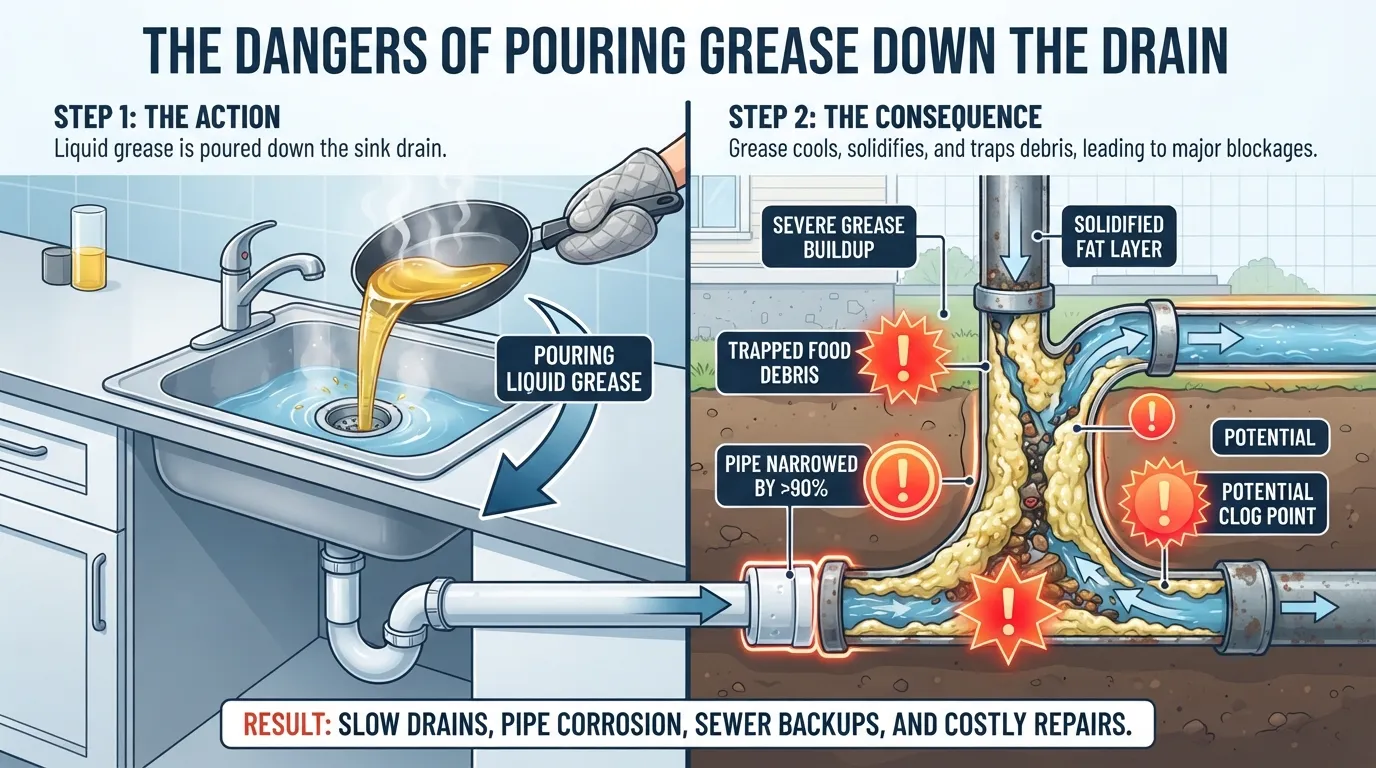
ouring leftover cooking oil down the kitchen sink might seem like a quick and harmless cleanup shortcut, but it is one of the leading causes of severe residential plumbing problems. Liquid fat coats the interior of your drain pipes, acting as a sticky trap that accumulates food particles, soap scum, and mineral debris over time.
The Cooling Effect: Hot oil cools rapidly inside underground and in-wall pipes, solidifying into a hard, wax-like obstruction.
The Snowball Effect: Every subsequent substance flushed down the sink clings to this initial grease layer, gradually choking off water flow.
The Costly Reality: What starts as a slow drain frequently transforms into a completely clogged drain requiring expensive professional hydro-jetting or pipe replacement.
Understanding how everyday kitchen habits impact your home’s infrastructure is the first step toward preventing catastrophic water damage. Shifting away from sink disposal protects your plumbing system and saves you from unexpected, high-cost emergency repairs.
How does your household typically handle leftover cooking oil after preparing a heavy meal?
Why Pouring Cooking Oil Down the Drain Is Actually Harmful
Pouring cooking oil down the sink causes far more than a minor inconvenience; it triggers a destructive physical and chemical cascade throughout your home’s plumbing and municipal infrastructure. Understanding the exact science behind how fats behave in drainage systems reveals why even small amounts of liquid oil pose a major threat.
How Oil Solidifies Inside Your Pipes
Cooking oil remains fluid at high temperatures, but it undergoes a rapid phase change as it travels through your drainage system. Wastewater and subterranean pipes are significantly colder than cooking environments, causing fats to lose thermal energy instantly.
Thermal Shock: Hot or warm oil cools down within seconds of contacting cold PVC or metal pipe walls, raising its viscosity.
Hydrophobic Adhesion: Because oil is hydrophobic, it does not mix with water and instead clings tenaciously to the interior surfaces of your pipes.
Layer-by-Layer Buildup: This initial pipe coating narrows the inner diameter of the plumbing, setting the stage for total flow restriction.
What Is a “Fatberg” and How Do Small Habits Cause It
A grease clog does not form overnight; it is the cumulative result of countless micro-disposals that build a massive subterranean mass known as a fatberg. These solid conglomerates act as underground traps that collect everything sent down the drain.
Debris Amalgamation: Solidified grease combines with flushed wet wipes, paper towels, hair, and food scraps to create a concrete-like mass.
Chemical Binding: Calcium and minerals in hard water react with fatty acids in the oil through a process akin to soap-making, hardening the blockage further.
Structural Strain: As the fatberg expands, it exerts immense pressure on joints and seals, frequently causing cracked pipes and catastrophic sewage backups.
The Impact on Municipal Sewer Systems and Wastewater Treatment
The consequences of sink grease extend far beyond individual household lines, creating multi-million-dollar challenges for public utilities. Municipal infrastructure is designed for water and human waste, not heavy industrial or residential cooking fats.
Mainline Constriction: Accumulated grease blocks municipal gravity mains, forcing raw sewage to overflow into streets, basements, and local waterways.
Treatment Plant Disruption: High concentrations of oil disrupt biological processes at wastewater treatment facilities by coating beneficial bacteria that break down organic waste.
Taxpayer Burden: Cities spend millions annually on specialized removal equipment, hydro-jetting, and chemical treatments to clear massive municipal grease obstructions.
Already Poured Oil Down the Drain? Here's What to Do Right Now
If you recently poured cooking oil down your kitchen sink, acting quickly can prevent the fat from fully cooling, hardening, and clinging to the walls of your plumbing. Executing the correct damage-control steps immediately after an accidental oil spill keeps the liquid moving through the main line before it converts into a stubborn obstruction.
Immediate Steps If You Just Poured Oil Down the Sink
When oil goes down the drain, your initial instinct might be to turn on the cold water faucet or run the garbage disposal, but this actually accelerates pipe blockages.
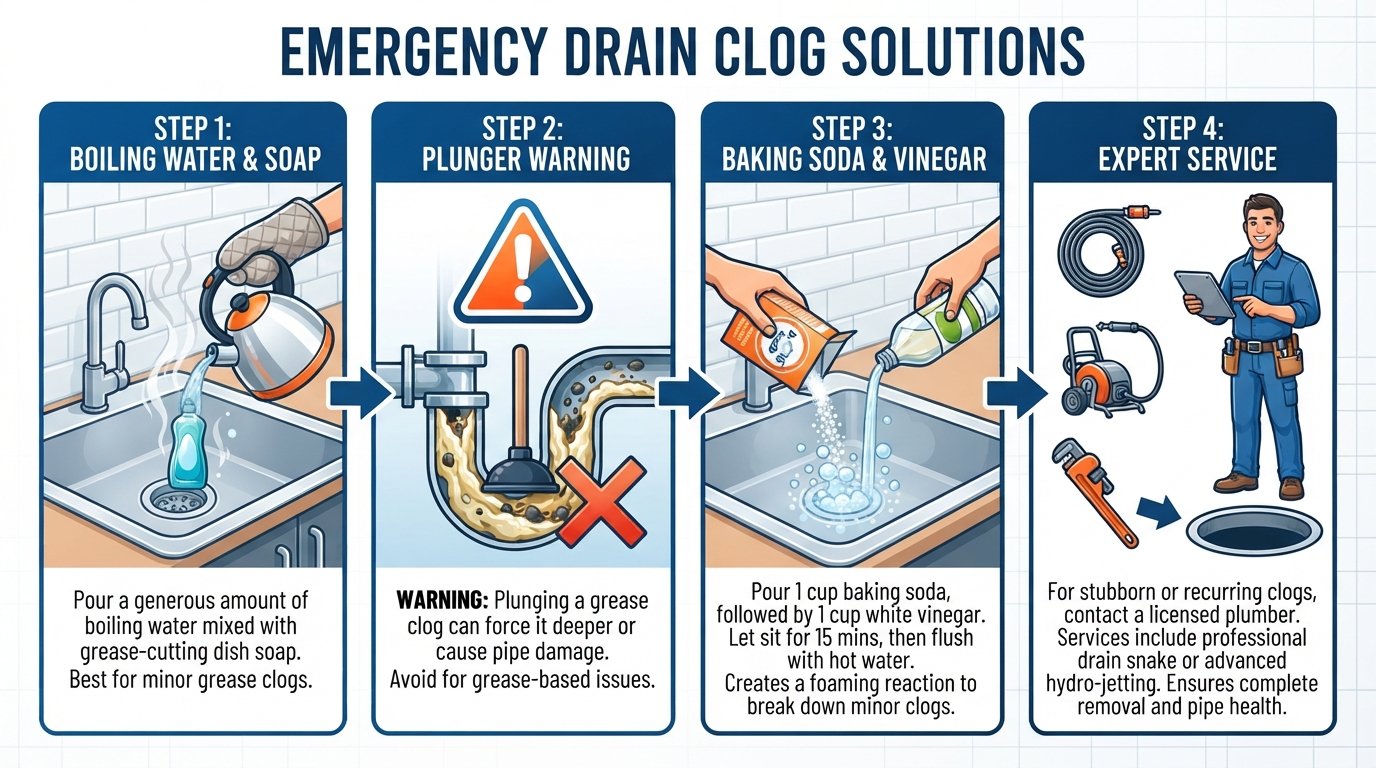
Run Scalding Hot Water Immediately: Turn your hot water faucet to maximum temperature and run it continuously for at least three to five minutes to keep the oil in a liquid state.
Avoid Cold Water: Cold water rapidly cools the oil, causing it to solidify instantly on the cold interior surfaces of your pipes.
Stop Running Solids Down the Disposal: Do not put food scraps or coffee grounds down the sink while oil is still present, as they will instantly adhere to the grease layer.
DIY Methods to Try Before Calling a Plumber
For minor spills or early signs of sluggish drainage, a targeted hot water and concentrated dish soap flush can help emulsify and breakdown the lingering fat.
Boil a Pot of Water: Bring a large pot of water to a rolling boil on your stove.
Add Grease-Cutting Dish Soap: Squirt a generous amount of liquid dish soap directly down the drain opening. The soap acts as a surfactant, breaking down the chemical bonds of the fat.
Pour the Boiling Water Slowly: Carefully pour the boiling water directly into the drain in a steady, controlled stream to wash away the emulsified oil.
Utilize a Sink Plunger: If the water begins to back up, use a standard cup plunger to create a tight seal over the drain. Apply firm, rhythmic plunges to dislodge fresh, unsolidified buildup.
Signs You Have a Serious Grease Clog That Needs Professional Help
DIY methods work well for immediate mitigation, but deeper, older buildup often requires specialized mechanical intervention. If you notice persistent warning signs, your system likely harbors a serious grease clog that needs professional help.
Persistent Gurgling Sounds: Trapped air bubbles escaping around a dense grease mass create distinct gurgling noises from the sink or adjacent pipes.
Foul Organic Odors: Rancid, decaying fat inside the line produces unpleasant sewage odors that smell strongly near the kitchen sink.
Multi-Fixture Backups: Wastewater backing up into neighboring fixtures, such as a dishwasher or nearby floor drain, signals a main line blockage beyond the reach of standard plungers.
What to Do Instead — 5 Practical Ways to Dispose of Used Cooking Oil
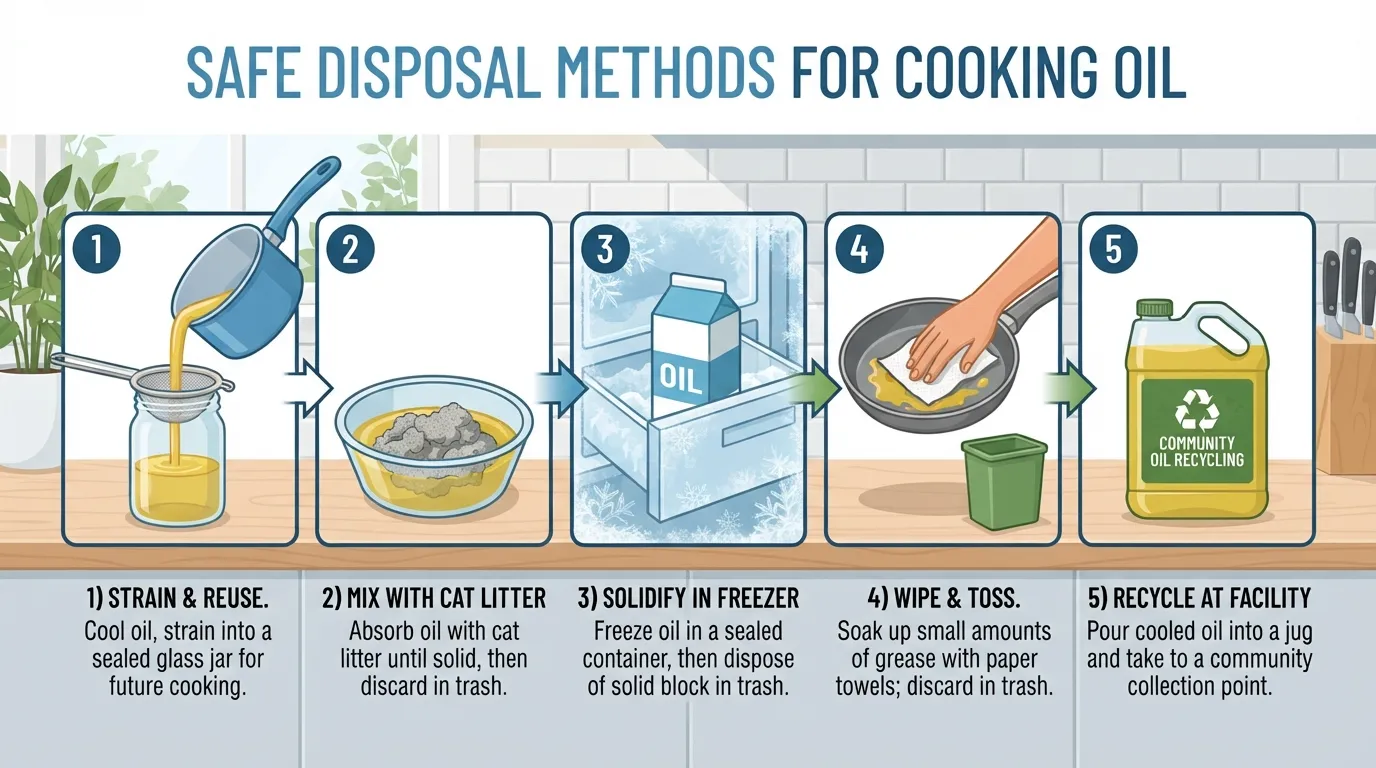
Managing leftover cooking fat safely eliminates the risk of costly plumbing disasters while keeping your home sanitary and eco-friendly. Adopting proper disposal methods takes only a few minutes and turns a messy kitchen chore into a sustainable habit.
Reuse It — Strain and Store for Next Time
Most high-smoke-point oils can be reused several times for frying or cooking if they are properly cleaned and stored. This method saves money and prevents waste.
Cool and Strain: Allow the oil to cool completely, then pour it through a fine-mesh sieve, cheesecloth, or a paper-lined coffee filter to remove food particles.
Store Securely: Pour the strained oil into a clean, airtight container or a reusable glass jar with a tight lid.
Label and Refrigerate: Store the container in a cool, dark place or in your refrigerator to extend the shelf life and prevent rancidity.
Toss It in the Trash — The Right Way
For small amounts of leftover oil that cannot be reused, regular household trash is a safe disposal route as long as the liquid is properly contained.
Use a Sealable Container: Pour the cool oil into a disposable plastic container, empty milk carton, or heavy-duty sealable bag.
Double-Bag for Safety: Place the sealed container inside a secondary trash bag to prevent leaks or spills if the primary container gets punctured.
Discard with Solid Waste: Toss the packaged oil directly into your outdoor garbage bin rather than the indoor kitchen basket to avoid odors.
Freeze or Solidify It First
Freezing or solidifying oil changes it from a fluid hazard into a solid mass that can be easily tossed into the trash without the risk of leaks.
Chill Until Solid: Pour small quantities of oil into a disposable paper cup or small plastic container and place it in the freezer until fully hardened.
Scoop into Waste: Alternatively, mix the oil with an absorbent material like used coffee grounds, sawdust, or cat litter until it forms a solid paste.
Toss in the Bin: Scoop the solidified mixture directly into your household trash bin.
Recycle It at a Local Facility
Large volumes of frying oil, particularly from holiday cooking or deep-frying, should be recycled through local municipal programs or specialized collection centers.
Check Local Programs: Many cities provide designated collection sites or curbside recycling drop-offs for used cooking oil and grease.
Store in Bulk: Accumulate larger quantities of used oil in a dedicated jug or original container until you have enough for a trip to the facility.
Biofuel Conversion: Recycled cooking oil is frequently processed into clean-burning biodiesel, reducing environmental waste and energy consumption.
Wipe Pans Clean Before Washing
Preventing oil from entering your plumbing system begins right at the stovetop before any dishes ever reach the sink basin.
Pre-Clean with Paper Towels: Use a dry paper towel or napkin to thoroughly wipe down greasy pans, baking sheets, and skillets.
Absorb Residue: Allow the paper towel to absorb surface oils and food grease before tossing the soiled paper into the trash.
Wash with Confidence: Once the bulk of the oil is wiped away, you can safely wash the cookware in the sink with warm water and dish soap without risking a clog.
Does It Matter What Type of Oil? Olive Oil vs. Other Cooking Oils
Many homeowners assume that liquid plant-based oils behave differently in plumbing than heavy saturated animal fats, leading to the dangerous misconception that plant oils are harmless. Understanding how various fats react inside closed piping systems clarifies why every type of cooking oil carries a similar risk to your drainage infrastructure.
Why Olive Oil Behaves Differently Than Animal Fat or Vegetable Oil
Olive oil is a monounsaturated fat that stays liquid at room temperature much longer than saturated animal fats like bacon grease or butter, which solidify almost instantly when cooled. However, this fluid nature does not protect your pipes from long-term accumulation.
Adhesive Properties: Even though olive oil takes longer to solidify, its hydrophobic molecular structure causes it to coat pipe walls and form a sticky base layer.
Chemical Breakdown: Over time, trapped olive oil oxidizes, polymerizes, and thickens inside dark, airless drain lines, turning into a resin-like varnish.
Trap Enhancement: This sticky film acts as a permanent magnet for food waste, creating severe blockages just as quickly as vegetable oil or butter.
What to Do With Expired Olive Oil
When a bottle of olive oil goes rancid or passes its expiration date, dumping it down the sink is never the solution. You can manage expired olive oil safely using alternative eco-friendly households methods.
Absorb and Trash: Pour the expired oil into a sealable bag filled with absorbent materials like used coffee grounds, sawdust, or flour, then toss it in the trash bin.
Non-Food Household Uses: Use expired olive oil to condition wooden cutting boards, polish stainless steel appliances, or lubricate squeaky door hinges.
Compost in Moderation: Small amounts of plant-based oil can be added to an outdoor compost pile if balanced carefully with high-carbon dry materials, though large volumes should be avoided to prevent pests.
Small Amounts vs. Large Amounts — Does Quantity Change the Rule?
Homeowners frequently wonder if a few drops or a spoonful of oil left in a pan warrants special disposal precautions, or if the rule only applies to deep-frying volumes.
The Cumulative Risk: A single teaspoon of oil rinsed down the drain daily forms a progressive buildup that eventually chokes off your plumbing over several months.
Dilution Fallacy: Running massive amounts of water alongside small oil volumes does not dissolve the fat; it merely pushes the problem further down your lines.
The Golden Rule: Treat every volume of oil—whether a few leftover drops or an entire deep-fryer batch—with proper solid disposal methods to protect your home from unexpected backups.
Common Drain-Cleaning Myths That Don't Work on Oil
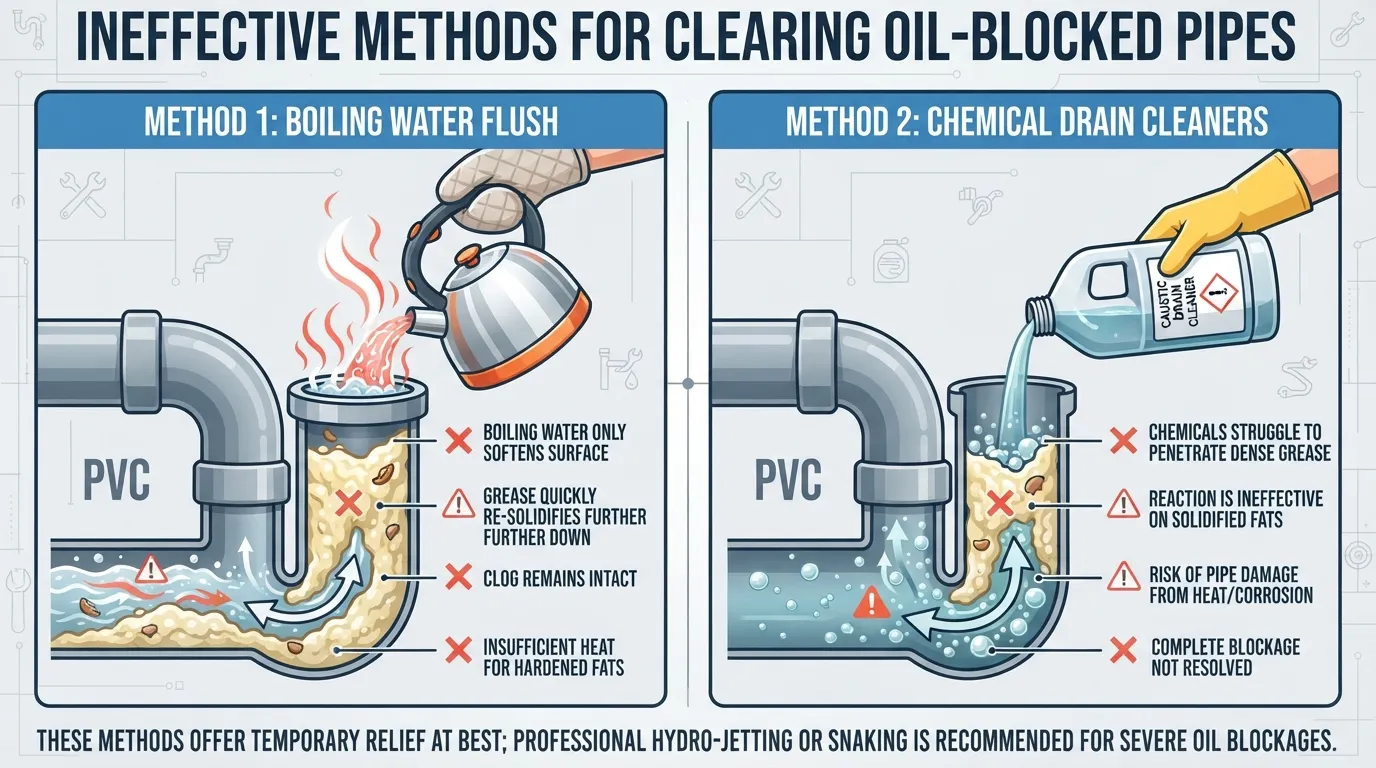
Homeowners often rely on internet folklore and DIY hacks when trying to fix slow sinks, but many popular remedies fail entirely when facing grease. Believing in unverified shortcuts can give you a false sense of security while stubborn fat continues to constrict your plumbing lines.
Myth Baking Soda and Vinegar Will Dissolve Oil
The famous baking soda and vinegar chemical reaction creates a satisfying fizz that many believe will blast away grease clogs. However, this fizzy reaction produces carbon dioxide gas and water-based salts, which lack the chemical ability to dissolve or emulsify fats.
Temporary Effervescence: The bubbles might dislodge tiny, loose food particles, but they slide harmlessly over solid or semi-solid oil layers.
Neutralization Waste: Mixing an alkali (baking soda) and an acid (vinegar) neutralizes both components, rendering them far less effective than pure, concentrated dish soap.
Pouring Salt Down the Drain Prevents Buildup
Another widespread belief is that dumping dry salt down the pipe scrubs away interior residue like an abrasive cleanser. Salt requires continuous mechanical friction and a carrier fluid to act as a physical scrub, which static pipe layouts cannot provide.
Instant Dissolution: Common salt dissolves almost immediately upon contact with any standing water in your P-trap.
Corrosion Risk: Concentrated, un-dissolved salt sitting against metal pipe fittings or older cast iron can accelerate corrosion and pit your plumbing over time.
Hot Water Alone Flushes Oil Away Safely
While running hot water is a great temporary damage-control measure immediately after a spill, relying on hot water as a permanent disposal method is a dangerous trap.
The Cooling Distance: Hot water loses its thermal energy quickly as it travels away from the tap and down through uninsulated walls and concrete slabs.
Relocation, Not Removal: Water merely pushes liquid oil further down the line until it cools, solidifies, and forms a dense clog deep within your home’s main drainage stack.
Can You Pour Bleach or Rubbing Alcohol Down the Drain? (Quick Answer)
Neither bleach nor rubbing alcohol is an effective solution for breaking down cooking oil inside your residential plumbing system.
Bleach Limitations: Bleach is a sanitizer and whitener; it does not break down lipids, fats, or greasy buildups, and combining it with other chemicals can create toxic fumes.
Alcohol Ineffectiveness: While rubbing alcohol is a solvent, the volume required to dissolve heavy kitchen oil makes it completely impractical, expensive, and potentially hazardous to your PVC pipe seals.
Where to Recycle Used Cooking Oil Near You
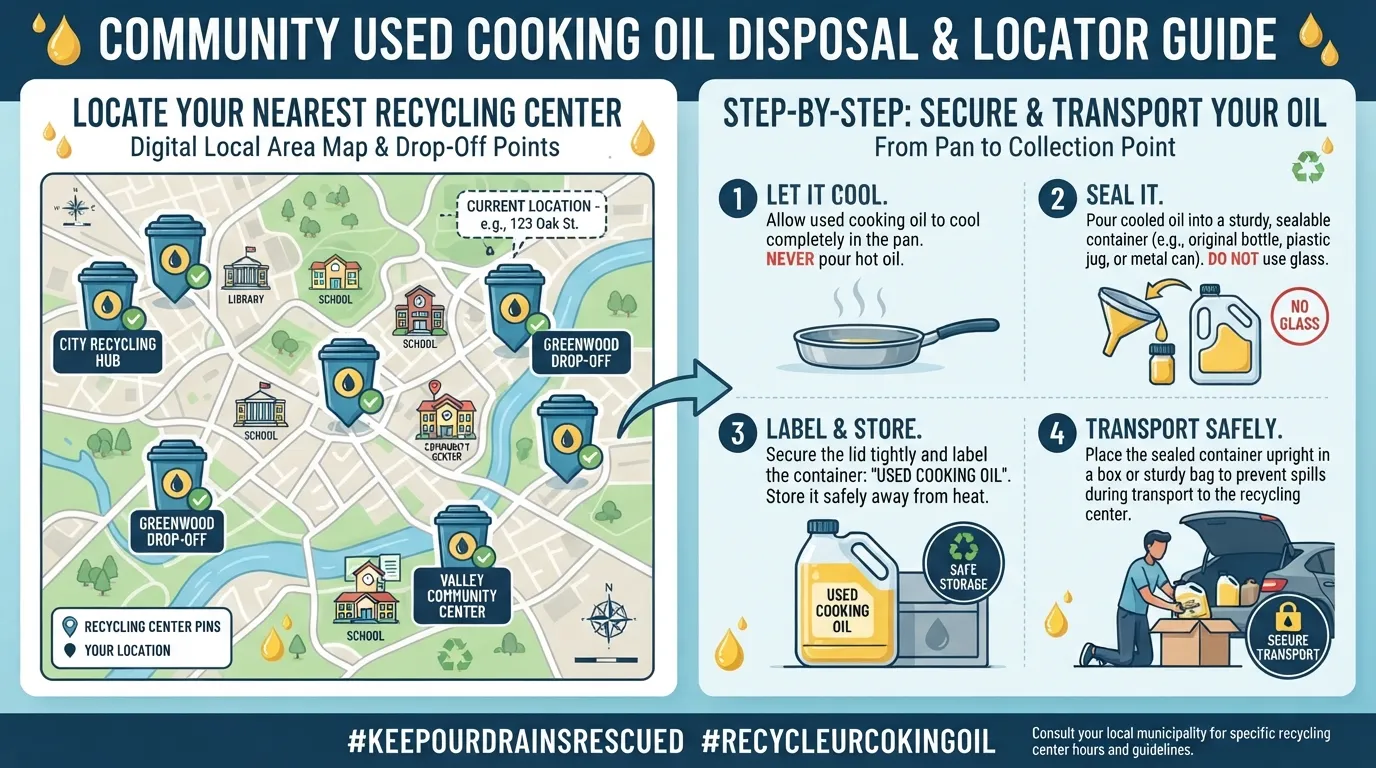
Locating a designated oil collection point transforms bulk grease disposal from a household burden into an eco-friendly routine. Because liquid fats cannot go down drains or standard curbside bins, specialized drop-off locations provide the proper infrastructure to keep your community’s water systems clean.
How to Find a Certified Cooking Oil Recycling Center
Pinpointing a local facility that accepts cooking fats requires knowing which regional directories and municipal programs to consult.
Check Online Locators: Use specialized directories such as the Earth911 Search Tool to find nearby drop-off points by typing in “cooking oil” and your specific ZIP code.
Consult Municipal Waste Programs: Check your city or county public works website to see if local household hazardous waste (HHW) depots accept liquid cooking fats year-round.
Prepare Your Container: Strain out food particles, store the cooled oil in a secure plastic jug with a tight lid, and call ahead to confirm volume limits before arriving.
What Happens to Recycled Oil (Biodiesel Production)
Recycling your used cooking oil does far more than protect your personal plumbing; it feeds directly into the renewable energy sector. Instead of sitting in a landfill or congealing in a sewer line, your old kitchen fat serves a valuable purpose.
Biofuel Conversion: Commercial processors filter and refine used cooking oil to produce clean-burning biodiesel, which powers municipal fleets, trucks, and green energy generators.
Resource Conservation: Transforming waste oil into alternative fuel reduces overall reliance on fossil fuels and lowers greenhouse gas emissions.
Infrastructure Protection: Diverting large volumes of grease away from residential drains safeguards public wastewater treatment facilities from costly clogs.
Frequently Asked Questions
Are you supposed to pour cooking oil down the drain?
No, you should never pour cooking oil down the drain. As hot oil cools within your plumbing pipes, it solidifies and traps food particles, leading to stubborn grease clogs, slow drains, and expensive emergency plumbing repairs.
How do you throw away old cooking oil?
Let the oil cool completely, then pour it into a sealable container or disposable plastic bag. Alternatively, mix it with an absorbent material like used coffee grounds or cat litter until solid, and toss the sealed package directly into your household trash.
Can I throw olive oil down the sink?
No, olive oil is just as harmful to your plumbing as vegetable or animal fats. While it stays liquid longer at room temperature, it eventually coats pipe walls, oxidizes, and creates a sticky trap that catches debris and causes major blockages over time.
What’s the best way to throw out oil?
The best method is letting small amounts cool and solidifying them with an absorbent material before trashing them. For large volumes of frying oil, strain out food particles, store the liquid in a secure jug, and take it to a local certified recycling center.
I accidentally poured oil down my sink. What should I do?
Act immediately by running scalding hot water for three to five minutes to keep the oil moving through your pipes. For extra protection, follow up with a grease-cutting liquid dish soap flush to help break down the fat before it hardens.
When It's Time to Call a Professional Plumber
Recognizing when a domestic grease issue has exceeded the limits of DIY remedies protects your home from severe water damage and costly structural repairs. When stubborn fat forms deep inside your main sewer lines, specialized equipment and expertise are required to restore proper flow.
Warning Signs of a Grease-Clogged Drain
Persistent plumbing symptoms often indicate that a thick layer of fat has completely restricted your pipe’s inner diameter, requiring immediate intervention from a professional plumber.
Unresponsive Slow Drains: Sinks that consistently empty at a sluggish pace despite multiple hot water and dish soap flushes usually harbor a heavy buildup.
Foul Sewage Odors: A persistent, unpleasant smell rising from your kitchen drain signals decaying food particles trapped within an underground grease mass.
Simultaneous Fixture Backups: Water bubbling up in a bathtub or toilet when you run the kitchen sink points to a severe main line obstruction requiring a drain cleaning service.
Why DIY Fixes Sometimes Make It Worse
Attempting aggressive unblocking methods without professional tools can unintentionally escalate a manageable clog into a plumbing emergency.
Chemical Damage: Pouring harsh, store-bought chemical drain cleaners onto grease can trap the chemicals behind the blockage, corrode older metal pipes, and damage rubber seals.
Compacted Obstructions: Using mechanical snakes incorrectly can punch a small hole through a grease mass while leaving sticky residue plastered along the rest of the pipe walls, causing an immediate re-clog.
Joint Stress: Excessive plunging pressure applied to a grease-choked line can blow out vulnerable pipe joints, resulting in hidden leaks behind walls or beneath concrete slabs.
Protect Your Pipes, Starting Today
Proper cooking oil disposal is a small everyday habit that prevents severe plumbing emergencies, costly property damage, and extensive sewer line failures. By shifting away from sink disposal—whether through reusing, freezing, wiping, or recycling your kitchen fats—you safeguard your home’s infrastructure against destructive grease clogs.
Adopt Sustainable Habits: Make wiping, straining, and trashing your cooking oils a standard part of your post-cooking routine.
Avoid Quick Fixes: Skip unverified chemical myths and hot water shortcuts that only push clogs deeper into your plumbing system.
Secure Expert Support: If your drains are already showing signs of heavy buildup, take action before an emergency strikes. You can easily book a drain inspection to ensure your entire plumbing network remains clear and fully functional.
Main Services
Related Posts
Need a Plumber in Miami?
Schedule service online or speak directly with the EZ Plumbing team.
Owner-Led Local Service
Know who is behind the business before you request service. The owners, contact line and Miami service pages are published clearly.
- Named business owners
- Direct phone and social channels
- Local Miami service information
Clear Help Before You Book
Review the relevant service page, contact the team directly and use the booking page when you are ready—without relying on vague claims.
- Service-specific information
- Direct questions before scheduling
- Clear online booking route