A toilet problem can be as simple as a worn flapper or loose handle, but a leak at the base, cracked porcelain, or a recurring flush problem can point to something more serious. The good news is that you can often narrow down the cause before deciding whether you need a professional.
What should you check first?
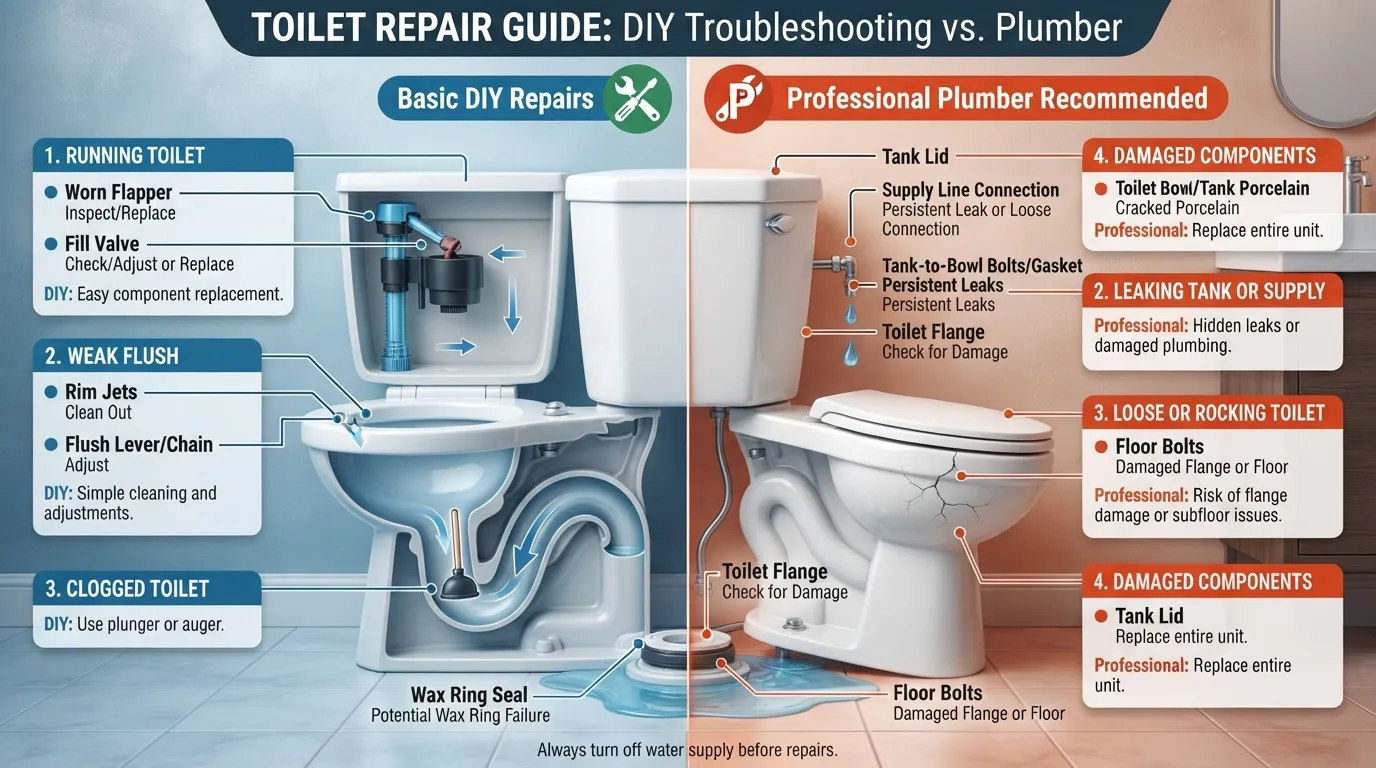
Start with the symptom rather than replacing parts at random. A toilet that keeps running often involves the flapper, chain, fill valve, or water level. A toilet that leaks around the base may involve the wax ring, flange, or toilet connection to the floor. A toilet that will not flush may have a problem with the handle, chain, flapper, flush valve, or tank water level.
This guide walks you through the most common toilet issues, what to inspect, which repairs are reasonable for a careful DIYer, how to troubleshoot a repair that did not solve the problem, and when it makes more sense to have a plumber handle the toilet repair.
Toilet Repair at a Glance
Before Fixing a Toilet: Identify the Problem
The fastest way to make a toilet repair harder is to start replacing parts before you know which part has failed. Instead, take a minute to observe the toilet.
- Listen. Is water continuously flowing, hissing, or refilling?
- Look inside the tank. Watch the flapper, chain, fill valve, and water level while you flush.
- Look around the outside. Check the supply connection, tank-to-bowl connection, and base for moisture.
- Test the flush. Notice whether the handle moves normally and whether the flush is complete.
- Check whether the toilet is stable. A rocking toilet can indicate a problem beyond a loose seat.
First safety step
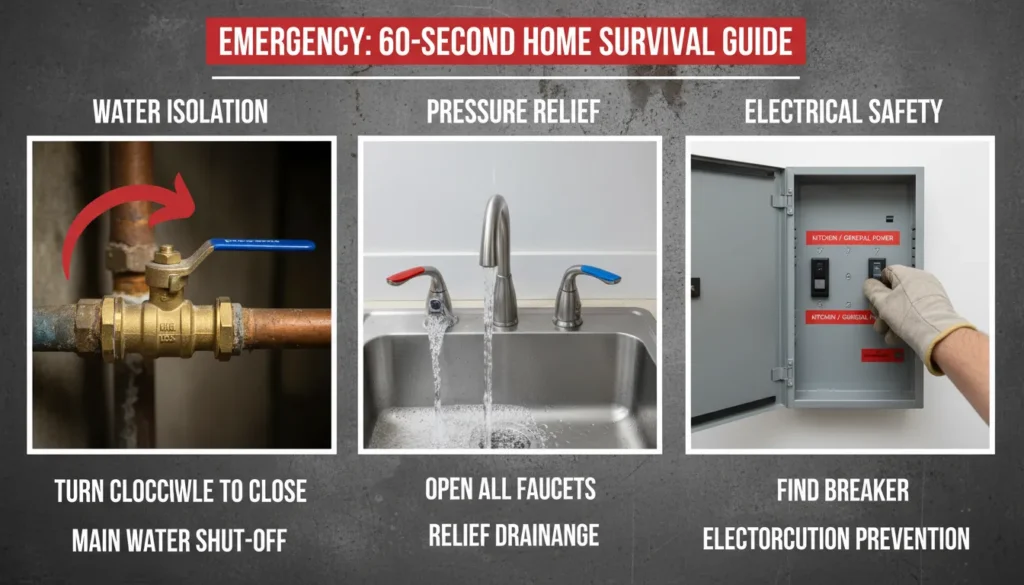
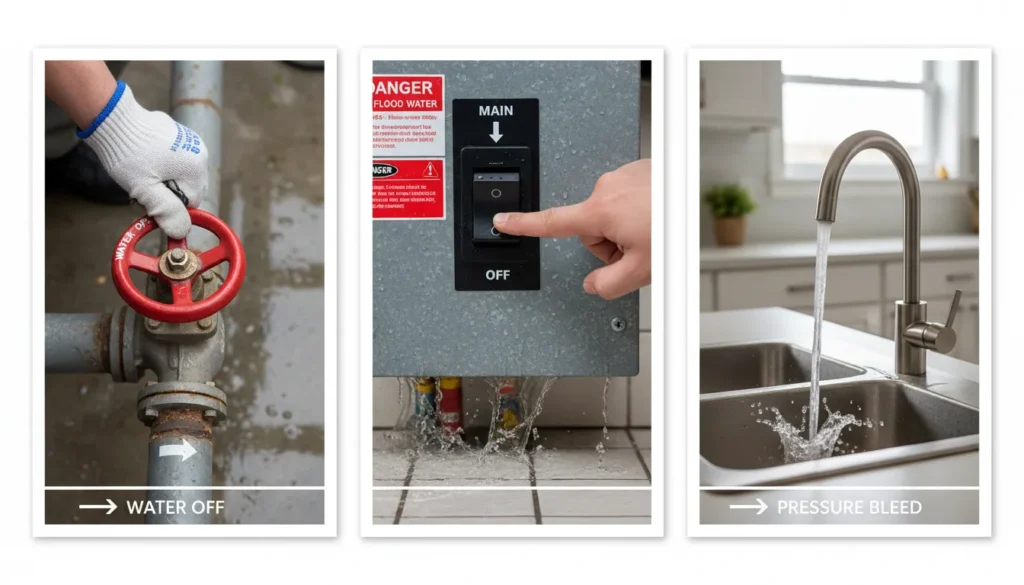
If water is actively overflowing, turn the toilet’s shut-off valve clockwise to stop the supply. If the valve will not shut off or the leak is severe, avoid repeatedly flushing and get professional help.
How a Toilet Works: The Parts You Need to Know
You do not need to become a plumbing expert to troubleshoot a toilet. Knowing what the main components do makes it much easier to connect a symptom with a likely cause.
Refills the tank after a flush and controls incoming water.
Seals the flush opening until you activate the flush mechanism.
Provides the tank opening through which water moves into the bowl during a flush.
Helps prevent the tank from filling beyond its intended level.
Transfers the handle movement to the flushing mechanism.
Help seal and connect the toilet to the drain opening at the floor.
How to Fix a Running Toilet
A running toilet usually means water is entering the bowl when it should have stopped, or the fill system is not shutting off correctly. Start by identifying where the water is going.
1. Check the flapper
The flapper sits at the bottom of the tank and should form a reliable seal after the flush. If it is worn, warped, damaged, or not seating properly, water can continue leaking into the bowl.
2. Inspect the chain
The chain should have enough slack for the flapper to close completely. If it is too tight, the flapper may remain slightly open. If it is disconnected or excessively loose, the toilet may not flush correctly.
3. Check the fill valve and water level
If water continues entering the tank and rises toward or into the overflow tube, the fill valve or its adjustment may be the problem. Follow the adjustment instructions for your particular valve rather than forcing the mechanism.
4. Replace the faulty component if adjustment does not work
A worn flapper or failed fill valve can often be replaced without replacing the entire toilet. Before buying a replacement, identify the existing component and check compatibility.
If you replace a part and the toilet still runs
Do not automatically replace another component. Recheck the flapper seal, chain position, water level, overflow tube, and fill valve. A damaged flush-valve seat or an incompatible replacement can also prevent the system from sealing correctly.
How to Fix a Toilet That Will Not Flush
A toilet that will not flush is not necessarily clogged. If the bowl is not blocked but pressing the handle does little or nothing, look inside the tank first.
- Press the handle and watch the mechanism. Does the handle move the chain?
- Check the chain connection. A disconnected chain can prevent the flapper from lifting.
- Check the flapper. It should lift when the handle mechanism operates.
- Check the tank water level. If the tank is not filling properly, there may not be enough water available for a normal flush.
- Inspect the flush valve. If the mechanism is damaged or not opening correctly, further repair may be required.
If the handle is broken, replacing the handle or its internal connection may solve the problem. If the toilet has adequate tank water and the mechanism moves normally but the flush remains weak, investigate the possibility of a partial blockage or another plumbing problem.
How to Fix a Weak Toilet Flush
A weak flush can have several causes, so replacing a fill valve immediately is not always the right answer.
- Check whether the tank is filling to the appropriate level.
- Make sure the flush mechanism opens properly.
- Consider whether the toilet or drain has a partial obstruction.
- If the problem developed gradually, consider whether mineral buildup, an internal restriction, or a deteriorating component could be affecting performance.
- If the toilet repeatedly flushes poorly after basic checks, professional diagnosis may prevent you from replacing parts unnecessarily.
How to Find and Fix a Toilet Leak
Where you see water is one of the most useful clues when repairing a toilet. Do not assume every toilet leak comes from the same component.
Water around the supply connection
Check the connection where the water supply line meets the toilet. If the connection is loose, carefully tightening it may help. Do not overtighten fittings and damage the connection.
Water around the tank
Look around the tank bolts, tank-to-bowl connection, and other joints. A failed gasket or damaged connection can require disassembly and replacement rather than simply tightening hardware.
Water around the base of the toilet
A leak at the floor connection can involve the wax ring, flange, toilet movement, or another underlying problem. Because water around the base can reach the floor structure, do not treat a recurring base leak as a minor cosmetic issue.
Water inside the bowl when it should not be there
Continuous water movement from the tank into the bowl commonly points toward the flapper, flush valve, or fill system. Watch the tank while the toilet is idle to determine where the water is moving.
Do not ignore a base leak
If water repeatedly appears around the bottom of the toilet, especially after flushing, the goal is not simply to dry the floor. Find the source and determine whether the toilet-to-floor seal or flange needs attention.
How to Repair a Loose or Rocking Toilet
A toilet should sit securely on the floor. A rocking toilet should not be “fixed” by aggressively tightening the floor bolts because porcelain can crack.
A minor gap may sometimes be stabilized with suitable shims, but movement can also point to a damaged flange, an uneven floor, or a compromised toilet-to-floor connection. If the toilet continues moving or there is evidence of leakage, professional inspection is the safer approach.
Fixing a Toilet Tank: What to Check
The tank contains most of the components responsible for flushing and refilling. Before taking it apart, shut off the water supply and flush the toilet to lower the water level.
If the tank keeps filling
Check the fill valve, float or adjustment mechanism, and water level. The exact adjustment method depends on the valve design.
If the tank leaks externally
Identify whether water is coming from the supply connection, tank bolts, tank-to-bowl gasket, or a crack. A cracked porcelain tank should not be treated as a simple tightening problem.
If the tank will not fill correctly
Check that the shut-off valve is open and inspect the fill valve. Debris or a failed valve can interfere with normal refilling.
Common Toilet Problems and the Right First Move
Can You Fix a Toilet Yourself?
Some toilet repairs are relatively straightforward if you are comfortable shutting off the water, identifying components, and following the replacement instructions for the specific part. Others are better left to a professional.
Often reasonable DIY starting points
- Inspecting a running toilet
- Adjusting a chain
- Replacing a compatible flapper
- Replacing a flush handle
- Checking or adjusting a fill valve according to its instructions
Better reasons to call a plumber
- Recurring base leaks
- Damaged or questionable flange
- Cracked porcelain
- Persistent sewage backup
- Major or hidden leaks
- Repeated repair failures
- Problems involving the home’s drain plumbing
When Should You Stop DIY Toilet Repair?
DIY toilet repair makes sense only while the problem is understood and manageable. Stop and get professional help if the repair begins to involve structural damage, significant water loss, sewage, or plumbing beyond the toilet’s basic internal components.
- The toilet or drain is backing up with sewage.
- A porcelain bowl or tank is cracked.
- Water is leaking substantially or you cannot identify its source.
- The toilet remains unstable after basic checks.
- A flange or floor connection may be damaged.
- The same problem returns after you have correctly replaced the suspected component.
- More than one plumbing fixture is experiencing drainage or backup problems.
Toilet Repair or Toilet Replacement?
Not every toilet problem means you need a new toilet. A failed flapper, fill valve, handle, or other replaceable component can often be repaired without replacing the fixture.
Replacement becomes more compelling when the toilet has structural damage, repeated failures, persistent performance problems, or an underlying installation issue that makes continued repairs impractical.
A simple repair-versus-replacement test
- What failed? A replaceable internal part is very different from cracked porcelain or a damaged flange.
- Has the same problem happened repeatedly? Recurring failures can indicate a deeper issue.
- Is the toilet physically sound? Structural damage changes the decision.
- Will the repair actually solve the underlying problem? Avoid repairing the same symptom repeatedly without finding its cause.
- What is the condition of the surrounding plumbing and floor? A toilet replacement does not automatically solve a damaged flange, drain, or floor connection.
How Much Does Toilet Repair Cost?
There is no single toilet repair price that applies to every home. The cost depends on what failed, whether the repair is accessible, which parts are required, the condition of the installation, and whether professional labor is needed.
A simple internal component replacement is fundamentally different from repairing a toilet flange, addressing a concealed leak, dealing with a damaged drain connection, or replacing the entire fixture.
If you are comparing professional quotes, ask what the quoted service includes and whether the price changes if the plumber finds a damaged flange, supply connection, or other underlying problem.
How to Test a Toilet After Repair
A repair is not finished when the new part is installed. Test the complete system before assuming the problem is solved.
- Turn the water supply back on slowly.
- Allow the tank to fill.
- Flush the toilet and watch the entire mechanism.
- Confirm that the tank stops filling normally.
- Listen for continuous running or hissing.
- Check the supply connection and tank area for moisture.
- Check around the base after flushing.
- Make sure the toilet remains stable and the flush behaves normally.
The five-minute recheck can save you from a second repair.
A toilet can appear fixed while still leaking slowly or allowing water to run into the bowl. Always inspect the toilet again after the first flush and after the tank has refilled.
Why a Toilet Repair Sometimes Does Not Work
If you replaced a component and the symptom remains, that does not necessarily mean the new part is defective. You may have identified a symptom rather than the actual cause.
- Running toilet after replacing the flapper: check chain tension, the sealing surface, water level, and fill valve.
- Weak flush after adjusting the tank: investigate possible restrictions or another flushing-system problem.
- Leak after tightening a connection: determine whether a gasket, washer, seal, or damaged component is actually responsible.
- Toilet still rocks after tightening bolts: investigate the floor connection or flange rather than applying more force.
- Repeated toilet problems: consider whether the fixture or underlying plumbing needs a broader inspection.
Toilet Repair Checklist
- Identify the symptom before replacing parts.
- Know where the toilet’s shut-off valve is.
- Inspect the tank mechanism when troubleshooting flush problems.
- Trace leaks to their actual source.
- Never overtighten porcelain connections.
- Test the toilet after every repair.
- Do not ignore recurring leaks or instability.
- Call a professional when the problem extends beyond a straightforward component repair.
When Professional Toilet Repair Makes Sense
If you have identified a simple failed component and are comfortable following the manufacturer’s instructions, a basic repair may be manageable. But you do not have to troubleshoot everything yourself.
Professional help makes particular sense when you cannot identify the source of a leak, the toilet is unstable, the flange or drain connection may be damaged, sewage is involved, porcelain is cracked, or the same problem keeps returning.
For broader plumbing problems or related issues elsewhere in your home, you can also explore the full range of plumbing services available from Miami Florida Plumbing.
Need Help With a Toilet Problem?
If your toilet is leaking, running, refusing to flush, rocking, or repeatedly developing the same problem, getting the cause diagnosed can be more useful than replacing parts one at a time.
Frequently Asked Questions About Toilet Repair
What are some common toilet problems and how can I fix them?
Common problems include running toilets, weak flushes, leaks, broken handles, fill-valve issues, rocking toilets, and toilets that will not flush. The correct repair depends on the symptom and the failed component. Start by diagnosing the problem rather than replacing parts at random.
Can I fix a toilet flush without calling a plumber?
Sometimes. If the issue is a disconnected chain, broken handle, worn flapper, or another accessible internal component, a careful DIY repair may solve it. If the toilet still will not flush after those checks, or the problem involves the drain or underlying plumbing, professional diagnosis is more appropriate.
What are common problems with a toilet fill valve?
A fill valve can fail to shut off, refill the tank incorrectly, or contribute to continuous running. Check the valve’s adjustment and installation before replacing it. If the valve continues malfunctioning, replacement may be necessary.
How do I know if my toilet needs a new fill valve?
If the toilet continues filling after the tank reaches its normal level and the valve cannot be correctly adjusted or cleaned according to its design, replacement may be appropriate. Confirm that the water is actually entering through the fill valve before replacing it.
How do I troubleshoot a Fluidmaster toilet fill valve?
Start by identifying the exact Fluidmaster valve and following its adjustment and troubleshooting instructions. Check the water supply, valve adjustment, float operation, and tank water level. If the valve still does not shut off or refill correctly, replacement or professional diagnosis may be needed.
How do I reset a toilet fill valve?
There is no single reset procedure for every fill valve. Different models use different adjustment mechanisms. Identify the valve model and follow its manufacturer’s instructions rather than forcing the float or adjustment mechanism.
How much will a plumber charge to replace a fill valve in a toilet?
The price varies by location, labor, valve type, accessibility, and the condition of the existing installation. For an accurate quote, ask the plumber what the service includes and whether additional work would be required if another component is causing the symptom.
How much does it usually cost to fix a toilet?
There is no universal price. A simple component repair can be very different from a base leak, flange repair, concealed plumbing problem, or complete toilet replacement. The exact problem and labor involved are the biggest factors.
How do I fix a toilet that will not flush but is not clogged?
Open the tank and check whether the handle moves the chain, whether the flapper lifts, and whether the tank contains enough water. If those mechanisms work normally but the toilet still does not flush correctly, the problem may require further troubleshooting.
How do I repair a toilet flush handle?
First inspect the handle, its mounting nut, and the chain connection inside the tank. If the handle is broken or the mechanism no longer transfers movement to the flush mechanism, replacing the handle assembly may solve the problem.
What should I do if my toilet is leaking at the base?
Stop treating the symptom as surface water and identify whether the leak occurs during or after flushing. A base leak can involve the wax ring, flange, toilet stability, or another connection. Because water can damage the surrounding floor, recurring base leaks deserve prompt attention.
Should I repair or replace my toilet?
Repair is often sensible when a replaceable internal component has failed and the toilet itself is structurally sound. Replacement deserves consideration when the porcelain is cracked, problems repeatedly return, or the fixture has broader issues that make continued repairs impractical.
Related Toilet Repair Resources
If you want additional manufacturer or home-improvement guidance while identifying a toilet component, use resources that match the specific part and repair you are working on. Manufacturer instructions should take priority for model-specific installation and adjustment procedures.
- Fluidmaster toilet repair resources for information related to compatible toilet repair components and troubleshooting.
- Lowe’s common toilet problems guide for additional general troubleshooting ideas.
- Home Depot toilet repair resources for general repair and service information.
- iFixit toilet repair resources for repair-oriented troubleshooting information.
Key Takeaway
The best way to approach toilet repair is to diagnose the symptom before replacing a part. Check the tank when the toilet runs or will not flush, trace leaks to their actual source, protect porcelain from excessive force, and test the toilet after every repair. If the problem involves sewage, structural damage, a recurring base leak, a damaged flange, or plumbing beyond a simple component repair, professional help can prevent a small toilet issue from becoming a larger water or plumbing problem.
Information in this guide is general educational information. For model-specific repairs, follow the manufacturer’s instructions for your toilet and its components.