Why Is Plumbing So Expensive? (The 2026 Truth About Quotes & Costs)

When you’re facing a flooded basement or a broken water heater, the first thing you feel is panic. The second? Sticker shock. If you’ve recently received a quote for $200, $300, or even $500 for what seemed like a “simple fix,” you aren’t alone. In 2026, the plumbing industry has reached a tipping point where traditional pricing has been replaced by a new economic reality.
The 2026 Price Benchmark: What’s “Normal” Now?
Most online cost guides are outdated, often citing 2022 prices that no longer apply. To understand if you are being treated fairly, you must look at the current 2026 market averages.
| Service Tier | 2026 Estimated Cost | What it Includes |
| Diagnostic/Service Fee | $85 – $175 | Travel, inspection, and professional assessment. |
| Standard Hourly Rate | $110 – $225 | The labor cost for a licensed Journeyman or Master plumber. |
| Emergency (After-Hours) | $300 – $550 | Immediate response on nights, weekends, or holidays. |
| Common Repair (Clogs) | $225 – $575 | Equipment usage (snakes/augers) and labor. |
The Reality of the “Service Fee”
One of the biggest frustrations for homeowners is the “Service Call Fee” just to get a plumber to the door. However, in 2026, this fee covers more than just gas. It covers the “Rolling Warehouse.” Professional plumbers arrive in a vehicle stocked with $20,000+ in inventory and specialized tools. This fee ensures they can fix your problem in one trip rather than charging you for three trips to a hardware store.
Pro-Tip for Homeowners: Always ask if the Service Fee is “credited” toward the final repair. Most reputable companies in 2026 will waive this fee if you move forward with the work.
The 6 Invisible Factors Driving Your Plumbing Bill Up
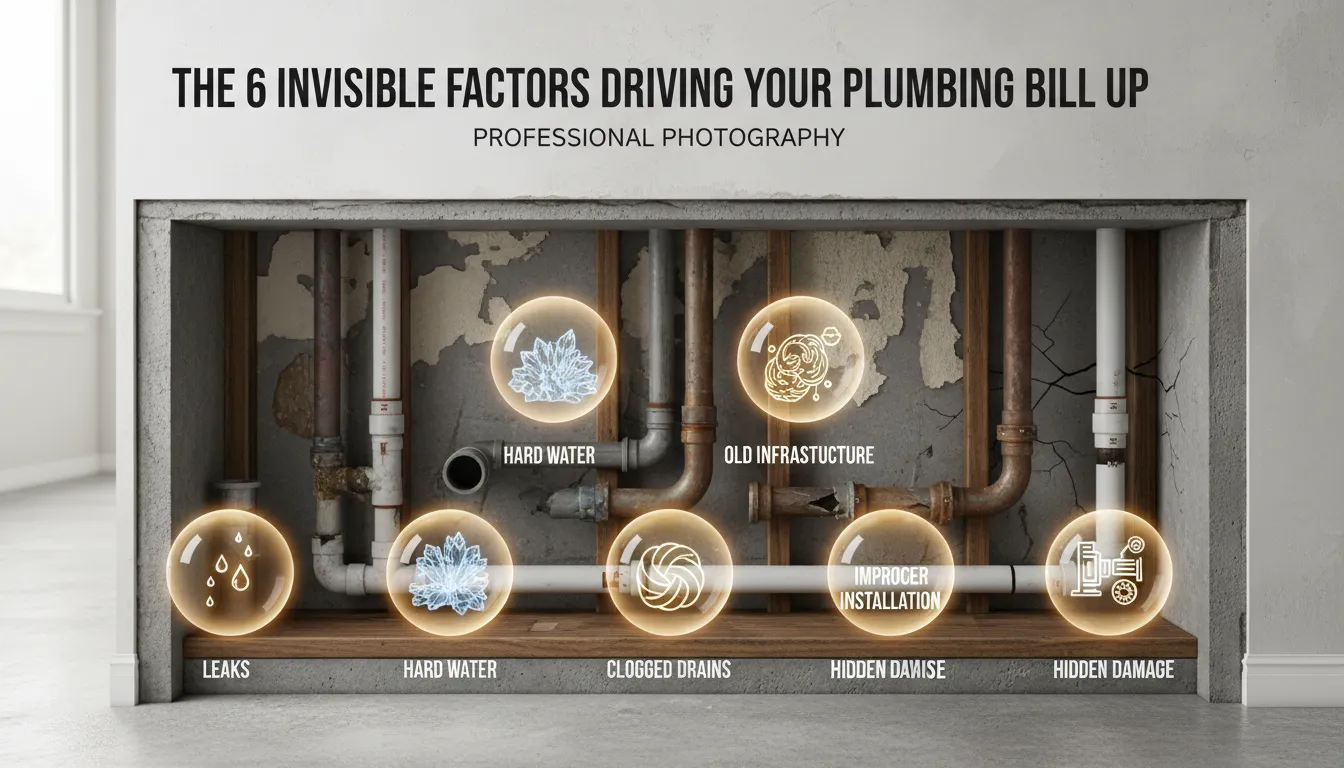
If you think plumbers are just “charging what they want,” the reality is much more complex. In 2026, several global and domestic economic shifts have created a “perfect storm” for home service pricing. Here are the six hidden drivers behind your quote.
1. The 2026 Material Crisis: Record-High Copper Prices
The #1 reason for the price spike in 2026 is the Global Copper Deficit. Copper is essential for high-quality plumbing, but prices have surged to record highs of over $12,000 per metric ton this year.
The Tariff Factor: New Section 232 tariffs on semi-finished copper (pipes and fittings) have added a 15-50% surcharge on imported materials.
The Result: Plumbers are now forced to add “Material Volatility Surcharges” to quotes because the price of a copper pipe can change between the morning quote and the afternoon install.
2. The “Silver Tsunami”: A 550,000-Worker Shortage
The plumbing industry is facing its largest labor shortage in history. In 2026, the “Silver Tsunami”—the mass retirement of Baby Boomer tradespeople—has reached its peak.
The Gap: There is currently a shortage of 550,000 licensed plumbers in the U.S. alone.
The Math: High demand + Low supply = Higher hourly wages. You aren’t just paying for a repair; you are paying for one of the rarest skill sets in the modern economy.
3. The “Rolling Warehouse” Overhead
A professional plumber doesn’t just show up with a wrench. They arrive in a specialized vehicle that costs roughly $100,000 to buy and upfit.
Inventory: Each truck carries $15,000–$25,000 in parts so they can fix your leak immediately.
Insurance: In 2026, liability and fleet insurance premiums have risen by 20%, costs that must be covered by the hourly rate to keep the business viable.
4. Code Compliance & Permit Fees
Many homeowners don’t realize that even “simple” jobs like water heater replacements often require a local permit.
The Cost: Permit fees in 2026 can range from $120 to $350 depending on your municipality.
The Risk: A licensed plumber must pull these permits to ensure your homeowners’ insurance remains valid. Unlicensed “cheap” plumbers skip this, leaving you liable for thousands in future damages.
5. Professional Licensing & Risk
Plumbing is one of the most heavily regulated trades for a reason: one mistake can destroy a house. * Training: A Master Plumber has 7–10 years of training (similar to a doctor’s residency).
Biohazard Risk: Plumbers deal with high-pressure systems and raw sewage. The “Expensive” rate includes the cost of specialized safety gear and health risks.
6. Specialized 2026 Diagnostic Tech
Modern plumbing has gone high-tech. To save your yard from being dug up, plumbers now use:
Thermal Leak Cameras: ($2,500+) to find leaks behind walls without demolition.
Sewer Cameras: ($5,000+) with AI-assisted crack detection.
Hydro-Jetters: ($10,000+) to clear lines that a standard snake can’t touch.
The “Repair vs. Replace” Decision Framework
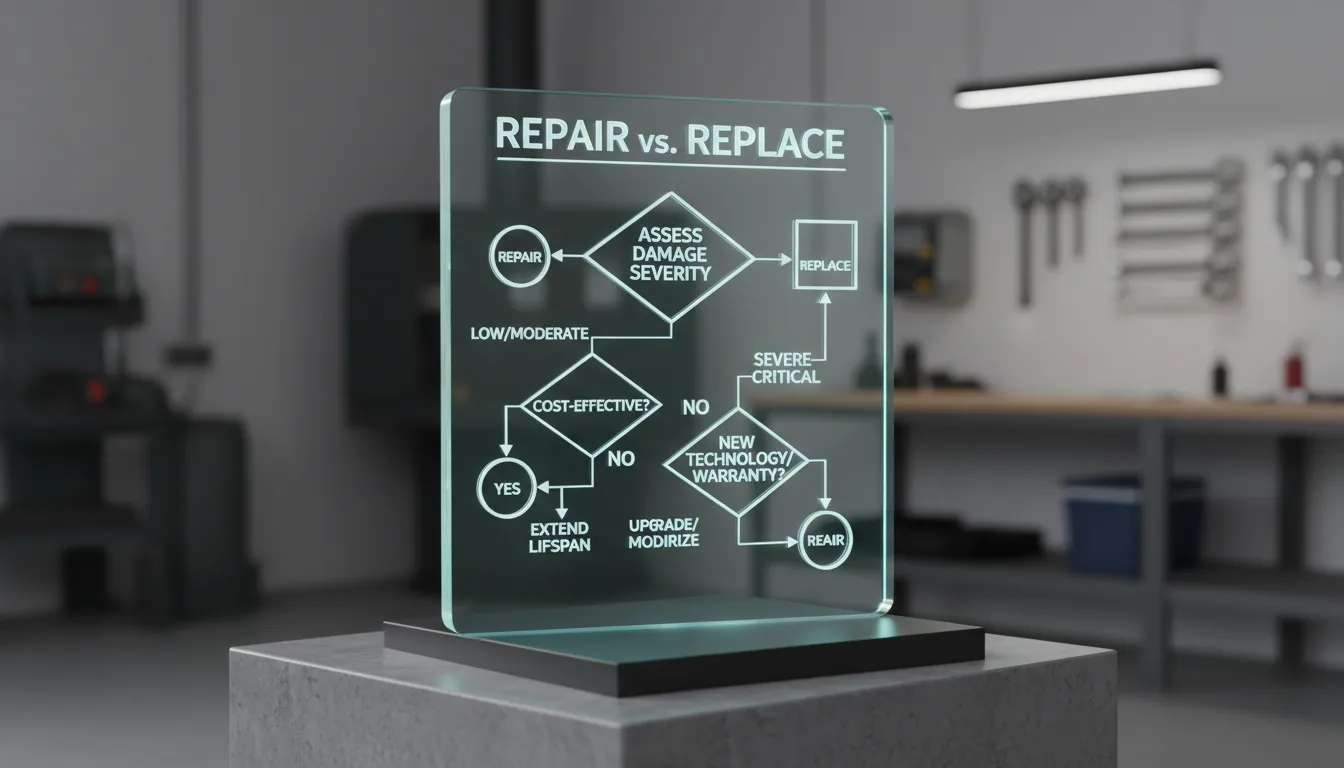
The biggest question homeowners ask when faced with an expensive quote is: “Is it worth fixing this, or should I just buy a new one?” In 2026, with material costs at an all-time high, making the wrong choice can cost you thousands. We use the “50% Rule” to help you decide.
The 50% Rule of Plumbing
If a single repair cost exceeds 50% of the cost of a brand-new unit (including installation), you should almost always replace it. This is especially true if the unit is past its mid-life expectancy.
The “Golden Thresholds” for Common Fixtures
Use this 2026 guide to evaluate your quote:
| Fixture | Average Lifespan | Repair if… | Replace if… |
| Water Heater | 8 – 12 Years | It’s under 6 years old and needs a simple heating element. | It’s over 10 years old or the tank is leaking. |
| Garbage Disposal | 10 – 12 Years | It’s a simple jam or a minor seal leak. | The motor is humming or it’s over 8 years old. |
| Toilets | 20+ Years | The “innards” (flapper/fill valve) are broken. | The porcelain is cracked or it’s an old high-water-use model. |
| Sump Pump | 7 – 10 Years | It’s a simple switch replacement. | It’s over 7 years old. A failure here leads to a flooded basement. |
Hidden Costs of “The Cheap Fix”
In 2026, the cost of secondary damage is higher than ever. If you opt for a cheap patch on a 15-year-old pipe instead of replacing the section:
Insurance Risks: Many 2026 homeowners’ policies now have “limited water damage” riders that won’t pay if the fixture was past its life expectancy.
The “Double Labor” Penalty: If the patch fails in six months, you will pay a second service fee, second labor charge, and a second diagnostic fee.
The Bottom Line: An expensive replacement today is often $1,000 cheaper than three repairs and a mold remediation bill tomorrow.
Insider Tricks: How to Save $500+ on Your Plumbing Bill

While you can’t change the price of copper or the hourly rate of a Master Plumber, you can control how many billable hours are spent at your home. In 2026, efficiency is the best way to lower your quote. Use these professional strategies to cut costs without sacrificing quality.
1. The “5-Foot Rule” (Saves $100–$200 in Labor)
Plumbers charge by the hour, and that clock starts the moment they walk through the door. If a plumber has to spend 30 minutes moving boxes, cleaning out the “junk drawer” under the sink, or clearing a path to the water heater, you are paying Master Plumber rates for janitorial work.
Action: Clear a 5-foot radius around the workspace before the plumber arrives. Ensure the area is well-lit and accessible.
2. The “Bundle” Strategy (Saves the Service Fee)
The most expensive part of a plumbing job is often the Trip Charge/Service Fee ($85–$175). If you call a plumber today for a leaky faucet and again next month for a running toilet, you’ve paid two service fees.
Action: Keep a “Home Plumbing Hit List.” When you have one major issue, have the plumber fix the small “annoyance” leaks or slow drains during the same visit. You’ll pay for parts and labor, but you save the $150 travel expense.
3. Map Your Own Shut-Offs
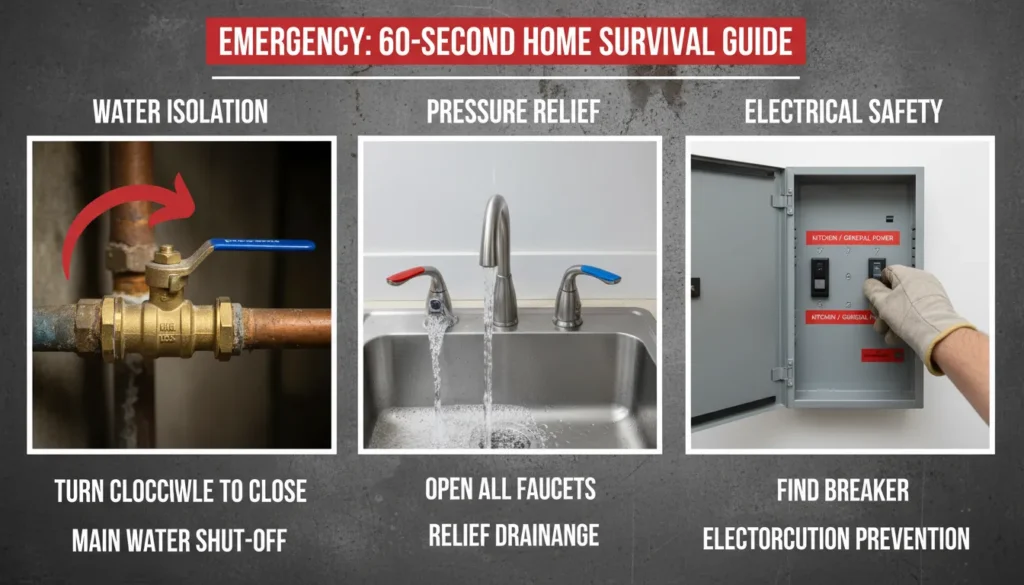
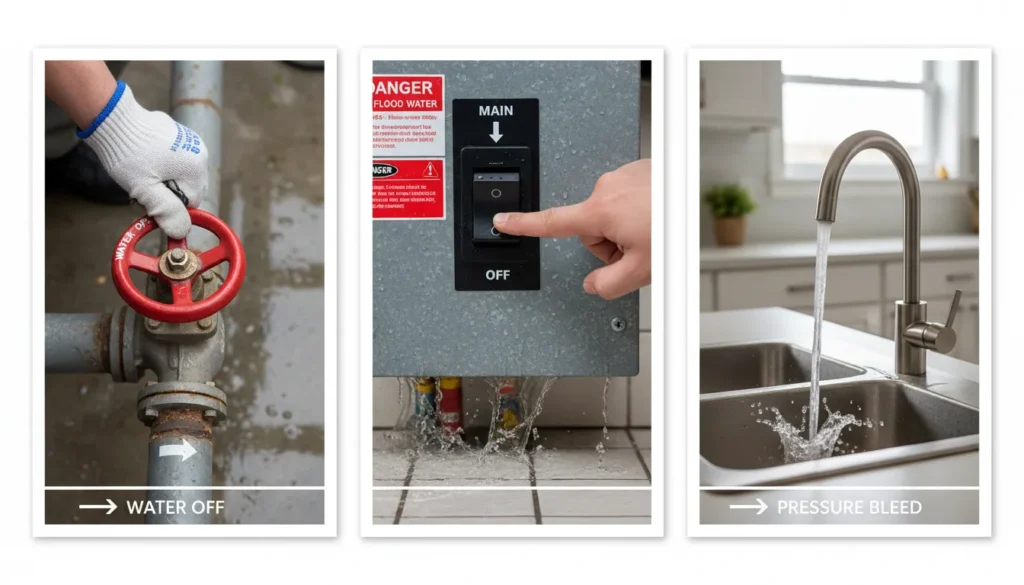
If a pipe bursts, the difference between a $500 repair and a $50,000 restoration project is how fast you can turn off the water. If the plumber has to spend 20 minutes hunting for your main shut-off valve, you’re paying for that time.
Action: Know exactly where your main shut-off and local fixture valves are. Tag them with bright “Shut-Off” labels. This prevents emergency “Search and Rescue” labor costs.
4. Opt for “Diagnostic Credits”
In 2026, competition for high-quality clients is fierce. Many reputable companies offer a “Diagnostic Credit.”
Action: When booking, ask: “If I agree to the repair today, do you credit the service fee toward the total cost?” This simple question can instantly save you $100 or more.
5. Material Alternatives: Ask for PEX-B
As we discussed in Section 2, copper prices are volatile. If you are doing a repipe or a significant repair, ask about PEX-B piping. * The Savings: PEX-B is significantly cheaper than copper and PEX-A, yet it offers incredible durability and freeze resistance. Switching materials can reduce your “Materials” line item by 20–30%.
The “Hidden” Surcharges: Permits, Disposal, and Restoration
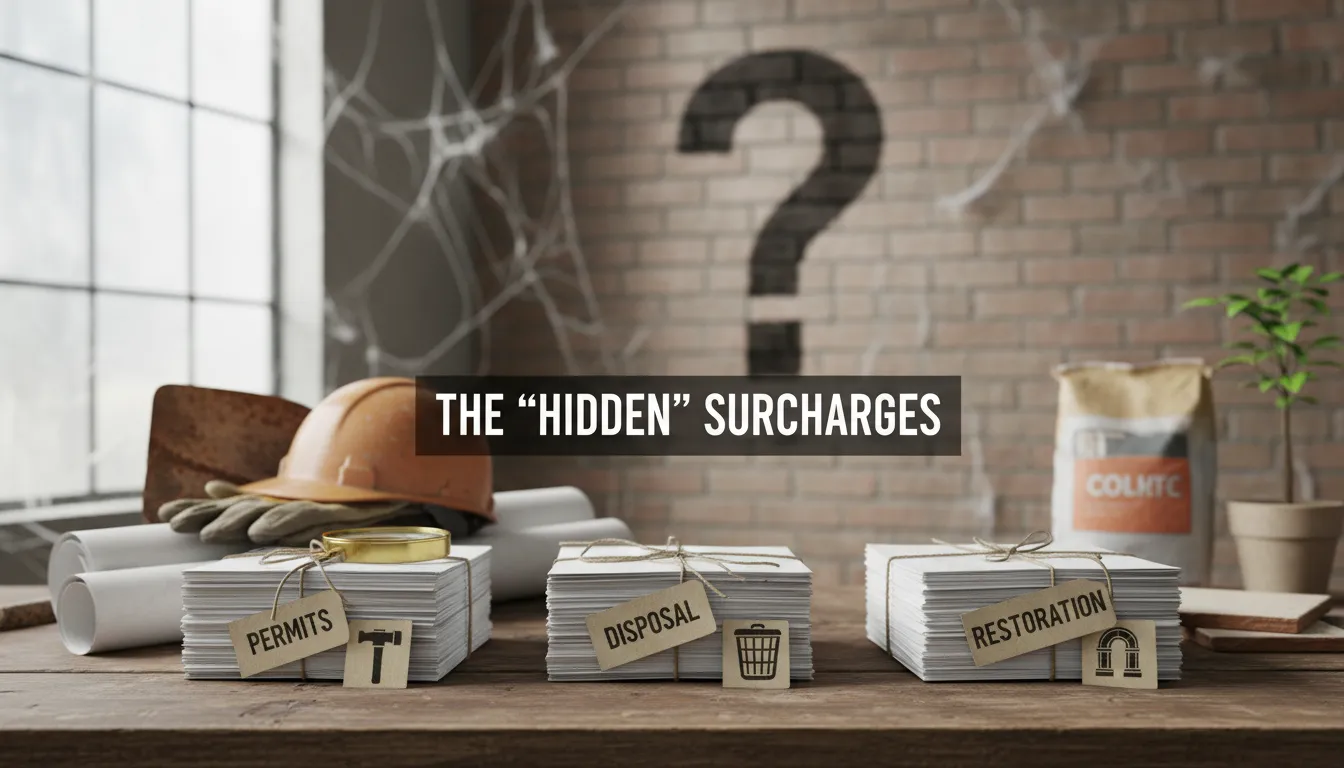
One reason homeowners feel plumbing is “too expensive” is that the final invoice often includes items they weren’t expecting. In 2026, transparency is the hallmark of a professional. Here are the three “hidden” costs that can add $200–$500 to a professional plumbing project.
1. 2026 Permit and Inspection Fees ($120 – $350)
Google and users both value Legal/Safety Intent. In many jurisdictions, it is illegal to replace a water heater or alter a sewer line without a permit.
The Reality: A permit ensures a city inspector verifies the work is up to 2026 Building Code.
The Cost: These fees are set by the city, not the plumber. If a competitor gives you a “too good to be true” quote, check if they included the permit. If they skip it, your insurance company may deny future claims related to that work.
2. Disposal and Environmental Fees ($50 – $150)
What happens to your old, 150-lb rusted water heater or the 40 feet of corroded cast iron pipe?
EPA Regulations: In 2026, environmental regulations regarding the disposal of heavy metals and old appliances have tightened.
The Charge: Plumbers must pay “tipping fees” at specialized recycling centers. This fee covers the heavy lifting, transportation, and legal disposal of your old plumbing debris.
3. The “Access and Restoration” Gap
Plumbers are experts at pipes, not necessarily drywall or finish carpentry.
The Hidden Task: If a leak is behind a kitchen backsplash or under a hardwood floor, the plumber must “gain access.”
The Cost Trap: Many homeowners are shocked to find that the plumbing bill fixes the pipe but doesn’t fix the wall.
2026 Strategy: Always ask if the quote includes “back-to-stud” restoration or if you will need to hire a separate drywall contractor. Being aware of this prevents the “half-finished job” frustration.
Summary Table: The True Cost of a “Simple” Job
| Item | Base Repair | Hidden Factor | Final Estimated Total |
| Water Heater | $1,800 | Permit + Disposal ($250) | $2,050 |
| Slab Leak | $1,200 | Concrete Cutting + Excavation ($600) | $1,800 |
| Main Line Clog | $300 | Camera Inspection + Disposal ($150) | $450 |
Expert FAQ: Why is Plumbing So Expensive? (Your Questions Answered)
To help you navigate your next quote, we’ve gathered the most common questions homeowners are asking in 2026. These answers are designed to give you clarity and confidence before you sign a contract.
Is $150 to $200 per hour too much for a plumber?
In 2026, no. While it may seem high, a $150/hour billable rate does not go directly into the plumber’s pocket. After deducting the costs of the “Rolling Warehouse” (truck and fuel), liability insurance, 2026-compliant specialized tools, and administrative overhead, the actual take-home profit for a plumbing business is often between 10% and 15%. You are paying for the “Readiness” of a master professional to solve a crisis immediately.
Why do plumbers charge a “Service Fee” just to show up?
The service fee (or trip charge) covers the time and fuel required to get a fully-equipped shop to your driveway. In 2026, the average cost to keep a service vehicle on the road—including insurance and maintenance—is approximately $3.50 per mile. The fee ensures that the plumber doesn’t lose money simply by showing up to diagnose a problem they might not be hired to fix.
Why is emergency plumbing so much more expensive?
Emergency rates usually involve a 1.5x to 3x multiplier. This isn’t just because of the “odd hour.” It’s because the company must maintain a 24/7 on-call rotation, paying technicians “standby” wages even when the phone isn’t ringing. When you call at 2:00 AM on a Sunday, you are paying for the guaranteed availability of a specialized expert during their rest hours.
Can I provide my own parts to save money?
While some plumbers allow this, most 2026 professionals advise against it. If you provide a faucet that turns out to be defective, the plumber will still charge you for the labor to install it—and then charge you again to remove it and install a replacement. Furthermore, most plumbing warranties are voided if the contractor did not supply the materials.
Why are “Simple” drain cleanings $300+ now?
In 2026, professional drain cleaning has moved beyond simple snaking. Most pros now use High-Definition Sewer Cameras to ensure the clog is actually gone and to check for structural pipe failures. You aren’t just paying for the clog removal; you are paying for the certainty that the pipe won’t back up again in 48 hours.