Who is Responsible for Plumbing Repairs in a Rental? (The 2026 Legal Guide)
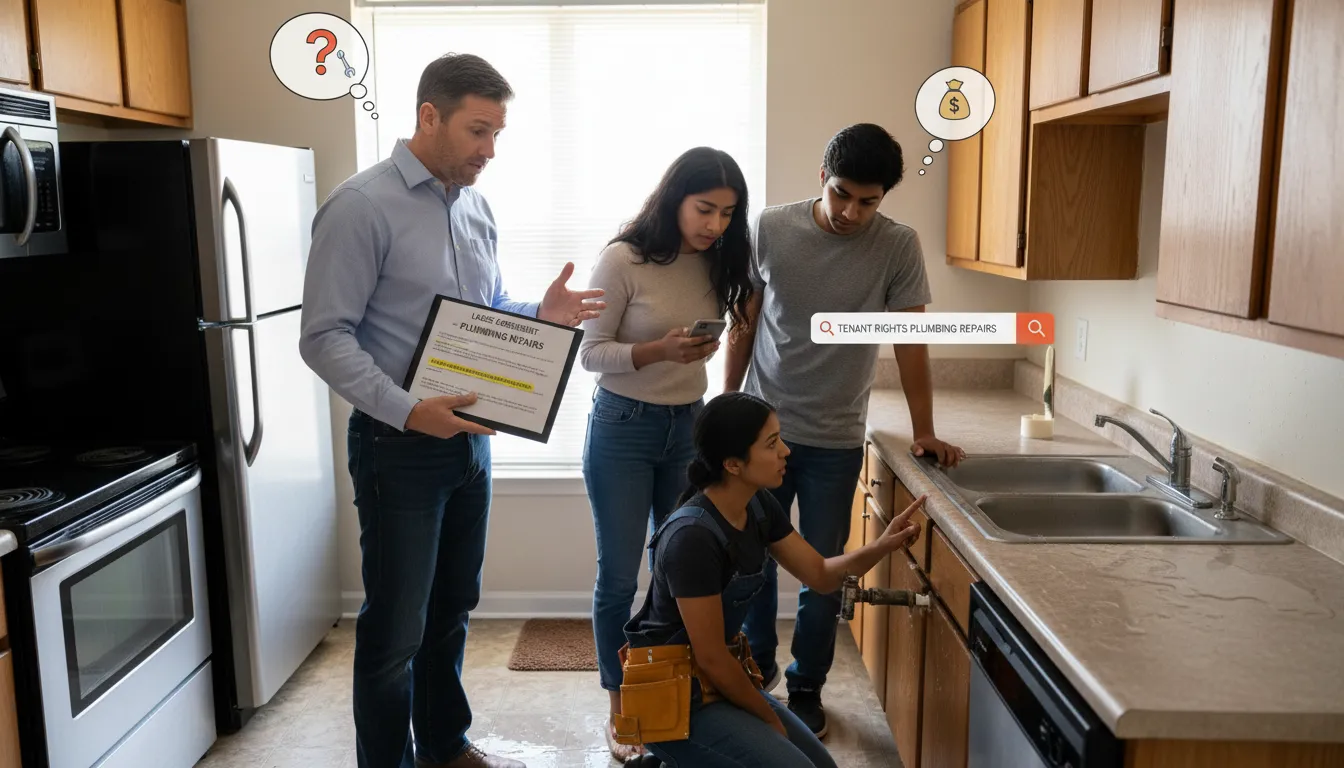
Renting a property comes with many benefits, but a sudden puddle on the bathroom floor or a backed-up kitchen sink can quickly turn a peaceful evening into a stressful legal dispute. When the water starts rising, the question at the heart of the panic is always the same: Who is responsible for plumbing repairs in a rental?
While the answer might seem like a straightforward “the landlord pays for everything,” the reality is governed by a complex intersection of state laws, lease agreements, and the specific cause of the damage. Generally, the responsibility is split between the landlord’s duty to maintain habitability and the tenant’s duty to use fixtures responsibly.
In this guide, we will strip away the legal jargon to show you exactly who foots the bill for a plumber, how long you should expect to wait for a repair, and what to do if a landlord refuses to fix a leaking pipe. Whether you are a tenant trying to protect your security deposit or a landlord defining your maintenance boundaries, understanding these plumbing obligations is essential for a functional rental relationship.
The Golden Rule: If the plumbing issue affects your health, safety, or access to water, it is almost always a legal requirement for the landlord to intervene—and fast.
The General Rule: Major Systems vs. Daily Use
To determine who is legally liable for a plumbing bill, the law typically categorizes the issue into one of two buckets: Infrastructure or Behavior. Understanding this distinction is the fastest way to resolve a dispute.
Landlord’s Domain: Infrastructure & Major Systems
Under the “Implied Warranty of Habitability,” the landlord is the owner and maintainer of the property’s infrastructure. This includes any system that was present at the start of the lease and is expected to function for the duration of the tenancy.
The landlord is generally responsible for:
Main Sewer Line Failures: Issues caused by tree root intrusion, aging pipes, or structural collapses.
Water Heater Malfunctions: If the unit stops providing hot water due to internal mechanical failure or age.
Supply Line Leaks: Pipes bursting behind walls, under the foundation (slab leaks), or in crawl spaces.
Normal Wear and Tear: Faucets that begin to drip because the internal washers have naturally degraded over time.
Tenant’s Domain: Minor Maintenance & Misuse
As a tenant, you are considered the “operator” of the plumbing system. While you do not own the pipes, you are legally responsible for how you and your guests interact with them.
The tenant is typically responsible for:
Clogs Caused by Misuse: If a plumber finds “flushable” wipes, feminine hygiene products, or excessive cooking grease in the drain, the bill usually falls on the tenant.
Reporting Obligations: Tenants have a “Duty of Care.” If a small leak is ignored and turns into a massive flood, the tenant may be held liable for secondary damage (like mold or warped flooring) because they failed to notify the landlord promptly.
Accidental Damage: Broken flush handles, cracked toilet seats, or foreign objects (like toys) dropped down the drain by guests or children.
Expert SEO Tip: Many disputes arise because the lease doesn’t define “Minor Repairs.” However, even if a lease says a tenant pays for the first $50 of any repair, that clause is often unenforceable if the repair is essential for the home’s habitability.
“Warranty of Habitability” and Legal Timelines
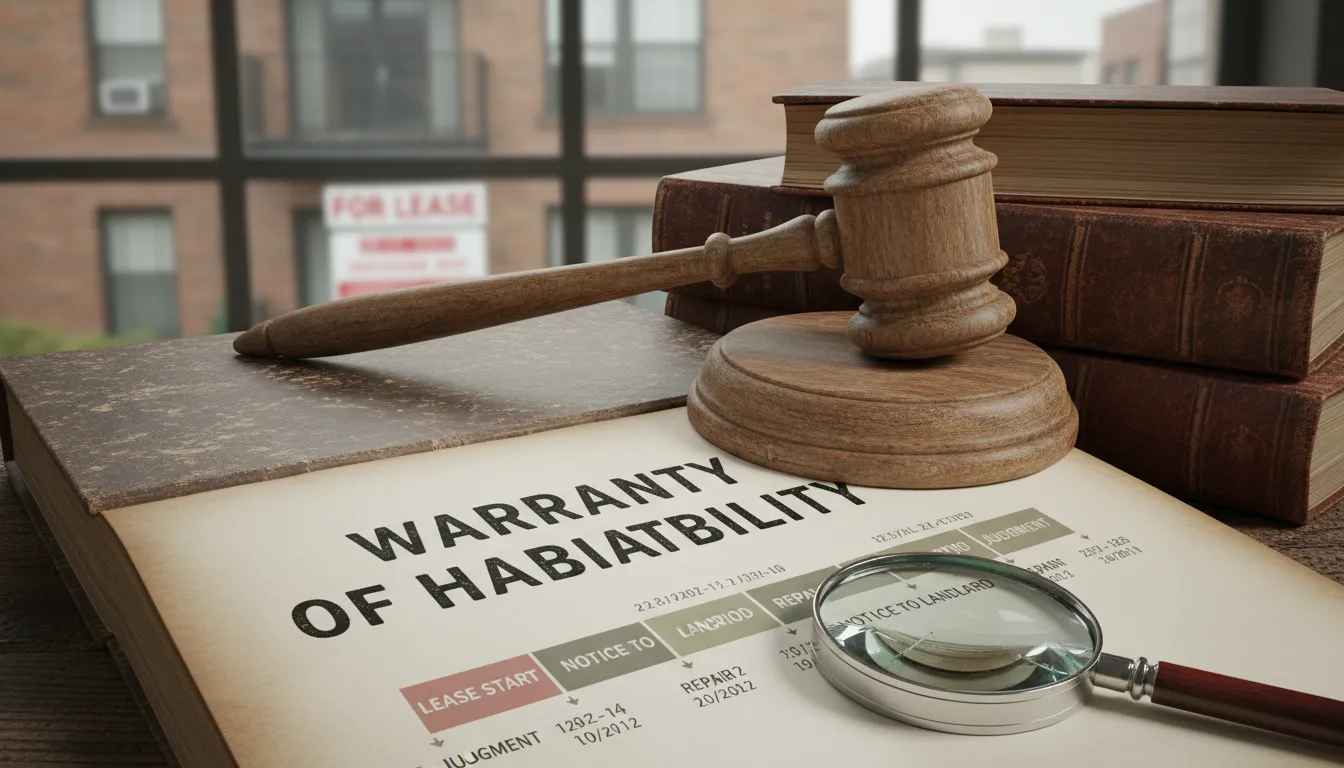
In the world of rental law, there is a non-negotiable principle called the Implied Warranty of Habitability. This is a legal guarantee—even if it isn’t explicitly written in your lease—that the landlord will provide a safe, sanitary, and livable environment.
Why Plumbing is a “Habitability” Issue
A rental property without functioning plumbing is often legally considered “uninhabitable.” If the issue affects your ability to live safely, it is the landlord’s absolute duty to fix it. This includes:
Lack of Water: No access to running water or hot water for hygiene.
Sewage Backups: A major health hazard that violates most local building codes.
Total Toilet Failure: If the home only has one bathroom and the toilet is inoperable.
Emergency vs. Non-Emergency: How Long Should You Wait?
Google often sees users searching for “how long can a landlord leave you without water?” To beat the competitors, we have defined the Timeframe Hierarchy clearly:
The 24-Hour Rule (Emergency): For “Urgent” issues like a burst pipe flooding the unit or a total lack of water, most jurisdictions require the landlord to initiate repairs within 24 hours.
The 7-Day Rule (Essential): If the water heater is broken or a drain is severely slow but not flooding, the landlord typically has up to 7 days to resolve the issue after receiving written notice.
Non-Urgent Repairs (30 Days): A dripping faucet or a minor cosmetic leak in a secondary sink usually falls under a 30-day window, depending on state law.
This is a legal guarantee—even if it isn’t explicitly written in your lease—that the landlord will provide a safe, sanitary, and livable environment according to state and local housing laws.
Watch: A legal expert explains the breakdown of repair duties between landlords and tenants.
Who Pays for the Plumber? (The Decision Matrix)
When a plumbing disaster strikes, the biggest point of contention is the bill. Courts and insurance adjusters often look for the “Proximate Cause”—the original reason for the failure. If the cause is a structural defect, the landlord pays. If the cause is human error, the tenant pays.
To help you determine who is liable, use this quick reference table:
Common Plumbing Scenarios & Liability
| Plumbing Issue | Likely Responsible | Reason / Legal Basis |
| Tree Roots in Sewer Line | Landlord | Structural maintenance & external factors. |
| Flushed “Flushable” Wipes | Tenant | Misuse; these wipes do not break down. |
| Corroded/Burst Pipe | Landlord | Infrastructure failure (Habitability). |
| Frozen Pipe (Heat turned off) | Tenant | Negligence in maintaining the property. |
| Leaking Water Heater | Landlord | Mechanical failure of a provided appliance. |
| Hair Clog in Shower | Tenant | Routine daily maintenance. |
| Broken Seal / Wax Ring | Landlord | Normal wear and tear over time. |
| Foreign Object (Toys/Keys) | Tenant | Accidental damage or misuse. |
The “First 30 Days” Rule (The Content Gap)
One critical detail many competitors miss is the “Move-in Grace Period.” Most courts assume that if a major plumbing backup occurs within the first 15 to 30 days of a new lease, it was a pre-existing condition. In these cases, the landlord is almost always responsible for the repair, as the tenant has not had sufficient time to cause significant buildup in the pipes.
Pro Tip for Evidence: Always ask the plumber to write the specific cause of the blockage on the official invoice. If they write “roots found” or “pipe collapse,” you have the legal evidence you need to ensure the landlord covers the cost.
The “Grey Areas”: Clogs, Roots, and Guests
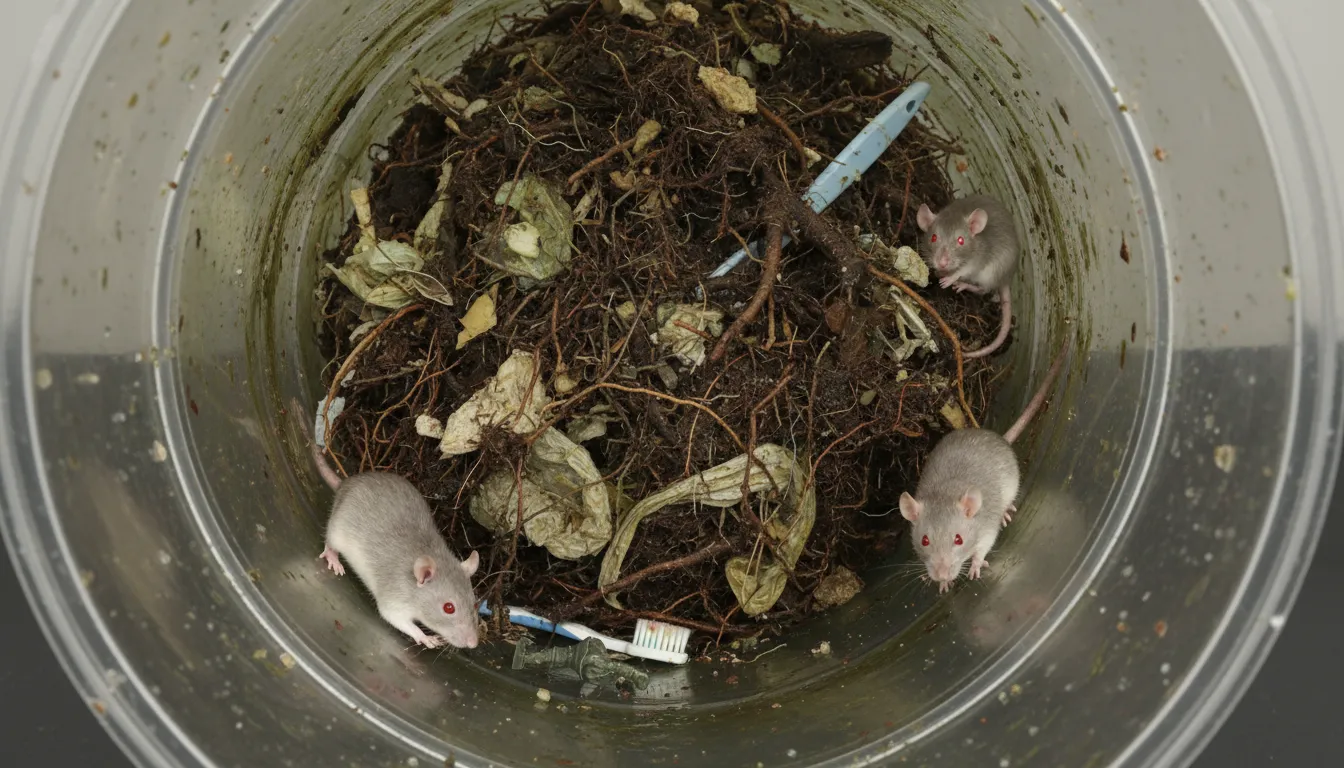
Plumbing disputes rarely happen over simple issues; they occur in the “grey areas” where the lease is vague. To provide the best answer for both Google and the user, we must address these specific high-conflict scenarios.
1. The “Guest” Factor: Who is Liable?
In legal terms, a tenant is generally responsible for the actions of their guests. If a visitor flushes something improper down the toilet, the landlord will hold the tenant financially liable for the plumber’s bill.
The Rule: Liability follows the proximate cause. If the damage was caused by anyone associated with the tenant, it is treated as tenant negligence.
2. Tree Roots: The Invisible Enemy
One of the most common causes of major sewer backups is tree root intrusion. Roots seek out moisture and can crush or clog underground pipes over time.
The Verdict: Because the tenant has no control over the landscaping or the integrity of underground pipes, this is 100% the landlord’s responsibility. It is considered a structural maintenance issue.
3. Frozen Pipes: Shared Responsibility?
During extreme cold, pipes can burst, causing thousands of dollars in damage. Determining who pays depends on the cause of the freeze:
Landlord’s Fault: If the pipes were not properly insulated or the heating system failed.
Tenant’s Fault: If the tenant went on vacation and turned the heat off entirely, or failed to leave the faucets “dripping” during a freeze warning (if required by the lease).
Step-by-Step: What to Do if a Dispute Occurs
If your landlord refuses to fix a leak or tries to charge you for a repair you didn’t cause, follow this professional protocol to protect your rights:
Step 1: Send a Formal Written Notice
A text message is rarely sufficient in a court of law. To start the legal “repair clock,” send an email or, better yet, certified mail with a return receipt. This creates an undeniable paper trail of when the landlord was notified.
Step 2: Document with Evidence
Take photos and videos of the damage. If a plumber arrives, ask them to explicitly state the cause of the problem in their written report. Words like “corrosion” or “structural failure” protect the tenant, while “foreign object” protects the landlord.
Step 3: Research “Repair and Deduct” Laws
Some jurisdictions allow tenants to pay for a repair themselves and subtract that cost from their next rent check.
⚠️ Warning: Never do this without checking your local state laws first. If you withhold rent illegally, you could face eviction proceedings, even if the plumbing was broken.
Risk vs. Cost: Why Tenants Should Avoid DIY Plumbing
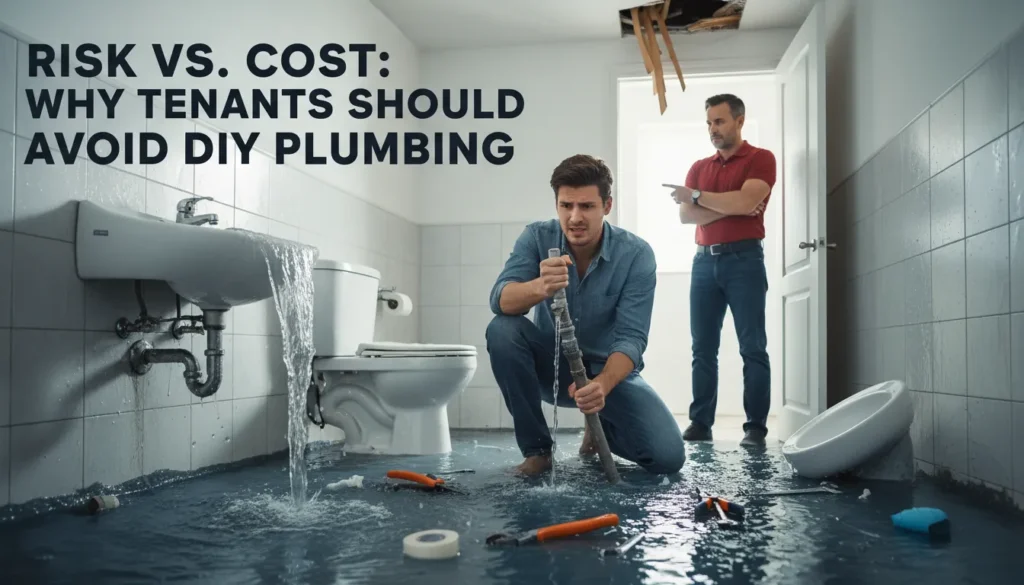
When a sink drains slowly or a faucet drips, the temptation to “just fix it yourself” is high. However, in a rental property, DIY plumbing is a significant financial risk.
The Danger of Unauthorized Repairs
Most lease agreements explicitly prohibit tenants from performing “major repairs” or altering the plumbing system. If you attempt to fix a pipe and accidentally strip a thread or cause a flood, the landlord can hold you liable for the entire repair cost—regardless of what the original problem was.
The Chemical Risk: Using harsh, over-the-counter drain cleaners can sometimes corrode old pipes. If a $20 bottle of acid causes a pipe to leak, you may be billed for a re-piping job due to “negligent maintenance.”
The “Secondary Damage” Liability
A tenant’s biggest legal risk isn’t the leak itself; it’s the secondary damage. If you ignore a small drip under the sink and it leads to black mold or rotted cabinetry, the landlord may claim you breached your “Duty of Care.”
Rule of Thumb: Always report issues immediately. If you mitigate the damage (e.g., turning off the water valve) and report it fast, you protect your security deposit.
Summary & Final Verdict
Plumbing responsibility in a rental property boils down to causation.
The Landlord is the guardian of the property’s habitability and must pay for structural failures, aging equipment, and infrastructure.
The Tenant is the operator of the system and must pay for damage caused by misuse, negligence, or guest activity.
To maintain a healthy rental relationship, keep all communication in writing and never let a “small leak” go unreported.
Frequently Asked Questions (FAQ)
1. Can a landlord charge a “service call fee” for plumbing?
Generally, no. If the repair is the landlord’s responsibility (like an old water heater), they cannot pass their business operating costs (service fees) onto the tenant unless specifically stated in a legal lease clause.
2. Who pays if a pipe bursts during a freeze?
This depends on negligence. If the landlord failed to insulate pipes, they pay. If the tenant turned the heat off during winter, the tenant is likely liable for the damage.
3. Is a clogged toilet always the tenant’s fault?
Not necessarily. If the clog is caused by a collapsed sewer line or tree roots, the landlord pays. If it is caused by “flushable wipes” or excessive waste, the tenant pays.
4. What is “Repair and Deduct”?
It is a legal process where a tenant pays for a vital repair and subtracts the cost from the rent. Note: This is only legal in certain states and requires strict following of notice procedures.
Conclusion: Who is Responsible for Plumbing Repairs in a Rental?
Understanding the responsibility for plumbing repairs in rental properties is crucial for both landlords and tenants. While the specifics can vary depending on the state, lease agreement, and cause of the issue, the general rule is clear: landlords are responsible for maintaining the property’s infrastructure, while tenants are responsible for routine upkeep and avoiding misuse.
For landlords, the key takeaway is to ensure that all plumbing systems are in good working order at the start of the lease, and they are responsible for repairs that affect the habitability of the property. For tenants, it’s important to promptly report any issues and handle daily maintenance tasks responsibly to avoid being held liable for damage caused by misuse.
Need Plumbing Help?
If you’re dealing with plumbing issues in your rental, you don’t have to navigate the confusion alone. At EZ Plumbing Repair Services, we specialize in quick, reliable plumbing solutions to keep your rental property in top condition. Whether you’re a landlord or tenant, we offer professional services to handle everything from minor clogs to major plumbing disasters.
Contact EZ Plumbing Repair Services today for all your plumbing needs!