The Best Types of Residential Plumbing Pipes: Which One Will Last 50+ Years?
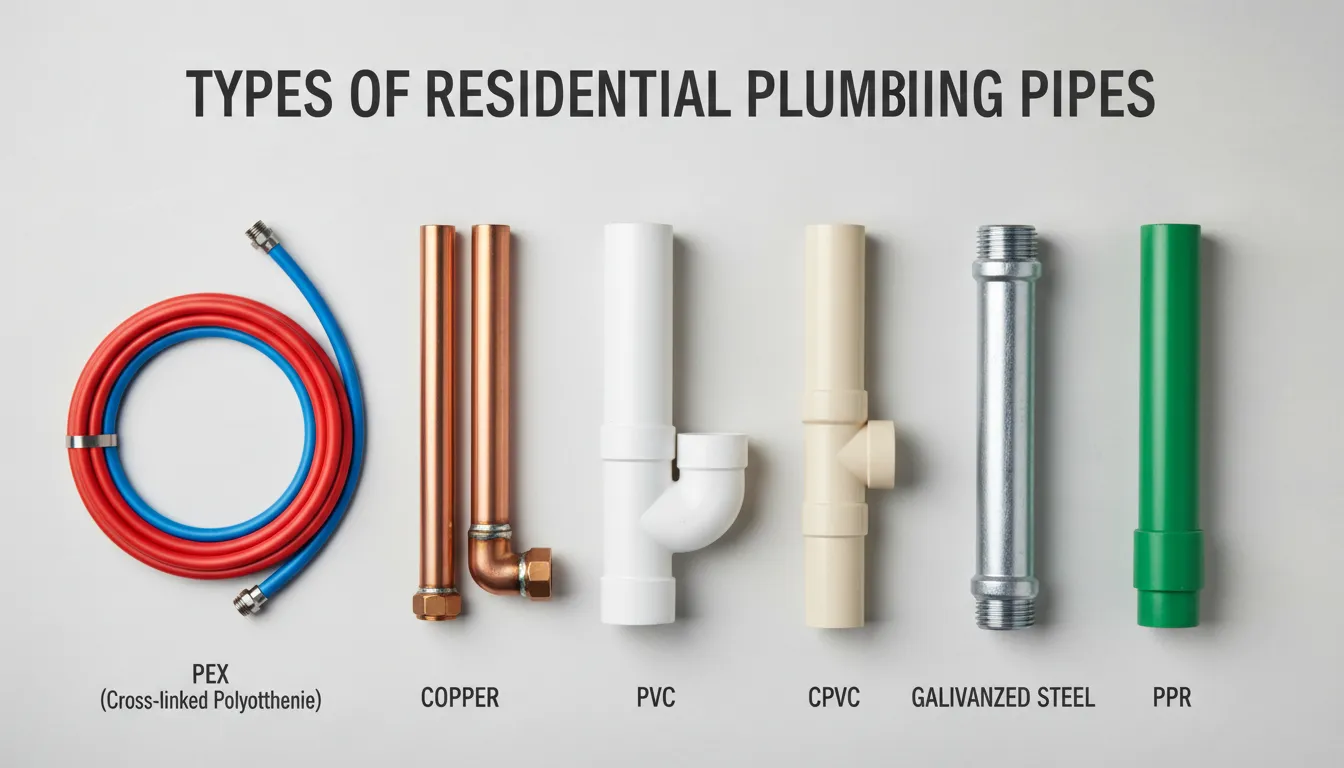
Choosing the right plumbing pipes is crucial to the long-term functionality and efficiency of your home’s plumbing system. With various pipe materials available, each designed to serve specific needs, it can be challenging to decide which is best for your project. Whether you’re building a new home, renovating an existing one, or replacing old pipes, understanding the types of plumbing pipes and their uses can save you time and money.
In this guide, we’ll explore the most common types of residential plumbing pipes—PEX, PVC, Copper, ABS, and Cast Iron—and discuss their pros, cons, and best applications. By the end, you’ll have a clearer idea of which plumbing pipe is most suitable for your home, ensuring a durable, efficient, and cost-effective plumbing system.
What Are Residential Plumbing Pipes?
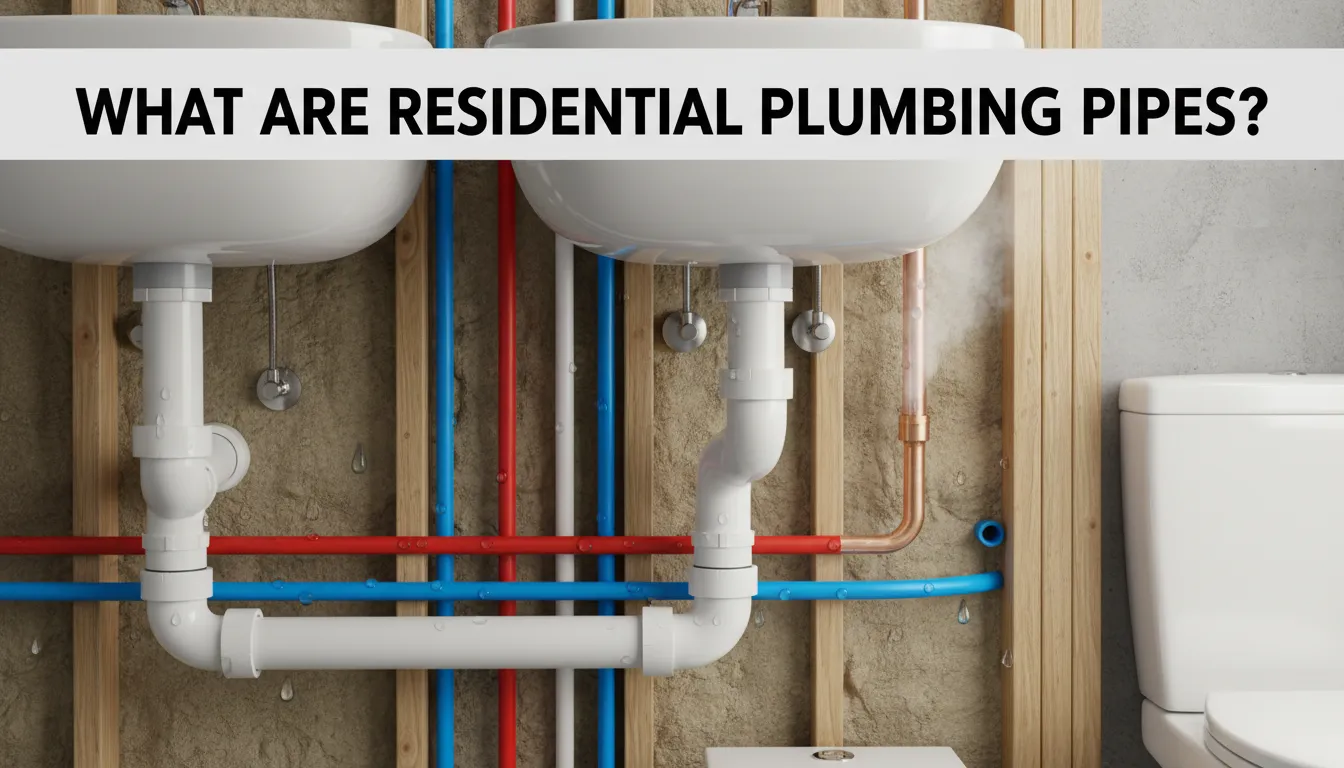
Residential plumbing pipes are an essential part of the infrastructure that allows water to flow efficiently throughout your home. These pipes are used to transport potable water, remove waste, and vent gases to ensure a functioning and safe plumbing system. A wide variety of materials are used for these pipes, each with its own unique features, pros, and cons.
Plumbing pipes come in various sizes and materials, including plastic, metal, and composite options. The choice of pipe material depends on several factors, including the type of plumbing system (e.g., water supply, waste removal), temperature of the water, budget, and installation needs. For instance, pipes used for water supply lines need to be durable, corrosion-resistant, and capable of handling pressure, while pipes used for drainage systems need to be able to handle waste without leaking.
Understanding the materials and functions of different types of residential plumbing pipes helps homeowners make the best decisions for their plumbing systems, ensuring they are long-lasting, efficient, and safe.
Types of Plumbing Pipes
When it comes to choosing plumbing pipes for your home, there are several materials to consider, each offering unique benefits and limitations. Below are the most commonly used plumbing pipe types:
PEX Pipes: Flexible and Easy to Install
PEX (Cross-linked Polyethylene) pipes have gained significant popularity due to their flexibility and ease of installation. These pipes are commonly used for water supply lines and radiant heating systems. The flexibility of PEX allows it to bend around corners and through walls without requiring additional fittings, reducing the likelihood of leaks.
Pros of PEX:
Flexibility: PEX pipes can easily navigate tight spaces and curves without additional fittings.
Corrosion-Resistant: Unlike metal pipes, PEX is resistant to corrosion, extending its lifespan.
Cost-Effective: PEX is generally cheaper than copper and more affordable to install due to its ease of handling.
Cons of PEX:
UV Sensitivity: PEX cannot be exposed to sunlight for prolonged periods as it can degrade.
Not Suitable for Outdoors: Because of its UV sensitivity, PEX is not ideal for outdoor installations.
Water Quality Concerns: Some users report a slight change in water taste due to the material, though this is rare.
PVC Pipes: Cost-Effective and Versatile
Polyvinyl chloride (PVC) pipes are one of the most affordable and commonly used materials for drainage and waste removal systems. PVC is lightweight, resistant to corrosion, and easy to install, making it a popular choice for DIY projects and professional plumbers alike.
Pros of PVC:
Low Cost: PVC pipes are one of the most affordable options, making them ideal for homeowners on a budget.
Durability: PVC is resistant to corrosion, making it a reliable option for waste and drainage systems.
Easy Installation: PVC pipes are easy to cut and fit, requiring only solvent cement for joining.
Cons of PVC:
Temperature Sensitivity: PVC can degrade in high temperatures, so it is unsuitable for hot water applications.
Limited Size Options: PVC pipes may not be ideal for applications that require larger diameter pipes.
Copper Pipes: Durable and Long-Lasting
Copper has been a trusted material for plumbing systems for decades, known for its durability, corrosion resistance, and ability to handle high temperatures. Copper pipes are commonly used for water supply lines and are particularly valued for their ability to keep water safe and pure.
Pros of Copper:
Corrosion-Resistant: Copper does not rust or corrode easily, ensuring a long-lasting, reliable plumbing system.
High-Temperature Resistance: Copper pipes can handle hot water without weakening, making them ideal for residential water supply systems.
Durability: Copper pipes last for over 50 years, making them one of the longest-lasting plumbing materials available.
Cons of Copper:
High Cost: Copper pipes are more expensive than other options, which can increase overall installation costs.
Installation Difficulty: Copper requires soldering for connections, which requires professional expertise and can increase installation time.
ABS Pipes: Strong and Cold-Resistant
ABS (Acrylonitrile Butadiene Styrene) pipes are commonly used for drainage, waste, and vent systems. These black plastic pipes are strong, durable, and able to withstand cold temperatures, making them ideal for use in colder climates where other materials might crack or fail.
Pros of ABS:
Impact Resistance: ABS pipes are highly durable and resistant to cracks, making them ideal for underground and high-pressure applications.
Cold-Temperature Resistance: ABS can function in freezing temperatures, making it suitable for colder regions.
Cons of ABS:
Sunlight Degradation: Prolonged exposure to sunlight can cause ABS pipes to warp and degrade.
Noise: ABS pipes tend to be noisier when water flows through them compared to other materials like PVC.
Cast Iron and Galvanized Steel: Outdated but Durable
Cast iron and galvanized steel pipes were once the go-to choices for plumbing systems, particularly for sewage and drain systems. While they are durable, these materials are now less commonly used in new constructions due to their susceptibility to rust and corrosion over time.
Pros of Cast Iron and Galvanized Steel:
Strength and Durability: Both materials are incredibly strong, providing excellent durability in plumbing systems.
Sound Dampening: Cast iron pipes, in particular, are known for their ability to dampen noise from flowing water.
Cons of Cast Iron and Galvanized Steel:
Corrosion: Over time, both materials are prone to rust and corrosion, which can lead to leaks, clogs, and contamination of water.
Heavy and Difficult to Install: Cast iron and galvanized steel are heavy and require professional installation, making them more labor-intensive.
Cost: Both materials are more expensive and can increase overall plumbing system costs.
Cost Comparison: PVC vs PEX vs Copper
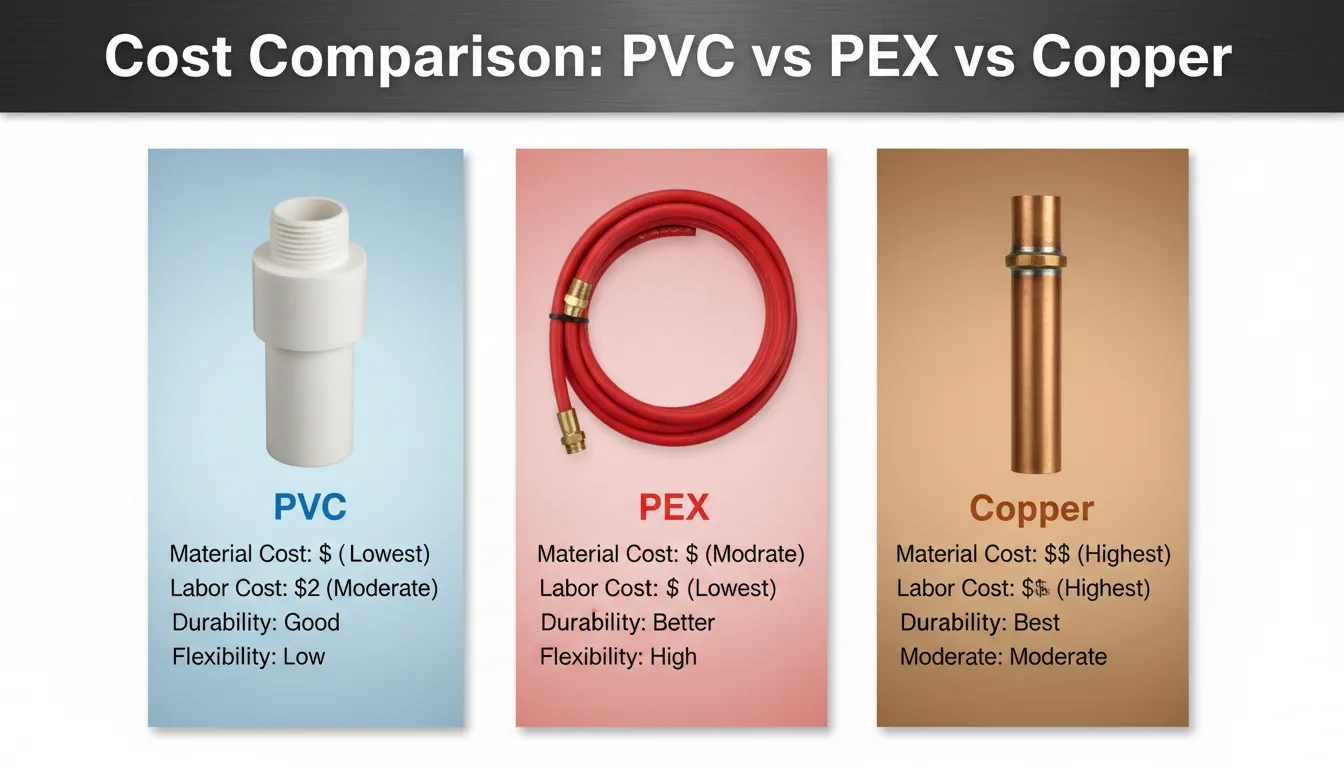
Choosing the right plumbing pipe involves not only considering the material’s functionality but also understanding the costs associated with each option. Below, we’ll break down the initial installation costs as well as the long-term maintenance costs of the three most popular types of residential plumbing pipes: PVC, PEX, and Copper.
1. PVC Pipes: Affordable and Budget-Friendly
Initial Cost: PVC is one of the most cost-effective plumbing pipe options available. On average, PVC pipes can cost anywhere between $0.50 to $2 per linear foot, depending on the size and quality.
Installation Cost: PVC is easy to install, and its lightweight nature reduces labor costs, making it an ideal option for budget-conscious homeowners or DIY projects. Professional installation generally adds $1 to $3 per linear foot for labor.
Long-Term Maintenance Cost: PVC is highly durable and resistant to corrosion, which means that once installed, maintenance costs are relatively low. The material is less prone to damage from freezing temperatures or chemicals. However, since PVC can degrade in high heat, it may need to be replaced in some applications (like hot water lines).
Total Lifetime Cost: Given its low initial cost and low maintenance needs, PVC pipes offer excellent value for non-pressurized systems like waste and drainage.
2. PEX Pipes: A Flexible and Affordable Option
Initial Cost: PEX pipes are slightly more expensive than PVC but still fall within the affordable range, with costs generally ranging from $0.50 to $2.50 per linear foot.
Installation Cost: The flexibility of PEX pipes reduces the need for additional fittings, making installation faster and less expensive than copper. PEX installations typically range from $1 to $3 per linear foot, with some labor-saving aspects reducing costs for homeowners.
Long-Term Maintenance Cost: PEX is durable, resistant to freezing temperatures, and requires minimal maintenance. Unlike copper, it doesn’t suffer from corrosion. However, UV sensitivity means that PEX pipes can’t be used outdoors unless properly shielded, and extreme temperatures could impact its lifespan.
Total Lifetime Cost: While slightly more expensive than PVC, PEX pipes are still affordable and have low maintenance costs. Their flexibility and resistance to corrosion make them a long-term, cost-effective choice for water supply lines.
3. Copper Pipes: Durable but Expensive
Initial Cost: Copper pipes are the most expensive option of the three, with prices ranging from $2 to $5 per linear foot for Type L copper, which is the most commonly used in residential plumbing.
Installation Cost: Copper requires specialized skills for soldering, making installation more labor-intensive. As a result, the installation cost can be $5 to $10 per linear foot. Although installation is more expensive, copper pipes are often considered worth the investment due to their durability.
Long-Term Maintenance Cost: Copper is corrosion-resistant and can withstand extreme temperatures, which makes it a long-lasting choice for water supply lines. However, if the pipes are subjected to extreme conditions or have pre-existing damage, leaks may occur. Over time, copper pipes may require regular inspections for potential issues, especially in areas with harsh water conditions.
Total Lifetime Cost: While copper pipes come with a higher upfront cost, their longevity and corrosion resistance provide long-term value. Homeowners willing to invest in copper can expect a long lifespan of 50+ years, potentially reducing maintenance and replacement costs over time.
Summary of Costs:
PVC: Most affordable upfront and minimal long-term maintenance costs. Ideal for drainage systems.
PEX: Slightly more expensive than PVC, with flexibility and ease of installation saving on labor costs. Excellent for water supply systems.
Copper: The most expensive upfront and for installation, but offers durability and a long lifespan, making it a solid long-term investment.
When choosing between PVC, PEX, and Copper, consider your budget, the specific application (e.g., hot vs cold water lines), and the expected lifespan of the pipes. For budget-conscious homeowners, PVC and PEX provide great value, while copper is a solid investment for those seeking durability and long-term performance.
How to Choose the Right Plumbing Pipe for Your Home
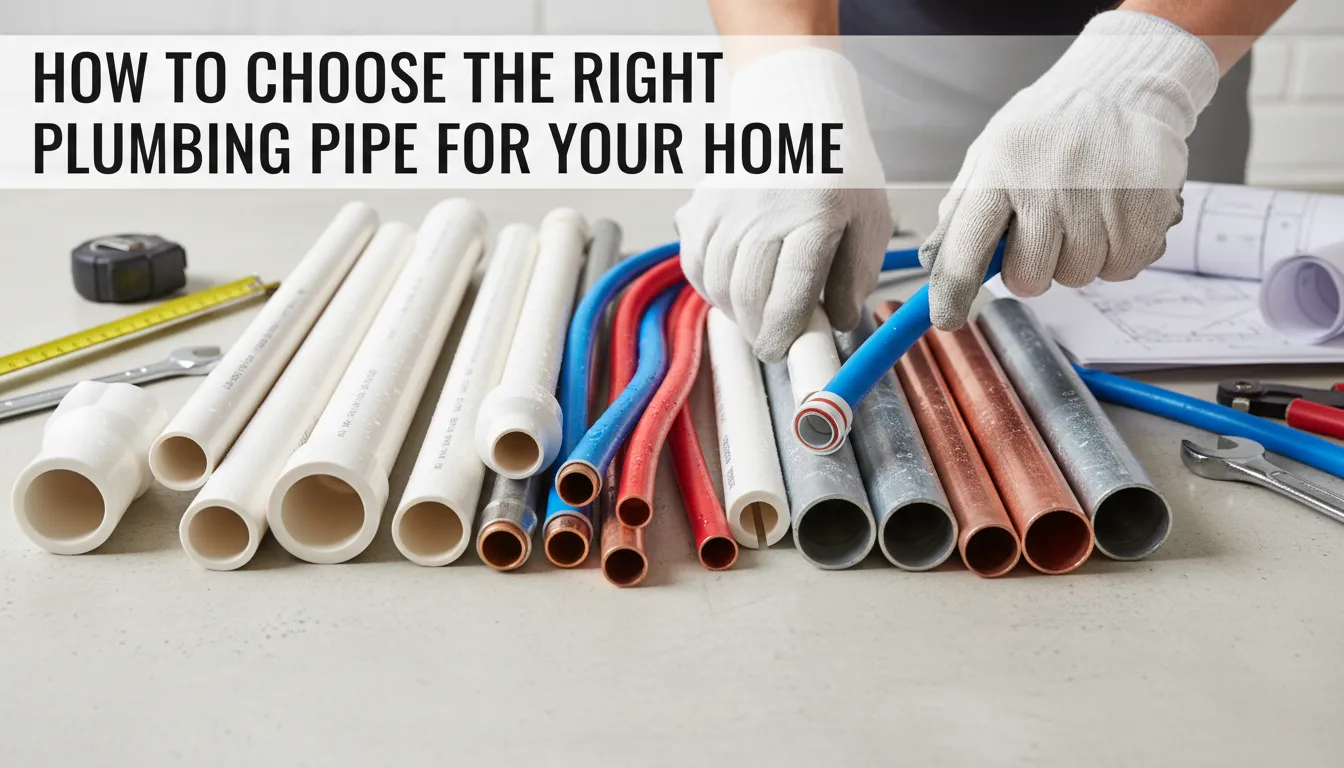
Selecting the appropriate plumbing pipe for your home depends on several factors, including application, budget, climate, and installation preferences. Choosing the right material will ensure the longevity of your plumbing system, reduce maintenance costs, and avoid the risks of leaks or pipe failure. Here’s a guide to help you make an informed decision:
1. Consider the Application
Different pipes are designed for specific purposes. Understanding the function of your plumbing system is the first step in choosing the right pipe.
Water Supply Lines: For transporting clean water to faucets, sinks, and appliances, copper and PEX are ideal. Copper is durable and corrosion-resistant, making it suitable for long-term use. PEX, on the other hand, offers flexibility, is easier to install, and is resistant to corrosion.
Drainage and Waste Lines: PVC and ABS are excellent for drain-waste-vent (DWV) systems due to their cost-effectiveness and resistance to chemical damage. ABS is stronger and better suited for colder climates, while PVC is more commonly used in warmer regions.
Outdoor Use: Copper and PEX are ideal for water supply lines that run outdoors, as they can withstand temperature fluctuations. However, PEX must be protected from UV exposure to avoid degradation, so it’s only suitable for outdoor use if properly shielded.
2. Assess Your Budget
The cost of piping materials can vary greatly. PVC is the most affordable option, making it ideal for homeowners on a budget, especially for drainage systems. PEX offers good flexibility and durability at a reasonable price, while copper is more expensive but can last for decades, providing a higher return on investment over time.
Budget-Friendly Option: If you’re working within a limited budget, PVC and PEX are excellent choices.
Long-Term Investment: If you’re willing to invest in durability and are looking for pipes that will last for decades, copper is worth the extra cost.
3. Think About Climate and Environment
The climate in your area can play a significant role in choosing the best plumbing pipes.
Colder Climates: For colder climates where freezing pipes are a concern, PEX is an excellent choice. Its flexibility allows it to expand and contract with freezing temperatures, reducing the risk of cracks and bursts.
Hot Water Lines: Copper and CPVC are perfect for carrying hot water because they can withstand high temperatures without degrading. PVC is not suitable for hot water systems as it can warp or melt under heat.
4. Installation and Maintenance Considerations
Different materials come with different installation challenges.
DIY-Friendly: PEX and PVC are easier to install and can be tackled by DIYers with the right tools. PEX requires fewer fittings and can be snaked through walls with ease, while PVC requires glue and primer for connections.
Professional Installation: Copper requires soldering for connections, which demands professional expertise. While installation is more expensive, copper is highly durable, making it worth the extra cost for long-term use.
5. Environmental Impact
Consider the environmental impact of your choice. Copper is a recyclable material, which makes it a more eco-friendly option in the long run. However, PVC and PEX are plastic-based, which may not be as sustainable. Look for eco-friendly alternatives like recycled materials or pipes that can be recycled at the end of their lifespan.
Conclusion:
When selecting the right plumbing pipe for your home, it’s crucial to weigh functionality, cost, climate, and installation complexity. PVC and PEX offer affordability and ease of installation, making them ideal for homeowners looking for quick fixes or budget-friendly solutions. Copper, while more expensive, provides long-term durability, resilience, and corrosion resistance, making it an excellent investment for water supply lines and high-temperature applications.
If you’re uncertain, it’s always a good idea to consult with a professional plumber who can evaluate your specific needs and recommend the best solution for your plumbing system.
Installation Considerations and Tips
Choosing the right plumbing pipe is just the first step—proper installation is key to ensuring your plumbing system works efficiently and lasts for decades. Each type of pipe comes with its own installation requirements, tools, and considerations. Here are some essential installation tips for the most commonly used plumbing pipes:
1. PEX Pipes: Easy Installation with Fewer Fittings
PEX pipes are flexible, which makes them relatively easy to install, especially in tight spaces. Unlike rigid pipes, PEX can be bent around corners without requiring additional fittings, saving both time and money during installation.
Installation Tips:
Use crimp fittings or clamps to secure PEX to existing metal pipes. Special tools are needed for these connections, so it’s important to have the right equipment.
PEX should not be exposed to UV light, so make sure it’s protected when installed in areas with sunlight exposure.
Test for leaks by running water through the system before sealing the walls or floors.
2. PVC Pipes: Simple but Precise Installation
PVC pipes are lightweight, easy to cut, and simple to install using solvent cement. The most important thing to remember when installing PVC pipes is that they should be properly sized and connected, as misalignments can cause leaks or poor drainage.
Installation Tips:
Cut PVC pipes using a hacksaw or pipe cutter for clean edges.
Prime the pipe with PVC primer before applying cement. This will create a stronger bond and prevent leaks.
Ensure that the pipes are correctly aligned and that the joints are securely glued.
3. Copper Pipes: Professional Installation Required
Copper pipes are durable and corrosion-resistant but require soldering to create a strong, leak-proof connection. Due to the need for high heat and skillful techniques, copper installation is often best left to professional plumbers.
Installation Tips:
Use soldering flux and propane torches to join copper pipes, ensuring the pipes are clean and dry before sealing the joints.
Test for leaks by running water through the system once the connections are complete.
Avoid bending copper pipes too sharply, as they can become crimped and weaken.
4. ABS and Cast Iron Pipes: Heavy Duty but Challenging
ABS and cast iron pipes are robust and durable but can be more challenging to install due to their weight and size. Cast iron, in particular, can be difficult to cut and join, often requiring special tools.
Installation Tips:
Use rubber gaskets and bolted flanges for a tight, secure seal on cast iron pipes.
ABS pipes are easier to install and use a one-step cement process for connections, but ensure the pipes are cut straight for a secure fit.
Both materials require careful handling to avoid cracks or damage during installation.
Conclusion:
Proper installation is essential for ensuring the performance and longevity of your plumbing system. PEX pipes are the easiest to install and are ideal for DIY projects, while PVC requires precise cutting and gluing for secure connections. Copper installation requires specialized tools and skills, so it’s best suited for professionals. ABS and cast iron require more heavy-duty tools and careful handling, especially for larger plumbing systems.
For the best results, always ensure you follow manufacturer guidelines, use the proper tools, and, when in doubt, consult a professional plumber to handle installation tasks that require technical expertise.
Environmental Considerations: Which Plumbing Pipe Is Most Sustainable?
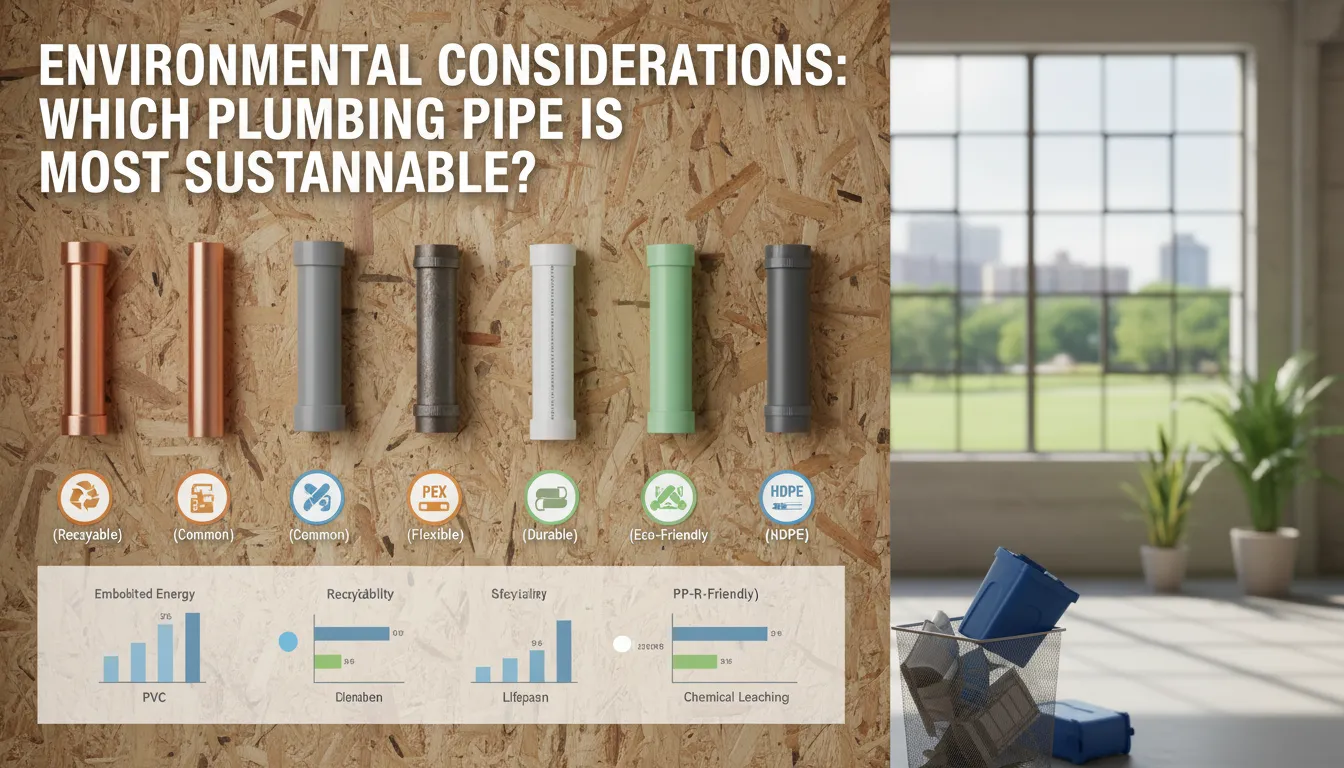
As more homeowners become eco-conscious, the sustainability of materials used in plumbing systems is an important factor to consider. Plumbing pipes are typically made from materials such as PVC, PEX, Copper, and ABS, each having different environmental impacts, from their manufacturing processes to their end-of-life disposal.
1. Copper Pipes: Eco-Friendly and Recyclable
Copper is one of the most environmentally friendly options available. It is a 100% recyclable material, meaning that old copper pipes can be reused, significantly reducing waste. The long lifespan of copper pipes (50+ years) also means they don’t need frequent replacement, leading to fewer resources used over time. Additionally, copper’s corrosion resistance ensures that it won’t leach harmful chemicals into water supplies.
Environmental Impact:
Recyclability: Copper is highly recyclable, reducing environmental impact.
Energy Consumption: The production of copper requires a significant amount of energy, but its long-term benefits offset this initial energy cost.
2. PEX Pipes: Flexible but Plastic-Based
PEX pipes are made from plastic, which is less eco-friendly than metals like copper. PEX is not recyclable, which can be an environmental concern at the end of its life. However, it is durable and resistant to corrosion, which may mean it needs fewer replacements over time.
Environmental Impact:
Longevity: PEX’s long lifespan means fewer replacements, reducing waste.
Non-Recyclable: PEX pipes are not recyclable, making disposal a concern.
3. PVC Pipes: Cheap but Harmful Production Process
PVC (Polyvinyl Chloride) is one of the most commonly used plumbing materials. It’s affordable and easy to install, but the production process for PVC pipes is harmful to the environment. The manufacture of PVC involves the use of chlorine and vinyl chloride, which can release toxic chemicals into the air and water. Additionally, PVC is not recyclable, and when it eventually degrades, it can leach chemicals into the environment.
Environmental Impact:
Production Process: PVC production is energy-intensive and releases harmful chemicals.
Non-Recyclable: PVC is difficult to recycle, which can contribute to environmental waste.
4. ABS Pipes: Strong but Not Environmentally Friendly
ABS pipes are made from a styrene-based plastic, which is non-recyclable. Like PVC, ABS also has a negative environmental impact due to the materials used in its production. However, ABS is a durable material that can last for many years, reducing the need for frequent replacements.
Environmental Impact:
Non-Recyclable: ABS is difficult to recycle and contributes to plastic waste.
Durability: Its long lifespan reduces the need for frequent replacements.
In terms of environmental sustainability, copper pipes are the most eco-friendly option due to their recyclability and long lifespan. While PEX and ABS offer durability, their lack of recyclability makes them less environmentally friendly. PVC pipes, while affordable and widely used, have the most significant environmental impact due to their toxic production process and difficulty in recycling.
When making decisions about plumbing pipe materials, consider not only the immediate costs but also the long-term environmental implications. Choosing copper pipes may be a more sustainable option, despite their higher initial cost. For eco-conscious homeowners, selecting materials with a focus on durability and recyclability is a step towards reducing their environmental footprint.
Conclusion:
Choosing the right plumbing pipes for your home is crucial for ensuring efficiency, durability, and long-term cost savings. Whether you’re opting for the affordability of PVC, the flexibility of PEX, or the long-lasting benefits of copper, each material has its own unique advantages. To make the best decision for your home, consider your plumbing needs, budget, and long-term goals. If you’re unsure which pipe material to choose, it’s always a good idea to consult with a professional plumber.
For reliable and expert plumbing services, contact EZ Plumbing Repair Services today. Our team is here to guide you through every step of your plumbing project, ensuring that your system is efficient, durable, and built to last. Reach out to us now for a consultation!