Plumber for Running Toilet: Stop the Leak and Slash Your Water Bill Today
🚀
Quick Summary: Fix Your Leak Today
A running toilet isn’t just a noise—it’s a financial emergency that can waste 200+ gallons of water daily. Here is what you will learn in this expert guide:
- ✔
Diagnostic Secrets: How to use the “Dye Test” to find silent leaks. - ✔
30-Second Fixes: Simple adjustments for the float and refill tube. - ✔
Hidden Risks: Why a running toilet can destroy your Septic System. - ✔
Pro Advice: When to DIY and when to call a plumber for a running toilet.
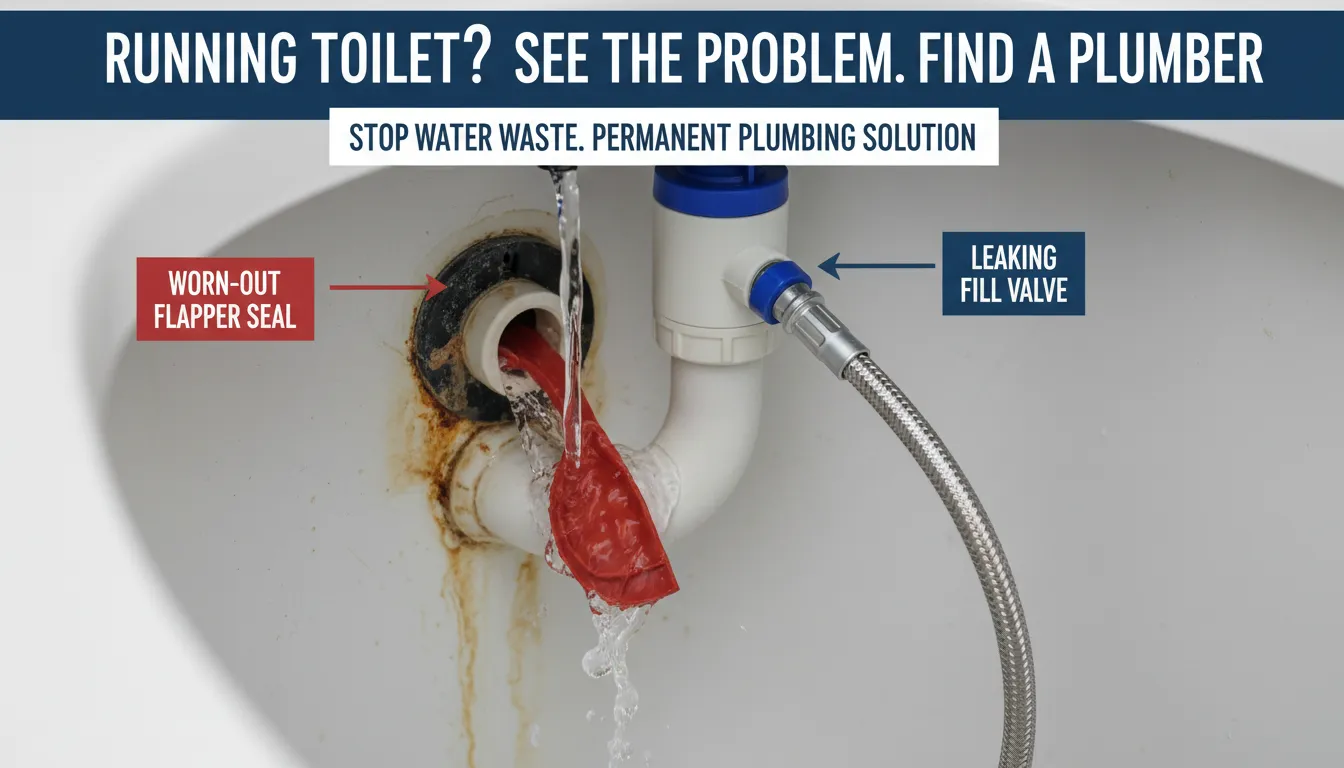
A running toilet can waste over 200 gallons of water every day. This simple leak can add $100 to $150 to your monthly water bill if you don’t act fast.
Most of the time, the problem is a worn-out flapper, a bad float level, or a leaky refill tube.
Is a Running Toilet an Emergency? (The $150/Month Reality)

Is a running toilet a big deal? Yes. If you ignore it, you aren’t just wasting water—you are risking expensive damage to your home.
Septic Tank Flooding: Constant water flow can overwhelm your septic system. Fixing a flooded drain field can cost $10,000.
Well Pump Failure: If you use a well, the pump will run non-stop to keep up with the leak. This can cause the motor to burn out.
Hidden Floor Rot: Leaks from tank-to-bowl bolts can soak into your floor. By the time you see the wet spot, the wood may already be rotten.
Expert Secret: If your toilet runs for 5 seconds every hour (called Ghost Flushing), your valve seat is leaking. You should call a plumber for a running toilet before your water bill doubles.
Fast Fix: How to Stop a Running Toilet in 30 Seconds
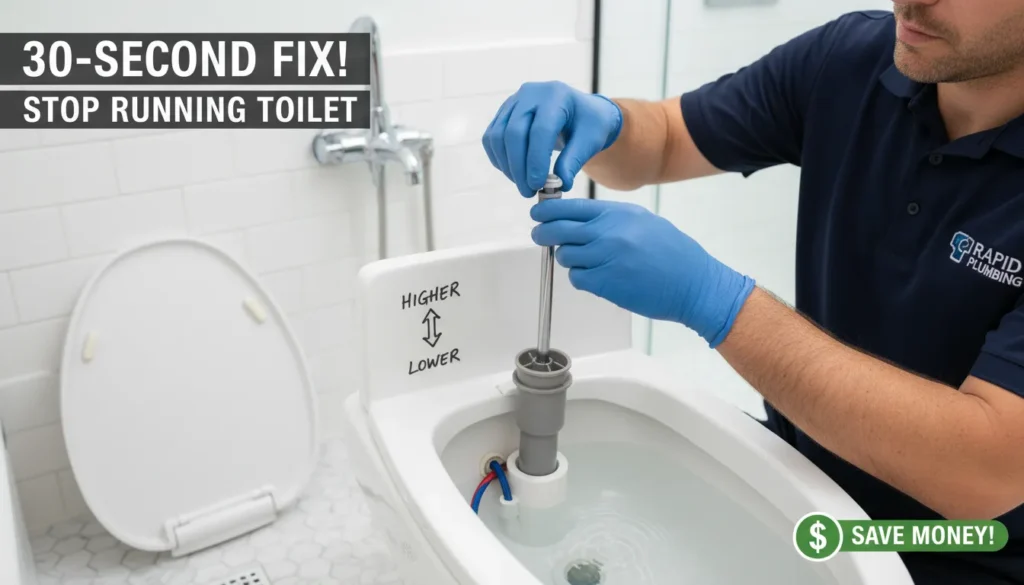
Open the tank lid and lift the float arm with your hand. If the water stops, you just need to turn the adjustment screw to lower the float. If the water keeps running, check if the chain is tangled or if there is debris under the flapper preventing a seal.
3 Pro-Level Diagnostics: Can a Plumber Fix a Running Toilet Faster Than You?
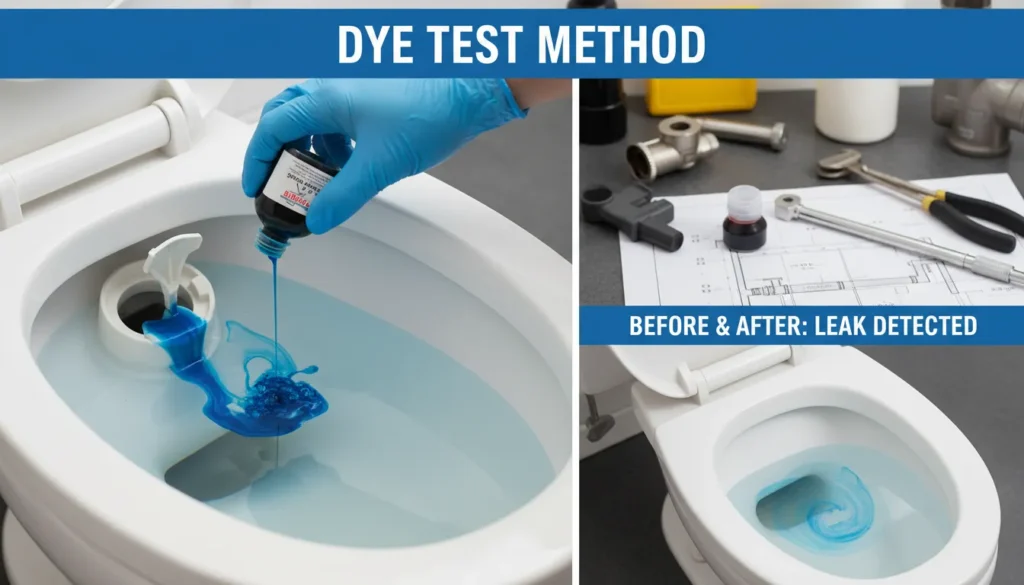
Before you spend money on a repair kit, you need to know exactly what is broken. Most people replace every part in the tank, but a professional plumber for a running toilet uses these three simple tests to find the culprit in seconds.
The Food Coloring Dye Test (Find the “Silent” Leak)
This is the easiest way to find a leak you can’t hear.
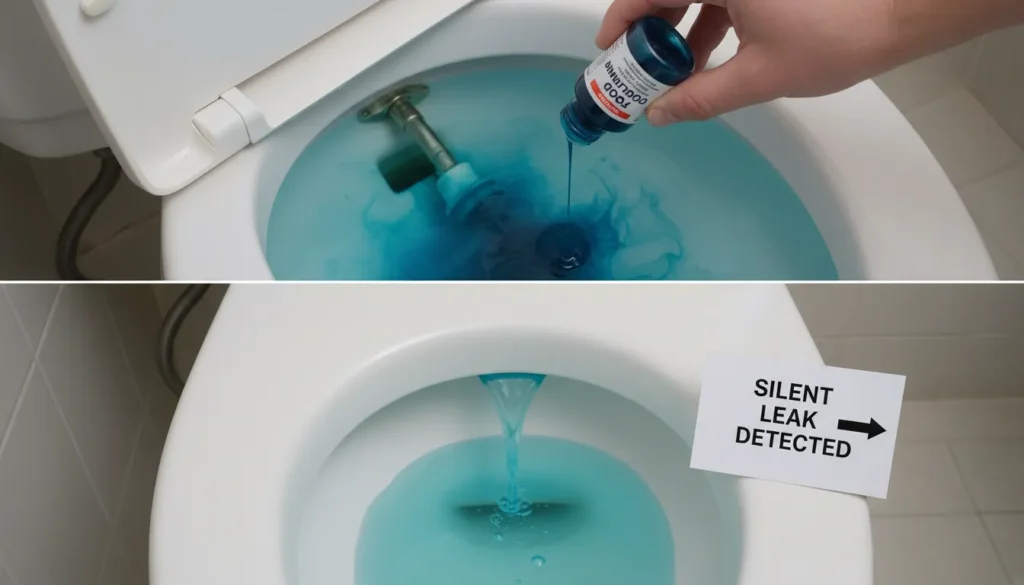
Remove the tank lid and drop 5-10 drops of food coloring into the tank water.
Wait 15 minutes. Do not flush.
Look at the water in the toilet bowl. If the water has changed color, your flapper is leaking and needs to be replaced.
The Float-Lift Test (Check the Fill Valve)
If your toilet is overflowing into the overflow tube, your fill valve is the problem.
Open the tank and manually lift the float arm or float cup all the way up.
If the water stops running immediately, your fill valve is fine—it’s just set too high.
If the water keeps running even when you lift the float, the fill valve is faulty and must be replaced.
The Manual Flapper Press
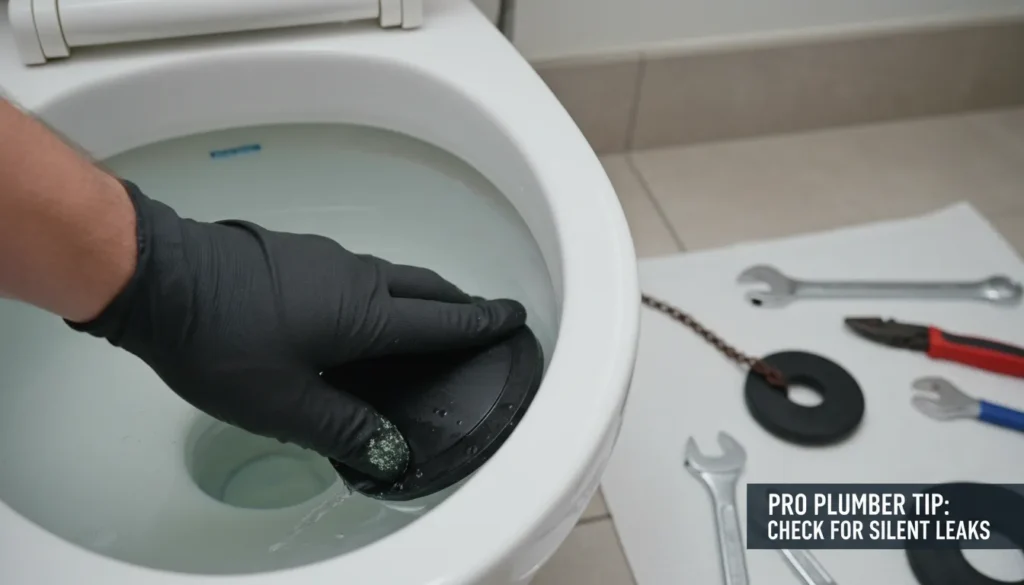
Sometimes a flapper looks fine but has mineral buildup on the bottom. Use a long screwdriver or a gloved hand to press down lightly on the flapper while the toilet is running. If the sound stops, the flapper isn’t seating correctly.
Expert Fixes: The “No-Tool” 60-Second Hack
Before you call a pro, watch this master plumber’s trick. Many modern toilets use a Fluidmaster fill valve. You can often fix these by simply flushing out debris from the top cap without buying a single new part.
Expert Guide: DIY Toilet Repair in 60 Seconds
Learn the “Fluidmaster Hack” to fix your running toilet without using any tools.
4 Reasons Your Toilet Keeps Running (And Why Competitors Missed Them)
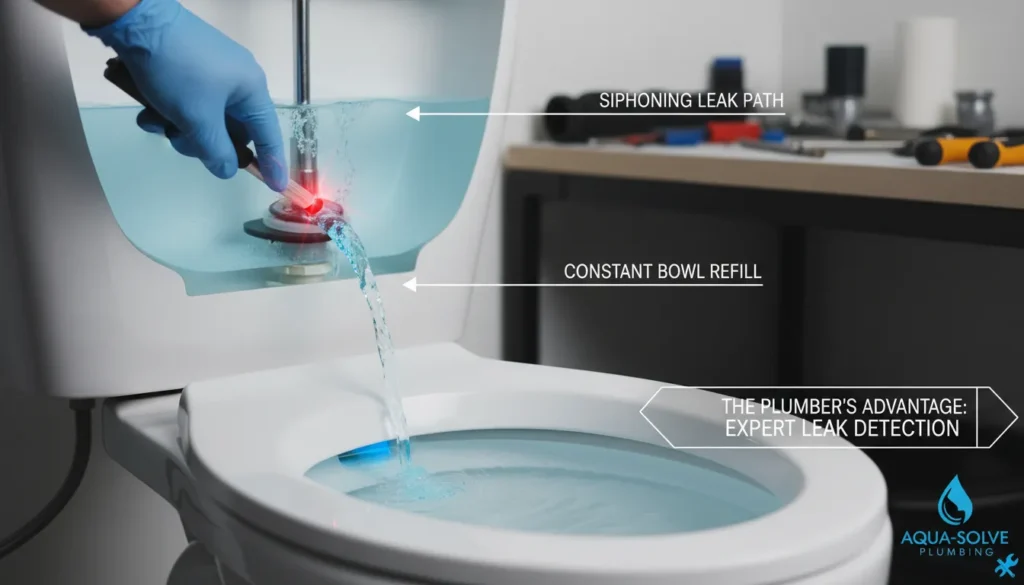
Most DIY guides only talk about the flapper. But if you have already replaced the “guts” of your tank and the water still runs, the problem is usually one of these hidden technical issues.
1. Refill Tube Siphoning: The “Silent” Water Waster
This happens when the small rubber refill tube is pushed too far down into the overflow pipe. It creates a “siphon” effect that constantly sucks water out of the tank and down into the bowl.
The Fix: Make sure the tube is clipped to the top of the overflow pipe. It should never be lower than the water line.
2. Debris in the Fill Valve: Why New Toilets Keep Running
If you just installed a new toilet and it’s already running, don’t call a plumber for a running toilet just yet. Small pieces of sand or plastic from your pipes can get stuck in the valve seal.
The Pro Secret: Turn off the water, pop the cap off the fill valve, and hold a cup over it while you turn the water on for 5 seconds. This “flushes” the debris out.
3. Ghost Flushing & The Cracked Flush Valve Seat
Does your toilet run for 5 seconds every hour? This is Ghost Flushing. It usually means the “seat” (the hole the flapper sits on) is cracked or covered in rough mineral deposits.
Expert Tip: Feel the rim of the flush valve seat. If it’s rough, use a vinegar soak or a bit of fine sandpaper to smooth it out so the flapper can seal perfectly.
4. Septic System Risk: The $10,000 Emergency
This is the biggest gap in most online guides. If your home uses a septic system, a running toilet is a disaster. A constant leak can saturate your drain field in days. Once a drain field is flooded, you may face a $10,000+ replacement cost.
Safety Warning: If you have a septic tank and cannot stop the toilet from running within 24 hours, shut off the water valve behind the toilet immediately and call a professional.
Plumber to Fix Toilet: Cost vs. DIY Repair Kit

Knowing when to fix it yourself and when to call a plumber for a running toilet can save you hundreds of dollars. Sometimes, a $10 part is all you need, but other times, “forced DIY” can lead to a flooded bathroom.
When to Replace the Flapper vs. A Complete Tank Rebuild
If your toilet is more than 10 years old, replacing just the flapper is often a temporary “band-aid.”
The $10 Fix: If only the rubber flapper is soft or slimy, swap it out.
- The $150 Rebuild: If the bolts at the bottom of the tank are rusted or the fill valve is making a high-pitched screaming sound, it’s time for a complete tank rebuild. A plumber can usually do this in under an hour, ensuring every seal is factory-tight.
The “Gouging” Debate: Honest Pricing for Toilet Repairs
Many homeowners fear being “gouged” by high service fees. Here is the reality of what you are paying for:
DIY Cost: $15–$30 for parts + 2 hours of your time.
Professional Cost: $150–$300 (includes parts, labor, and a warranty).
Why hire a pro? If a DIY repair fails while you are at work, the resulting water damage can cost $5,000+ in flooring repairs. A professional plumber carries insurance that protects your home from these disasters.
Common Mistakes to Avoid
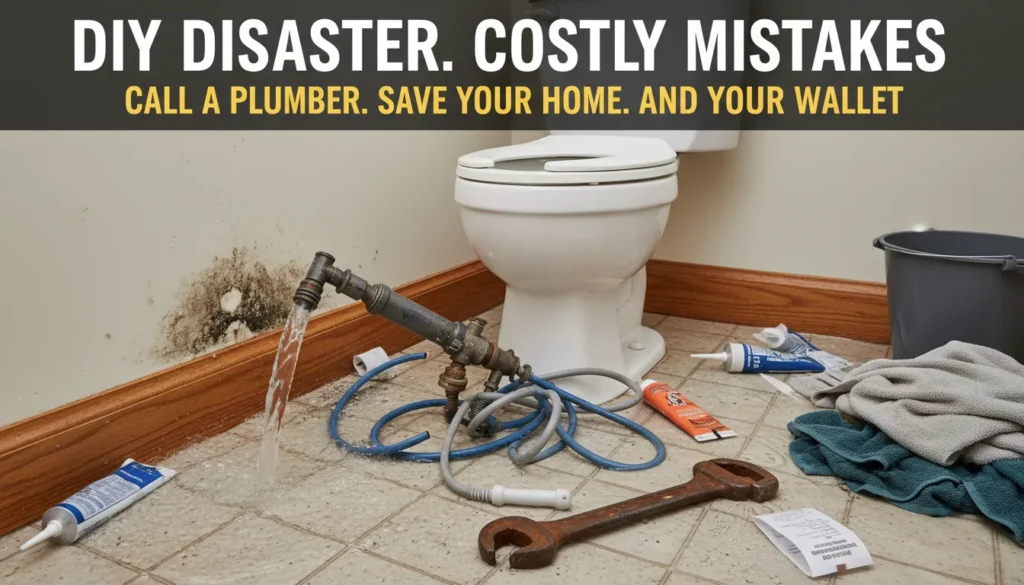
As an expert, I see these three mistakes constantly. Avoiding them will extend the life of your toilet by years:
Over-Tightening the Bolts: Porcelain is like glass. If you tighten the tank-to-bowl bolts too much, the tank will crack instantly, and you will have to buy a whole new toilet.
Using Bleach Tablets: “Drop-in” blue or white bleach tablets are the #1 enemy of toilets. The chemicals eat away at the rubber flapper and seals, causing them to leak within months.
Cross-Threading the Supply Line: The plastic threads on a fill valve are very soft. If you don’t start the nut by hand, you will strip the threads, causing a high-pressure leak that is hard to stop.
Deep FAQ: People Also Asked
We analyzed the most common questions homeowners ask Google. Here are the direct answers from a professional plumber for a running toilet.
Is it bad if my toilet keeps running?
Yes. Beyond the high water bill, a constant run can cause “toilet sweating” (condensation) due to the cold water sitting in the tank. This moisture can drip onto your bathroom floor, leading to mold and wood rot over time.
How much does it cost to fix a running toilet?
If it’s a simple flapper or chain adjustment, a plumber might only charge a standard service call fee ($75–$150). For a full tank rebuild (replacing all internal valves and bolts), expect to pay between $200 and $350 including parts and labor.
Why does my toilet run every few minutes for 5 seconds?
This is a Ghost Flush. It happens because water is slowly leaking out of the tank and into the bowl. Once the water level drops below a certain point, the fill valve turns on for a few seconds to top it off. The most common cause is a warped flapper or a dirty flush valve seat.
Why won’t my toilet flush even though it’s running?
This usually means the lift chain has snapped or disconnected from the handle. The water is running because the flapper might be stuck open, but since the handle isn’t lifting the flapper, the “flush” action won’t trigger.