Plumber for Gas Lines: The Ultimate Guide to Safe Gas Line Installation!
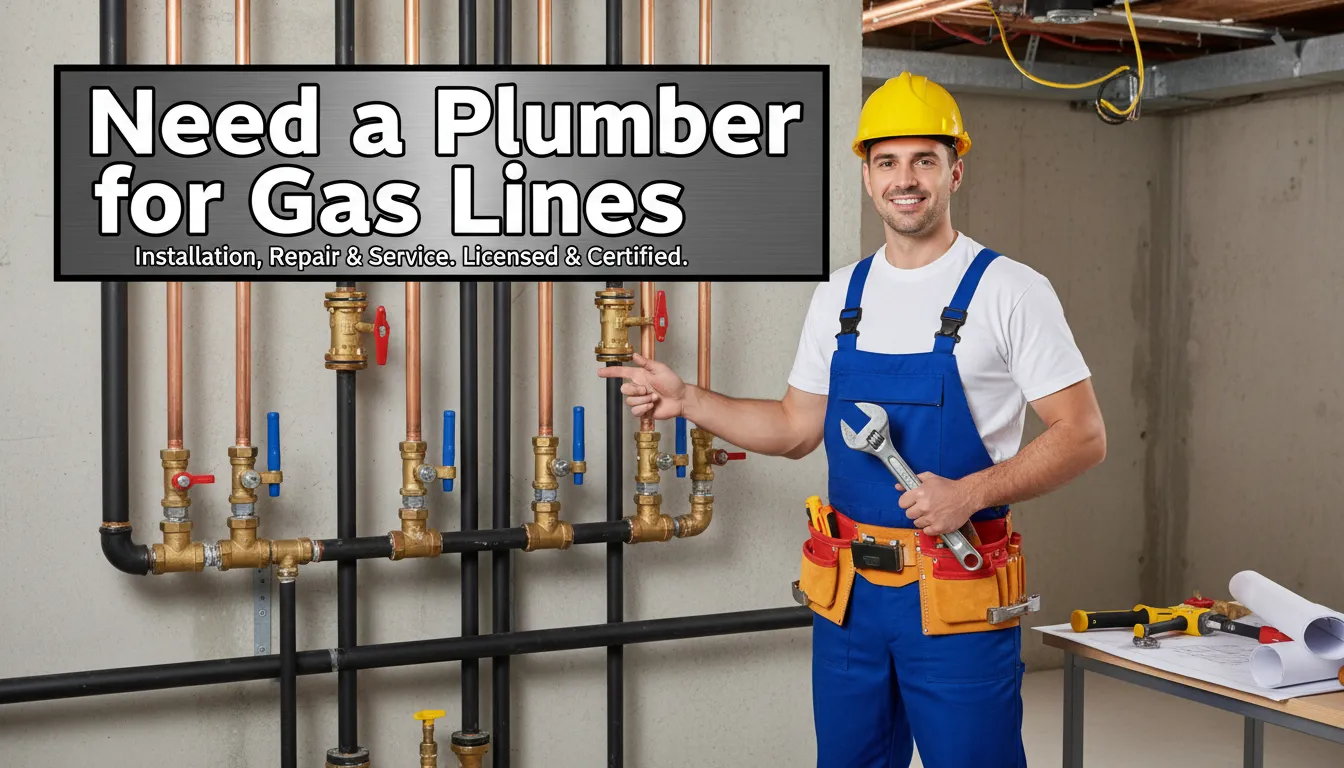
Gas lines are an essential part of many homes, powering appliances like stoves, water heaters, and furnaces. However, when it comes to handling gas lines, many homeowners are unsure about who to call. While most people associate plumbers with handling water pipes, it’s a common misconception that they cannot work on gas lines. The truth is, plumbers can play a significant role in gas line installation, repair, and maintenance—provided they have the right qualifications.
In this article, we’ll address a critical question: Can a plumber work on gas lines? We’ll explore the services plumbers can offer when it comes to gas lines, how they ensure safety and compliance, and when it might be necessary to call in a specialized professional. By the end of this post, you’ll understand exactly when to trust your plumber for gas line services and how to find the right professional for your home.
What Is a Gas Line and Why It’s Crucial for Your Home?
A gas line is a system of pipes that transport natural gas from the utility provider to your home or business. These pipes deliver gas to appliances like stoves, water heaters, furnaces, and even outdoor grills. Gas lines are essential for fueling many everyday household items, making them a critical part of modern living.
Gas lines can be made from various materials, including steel, copper, or corrugated stainless steel tubing (CSST), each chosen for its durability and safety features. The installation and maintenance of these pipes are crucial to ensure the gas reaches your appliances safely and efficiently.
Why Are Gas Lines Crucial for Your Home?
Gas lines provide the fuel needed to operate some of the most important appliances in your home. Without a functioning gas line, heating, cooking, and hot water can become a serious issue, especially in colder climates where home heating is essential. But beyond just convenience, gas lines are critical to your safety.
A properly installed and maintained gas line ensures that the gas is delivered safely to appliances without leaks. If a gas line is compromised, it could lead to dangerous gas leaks, posing a risk of explosions, fires, or carbon monoxide poisoning. This is why correct installation and regular inspection by a professional are key to preventing accidents . A gas line is a system of pipes that transport natural gas from the utility provider to your home or business. These pipes deliver fuel to appliances like stoves, water heaters, and furnaces safely when properly maintained.
In addition, poorly installed gas lines can lead to inefficient appliance performance, higher utility bills, and long-term damage to your appliances. For these reasons, it’s important to hire a professional plumber or gas fitter who understands the safety protocols and installation standards necessary to keep your gas lines in optimal condition.
Can a Plumber Work on Gas Lines?
Yes, plumbers can work on gas lines, but it depends on their certifications and local regulations. Plumbers are trained to handle various types of piping, including water, sewer, and gas pipes. However, the ability to work on gas lines specifically requires specialized knowledge, training, and in some cases, additional certifications.
While most plumbers are skilled in handling gas systems, not all are licensed to install or repair gas lines. In many regions, plumbers must complete additional courses and pass certification exams focused on gas fitting to legally work on gas lines. This certification ensures that plumbers understand the critical safety protocols, materials, and codes that must be followed to safely handle gas lines.
When Can a Plumber Handle Gas Line Work?
A plumber can typically handle gas line installation, repair, and maintenance if they possess the appropriate qualifications. Here are the main scenarios where a licensed plumber can work on gas lines:
Gas Line Installation: Plumbers can design and install gas lines, ensuring they are the correct size, made from suitable materials, and properly routed to meet safety standards.
Gas Line Repair: When a gas line is damaged, plumbers can locate the issue, cut out the affected section, and replace it with new pipe while maintaining safety and efficiency.
Gas Leak Detection: Plumbers equipped with specialized tools can detect leaks in the gas line system, offering solutions to fix the problem before it becomes a serious hazard.
When Might You Need a Specialist Instead of a Plumber?
While plumbers are often qualified to work with gas lines, there are specific situations where a specialized gas fitter or HVAC technician might be required. Gas fitters undergo additional training to handle large, high-capacity systems, such as those found in commercial buildings, or specialized appliances like boilers and industrial heaters.
For complex projects, like gas line expansion for large commercial kitchens or high-pressure systems, a plumber may need to collaborate with a gas fitter to ensure everything is done safely and to code.
What Gas Line Services Can a Plumber Offer?
Gas Line Installation
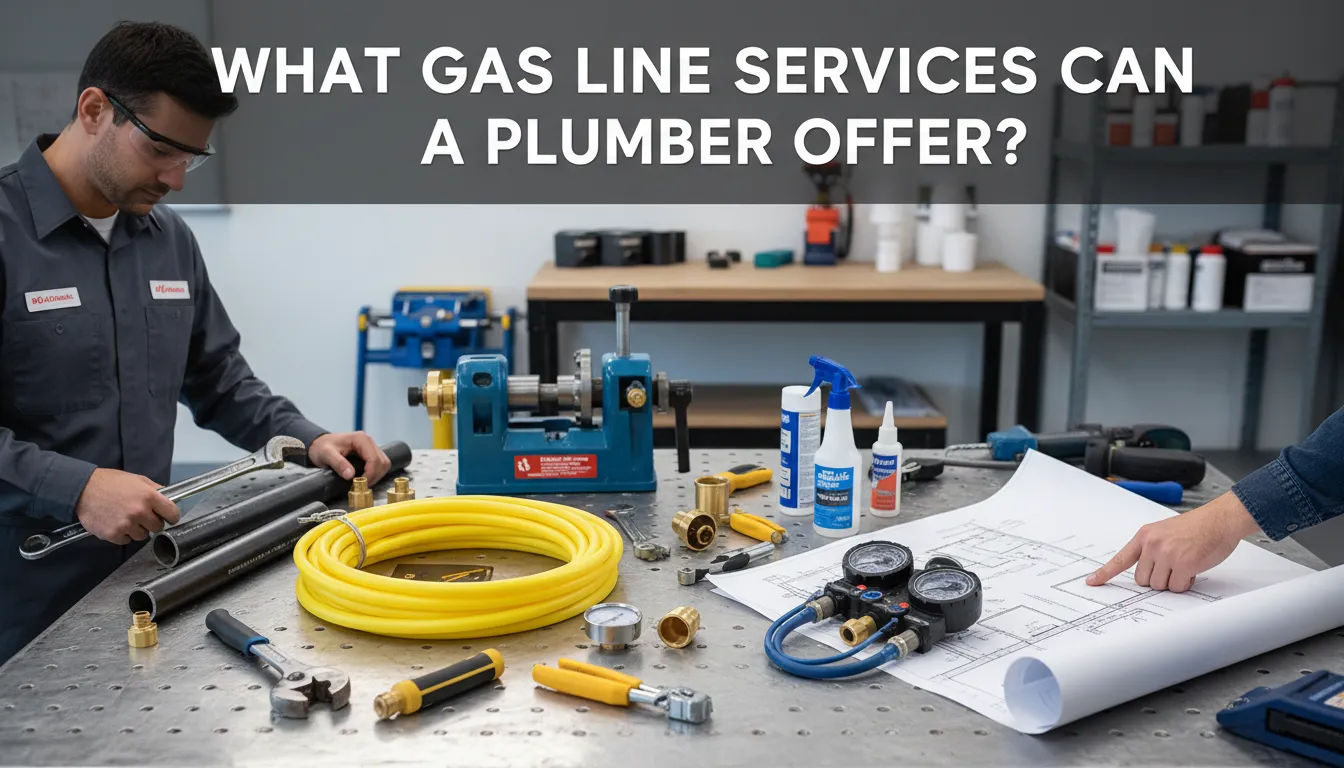
One of the primary services a plumber can offer is the installation of new gas lines. Whether you’re building a new home, remodeling, or adding a new gas appliance, a plumber will ensure that your gas lines are safely and correctly installed. This includes:
Planning the Layout: Plumbers assess your home’s layout to determine the best route for gas lines, ensuring they are installed efficiently and without disruption to other systems.
Choosing the Right Materials: Plumbers use high-quality materials for gas lines that are corrosion-resistant and compliant with local building codes. Common materials include steel, copper, or corrugated stainless steel tubing (CSST).
Pressure Testing: After installation, plumbers perform pressure tests to ensure the gas line is secure and capable of handling the required flow of gas. This step helps detect any leaks before the system is fully operational.
Proper installation is crucial to ensuring that gas appliances work efficiently and safely. A qualified plumber will ensure that your new gas line adheres to all safety standards, reducing the risk of leaks, pressure drops, and inefficiency.
Gas Line Repair
Gas line repairs are another essential service plumbers offer. Over time, gas lines can become damaged due to corrosion, wear and tear, or external factors such as shifting foundations or construction accidents. If your gas line has a leak or is damaged, you should contact a plumber immediately.
Leak Detection: Using specialized tools, plumbers can locate even the smallest leaks in your gas line, which is critical to preventing dangerous gas buildup in your home.
Safe Repair Process: Once the leak is found, the plumber will carefully cut out the damaged section of the pipe, replace it with a new, secure pipe, and then pressure-test the repair to ensure it’s safe before restoring gas service.
Gas Waste Prevention: Repairing leaks promptly not only ensures the safety of your home but also prevents costly gas wastage.
Gas Line Replacement
As gas lines age, they may become corroded or weakened, increasing the risk of leaks or failures. When this happens, a plumber can replace the old line with a durable, modern gas line that complies with current safety codes.
Identifying the Need for Replacement: A plumber can assess the condition of your gas lines and recommend replacement if there is significant corrosion or damage. This is especially important for homes with old galvanized steel lines or compromised piping.
Enhanced Safety Features: During replacement, plumbers install new shutoff valves and pressure regulators to ensure greater control and safety.
Gas Leak Detection
Gas leaks are one of the most serious risks associated with gas lines. In the event of a suspected leak, it’s vital to act quickly and call a plumber for professional gas leak detection. Plumbers use sensitive equipment to locate even the smallest leaks, minimizing the risk of fires, explosions, and carbon monoxide poisoning.
Non-Destructive Leak Detection: Plumbers often use gas detectors and electronic listening devices to find leaks without damaging walls or pipes. This ensures that the leak is found quickly and repaired efficiently.
Emergency Service: In the case of a large or dangerous leak, a plumber will turn off the gas supply and take immediate action to stop the leak, ensuring your safety until repairs can be made.
When Should You Call a Gas Fitter Instead of a Plumber?
The Role of a Gas Fitter vs. a Plumber
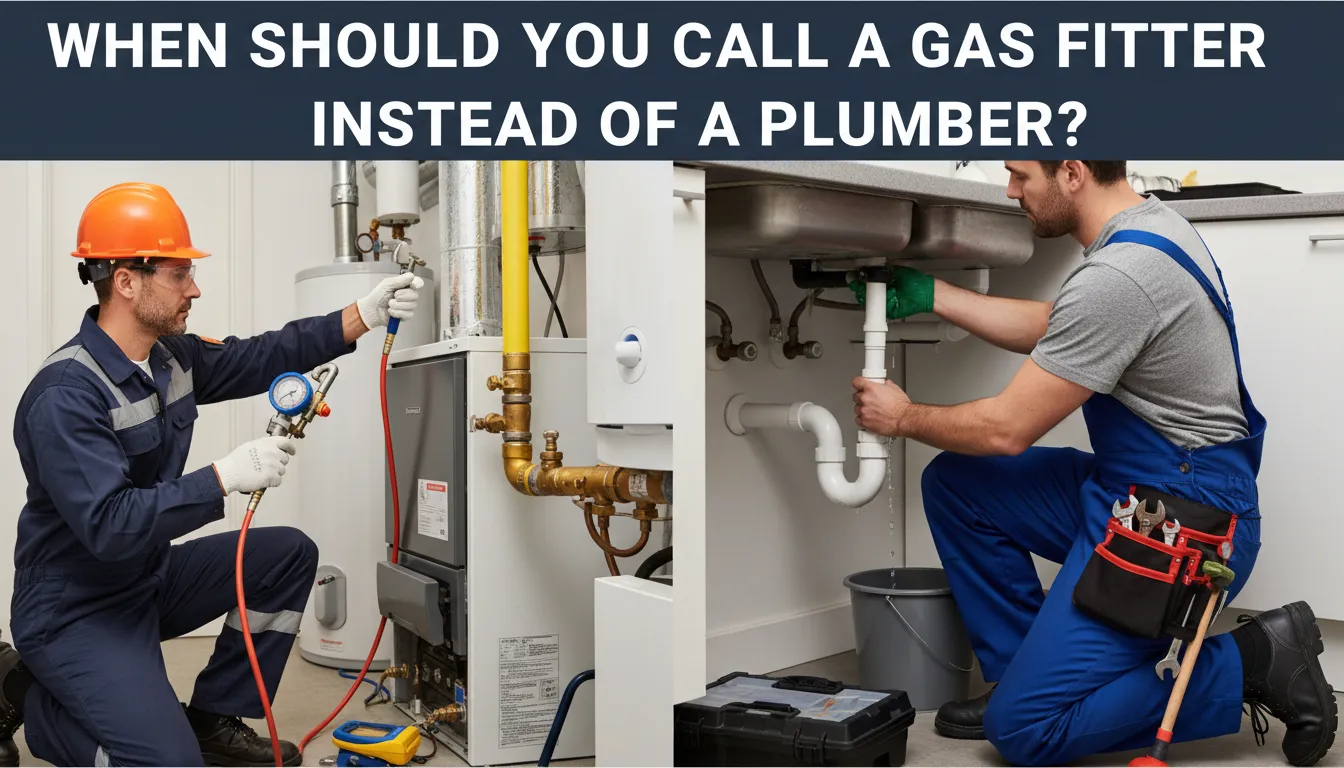
While plumbers are trained to handle gas lines, there are some situations where a gas fitter is the more appropriate choice. Gas fitters are professionals who specialize in the installation, maintenance, and repair of gas lines and gas-powered appliances. They have advanced training that focuses specifically on the handling of natural gas systems and high-pressure gas lines, making them the go-to experts for certain tasks.
When to Call a Gas Fitter:
Commercial and Industrial Gas Lines
If you’re working on large commercial kitchens, industrial facilities, or high-capacity systems like gas boilers, a gas fitter is typically required. These systems are much more complex than residential gas lines and often involve larger pipes, higher pressure, and specialized equipment that require specific expertise.High-Pressure Gas Lines
For homes or businesses that need high-pressure gas systems, such as for large heating systems or industrial applications, a gas fitter’s expertise is necessary. Gas fitters are trained to handle these high-pressure systems safely and comply with more stringent safety standards.Specialized Appliances or Systems
Some gas-powered appliances, like certain gas boilers or gas generators, require manufacturer-specific knowledge. In these cases, a gas fitter who is familiar with the installation and maintenance of these specific appliances is necessary.Large-Scale Gas Line Installations or Expansions
When a home or business needs a large-scale gas line installation or expansion to accommodate several new appliances, a gas fitter is often needed. Gas fitters have the advanced knowledge of system design, pipe sizing, and other technical aspects to ensure everything operates safely and efficiently.Gas System Upgrades
Upgrading an entire gas system to handle more appliances or higher demand (such as during a home expansion or a major renovation) typically requires the expertise of a gas fitter. They will ensure the system is upgraded correctly, following all safety regulations and local building codes.
When Can a Plumber Still Handle the Job?
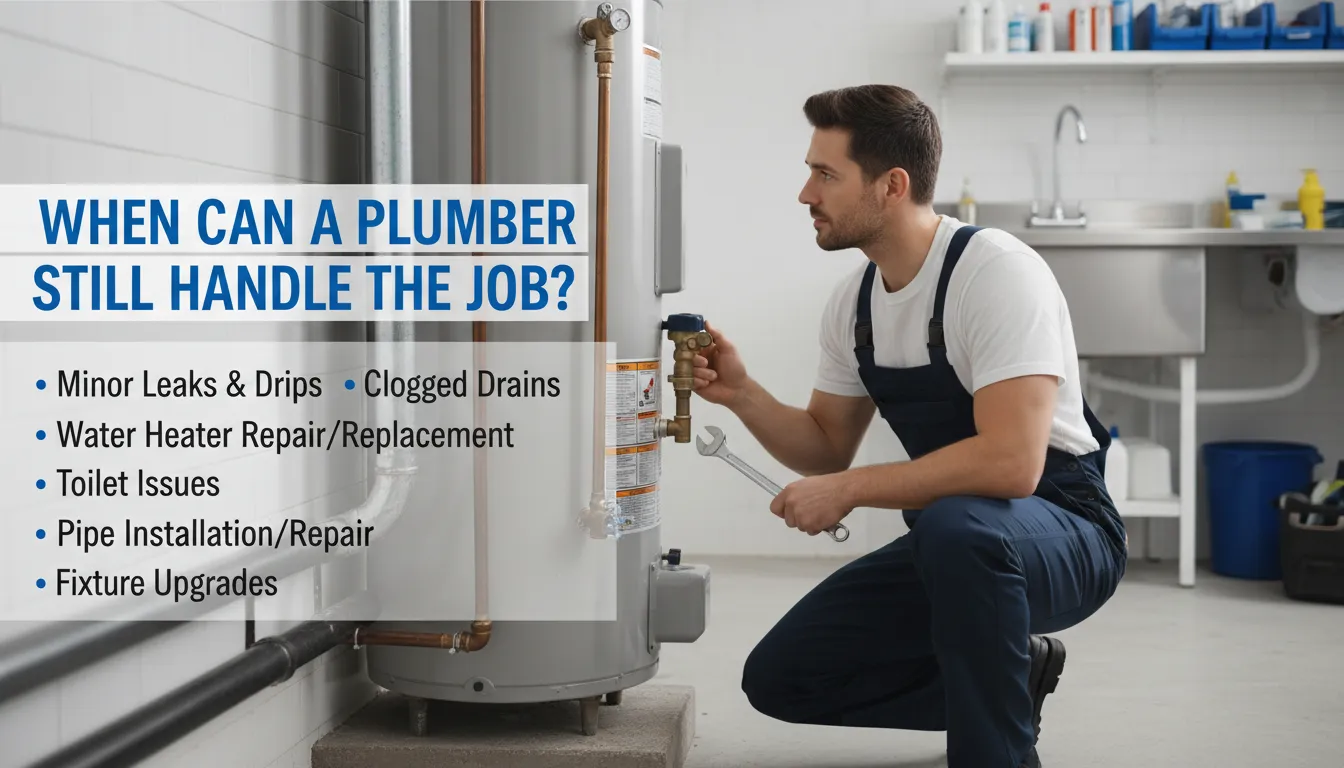
While gas fitters are specialists, many plumbing professionals are fully qualified to handle residential gas line installations, gas line repairs, and gas leak detection—as long as they have the appropriate certifications. For smaller-scale, less complex jobs, a licensed plumber may be all you need. This includes:
Installing gas lines for new appliances (such as gas stoves or dryers).
Repairing small leaks or replacing damaged sections of gas lines.
Performing regular inspections and routine maintenance.
In many cases, if a plumber has the right qualifications and experience, they can safely handle most gas line work. However, if the project involves larger or more complicated systems, it’s always best to consult with a gas fitter to avoid potential safety risks and ensure compliance with local codes.
The Risks of Hiring an Unqualified Professional for Gas Lines
The Importance of Hiring a Qualified Professional for Gas Lines
Gas lines are critical to the safety and function of your home. They carry natural gas, a highly flammable substance, to your appliances. If not installed, repaired, or maintained properly, gas lines can pose significant risks, from gas leaks to explosions and carbon monoxide poisoning. That’s why it’s essential to hire a licensed plumber or gas fitter for any work on your gas lines.
Key Risks of Hiring an Unqualified Professional:
Gas Leaks and Explosion Hazards
One of the most dangerous risks of an improperly installed gas line is the potential for gas leaks. Gas leaks can lead to fires or explosions if they aren’t detected and repaired immediately. An unqualified professional might not have the right training or equipment to detect small leaks or ensure that gas lines are properly sealed. Even a tiny leak can cause a major hazard if left unchecked.Carbon Monoxide Poisoning
Gas line leaks can also lead to carbon monoxide (CO) poisoning. Carbon monoxide is an odorless, colorless gas that is highly toxic in high concentrations. If gas lines are improperly installed or maintained, it can result in the buildup of carbon monoxide inside your home, leading to serious health risks, including dizziness, headaches, nausea, or even death. A licensed plumber or gas fitter will know how to avoid these dangers and keep your home safe from CO exposure.Poor Appliance Performance and Increased Utility Bills
When gas lines are not installed or repaired correctly, appliances may not function properly. For instance, undersized pipes or improperly routed lines can lead to low gas pressure, making your appliances work inefficiently. This can cause your heating system, water heater, or stove to underperform, leading to higher utility bills. Hiring an unqualified professional may save you money in the short term, but the long-term costs of inefficiency can quickly add up.Legal Consequences and Fines
In many regions, working on gas lines without proper certification is not only dangerous but also illegal. Local building codes and regulations require that gas line installations and repairs be performed by licensed professionals to ensure compliance with safety standards. Hiring an unqualified individual may lead to failed inspections, code violations, and costly fines. In some cases, an unlicensed individual may not carry the required insurance, leaving you financially liable if anything goes wrong.Increased Repair Costs
If gas line work is done incorrectly, the resulting damage may require more extensive repairs down the line. Improper installations or repairs may not show immediate issues, but over time, they can lead to bigger problems, such as corroded pipes, malfunctioning appliances, or gas leaks. These issues can quickly escalate, leading to much higher repair costs. Hiring a qualified plumber or gas fitter from the beginning is the best way to avoid expensive repairs in the future.
Why Hiring a Qualified Plumber or Gas Fitter Is Crucial
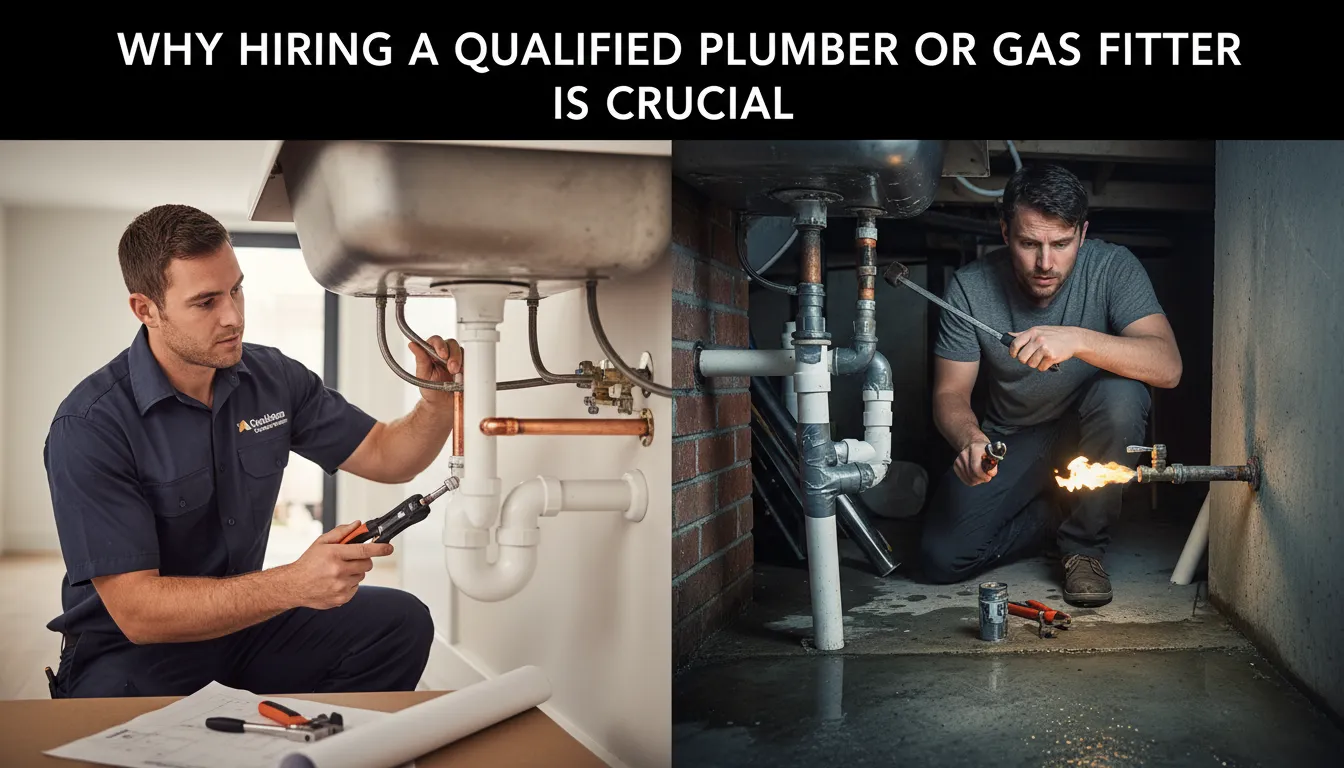
The risks of improper gas line work are serious and should not be underestimated. A qualified plumber or gas fitter ensures that your gas lines are installed, repaired, and maintained according to local codes and safety standards. They will use the proper materials, tools, and techniques to guarantee that the job is done right the first time.
By hiring a professional with the right certifications, you not only ensure the safety of your home and family but also save money in the long run by avoiding costly repairs and inefficiencies.
What to Look for When Hiring a Plumber for Gas Lines
Choosing the Right Plumber for Gas Line Work
When it comes to working on your gas lines, safety should always be your number one priority. Choosing the right plumber can make all the difference. Since gas line work requires specialized knowledge and training, it’s essential to vet plumbers carefully to ensure they have the proper qualifications. Here’s what to look for when hiring a plumber for gas line services:
1. Check for Proper Licensing and Certifications
The most important factor when hiring a plumber for gas line work is licensing. In many regions, plumbers must obtain gas fitting certifications to legally work on gas lines. These certifications prove that the plumber has received specialized training in gas safety, pipe installation, leak detection, and more.
Before hiring a plumber, always ask to see their license and certifications. A reputable plumber will be happy to provide proof of their qualifications. You can also check with your local building authority to confirm the plumber’s credentials.
2. Experience with Gas Lines
Not all plumbers have experience with gas lines. While most plumbers are trained to work on water systems, gas lines require additional expertise due to the safety risks involved. Ask the plumber about their experience specifically with gas line installations, repairs, and maintenance. Ideally, the plumber should have a track record of handling gas line work in homes similar to yours.
For example, if you’re installing a new gas line for an appliance, you’ll want a plumber who has experience working with new installations. If you need a repair or replacement, make sure the plumber has experience with identifying leaks and replacing corroded pipes.
3. Verify Insurance and Liability Coverage
Gas line work is complex and can be risky. Ensure that the plumber you hire carries the appropriate insurance to cover any accidents or mistakes that may occur during the job. Liability insurance is crucial because it protects you in case something goes wrong during installation or repair. Without the proper insurance, you could be financially responsible for any damage or accidents caused by improper gas line work.
4. Ask About Compliance with Local Building Codes
Each area has its own building codes and safety regulations for gas lines. A qualified plumber should be well-versed in local codes and ensure that the installation, repair, or replacement of your gas line complies with these standards. Failing to follow the correct regulations could result in failed inspections, safety hazards, or even legal issues.
Ask the plumber how they ensure their work meets local safety standards. This shows that they take their responsibility seriously and are committed to providing you with safe, high-quality work.
5. Read Reviews and Ask for References
One of the best ways to gauge the quality of a plumber’s work is to look at customer reviews or ask for references from past clients. Online reviews on platforms like Google or Yelp can give you an idea of the plumber’s reputation and customer satisfaction. Additionally, ask the plumber for references or case studies of previous gas line projects they’ve completed. A reputable plumber will be able to provide feedback from satisfied customers who’ve had similar work done.
6. Get Multiple Estimates
When hiring a plumber for gas line work, always get multiple estimates to ensure you’re getting a fair price. Each plumber may offer different pricing based on their experience, materials, and the complexity of the work required. Compare the estimates, but also consider the plumber’s experience, certifications, and reputation when making your decision.
It’s important not to choose a plumber based solely on price. Gas line work is an investment in your home’s safety, and opting for the cheapest option may lead to poor quality or subpar service.
7. Emergency Services Availability
Gas line issues often arise unexpectedly, and having a plumber who can provide emergency services is crucial. Ask the plumber if they offer 24/7 emergency services for situations such as gas leaks or system failures. Immediate attention is essential for preventing disasters, and hiring a plumber who offers emergency services can give you peace of mind knowing help is available at any time.
Cost of Hiring a Plumber for Gas Lines
How Much Does It Cost to Hire a Plumber for Gas Line Work?
The cost of hiring a plumber to work on gas lines can vary based on several factors, including the complexity of the job, the location, and the materials used. On average, you can expect the following price ranges for common gas line services:
1. Gas Line Installation
The cost of installing a new gas line typically ranges from $300 to $1,000 or more. Several factors influence the price, including:
Distance: The longer the distance the gas line needs to be run, the higher the cost. If the line needs to be routed through walls, floors, or hard-to-reach areas, it may increase the labor costs.
Materials: The type of material used for the gas line, such as steel, copper, or CSST (Corrugated Stainless Steel Tubing), can affect the price. CSST is often more expensive but offers more flexibility and ease of installation in some cases.
Permitting Fees: Depending on your location, you may need a permit to install a gas line, which can add anywhere from $50 to $200 to the total cost.
Complexity: If the installation involves complex routing or requires other specialized equipment, costs will be higher.
On average, expect to pay around $500 to $1,200 for a basic gas line installation.
2. Gas Line Repair
Repairing a gas line typically costs between $150 to $750, depending on the extent of the damage. The price can vary based on:
Location of the Leak: If the leak is difficult to locate or requires digging through walls, floors, or other obstacles, the price will go up.
Labor Costs: Labor costs for gas line repair can vary by region and the plumber’s hourly rate, which can range from $50 to $150 per hour.
For simple repairs like fixing small leaks or replacing a damaged section of pipe, costs are usually on the lower end of the range. However, extensive repairs involving large sections of pipe or hard-to-access locations may cost more.
3. Gas Line Replacement
Replacing an old or corroded gas line can be more expensive than a repair or installation, ranging from $1,000 to $3,000 or more, depending on the situation. The cost is affected by:
Length of the Pipe: Replacing an entire gas line system or running a new line to multiple appliances increases the cost significantly.
Material and Labor: The type of pipe chosen and the time required for labor both play a role in pricing. For example, galvanized steel pipes or copper pipes are more expensive than plastic or flexible piping.
Complexity: If the old gas line is buried or in a difficult-to-reach location, the cost of replacement can rise due to the labor involved in removing the old pipe and installing the new one.
Gas line replacement is typically necessary when there is significant corrosion, wear, or when the pipe fails an inspection for safety.
4. Gas Leak Detection and Emergency Services
Gas leak detection services typically cost between $200 and $500, depending on the location and the severity of the leak. Plumbers use specialized equipment to find even the smallest gas leaks, and the cost may increase if walls or flooring need to be removed to access the pipes.
For emergency gas line services or gas leak repairs, you can expect to pay more, especially if the plumber needs to respond outside of regular business hours. Emergency service charges often range from $100 to $300 in addition to regular labor costs.
5. Additional Costs to Consider
When hiring a plumber for gas line services, be aware of additional costs that may arise:
Permit Fees: Depending on your area, you may need a permit for gas line work, which can cost anywhere from $50 to $200.
Inspection Fees: Some areas may require an inspection after gas line installation or repair, adding an extra $100 to $300 to the overall cost.
Materials: High-quality materials like CSST or copper pipes may add to the total cost of installation, repair, or replacement.
Tips for Reducing Gas Line Costs:
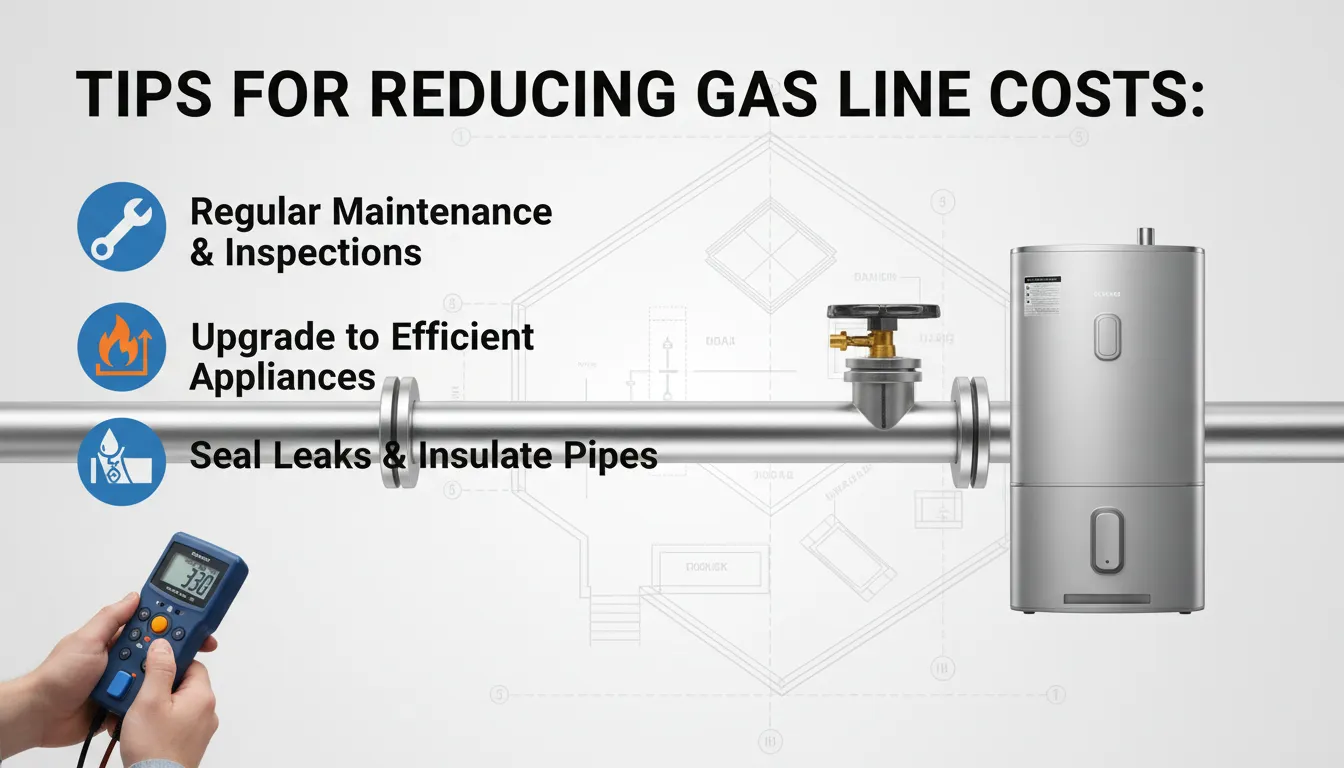
Get Multiple Quotes: Always get at least three estimates from different plumbers to ensure you’re getting a competitive price. This can also help you gauge the quality of service each plumber provides.
Consider Efficiency: If your gas line is old or inefficient, it might be more cost-effective in the long term to replace it with a new, efficient system that will save on energy costs.
Schedule Maintenance: Regular inspections and maintenance of your gas lines can prevent costly repairs or replacements in the future.
FAQs
1. How do I know if my plumber is qualified to work on gas lines?
To ensure your plumber is qualified to work on gas lines, ask for proof of their gas fitting certification and license. Most regions require plumbers to have specialized training and certification to handle gas lines. You can also verify their credentials by checking with your local licensing authority or looking at their business website for more details about their qualifications. Never hesitate to ask your plumber about their experience with gas systems.
2. What should I do if I smell gas in my home?
If you smell gas in your home, it’s important to act immediately to ensure the safety of everyone inside:
Do not use any electrical devices, light matches, or turn on/off any appliances.
Evacuate the building immediately, ensuring that all family members and pets are safely outside.
Call your gas company or a licensed gas fitter from outside the building to report the gas leak and get professional assistance.
Never attempt to repair a gas leak yourself—contact a professional immediately to address the issue safely.
3. How much does gas line installation cost?
The cost of installing a new gas line varies depending on the distance the line needs to travel, the materials used, and local permitting fees. On average, gas line installation costs between $300 and $1,200, but for larger, more complex projects, it could range from $1,000 to $3,000. Always ask for a detailed estimate and consider getting multiple quotes before making a decision.
4. Can a plumber install a gas line for a new appliance?
Yes, a qualified plumber can install a gas line for new appliances like stoves, dryers, water heaters, and fireplaces. If you’re installing a gas-powered appliance, it’s important to hire a plumber who has the necessary certifications and experience working with gas lines. They will ensure that the line is properly installed and that it meets all local safety regulations.
5. How often should gas lines be inspected?
Gas lines should be inspected regularly to ensure they are functioning properly and safely. It’s recommended to have a professional inspection every 3 to 5 years. If you suspect a leak, have an issue with your gas-powered appliance, or experience a change in gas pressure, call a professional plumber immediately for an inspection. Regular maintenance can help prevent costly repairs and ensure your gas system is working efficiently.
6. Can I install a gas line myself?
No, installing or repairing a gas line is a task that requires professional expertise. Gas lines are highly regulated and dangerous if not installed or maintained correctly. Incorrect installation can lead to gas leaks, fires, or carbon monoxide poisoning. Always hire a licensed plumber or gas fitter who has the proper qualifications and training to ensure the work is done safely and to code.
7. Are gas line repairs covered by home insurance?
In most cases, homeowner’s insurance does not cover gas line repairs unless the damage is caused by a covered event (such as a fire or storm). However, some policies may cover damage caused by gas leaks or fire damage. It’s important to check with your insurance provider to understand the specifics of your coverage. For repairs, it’s advisable to rely on a licensed plumber who can handle the repairs safely and professionally.
8. Can a plumber handle gas leak detection?
Yes, a qualified plumber can detect and repair gas leaks in your home. Plumbers are trained to use specialized tools like gas detectors and electronic listening devices to locate even the smallest leaks. If a plumber detects a significant leak, they will take immediate action to shut off the gas and prevent further risks, such as fires or explosions. Always call a plumber as soon as you suspect a gas leak.
Conclusion: Why Hiring a Qualified Plumber for Gas Lines is Crucial
In conclusion, gas lines play a critical role in ensuring the safety and functionality of your home’s appliances. Whether you’re installing a new gas line, repairing a damaged one, or replacing an old system, it’s essential to hire a qualified plumber or gas fitter. With the proper training, experience, and certifications, these professionals can ensure that your gas lines are safely installed, maintained, and repaired to meet all safety codes and local regulations.
Hiring an unqualified individual or attempting a DIY installation can lead to dangerous risks, including gas leaks, explosions, and carbon monoxide poisoning. The peace of mind that comes with hiring a licensed plumber or gas fitter is priceless. They will not only get the job done correctly but will also ensure that your gas system is running efficiently, saving you money on energy costs and reducing the risk of future problems.
If you’re in need of gas line installation, repair, or maintenance, don’t take any chances. Always choose a certified professional who specializes in gas systems. This ensures the work is done safely, legally, and to the highest standards of quality.
Call to Action:
If you’re ready to ensure the safety and efficiency of your gas lines, contact us today at EZ Plumbing Repair Services. Our licensed plumbers and gas fitters are here to provide you with safe, reliable gas line services. Schedule a consultation or call us at for more information.