Can a Plumber Install a Garbage Disposal? Your Complete Guide
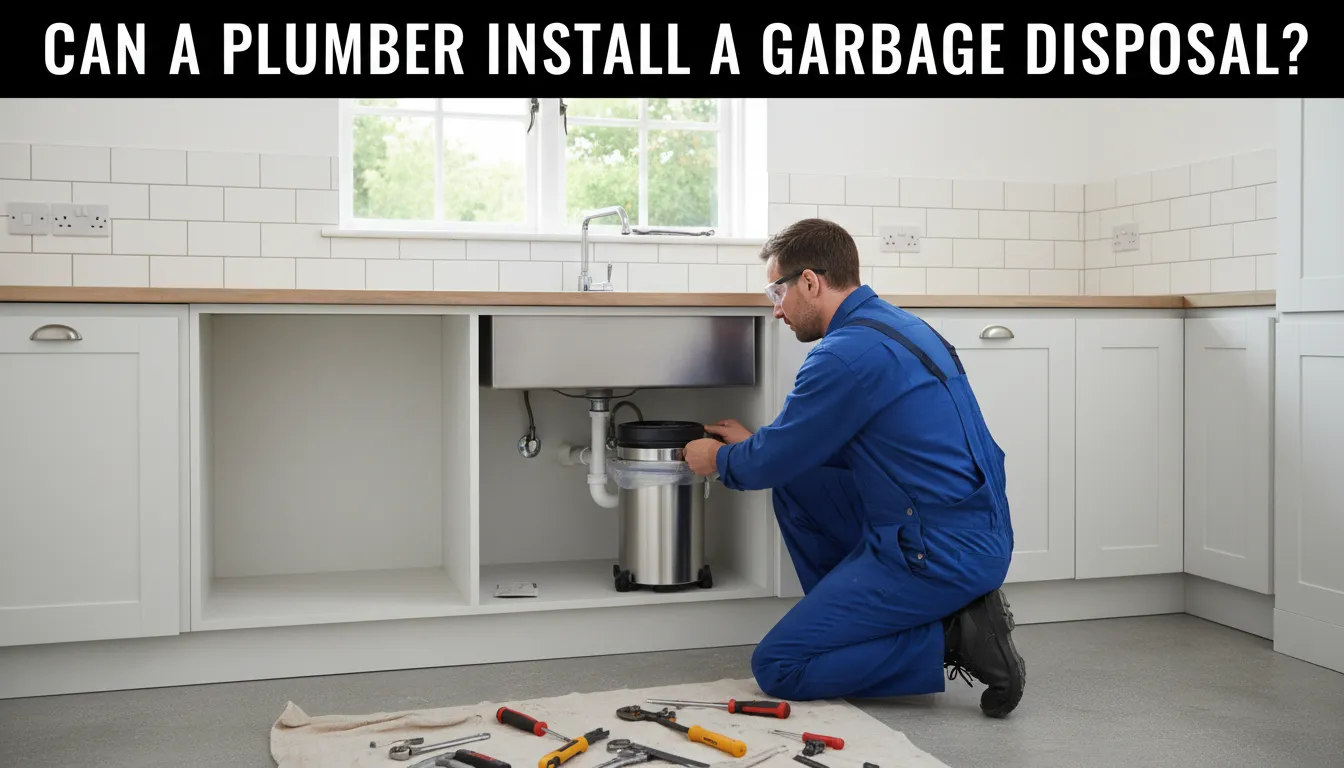
Installing a garbage disposal may seem like a simple task, but it’s one that requires careful planning and the right expertise. Whether you’re dealing with a malfunctioning disposal or simply upgrading to a new model, many homeowners wonder if they can handle the installation themselves or if it’s best to call in a professional.
The question often comes up: Can a plumber install a garbage disposal? The short answer is yes, a plumber is the best person to handle this task. However, depending on your home’s setup and the type of disposal you choose, you might also need an electrician. In this guide, we’ll break down the roles of both professionals, explore whether DIY installation is an option, and help you make an informed decision that’s safe, cost-effective, and long-lasting.
By the end of this post, you’ll know exactly when to call a professional and when it’s safe to attempt the installation on your own.
What Is a Garbage Disposal?
A garbage disposal is an essential kitchen appliance designed to grind up food waste, making it easier to dispose of down the drain. Installed under the kitchen sink, it connects to the home’s plumbing system and electric wiring. Once activated, it grinds food scraps into small particles that flow through the pipes and into the wastewater system. This device helps reduce food waste, keeps your kitchen clean, and prevents the unpleasant task of manually scraping food scraps into the trash. Understanding its functionality is key to deciding whether you need a plumber for installation.
Why Hire a Professional Plumber for Garbage Disposal Installation?
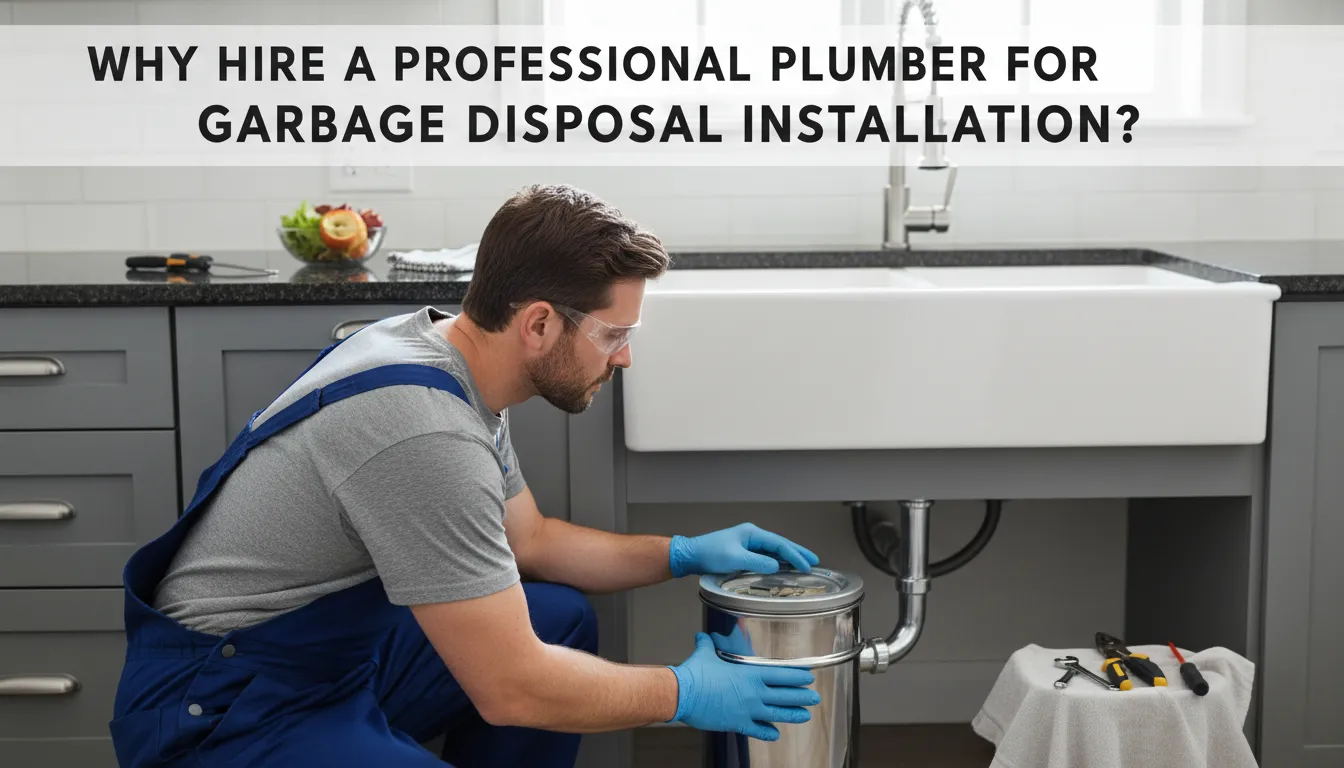
When it comes to installing a garbage disposal, hiring a professional plumber can save you time, money, and frustration. While some homeowners may consider DIY installation, it’s important to recognize that a garbage disposal installation involves more than just connecting a few pipes. Plumbers are experts in ensuring that the plumbing system is properly connected, watertight, and compliant with local building codes.
A plumber will know how to adjust existing plumbing if necessary, ensuring your garbage disposal is aligned correctly with the drain and waste pipes. This helps prevent leaks and clogs in the future, which can cause significant damage over time. Additionally, plumbers use specialized sealants and tools to ensure that the installation is secure and reliable.
If your sink’s plumbing system requires adjustments—whether from aging pipes, improper setup, or previous repairs—a plumber can address these issues while installing your new unit. They can also check for potential problems, like clogged or corroded pipes, which could make the disposal less effective or lead to bigger plumbing issues down the road.
In short, a plumber brings expertise, precision, and the peace of mind that your installation is done right, making it the safest choice for most homeowners.
When to Call an Electrician for Garbage Disposal Installation
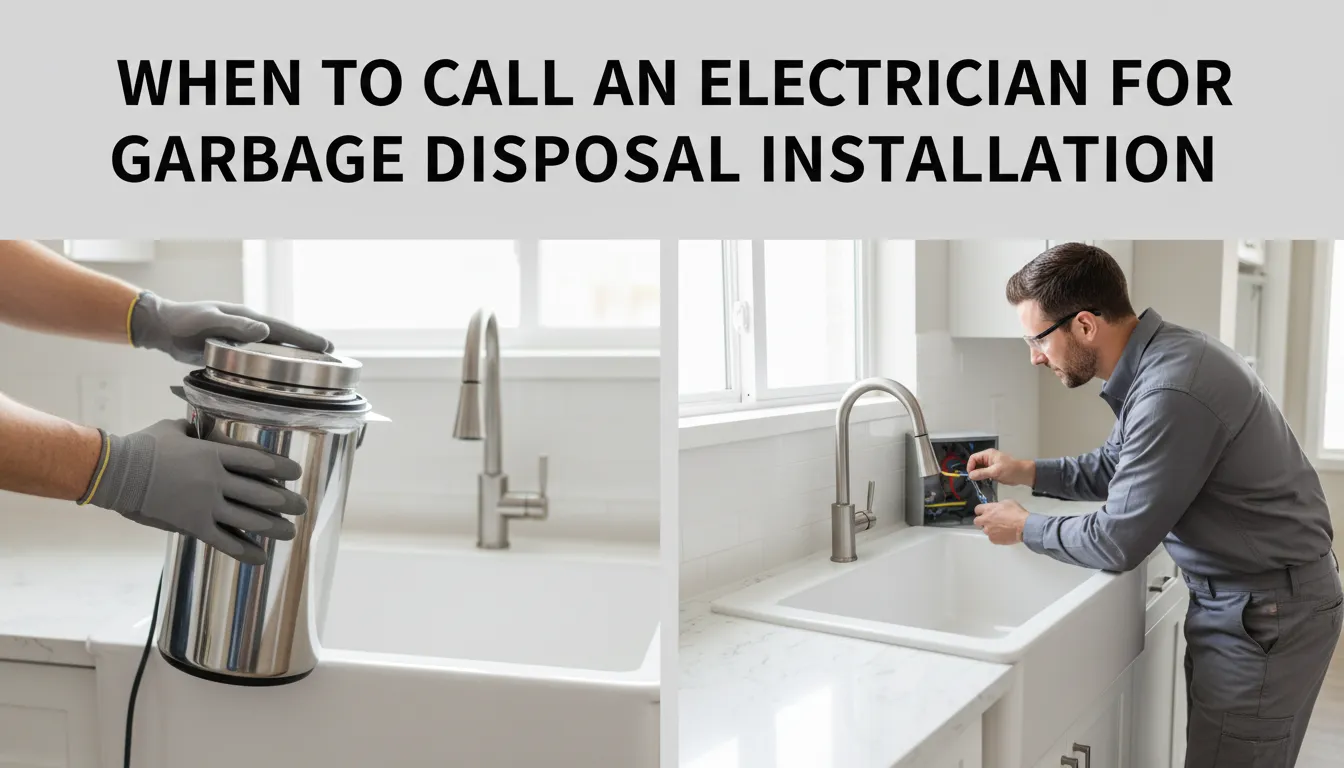
While plumbers are essential for connecting and sealing the plumbing, an electrician plays a crucial role when it comes to the electrical components of garbage disposal installation. Most garbage disposals either plug into a standard electrical outlet under the sink or are hardwired directly into the home’s electrical system. If your disposal needs hardwiring or if there is no existing outlet near the sink, an electrician is needed.
If you have an older home or if you’re installing a more powerful model, you may need to add a new electrical outlet under the sink. An electrician ensures the outlet is installed safely and complies with local building codes. This is especially important as improper wiring can lead to serious issues like electrical shorts, fires, or damage to the unit.
Additionally, electricians are skilled in troubleshooting electrical problems. If your garbage disposal isn’t working properly, it may be due to electrical issues such as a tripped circuit breaker or faulty wiring. An electrician will identify and fix these problems, ensuring your disposal works safely and efficiently.
In summary, while plumbers handle the plumbing, electricians are essential for safely managing the electrical aspects of installation, preventing potential hazards, and ensuring that your garbage disposal operates correctly.
Can You Install a Garbage Disposal Yourself?
If you’re a DIY enthusiast with basic plumbing and electrical skills, you might consider installing your garbage disposal yourself. It’s certainly possible, but there are several factors to consider before diving into this project.
The first thing to keep in mind is that installation involves both plumbing and electrical work. You’ll need to ensure the disposal unit fits properly under your sink and is securely connected to the plumbing system. This may require some adjustments to the drain lines, which can be tricky if the pipes are misaligned or corroded.
For the electrical aspect, you must decide whether your new unit will be plugged in or hardwired. If you don’t have an outlet near the sink, installing one will require knowledge of electrical wiring and adherence to safety standards. Missteps in wiring can lead to electrical failures or safety hazards, especially if the unit is not grounded correctly.
If you decide to proceed with a DIY installation, make sure to follow all manufacturer instructions and take necessary safety precautions. However, if you’re unsure about any step of the process or lack the right tools, calling a professional plumber or electrician might save you from future headaches, ensuring everything is up to code and works smoothly.
Cost Comparison: Plumber vs. Electrician vs. DIY
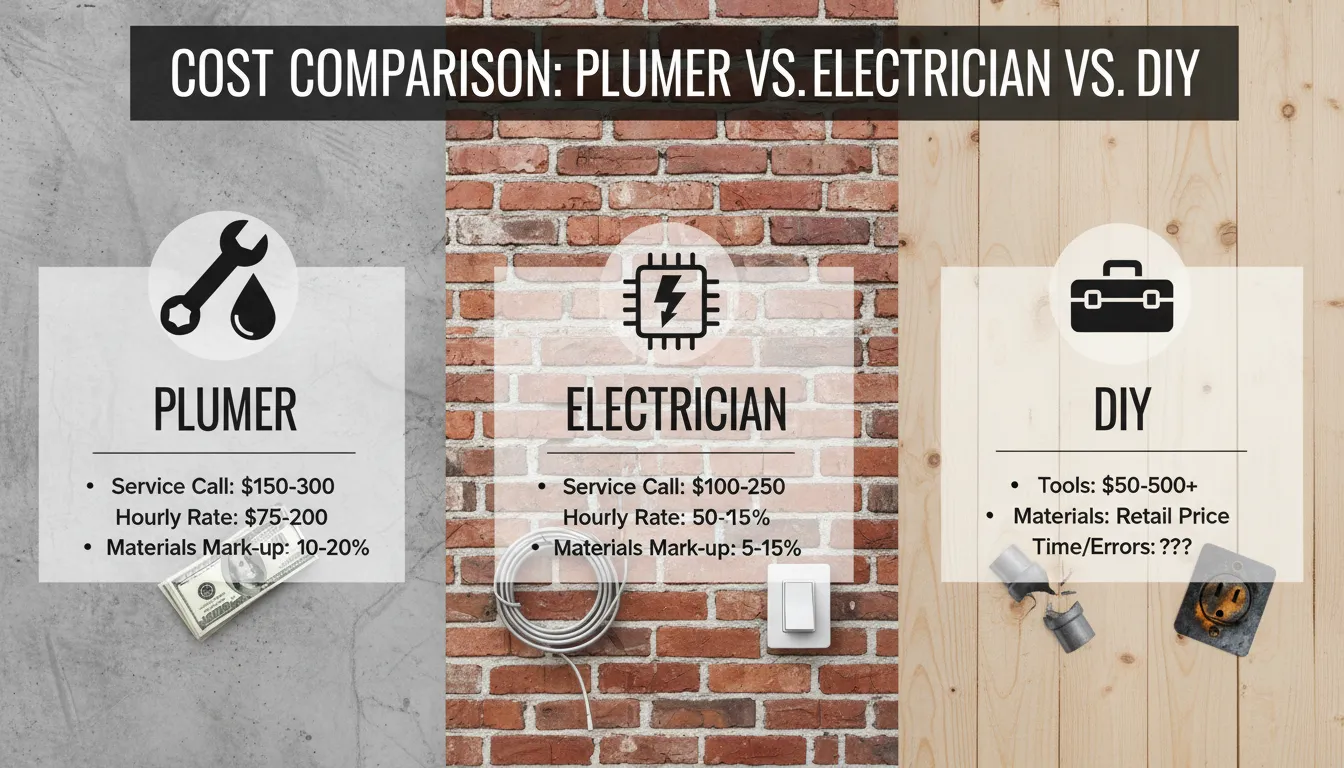
When considering garbage disposal installation, one of the first questions homeowners ask is: How much will this cost? Understanding the cost breakdown can help you make an informed decision about whether to hire a plumber, an electrician, or tackle the job yourself.
Plumber Costs:
Hiring a professional plumber typically costs between $100 and $400 for garbage disposal installation, depending on the complexity of the job and your location. If your plumbing system requires adjustments, such as pipe rerouting or fixing leaks, the price can increase. Older homes with outdated plumbing systems might also incur higher costs. However, using a plumber ensures your system is installed correctly, preventing future leaks, clogs, or other plumbing issues.
Electrician Costs:
If you need an electrician to install an outlet or hardwire your garbage disposal, expect to pay an additional $50 to $150 per hour. The total cost can vary depending on whether you have an existing outlet or need new electrical work. This cost will depend on local rates and the time it takes to ensure everything is up to code and safely installed.
DIY Costs:
The DIY approach might seem tempting as it appears to save money upfront. The average cost for a garbage disposal unit ranges from $100 to $300, depending on the model. However, DIY installation could lead to hidden costs such as repairing mistakes, buying the right tools, or purchasing additional plumbing or electrical supplies. If the installation isn’t done properly, you may have to hire a plumber or electrician anyway, making DIY more expensive in the long run.
While DIY can save you money initially, hiring a professional is often a smarter choice to avoid costly repairs or damage later.
Signs Your Garbage Disposal Needs Replacement
A garbage disposal is a durable appliance, but like any other piece of kitchen equipment, it has a limited lifespan. Most high-quality garbage disposals last between 7 and 10 years. However, there are several signs that it may be time to replace your unit rather than continue repairing it.
1. Strange Noises:
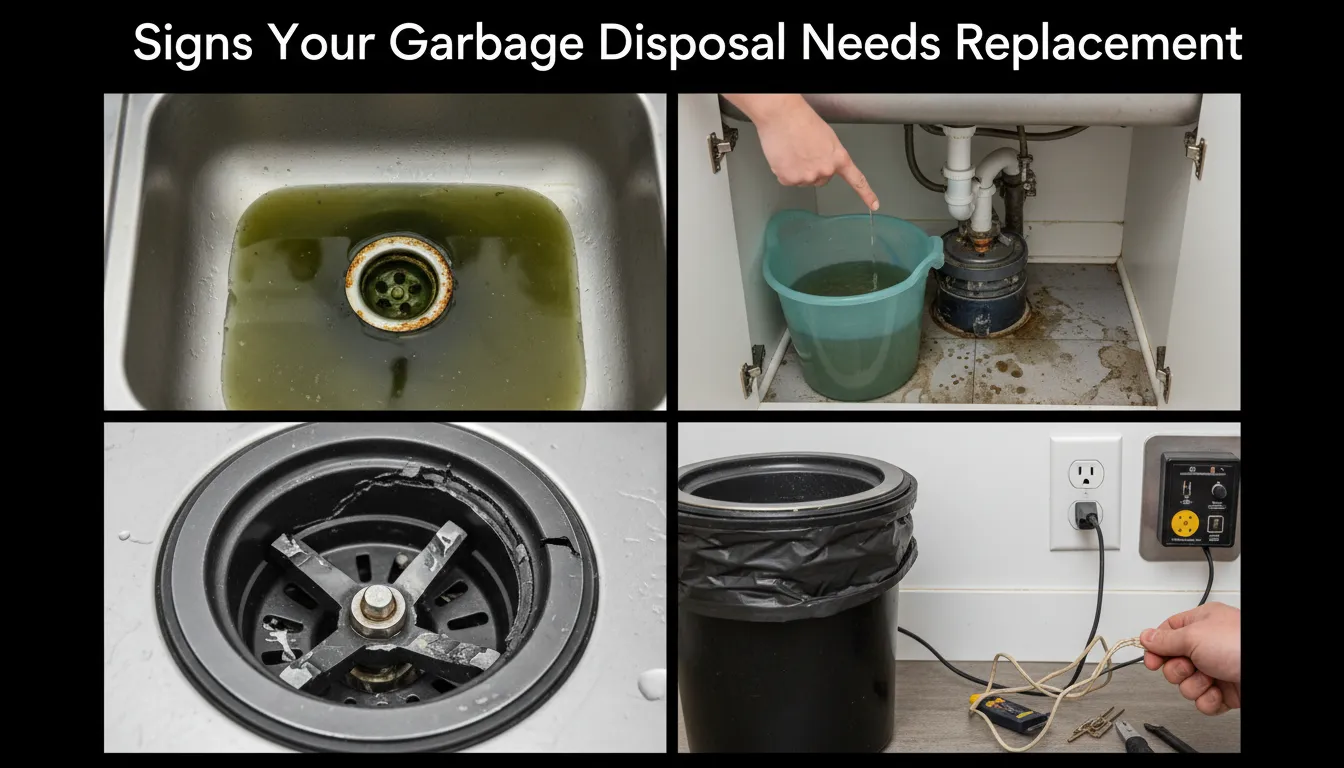
If your disposal starts making unusual humming or grinding noises without actually grinding food, the motor may be failing. This could indicate a serious issue that makes the disposal less effective or could lead to a complete breakdown.
2. Failure to Turn On:
If your garbage disposal won’t turn on despite resetting it and checking the power supply, the motor could be dead. Often, this is a sign that the disposal has reached the end of its life and needs replacing.
3. Leaking:
Leaks around the base of the disposal or from the drain connections can signify that the seals have worn out or that the disposal itself has cracks. While minor leaks may be repairable, extensive leaks often require a full replacement.
4. Frequent Clogs:
If your disposal constantly clogs or you experience repeated blockages, this could be a sign that the unit is no longer functioning efficiently. If it frequently fails to drain or grind waste, it’s time to consider a new disposal.
5. Bad Odors:
Persistent foul smells, even after cleaning, can indicate that your disposal is harboring food waste that’s impossible to clear. If cleaning methods don’t help, it might be time for a replacement.
If your disposal is showing any of these signs, it’s important to replace it soon to prevent further damage to your kitchen plumbing. Contact a professional plumber for advice on choosing the right replacement model for your needs.
Step-by-Step Guide: How to Install a Garbage Disposal (Plumber’s Perspective)
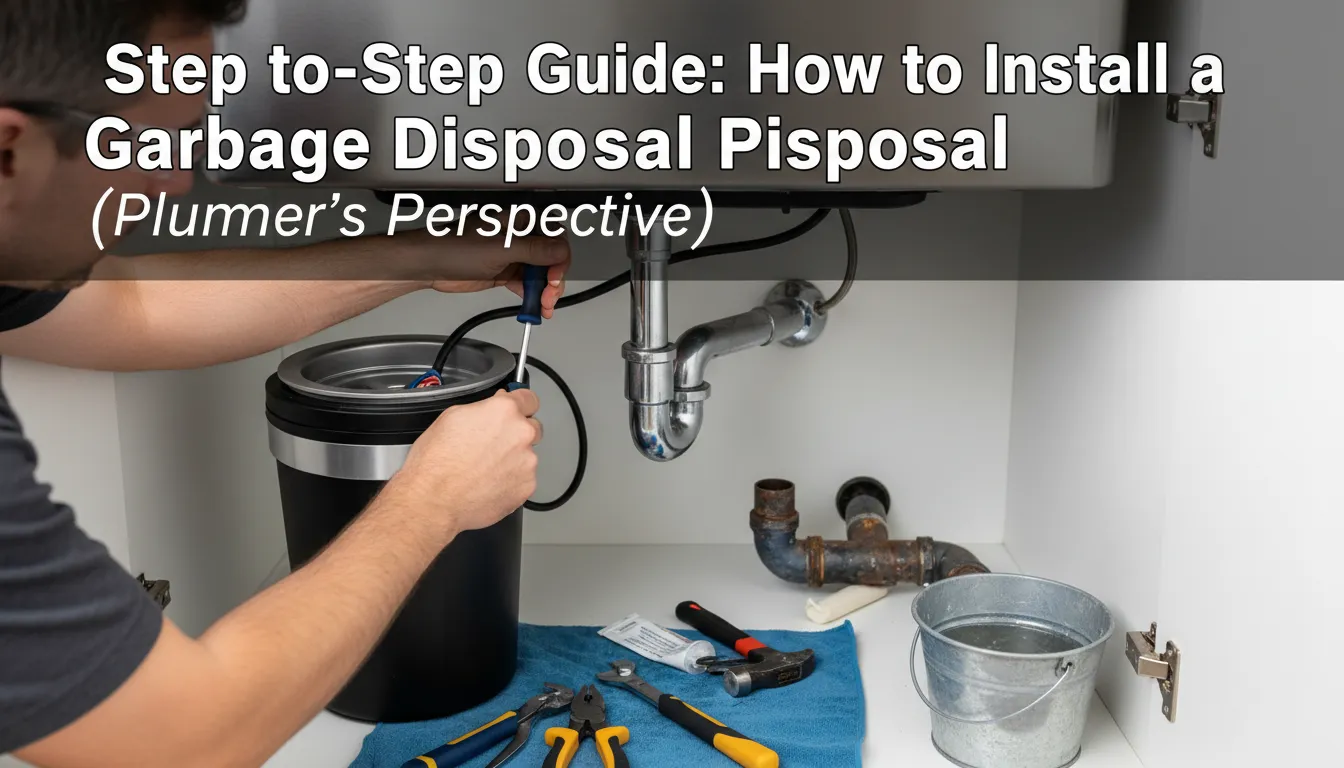
While professional plumbers are best equipped to install a garbage disposal, understanding the steps involved can help you appreciate the complexity of the task. Here’s a breakdown of the plumber’s approach to installing a garbage disposal:
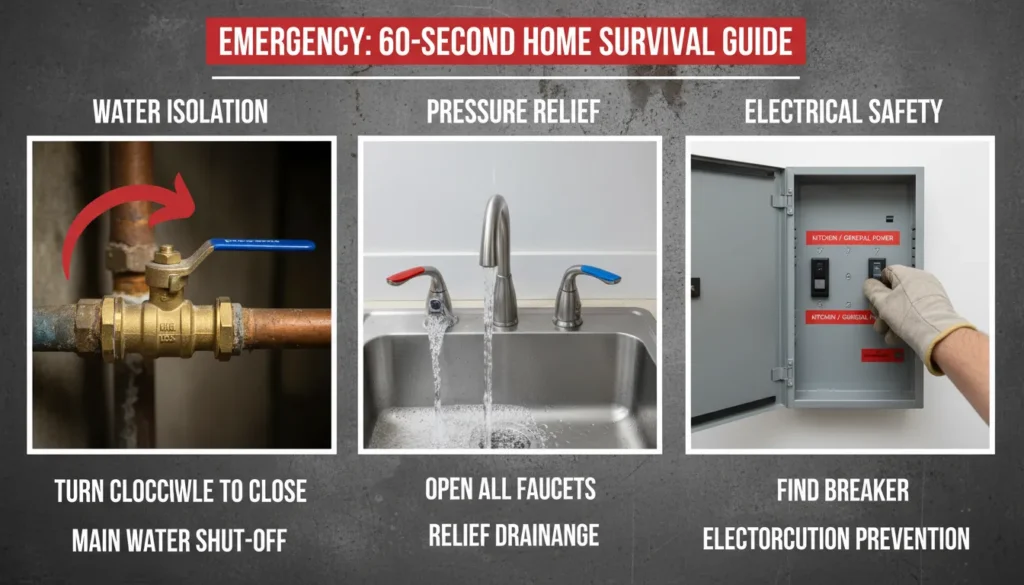
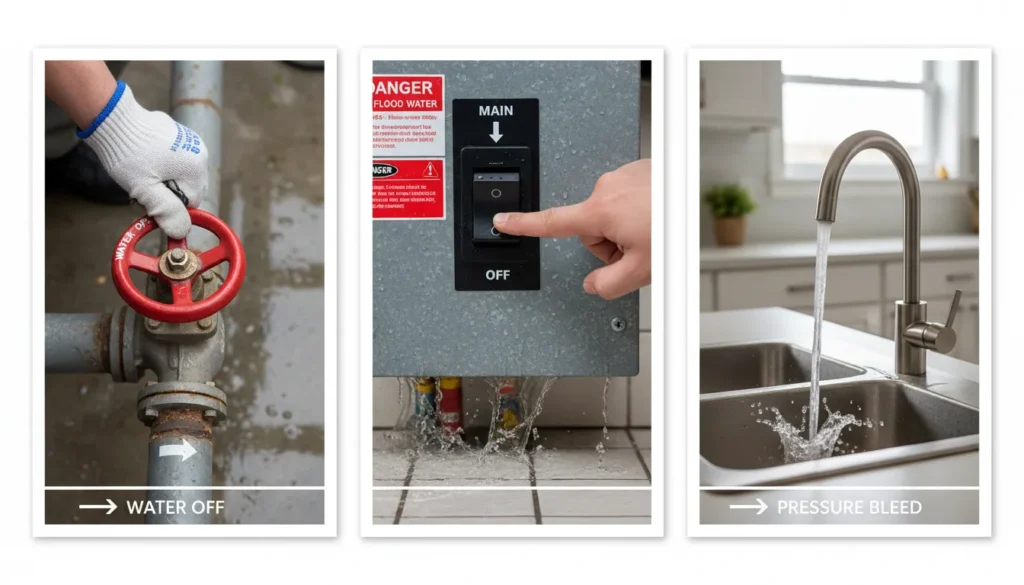
Step 1: Turn Off the Power and Water Supply
Before starting any installation, the plumber will turn off the power to the disposal and the water supply. This is crucial for safety, as working with electricity and water can be dangerous.
Step 2: Remove the Old Garbage Disposal (If Applicable)
If you’re replacing an old unit, the plumber will first disconnect the power, water, and drain pipes. The old disposal will then be removed, ensuring that any connections are safely undone to avoid damaging the pipes.
Step 3: Install the New Mounting Bracket
A new mounting bracket is installed to secure the garbage disposal under the sink. The plumber will ensure that the bracket fits correctly and aligns with the unit’s drain connection.
Step 4: Connect the Plumbing
The plumber will carefully connect the drain lines, ensuring that the pipes are tightly sealed to prevent leaks. This step involves using sealants and plumbing tools to ensure everything is watertight. The plumber will also check the dishwasher hose (if applicable) to ensure it’s properly attached.
Step 5: Electrical Wiring
Next, the plumber will handle the electrical wiring. If the unit is hardwired, the plumber will connect the disposal to the electrical wiring system, ensuring proper grounding and compliance with local building codes. If the unit plugs into an outlet, this step is skipped.
Step 6: Test the Disposal
Once everything is connected, the plumber will test the disposal. They’ll run water through it and check for any leaks or issues with the electrical connection. The unit will be tested for proper grinding and drainage.
Step 7: Clean Up
Finally, the plumber will clean up the work area, ensuring everything is left neat and functional. They’ll also provide maintenance tips to ensure the disposal works efficiently for years to come.
How to Choose the Right Garbage Disposal for Your Home

Selecting the right garbage disposal is essential for ensuring efficient waste management in your kitchen. With various models available, it’s important to choose one that fits your needs, plumbing, and budget. Here are some key factors to consider when making your decision:
1. Size and Capacity
Consider the size of the unit and the space under your sink. Standard disposals typically have a half-horsepower (HP) motor, while larger units may go up to 1 HP or more. If your household generates a lot of food waste, or if you have a large family, a unit with a higher horsepower may be more suitable. However, ensure it fits the space available under your sink.
2. Noise Level
Noise can be a big concern, especially in households with small children or in open-plan kitchens. Some models are designed with sound insulation, reducing the noise produced during operation. If quiet performance is a priority, look for quiet operation models, often marketed as “anti-vibration” or “soundproofed.”
3. Power and Efficiency
Higher-powered disposals (3/4 HP to 1 HP) are more efficient at grinding tougher food waste, like bones and fibrous vegetables. They also tend to last longer due to better motor quality. If you’re looking for a long-lasting, efficient unit, investing in a higher-powered model might be worthwhile.
4. Type of Feed
Garbage disposals come in two types: continuous feed and batch feed.
Continuous feed: The most common type, where you can keep the unit running while adding waste.
Batch feed: Requires you to place food waste inside the unit and then turn it on. It’s generally safer, as it prevents waste from being added while the disposal is running.
5. Features
Modern disposals come with additional features, like jam-resistant technology or built-in air switches for safer operation. Consider which features best fit your needs and budget.
By considering these factors, you can ensure you select a garbage disposal that meets your household’s needs while offering long-term durability and performance.
The Risks of Poor Garbage Disposal Installation
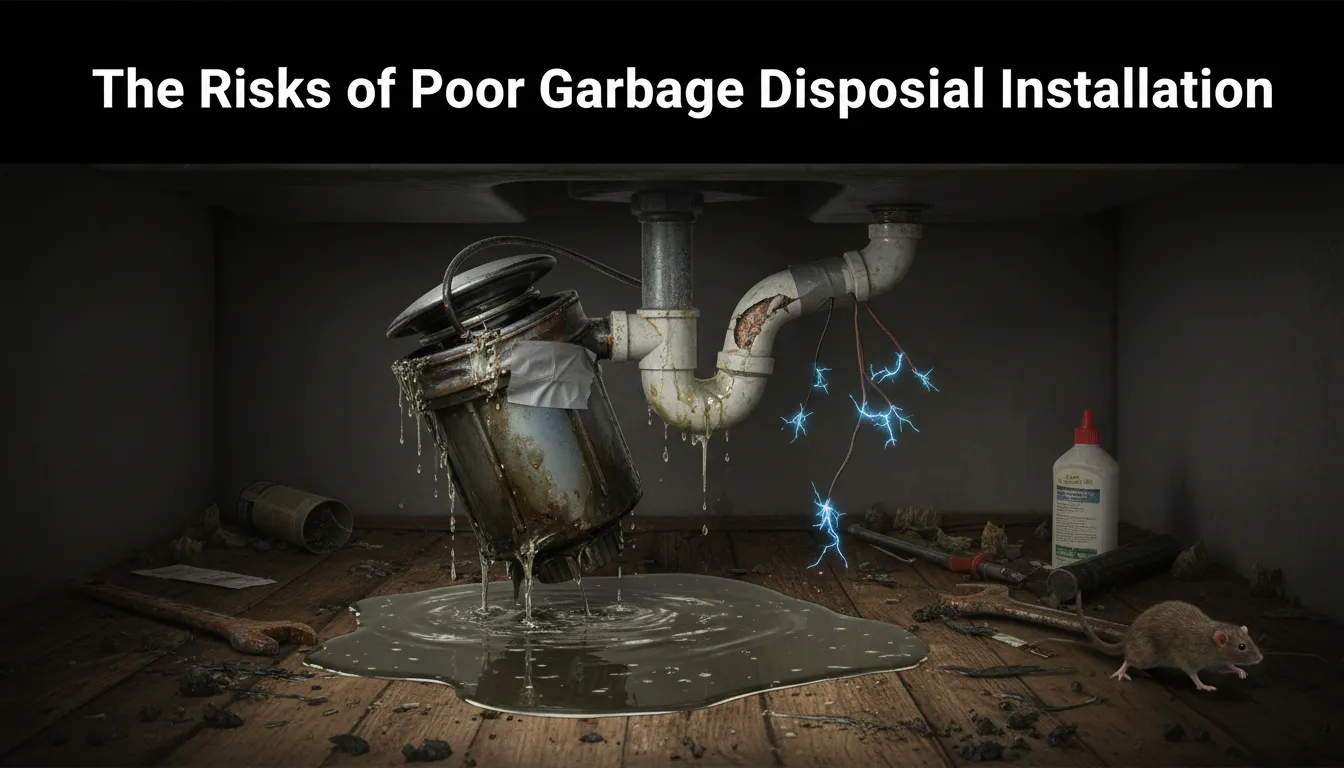
While installing a garbage disposal may seem straightforward, poor installation can lead to a variety of issues that can damage your kitchen plumbing, electrical system, and the disposal itself. Here are some of the risks associated with improper installation:
1. Leaks and Water Damage
One of the most common issues from incorrect installation is leaks. If the drain lines or sealants aren’t properly installed, water can seep out, leading to water damage under the sink. Over time, leaks can damage your cabinets and cause mold or mildew to grow, leading to expensive repairs.
2. Electrical Failures
If you attempt to hardwire the disposal incorrectly, it can result in electrical failures, including short circuits or an overloaded circuit. A tripped breaker or faulty wiring can cause the disposal to stop working or, in the worst case, cause a fire hazard. Electrical work should always be handled by a qualified electrician to ensure safety and proper grounding.
3. Improper Functioning
An incorrectly installed disposal may not grind food waste efficiently. Poor alignment with the sink drain can lead to clogs or slow drainage, and misaligned pipes can cause food waste to back up into the sink. This not only makes the disposal less effective but can also increase the likelihood of further plumbing issues.
4. Increased Repair Costs
If the garbage disposal is installed improperly, you may have to call a plumber or electrician to fix the issue. The cost of repairs could easily exceed the price of hiring a professional for the installation in the first place.
5. Code Violations
In some areas, installing a garbage disposal may require compliance with local building codes, especially concerning plumbing and electrical work. Failure to adhere to these codes can result in fines or complications when selling your home.
To avoid these risks, it’s best to rely on a professional plumber who has the experience and tools to do the job right, ensuring that your garbage disposal functions efficiently and safely for years to come.
Conclusion
In conclusion, while installing a garbage disposal may seem like a manageable DIY project, it’s often best to leave the job to the professionals. A plumber ensures that the plumbing connections are secure, leak-free, and compliant with local codes, while an electrician handles the wiring safely, particularly if your unit requires hardwiring or a new outlet. DIY installation may save some upfront costs but can lead to costly mistakes, leaks, and electrical hazards in the long run.
By hiring an expert, you ensure a smoother, safer installation that will function properly for years to come. Whether you’re replacing an old unit or installing a brand-new one, choosing the right professional for the job can save you time, money, and stress.
If you’re ready to install or replace your garbage disposal, don’t hesitate to contact us today. Our certified professionals are here to handle your installation with precision and care.