50+ Common Plumbing Terms: How to Talk to a Plumber Without Getting Scammed
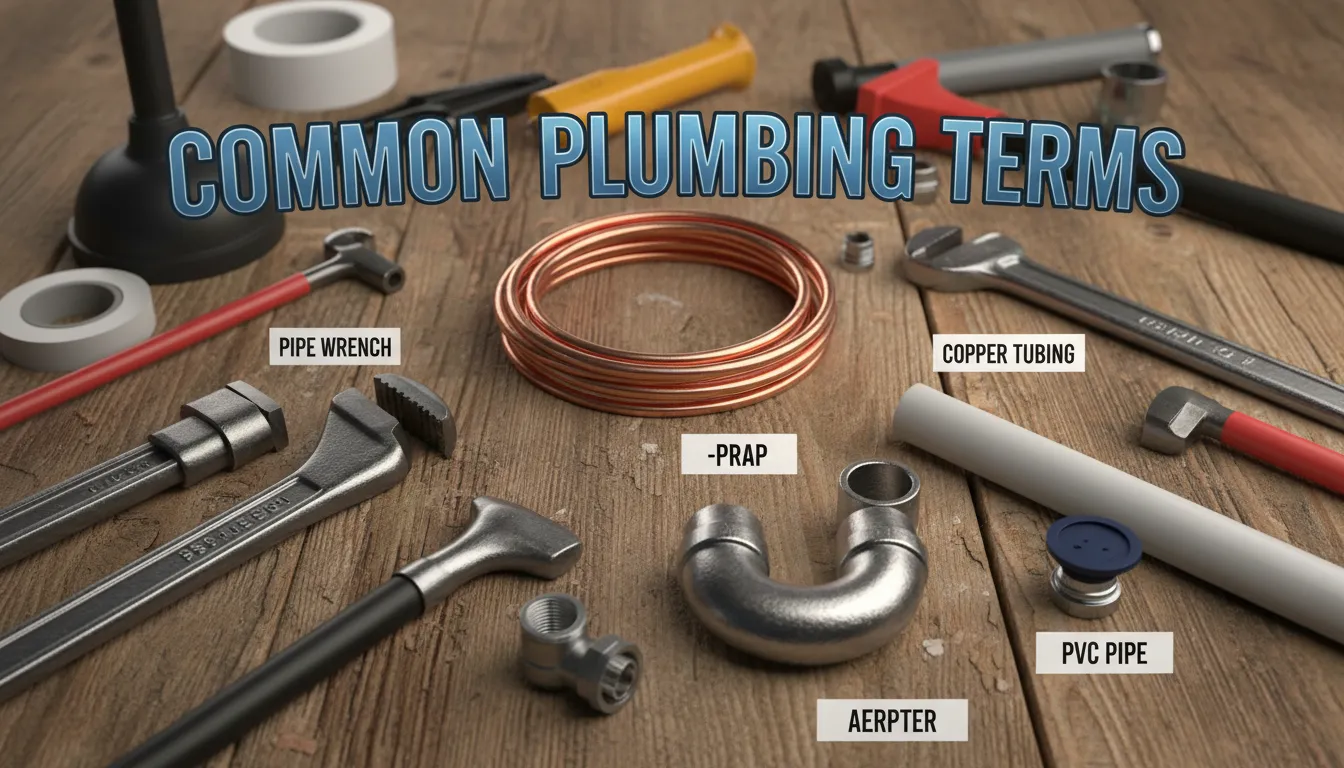
Plumbing emergencies can strike at any time, often without warning, and they can cause significant damage to your home or business. From burst pipes flooding entire rooms to sewer backups creating health hazards, plumbing issues are not just inconvenient – they can be downright costly. If left unchecked, a simple leak can turn into a disaster, damaging furniture, flooring, and even the structure of your home.
But don’t panic – the key to minimizing damage during a plumbing emergency is knowing exactly how to act when trouble strikes. Whether you’re dealing with an overflowing toilet, a leaking pipe, or a water heater failure, acting quickly can save you time, money, and a lot of stress.
In this guide, we will walk you through the essential steps to take during a plumbing emergency, provide solutions to common issues, and give you tips on how to prevent these emergencies from happening in the first place.
Actionable Steps:
Check for Leaks: The first thing you should do when you notice any sign of a plumbing issue is to inspect for leaks. Sometimes, the issue is minor and can be managed temporarily until a professional arrives.
Locate the Main Water Valve: Knowing where your main water shutoff valve is located can be a life-saver in an emergency. By turning it off, you can stop water flow and prevent further damage.
Most Common Plumbing Emergencies You Should Know About
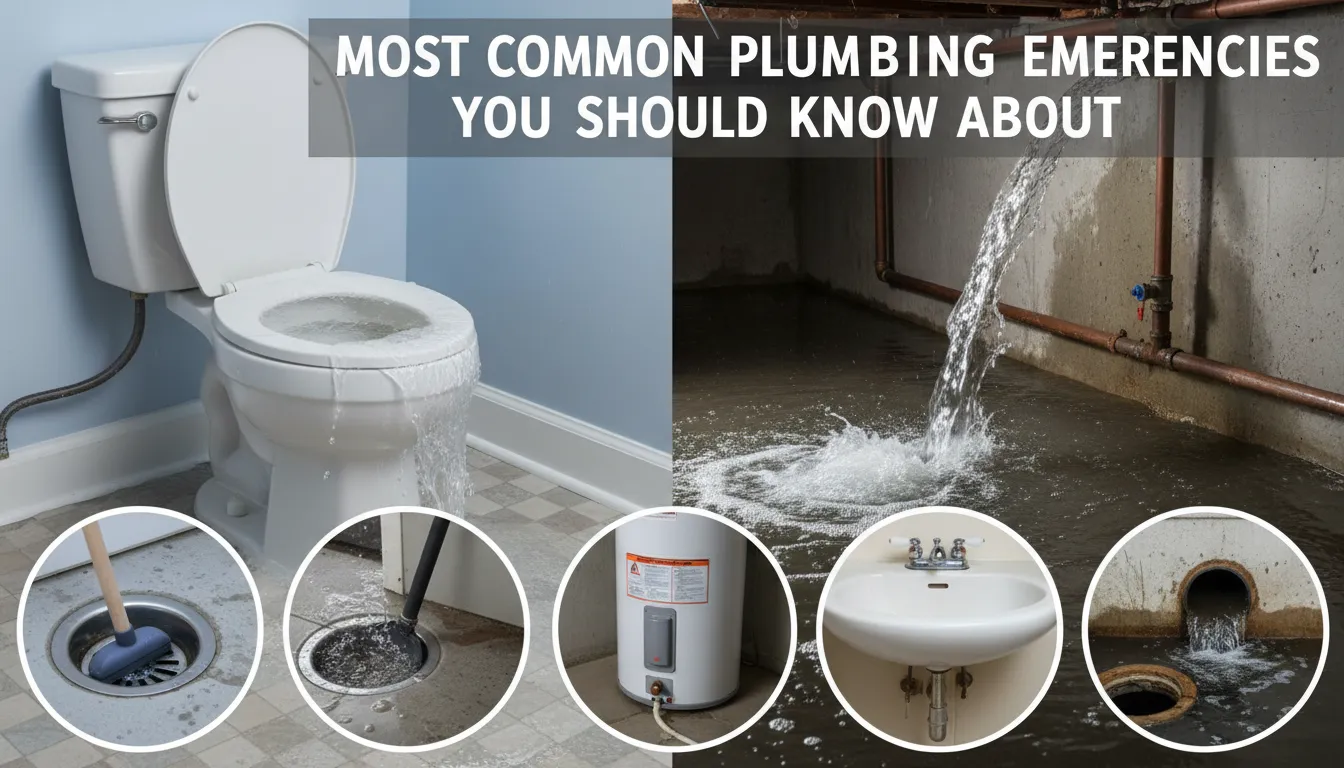
When it comes to plumbing, emergencies can range from small issues that you can manage yourself to major problems that require immediate professional help. Here are some of the most common plumbing emergencies you might encounter:
Burst Pipes
A burst pipe is one of the most severe plumbing emergencies. It can occur when frozen pipes thaw, or when old pipes corrode and weaken over time. Burst pipes lead to significant water damage, causing flooding and potential structural damage to your home. The signs of a burst pipe include sudden loss of water pressure, water discoloration, and the presence of water in places it shouldn’t be.
What to do:
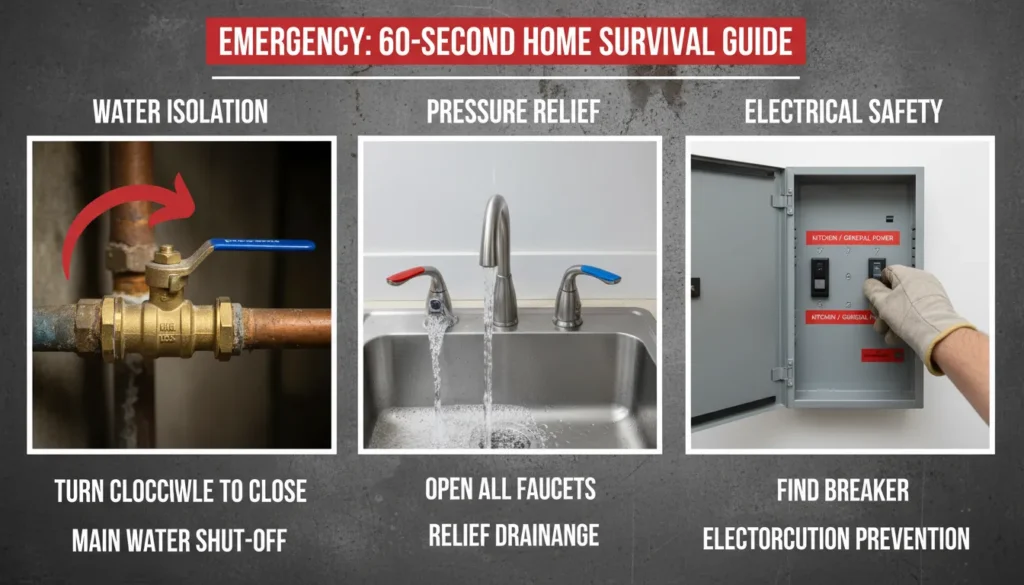
Shut off the water: Immediately turn off your main water valve to prevent further flooding.
Call a plumber: Contact a professional plumber to assess the damage and make repairs.
Document the damage: Take pictures of the water damage for insurance purposes.
Clogged Drains and Toilets
Clogged drains and toilets are common plumbing issues, but when they happen unexpectedly, they can become a plumbing emergency. A clogged toilet can create a sanitation issue, especially if it overflows. Similarly, a clogged drain can result in water backups that cause potential flooding.
What to do:
Use a plunger: For toilets and drains, start by using a plunger to attempt to clear the blockage.
Avoid using chemical cleaners: Chemical drain cleaners can damage pipes and worsen the clog.
Call a plumber: If plunging doesn’t work, contact a plumber to handle the issue, especially if it’s a persistent problem.
Water Heater Failure
A failing water heater is more than just an inconvenience; it can disrupt your daily routine, especially in cold weather. The signs of a failing water heater include no hot water, strange noises, or water leaking around the tank. Ignoring a water heater issue can result in further damage and costly repairs.
What to do:
Shut off the power or gas: Turn off the power supply to an electric water heater or shut off the gas valve to a gas water heater.
Inspect the area: Check for water around the tank to identify any leaks.
Call a plumber or technician: If the heater is leaking or not functioning, call a professional to either repair or replace the unit.
Sewage Backup
A sewage backup is one of the most unpleasant plumbing emergencies you can encounter. It occurs when waste water flows back into your home instead of draining properly. This can cause significant health hazards and property damage. The common causes of sewage backups include clogged sewer lines, broken pipes, or tree roots invading the pipes.
What to do:
Stop using plumbing fixtures: Don’t use sinks, toilets, or bathtubs to prevent further contamination.
Turn off the water: If you can, shut off the main water supply.
Call an emergency plumber: Sewage backups require immediate attention from a professional plumber who can safely address the issue and clear the lines.
How to Prevent Plumbing Emergencies
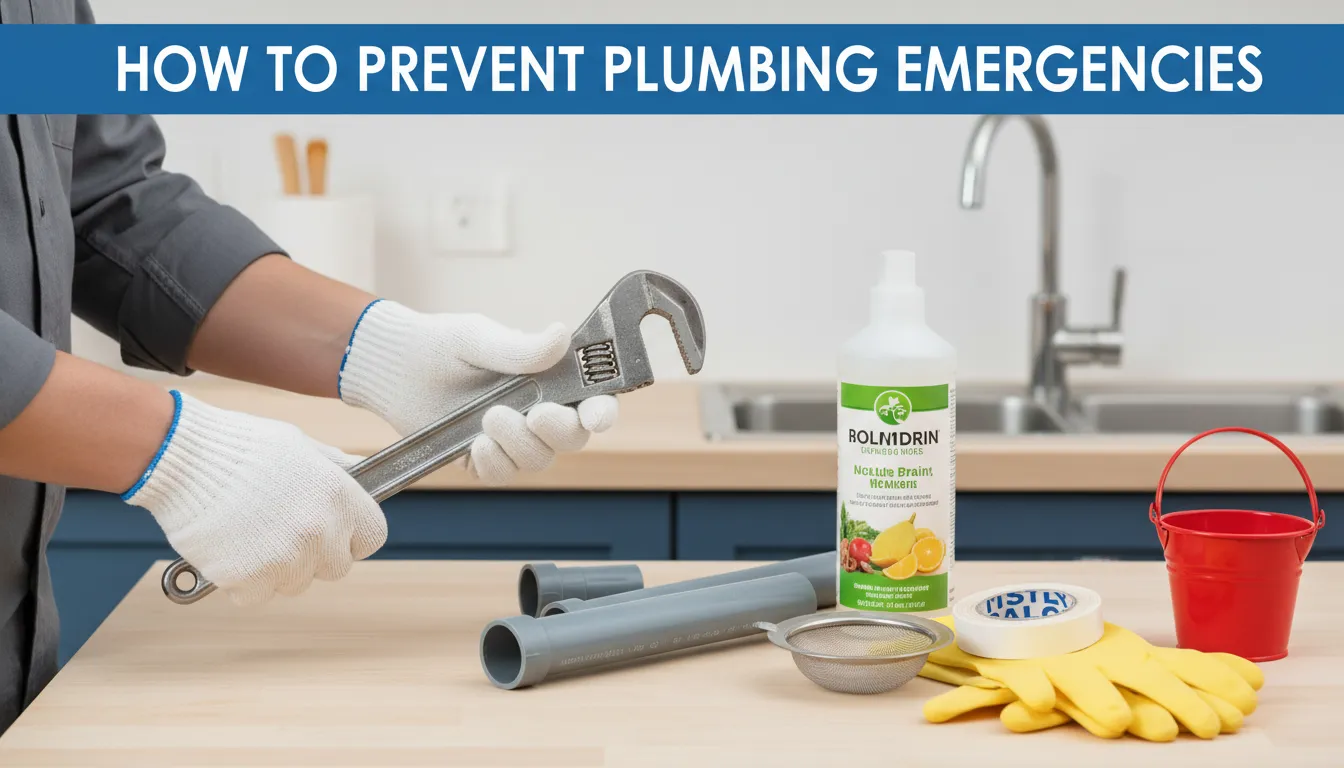
Tips to Prevent Common Plumbing Issues
While plumbing emergencies can happen unexpectedly, there are several ways to prevent common plumbing problems from turning into major issues. Regular maintenance and proactive measures can help protect your home from costly repairs and water damage.
Regular Pipe Inspections
Pipe inspections are essential to catch problems before they escalate into emergencies. Over time, pipes can develop issues like leaks, corrosion, and blockages, especially in older homes. Regular inspections by a professional plumber can identify potential weaknesses and prevent burst pipes.
What to do:
Schedule a yearly inspection: Have a licensed plumber inspect your pipes to check for signs of wear and tear.
Look for signs of leaks: Keep an eye out for water stains, rusty pipes, and wet spots on walls and ceilings.
Keep Drains Clear
A clogged drain is one of the most common plumbing issues, and they often lead to bigger problems like water backups. Preventative measures can help avoid frequent drain blockages, which can be caused by hair, grease, soap scum, and debris.
What to do:
Use drain covers: Install drain guards in sinks, bathtubs, and showers to catch debris before it enters the drain.
Avoid pouring grease: Don’t pour grease, oil, or coffee grounds down the drain, as they can solidify and cause clogs.
Use a drain cleaner: Once a month, use a natural or non-toxic drain cleaner to keep your pipes clear.
Install Water Pressure Regulators
Excessive water pressure can strain your pipes and cause them to burst. By installing a water pressure regulator, you can ensure that your plumbing system operates at the correct pressure.
What to do:
Monitor water pressure: A pressure reading of 40 to 60 psi is ideal for residential plumbing systems.
Install a pressure regulator: If your water pressure is higher than 60 psi, consider installing a regulator to prevent damage to your pipes and fixtures.
Prevent Frozen Pipes
Frozen pipes are a major concern in colder climates and can lead to pipe bursts. Taking preventive measures during winter can save you from costly repairs.
What to do:
Insulate exposed pipes: Use foam or fiberglass insulation on pipes in unheated areas like basements, attics, and crawl spaces.
Allow faucets to drip: During extreme cold, let a faucet drip to keep water flowing and prevent freezing.
Keep cabinet doors open: Open cabinet doors under sinks, especially in areas like kitchens and bathrooms, to allow warm air to circulate around the pipes.
Maintain Your Water Heater
A well-maintained water heater is less likely to fail unexpectedly. Regular maintenance, such as flushing the tank, checking the temperature, and inspecting for leaks, can extend the life of your water heater.
What to do:
Flush the tank annually: Sediment buildup can reduce the efficiency of your water heater and cause overheating. Flushing it once a year helps remove debris.
Set the thermostat correctly: Keep the water heater temperature at 120°F (49°C) to prevent scalding and reduce energy consumption.
Check for leaks: Regularly inspect the area around your water heater for signs of leaks.
Professional Plumbing Services for Emergencies
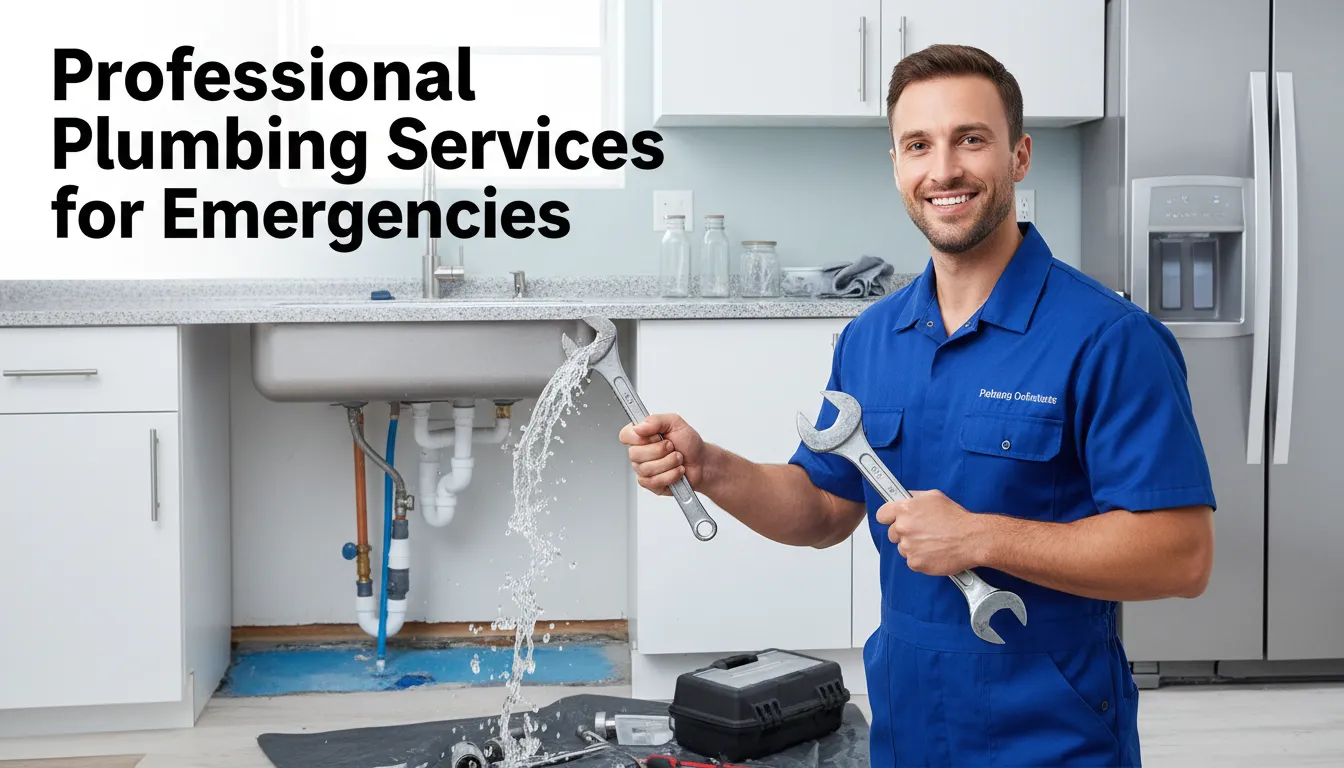
When to Call a Plumber for Emergency Repairs
While many plumbing issues can be resolved with DIY methods, some situations require professional help. In this section, we’ll guide you on when it’s time to call in a professional plumber, ensuring that the emergency is handled correctly and safely.
Significant Leaks or Burst Pipes
If you experience a significant leak or a burst pipe, it’s essential to call a plumber immediately. Water can cause extensive damage to your home, from structural damage to mold growth.
When to call a plumber:
Massive leak: If you cannot control the leak with a shutoff valve or if water is flooding your home.
Frozen pipes: If pipes are frozen and you cannot thaw them safely, contact a plumber to avoid ruptures and water damage.
Sewage Backup
A sewage backup is not just unpleasant—it’s dangerous. Contaminated water can lead to health issues and extensive property damage. If you notice sewage water backing up into your drains, it’s time to call a plumber.
When to call a plumber:
Sewage smell: A strong sewage smell around your drains or in your basement.
Clogged toilets: If all toilets in your home are clogged, this could indicate a serious blockage in the main sewer line.
No Hot Water
A lack of hot water can be more than just an inconvenience—it can disrupt your entire household. If your water heater isn’t working and the issue isn’t a simple fix (like a blown fuse or pilot light), it’s time to bring in a professional.
When to call a plumber:
No hot water: If your water heater is no longer producing hot water, especially during cold weather.
Strange noises: If your water heater is making rumbling or popping noises, it might need professional maintenance or replacement.
Persistent Clogs
While many homeowners can clear minor drain clogs themselves, some blockages are more severe and require professional tools and expertise to clear. Attempting to fix a deep clog without the proper equipment can cause further damage.
When to call a plumber:
Multiple clogged drains: If several drains are clogged simultaneously, it may indicate a blockage in the main sewer line.
Frequent clogs: If clogs reoccur regularly, it could indicate a more serious underlying issue such as root infiltration or pipe damage.
Gas Leaks
A gas leak is a serious plumbing emergency that requires immediate attention. If you smell gas, evacuate the building and call a plumber or gas company immediately. Gas leaks can lead to explosions, poisoning, or even death if not addressed quickly.
When to call a plumber:
Smell of gas: If you detect a sulfur or rotten egg odor, it’s a sign of a gas leak.
Hissing sound near gas lines: A hissing sound near gas pipes or appliances can indicate a leak.
Preventive Plumbing Maintenance to Avoid Emergencies
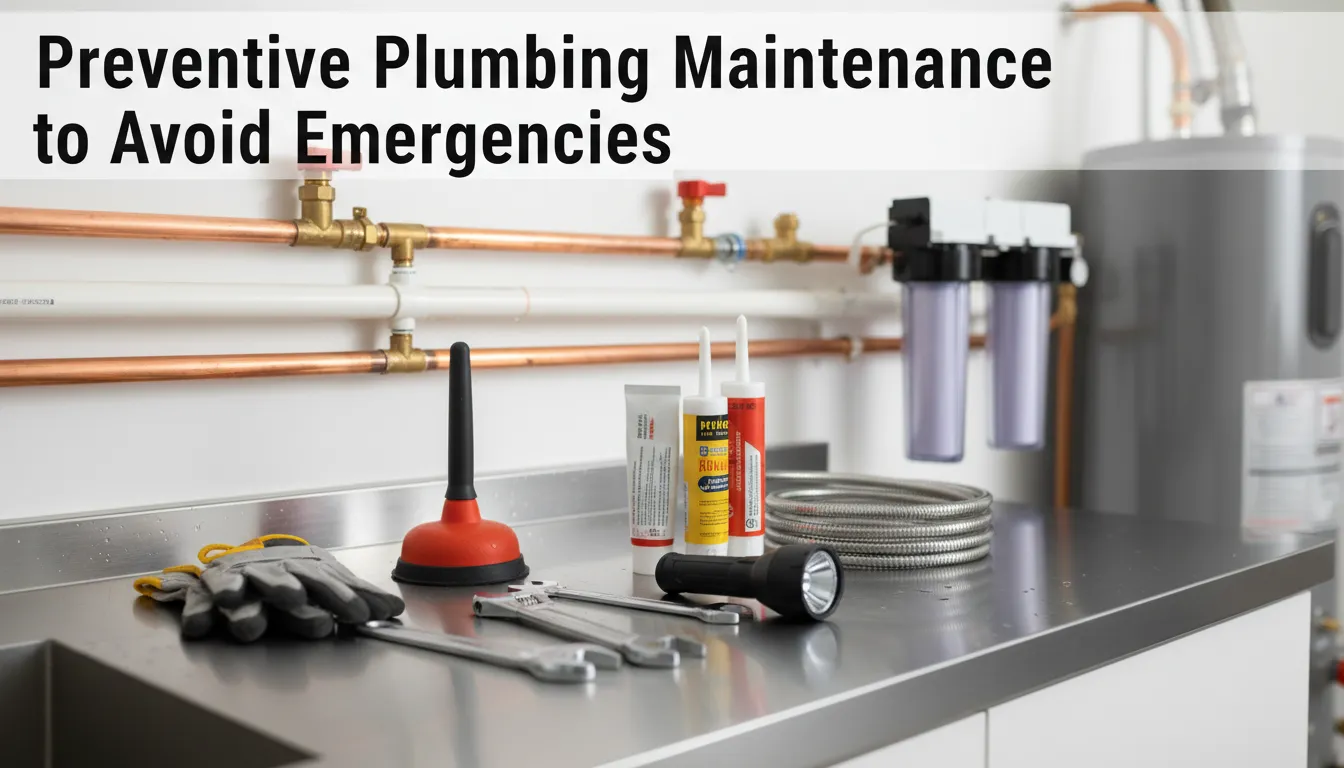
Why Preventive Plumbing Maintenance is Essential
Preventive maintenance is one of the best ways to keep your plumbing system functioning efficiently and avoid costly repairs down the line. Regular maintenance can help detect problems early, saving you both time and money.
Regular Inspection of Pipes and Fixtures
Scheduling regular plumbing inspections allows a plumber to identify potential issues like leaks, corrosion, or worn-out components before they become serious problems. Early detection can help avoid plumbing emergencies.
Preventive tips:
Check for leaks: Regularly inspect pipes for leaks, especially in areas prone to moisture like basements or attics.
Look for signs of wear: Pay attention to any visible corrosion or signs of damage around fixtures and pipes.
Cleaning Drains and Sewer Lines
Clogs often build up slowly over time, leading to blockages in drains and sewer lines. Regular drain cleaning can prevent issues like slow drainage or backed-up toilets. Professional plumbers can also inspect the sewer lines for tree root intrusion or other blockages.
Preventive tips:
Clean drains: Use natural drain cleaners or have a plumber perform regular drain cleanings to prevent blockages.
Sewer line inspections: Schedule periodic sewer line inspections to avoid root intrusion or damage to underground pipes.
Checking Water Heater for Efficiency
A well-maintained water heater will run more efficiently, providing consistent hot water and reducing energy consumption. Regular maintenance can help extend the lifespan of your water heater and avoid unexpected breakdowns.
Preventive tips:
Flush the tank: Regularly flushing your water heater can remove sediment buildup, improving its efficiency.
Check the thermostat: Ensure the thermostat is set to a safe and energy-efficient temperature (typically 120°F or 49°C).
Insulating Pipes for Cold Weather
In colder climates, frozen pipes can cause major plumbing issues like burst pipes or water damage. Insulating exposed pipes, particularly those in unheated areas, can prevent freezing and reduce the risk of expensive repairs.
Preventive tips:
Pipe insulation: Install foam or fiberglass pipe insulation around exposed pipes in areas like basements, attics, and crawl spaces.
Drip faucets: During extremely cold temperatures, let faucets drip to keep water moving through the pipes.
Testing Water Pressure
Low or high water pressure can indicate underlying plumbing issues like pipe blockages or faulty pressure regulators. Regularly testing water pressure can help detect problems early.
Preventive tips:
Check pressure regularly: Use a water pressure gauge to monitor the pressure in your home’s plumbing system.
Adjust pressure regulator: If your water pressure is consistently too high or too low, have a plumber check and adjust the pressure regulator.
Common Plumbing Emergencies and How to Handle Them
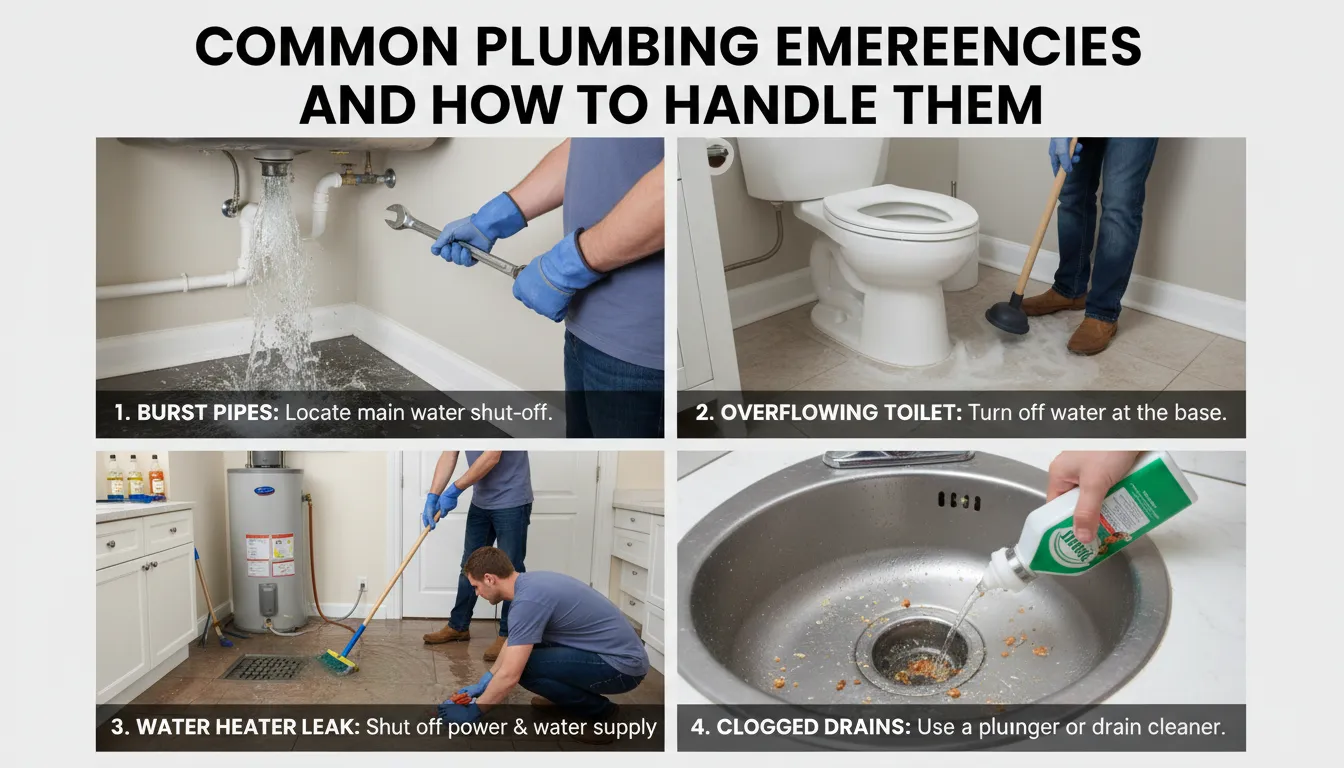
Major Plumbing Emergencies
Plumbing emergencies can occur suddenly, and knowing how to handle them can make all the difference in minimizing damage and expenses. Below are some of the most common plumbing emergencies that homeowners may face, along with tips on how to respond effectively.
Burst Pipes
A burst pipe is one of the most severe plumbing emergencies. It can cause significant water damage, especially if the pipe is in a wall or ceiling. Burst pipes often result from frozen pipes, old pipes, or excessive water pressure.
Immediate Actions:
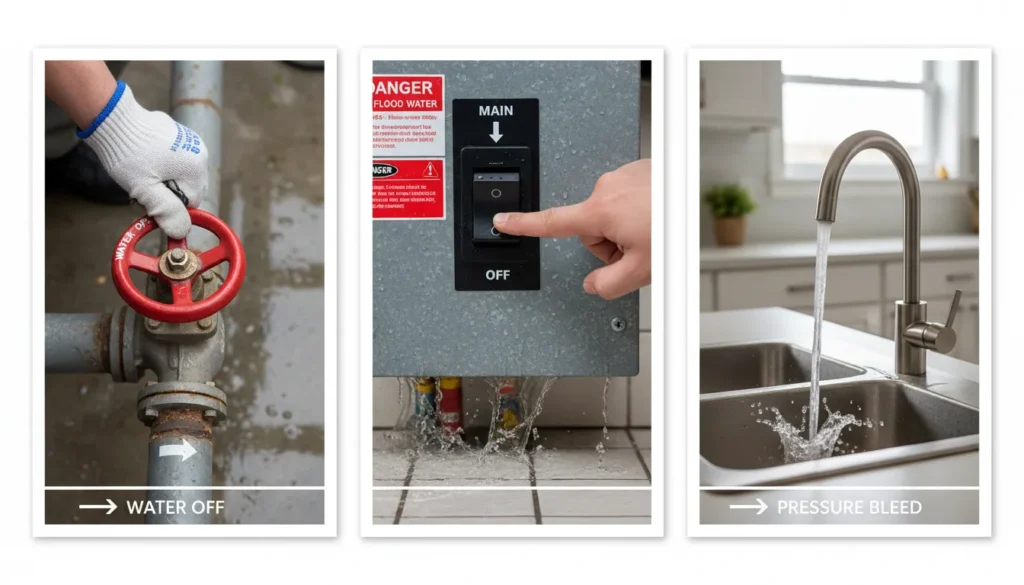
Shut off the main water valve: This stops the water supply and prevents further flooding.
Turn off the electricity: If the burst pipe is near electrical outlets or appliances, cut the power to avoid electrical hazards.
Call a plumber: Contact a professional plumber immediately to assess the damage and make repairs.
Severe Clogs
Severe clogs can occur in sinks, toilets, or shower drains, preventing the proper flow of water and causing potential overflow. Clogs can be caused by hair, soap, food waste, or foreign objects.
Immediate Actions:
Plunger: Use a plunger to try and dislodge the blockage. For toilets, make sure to use a toilet plunger (with a flange) for better suction.
Drain snake: If plunging doesn’t work, try using a drain snake to clear the pipes.
Avoid chemical drain cleaners: They may cause further damage to your pipes and fixtures.
Call a plumber: If the clog persists, a plumber can use specialized tools like a hydro-jetter to clear the blockage.
Water Heater Malfunctions
Water heater issues, like no hot water or inconsistent water temperatures, are common plumbing problems that can disrupt daily life. Water heater malfunctions can result from thermostat issues, sediment buildup, or a broken heating element.
Immediate Actions:
Check the thermostat: Ensure that the thermostat is set to the correct temperature (120°F or 49°C).
Inspect the power supply: For electric water heaters, ensure that the breaker hasn’t tripped. For gas water heaters, check if the pilot light is on.
Call a plumber: If the water heater is still malfunctioning, it may need professional repairs or replacement.
Leaking Faucets
A leaking faucet may seem like a minor inconvenience, but over time, it can waste a significant amount of water and increase your utility bills. Common causes include worn-out washers, seals, or gaskets.
Immediate Actions:
Turn off the water supply: If the faucet is leaking excessively, turn off the water supply to the fixture.
Replace washers: If you’re familiar with basic plumbing, you can try replacing the worn-out washers or seals yourself.
Call a plumber: For more complex issues, like a faulty valve, call a plumber to fix the leak.
Running Toilets
A running toilet can waste up to 200 gallons of water per day, leading to high water bills and potential water damage. Common causes include faulty flapper valves, fill valves, or float mechanisms.
Immediate Actions:
Shut off the water supply: Locate the water shutoff valve behind the toilet and turn it off to stop the flow of water.
Check the flapper: Lift the lid of the toilet tank and check if the flapper is sealing properly. If it’s damaged, replace it.
Call a plumber: If the issue persists, call a plumber to inspect the flush valve and the toilet’s internal components.
Flooded Basement or Crawlspace
Flooding in basements or crawlspaces can be caused by plumbing leaks, sump pump failure, or excessive rain. This can lead to extensive water damage, mold growth, and structural issues.
Immediate Actions:
Turn off the main water valve: This prevents any additional water from entering the system.
Use a sump pump: If you have a sump pump, turn it on to pump out the water. If the pump isn’t working, consider manually removing the water with a wet-dry vacuum.
Call a plumber: If the cause of the flooding is a plumbing issue, contact a plumber immediately.
Preventative Measures for a Safe and Efficient Plumbing System
Plumbing emergencies are often preventable with the right maintenance practices. By staying on top of routine checks and taking simple precautions, you can extend the lifespan of your plumbing system and avoid costly repairs. Below are some essential preventative measures to help you keep your plumbing in good working order.
Regular Pipe Inspections
Regular inspections are key to identifying potential issues before they become major problems. This is especially important for older homes where pipes may be more susceptible to leaks and bursts. Scheduling an annual plumbing inspection with a professional plumber can help catch problems early, such as corrosion, mineral buildup, or faulty joints.
Prevention Tips:
Schedule professional inspections annually, especially in areas with extreme temperatures.
Look for early signs of leaks, such as wet spots on walls, ceilings, or floors.
Check water pressure: If it’s too high, it can cause pipes to burst. Have a plumber check and regulate the pressure if necessary.
Insulate Pipes
Insulating your pipes is a cost-effective way to prevent plumbing issues in winter. Frozen pipes are a common cause of burst pipes, and insulating them helps protect them from freezing in cold weather. This is particularly important for pipes in unheated areas like attics, basements, and crawlspaces.
Prevention Tips:
Use foam pipe insulation for exposed pipes in areas prone to freezing.
Keep the thermostat set to a consistent temperature during cold weather to prevent sudden drops that can cause pipes to freeze.
Let faucets drip during extremely cold temperatures to keep water moving and reduce the chances of freezing.
Avoid Chemical Drain Cleaners
While chemical drain cleaners may seem like a quick fix for clogged drains, they can cause more harm than good in the long run. These harsh chemicals can erode pipes, leading to leaks or burst pipes. Instead, use safer alternatives, such as a plunger or drain snake, to clear blockages.
Prevention Tips:
Avoid using chemical drain cleaners; opt for safer, natural alternatives like a mixture of baking soda and vinegar.
Install drain catchers in sinks and tubs to prevent debris from clogging the drains.
Regularly clean your drains using natural products to keep them free of buildup.
Install a Water Softener
Hard water can lead to a buildup of mineral deposits in pipes and appliances, causing clogs, reduced water flow, and damage to your plumbing system. Installing a water softener can prevent this mineral buildup and extend the lifespan of your plumbing.
Prevention Tips:
Install a water softener if you live in an area with hard water.
Clean faucets and showerheads regularly to remove mineral deposits.
Flush water heaters annually to remove sediment buildup.
Know Where Your Main Water Shutoff Valve Is
In the event of a plumbing emergency, knowing where your main water shutoff valve is located can save you from significant water damage. It’s essential to shut off the water supply quickly to prevent further flooding and minimize damage.
Prevention Tips:
Locate the main water shutoff valve and ensure everyone in the household knows how to turn it off.
Test the valve periodically to ensure it’s working correctly and that it can be easily turned when needed.
Consider installing a smart water shutoff system that can detect leaks and automatically shut off the water supply.
Regularly Maintain Water Heater
Water heaters are prone to wear and tear over time. Sediment buildup in the tank can cause the heater to overheat and eventually fail. Regular maintenance of your water heater can help it run more efficiently and prevent emergencies like leaks or no hot water.
Prevention Tips:
Flush the water heater annually to remove sediment buildup.
Check the temperature setting to ensure it’s not too high (120°F is ideal).
Inspect the anode rod: Replace it when it’s heavily corroded to prevent rust buildup in the tank.
Seal Leaks Promptly
Even small leaks in your plumbing can lead to big problems if left unaddressed. Over time, leaks can cause water damage, mold growth, and high water bills. It’s important to repair leaks as soon as they’re discovered.
Prevention Tips:
Check for leaks regularly around faucets, pipes, and appliances.
Seal cracks in the foundation to prevent water from entering your home.
Fix minor leaks with plumber’s tape or caulk until you can get a professional plumber to make a more permanent repair.
How to Handle Plumbing Emergencies Like a Pro
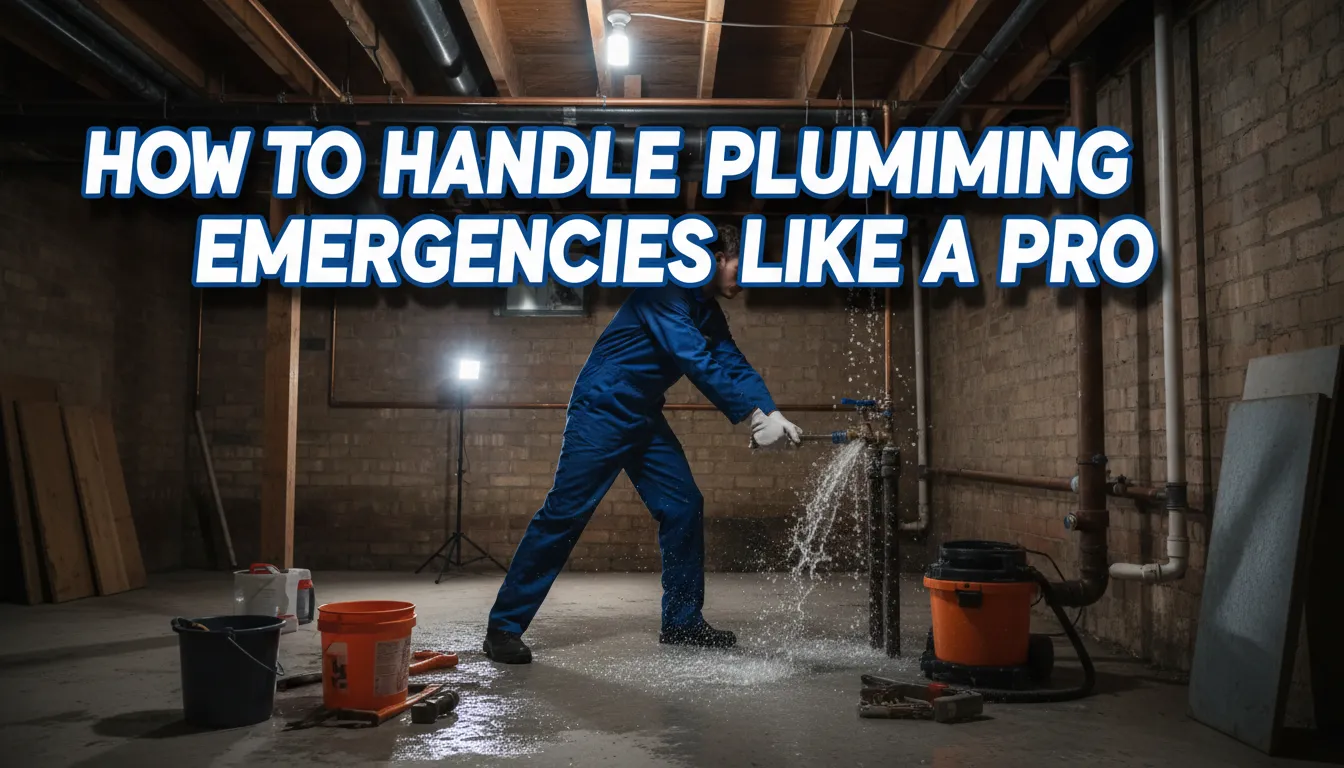
Immediate Actions to Take When a Plumbing Emergency Strikes
Plumbing emergencies can strike at any time, and how you react in those crucial first moments can make all the difference in minimizing damage and reducing repair costs. Knowing what to do before the plumber arrives can prevent further complications and ensure the situation is under control.
Shut Off the Water Supply
The first and most important step when dealing with a plumbing emergency is to turn off the water supply. This action helps to prevent flooding, water damage, and mold growth while you address the issue. Depending on the location of the emergency, you may need to shut off the water at different points.
Steps to Take:
Locate your main water shutoff valve. This is usually found near the water meter or where the water line enters your home.
Turn off the valve completely. If the valve is hard to turn or stuck, you can use a wrench, but be careful not to damage it.
If the emergency is localized (e.g., a leaky faucet or burst pipe), shut off the water to that specific fixture or appliance.
Identify the Source of the Problem
Once the water supply is shut off, assess the situation to identify the source of the emergency. Knowing the exact cause will help you explain the issue to a plumber and may help you determine if temporary repairs can be made.
Common Plumbing Emergencies and How to Identify Them:
Leaking Pipes: Check for visible leaks, damp spots, or water stains on walls, ceilings, or floors.
Clogged Drains: Slow drainage, water backing up, or unpleasant odors are signs of a clogged drain.
Running Toilet: A toilet that continues to run even after flushing can lead to high water bills and wasted water.
Water Heater Failure: If there’s no hot water or you hear strange noises from your water heater, it could be malfunctioning.
Contain Water Damage
In cases of significant water leaks, you’ll need to act quickly to minimize water damage to floors, furniture, and valuables. By containing the water, you can prevent long-term issues such as mold growth or warping of wood.
Steps to Contain the Damage:
Use towels, mops, or buckets to soak up standing water.
Move valuable items away from the affected area to prevent damage.
Use a wet/dry vacuum if available to remove excess water quickly.
Call a Professional Plumber
While you may be able to handle minor emergencies on your own, most plumbing problems require the expertise of a licensed plumber. When you call a professional, be prepared to provide them with as much information as possible about the situation.
What to Tell the Plumber:
Describe the problem clearly: Let them know if it’s a burst pipe, clogged drain, or another issue.
Tell them if you’ve shut off the water: This will help them prepare for the job when they arrive.
Mention any previous issues: If the problem has occurred before or there are related issues, inform the plumber so they can take it into account.
Temporary Fixes for Common Plumbing Emergencies
While waiting for a professional plumber, you may be able to implement some temporary fixes to stop the problem from worsening. These solutions won’t be permanent, but they can help prevent further damage.
Temporary Fixes for Common Plumbing Emergencies:
For Leaking Pipes: Use pipe tape or a rubber patch (secured with hose clamps) as a temporary fix until the plumber arrives.
For Clogged Drains: Try using a plunger or a drain snake to clear minor clogs. For more severe clogs, avoid using chemical drain cleaners as they can damage pipes.
For Running Toilets: Jiggle the flush handle or remove the tank lid to manually adjust the valve. This may stop the toilet from running temporarily until a plumber can fix it properly.
Prevent Future Plumbing Emergencies
Once the immediate emergency is dealt with, take steps to prevent similar issues from happening again. Regular maintenance, timely repairs, and the right preventative measures can reduce the risk of future emergencies and prolong the life of your plumbing system.
Preventative Measures:
Schedule annual plumbing inspections to catch issues early.
Use drain strainers to prevent hair and debris from clogging drains.
Install water pressure regulators to prevent pipes from bursting due to high water pressure.
Replace old, worn-out pipes to avoid corrosion and leaks in the future.
The Importance of Regular Plumbing Maintenance and Inspections
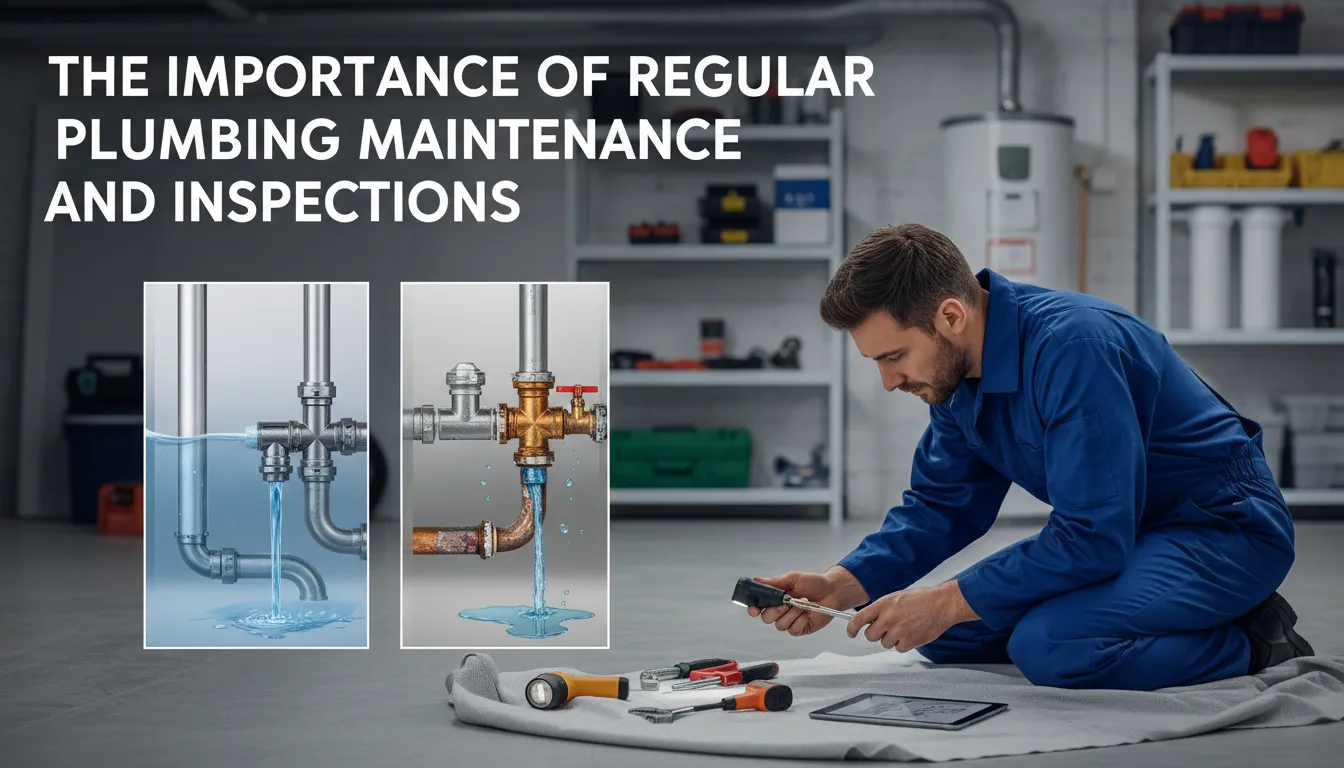
Why Regular Plumbing Maintenance Matters
Plumbing systems are vital to the comfort and safety of your home or business. However, many plumbing issues often go unnoticed until they become serious problems. Regular plumbing maintenance helps prevent costly repairs, improves water efficiency, and ensures your plumbing system functions smoothly.
Prevent Expensive Repairs with Routine Inspections
Routine plumbing inspections can save you money by identifying minor issues before they escalate into major problems. For example, a small leak in a pipe that goes undetected for months could eventually lead to water damage, mold, and high repair costs. A professional plumber can spot early signs of wear, corrosion, or leaks that might not be visible to an untrained eye.
Key Benefits of Regular Plumbing Inspections:
Early Detection of Problems: Small leaks, corrosion, and pipe blockages can be caught early.
Increased Lifespan of Plumbing Fixtures: Regular maintenance extends the life of pipes, faucets, and water heaters.
Prevents Emergency Situations: Identifying problems before they become emergencies reduces the need for urgent plumbing services.
Key Areas to Inspect During a Plumbing Checkup
During a plumbing inspection, professionals check several key areas of your plumbing system to ensure everything is functioning properly. This includes both visible and hidden elements that can contribute to your plumbing’s overall health.
What Plumbers Check During Inspections:
Pipes and Drains: Inspecting pipes for leaks, cracks, or signs of corrosion. Checking drains for clogs or slow drainage.
Water Heater: Checking for any build-up, leaks, or temperature inconsistencies in your water heater.
Toilets and Faucets: Ensuring there are no running toilets, leaking faucets, or hidden water waste.
Sump Pump: Verifying that the sump pump works correctly to avoid basement flooding during heavy rain.
Water Pressure: Measuring the water pressure to make sure it’s within the proper range to avoid strain on pipes and appliances.
How Often Should You Have Your Plumbing System Inspected?
The frequency of plumbing inspections depends on several factors, including the age of your plumbing system and the water quality in your area. On average, homeowners should schedule a plumbing inspection every 1 to 2 years. However, if you live in an older home or have had plumbing issues in the past, more frequent inspections may be necessary.
When to Schedule a Plumbing Inspection:
Annually: Ideal for most homes to catch early signs of wear.
Every 6 Months: For homes with older plumbing or problematic water quality.
After Major Plumbing Work: Schedule an inspection after a renovation or installation of new plumbing systems.
What a Plumbing Inspection Includes
A thorough plumbing inspection involves checking both the visible and hidden components of your plumbing system. A professional plumber will use specialized tools, like video cameras and pressure gauges, to inspect your pipes, water heater, and other plumbing fixtures. This detailed inspection ensures no area is overlooked.
What You Can Expect During a Plumbing Inspection:
Camera Inspections: High-tech cameras are inserted into pipes to check for leaks, cracks, or blockages.
Pressure Testing: Plumbers check water pressure and test drainage systems to ensure they are functioning correctly.
Water Quality Testing: Some inspections include testing the water quality to ensure it’s safe for consumption and free of contaminants.
Preventative Plumbing Maintenance Tips
In addition to regular inspections, there are several simple maintenance tasks that homeowners can perform themselves to help prevent plumbing issues.
Easy Plumbing Maintenance Tips:
Inspect for Leaks: Regularly check your water meter and plumbing fixtures for any signs of leakage.
Clean Drains Regularly: Use non-toxic cleaners or a plunger to prevent build-up in drains.
Insulate Pipes: In cold climates, make sure your pipes are insulated to prevent freezing during the winter months.
Monitor Water Pressure: Install a water pressure gauge to keep track of water pressure and avoid stressing your plumbing system.
The Role of Professional Plumbers in Regular Maintenance
While DIY maintenance can go a long way, hiring a professional plumber for regular maintenance ensures a more thorough job. Certified plumbers have the expertise and tools to detect hidden issues and prevent potential emergencies.
Why Hire a Professional for Plumbing Maintenance:
Expertise: Plumbers can identify issues you may not notice and offer solutions to fix them.
Advanced Equipment: Professionals have access to advanced tools for more accurate inspections and repairs.
Peace of Mind: Knowing that a professional is taking care of your plumbing reduces the risk of emergencies.
How Plumbing Upgrades Can Improve Efficiency and Save Money
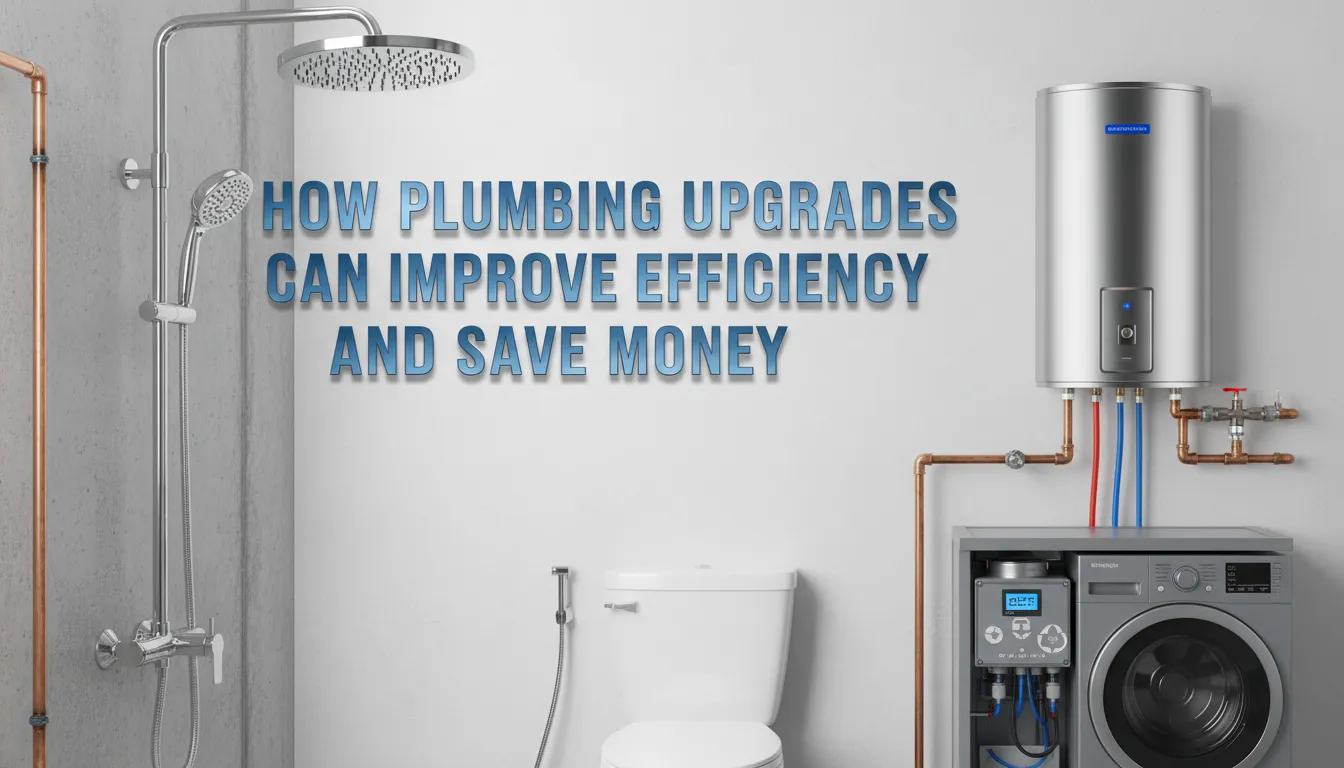
The Role of Plumbing Upgrades in Home Efficiency
Plumbing upgrades are more than just a way to improve the look or functionality of your home—they are key to making your plumbing system more efficient and cost-effective. Whether it’s installing a new water heater, updating pipes, or adding water-saving fixtures, these upgrades help reduce water wastage, lower utility bills, and enhance the overall performance of your plumbing system.
Benefits of Upgrading to Energy-Efficient Plumbing Fixtures
One of the easiest ways to save money on your water bill is by upgrading to energy-efficient plumbing fixtures. Modern plumbing fixtures, such as low-flow faucets, dual-flush toilets, and water-efficient showerheads, use significantly less water than older models, reducing your water consumption without sacrificing performance.
Examples of Energy-Efficient Plumbing Fixtures:
Low-Flow Faucets and Showerheads: These fixtures use less water while still providing strong water pressure.
Dual-Flush Toilets: Dual-flush toilets offer two options for flushing: one for liquid waste and another for solid waste, allowing for better water conservation.
Water-Efficient Dishwashers and Washing Machines: Appliances designed to use less water while still providing excellent cleaning performance.
Replacing Old Pipes for Better Water Flow and Quality
Old, corroded pipes can reduce water flow, cause leaks, and introduce contaminants into your drinking water. Upgrading to modern materials like PEX or copper pipes improves water pressure, reduces the risk of leaks, and enhances water quality.
Signs You Need to Replace Your Pipes:
Low Water Pressure: Decreased water flow from faucets or showers may indicate that your pipes are clogged or corroded.
Rusty Water: If you notice brown or rusty water coming from your taps, it’s likely a sign of corroded pipes.
Frequent Leaks: Older pipes are more prone to cracking and leaking, leading to water damage in your home.
Benefits of Pipe Replacement:
Improved Water Pressure: New pipes allow for better water flow, making your plumbing system more efficient.
Cleaner Water: Modern pipes do not corrode, ensuring cleaner water that won’t affect the taste or quality.
Reduced Risk of Leaks: New pipes are less likely to leak or burst, preventing water damage and expensive repairs.
Upgrading Your Water Heater for Better Efficiency
An outdated water heater can consume a lot of energy and drive up your utility bills. Upgrading to a modern, energy-efficient water heater can reduce energy consumption, save you money, and provide hot water faster.
Types of Energy-Efficient Water Heaters:
Tankless Water Heaters: These on-demand water heaters heat water only when you need it, providing hot water without the energy waste associated with traditional storage water heaters.
Heat Pump Water Heaters: These water heaters use electricity to move heat from the air to the water, making them much more efficient than conventional electric water heaters.
Solar Water Heaters: Solar-powered water heaters use the sun’s energy to heat water, providing a sustainable and cost-effective solution for hot water.
Advantages of Upgrading Your Water Heater:
Lower Utility Bills: Energy-efficient water heaters consume less power, which leads to lower monthly energy costs.
Endless Hot Water: Tankless water heaters provide continuous hot water without the need for a storage tank.
Environmental Impact: Energy-efficient water heaters reduce your home’s carbon footprint by using less energy.
The Impact of Smart Plumbing Devices
Smart plumbing technology is revolutionizing home water management. From smart water leak detectors to Wi-Fi-enabled water heaters, these innovations make it easier to monitor and manage your plumbing system from anywhere, leading to better efficiency and fewer plumbing issues.
Popular Smart Plumbing Devices:
Smart Water Leak Detectors: These devices alert you to leaks before they become major problems, reducing the risk of water damage.
Smart Water Heaters: Wi-Fi-enabled water heaters allow you to control your water temperature remotely, helping to reduce energy use when the water heater isn’t in use.
Smart Irrigation Systems: These systems automatically adjust watering schedules based on weather data, ensuring you don’t waste water on unnecessary irrigation.
Cost of Plumbing Upgrades and How to Budget for Them
While plumbing upgrades can provide significant long-term savings, it’s important to understand the initial costs. The price of upgrading depends on the type of upgrade, the size of your home, and the complexity of the project.
Factors That Affect the Cost of Plumbing Upgrades:
Scope of the Project: Large projects, such as replacing entire plumbing systems or installing a new water heater, can be more expensive than smaller upgrades, like installing low-flow faucets.
Materials: High-quality materials, such as copper pipes or tankless water heaters, tend to be more expensive but offer better durability and energy efficiency in the long run.
Labor Costs: Labor costs vary depending on the complexity of the installation and the plumber’s hourly rate.
Tips for Budgeting for Plumbing Upgrades:
Prioritize Urgent Upgrades: If your pipes are old and corroded, replacing them should be a priority to avoid water damage.
Research Energy-Efficient Options: Invest in energy-efficient fixtures and appliances that will pay for themselves over time through lower utility bills.
Get Multiple Quotes: Contact several plumbers to get quotes and ensure you’re getting the best deal for your upgrade.
How Plumbing Maintenance Enhances Long-Term Home Value
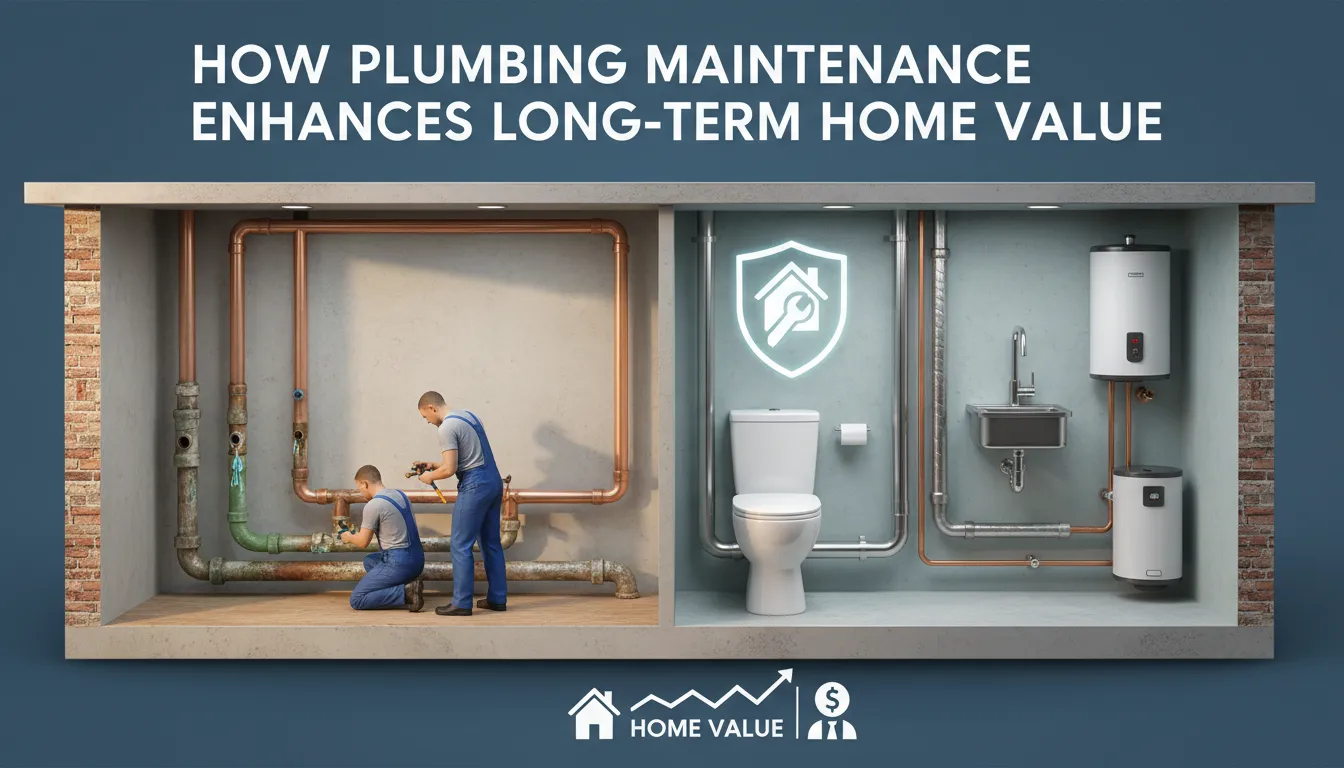
The Importance of Regular Plumbing Maintenance
Plumbing maintenance is essential to preserving the value and integrity of your home. While many homeowners focus on cosmetic improvements, ensuring your plumbing system is in good working order can prevent expensive repairs, improve efficiency, and maintain the value of your property.
Preventing Costly Plumbing Repairs
Regular plumbing maintenance helps identify and address small issues before they become costly problems. For example, a simple leak that is caught early can prevent significant water damage, mold growth, and expensive structural repairs.
Benefits of Preventive Maintenance:
Catching Small Problems Early: Plumbing inspections can identify minor leaks, rust, or clogging before they cause severe damage.
Avoiding Emergency Repairs: Routine maintenance can help avoid emergency plumbing repairs, which can often be expensive and disruptive.
Extending the Life of Plumbing Fixtures: Proper maintenance ensures that your pipes, water heater, and fixtures last longer, reducing the need for premature replacements.
How Plumbing Inspections Contribute to Home Value
Routine plumbing inspections by a professional plumber can identify areas of concern such as aging pipes, inefficient water heaters, or improperly installed fixtures. By addressing these issues promptly, you improve the overall efficiency and value of your home.
Why Inspections Matter:
Buyer Confidence: If you’re selling your home, knowing that the plumbing system is in good condition adds value and gives potential buyers confidence.
Preventative Measures: Regular inspections help prevent major plumbing issues that could cause significant damage, saving you money in the long run.
Plumbing Maintenance and Water Efficiency
Another important aspect of plumbing maintenance is improving water efficiency. Over time, plumbing systems can become less efficient, leading to increased water consumption and higher utility bills. Upgrading fixtures or addressing minor leaks during routine maintenance can help save water and reduce costs.
Water-Saving Tips During Maintenance:
Fixing Leaks: Even a small drip can waste gallons of water each day. Plumbing maintenance helps catch and fix leaks promptly.
Upgrading to Low-Flow Fixtures: Replacing older fixtures with low-flow models can significantly reduce water usage.
Cleaning Aerators and Showerheads: Regularly cleaning aerators and showerheads can prevent blockages and help maintain optimal water flow.
The Role of Plumbing Maintenance in Preserving Home Value
Maintaining your plumbing system has a direct impact on your home’s resale value. Buyers are often concerned about the potential for plumbing issues, and a well-maintained system provides peace of mind. In addition, new plumbing upgrades or a well-functioning system can increase your home’s market value.
How Plumbing Affects Home Value:
Increased Curb Appeal: A home with modern, efficient plumbing systems can stand out in the market.
Attractive to Buyers: A well-maintained plumbing system indicates to buyers that the home has been cared for, making it more desirable.
Improved Home Efficiency: Energy-efficient plumbing systems contribute to a home’s overall sustainability, which is increasingly important to modern buyers.
Budget-Friendly Plumbing Maintenance Solutions
Maintaining your plumbing doesn’t have to be expensive. Simple tasks like replacing old washers, cleaning drains, or inspecting the water heater can be done affordably and can significantly extend the lifespan of your plumbing system.
Affordable Maintenance Solutions:
DIY Tasks: Many plumbing maintenance tasks, such as cleaning drain traps or replacing faucet washers, can be done by homeowners without professional help.
Hiring a Professional: For more complex tasks, like inspecting pipes or water heaters, a professional plumber can provide expert assistance at an affordable rate.
Cost-Effective Maintenance Tips:
Schedule Annual Inspections: Set aside a small budget for an annual plumbing inspection to prevent costly repairs down the line.
Monitor Water Usage: Keep track of your water usage and be mindful of any increases in consumption that could indicate leaks or inefficiencies.
By incorporating plumbing maintenance into your home care routine, you can ensure that your plumbing system stays efficient, save money on water bills, and increase the long-term value of your home. Whether through regular inspections, minor repairs, or water-saving upgrades, proper plumbing maintenance is an investment in your home’s future.
The Environmental Benefits of Plumbing Maintenance
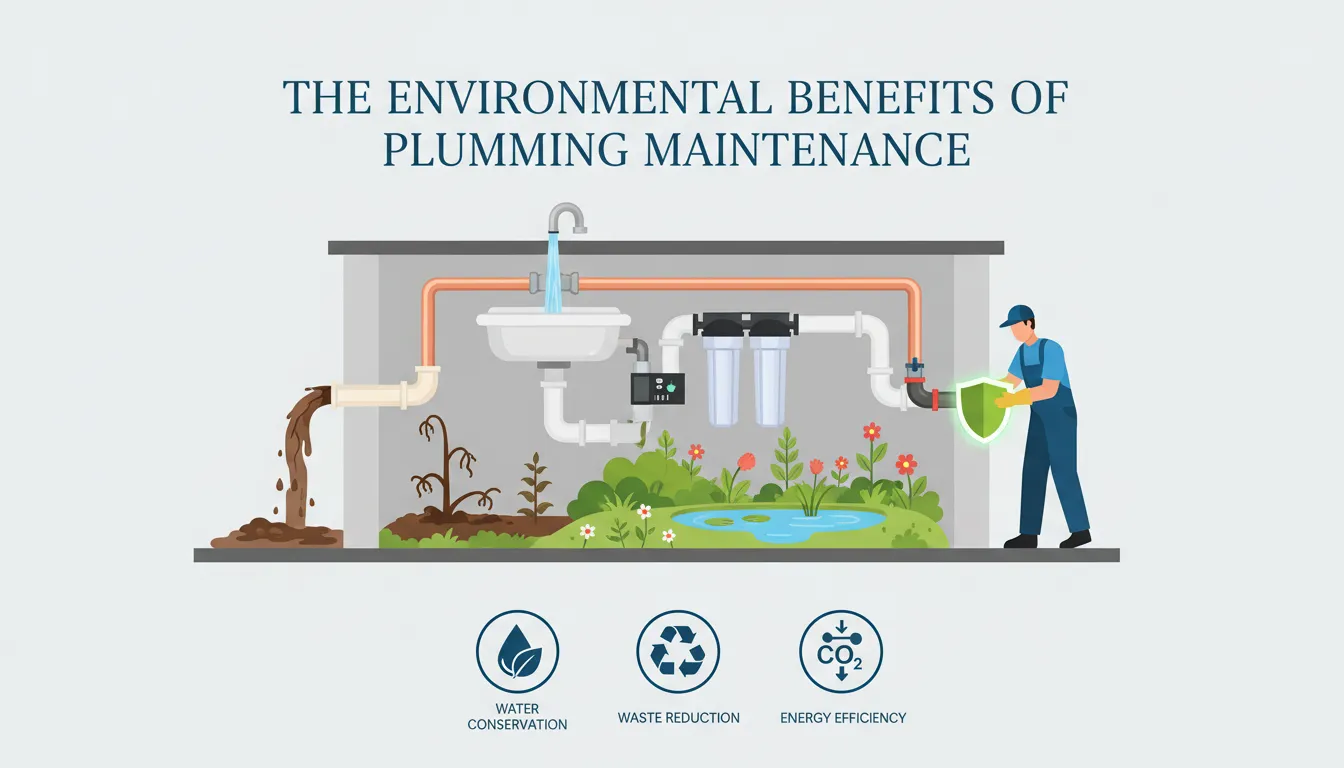
Reducing Water Waste Through Plumbing Care
One of the most significant environmental benefits of regular plumbing maintenance is the reduction in water waste. Leaky pipes, inefficient fixtures, and outdated systems can contribute to substantial water loss, which not only increases your water bills but also puts unnecessary strain on the environment.
Fixing Leaks to Conserve Water
Small leaks, if left untreated, can waste gallons of water each day. According to the U.S. Environmental Protection Agency (EPA), household leaks can account for over 1 trillion gallons of water wasted annually in the United States. Routine plumbing maintenance helps identify and fix these leaks early, preventing unnecessary water wastage.
How Leaks Impact Water Conservation:
Dripping Faucets: A dripping faucet can waste more than 3,000 gallons of water per year, enough to fill a small pool.
Toilet Leaks: Even a small, silent toilet leak can waste up to 200 gallons of water a day.
Irrigation System Leaks: Leaky outdoor plumbing can waste large amounts of water, especially when it goes unnoticed.
Water-Efficient Fixtures and Appliances
Installing water-efficient fixtures and appliances is an essential part of plumbing maintenance. Upgrading to low-flow toilets, faucets, showerheads, and water heaters helps reduce overall water consumption, which is a significant step towards a more sustainable lifestyle.
Benefits of Water-Efficient Fixtures:
Low-Flow Toilets: Use less water per flush while still providing excellent performance, significantly reducing water consumption.
Water-Saving Showerheads: High-efficiency showerheads reduce the amount of water used without sacrificing water pressure, saving both water and energy.
Efficient Faucets: Water-saving faucets are designed to provide adequate flow while using significantly less water than traditional fixtures.
Preventing Backflow and Protecting Water Quality
Another crucial aspect of plumbing maintenance is preventing backflow. Backflow occurs when contaminated water flows back into the clean water supply, which can lead to severe health risks. Regular maintenance, such as installing and inspecting backflow prevention devices, ensures that your home’s water supply remains clean and safe.
Preventing Contaminants from Entering the Water Supply:
Backflow Preventers: Devices that stop contaminated water from flowing backward into your clean water supply.
Cross-Connection Control: Ensures that no physical link exists between safe water and potentially hazardous water.
Regular Inspections: Annual inspections of backflow preventers and water systems ensure that there is no risk of contamination.
Reducing Energy Consumption with Efficient Water Heating Systems
Water heating is one of the largest energy expenses in most homes. Regular maintenance of your water heater not only extends its lifespan but also ensures that it operates efficiently, reducing energy consumption and lowering carbon emissions.
Energy-Efficient Water Heating Tips:
Tank Insulation: Insulating your water heater can prevent heat loss, reducing the amount of energy needed to heat water.
Temperature Settings: Setting your water heater to the optimal temperature (120°F) can save energy while still providing comfortable hot water.
Flushing the Tank: Flushing your water heater annually removes sediment buildup, which can improve efficiency and reduce energy consumption.
Plumbing Maintenance and Sustainable Water Management
Routine plumbing maintenance can contribute to a sustainable water management strategy by minimizing leaks, reducing water usage, and preventing the contamination of clean water sources. By staying proactive in maintaining your plumbing, you help conserve one of our most precious resources—water.
Sustainable Plumbing Practices:
Rainwater Harvesting: Install systems to collect and use rainwater for irrigation and non-potable uses, reducing the demand on municipal water supplies.
Greywater Systems: Use greywater (wastewater from sinks, showers, and laundry) for landscaping or other non-potable uses, further conserving water.
Smart Water Monitoring: Install water monitoring systems that alert you to leaks and high usage, allowing you to take immediate action to prevent wastage.
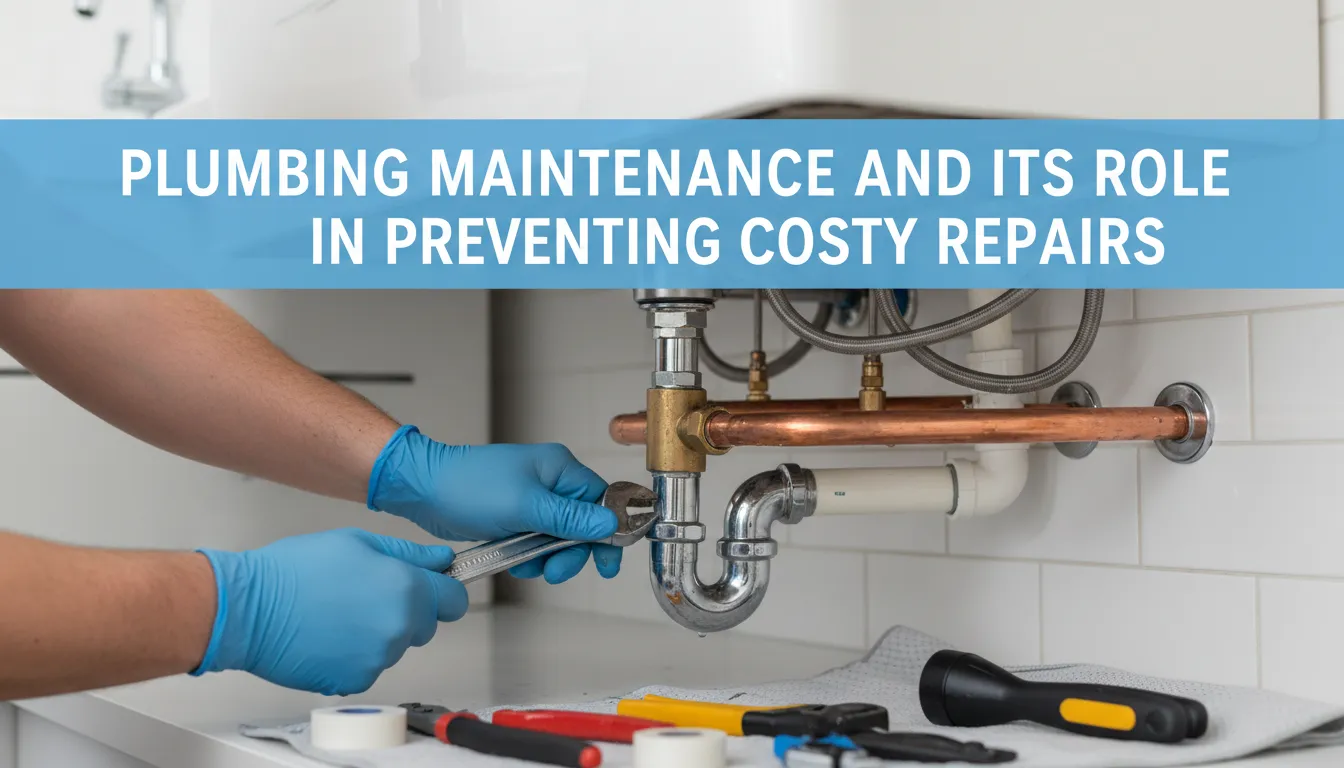
Plumbing Maintenance and Its Role in Preventing Costly Repairs
Why Plumbing Maintenance Saves You Money
Regular plumbing maintenance is one of the best ways to avoid unexpected and expensive plumbing repairs. By staying proactive with routine checks and repairs, homeowners can identify issues early before they escalate into more significant, costly problems.
Preventing Leaks and Water Damage
Water damage is one of the leading causes of expensive home repairs. Leaky pipes, faucets, and fixtures can cause mold growth, structural damage, and the deterioration of drywall and flooring. Plumbing maintenance helps detect and fix leaks before they cause significant water damage.
How Leaks Lead to Expensive Repairs:
Hidden Leaks: Leaks inside walls or under floors can go unnoticed until they have caused extensive damage.
Flooding: Burst pipes or failed fixtures can result in flooding, leading to significant repair costs for damaged furniture, floors, and electrical systems.
Mold Growth: Unchecked water damage can result in mold and mildew growth, which may require professional mold remediation services.
Extending the Lifespan of Plumbing Systems and Fixtures
By maintaining your plumbing system, you can extend the life of your pipes, fixtures, and appliances. This reduces the need for expensive replacements and ensures that your plumbing works efficiently for years to come.
How Maintenance Increases Lifespan:
Cleaning and Inspection: Regular cleaning of pipes and drains, along with annual inspections, ensures that minor issues don’t grow into major ones that require costly replacements.
Water Heater Maintenance: Flushing your water heater regularly prevents sediment buildup, which can reduce its lifespan and efficiency.
Replacing Worn-Out Parts: Catching worn-out washers, seals, or hoses early allows you to replace them before they cause major issues like leaks or system failures.
Avoiding Emergency Plumbing Costs
Emergency plumbing services can be significantly more expensive than scheduled maintenance. A clogged drain or a running toilet might seem like minor issues, but if left unchecked, they could escalate into more serious and costly problems. Regular maintenance allows you to identify and fix these problems before they require emergency attention.
How Emergency Repairs Can Break Your Budget:
After-Hours Charges: Emergency plumbing repairs typically come with premium fees, especially if the issue occurs during off-hours, weekends, or holidays.
Unforeseen Damage: Emergencies like burst pipes or backed-up sewage can result in costly repairs to floors, walls, and furniture.
Major Disruptions: Plumbing emergencies can disrupt your daily life and require immediate action, often leading to higher repair costs due to rushed service.
Identifying Potential Issues Before They Escalate
Regular plumbing inspections help identify minor issues before they develop into larger, more expensive problems. For example, a slow drain or slightly leaky faucet may seem harmless but could be signs of bigger issues such as clogged pipes or a failing water heater.
Key Areas to Inspect:
Drainage Issues: Slow-draining sinks or bathtubs can indicate clogs in your pipes or drains, which, if not addressed, could cause backups and costly damage.
Water Pressure: Low water pressure can be a sign of a hidden leak or mineral buildup in your pipes, which can eventually lead to pipe bursts or corrosion.
Pipe Corrosion: Regularly checking pipes for signs of rust, corrosion, or leaks helps prevent the need for expensive repiping projects.
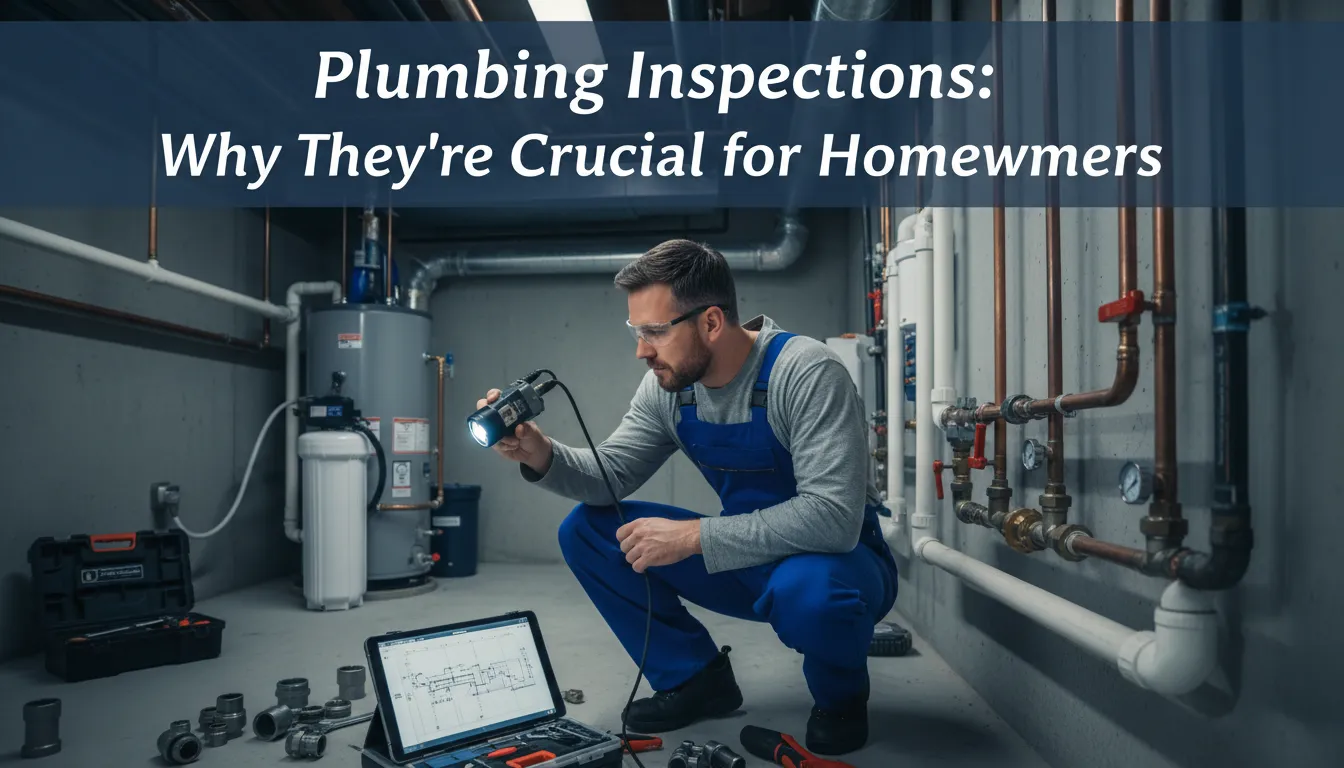
Plumbing Inspections: Why They’re Crucial for Homeowners
The Importance of Plumbing Inspections
Plumbing inspections are an essential part of home maintenance that helps detect underlying issues before they turn into major problems. Regular inspections ensure that your plumbing system functions correctly and efficiently, saving you money and reducing the risk of sudden breakdowns.
Identifying Hidden Issues Early
A plumbing inspection allows a professional plumber to identify problems that may not be immediately visible to homeowners. Leaky pipes behind walls, clogged drains, and issues with water pressure can all be identified during an inspection. Catching these issues early can prevent costly repairs and damage in the future.
Common Hidden Plumbing Issues:
Hidden Leaks: Leaks inside walls or under floors can remain undetected for months, causing mold and structural damage.
Pipe Corrosion: Corroded pipes can lead to weak points that eventually burst, flooding your home with water.
Clogged Drains: Slow drains are often signs of blockages deep within the plumbing system that, if left unchecked, can lead to serious clogs and water backups.
Preventing Costly Plumbing Emergencies
Regular plumbing inspections help prevent plumbing emergencies, such as pipe bursts, sewage backups, or water heater failures. Emergency plumbing services are often much more expensive than routine maintenance, and avoiding these emergencies through preventative measures can save you significant amounts of money.
How Inspections Prevent Emergencies:
Water Heater Check: Inspections help ensure your water heater is in good condition and functioning efficiently, preventing costly breakdowns.
Pipe Condition: A plumber can assess the condition of your pipes, recommending replacements or repairs before they cause major leaks or burst pipes.
Drainage System: Inspecting the drainage system ensures that there are no blockages or issues that could result in water backups or flooding.
Ensuring Compliance with Plumbing Codes
Plumbing codes exist to ensure safety and functionality in plumbing systems. An inspection can help ensure that your plumbing meets local building codes, preventing potential fines or required rework. For homeowners planning on selling their homes, a plumbing inspection can provide peace of mind that the plumbing system is up to code.
Key Areas Checked During Inspections:
Pipe Installation: Ensures pipes are installed correctly and meet building code standards.
Ventilation Systems: Checks that your ventilation system is in good working order and complies with local regulations.
Water Supply and Waste Disposal: Verifies that your water supply lines and waste disposal systems are functioning safely and efficiently.
Benefits of Annual Plumbing Inspections
While plumbing inspections may seem like an added expense, they can save you money in the long term. By identifying potential issues before they develop into major problems, you can avoid unexpected plumbing repairs and the associated costs.
Advantages of Annual Plumbing Inspections:
Early Detection of Issues: The earlier issues are identified, the less expensive they are to fix.
Increased Property Value: Homes with well-maintained plumbing systems are more attractive to potential buyers, improving property value.
Peace of Mind: Regular inspections provide peace of mind knowing that your plumbing system is functioning properly and safely.
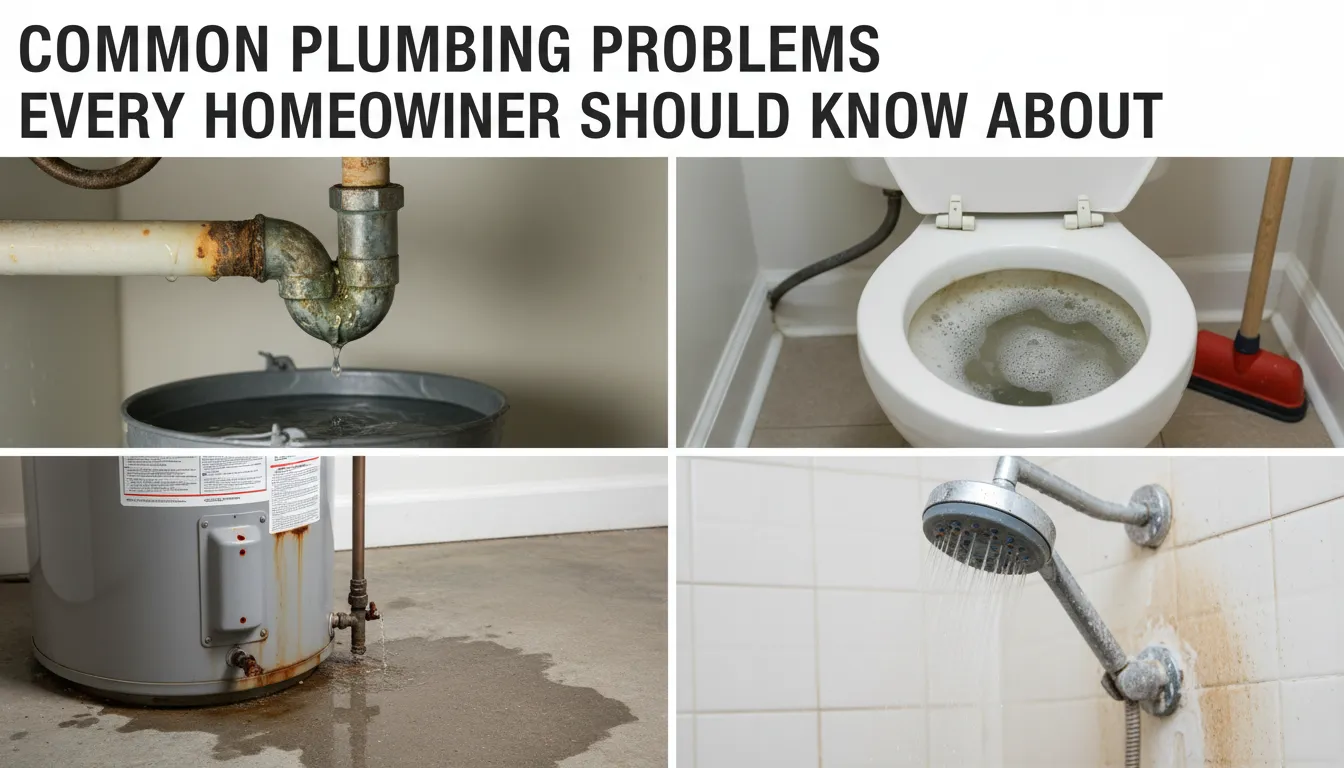
Common Plumbing Problems Every Homeowner Should Know About
Common Plumbing Problems and How to Fix Them
Plumbing problems are common in most households and, while some are minor, others can lead to significant damage if left untreated. It’s essential to be aware of common plumbing issues to take preventive measures and avoid costly repairs. In this section, we’ll go over the most common plumbing problems, their causes, and how to address them before they escalate.
Leaky Faucets and Dripping Taps
A dripping faucet might seem like a small issue, but it can waste a significant amount of water and increase your utility bill. Leaky faucets are often caused by worn-out washers or O-rings that need replacing.
How to Fix It:
Turn off the water supply to the faucet.
Disassemble the faucet and inspect the washers or seals.
Replace worn-out parts, including washers, O-rings, or seals.
Reassemble the faucet, ensuring all components are tightly secured.
Clogged Drains and Toilets
Clogged drains are another common issue. Over time, food particles, hair, soap scum, and other debris accumulate in pipes, leading to slow or blocked drains. Toilets can also get clogged with excessive paper or waste.
How to Fix It:
Use a plunger for minor clogs in sinks, tubs, or toilets.
For stubborn clogs, try a drain snake or auger to break up the blockage.
Use a mixture of vinegar and baking soda for natural drain cleaning.
Avoid harsh chemical drain cleaners, as they can damage pipes and fixtures.
Low Water Pressure
Low water pressure can make showering or washing dishes a frustrating experience. Several factors can contribute to low water pressure, including clogged pipes, mineral buildup, or problems with the water supply.
How to Fix It:
Check the showerhead or faucet aerator for mineral buildup or debris. Soak it in vinegar and clean.
Inspect the pipes for leaks or corrosion, which can cause water pressure problems.
Test the pressure regulator (if you have one) and adjust it as necessary.
Consider professional help if the issue is with the main water supply or water heater.
Running Toilets
A running toilet is not only annoying but also wastes a significant amount of water. This problem is often caused by a faulty flapper valve, a malfunctioning ballcock, or a broken fill valve.
How to Fix It:
Inspect the flapper valve to ensure it is sealing properly. If damaged, replace it.
Check the fill valve for any signs of wear or malfunction and adjust the water level if necessary.
Test the flush valve for proper operation. If the toilet continues to run after flushing, replace the valve.
Water Heater Issues
A malfunctioning water heater can disrupt your daily activities, especially during colder months. Common issues include no hot water, insufficient hot water, or discolored water from the heater.
How to Fix It:
No hot water: Check the thermostat settings. If the heater is electric, ensure the circuit breaker hasn’t tripped.
Insufficient hot water: Sediment buildup may be restricting water flow. Flush the tank or consider professional maintenance.
Discolored water: This could indicate rust or sediment buildup in the tank. Flushing the tank may solve the issue, but a professional inspection is recommended if the problem persists.
Pipe Leaks
Leaks in pipes, whether under the sink, behind walls, or under floors, can cause significant water damage and mold growth. These leaks can be caused by corrosion, joint failures, or physical damage to the pipes.
How to Fix It:
Turn off the water supply immediately to prevent further damage.
Identify the leak and use pipe repair clamps or sealing tape for temporary fixes.
For major leaks, replace the damaged pipe or joint and consider professional assistance for more extensive repairs.
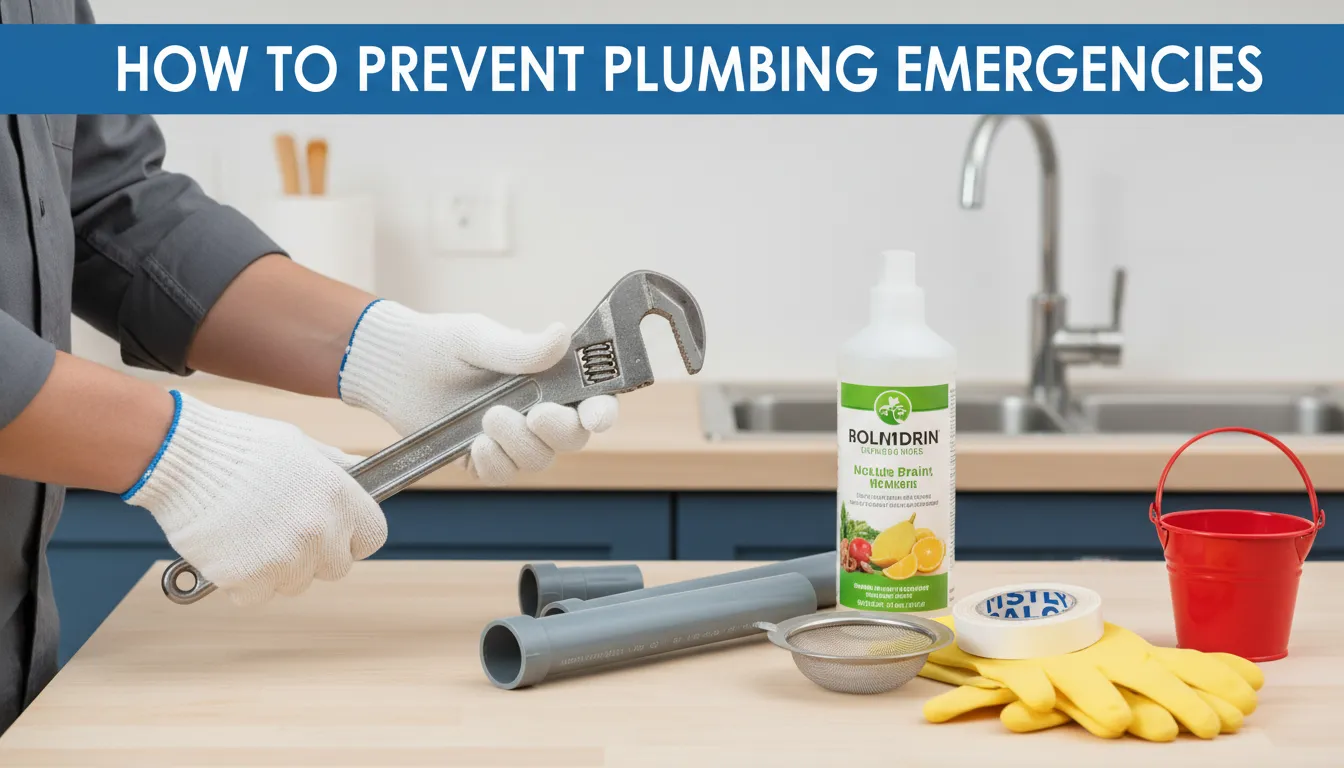
How to Prevent Plumbing Issues in Your Home
Proactive Measures to Keep Your Plumbing System in Top Shape
Plumbing problems can be frustrating and costly, but the good news is that many common issues can be avoided with regular maintenance and proactive care. In this section, we’ll discuss how to prevent plumbing issues, saving you time, money, and the headache of unexpected repairs.
Regularly Inspect and Maintain Pipes
One of the most effective ways to prevent plumbing problems is by regularly inspecting your pipes for any signs of wear or damage. This includes checking for leaks, corrosion, or cracks, especially in older homes.
How to Prevent Issues:
Check exposed pipes for signs of leaks or corrosion.
Insulate pipes in cold climates to prevent freezing during the winter months.
Use pipe wraps or pipe insulation to protect pipes from external damage or heat.
Regularly checking your pipes will help catch small issues before they turn into larger, more costly problems.
Avoid Pouring Grease or Oil Down the Drain
Grease and oil may seem like they’ll wash away easily, but they can solidify and cause significant blockages in your pipes over time. This can lead to slow drains and even sewage backups.
How to Prevent Issues:
Dispose of grease properly by pouring it into a container and throwing it in the trash.
Use a grease trap for larger quantities of cooking grease.
Run hot water down the drain after washing dishes to help flush any remaining oils.
By avoiding these common mistakes, you can significantly reduce the chances of a clogged drain caused by grease buildup.
Use Drain Screens to Prevent Hair and Debris Buildup
Hair and debris are often the culprits behind clogged drains, especially in bathrooms. Using drain screens in your sinks, tubs, and showers can help catch hair and prevent it from going down the drain.
How to Prevent Issues:
Install drain screens in sinks, tubs, and showers to catch hair and soap scum.
Clean the screens regularly to prevent buildup.
Avoid flushing items like cotton balls, Q-tips, and wipes, as they can cause blockages.
Preventing hair and debris from entering the drain will save you from having to deal with slow drainage and clogged pipes.
Be Mindful of What You Flush
The toilet is often a source of plumbing problems, especially when non-flushable items are sent down the drain. While it may be tempting to flush items other than toilet paper, this can lead to blockages and costly repairs.
How to Prevent Issues:
Only flush toilet paper – avoid flushing wipes, sanitary products, or paper towels.
Use septic-safe toilet paper if you have a septic tank.
Teach children the importance of using the toilet correctly to prevent toys or small items from being flushed.
Being mindful of what you flush can greatly reduce the chances of a toilet clog and keep your plumbing system running smoothly.
Regularly Clean Your Water Heater
A water heater that isn’t properly maintained can lead to several problems, including inefficient water heating, leaks, or even complete failure. Regular maintenance can help extend the life of your water heater and prevent costly repairs.
How to Prevent Issues:
Flush the tank annually to remove sediment buildup.
Check the temperature and set it to a safe level (around 120°F) to prevent overheating.
Inspect the anode rod and replace it if it’s heavily corroded to prevent tank rusting.
Regularly maintaining your water heater can prevent issues that may arise from neglect, ensuring it functions efficiently for years to come.
How to Handle Emergency Plumbing Situations
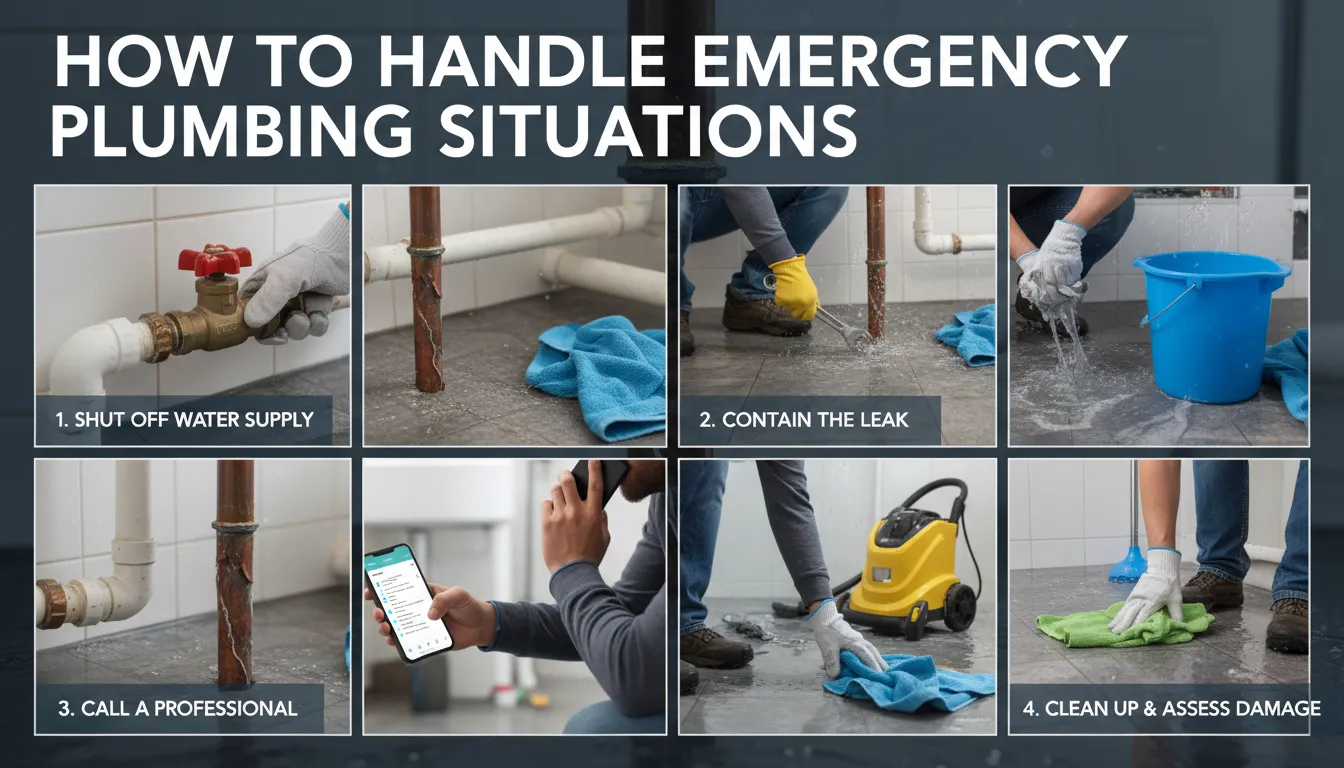
Identifying and Responding to Plumbing Emergencies
While preventive maintenance can help avoid many plumbing problems, emergencies can still occur. Whether it’s a burst pipe, a flooded bathroom, or a sewage backup, knowing how to handle a plumbing emergency can save you time, money, and potential property damage. In this section, we’ll discuss how to identify plumbing emergencies and take quick action.
Recognizing a Plumbing Emergency
A plumbing emergency typically involves a situation where there is severe water damage or a health risk. Some common plumbing emergencies include:
Burst Pipes: Often caused by freezing temperatures, excessive pressure, or pipe wear.
Sewage Backup: Usually indicated by water rising from drains, particularly in toilets and bathtubs.
Flooded Areas: Caused by leaks, broken pipes, or clogged drains that result in standing water.
Leaking Faucets or Fixtures: While this might seem minor, persistent leaks can lead to water damage over time.
No Hot Water: Especially problematic in winter or if you rely on hot water for daily use.
Recognizing the signs of a plumbing emergency early can help you prevent further damage and decide whether you need professional help.
Immediate Actions to Take in a Plumbing Emergency
When faced with a plumbing emergency, it’s important to act quickly to minimize damage and avoid health risks. Here are some steps to take:
1. Shut Off the Water Supply:
Main Shutoff Valve: Locate and turn off the main water supply valve to prevent further flooding or damage.
Individual Fixtures: For leaks or toilet overflow, shut off the water at the fixture’s shutoff valve (typically located under sinks or toilets).
2. Use Towels and Buckets for Immediate Cleanup:
Use towels, mops, and buckets to contain any standing water, especially if there’s flooding or overflow. This will help prevent water from seeping into floors, walls, and furniture.
3. Call a Professional Plumber:
If you can’t stop the leak or are unsure about how to handle the emergency, call a licensed plumber immediately. They will have the tools and expertise to handle the situation safely.
4. avoid DIY Repairs in Some Situations:
If the problem involves complex issues like a burst pipe behind walls or sewage backup, it’s best to wait for tuation.
When to Call a Professional
Some plumbing issues require immediate professional intervention, especially if they involve potential water damage, safety hazards, or a serious risk to your health. Consider calling a professional plumber if:
You can’t stop the water flow: If turning off the main valve doesn’t stop the flooding, a plumber will need to inspect the source.
You have a sewage backup: Sewage water contains harmful pathogens and should never be handled without professional help.
You don’t know the location of the leak: If you’re unable to find or access the problem, plumbers have specialized equipment to locate and fix hidden leaks.
Hiring a plumber can save you from additional damage and ensure the issue is addressed correctly.
Preventing Plumbing Emergencies in the Future
Once the emergency is resolved, taking steps to prevent future plumbing issues is essential. Here’s what you can do:
Regular Inspections: Have a professional plumber inspect your plumbing system annually to catch potential issues before they become emergencies.
Proper Insulation: In colder climates, insulate pipes to prevent them from freezing and bursting during the winter months.
Install Water Leak Detectors: These devices can alert you to leaks early, giving you time to address small issues before they escalate.
Know Your Plumbing System: Familiarize yourself with the layout of your pipes and the location of the shutoff valves. This knowledge can save valuable time during an emergency.
Taking these steps will help prevent future plumbing emergencies and give you peace of mind.
Common Plumbing Maintenance Mistakes to Avoid
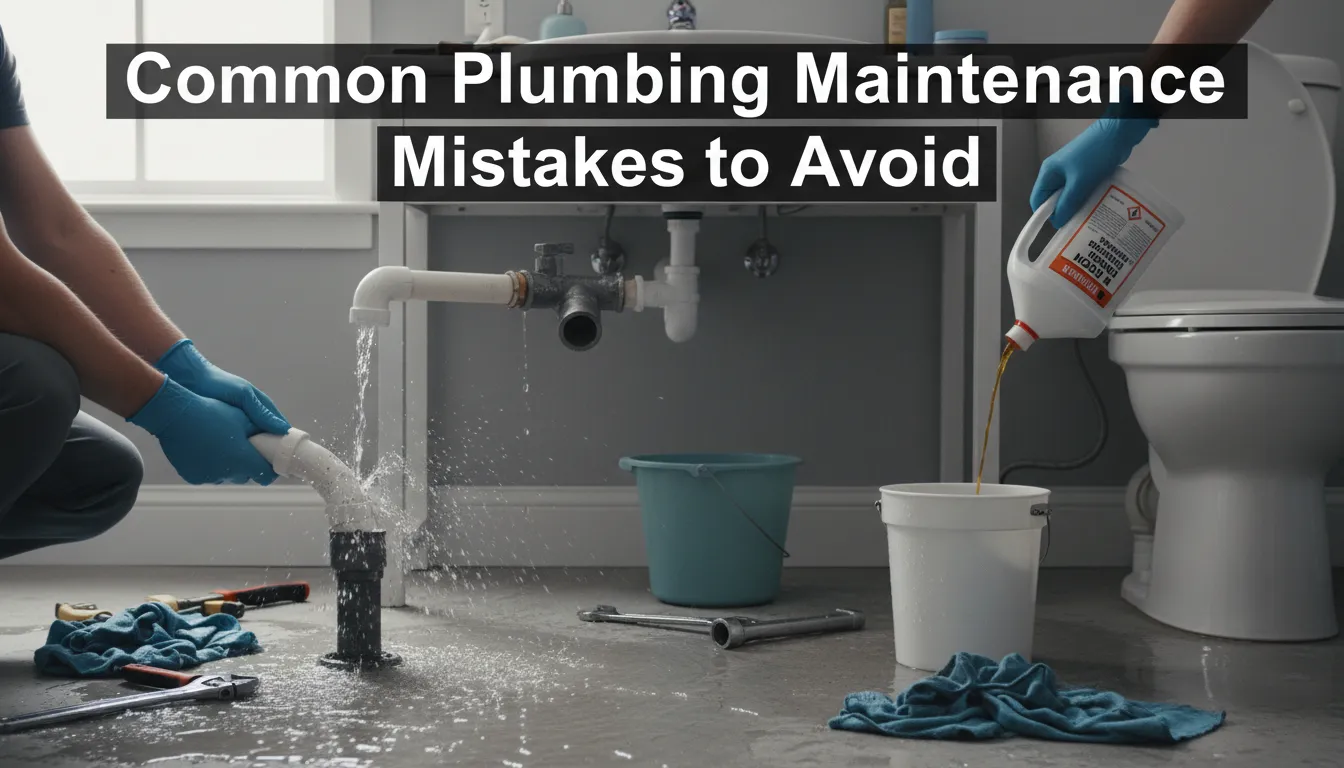
Why Plumbing Maintenance is Essential
Maintaining your plumbing system is vital to ensuring the longevity and efficiency of your home’s plumbing infrastructure. However, many homeowners make maintenance mistakes that can lead to costly repairs or even plumbing emergencies. In this section, we will explore common plumbing maintenance mistakes and how to avoid them, ensuring that your system runs smoothly for years to come.
Ignoring Leaky Faucets and Fixtures
While a dripping faucet might seem like a minor issue, it can result in wasted water and higher utility bills over time. Ignoring leaky faucets and fixtures can also lead to water damage if left unresolved.
How to Fix It:
Replace washers or seals in faucets and fixtures.
If the problem persists, consult a professional plumber for a more thorough inspection.
Ensure that shut-off valves under sinks are properly functioning to prevent further leaks.
Overloading Garbage Disposals
Garbage disposals are handy for disposing of food waste, but overloading them can cause jams, clogging, or even complete breakdowns. Many homeowners mistakenly put items like grease, fibrous vegetables, or bones down their disposals, which can lead to serious issues.
How to Fix It:
Only dispose of small amounts of soft food scraps at a time.
Avoid disposing of non-food items, such as paper towels, plastics, or grease.
Regularly clean the disposal with ice cubes and vinegar to prevent odors and keep it functioning smoothly.
Using Chemical Drain Cleaners
Chemical drain cleaners may seem like an easy fix for clogs, but they can damage your pipes, especially if used frequently. These harsh chemicals can eat away at pipe walls, leading to potential leaks or bursts.
How to Fix It:
Use natural drain cleaning methods, such as a mixture of baking soda and vinegar, followed by hot water.
For stubborn clogs, consider using a plumber’s snake or a drain cleaning tool.
If problems persist, call a professional plumber to safely clear the clog without damaging your pipes.
Neglecting Water Heater Maintenance
Water heaters are often overlooked during regular maintenance routines, but failing to maintain your water heater can reduce its efficiency and lifespan. Neglecting the tank, especially when it accumulates sediment, can lead to costly repairs and even complete failure.
How to Fix It:
Flush your water heater annually to remove sediment buildup, especially in areas with hard water.
Check the temperature setting on your water heater and adjust it to a safe level (typically 120°F).
Inspect the anode rod every 1-2 years and replace it if it is severely corroded.
Failing to Inspect for Hidden Leaks
Leaks can sometimes go unnoticed, especially in hidden areas like behind walls or under floors. Over time, even a small leak can cause significant water damage, mold growth, and increased utility bills.
How to Fix It:
Regularly check for visible leaks in areas like under sinks, around toilets, and behind appliances.
Consider hiring a professional plumber to conduct a full inspection, including checking hidden pipes.
Install water leak detectors in areas prone to leaks, such as the basement or under the sink.
Using Improper Plumbing Products
Many homeowners use plumbing products that aren’t designed for their system, such as using standard tape on pipe joints or choosing the wrong sealants. This can lead to leaks, poor connections, and other issues down the road.
How to Fix It:
Always use plumbing products that are rated for the type of system you have (e.g., PVC, copper, etc.).
Invest in quality materials and tools for your plumbing projects to ensure longevity and reliability.
If unsure, consult with a professional plumber for product recommendations and installation advice.
Neglecting the Main Water Shut-Off Valve
In the event of a plumbing emergency, knowing the location of your main water shut-off valve and understanding how to use it is critical. Many homeowners neglect to familiarize themselves with the valve, which can lead to wasted time and further damage during a plumbing crisis.
How to Fix It:
Locate your main water shut-off valve and test it to ensure it’s working properly.
Mark the valve’s location for easy access in case of an emergency.
Consider installing a backup water shut-off system for extra security.
Conclusion: The Importance of Plumbing Maintenance
Maintaining your plumbing system is more than just fixing leaks and occasional clogs. It’s about ensuring the long-term health of your home’s plumbing infrastructure. By understanding and avoiding common plumbing maintenance mistakes, you can prevent costly repairs, enhance your home’s water efficiency, and extend the lifespan of your plumbing system.
Regular inspections, using the right products, and addressing issues early can make a significant difference in keeping your system running smoothly. If you ever feel uncertain, don’t hesitate to reach out to a professional plumber who can provide expert advice and service. With proper care, your plumbing system will continue to serve you efficiently for many years to come.