Sewer Problems: Complete Guide to Signs, Causes, Solutions & Costs
Sewer problems can disrupt your home in ways you might not expect—slow drains, foul odors, backups, or hidden leaks that damage your property. Ignoring these issues can lead to serious health risks, costly repairs, and unwanted flooding. EZ Plumbing brings you this complete guide to every common and hidden sewer problem, explaining their signs, causes, solutions, repair costs, and prevention tips. With our expert advice, you’ll learn how to keep your sewer system safe, efficient, and problem-free, saving you stress, money, and potential emergencies.
Signs of Sewer Problems: How to Spot Them Early
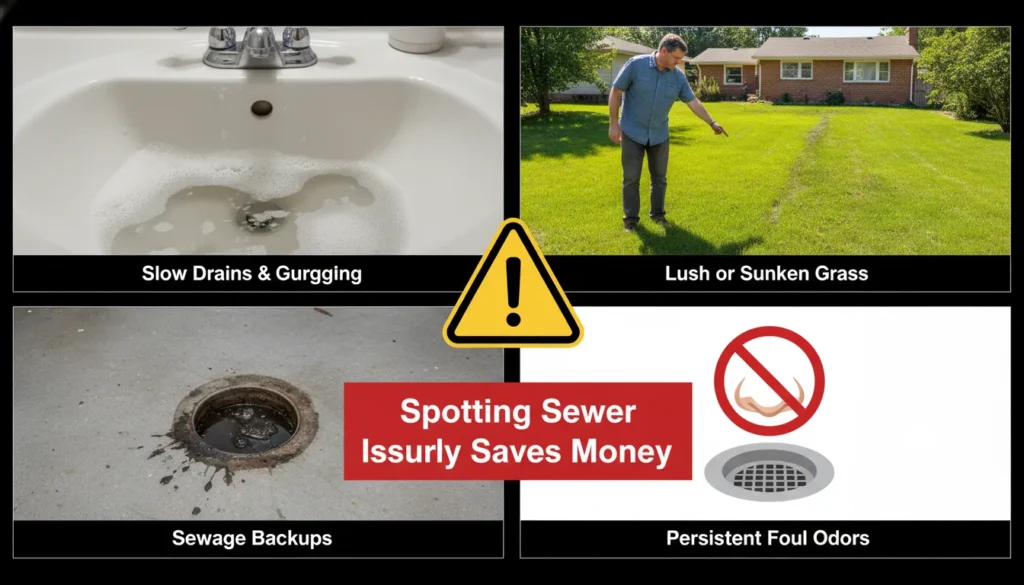
Sewer problems often start small, but if ignored, they can cause health risks, bad smells, and property damage. Recognizing the warning signs early can save you time, money, and stress. Here’s what to look out for:
- Slow drains in sinks, tubs, or showers: Water drains slowly, which can mean a clog or partial blockage.
- Multiple drains clogging at the same time: If more than one drain is slow, it could indicate a main sewer line problem.
- Gurgling or bubbling noises: Strange sounds from your drains or toilet mean air is trapped or there’s a blockage.
- Sewage smell or sewer gas indoors: Foul odors inside your home usually point to pipe leaks or vent issues.
- Water backing up in toilets, showers, or basements: If water comes back when you flush or run appliances, it’s a serious sewer blockage.
- Wet spots, soggy patches, or extra green grass in your yard: These can indicate a leaking underground sewer pipe.
- Sinkholes or cracks in walls/foundation: Cracks or small holes could mean underground pipe damage or collapse.
- Rodents coming through sewer lines: Rats or pests entering your home often point to broken pipes or gaps.
By noticing these signs early, you can take action quickly and avoid bigger, costly repairs.
Common Sewer Problems: Identify Every Issue in Your Home or Property
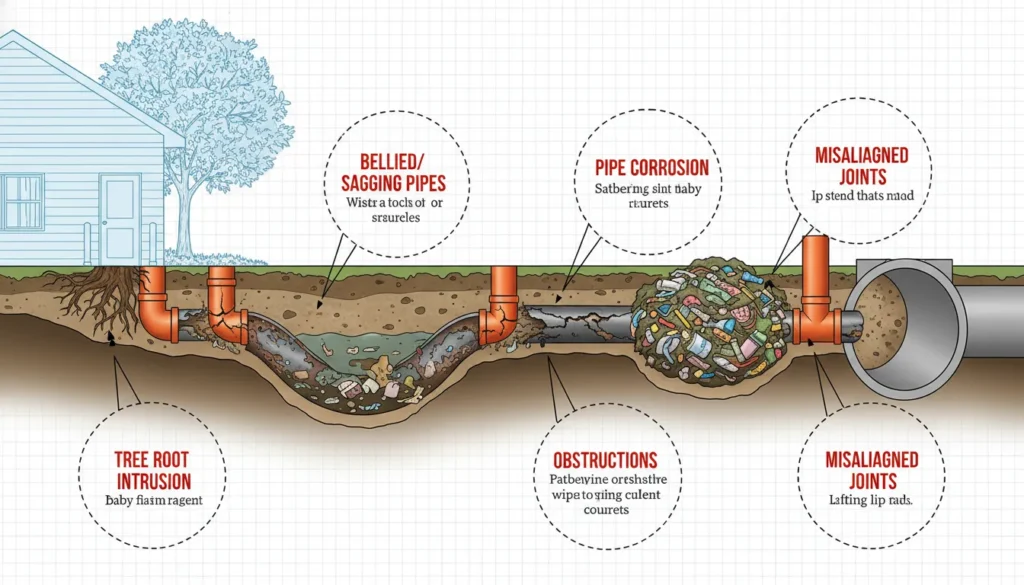
Sewer problems can take many forms, and knowing the type of issue helps you fix it quickly and avoid bigger damage. Here’s a complete guide to the most common sewer problems, their causes, signs, and real solutions.
Blockages / Clogs
Causes: Grease buildup, food waste, hair, and non-flushable items like wet wipes often clog sewer lines.
Symptoms: Slow drains in sinks, tubs, and showers, water backing up in toilets or drains.
Solutions: For small clogs, you can try DIY drain clearing using a plunger or drain snake. For bigger blockages, professionals can perform rodding or hydro jetting to clean the pipes thoroughly.
Tree Root Intrusion
Causes: Tree roots can grow into clay or cast iron pipes, seeking water, which causes cracks or blockages.
Symptoms: Recurring clogs, slow drainage, or damaged pipes.
Solutions: Root removal by a professional, pipe repair, or trenchless pipe replacement to avoid digging up the yard.
Pipe Damage / Structural Issues
Causes: Aging pipes, corrosion, misalignment, cracks, or collapsing due to soil shifting or poor installation.
Symptoms: Leaks, backups, unusual odors, or water pooling in the yard.
Solutions: Pipe repair, trenchless replacement, or full pipe replacement if damage is severe.
Sewer Leaks
Types: Underground pipe leaks, joint leaks, or slab leaks under the house.
Symptoms: Wet soil, soggy spots in your yard, foul odor, and sometimes mold growth inside the home.
Solutions: Professional leak detection, camera inspection, and pipe repair or replacement.
Sewer Backups
Causes: Blockages, pipe misalignment, or sewer system overload.
Symptoms: Water backing up into toilets, showers, or basement flooding.
Solutions: Call an emergency plumber to clear the blockage and prevent further damage. Regular maintenance can reduce future backups.
Sewer Gas / Odor Problems
Causes: Broken vent pipes, dry P-traps, or cracks in sewer lines.
Symptoms: Rotten egg smell (hydrogen sulfide) inside the home.
Solutions: Vent repair, refill dry traps, or pipe replacement to eliminate gas leaks.
Slow Drainage & Gurgling
Causes: Partial blockages or venting issues.
Symptoms: Slow draining sinks and tubs, bubbling or gurgling sounds from drains.
Solutions: Cleaning drains, camera inspection, or hydro jetting to clear hidden blockages.
Sewer Overflow & Stormwater Issues
Causes: Heavy rain, combined sewer overflow, or improper drainage.
Symptoms: Flooded yard, manhole overflow, or standing water around the property.
Solutions: Proper drainage planning, regular maintenance, and emergency response during storms.
Aging Sewer Systems
Causes: Old cast iron or clay pipes, corrosion, and scaling over time.
Symptoms: Frequent backups, recurring repairs, leaks.
Solutions: Replacement of old pipes and routine preventive inspections.
Poor Installation / Design Problems
Causes: Wrong slope, low-quality materials, improper pipe size.
Symptoms: Frequent clogs, misaligned or sagging pipes.
Solutions: Pipe reinstallation or full replacement with proper design.
Frozen / Seasonal Sewer Pipes
Causes: Water freezing in pipes during cold weather.
Symptoms: Burst pipes, sudden leaks, or backups.
Solutions: Pipe insulation, winter preparation, and repair if damage occurs.
Chemical / Corrosion Damage
Causes: Industrial waste, acidic water, or old corroded pipes.
Symptoms: Rusted pipes, leaks, weak or broken pipes.
Solutions: Replace pipes with chemical-resistant materials and inspect regularly.
Pest / Rodent Issues
Causes: Rats or pests entering sewer lines.
Symptoms: Pipe damage, contamination risks, foul odors.
Solutions: Rodent-proof pipes, traps, and professional pipe repair.
Main Causes of Sewer Problems and How to Prevent Them
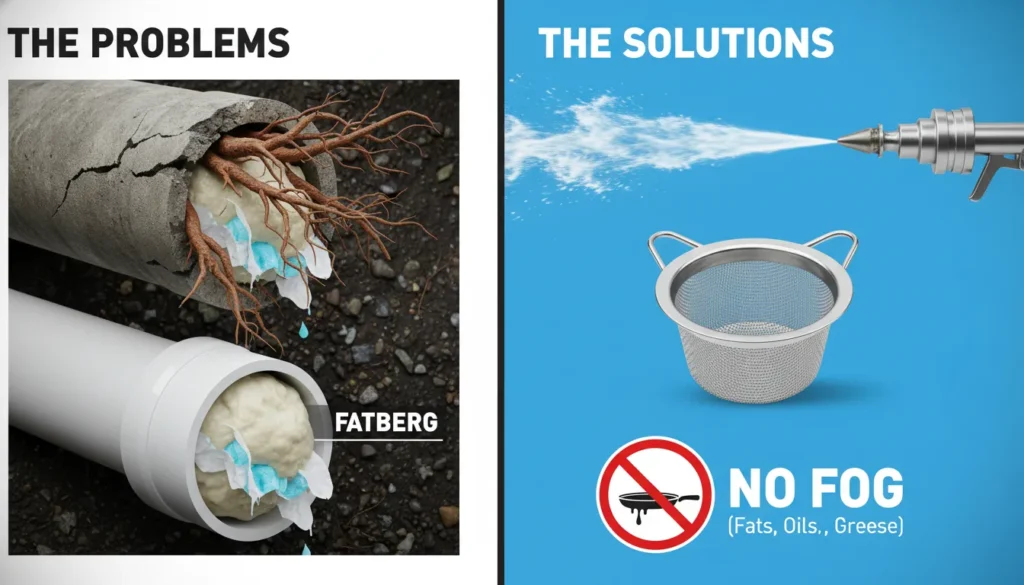
Understanding why sewer problems happen is the first step to preventing them. Sewer issues don’t just appear out of nowhere—they often result from predictable factors. Here’s a detailed breakdown of the most common causes:
Flushing Wrong Items
Many people flush items they think are “flushable,” like wipes, feminine products, or paper towels. Even some so-called “flushable wipes” don’t break down easily and can clog pipes.
Impact: These items stick to the pipes, combine with grease or hair, and form blockages, causing slow drains, backups, or even sewer overflows.
Prevention: Only flush human waste and toilet paper. Keep a trash bin nearby for other items.
Grease & Food Waste Buildup
Pouring cooking oil, grease, or leftover food down the sink is a common mistake. Grease solidifies inside pipes over time.
Impact: Pipes narrow, leading to clogs and backups. Combined with other debris, it can eventually block the entire sewer line.
Prevention: Dispose of grease in containers, not the drain. Use strainers to catch food scraps.
Tree Roots Damage
Tree roots naturally seek water and oxygen. If your sewer line is clay, cast iron, or old pipes, roots can enter cracks or joints.
Impact: Roots grow inside pipes, breaking them or causing recurring blockages.
Prevention: Plant trees away from sewer lines. Professional root removal and pipe inspection help prevent long-term damage.
Aging Pipes
Over time, pipes deteriorate. Cast iron, clay, or old PVC pipes can corrode, crack, or collapse after decades of use.
Impact: Aging pipes often leak, collapse, or clog easily, leading to frequent repairs and property damage.
Prevention: Regular inspections and replacing old pipes before they fail saves money and stress.
Poor Installation or Design
Sometimes sewer problems are caused during initial construction or renovation. Wrong slope, low-quality materials, or improper pipe sizing can create long-term issues.
Impact: Water may drain slowly, pipes may sag, or recurring backups can occur.
Prevention: Always hire licensed professionals for installation and ensure proper pipe slope and material quality.
Freezing or Cold Weather
In colder climates, water in pipes can freeze during winter. Ice expands, causing pipes to crack or burst, which can lead to leaks and backups.
Impact: Burst pipes create sudden damage and may flood the basement or yard.
Prevention: Insulate outdoor pipes, seal gaps, and let faucets drip slightly in freezing weather.
Corrosion and Chemical Damage
Industrial waste, acidic water, or harsh chemicals can slowly erode pipes over time. Metal pipes like cast iron are especially vulnerable.
Impact: Corroded pipes develop leaks, cracks, and weak spots, leading to backups and expensive repairs.
Prevention: Avoid pouring harsh chemicals down the drain. Use chemical-resistant pipes for areas prone to corrosive materials.
Shifting Soil or Ground Movement
Soil movement due to rain, erosion, or construction can shift underground pipes, misalign joints, or cause cracks.
Impact: Misaligned or cracked pipes lead to leaks, blockages, and recurring sewer problems.
Prevention: Ensure proper pipe bedding during installation and inspect pipes after major ground changes.
Pest & Rodent Damage
Rats or other pests can chew through sewer pipes or enter through weak points.
Impact: Pipes get damaged, contamination occurs, and foul odors can appear.
Prevention: Rodent-proofing sewer lines and repairing small leaks early prevents bigger damage.
Proven Solutions to Fix Sewer Problems Quickly and Safely
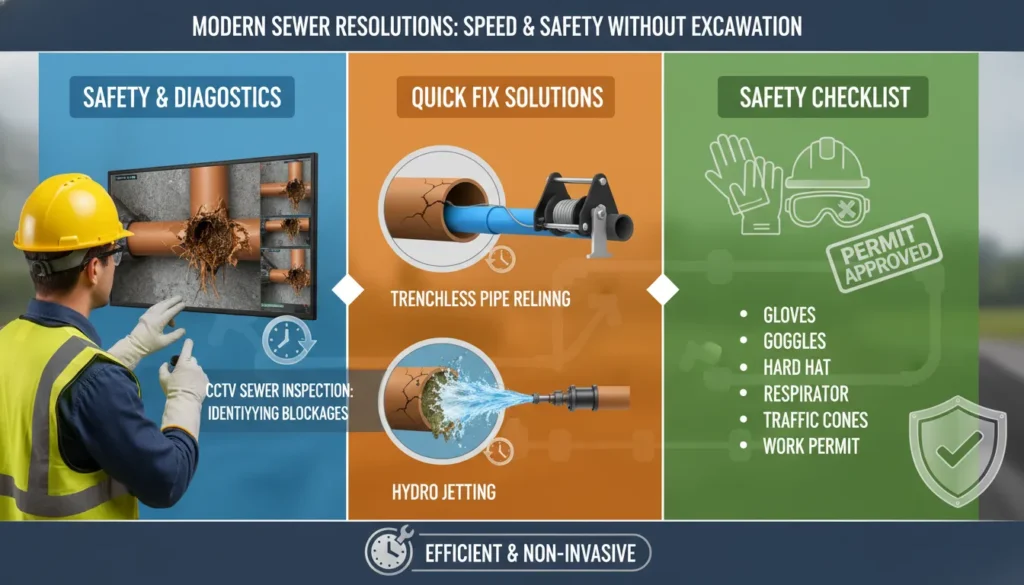
When it comes to sewer problems, there are DIY fixes, professional solutions, and emergency responses. Choosing the right solution depends on the severity of the issue, your budget, and safety. Here’s a full guide:
DIY Solutions
For minor clogs or slow drains, you can try some safe home fixes:
- Plunger: Good for small toilet or sink backups.
- Drain Snake: Helps remove hair or debris from drains.
- Enzyme-based cleaners: Safe chemicals that break down organic matter.
Pros:
- Quick and inexpensive
- Can prevent small problems from getting worse
Cons:
- Not effective for severe blockages
- Doesn’t fix damaged or misaligned pipes
Professional Solutions
For serious sewer issues, it’s best to call a licensed plumber. Professionals offer:
- Camera Inspection: Pinpoints exact problem without digging.
- Pipe Repair & Replacement: Fix broken, cracked, or misaligned pipes.
- Trenchless Sewer Repair: Modern method that avoids digging large trenches, less mess.
- Hydro Jetting & Drain Cleaning: Powerful cleaning for stubborn clogs, grease, and root intrusion.
Pros:
- Long-lasting results
- Detects hidden issues
- Safe and thorough
Cons:
- More expensive than DIY
- Requires scheduling and professional help
Emergency Solutions
If you face sewer backups, flooding, or major leaks, immediate action is necessary:
- Turn off main water supply
- Avoid using drains or toilets
- Call an emergency plumber immediately
Pros:
- Prevents property damage and health risks
- Stops problem before it worsens
Cons:
- Emergency service may cost more
- Not a long-term fix without proper repair
Sewer Repair & Replacement Costs: What You Should Expect
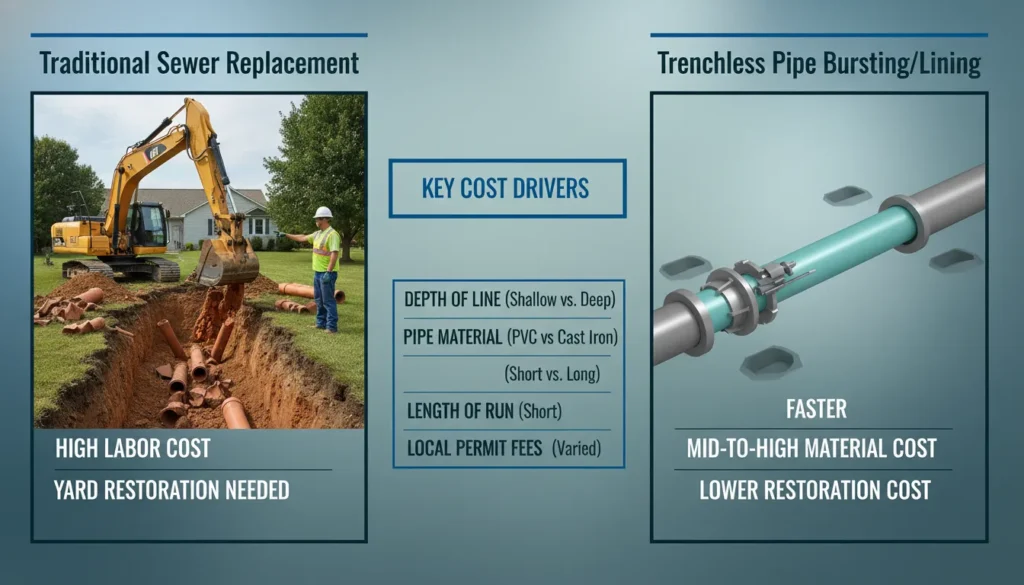
Understanding the cost of sewer repair or replacement helps you plan your budget and avoid surprises. Costs vary depending on the problem’s severity, pipe type, and method of repair. Here’s a clear breakdown:
Minor Clog Removal
- What it is: Small blockages like hair, food, or grease.
- Cost range: $100 – $300 (DIY or professional service)
- Notes: DIY fixes like plungers or drain snakes are cheaper, but hiring a plumber ensures complete clearing.
Pipe Repair
- What it is: Fixing broken, cracked, or misaligned sections of your sewer line.
- Cost range: $500 – $2,500 depending on pipe size and damage
- Notes: Professional inspection is needed to find the exact problem. Minor repairs are cheaper than full replacement.
Trenchless Sewer Line Replacement
- What it is: Modern method that replaces pipes without digging large trenches.
- Cost range: $3,000 – $10,000
- Pros: Less disruptive, faster, preserves landscaping
- Cons: Slightly higher upfront cost than traditional digging
Full Sewer Line Replacement
- What it is: Complete removal and replacement of old or severely damaged sewer lines.
- Cost range: $4,000 – $15,000 or more depending on length and materials
- Notes: Traditional replacement is more disruptive but may be necessary for older systems or severe damage
Plumber Cost per Hour
- Typical rate: $75 – $200 per hour depending on location and service
- Tip: Always ask for a quote before starting repair to avoid unexpected charges
How Long Sewer Repairs Really Take: Time Estimates for Every Solution
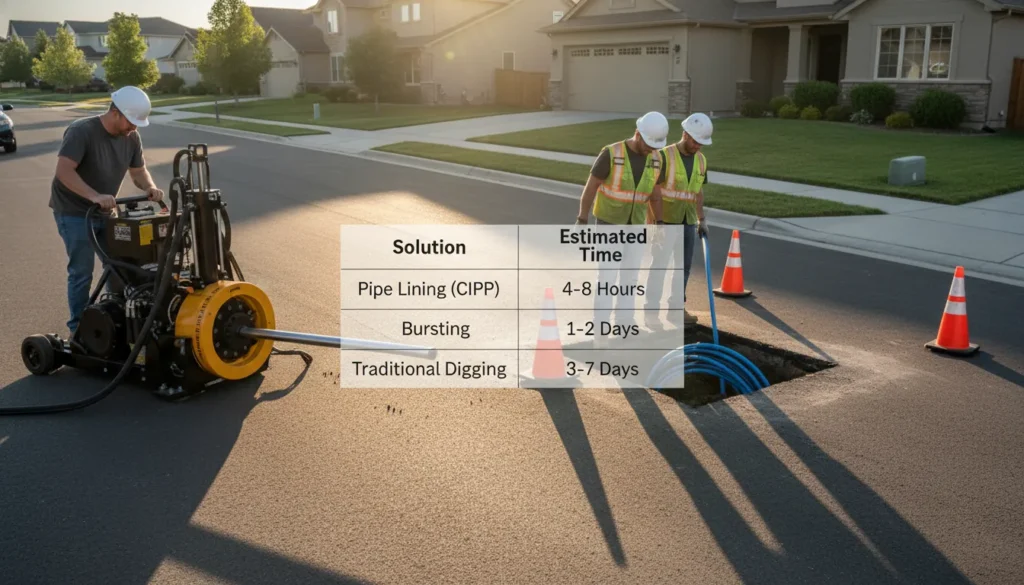
Knowing how long sewer repairs take helps you plan your day, reduce disruption, and avoid stress. Repair times depend on the type of problem, method used, and severity. Here’s a detailed guide:
Minor Clog Removal
- Time required: 30 minutes to 2 hours
- Details: Small clogs like hair, grease, or food waste can often be cleared quickly with a plunger, drain snake, or simple professional cleaning.
Pipe Repair
- Time required: 2 – 6 hours
- Details: Repairing a broken or misaligned section may take a few hours depending on access, pipe material, and the number of joints affected.
Trenchless Sewer Line Replacement
- Time required: 1 – 3 days
- Details: Modern trenchless methods are faster than traditional digging. Most residential lines can be replaced in 1–3 days, including prep, pipe lining, and testing.
Full Sewer Line Replacement Traditional
- Time required: 3 – 7 days
- Details: Traditional replacement involves digging trenches, removing old pipes, installing new ones, and restoring landscaping. Larger or older properties may take longer.
Emergency Sewer Repairs
- Time required: 1 – 24 hours (depending on severity)
- Details: Sudden backups, flooding, or severe pipe bursts require immediate attention. Professional plumbers prioritize emergencies and may fix or temporarily manage the problem within hours to prevent further damage.
Quick Tips:
- Preparation: Clear the area around sewer access points to speed up repair.
- Scheduling: Non-emergency repairs can often be scheduled in advance to minimize downtime.
- Inspection: Camera or diagnostic inspections may add 30–60 minutes but ensure accurate repairs.
Sewer Maintenance & Prevention Tips: Keep Your Pipes Problem-Free
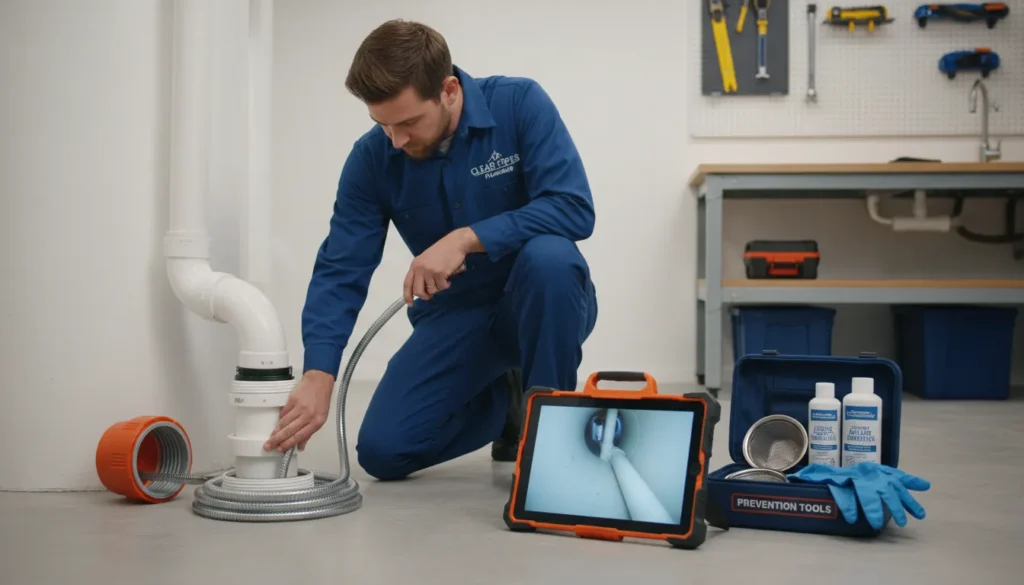
Preventing sewer problems is always better than fixing them. Regular maintenance saves you from costly repairs, foul odors, and unexpected backups. Here’s a detailed guide on how to prevent sewer issues and keep your plumbing system healthy:
Avoid Flushing Wipes, Grease, and Foreign Objects
- Why it matters: Items like wet wipes, paper towels, cooking grease, and foreign objects can clog your pipes over time, even if wipes are labeled “flushable.”
- Tip: Only flush human waste and toilet paper. Dispose of wipes, fats, and food scraps in the trash. Use a grease container for cooking oils.
Schedule Regular Sewer Inspections
- Why it matters: Pipes hidden underground or under slabs can develop slow blockages, cracks, or corrosion without visible signs.
- Tip: Have a professional plumber perform a camera inspection every 1–2 years. Early detection prevents minor issues from turning into major repairs.
Manage Tree Roots Near Sewer Lines
- Why it matters: Tree and shrub roots naturally grow towards water sources and can penetrate pipes, causing cracks or blockages.
- Tip: Plant trees at least 10–15 feet away from sewer lines. If roots are already an issue, have a plumber remove them and consider root barriers to prevent regrowth.
Seasonal Pipe Maintenance
- Why it matters: Weather changes, especially freezing temperatures, can damage pipes. Leaves, rainwater, and debris can also stress sewer lines.
- Tip:
- Insulate pipes during winter to prevent freezing.
- Clear outdoor drains and gutters before heavy rains.
- Check for wet spots, odors, or slow drains after storms to catch early problems.
General Drain Care Tips
- Avoid using chemical drain cleaners frequently—they can corrode pipes.
- Run hot water after using sinks to flush away grease and soap residue.
- Keep a drain strainer in sinks and showers to catch hair and debris.
- Educate household members about what not to flush or pour down drains.
By following these preventive measures, you can reduce the risk of sewer backups, leaks, and pipe damage, and extend the lifespan of your plumbing system. Regular care and attention are key to a problem-free sewer system.
How Professionals Diagnose Sewer Problems: Inspection & Early Detection
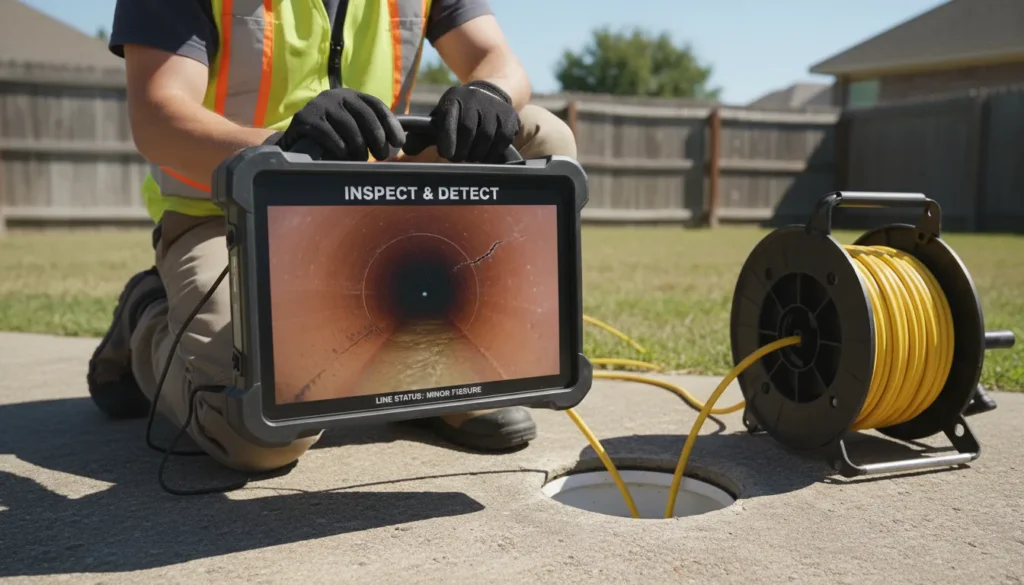
Knowing about sewer problems early can save you a lot of time, money, and stress. Professionals use modern tools and techniques to diagnose issues before they become emergencies. Here’s how sewer inspections work and why they matter:
Sewer Camera Inspection
- What it is: A small waterproof camera attached to a flexible cable is inserted into the sewer line. It travels through the pipes and sends real-time video to the plumber.
- Why it’s useful: Plumbers can see blockages, cracks, root intrusion, corrosion, or collapsed pipes without digging up your yard or floor.
- Benefit: Precise detection means faster repairs, less damage, and lower costs.
Video Pipe Inspection
- What it is: Similar to a sewer camera, this method allows professionals to record the pipe’s condition.
- Why it’s useful: Provides a detailed report showing the exact location and type of problem. You can also keep it for future reference.
- Benefit: Helps decide whether minor repairs, trenchless repair, or full replacement is needed.
Smoke Testing Sewer Lines
- What it is: A harmless smoke is blown into the sewer system to find leaks, cracks, or broken pipes. Smoke escapes where there’s a problem, often visible in the yard or house.
- Why it’s useful: Detects hidden leaks, illegal connections, or cracks that are not obvious through water flow tests.
- Benefit: Quick, effective, and prevents water damage and foul odors before they worsen.
Plumbing Inspection & Early Detection
- What it is: A licensed plumber examines your sewer system visually and with specialized tools to identify potential issues early.
- Why it’s useful: Early inspection can catch slow drains, partial blockages, or pipe damage before they turn into major backups.
- Benefit: Saves emergency repair costs, protects your property, and prevents health hazards.
Regular sewer inspections are one of the best ways to maintain a healthy plumbing system. By using cameras, video recording, smoke testing, and professional evaluation, you can detect hidden problems early and take action before serious damage occurs.
Sewer Problems by Property Type & Location: Residential, Commercial, and Older Homes
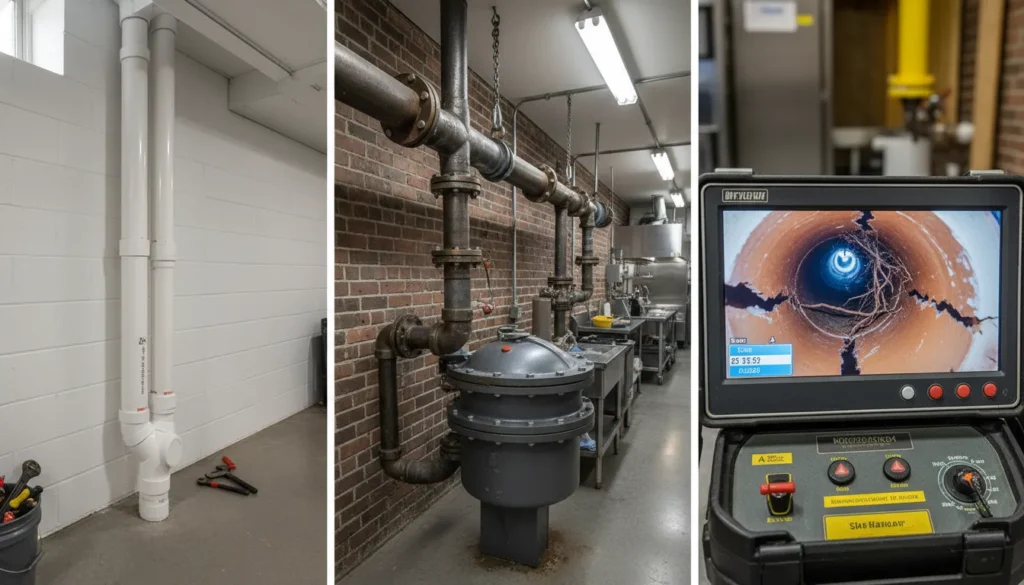
Sewer problems can vary depending on the type of property and the city or region. Understanding these differences helps homeowners and businesses prevent damage, plan repairs, and maintain their sewer systems effectively.
Residential Sewer Problems
- What it includes: Homes often face slow drains, backups, clogged lines, tree root intrusion, and aging pipes.
- Why it happens: Frequent flushing of non-flushable items like wipes, grease buildup, and old pipe materials.
- Special considerations: Basements and older homes may experience flooding, foul odors, or pipe corrosion.
Commercial Sewer Issues
- What it includes: Restaurants, offices, and businesses deal with heavy water usage, grease buildup, and industrial waste.
- Why it happens: High usage combined with improper disposal can quickly clog sewer lines.
- Special considerations: Commercial backups can halt operations and cause significant financial loss.
Basement & Older Home Sewer Problems
- What it includes: Older homes often have clay, cast iron, or corroded pipes prone to cracks, blockages, or leaks.
- Why it happens: Pipes wear out over time, soil shifts, and seasonal changes can damage old plumbing.
- Special considerations: Basement flooding, sewage odors, and foundation damage are common risks.
City & Region-Specific Sewer Problems
Different cities and utility areas have their own challenges:
- Sacramento, Stockton, Modesto: Older municipal sewer lines can face frequent backups and tree root intrusion.
- Alabama: Some regions deal with aging infrastructure and heavy rainfall causing overflows.
- JEA (Jacksonville, FL): High water tables and soil conditions can lead to pipe corrosion and blockages.
Tip: Knowing your city’s sewer challenges helps you plan inspections, maintenance, and emergency response effectively.
Sewer Problems FAQ: Answers to Your Most Common Questions
A sewer problem is any issue in your home or building’s sewer system that stops wastewater from flowing properly. This includes slow drains, backups, leaks, unpleasant odors, or even flooding.
Four common signs of a broken sewer line are:
- Slow or clogged drains in multiple areas.
- Gurgling sounds from toilets or sinks.
- Foul sewage odor inside or outside the home.
- Wet spots, soggy patches, or lush green grass in the yard.
Look for signs like slow drains, backups, sewer smells, strange noises, wet patches in the yard, or cracks in walls or floors. If you notice any of these, it’s best to call a professional for inspection.
Minor clogs can sometimes be cleared at home using a plunger or drain snake. However, major issues like broken pipes, root intrusion, or collapses should always be handled by a licensed plumber.
Replumbing costs vary by house size and complexity. For a typical 2,000 sq. ft. house, it can range from $6,000 to $20,000, depending on pipe type, labor, and additional repairs.
Replacing a sewer line can take 1–5 days, depending on pipe length, condition, and the repair method (traditional vs. trenchless). Emergency repairs may be faster but more costly.
Stay Ahead of Sewer Problems: Take Action Today
Sewer problems can quickly turn from small annoyances into major damage, affecting your health, property, and wallet. The best way to stay safe is early detection, regular maintenance, and professional help.
If you notice any warning signs—like slow drains, foul odors, backups, or wet spots in your yard—don’t wait. Contact Sewer Problems experts today for a thorough inspection, reliable repair, and ongoing maintenance. Acting now can save you from costly repairs and keep your home safe, clean, and worry-free.