SIGN 01
A Sudden Jump in Your Water Bill
If your water usage has not changed but your bill has increased, a continuous plumbing leak may be the cause. Even a small leak in a pressurized water line can waste a significant amount of water every day.
EZ Plumbing Repair & Services
Hearing running water, seeing a high water bill or feeling a warm spot on your floor? Our licensed Miami plumbers locate the exact leak under your slab with electronic detection and repair it with the least damage possible. Call now for 24/7 emergency service across Miami and Broward.
Speak with our team: (786) 239-6529
Fill out the form below for immediate local response.
Slab Leak Emergency Guide
A slab leak will not stop on its own. These six practical steps can help limit water damage while you wait for a plumber.
It is usually near the water meter or where the supply line enters your home. If the running-water noise stops, it may indicate a leak in a pressurized supply line. A plumber can confirm the location.
If you suspect a hot water line leak, turn off the water heater following the manufacturer's safe shutdown instructions. Avoid operating a water heater that may have an interrupted water supply.
If it is safe to check before shutting off the main valve, turn off every faucet and water-using appliance, then check your meter. If the dial or low-flow indicator keeps moving, water may be escaping somewhere in your plumbing system.
Record warm floor areas, damp spots, cracks, unusual water bills and the date you first noticed each sign. These details can help your plumber investigate and may support an insurance claim.
Avoid cutting or jackhammering floors before the leak has been located. Unnecessary demolition can cause more damage and complicate repairs or insurance documentation.
Arrange professional slab leak detection as soon as possible. Identifying the source early helps your plumber recommend a targeted repair and may reduce further water damage and expense.
Important safety reminder: If water is near electrical outlets, exposed wiring or electrical equipment, keep clear of the area and contact a qualified professional. Do not attempt unsafe electrical or concrete work.
Slab Leak Warning Signs
Slab leaks are hidden under concrete and flooring, so they can run for weeks before damage becomes visible. Watch for these seven warning signs in your home.
If your water usage has not changed but your bill has increased, a continuous plumbing leak may be the cause. Even a small leak in a pressurized water line can waste a significant amount of water every day.
Faint hissing, rushing or gurgling from floors or walls when faucets and water-using appliances are off can signal a hidden plumbing leak.
A leaking hot water line beneath the slab can transfer heat through concrete. An unusually warm patch of tile, wood or other flooring can be an important warning sign.
Moisture from a hidden leak may migrate through slab cracks, joints or nearby materials, leaving damp flooring, musty odors or visible mildew.
Water escaping through a damaged supply line may reduce pressure at faucets and fixtures. Sudden unexplained pressure changes deserve further investigation.
Water-saturated soil can shift or swell beneath a foundation. New cracks in flooring, baseboards or walls may indicate movement, although cracks can have other causes.
Water from a hidden leak can travel along the slab edge and surface near your foundation. Soggy soil, pooling water or unusually green patches during dry weather may indicate an underground plumbing problem.
Yes. An ongoing slab leak can saturate or erode soil beneath your foundation, damage flooring and cabinets, and create conditions that encourage mold growth. Not every warning sign confirms a slab leak, but arranging professional detection early can help prevent additional damage and costly repairs.
Noticed one or more of these signs? Contact EZ Plumbing Repair & Services for help in Miami.
Call Now: (786) 239-6529 Book NowPlumbing Project Gallery
A look at real field work by our team: pipe inspection, underground line repair, copper piping and rerouting-type installations.
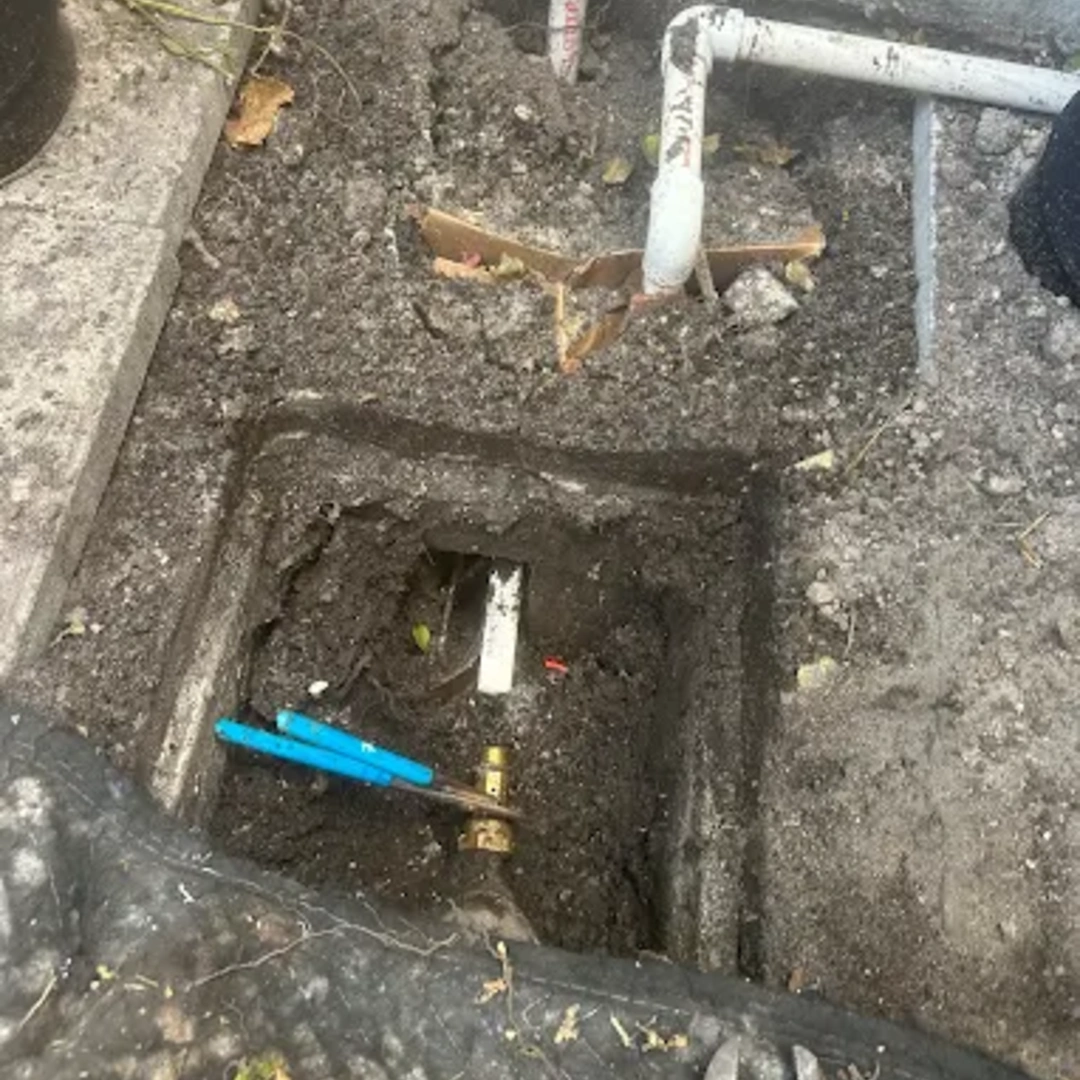
Field work showing access to a buried water line for inspection and repair below ground level.
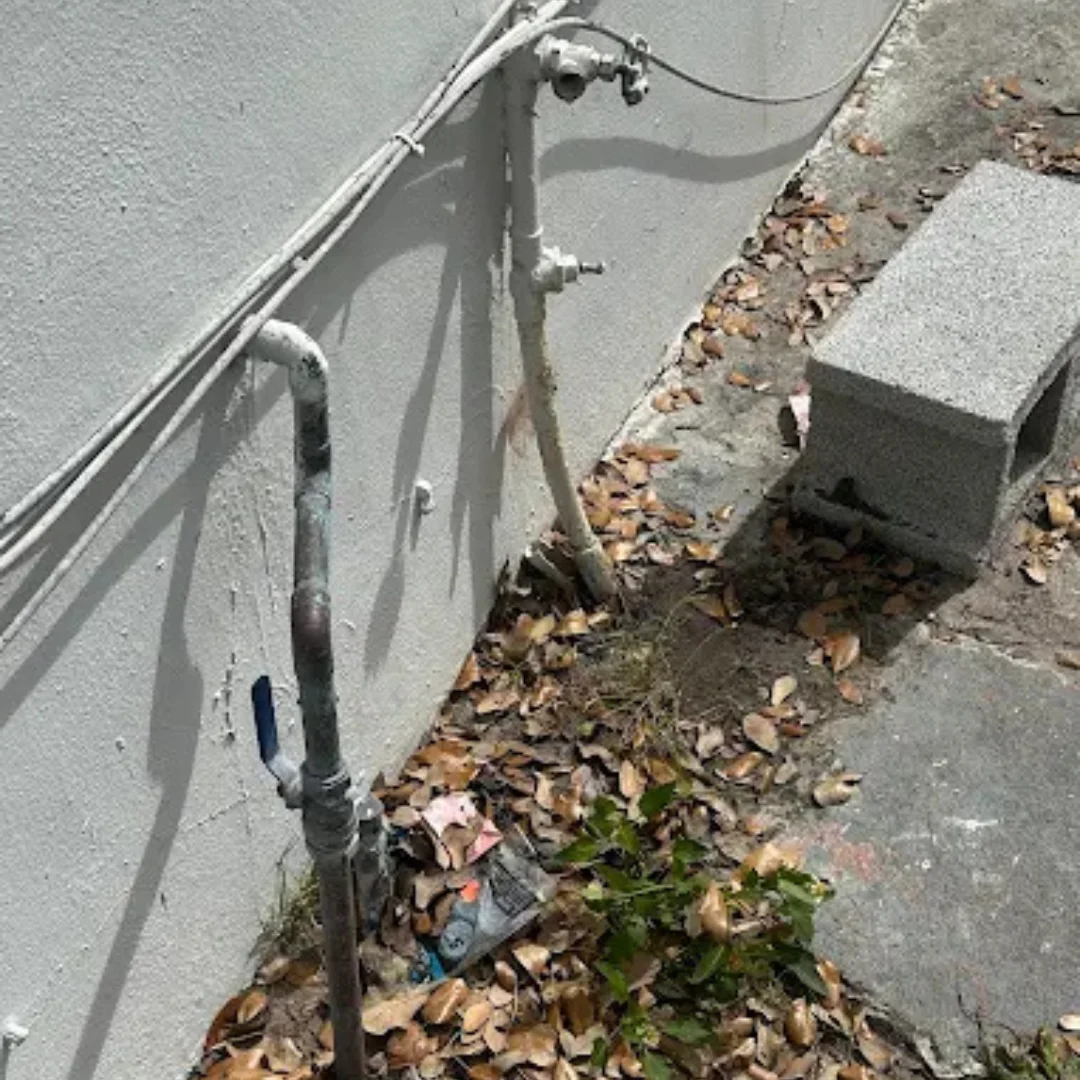
Examining a deteriorated outdoor water pipe to identify visible corrosion and repair needs.
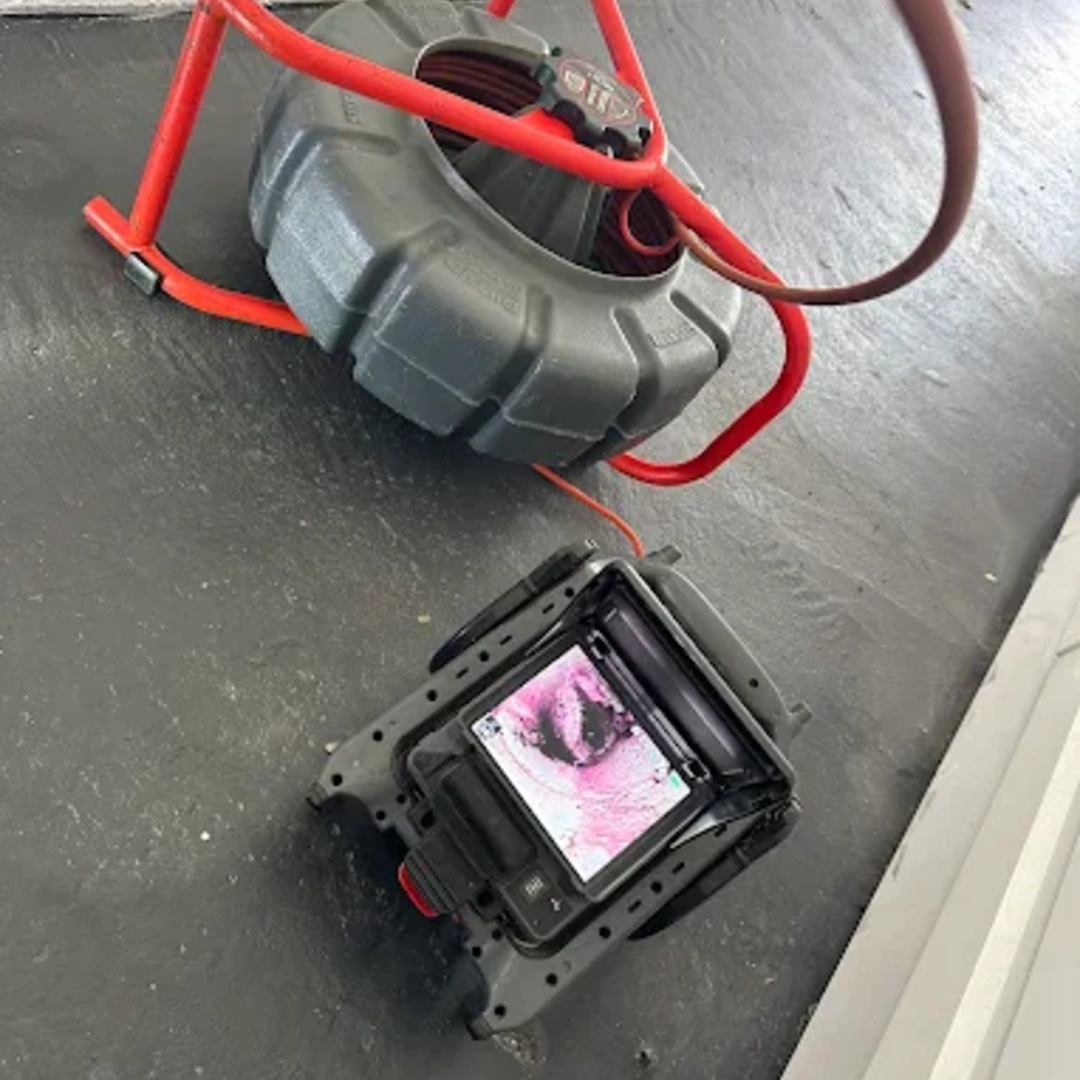
Camera inspection equipment used to examine accessible plumbing lines and investigate internal pipe conditions.
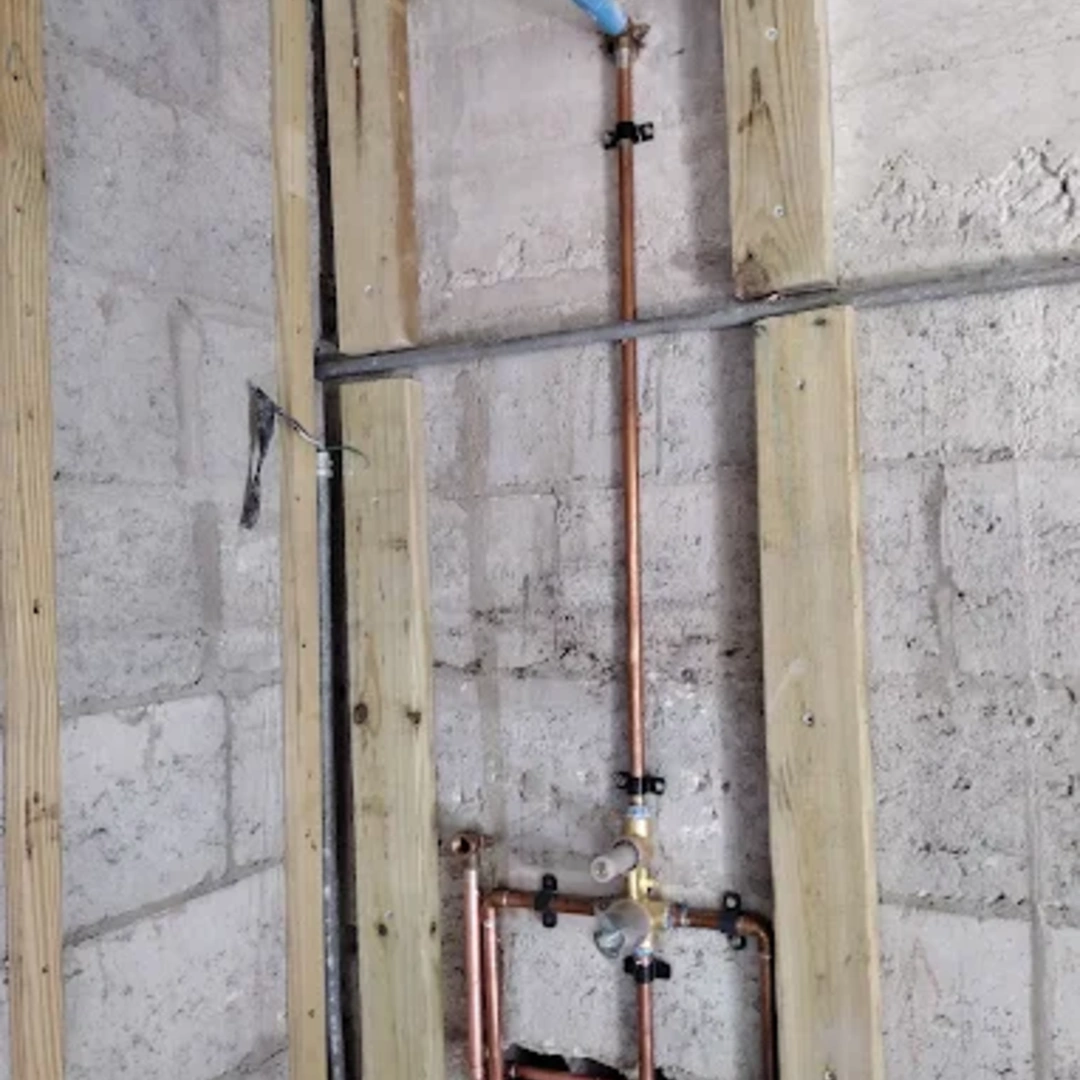
Water supply piping installed inside a wall cavity as part of new construction or plumbing installation work.
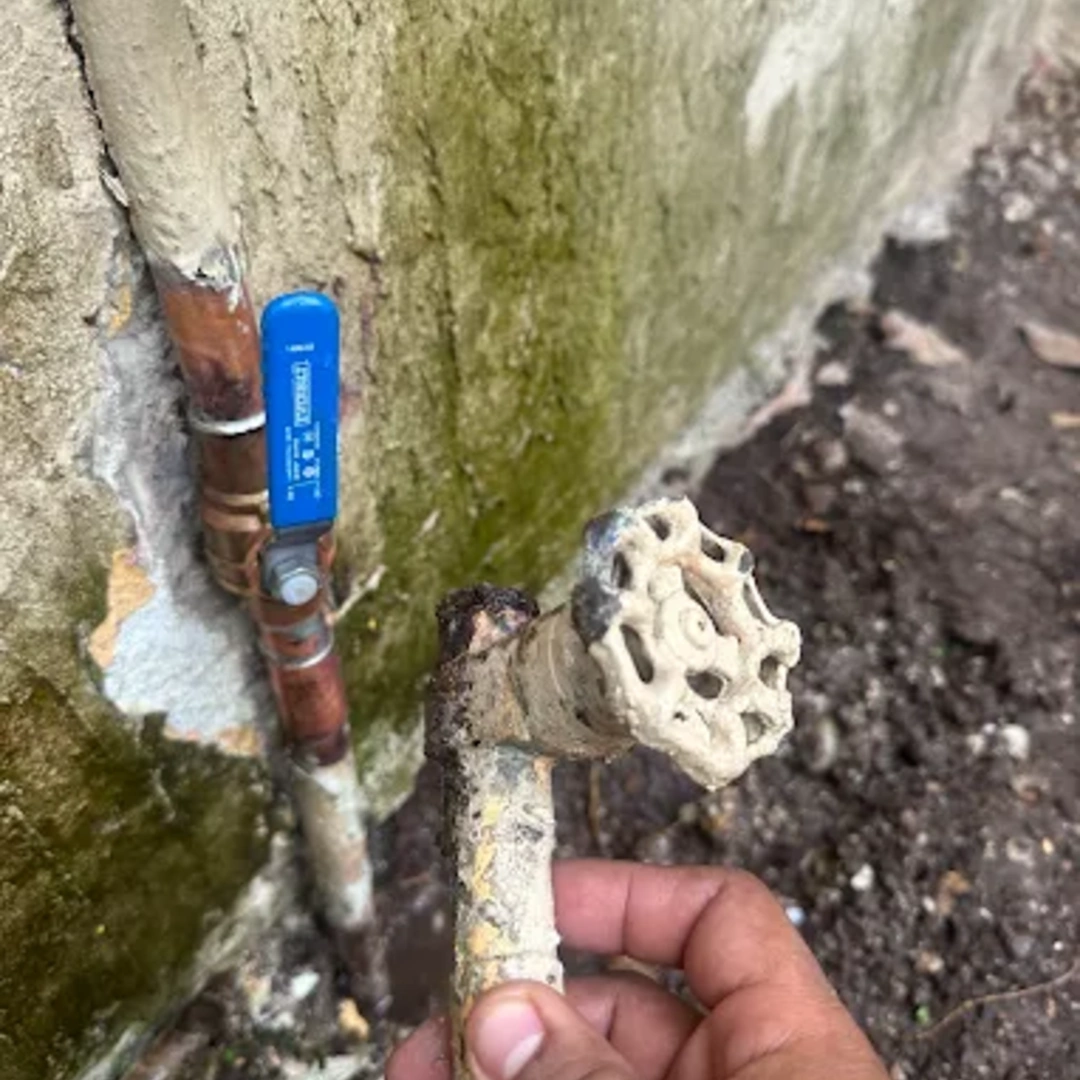
Copper piping and valve components involved in water supply maintenance and repair.
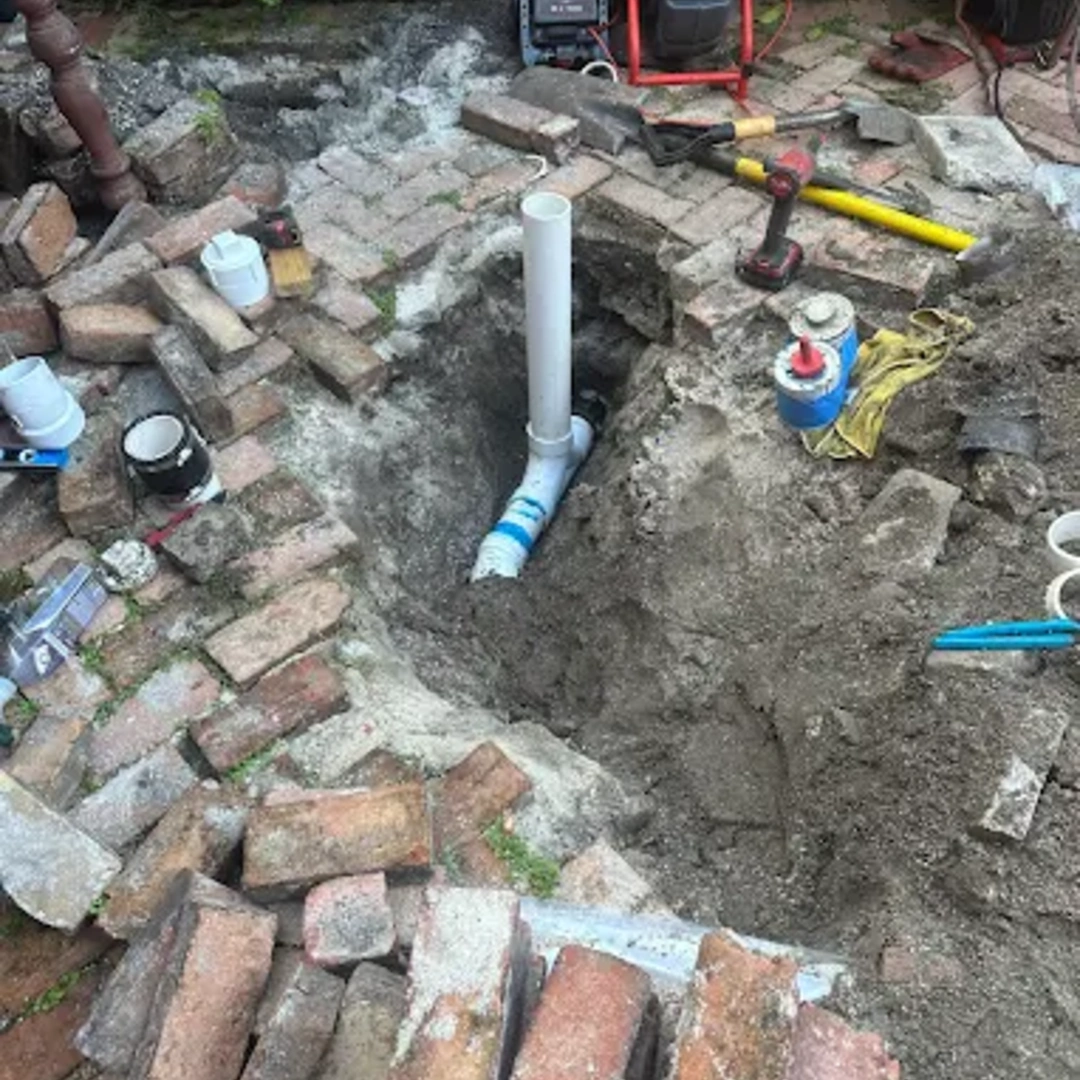
PVC piping installed below ground as part of an underground plumbing system.
Explore additional project photos featuring plumbing installations, inspections and repair work.
Professional Slab Leak Detection
Can you repair a slab leak without detection? Not reliably. Without knowing where the leak is, repairs can involve unnecessary guessing and concrete removal. Professional detection comes first, helping locate the problem and protect as much of your flooring as possible.
Sensitive microphones help identify the sound of water escaping from a pressurized underground plumbing line.
Thermal imaging equipment shows temperature patterns that may help locate a leaking hot water line beneath the floor.
Pressure testing helps determine whether a plumbing line is losing pressure and can help isolate the affected line.
Camera inspection is used when an accessible drain or plumbing line needs a visual check of its internal condition.
Slab leak detection helps narrow down the source of escaping water before choosing a repair method. Electronic testing and professional diagnosis can reduce unnecessary demolition, although some leaks still require access through concrete or flooring.
Slab Leak Repair Methods
Yes, slab leaks can be repaired, and many repairs can avoid opening the concrete slab. The right method depends on the age and condition of your pipes, leak location, accessibility and flooring.
How do you choose the right repair? Professional leak detection helps identify the damaged line before comparing pipe rerouting, lining or direct slab access.
Repipe Through Walls or Attic
New PEX piping is installed through a suitable wall or attic route, bypassing the damaged line beneath the concrete slab.
Trenchless Repair Option
Where a suitable lining system is approved for the specific pipe, a resin-based material can form an internal lining to address certain defects.
Targeted Spot Repair
A localized section of flooring and concrete is opened above the identified leak so the damaged pipe can be accessed and repaired directly.
Pipe rerouting can bypass a leaking line without breaking the concrete slab. Certain approved lining systems may also avoid slab demolition when the pipe and damage type are suitable. An inspection determines which methods are realistic for your plumbing system.
It depends on pipe age, repair scope and flooring restoration. For deteriorating copper plumbing with repeated leaks, rerouting may offer better long-term value than repeated spot repairs. A single isolated leak may be more economical to repair directly.
Speak with EZ Plumbing Repair & Services about your slab leak symptoms, pipe condition and possible repair options. A professional inspection can help determine the next step.
Miami Slab Leak Repair Pricing
Explore indicative 2026 slab leak detection and repair cost ranges for Miami and Broward homes. Your final quote is provided after inspection so you can review the price before approving repair work.
$250 – $600
Acoustic and thermal leak pinpointing, along with a written detection report.
$1,500 – $4,500+
Installation of a new water line through suitable walls or attic routes, bypassing the damaged line below the slab.
$2,000 – $5,000
Opening the concrete, repairing the affected pipe and patching the slab. Finish flooring costs may vary.
Priced Per Foot
An appropriate internal pipe lining system, where the pipe condition, application and local requirements allow it.
Pricing note: These are illustrative 2026 ranges supplied for this page, not a guaranteed quote or independently verified Miami market average. Actual costs depend on diagnosis, job scope, accessibility, permits and restoration requirements.
No two slab leaks are exactly alike. The location of the leak, pipe condition and work required to access and restore the area can affect your final estimate.
Describe your plumbing problem and arrange the next step with EZ Plumbing Repair & Services. Review the proposed scope and pricing before repair work begins.
Slab Leak Insurance Guidance
Often partially, depending on your policy. Homeowners insurance may cover certain types of water damage and access costs, while excluding some plumbing repairs. Review your policy and speak with your insurer to understand which expenses may qualify.
A slab leak can involve more than repairing a damaged pipe. Flooring, drywall, access work and water damage may all be considered separately during an insurance claim.
Policy language, the cause of the leak, exclusions and claim circumstances determine what your insurer may pay.
Damage to flooring, cabinets or drywall may be covered when caused by a sudden, accidental plumbing leak, subject to your policy and its exclusions.
Some Florida homeowners policies cover reasonable access work needed to reach a covered plumbing problem. Tear-out coverage and restoration limits vary by policy.
The cost of repairing or replacing a worn-out pipe may be excluded under wear-and-tear provisions. The homeowner may be responsible for the pipe and associated repair labor.
Gradual or repeated water seepage may be excluded or subject to special policy terms. Recording when you first noticed the signs can help establish a factual timeline.
Claim Preparation Guide
Take photos and arrange a professional leak detection report. Document conditions before planned demolition when safe and practical. Do not delay urgent damage mitigation.
Note dates and factual signs such as a rising water bill, warm flooring or running-water sounds. Avoid guessing about the cause of the leak.
Save invoices, photographs, inspection findings, repair estimates and written reports in one accessible location.
Report the damage according to your policy requirements. Ask your adjuster which records, inspections and next steps are needed.
EZ Plumbing Repair & Services provides written detection reports, photographs and thermal images where applicable, helping document the findings for your records and insurance claim. Your insurer makes all final coverage decisions.
Important insurance information: This page provides general information, not legal or insurance advice. Coverage depends on individual policy terms and claim facts. EZ Plumbing Repair & Services does not determine insurance coverage or guarantee claim approval. Consult your insurer, insurance agent or a qualified professional for guidance on your specific claim.
Customer Experiences
Read customer feedback about EZ Plumbing Repair & Services, including plumbing diagnostics, water heater work and service experiences in South Florida.
Great experience we call this company to diagnose a gas problem in our kitchen they was able to fix it right away I recommend this company for any commercial job in homestead.
Google review · 5 stars
Thank you for the feed back anytime you need a plumber in homestead area or you residencial property call us thank you
Great price call this company they came to broward to fix my water heater problem fast and efficient price I highly recommended ez plumbing repair and services
Google review · 5 stars
Visit our Google reviews page to read additional customer feedback about EZ Plumbing Repair & Services.
Understanding Slab Leaks
South Florida conditions can place ongoing stress on water lines beneath concrete foundations. Pipe age, soil movement, friction, installation quality and water pressure can all contribute to underground leaks.
Older copper water lines can corrode over time, thinning the pipe wall until small pinhole leaks develop. Pipe condition, surrounding materials and water chemistry may influence corrosion.
Changes in ground moisture and heavy tropical rain can contribute to soil movement beneath a slab. When the ground shifts, rigid pipes may experience stress at joints or vulnerable sections.
Pipes expand and contract as water temperatures change. If a pipe rubs against concrete, gravel or another hard surface, repeated friction can gradually wear through the pipe wall.
Kinked pipe, stressed fittings or accidental damage during installation and concrete pouring can create weak points. These areas may eventually fail after years of normal use.
Excessive water pressure can strain pipe joints, fittings and weakened pipe walls. When plumbing is already deteriorating, sustained high pressure may increase the likelihood of failure.
A slab leak may go unnoticed for weeks or months, especially when water remains below the flooring. Some leaks are discovered only after an unexpected increase in the water bill, unusual running-water sounds or visible moisture damage.
Escaping water may soften or wash away supporting soil, depending on the leak and ground conditions. This can contribute to settling, cracking and moisture problems. Severe or prolonged erosion may create voids beneath parts of the foundation.
Important: These causes and symptoms do not automatically confirm a slab leak. Professional testing helps establish whether a water line is leaking and where the problem is located.
Why Choose EZ Plumbing
When plumbing problems disrupt your home or business, you need clear answers and dependable service. Here's what you can expect when contacting our South Florida plumbing team.
From urgent plumbing calls to slab leak detection and repair, EZ Plumbing Repair & Services focuses on identifying the problem, explaining available options and helping customers make informed repair decisions.
Residential and commercial plumbing assistance across Miami, Homestead, Broward County and surrounding communities.
Licensed and insured plumbing service for residential and commercial properties across South Florida.
Emergency plumbing assistance day or night across Miami and Broward County.
Speak directly with a local plumbing team rather than a remote call center.
Review the diagnosis, proposed repair scope and pricing before repair work begins.
We prioritize locating suspected slab leaks before considering concrete removal or demolition.
Written detection reports and supporting photographs to help document plumbing findings for insurance purposes.
Miami, Homestead, Broward County and surrounding South Florida communities.
Tell us about your plumbing problem. Call EZ Plumbing Repair & Services or book online to arrange the next step.
Slab Leak Questions Answered
Get straightforward answers about slab leak repair costs, homeowners insurance, repair methods, warning signs and emergency plumbing service in Miami.
In Miami, indicative 2026 estimates are $250–$600 for detection, $1,500–$4,500+ for a pipe reroute, and $2,000–$5,000 for direct slab repair. Epoxy lining is generally quoted by pipe length and job requirements. These are supplied estimates, not guaranteed market rates. Your final quote is provided after professional detection.
Possibly in part. Some homeowners policies cover resulting accidental water damage or certain tear-out expenses, while repairs to deteriorated pipes may be excluded as wear and tear. Coverage depends on the policy, cause of damage and exclusions. Check with your insurer before assuming a cost will be reimbursed.
Yes. Repair options include rerouting the damaged supply line through walls or the attic, direct repair through the slab, or a suitable approved pipe-lining system. The best method depends on pipe condition, leak location and accessibility.
Shut off the main water valve if you suspect an active leak. If safe and before shutting it off, a water meter test can help identify unexplained usage. Photograph visible signs, avoid breaking concrete and contact a licensed plumber for leak detection. Keep away from water near electrical equipment.
An active slab leak deserves urgent attention because escaping water can damage flooring, building materials and soil beneath the home. If safe, shut off the water supply and call a plumber promptly.
Often, yes. Rerouting a damaged line may avoid opening the slab. Certain pipe-lining systems may also reduce excavation where appropriate for the pipe and plumbing application. A professional inspection determines whether a non-excavation repair is practical.
A PEX pipe reroute can bypass the damaged underground water line through walls or other suitable routes. An approved internal lining system may be another option for selected pipe defects. Lining is not suitable for every pressurized water line, so the plumber must confirm compatibility.
Some slab leaks can go unnoticed for weeks or months because water is hidden beneath the floor. An unexpected water bill, unusually warm flooring or the sound of running water may be the first clue.
Escaping water may soften or erode soil supporting the slab. Depending on the leak and soil conditions, this can contribute to foundation settling, cracks, damp flooring and conditions that encourage mold growth.
A true geological sinkhole is not the usual result of a plumbing leak. However, prolonged water escape may wash away supporting soil and create localized voids or settling beneath a concrete slab. Prompt leak repair helps limit further damage.
Detection may take a few hours in an average-sized home. Some single-line reroutes can be completed in one day, while direct repairs, lining work and flooring restoration may take longer. The actual schedule depends on the repair scope.
No. A small underground leak may not noticeably reduce pressure. Higher water bills, warm floor areas or running-water sounds may appear before any pressure change.
Not reliably. Without locating and diagnosing the leak, a repair may involve unnecessary demolition or fail to address the actual problem. Leak detection helps guide the choice between direct repair, rerouting and other suitable methods.
Contact an appropriately licensed plumbing contractor with experience in under-slab water lines, leak detection, pipe repair and rerouting. Ask about the proposed diagnostic approach and repair options before authorizing work.
Describe what you observed and when you noticed it. Share relevant photos, invoices, inspection findings and the leak detection report. Avoid guessing about how long the leak existed or what caused it. Your insurer determines coverage under your policy.
Helpful information: These answers provide general slab leak guidance. Actual repair costs, completion times, pipe lining suitability and insurance coverage depend on the individual property and circumstances. A professional inspection is required for a specific diagnosis.
Slab Leak Repair in Miami
Every day an active slab leak continues, it can waste water and increase the risk of damage beneath your home. Don't leave a suspected leak unchecked. Contact EZ Plumbing Repair & Services for leak detection and a clear repair recommendation with pricing before work begins.
EZ Plumbing Repair & Services — Slab Leak Detection & Repair
Miami • Homestead • Broward County
Plumbing Emergency in Miami? Our team is on call 24 hours a day, 7 days a week.
Call 786-239-6529