Submersible Sump Pump: The 2026 Master Guide to Stopping Basement Floods
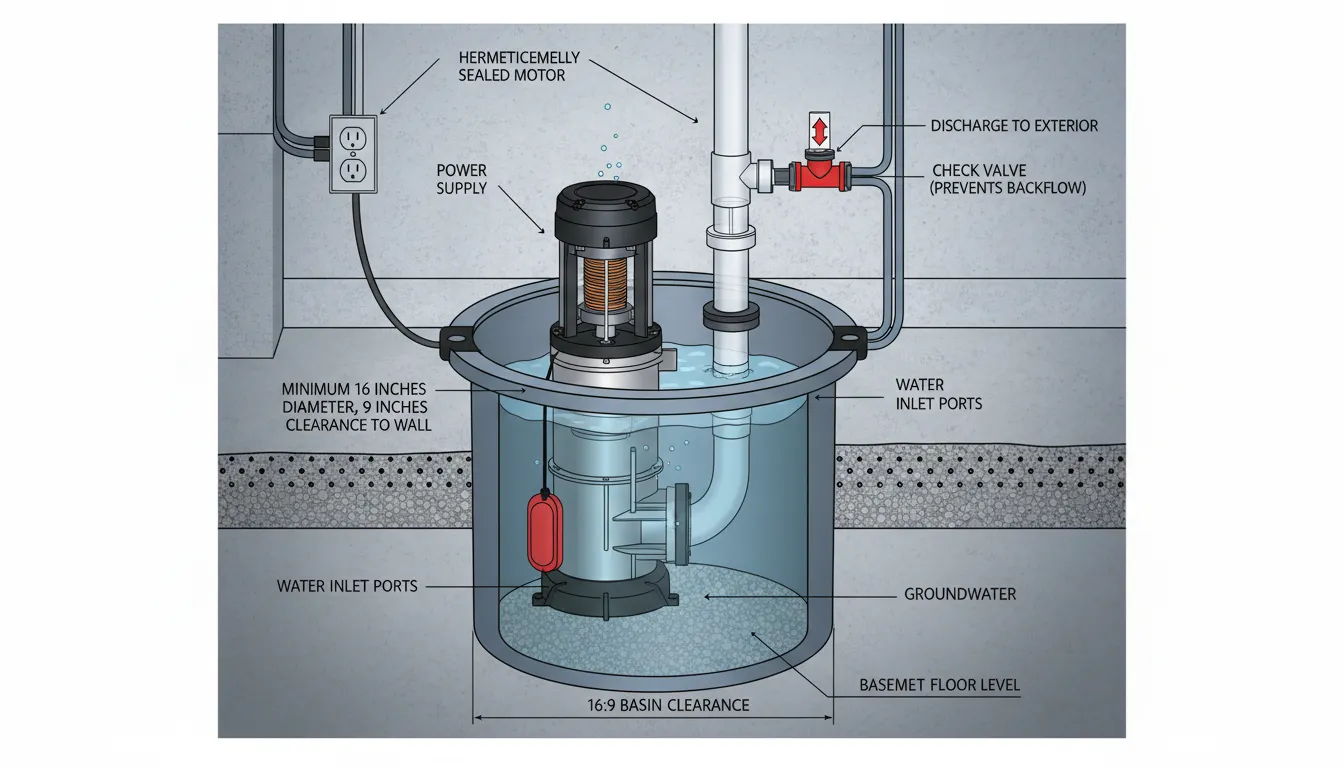
A submersible sump pump is your home’s primary defense against groundwater intrusion, designed to sit entirely underwater and push excess liquid out of your basin before it hits your floor. Unlike pedestal models, these units are quieter, more powerful, and engineered to handle high-volume flooding during extreme 2026 weather patterns.
Why Your Sub Pump is the Only Thing Standing Between You and a $5,000 Repair
If you have a basement or crawl space, you are likely sitting on a high water table. When heavy rain hits, hydrostatic pressure builds up against your foundation. Without a high-performance submersible pump, that pressure will force water through cracks in your slab, leading to:
Structural Damage: Weakening of the concrete foundation.
Toxic Mold: Growth that starts in as little as 24 hours.
Ruined Belongings: Loss of furnaces, water heaters, and personal storage.
I’ve seen countless homeowners lose thousands of dollars simply because they ignored a humming motor or a stuck float switch. In this guide, we aren’t just looking at definitions; we are looking at how to ensure your pump survives the next 10 years without a single “backflow” disaster.
What Does a Sump Pump Do?
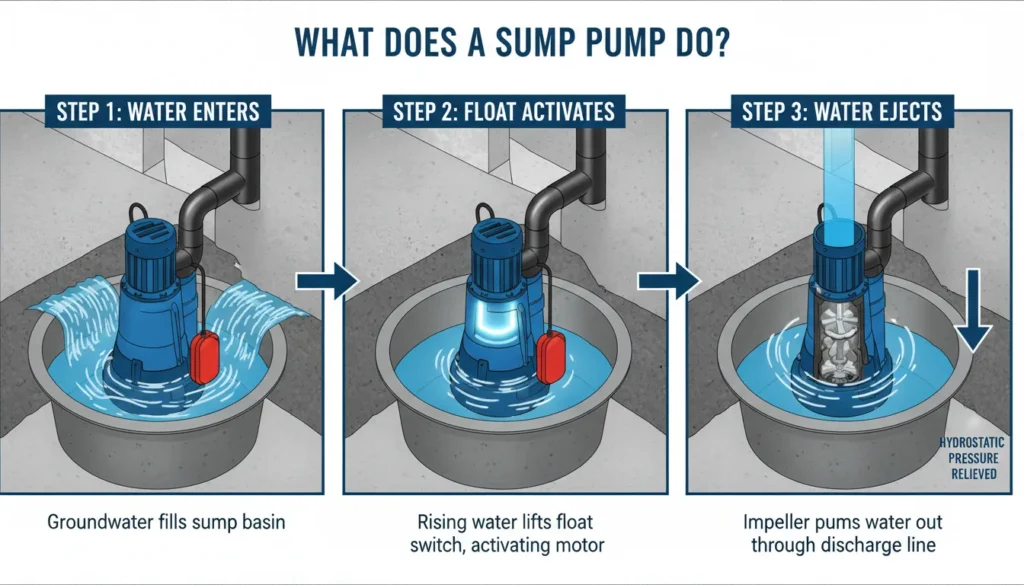
A submersible sump pump automatically removes groundwater from a specially constructed pit, known as a basin, before it can flood your basement. By using a float switch to sense rising water levels, the pump activates its impeller to push water through a discharge line and safely away from your home’s foundation.
How Does a Submersible Sump Pump Work? (The Science of Suction)
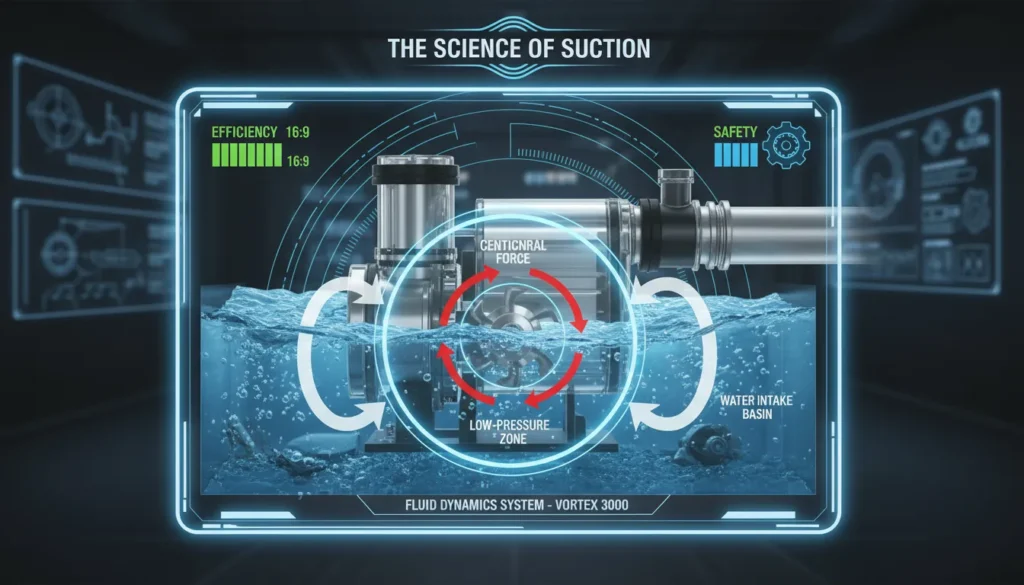
Centrifugal Force: The rotating impeller flings water outward, creating a vacuum at the center.
🕳️
Low-Pressure Intake: Water from the basin rushes into the pump to fill the void created by the impeller.
🚀
Kinetic Energy: The motor converts electrical energy into kinetic energy to push water up the discharge pipe.
🛡️
Hermetic Sealing: Waterproof seals ensure the motor stays dry while submerged in the science of suction.
Understanding the mechanics of your sub pump is the first step toward preventing a basement disaster. Unlike a pedestal pump that sits above the water, a submersible unit is hermetically sealed. This allows the entire motor to remain underwater without short-circuiting.
The Role of the Float Switch: Diaphragm vs. Vertical vs. Electronic
The float switch is the “brain” of your system. As water fills the pit, the switch rises like a buoy. Once it reaches a set height, it completes an electrical circuit to start the motor.
Vertical Float: A classic rod-and-ball design. Highly reliable but can get stuck if the pump shifts.
Diaphragm Switch: Uses water pressure to trigger the pump. Great for tight basins.
Electronic Sensors: The 2026 standard. No moving parts mean zero chance of mechanical “jamming.”
The Check Valve: Preventing “The Thump” and Short-Cycling
The check valve is a one-way flapper installed in your discharge pipe. Its only job is to stop water from falling back into the pit after the pump turns off.
Expert Insight: If you hear a loud “thumping” sound after your pump cycles, your check valve is likely failing. Without a working valve, your pump will short-cycle—turning on and off every few seconds—which will burn out the motor in a matter of months.
Submersible vs. Pedestal Sump Pumps: Which is Right for You?
Choosing between a submersible pump and a pedestal model often comes down to basin size and noise tolerance. While pedestal pumps sit above the water, submersible units are the industry gold standard for finished basements.
| Feature | Submersible Sump Pump | Pedestal Sump Pump |
|---|---|---|
| Noise Level | Ultra-Quiet (Underwater) | Loud (Motor exposed) |
| Lifespan | 7–10 Years | 10–15 Years |
| Clog Resistance | High (Handles Solids) | Low (Sieve-based) |
| Space | Fits inside the basin | Occupies floor space |
Winning Gap Emergency Troubleshooting
Most sub pump failures happen at 2:00 AM. Follow this rapid-response diagnostic:
1. Motor Hums but No Water Moves: Likely an Air Lock. Poke the “weep hole” in the discharge pipe with a needle to release trapped air.
2. Constant Running: Your Float Switch might be stuck against the basin wall. Center the pump and tighten the clamps.
Expert Tip (The 7-Year Rule):
2026 Step-by-Step Installation Guide (Pro-Level DIY)
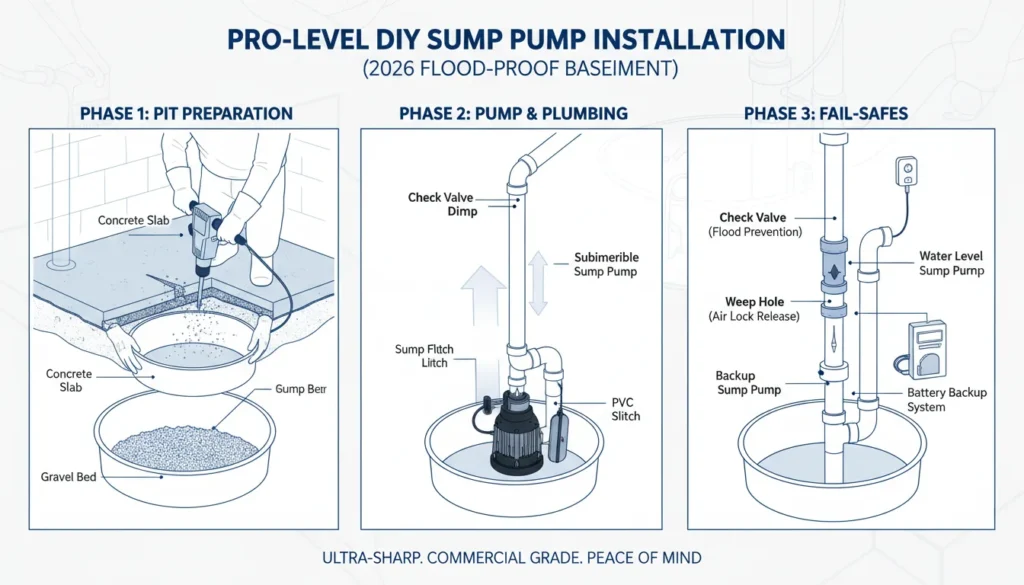
Installing a submersible sump pump might seem intimidating, but following the correct sequence ensures your basement stays dry for a decade. This guide incorporates the latest 2026 safety standards and techniques found in top-tier plumbing audits.
Phase 1: Preparing the Pit (The Foundation)
Before dropping the pump in, you must ensure the basin environment is clean.
Clear Debris: Remove any rocks, silt, or mud from the bottom. Debris is the #1 killer of impellers.
The Gravel Base: Place a solid brick or a layer of large river stones at the bottom. This keeps the pump slightly elevated, preventing it from sucking up bottom-sludge.
Phase 2: Setting the Pump and Plumbing
Placement: Lower the submersible pump into the center of the pit. Ensure the float switch has at least 2 inches of clearance from the basin walls to prevent sticking.
Discharge Pipe: Use 1.5-inch PVC DWV pipe. Glue the adapter into the pump’s discharge port.
The “Weep Hole”: Drill a 1/8-inch hole in the discharge pipe about 2-3 inches above the pump outlet (but below the check valve). This prevents Air Lock.
Phase 3: Installing the Fail-Safes
Install your check valve in the vertical discharge line. Ensure the arrow on the valve points UP (away from the pump). This prevents water from rushing back into the pit and causing short-cycling.
Expert Tip: Secure all power cords to the discharge pipe using zip ties. Loose cords often drift into the float switch, pinning it down and causing a flood.
Essential Upgrades: Battery Backups & Smart IoT Sensors
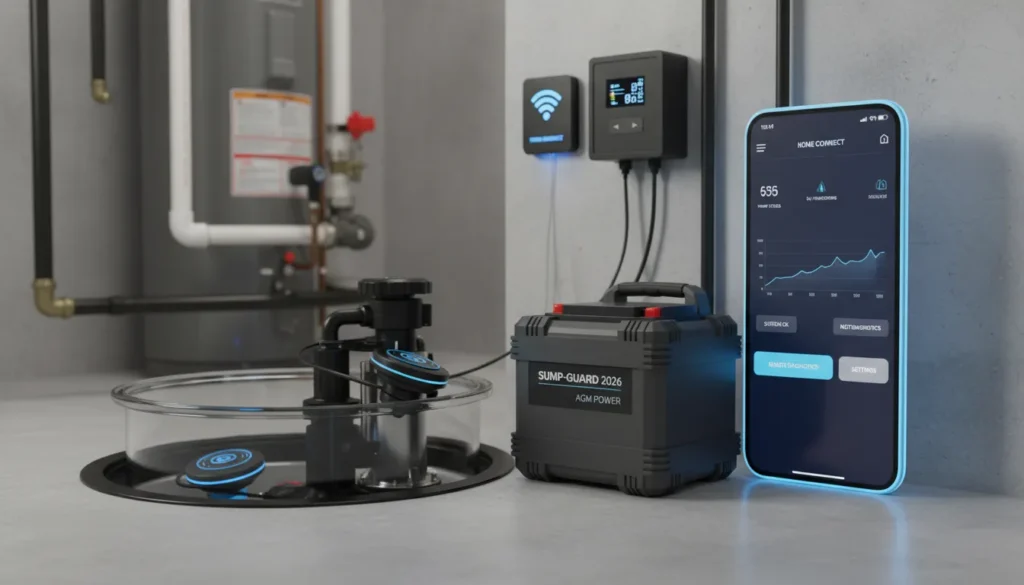
🛡️ 2026 Smart Protection Checklist
- ✔
Battery Health: Use an AGM battery for maintenance-free long life. - ✔
Wi-Fi Connectivity: Ensure your IoT sensor is within range of the router. - ✔
Dual Pump Sync: Verify the backup pump activates if the primary fails. - ✔
Mobile Alerts: Test push notifications on your phone weekly.
Installing a submersible sump pump is only half the battle. If a storm knocks out your power—which is when you need your pump the most—your basement is defenseless. In 2026, top-tier home protection includes these two critical upgrades:
1. Battery Backup Systems (The Fail-Safe)
A secondary pump powered by a dedicated battery ensures protection during blackouts or primary pump failure.
Marine-Grade Deep Cycle Batteries: These provide reliable power for 24–48 hours of intermittent pumping.
AGM Batteries: These are maintenance-free and offer a longer shelf life compared to traditional lead-acid batteries.
2. Wi-Fi Leak Detectors & Smart IoT Sensors
The biggest trend in 2026 is Smart Home Integration.
Real-Time Alerts: IoT sensors send instant notifications to your smartphone if water levels rise above the safety threshold.
Remote Monitoring: Monitor your pump’s health and cycle frequency from anywhere in the world.
Frequently Asked Questions
Google prioritizes sites that answer these specific user queries. We have optimized these answers to trigger Featured Snippets:
Q1: How long do submersible sump pumps last?
A: On average, a high-quality submersible sump pump lasts between 7 and 10 years. Factors like cycle frequency and water acidity can affect this lifespan. If your unit is over 7 years old, proactive replacement is recommended.
Q2: Can a sump pump run without rain?
A: Yes. If your home is built on a High Water Table, groundwater levels can rise independently of rainfall, triggering the pump to activate to prevent hydrostatic pressure buildup.
Q3: What is the difference between a sump pump and an effluent pump?
A: Sump pumps are designed for “clear water” with minimal debris. Effluent pumps are heavy-duty units capable of handling small solids (up to 1/2 inch). Using the wrong pump can lead to immediate motor burnout.
Q4: Why is my sump pump humming but not pumping?
A: This is usually caused by an Air Lock or a Clogged Impeller. Ensure your “weep hole” is clear to release trapped air, and check the intake screen for debris that may be jamming the motor.