What Is a Main Line in Plumbing? Full Guide for Homeowners
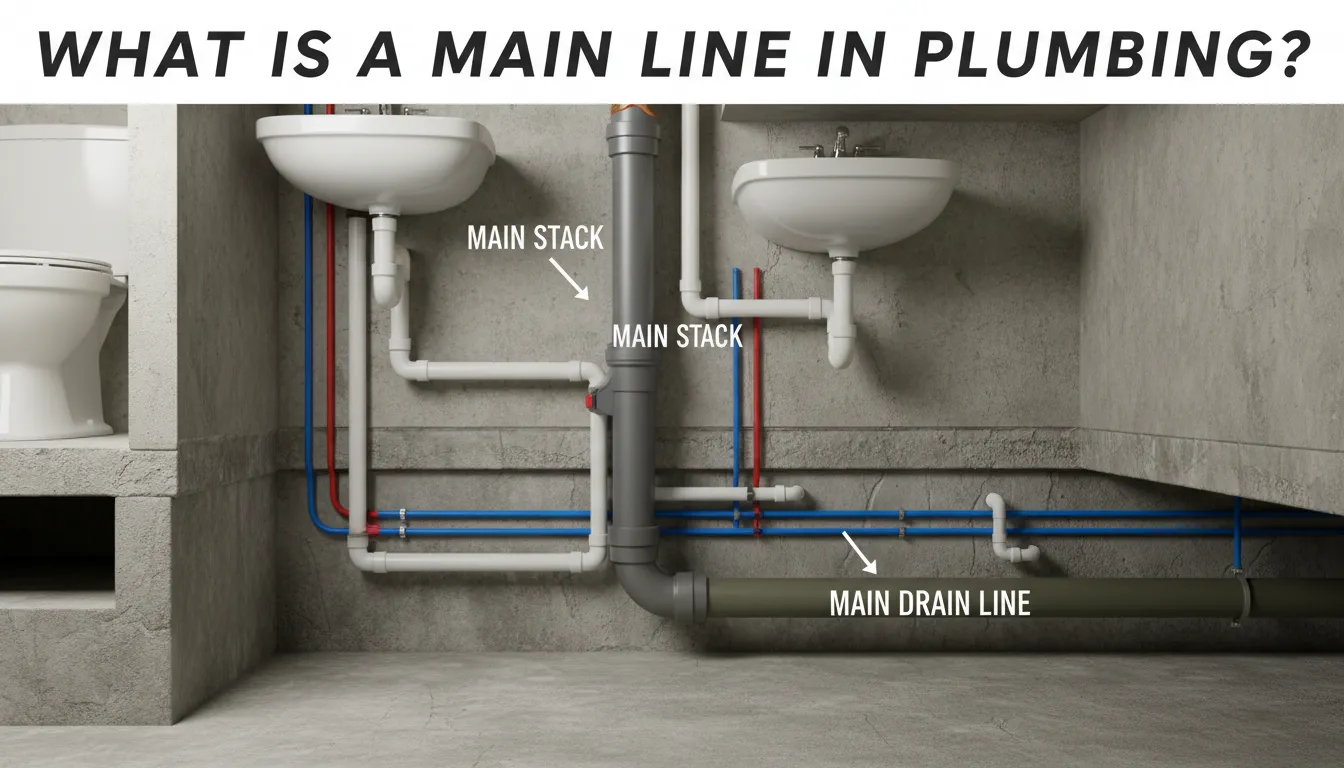
When it comes to home plumbing, understanding the layout and function of your system is essential. One of the most crucial components of any plumbing system is the main line, the central pipeline that carries wastewater out of your home. While most homeowners are familiar with toilets, sinks, and showers, many are unaware of how these fixtures are all connected to the main line, which ensures that wastewater is efficiently transported to the municipal sewer system or septic tank.
Having knowledge of the main line plumbing is important because issues such as clogs, leaks, or cracks can lead to major plumbing problems and expensive repairs. Understanding how it works, where it’s located, and how to maintain it properly can help prevent damage, costly repairs, and ensure the overall health of your plumbing system. In this guide, we’ll explore what a main line is, how it works, and the best practices for maintaining it to avoid potential plumbing emergencies.
What Is a Main Line in Plumbing?
The main line in plumbing, sometimes referred to as the main sewer line, is the primary conduit responsible for carrying wastewater from your entire home to the municipal sewer system or septic tank. This essential part of your plumbing system ensures that all the wastewater from various fixtures—such as toilets, sinks, showers, washing machines, and dishwashers—flows out of your home safely and efficiently.
Unlike the smaller drain lines, which carry wastewater from individual plumbing fixtures, the main line serves as the final pathway for wastewater before it exits your property. It’s typically a large-diameter pipe (usually between 4 to 6 inches wide) that runs underground, often beneath your home’s foundation or yard, connecting to either a septic system for rural homes or the city’s sewer system for urban homes.
The main line is the heart of your home’s plumbing system. Without it, your home’s plumbing wouldn’t function properly, as all waste needs a single exit route to avoid contamination, backflow, and system failure. Main lines are made from durable materials like PVC, cast iron, or clay, each offering different levels of durability, lifespan, and resistance to common issues like corrosion or tree root intrusion.
Understanding where the main line is located in your home, as well as how it works, is key to preventing plumbing issues and ensuring everything functions as it should. In the next sections, we’ll explore the potential issues with main lines and the essential steps for maintaining them.
The Role of the Main Sewer Line
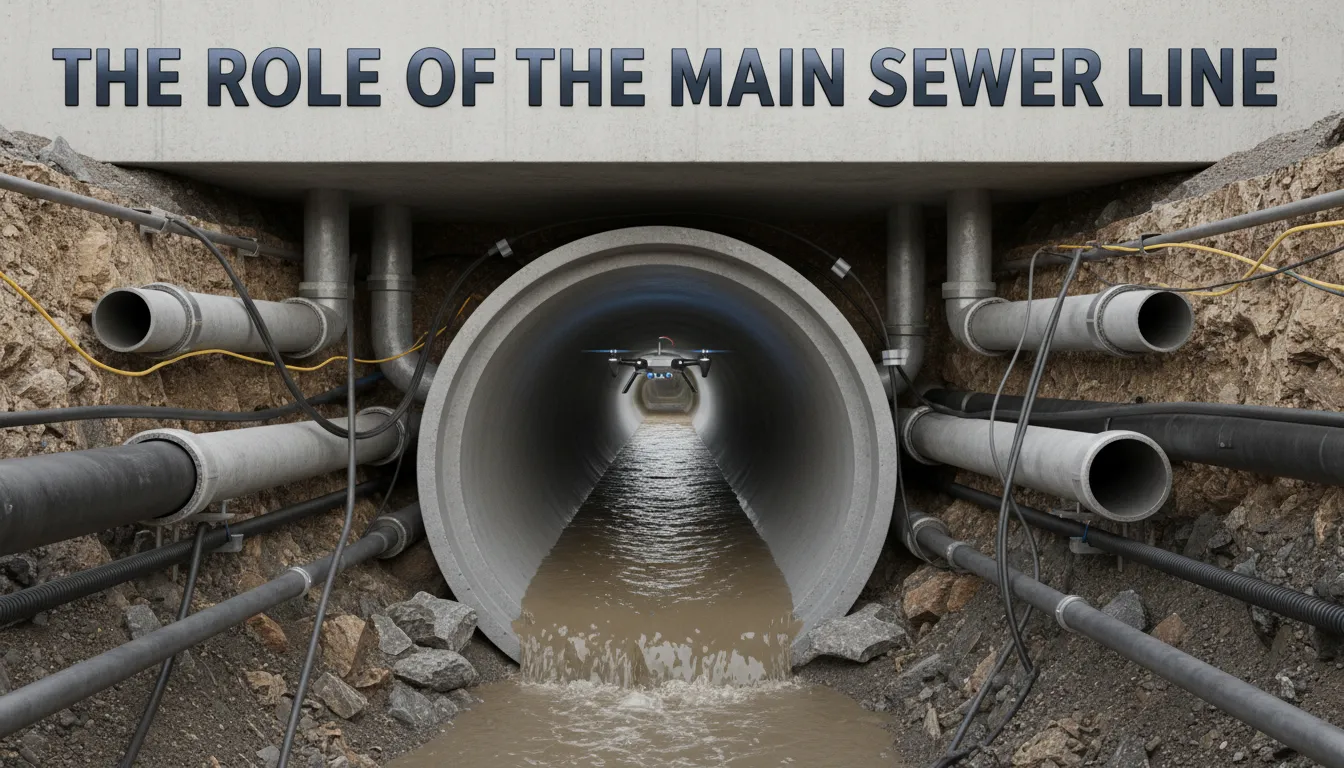
The main sewer line plays a crucial role in maintaining your home’s plumbing system by acting as the central pathway for all wastewater to exit your property. It is the final stage in your home’s plumbing system, responsible for directing wastewater away from individual drain lines and toward either a municipal sewer system or a septic tank. Every fixture in your home—be it your toilets, sinks, showers, or appliances—discharges wastewater into the main line, where it is then carried away for treatment or disposal.
Unlike the smaller, more localized drain lines, which transport wastewater from individual plumbing fixtures to the main line, the main sewer line is a larger, centralized pipe that ensures everything flows out of your home without risk of contamination or blockage. The main sewer line’s design and material are built to withstand the demands of daily usage, making it one of the most vital parts of your plumbing infrastructure.
Main sewer lines are generally constructed using PVC (Polyvinyl Chloride), cast iron, or clay, each material offering distinct benefits. For instance, PVC pipes are lightweight and resistant to corrosion, making them a popular choice for newer installations. On the other hand, cast iron pipes, which were once commonly used, offer superior durability but may be prone to rust and corrosion over time. The choice of material impacts the longevity and maintenance needs of your main sewer line.
Understanding the role of the main sewer line helps homeowners recognize its significance in plumbing health. Regular maintenance and timely repairs can ensure that your main sewer line continues to work efficiently, preventing the costly consequences of clogs, leaks, and other plumbing emergencies.
Warning Signs of a Clogged or Damaged Main Line
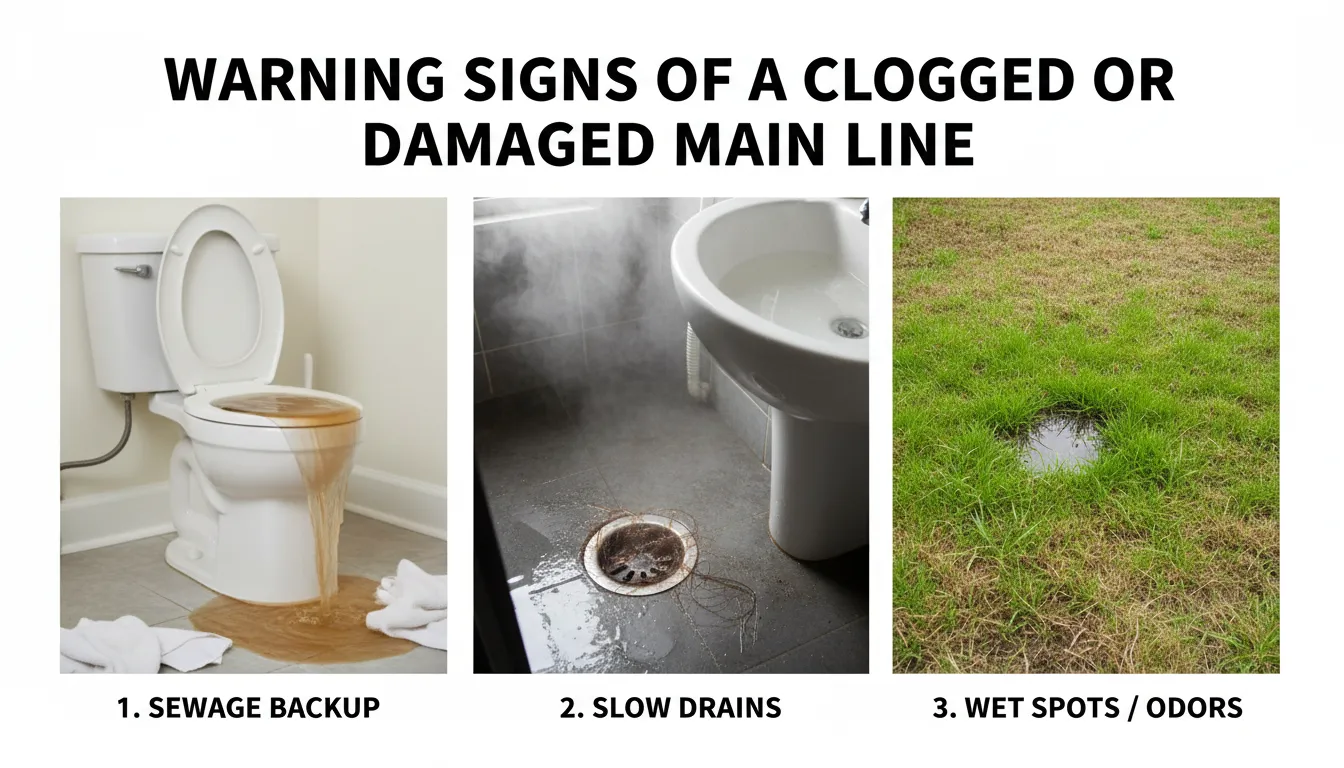
Recognizing the early warning signs of a clogged or damaged main line can save you from serious plumbing issues down the road. Ignoring these signs could lead to major disruptions, including water damage, sewage backups, and costly repairs. Here are some of the most common symptoms that indicate something might be wrong with your main sewer line:
Multiple Fixtures Backing Up: If more than one plumbing fixture in your home is backing up at the same time—such as toilets, sinks, and bathtubs—there’s a high likelihood that the issue lies within the main line. When the main sewer line is blocked, all wastewater from various fixtures can’t exit your home properly, leading to backups.
Gurgling Noises: If you hear gurgling sounds coming from your drains or toilets, especially after using a plumbing fixture, this could indicate a clog in the main sewer line. The gurgling is often a sign that air is trapped due to a blockage, and wastewater is struggling to flow through the system.
Water Backing Up in Unusual Places: One of the most telling signs of a main line issue is when water backs up into places it shouldn’t, like the bathtub, shower, or floor drain. If this occurs, especially after flushing a toilet, it’s often due to a blockage in the main sewer line.
Slow Drains: While a slow drain in a single fixture (like a sink) could be due to a local clog, slow drains in multiple fixtures or throughout the house can point to a deeper issue in the main sewer line. If draining is consistently slow in several areas, it’s a clear sign that something is obstructing the main line.
Unpleasant Odors: Foul smells coming from drains or around your yard can indicate a sewer line problem. A broken or blocked main sewer line could lead to stagnant water and wastewater leaking, which causes unpleasant odors to emanate throughout the home.
Recognizing these warning signs early can help prevent significant damage and costly repairs. If you notice any of these symptoms, it’s crucial to call a professional plumber to inspect and address the issue before it escalates.
Common Causes of Main Line Issues
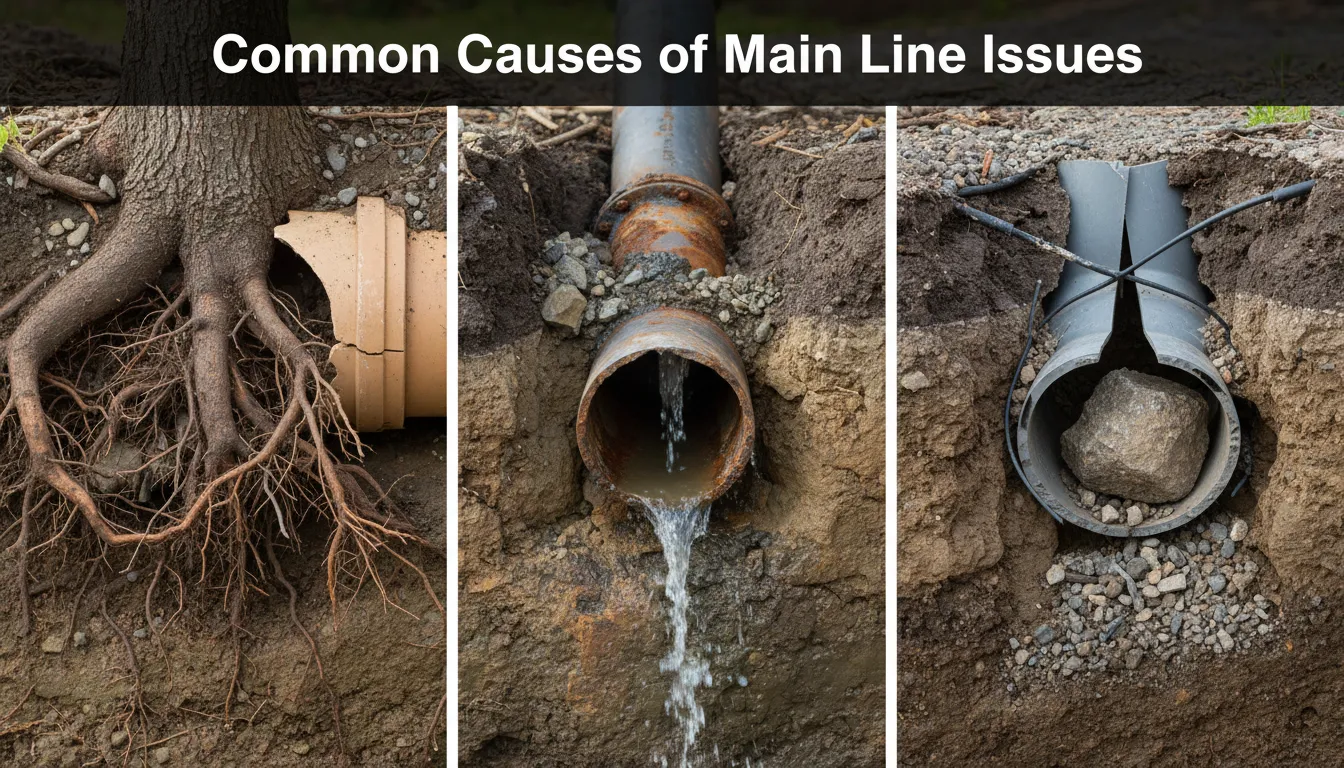
Several factors can lead to issues with your main sewer line, and understanding the common causes can help you prevent major problems. These problems often escalate if left unaddressed, resulting in costly repairs. Here are the most common causes of main line issues:
Tree Root Intrusion: Tree roots are one of the most common culprits behind main sewer line blockages. Over time, tree roots can grow into small cracks or joints in the sewer pipes, causing blockages or even complete pipe collapse. As the roots seek out moisture, they infiltrate the pipes, causing damage that can lead to significant clogs and water backups.
Pipe Corrosion: Older pipes, particularly those made from cast iron pipes, are susceptible to corrosion over time. As the metal breaks down, rust and debris can build up inside the pipe, narrowing the passage for wastewater.
Clogs from Non-Degradable Items: Over time, foreign objects such as grease, food waste, and non-flushable items like wipes or sanitary products can accumulate in the main sewer line. These materials do not break down easily, causing a buildup that restricts water flow and eventually leads to a clog.
Soil Shifting or Settling: Changes in the ground around your home—due to soil shifting, settling, or extreme weather conditions—can damage your main sewer line. Pipes may crack or become misaligned, causing leaks or clogs. This is especially common in homes with older plumbing systems or those in areas with unstable soil.
Aging Pipes: As plumbing systems age, the materials used in the pipes can deteriorate. Pipes that were installed decades ago may not meet modern standards, and over time, they may crack, leak, or collapse. PVC and cast iron pipes, while durable at first, eventually wear out under constant pressure.
Being aware of these causes can help you identify potential issues before they worsen. Regular inspections and prompt repairs are key to keeping your main sewer line functioning properly and avoiding expensive damage.
How to Prevent Main Line Issues
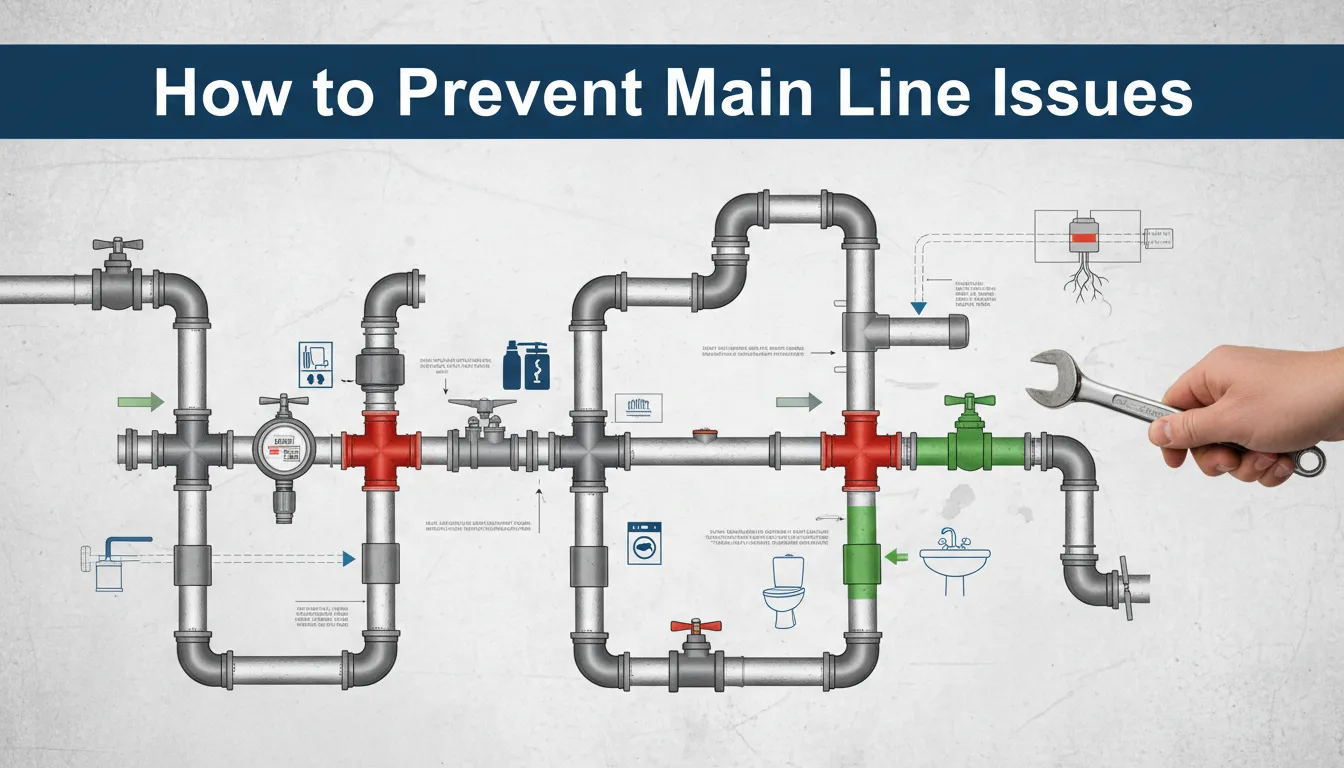
Preventing issues with your main sewer line is essential to maintaining the health of your entire plumbing system and avoiding costly repairs. While some problems are inevitable, there are several proactive steps you can take to reduce the risk of main line issues:
Regular Inspections: Scheduling routine inspections with a professional plumber is one of the best ways to catch potential problems before they become serious. A plumber can use video camera inspections to detect small cracks, clogs, or tree root intrusion in your main sewer line, allowing for early intervention and minimizing damage.
Tree Root Prevention: Since tree roots are a leading cause of main line clogs, it’s essential to manage trees near your plumbing system. Avoid planting large trees or shrubs near the path of your sewer line. If tree roots are already causing problems, a plumber can offer solutions like root removal or pipe relining to fix the issue without digging up your yard.
Proper Disposal Practices: Avoid flushing non-degradable items such as wet wipes, sanitary products, or paper towels down the toilet. Additionally, never pour grease or oil down the drain, as these substances can solidify and cause blockages. Using drain screens or strainers in sinks and showers can help catch debris before it enters your plumbing system.
Routine Drain Cleaning: Having your drain lines professionally cleaned once a year can prevent buildup of debris, grease, or hair that can eventually lead to clogs in the main line. Professional cleaning methods, such as hydro-jetting, can effectively remove buildup without damaging the pipes.
Maintain Clean-Out Access: Ensure that your clean-out access is easily accessible and in good condition. This allows plumbers to quickly identify and address any blockages or issues in your main sewer line.
By taking these preventative measures, you can significantly reduce the likelihood of main line issues and ensure your plumbing system continues to operate smoothly for years to come.
Professional Repair vs. DIY Main Line Solutions
When dealing with main line plumbing issues, homeowners often face the dilemma of whether to attempt a DIY solution or call a professional plumber. While DIY methods may seem cost-effective, the complexity and risks associated with main sewer line repairs often require professional expertise. Here’s a comparison of DIY versus professional solutions:
DIY Solutions:
Some minor clogs or issues in the drain line may be manageable with DIY methods like using a plunger or a drain snake. For example, if a sink is draining slowly or a toilet is partially clogged, you may be able to clear the blockage using household tools. However, main line issues are much more complex and often involve deeper problems such as tree root intrusion, pipe corrosion, or collapsed pipes—which require specialized tools and knowledge.
DIY Risks:
Temporary fixes: DIY methods, such as using chemicals or drain snakes, may only provide a temporary solution. They may not address the underlying cause of the problem, allowing it to reoccur.
Damage to pipes: Improper use of plumbing tools or chemicals can damage your pipes, leading to more expensive repairs.
Health risks: Dealing with raw sewage or wastewater without the proper training or equipment can expose you to harmful bacteria and hazardous waste.
Professional Repair:
Hiring a licensed plumber for main line repairs is often the best option. Plumbers have the tools, knowledge, and experience to handle tree root removal, pipe relining, hydro-jetting, and main sewer line replacement. They can also conduct thorough inspections using video camera technology to identify and fix problems at their root cause.
Benefits of Professional Repair:
Long-term solutions: Professional plumbers can perform a comprehensive repair or replacement that addresses the underlying cause of the issue, preventing future blockages.
Advanced techniques: Plumbers use specialized tools, such as hydro-jetting or trenchless repair technology, to clear blockages and fix pipes without extensive digging or disruption to your property.
Guarantees: Many professional plumbing services offer warranties or guarantees on their work, giving you peace of mind that the issue is resolved correctly.
While DIY methods may be suitable for simple tasks, main line plumbing issues require professional attention to ensure the job is done right and to prevent further complications down the line.
How Much Does Main Line Repair Cost?
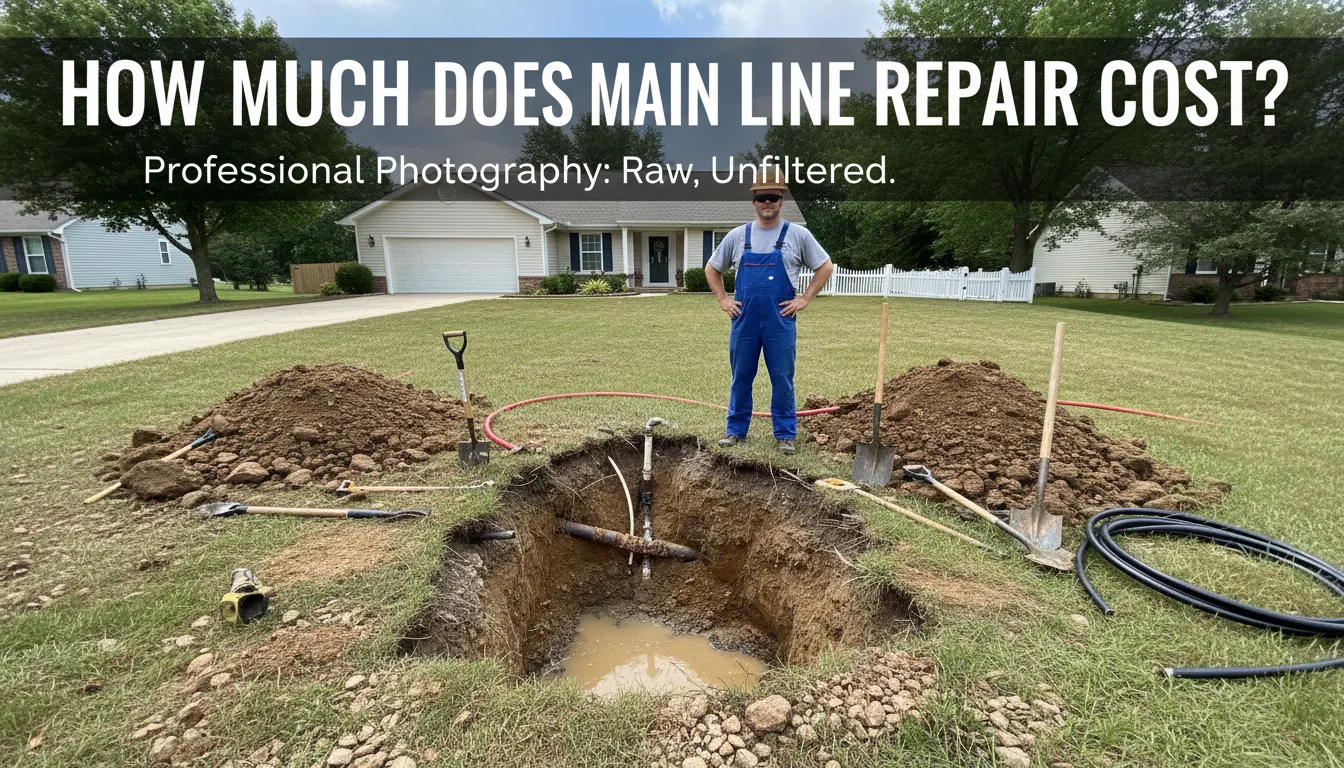
The cost of main line repair can vary significantly depending on several factors, such as the severity of the problem, the material of your pipes, and the location of the damage. While a basic clog or minor issue may not be expensive to fix, more complex problems like tree root intrusion, pipe deterioration, or main sewer line replacement can incur higher costs. Here’s a breakdown of the factors that affect the price of main line repairs:
1. Type of Issue
Clog Removal: Minor clogs that only require cleaning or snaking typically cost between $150 – $400. If the problem is deeper in the main line, the cost can increase due to the need for specialized tools.
Tree Root Removal: If tree roots are causing a blockage, the cost can range from $200 – $600. Severe root intrusions may require more extensive excavation and repairs, which could cost more.
Pipe Replacement: If the pipes are severely damaged or corroded, full pipe replacement might be necessary. The cost for this can range from $1,000 – $10,000, depending on the length of the pipe and the materials used (e.g., PVC, cast iron, or clay).
2. Material and Pipe Type
The material of the main sewer line impacts the cost. For example:
PVC pipes are generally the least expensive and easiest to repair.
Cast iron pipes tend to be more durable but can be costly to replace or repair due to the need for special tools and labor.
Clay pipes are also expensive to replace and can be prone to cracking, requiring more intensive repairs.
3. Location and Access
The location of the damage and ease of access also play a significant role in the cost. For example:
If the main sewer line is easily accessible from an exterior cleanout, the cost of repairs will be lower.
If the repair requires excavation or work inside the home, such as accessing a basement or crawl space, the price can increase due to labor and equipment costs.
4. Labor Costs
Labor costs can vary based on the plumber’s location, experience, and the complexity of the job. Most plumbers charge between $100 – $250 per hour for labor, depending on the region.
It’s important to get a detailed estimate from a licensed plumber before proceeding with any repairs. Regular maintenance can help reduce the likelihood of major repairs and keep costs manageable in the long term.
Conclusion
Understanding your main line plumbing is crucial for maintaining a functional and efficient plumbing system in your home. The main sewer line is responsible for carrying all wastewater from your home to the municipal sewer system or septic tank. It’s essential to recognize the warning signs of blockages or damage early, so you can prevent costly repairs and avoid plumbing emergencies.
Regular maintenance and timely inspections can keep your main line in optimal condition, helping you avoid disruptions to your household’s daily routines. Whether it’s performing minor DIY fixes or calling in a professional plumber for more complex issues, staying proactive can save you from more significant problems down the road.
If you notice signs of trouble, such as slow drains, gurgling toilets, or water backing up into fixtures, don’t hesitate to call a licensed plumber to inspect your main line. Taking swift action ensures that your home’s plumbing system remains in good working order.
Contact us today for a main line inspection or if you’re facing plumbing issues. Our expert team can help you maintain a healthy plumbing system and provide reliable repairs when needed.