Why Pool Leak Detection Is Critical for Miami Homeowners
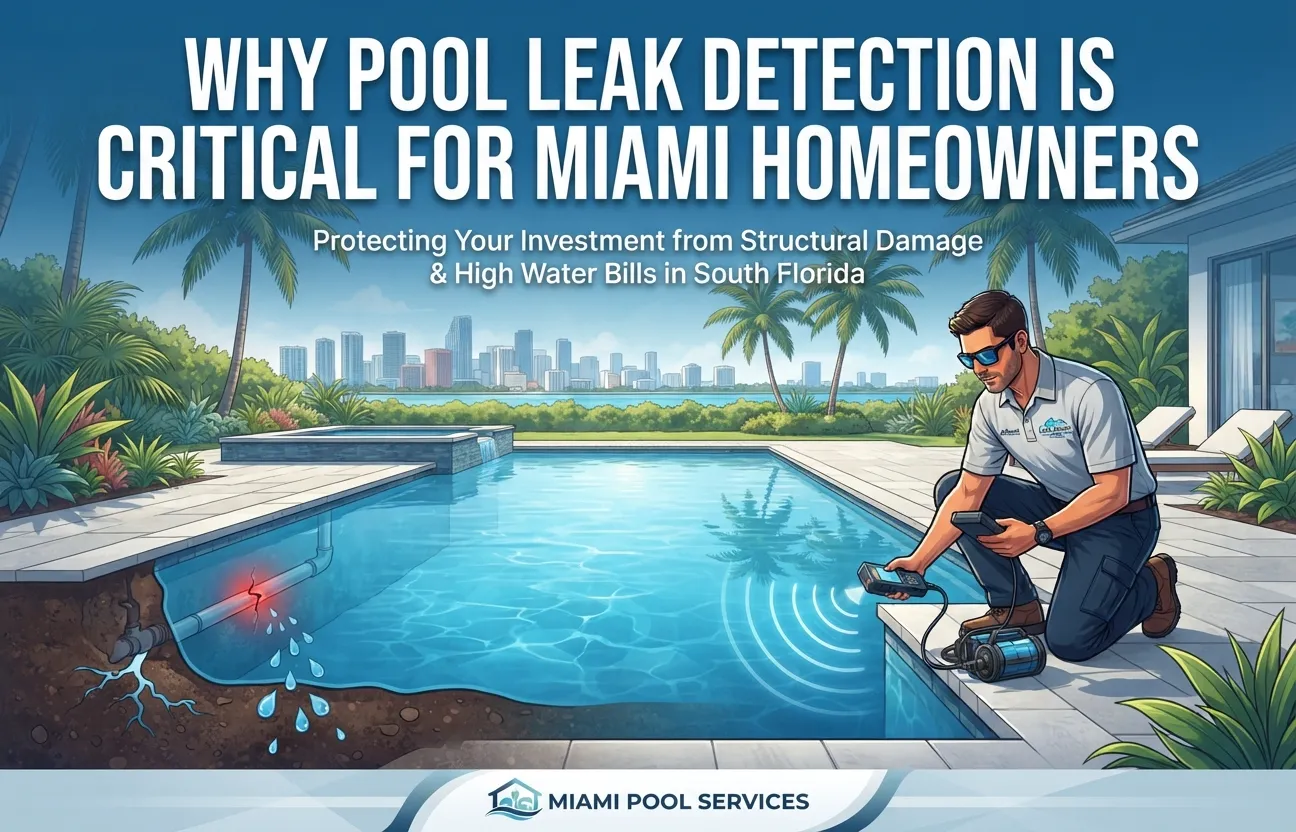
Miami homeowners live with their pools nearly year round. The warm climate that makes South Florida such a desirable place to live also creates conditions that put constant pressure on pool structures, plumbing, and equipment. A small leak that might go unnoticed in a cooler climate can turn into a serious problem fast in Miami, where pools are used constantly and the ground beneath them shifts with the region’s sandy soil and high water table.
Understanding why leak detection matters, and why it needs to happen quickly, can save Miami pool owners thousands of dollars and protect their property from damage that is far more expensive to fix than the leak itself.
The Unique Challenges Miami Pools Face
Miami’s climate and geography create a set of conditions that make pools more prone to leaks than in many other parts of the country.
The city sits on porous limestone bedrock with a naturally high water table. This means the ground around a pool is often saturated or close to it, which can mask the early signs of a leak. Water seeping out of a crack in the pool shell or a broken pipe underground can simply blend into soil that is already damp, delaying discovery until the leak has grown significantly.
Add to that Miami’s intense heat and humidity, frequent heavy rain, and the salt air that comes with coastal living, and pool equipment and plumbing take a beating. Rubber gaskets dry out and crack. PVC pipes expand and contract with temperature swings. Metal fittings corrode faster near the coast. All of these factors combine to make leaks more common in Miami pools than in pools located in drier, more temperate climates.
Many Miami homes also have pools that were built decades ago, some dating back to the 1970s through the early 2000s. The plumbing installed during that era is now reaching the end of its expected lifespan, and slab leaks, where a pipe running beneath the pool deck or the home’s foundation develops a crack, have become increasingly common in these older properties.
Why Small Leaks Turn Into Big Problems
A pool leak rarely stays small. What starts as a slow drip from a skimmer fitting or a hairline crack in a return line can widen over time, especially as ground movement, water pressure, and temperature changes continue to stress the weak point.
The financial cost adds up quickly. A leaking pool loses water that has to be replaced, and in Miami, water and sewer rates are not cheap. Homeowners often notice the problem first through an unexplained spike in their water bill, sometimes doubling or tripling from one month to the next.
Beyond the water bill, the bigger risk is structural damage. Water escaping underground can erode the soil supporting the pool deck, the pool shell itself, or even the foundation of the home if the leak is close enough. This kind of damage does not happen overnight, but by the time cracks appear in the deck or the pool starts to shift, the repair costs can run into the tens of thousands of dollars, far more than the cost of an early leak detection visit would have been.
There are also less obvious consequences. Chemical balance becomes difficult to maintain in a leaking pool, since fresh water keeps diluting the pool’s treatment levels. This means more chemicals, more maintenance time, and more expense just to keep the water safe and clear while the underlying leak goes unaddressed.
Common Signs of a Pool Leak
Most Miami homeowners are not going to catch a leak the moment it starts, but there are warning signs worth watching for.
- A noticeable rise in the water bill without a clear explanation
- The pool losing more than a quarter inch of water per day beyond normal evaporation
- Cracks or unevenness developing in the pool deck or surrounding pavers
- Wet or soggy patches of grass or soil near the pool that do not dry out
- Difficulty keeping chemical levels balanced despite regular maintenance
- Air bubbles in the pool’s return jets, which can point to a suction-side leak
- A pump that runs longer than usual to maintain proper water levels
Any one of these signs on its own might not mean much, but if a homeowner notices two or more happening around the same time, it is worth having the pool professionally inspected rather than waiting to see if the problem resolves on its own. It rarely does.
Why Professional Leak Detection Matters
Homeowners can do a basic bucket test to get a rough sense of whether water loss is coming from evaporation or an actual leak, but pinpointing the exact source and location of a leak requires specialized equipment and training.
Professional leak detection technicians use tools like electronic listening devices, dye testing, and pressure testing to trace a leak to its exact origin without unnecessary digging or guesswork. This matters because pool leaks are not always where they appear to be. Water can travel underground before surfacing, which means a wet spot in the yard might be several feet away from where the actual pipe break is located.
Skipping professional detection and guessing at a repair often means paying for work that does not actually fix the problem, followed by the same water loss and higher bills continuing as before. A proper detection visit identifies the real source, whether that is a skimmer, a main drain, a fitting around a light or jet, or a pipe running under the deck, so the repair addresses the actual issue the first time.
Acting Quickly Protects Your Investment
A Miami pool represents a real financial investment, both in the upfront cost of installation and in the value it adds to the home. Letting a leak go unaddressed puts that investment at risk in ways that are not always visible until the damage is already done.
The earlier a leak is caught and repaired, the less it costs to fix and the less risk there is to the pool structure, the deck, and the surrounding landscaping. Waiting until the signs become obvious, like visible cracks or a pool that will not hold water no matter how often it is refilled, almost always means a bigger and more expensive repair.
For homeowners looking for reliable Miami pool leak detection, working with a team that specializes in tracing leaks accurately and completing the necessary repairs can make the difference between a quick fix and a costly renovation.
Final Thoughts
Miami’s climate, soil conditions, and aging pool infrastructure make leak detection more important here than in many other parts of the country. What looks like a minor issue, a slightly higher water bill or a small damp patch near the pool, can be the first sign of a problem that only gets more expensive the longer it goes unchecked.
Staying alert to the warning signs, scheduling regular checks, and calling in a professional at the first sign of trouble is the best way for Miami homeowners to protect their pool, their yard, and their home from the kind of damage that a leak left unaddressed can eventually cause.