Stop Floor Drain Odors & Backups: Expert Maintenance Guide for Miami Homes & Businesses
What is Floor Drain Maintenance?
Floor drain maintenance is the simple act of keeping your home’s “safety valves” clean and full of water. Think of a floor drain like a thirsty guard; it needs water to stay strong and block bad smells (sewer gases) from entering your house. By clearing out dirt and pouring water down the drain once a month, you prevent your laundry room or garage from smelling bad or, worse, flooding during a heavy Miami rainstorm.
Why Does My Drain Smell Like Rotten Eggs?
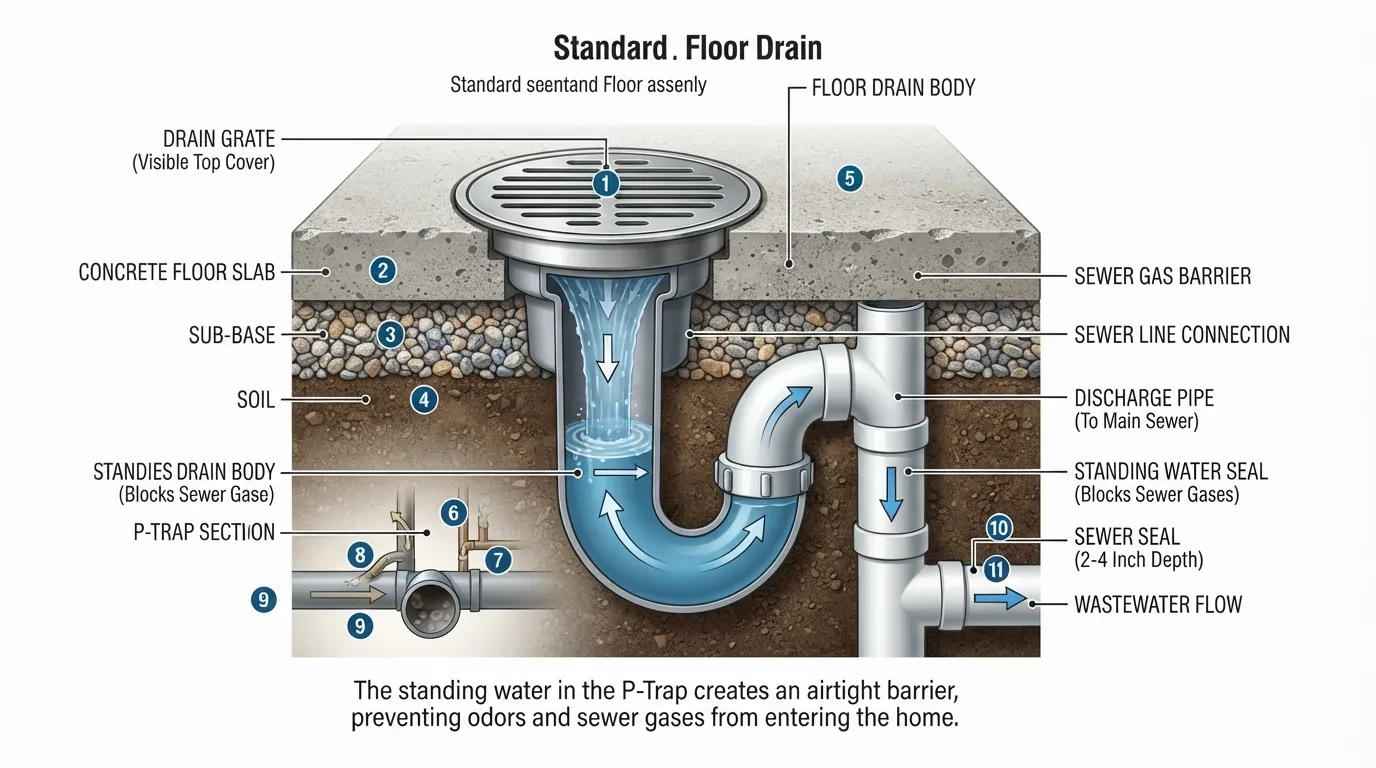
If your laundry room smells bad or your garage drain is making “glug-glug” gurgling sounds, you aren’t alone. In Miami, our high humidity and salty beach sand love to hide inside your pipes. When a floor drain sits for too long without being used, the water inside a hidden pipe called the “P-Trap” evaporates (disappears into the air). Once that water is gone, there is nothing left to stop stinky sewer air from floating right into your home.
The Expert Promise: What You Will Learn Today
You don’t need to be a professional plumber to keep your home safe. This guide reveals the “Secret Tricks” used by the pros—from using simple pantry items like baking soda to the “One-Drop Oil Method” that stops smells for months. Whether you are a homeowner or a Miami business owner, this guide will show you exactly how to keep your drains clear, your floors dry, and your air fresh without spending a fortune
Understanding Your Floor Drain: The Basics
What is a Floor Drain? Your Home’s “Safety Valve”
Think of a floor drain as a safety valve for your house. Most pipes in your home take water out (like your sink or shower). But a floor drain sits on the floor to catch “stray” water from floods, broken pipes, or heavy rain. Its only job is to whisk water away before it can ruin your carpets, walls, or expensive furniture. It’s the silent hero of your foundation.
Where Should You Look?
In Miami, floor drains aren’t everywhere, but they are in the most important spots. You should check these areas at least once a month:
The Laundry Room: To catch water if the washing machine leaks.
The Garage: To drain away rainwater from your car or soapy water from washing the floor.
The Basement or Mechanical Room: Usually near the water heater.
The Patio: To prevent Miami’s “Flash Floods” from entering your back door.
Commercial Kitchens: Large drains in restaurants that handle a lot of soapy water and grease.
Floor Cleanout vs. Floor Drain: What’s the Difference?
Many people get these confused, but they are very different!
The Floor Drain: This has a grate (holes) on top. It is meant to “suck up” water from the floor. It has a “U-shaped” pipe underneath to stop smells.
The Floor Cleanout: This has a solid metal cap with no holes. You cannot pour water into it. It is actually a “secret door” that plumbers use to put a camera or a cleaning tool deep into your main sewer line if there is a massive clog.
Types of Drains We See in Miami
Because Miami has unique weather and sandy soil, we usually see two main types of systems:
The Standard P-Trap Drain: The most common home drain. It uses a small “pool of water” inside the pipe to block sewer gases.
The Area Drain: These are larger drains found on patios or driveways. They are built to handle thousands of gallons of water during a tropical storm.
The Trench Drain: Long, skinny drains (like a metal line in the floor) often found in Miami parking garages or luxury car ports to stop water from pooling.
Warning Signs: Does Your Floor Drain Need Help?
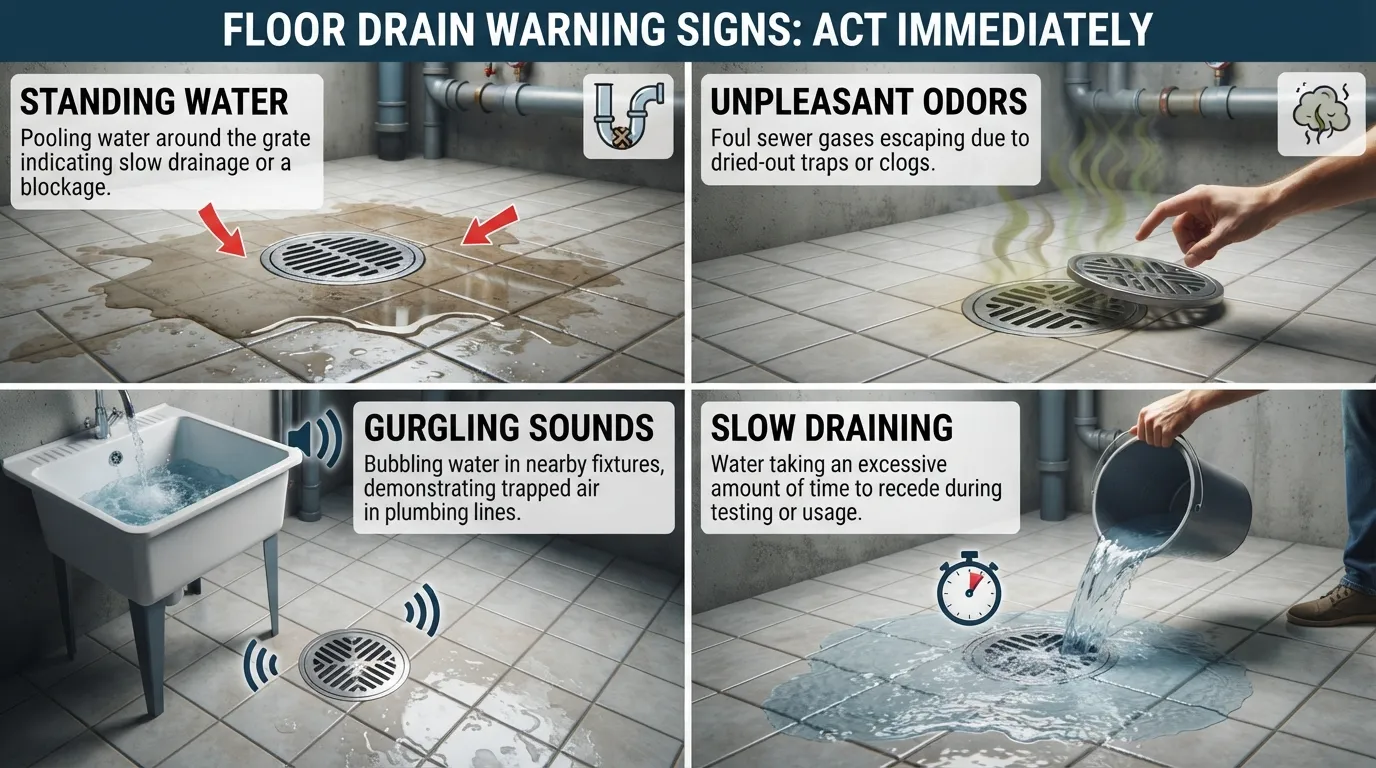
Your floor drain is usually quiet and invisible, but when it starts “talking” to you, it’s time to listen. If you notice any of these four signs, your home’s safety valve is struggling.
1. The “Rotten Egg” Smell (Sewer Gas)
The most common complaint in Miami is a foul, stinky odor that smells like sulfur or rotten eggs.
The Cause: This happens when the water inside your P-Trap (that U-shaped pipe we mentioned earlier) has dried up.
The Danger: Without that “water seal,” dangerous sewer gases can float right into your laundry room or basement. It’s not just a bad smell—it’s unhealthy air.
2. Slow Drainage (The “Whirlpool” Test)
Does the water sit around the drain for a long time instead of disappearing instantly?
The Test: Pour a gallon of water directly into the drain. If it creates a tiny whirlpool and vanishes quickly, your drain is healthy.
The Warning: If the water rises or takes more than a few seconds to go down, you likely have a “soft clog” made of hair, soap scum, or Miami beach sand.
3. Strange Gurgling Sounds
Does your drain make a “glug-glug” or bubbling noise when you run the kitchen sink or flush a toilet?
The Cause: This sound means there is trapped air in your pipes. It is a major warning sign that a deep blockage is forming further down the line. It’s like the drain is trying to “gasp” for air because the pipe is almost full of gunk.
4. Drain Flies (Tiny Black Pests)
If you see tiny, fuzzy black flies hovering around your floor drain, you have a problem.
The Cause: Drain flies don’t just “appear”; they breed in the slime and organic gunk that builds up inside a dirty drain. If they are there, it means your drain hasn’t been cleaned in a long time and is full of “food” for these pests.
Common Causes of Clogs: The Miami Context
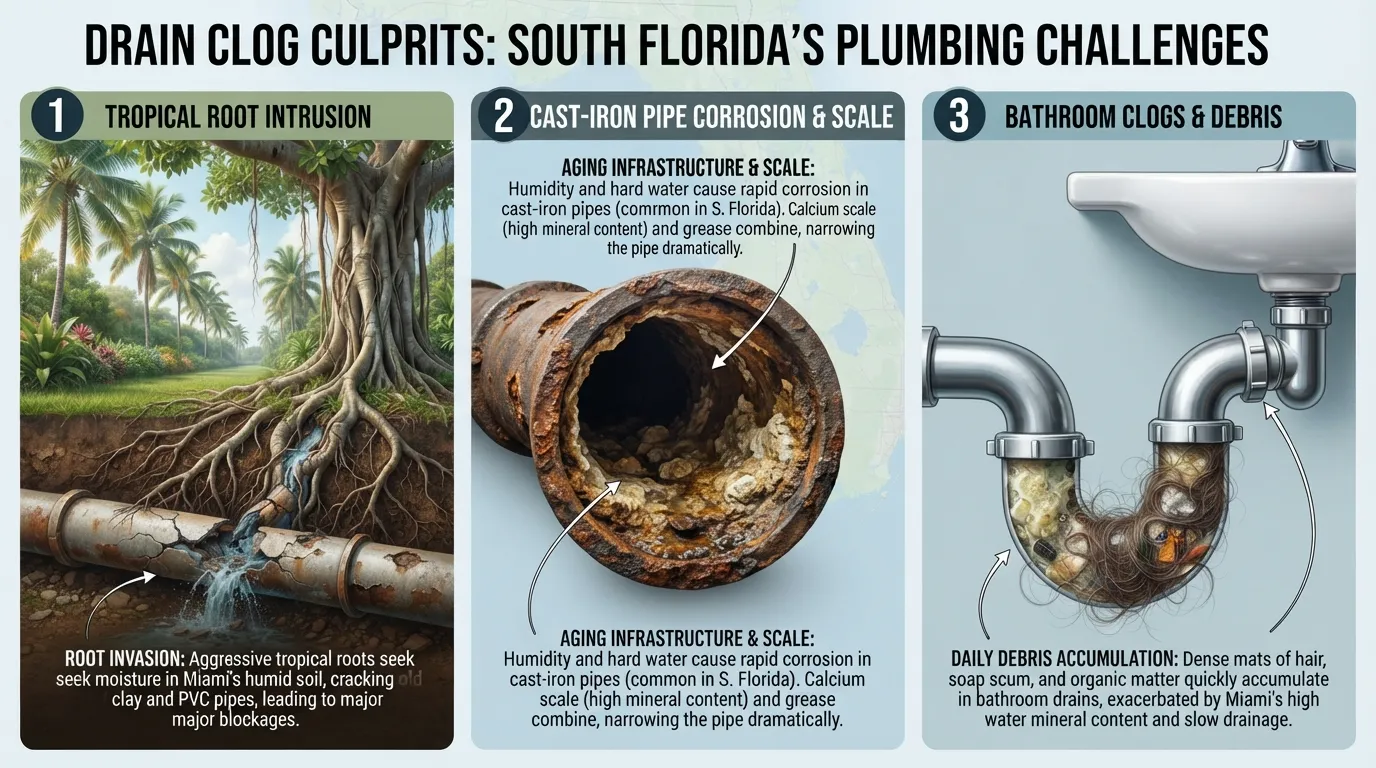
Why do drains in Miami clog differently than drains in other cities? It’s because of our unique environment. Understanding what is hiding inside your pipes is the first step to fixing the problem.
1. Sand & Sediment (The Coastal Challenge)
In Miami, sand is everywhere—on our shoes, our cars, and even in the wind.
The Problem: When you wash your car in the garage or rinse off after a day at the beach, fine beach sand enters your floor drain.
The Result: Sand is heavy. It doesn’t wash away easily; instead, it settles at the bottom of the “U-shaped” pipe (the P-trap). Over time, it turns into a hard, cement-like block that stops water completely.
2. Debris Buildup: Hair, Dirt, and Soap Scum
This is the “Triple Threat” for laundry room and bathroom floor drains.
The Gunk: Tiny fibers from your clothes, hair from pets, and sticky soap scum from detergents mix together.
The Result: This mixture creates a thick, waterproof “mat” inside your pipe. It’s sticky, so it catches everything else that tries to go down the drain, eventually causing a total backup.
3. Grease & Food Scraps (Commercial Enemies)
If you own a restaurant or a café in Miami, your floor drains face a different battle.
The Enemy: Hot grease and tiny food bits.
The Result: When hot grease hits cold pipes, it turns into a solid “fatberg.” This is the #1 reason for emergency drain service in commercial kitchens. It smells terrible and can shut down your business in hours.
4. The “Sweeping” Mistake: Don’t Do It!
This is the most common mistake homeowners make.
The Mistake: When cleaning the garage or patio, it’s tempting to sweep all the dust, leaves, and trash directly into the floor drain cover.
The Reality: A floor drain is NOT a trash can. * The Warning: Drain covers (grates) are only designed to catch water. When you sweep solid dirt into them, you are filling the trap with “organic mud” that will rot, smell, and eventually require a professional plumber to snake out.
Step-by-Step Maintenance & Cleaning DIY Guide
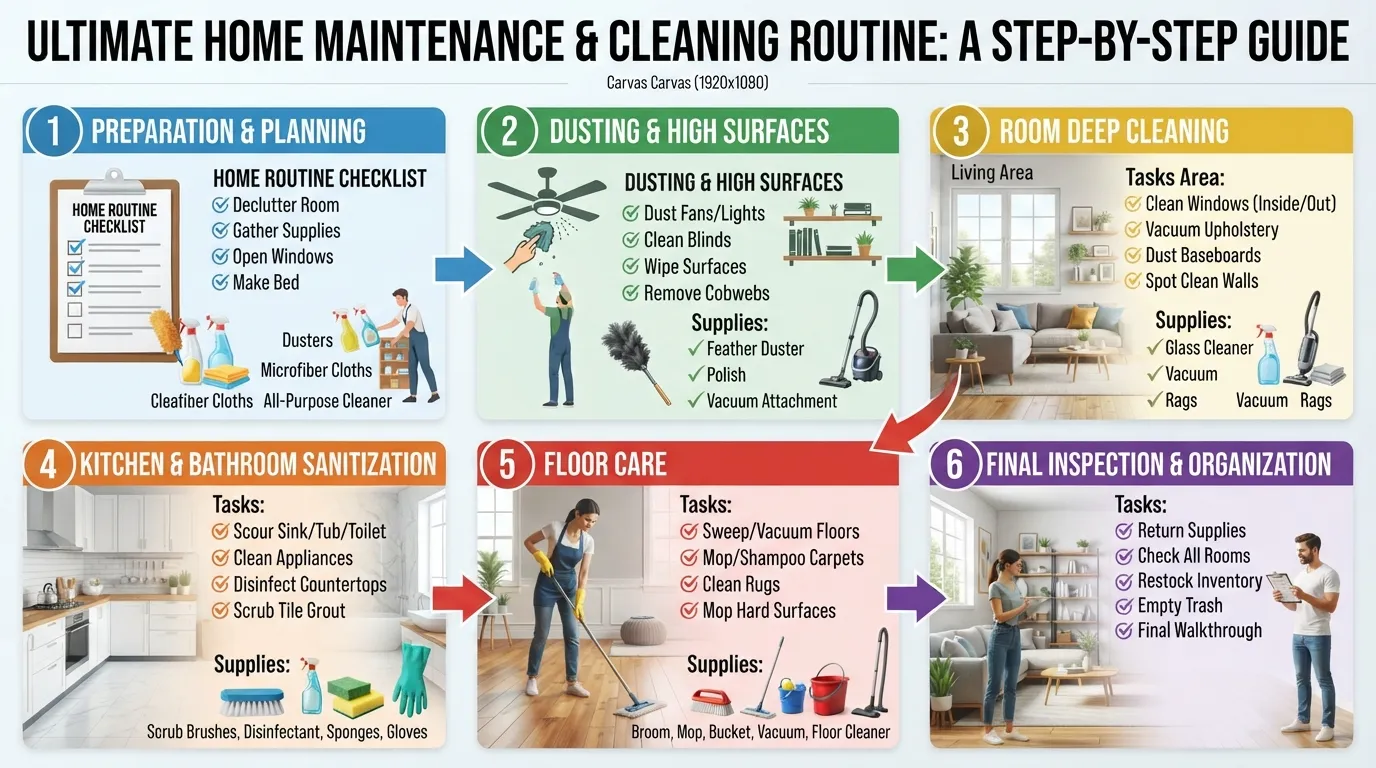
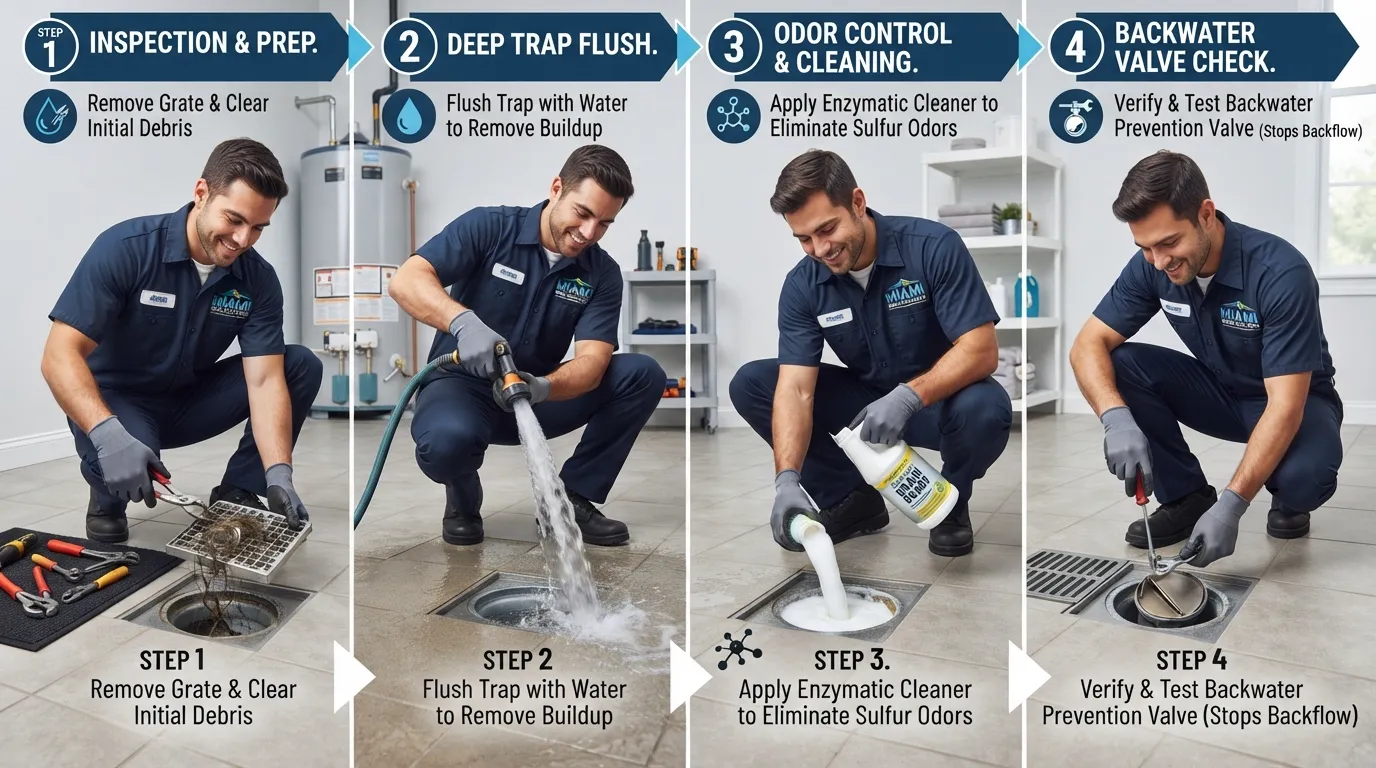
You don’t always need a plumber to keep your home smelling fresh. Follow these five simple steps once a month to keep your floor drains in perfect shape.
Step 1: Clean the Drain Cover The Strainer
The metal grate on top of your drain is your first line of defense.
The Action: Use a screwdriver to remove the screws (if any) and lift the cover.
The Clean: Use a gloved hand or a small brush to pull out hair, lint, and gunk stuck to the bottom of the grate. If the grate is rusty, scrub it with an old toothbrush and soapy water.
Step 2: The “Trap Prime” The Secret Oil Trick
In Miami’s heat, water in your pipes evaporates quickly, letting smells in.
The Action: Pour about one gallon of water down the drain to “prime” the trap.
The Pro Secret: Add one teaspoon of cooking oil (like vegetable or mineral oil) on top of the water. The oil creates a thin “skin” on the water that stops it from evaporating, keeping the sewer smells away for much longer!
Step 3: The Home Remedy Flush Baking Soda & Vinegar
Skip the harsh chemicals that can melt your old Miami pipes. Use this natural “fizzy” cleaner instead.
The Recipe: Pour half a cup of Baking Soda down the drain, followed by half a cup of White Vinegar.
The Result: Let it bubble for 10 minutes to break down soap scum, then flush it with a kettle of hot (not boiling) water.
Step 4: The Wet/Dry Vac Trick
If your drain is draining slowly, you might have a “soft clog” near the top.
The Action: Take a Wet/Dry Vacuum (like a Shop-Vac), remove the filter, and place the hose over the drain opening.
The Result: Use a wet rag to seal the edges around the hose and turn it on. Often, this will suck out hair and sand that a plunger can’t reach, clearing the drain instantly without a snake.
Step 5: Natural Deodorizers
To keep your laundry room or garage smelling like a spa instead of a sewer:
The Tip: After cleaning, you can pour a little lemon juice or a few drops of essential oils (like Eucalyptus or Tea Tree) down the drain. These are natural killers of “Drain Fly” bacteria and keep the air smelling fresh for weeks.
Advanced Professional Solutions: When DIY Isn't Enough

Sometimes, a box of baking soda and a vacuum aren’t enough to fight a decade of Miami sand and grease. If your floor drain is still backing up, it’s time to use professional technology. Here is how the pros handle the “impossible” clogs.
1. CCTV Camera Inspection Seeing the Invisible
How do we know if your pipe is broken or just full of hair? We don’t guess—we look.
The Tech: We feed a waterproof, high-definition CCTV camera deep into your floor drain.
The Benefit: This allows us to see exactly what is causing the blockage. Whether it’s a hidden crack in the pipe or a “fatberg” made of old grease, we can show you the video on a screen so you know exactly what the problem is before we start fixing it.
2. Professional Drain Augers Snaking the Tough Stuff
A hardware store snake is often too weak for deep clogs.
The Tech: We use heavy-duty, motorized Drain Augers.
The Benefit: These machines use high-torque steel cables to chew through massive hair mats, thick soap scum, and even small tree roots that have snaked their way into your garage drain. It clears the path so water can flow again instantly.
3. Hydro-Jetting The Ultimate Deep Clean
Think of this as a “pressure washer” for the inside of your pipes.
The Tech: Hydro-Jetting uses 4,000 PSI of water pressure to blast the walls of your pipes clean.
The Benefit: While a snake only pokes a hole in a clog, Hydro-Jetting scrubs the pipe 360 degrees. It is the only way to completely remove heavy Miami sand and sticky commercial grease, making your old pipes look brand new on the inside.
4. 24/7 Emergency Drain Service The “Flood” Response
A floor drain backup rarely happens at a “convenient” time.
The Warning: If your floor drain is overflowing while you are sleeping or during a holiday, you cannot wait until Monday morning.
The Action: Emergency Drain Service is about preventing “Secondary Damage”—like mold growth in your walls or ruined electrical wiring. In Miami’s heat, standing water can turn into a health hazard in less than 24 hours.
Commercial Floor Drain Focus: For Miami Businesses
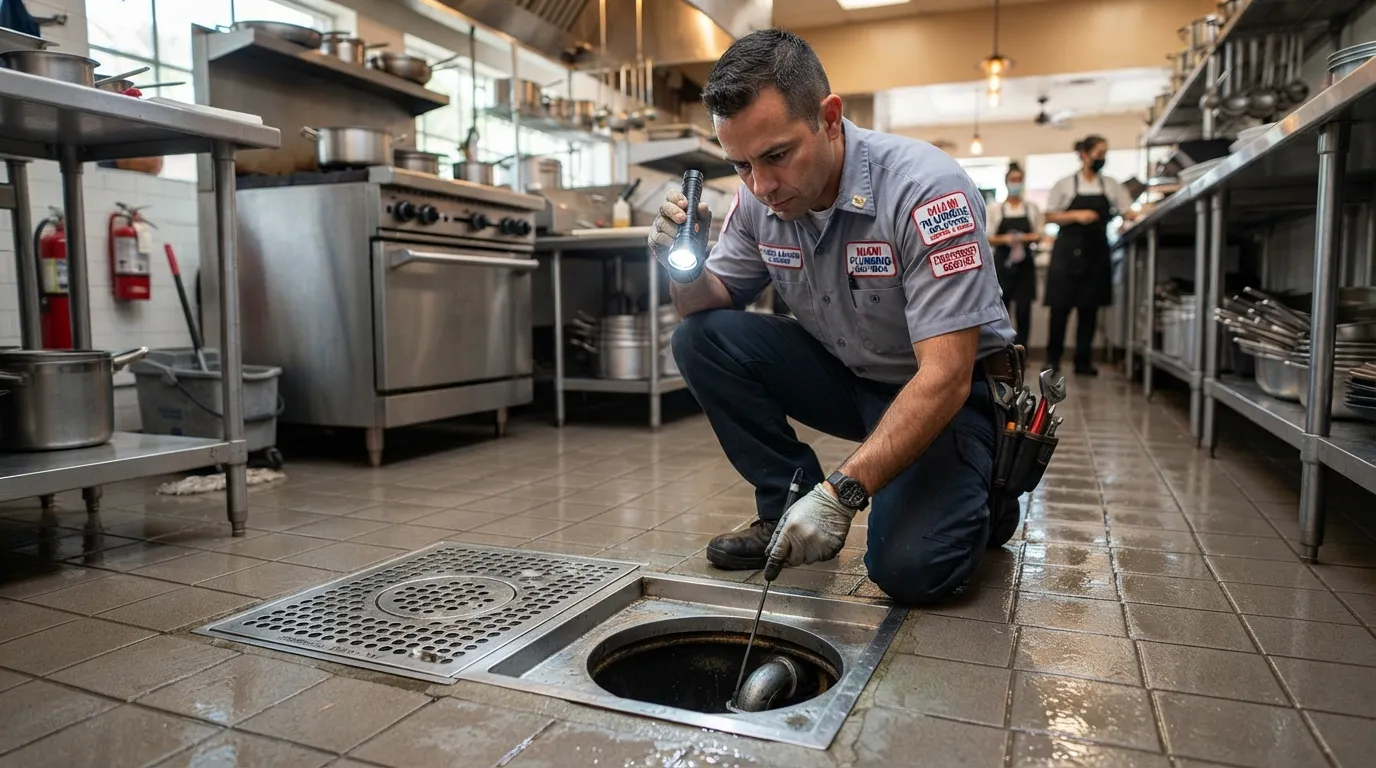
In a Miami home, a clogged drain is an annoyance. In a Miami business, it’s a financial disaster. From South Beach restaurants to Doral warehouses, keeping your floor drains clear is a critical part of your daily operations.
1. The Cost of Neglect (More Than Just a Smell)
If you ignore the floor drains in your commercial kitchen or storage area, the “gross factor” quickly turns into a business killer.
Business Disruption: A backup in a restaurant kitchen means you have to stop cooking immediately. That’s lost revenue every minute you’re closed.
Reputation Damage: If a customer smells “sewer gas” in your dining room or lobby, they won’t come back. In the age of online reviews, one smelly drain can ruin your 5-star rating.
Health Inspections: Flooding or foul odors are an automatic “Red Flag” for health inspectors. Don’t risk a fine or a shutdown.
2. Frequency Guidance: How Often Should You Clean?
High-traffic businesses cannot wait for a monthly check-up. You need a schedule:
Daily Maintenance: In commercial kitchens, food scraps and grease fall on the floor constantly. You must sweep up debris before mopping so it doesn’t wash into the drain.
Weekly Deep Flush: Pour five gallons of hot, soapy water down every floor drain once a week to break up “Fresh Grease” before it hardens into a “Fatberg.”
Monthly Trap Check: Ensure the “Trap Primers” (devices that automatically add water to the drain) are working so your staff and customers don’t breathe in sewer fumes.
3. Stainless Steel Care & Hygiene
Most commercial drains in Miami use Stainless Steel grates.
The Goal: To keep your kitchen “hospital-clean.”
The Tip: Use a specialized stainless steel cleaner or a mix of mild soap and warm water. Never use bleach on stainless steel as it can cause “pitting” (tiny holes) where bacteria and “Drain Flies” love to hide. A clean, shiny drain cover is a sign of a professional, hygienic kitchen.
Common Mistakes to Avoid

Most floor drain disasters in Miami don’t happen by accident—they happen because of small mistakes that add up over time. If you want to keep your floors dry and your wallet full, avoid these three common “drain traps.”
1. Ignoring a “Slow” Drain Until It Floods
Many homeowners see water sitting around the drain for an extra minute and think, “It’s okay, it eventually went down.” * The Mistake: This is like ignoring a smoke detector because there isn’t a huge fire yet.
The Reality: A slow drain is a warning cry. In Miami, a slow drain usually means sand or hair is building up. If you wait until the next big tropical rainstorm, that “slow” drain will become a “no” drain, and your laundry room will be underwater in minutes. Action: Fix it while it’s slow, so it never becomes an emergency.
2. Using “Drano” or Harsh Liquid Chemicals
It’s tempting to grab a bottle of blue liquid from the grocery store, but in Miami, this is a huge mistake.
The Mistake: Pouring caustic chemicals (like Drano) down a floor drain.
The Danger: Most floor drains in older Miami homes have PVC or cast iron pipes. These chemicals create an intense heat reaction that can actually melt plastic pipes or eat holes through old metal.
The Better Way: Chemicals rarely reach the bottom of a heavy sand clog anyway. Use the Baking Soda and Vinegar method we mentioned in Section 5—it’s safer for your pipes and much cheaper!
3. Forgetting Your HVAC Condensation Line
This is a “Miami Special” mistake that most people never think about.
The Mistake: Not checking where your Air Conditioner (AC) drains its water.
The Reality: In our humid climate, your AC creates gallons of water every day. This water often drips into a floor drain near your indoor AC unit.
The Problem: If that floor drain gets a tiny clog from dust or algae, your AC water has nowhere to go. It will spill onto your floor, causing hidden mold growth under your baseboards. Action: Always check that your AC drain line is dripping freely into a clear, clean floor drain.
Trust the Miami Floor Drain Experts: Get Help Today!
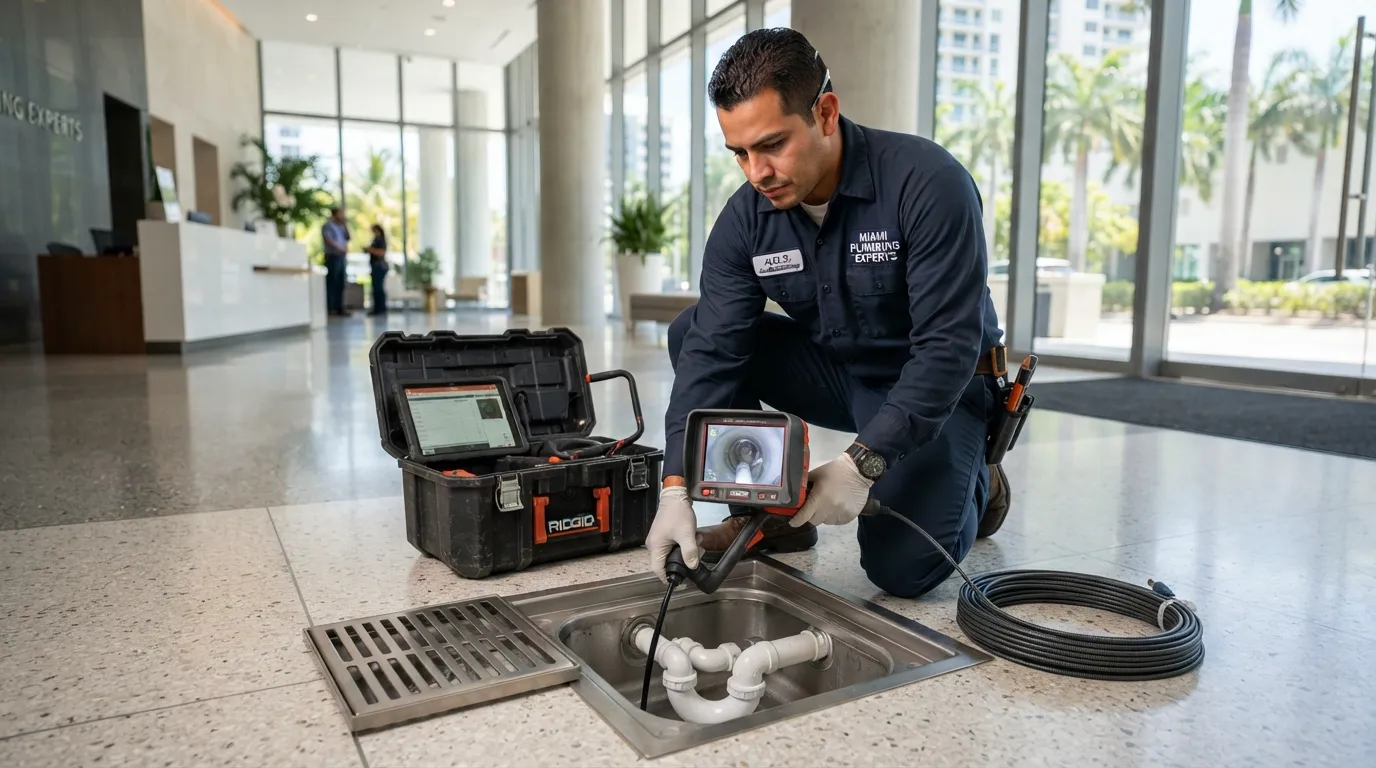
Don’t wait for a small smell to turn into a big flood. At EZ Plumbing, we have spent years protecting homes and businesses across Miami and Miramar from the unique challenges of Florida’s sandy soil and tropical humidity.
The EZ Plumbing Edge
Why do your neighbors choose us? It’s because we treat your home like our own:
Fully Licensed & Insured: You can rest easy knowing your property is in professional hands.
Local Knowledge: We know exactly how Miami’s sand and salt affect your specific plumbing system.
High-Tech Tools: We use HD Cameras and Hydro-Jetting to fix the problem right the first time—no guesswork involved.
🎁 Special Offer for New Customers
We want to make it easy for you to protect your home. Mention this guide when you call to receive:
$50 OFF Your First Professional Drain Cleaning Service!
Keep your floors dry and your air fresh for less.
Frequently Asked Questions: Floor Drain Maintenance
Yes. A healthy floor drain must always have water inside its “P-trap.” This water acts as a liquid seal that blocks stinky, dangerous sewer gases from entering your home.
In Miami’s heat, you should pour one gallon of water down your floor drains once a month. This replaces any water that has evaporated and keeps the “trap” full.
The best maintenance is a three-step routine:
Monthly water flushing.
Regular debris removal from the cover.
A natural Baking Soda and Vinegar flush every three months to prevent slime buildup.
To stop water from evaporating, pour one teaspoon of mineral oil (or cooking oil) into the drain after you’ve added water. The oil floats on top, creating a barrier that stops evaporation for months.
No, a small amount of baby oil or mineral oil is safe for your pipes. It is actually a professional secret used to keep traps from drying out in guest bathrooms or vacant properties.
Vinegar and baking soda create a “fizzing” reaction that breaks down soap scum, grease, and light debris without using harsh, pipe-melting chemicals like Drano.
To fix a dry drain, simply pour one gallon of clean water into it until the smell disappears. If the smell returns quickly, check for a leak in the pipe or a crack in the trap.
Hot water and dish soap are the best DIY grease cutters. For heavy commercial “fatbergs,” professional Hydro-Jetting (high-pressure water) is the only way to completely scrub the pipes clean.
Most floor drains have a built-in trap, but a Floor Clean-out is a separate, capped pipe nearby. It allows a plumber to bypass the trap and send a camea or snake directly into the main sewer line.
You can upgrade your old, rusty drain cover with a Decorative Stainless Steel or Brass Grate. There are many modern designs that sit flush with your tile, making the drain look like a part of your home’s decor.